What You’ll Wish You Knew About Gates Before the Animals Get Out
Photo credit: mr_tigga/Shutterstock.com
Gates are one of those things you don’t think about until they’re wide open and your animals are gone. A poorly placed or badly designed gate makes feeding, loading, and fencing harder—and it’ll always be the weakest point in containment. Good gates save time and stress. Bad gates cost you animals.
Narrow Gates Make Everything Harder
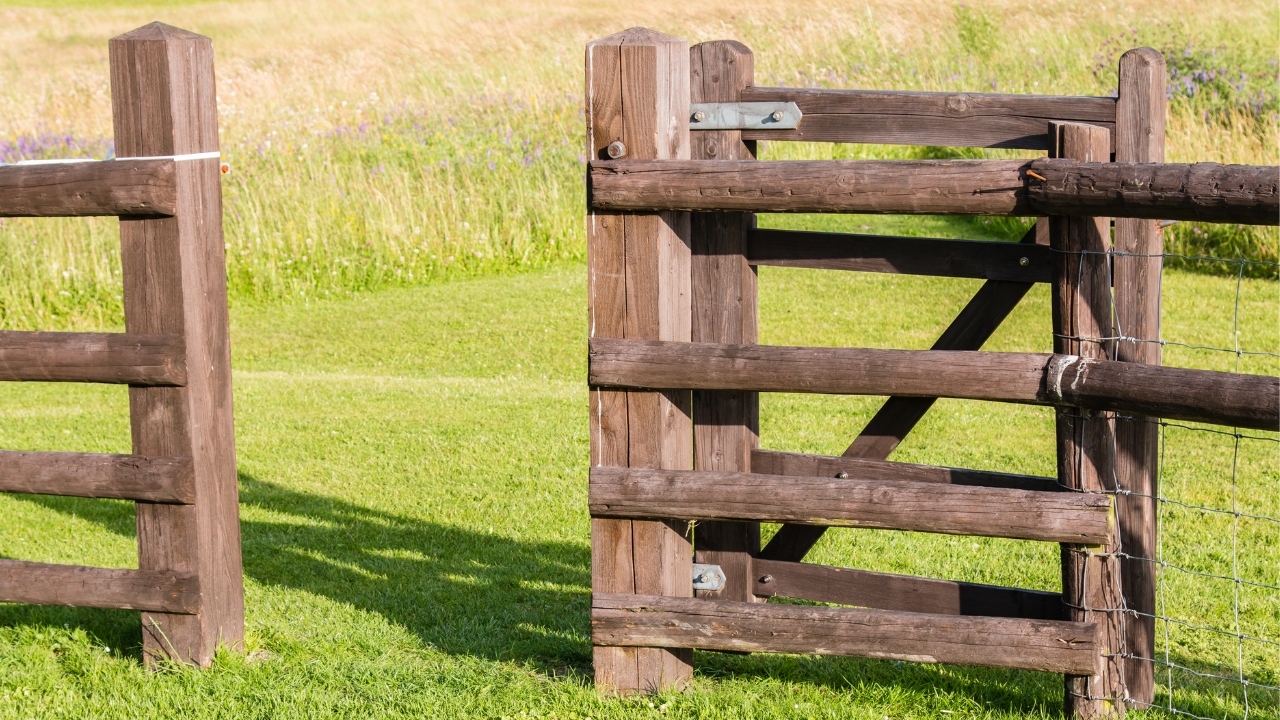
If you can’t fit your tractor, a hay bale, or even a wheelbarrow through your gate, it’s in the wrong spot or the wrong size. Gates need room for equipment, not just you. Widening a gate after the fact is way more of a pain than starting wide.
Weak Hinges Don’t Last
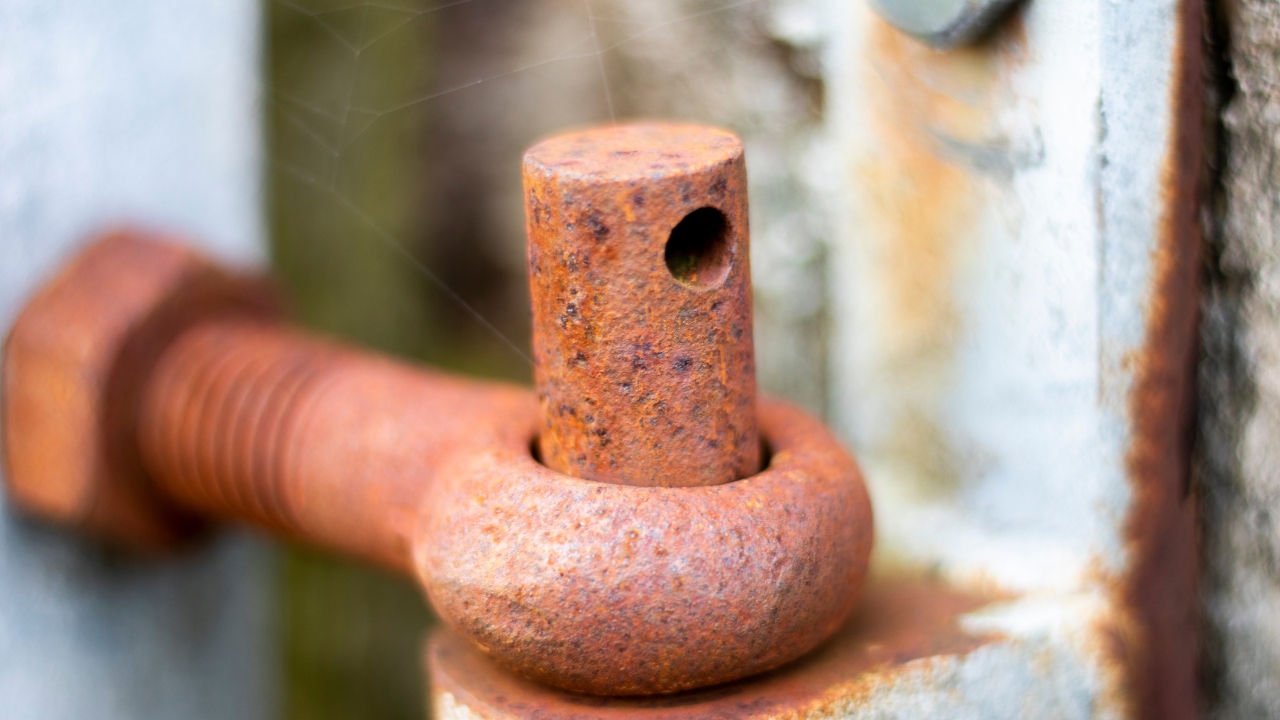
Cheap hinges sag, rust, or seize up faster than you’d think—especially with big gates or heavy use. Once they’re crooked, the latch won’t line up and animals will start testing the weak spot. Invest in heavy-duty hinges from the start and check them once a season.
The Ground Needs to Be Level
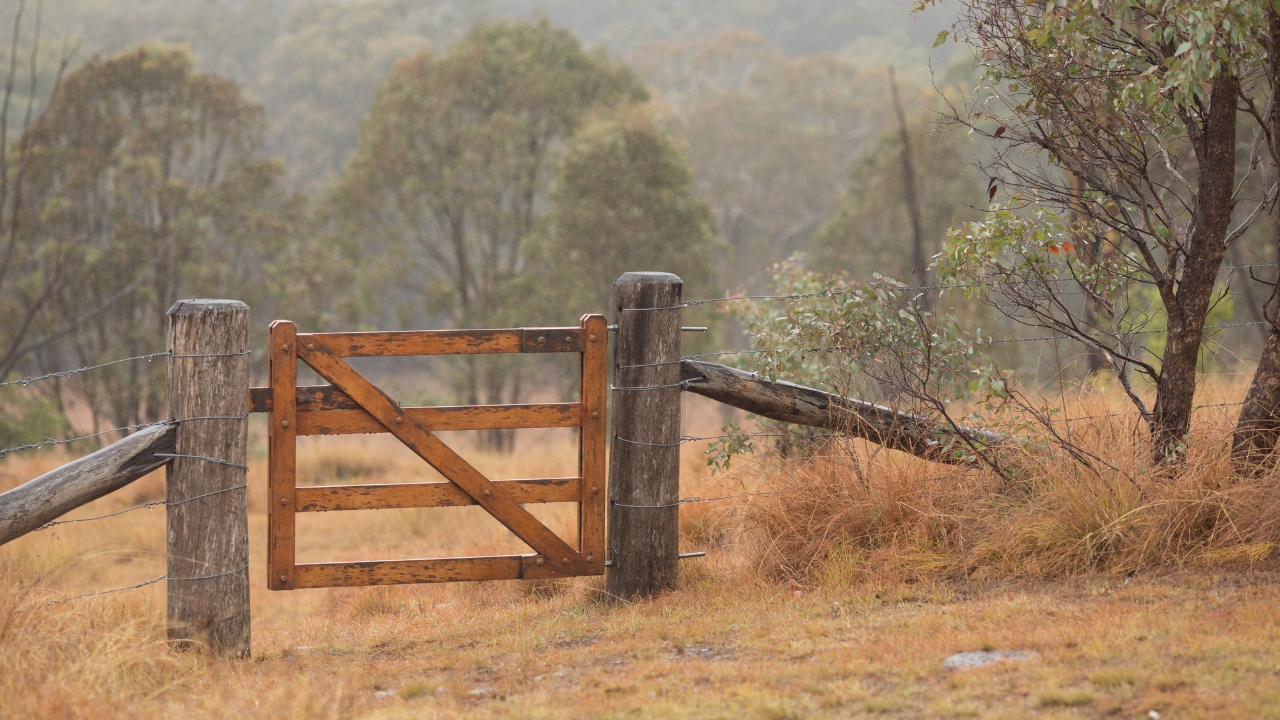
If your gate drags or leaves a huge gap under it, you’ve got a problem. Uneven ground makes it hard to close securely, and animals will find their way under if there’s enough space. You might have to regrade or add gravel to get the clearance right.
Latches That Don’t Stay Shut
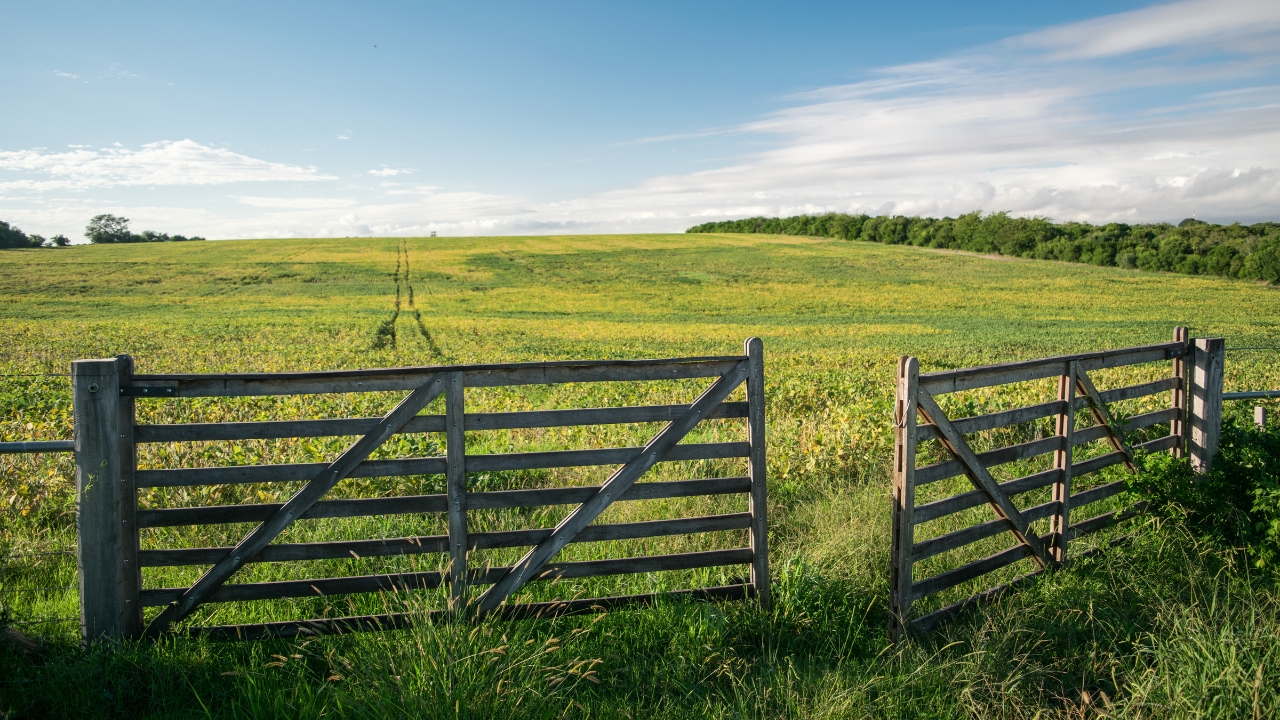
A gate that looks closed isn’t the same as a gate that’s secure. Animals will lean, push, or scratch on it—and a weak latch will pop open. Spring-loaded or locking latches work better than chain loops, especially for gates that see daily use.
*This article was developed with AI-powered tools and has been carefully reviewed by our editors.