10 Easy Ways to Keep Your Livestock Safe from Predators
Image Credit: Dragan Mujan/ Shutterstock.
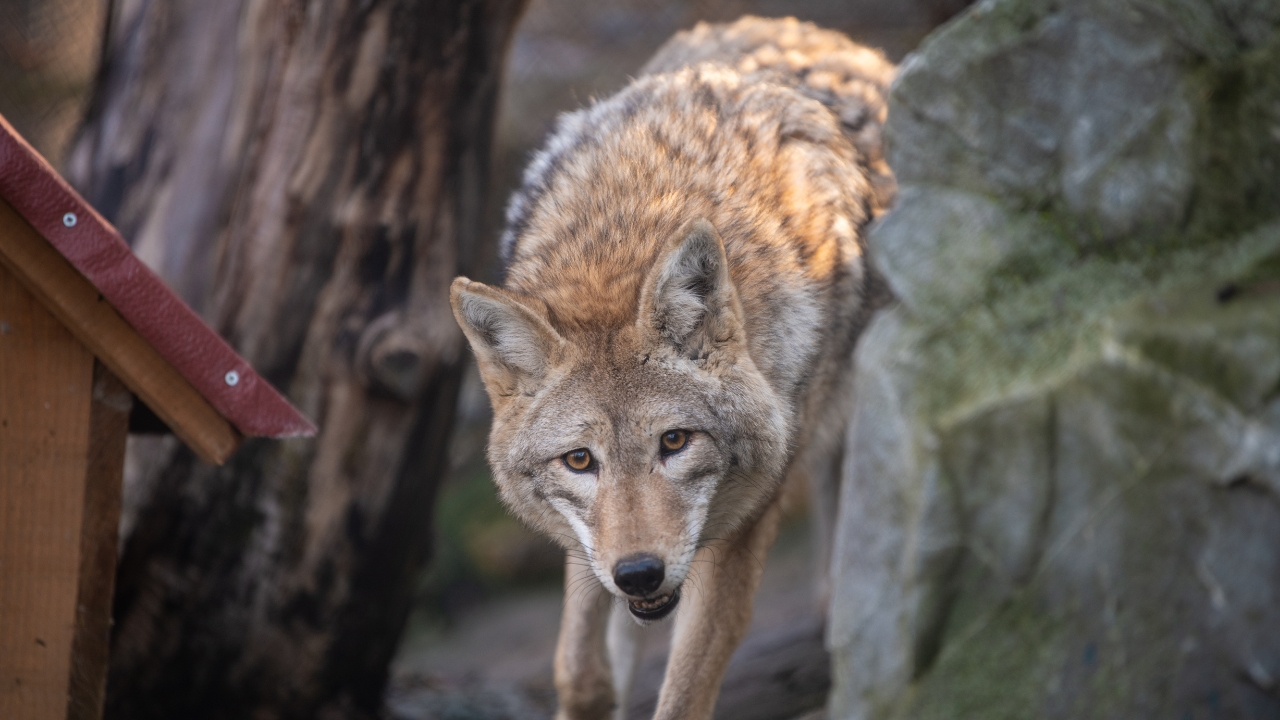
If you’re raising livestock, predators aren’t a question of if—they’re a question of when. Sooner or later, something will come sniffing around, looking for an easy meal. If your setup isn’t solid, you’re going to lose animals. And once a predator figures out your place is an easy target, it won’t stop coming back.
The good news? You can stop them. A strong fence, a locked-up shelter, and the right deterrents will keep your livestock safe and predators out. But you have to be proactive. If you wait until after an attack to take action, you’re already too late. Here’s what actually works to keep predators away from your animals.
Use Secure Fencing
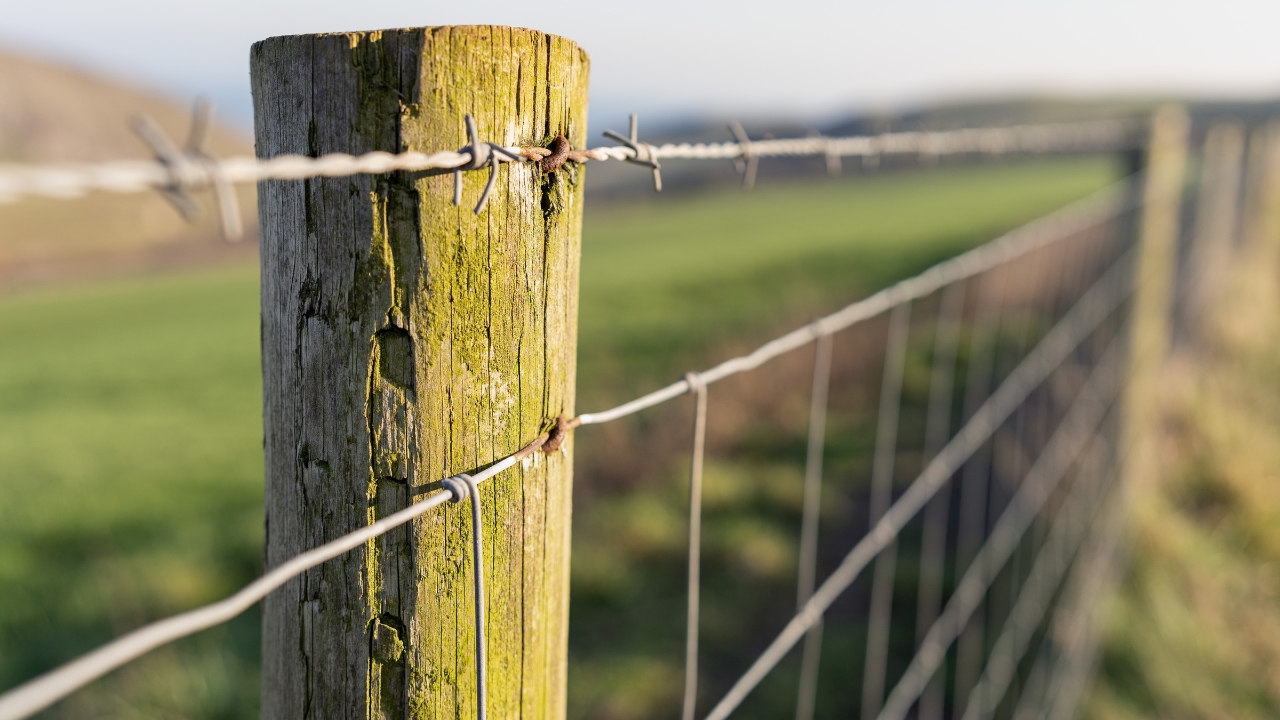
If your fencing isn’t strong, you might as well be leaving an open invitation for predators. Coyotes, foxes, and stray dogs will squeeze through weak spots, and raccoons can climb or dig their way in. A solid fence is your first and best line of defense.
Go for heavy-duty materials—woven wire, welded panels, or electric fencing. Bury the bottom at least a foot deep to stop diggers, and make sure gates are as secure as the fence itself. A predator-proof fence isn’t something you build once and forget—check it often for weak spots.
Lock Up at Night

Most predators are nocturnal, which means your livestock are in the most danger while you’re asleep. If you’re leaving them out overnight, it’s only a matter of time before something finds them.
A sturdy barn or coop with strong doors and no gaps is a must. Make sure everything latches securely—raccoons are smart enough to figure out weak locks. Ventilation is important, but openings should be covered with heavy-gauge hardware cloth, not flimsy chicken wire.
Get a Livestock Guardian Animal

A good livestock guardian dog (LGD), donkey, or llama can make all the difference in keeping predators away. Unlike regular farm dogs, LGDs are bred to live with and protect livestock full-time. Breeds like Great Pyrenees, Anatolian Shepherds, and Maremmas are some of the best for the job.
Donkeys and llamas can also be effective, especially against coyotes. They’re naturally aggressive toward anything that doesn’t belong and won’t hesitate to stomp a predator into the ground. Just make sure any guardian animal you get is bonded to your livestock, not just wandering the property.
Install Motion-Activated Lights
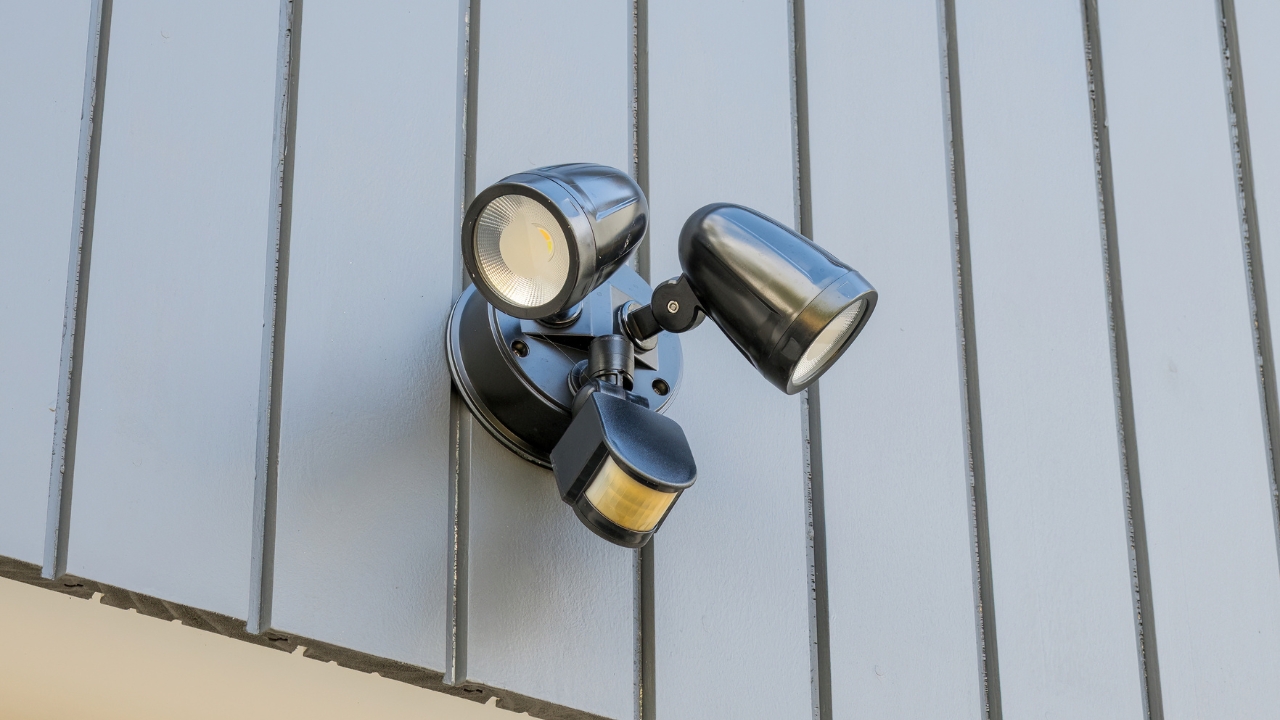
Predators like to work in the shadows, and sudden bright light can be enough to send them running. Motion-activated floodlights around coops, barns, and pastures can help deter nighttime prowlers.
For extra security, use solar-powered lights with multiple sensors. Some farmers swear by flashing predator deterrent lights that mimic the eyes of larger animals. They work best when moved around every few weeks so predators don’t get used to them.
Use Electric Fencing for Extra Protection
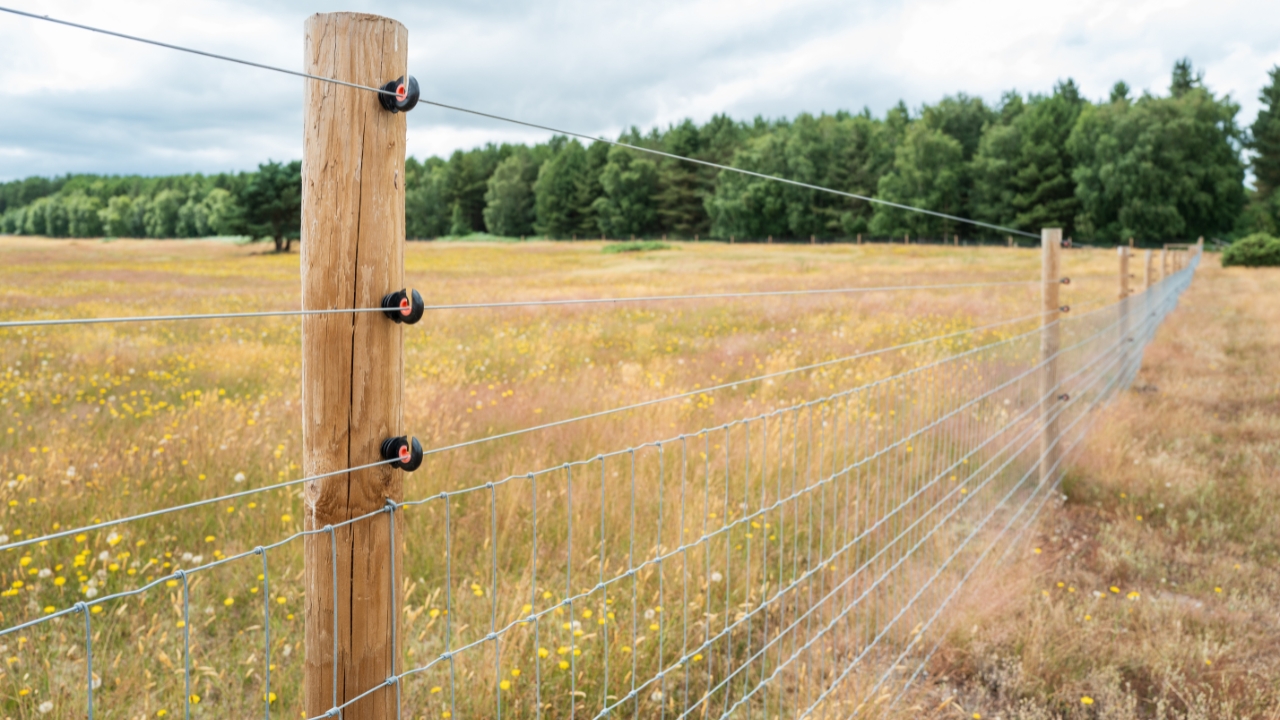
A well-placed hot wire can turn a determined predator into a quick learner. Electric fencing is one of the most effective deterrents for keeping coyotes, bears, and raccoons out of your livestock area.
Set up a strand at nose level for smaller predators and another one higher up for larger threats. If you’re dealing with diggers, a low-strung hot wire a few inches off the ground can stop them before they even get to the main fence. Keep it maintained—if the fence isn’t delivering a strong shock, it’s useless.
Keep Feed Secure
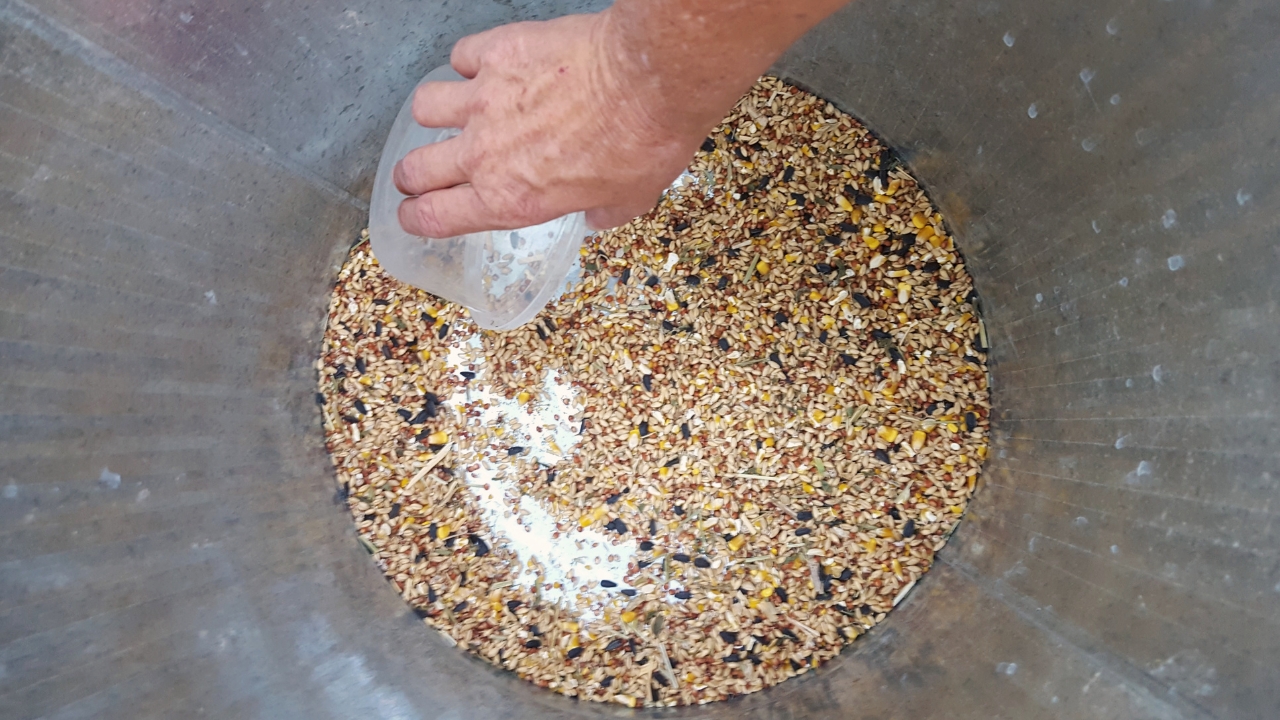
If you’re leaving livestock feed sitting out, you’re inviting trouble. Unsecured grain attracts rodents, which in turn attract larger predators. It’s also a magnet for raccoons, opossums, and even bears in some areas.
Store all feed in rodent-proof bins with tight-fitting lids. Don’t leave food scraps in or near animal enclosures. And if you have a compost pile, make sure it’s well-managed so it doesn’t become a free buffet for scavengers.
Remove Hiding Spots Near Livestock Areas
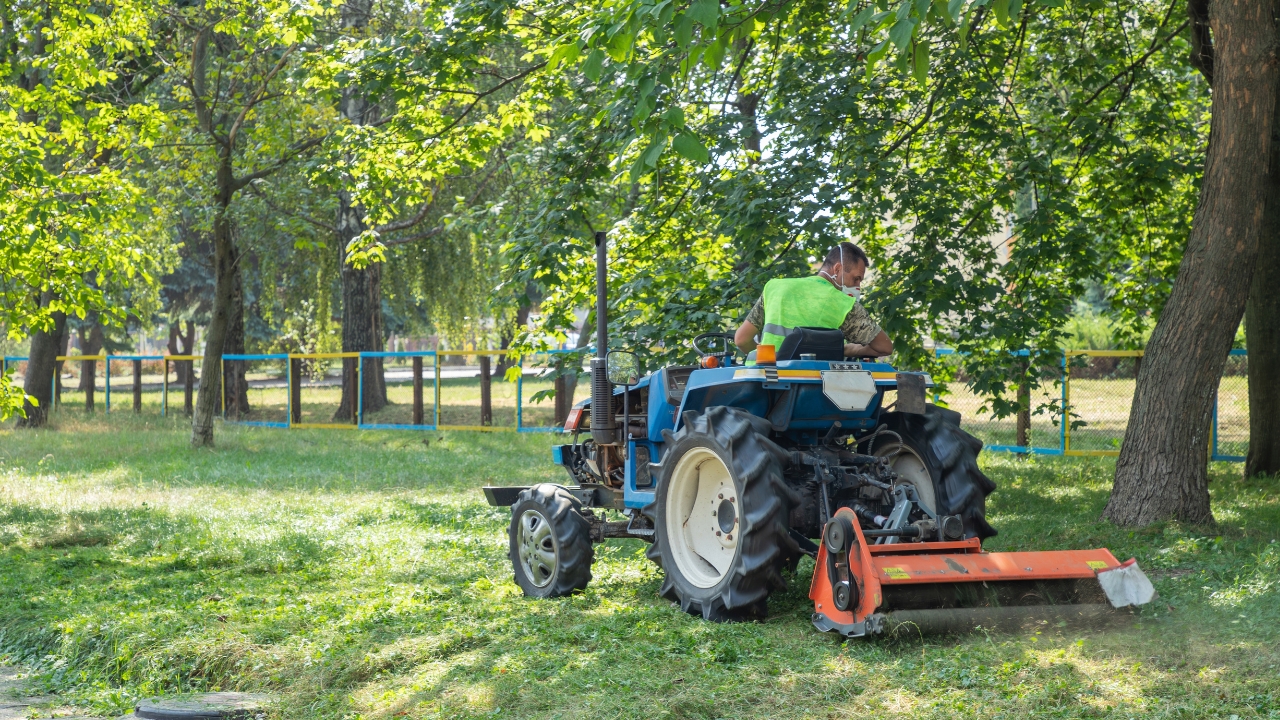
Predators are ambush hunters, and they love using tall grass, brush, and overgrown areas to sneak up on their prey. If you’ve got dense vegetation close to your livestock pens, you’re giving them the perfect cover.
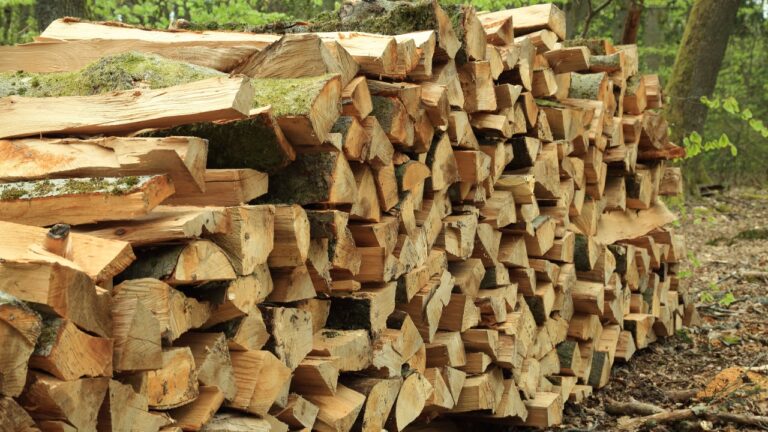
Keep the area around coops, barns, and pastures clear. Trim back tall grass, remove unnecessary structures, and keep woodpiles away from livestock areas. The more open space between your animals and potential threats, the harder it is for predators to get close without being seen.
Rotate Pastures and Grazing Areas
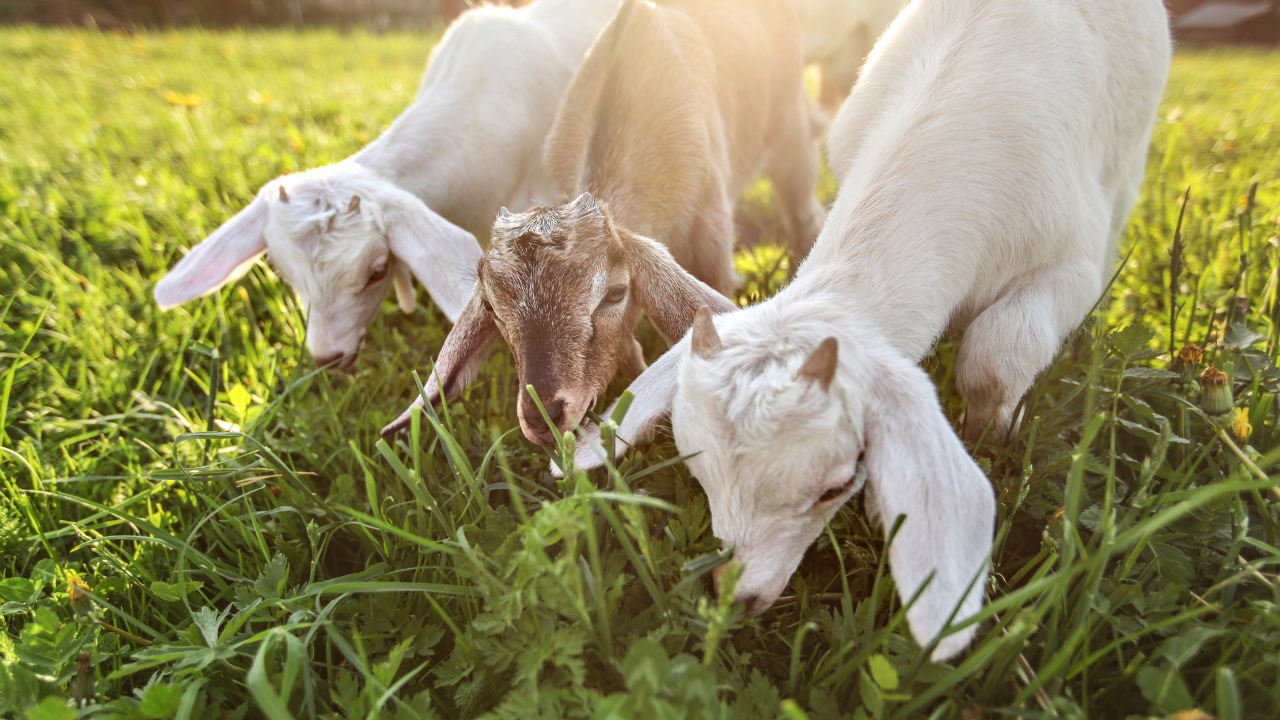
If your livestock are in the same spot all the time, predators will pick up on the routine. They’ll learn where the animals sleep, when they’re left unattended, and where the weak points are.
Moving animals to different pastures or using rotational grazing makes it harder for predators to establish a pattern. If you don’t have the ability to rotate grazing areas, change up feeding and turnout schedules so your livestock aren’t predictable targets.
Use Predator Deterrents
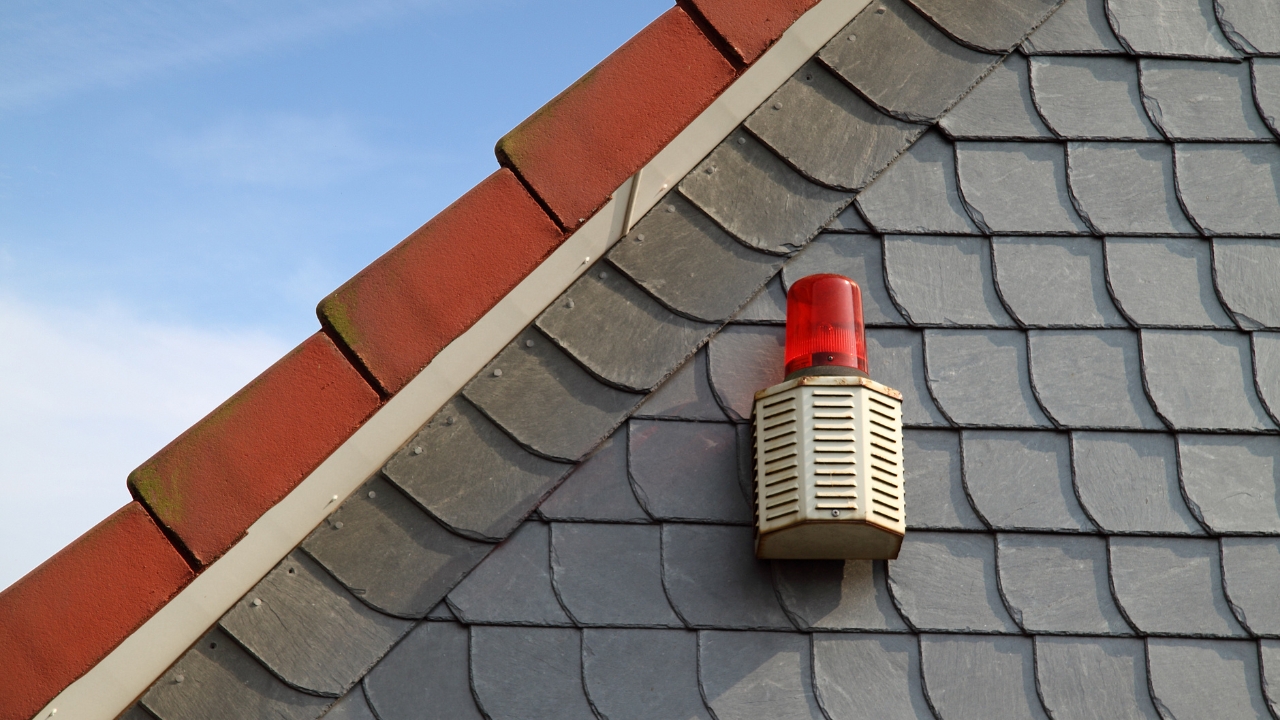
Sometimes, a little psychological warfare goes a long way. Motion-activated alarms, flashing lights, and even fake predator eyes can make intruders think twice before moving in.
Radio noise, guard animals, and scent-based deterrents (like predator urine) can also help, though they work best when combined with other security measures. Whatever you use, rotate it frequently—predators are smart, and once they realize something isn’t a real threat, they’ll ignore it.
Stay Vigilant and Inspect Regularly
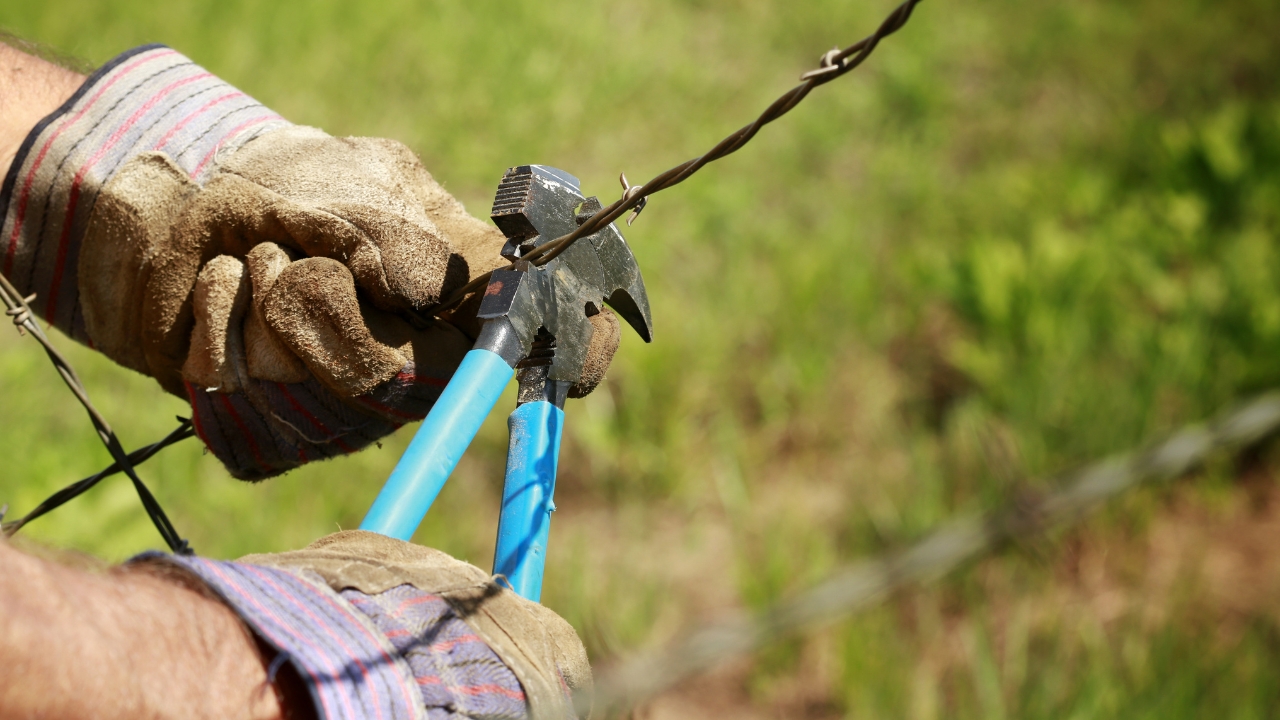
All the predator-proofing in the world won’t help if you don’t stay on top of it. Predators are patient, and they’ll wait for you to get complacent before making their move.
Check your fences, gates, and shelters often. Look for signs of digging, weak spots, or tracks around the property. If you lose an animal, figure out how it happened and fix the problem before it happens again. Keeping your livestock safe isn’t about one-time fixes—it’s about staying ahead of the threats.