10 Simple Tricks to Keep Your Chicken Coop Smelling Fresh
Photo credit: r.classen/ Shutterstock.com
Nobody wants to walk past their chicken coop and get hit with a wave of stink. If your coop smells bad it’s a sign that something needs to change. Too much moisture, poor ventilation, and waste buildup can make ammonia levels spike, which isn’t good for your chickens or you.
The good news? Keeping your coop fresh doesn’t have to be a daily battle. With the right setup and a few simple habits, you can keep things clean, dry, and odor-free without spending all your time scrubbing. Here’s what works.
Use the Deep Litter Method
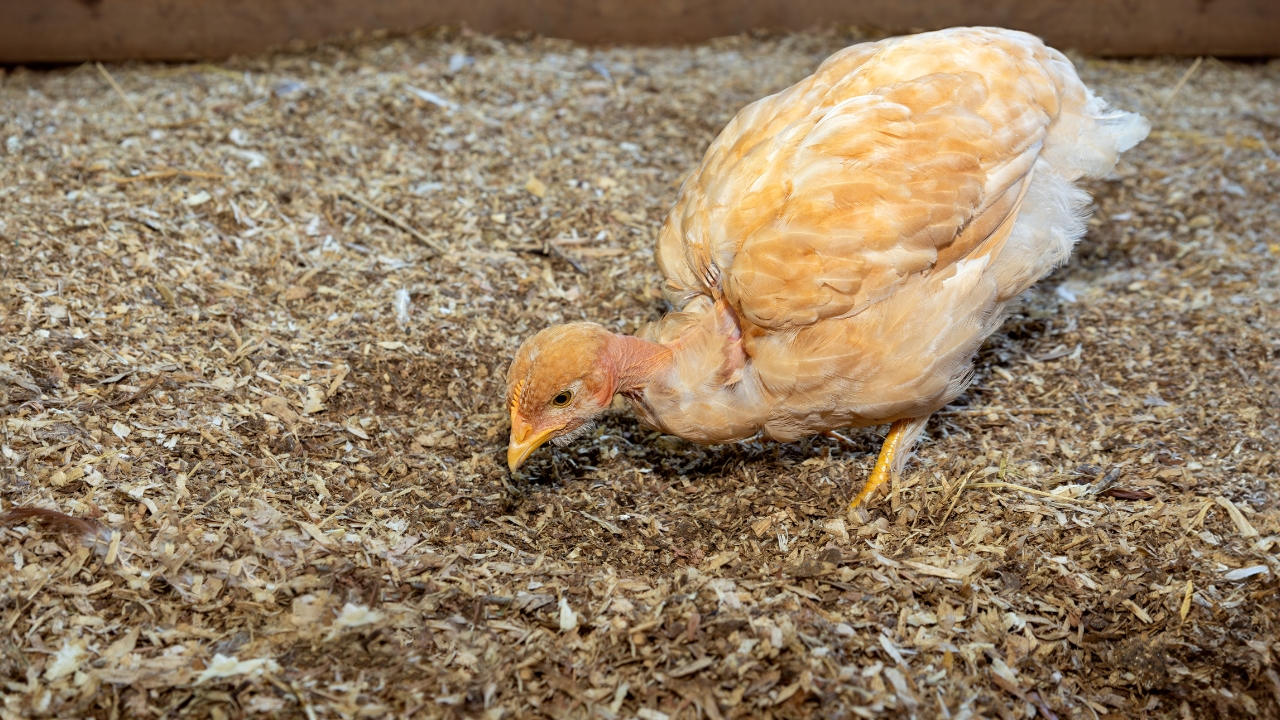
The deep litter method is an easy way to manage bedding while keeping odors under control. Instead of removing all the bedding weekly, you let it build up in layers, turning it occasionally to help it compost naturally. This method reduces waste, keeps the coop warm in colder months, and helps neutralize odors.
The key is using the right bedding—pine shavings or straw work best—and keeping it dry. A little agricultural lime can help speed up decomposition and control ammonia. If done right, you only need a full clean-out a couple of times a year.
Keep the Coop Dry

A damp coop is a smelly coop. Wet bedding, spilled water, and high humidity create the perfect conditions for ammonia buildup and bacteria growth. The easiest fix? Make sure your coop stays as dry as possible.
Use waterers that don’t leak or tip over, check the roof for leaks, and add extra ventilation if the air feels damp inside. If you live in a wet climate, you might need to raise the coop off the ground or add more drainage around it to prevent moisture problems.
Choose the Right Bedding
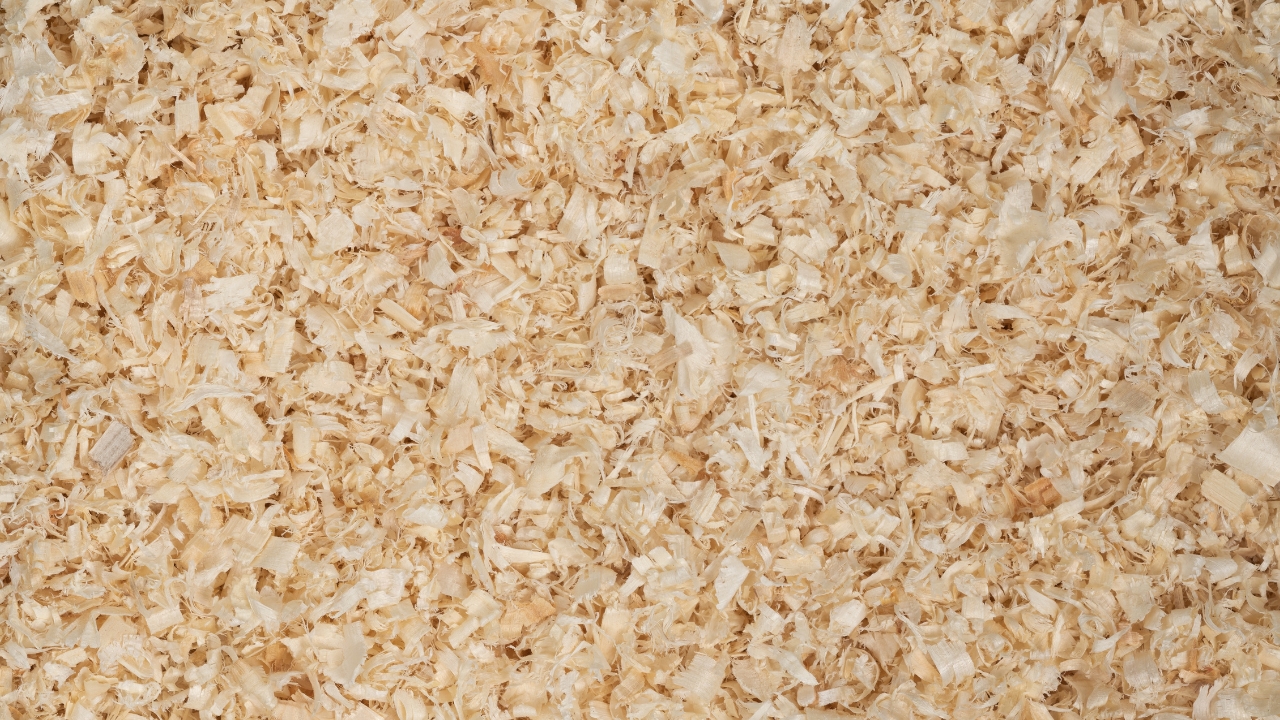
Not all bedding materials work the same. Some absorb moisture and odors better than others. Pine shavings, sand, and straw are some of the best options. Pine shavings soak up moisture and keep the coop smelling clean, while sand allows for easy scooping, almost like cat litter.
Avoid using newspaper or cedar shavings—newspaper doesn’t absorb well, and cedar can be too strong for chickens’ respiratory systems. Whatever bedding you choose, keep it dry and replace it as needed to prevent odors.
Clean Droppings Regularly
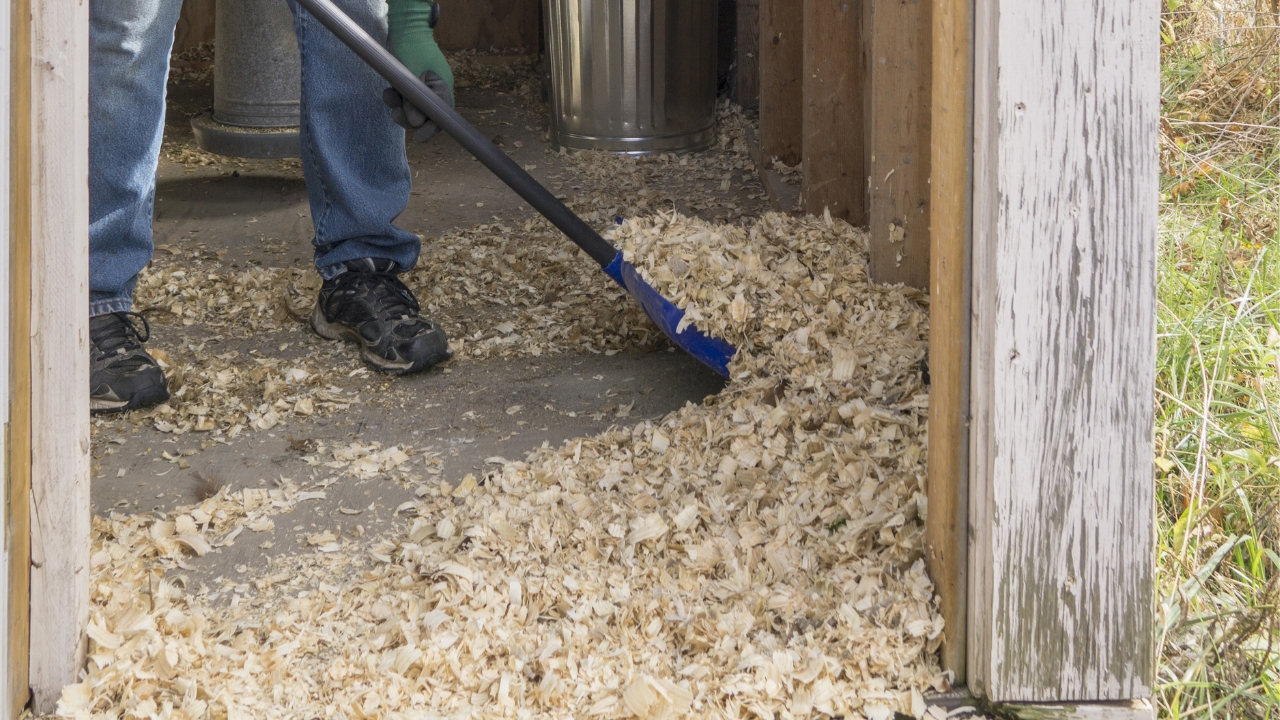
A quick daily cleanup goes a long way in keeping the coop fresh. If you don’t want to deal with full clean-outs all the time, invest in a droppings board under the roosts. It catches most of the mess overnight and makes it easy to scoop out in the morning.
The less waste sitting around, the less ammonia builds up. If you’re using the deep litter method, make sure to stir the bedding regularly to mix in fresh material and speed up decomposition.
Add Coop-Friendly Herbs

Certain herbs naturally help with odor control while also keeping pests away. Lavender, mint, rosemary, and oregano are some of the best choices. You can sprinkle dried herbs in the bedding, hang fresh bundles in the coop, or plant them around the chicken run.
Herbs won’t replace regular cleaning, but they can help absorb excess moisture and keep the air fresher. Plus, some—like oregano—have natural antibacterial properties that can support your flock’s health.
Use Agricultural Lime
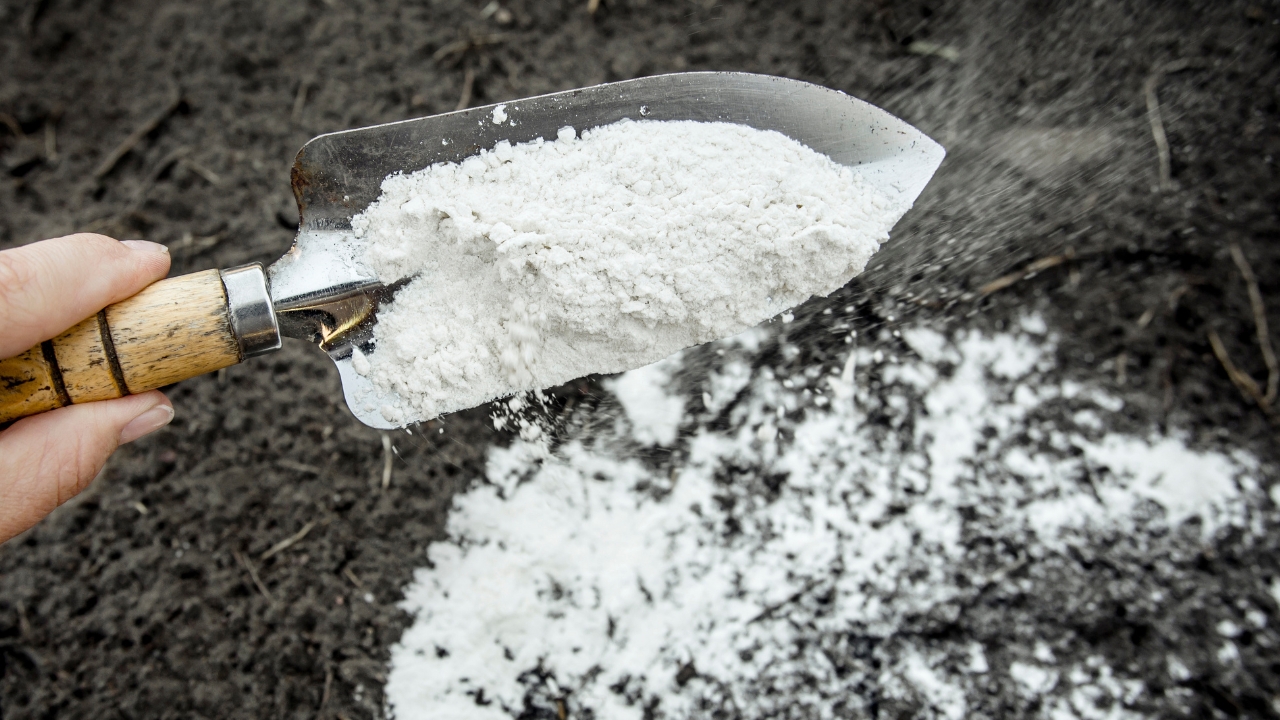
Agricultural lime (not to be confused with hydrated lime, which is too strong) is a great way to control odors in the coop. It helps neutralize ammonia from droppings and keeps the bedding drier.
Just sprinkle a thin layer on the coop floor before adding fresh bedding, or mix a little into the litter if things are starting to smell. It’s safe for chickens as long as you don’t overdo it, and it can help reduce bacteria growth in the bedding.
Make Sure There’s Enough Ventilation

Poor airflow leads to trapped moisture, strong ammonia smells, and respiratory issues for your chickens. Even in winter, a coop needs proper ventilation to let stale air escape.
If your coop smells damp or stuffy, check that vents aren’t blocked and consider adding more airflow near the roofline. Just be sure the openings aren’t creating a draft directly on the chickens, especially in cold weather.
Keep Feed and Water Contained

Spilled feed attracts rodents, and wet food quickly turns moldy, adding to the smell. Using proper feeders and waterers will help keep things cleaner and reduce waste.
Place waterers where they won’t be knocked over, and consider using hanging or treadle feeders to minimize spillage. If feed does spill, clean it up right away to avoid mildew and unwanted pests hanging around the coop.
Avoid Overcrowding

Too many chickens in a small space will stink up a coop fast. Overcrowding leads to more waste, more moisture, and worse air quality. As a general rule, each chicken should have at least 3–4 square feet of space inside the coop and even more room in the run.
If your coop is feeling cramped, consider expanding the run, adding more roosting space, or reducing your flock size. The more space they have, the less mess builds up in one spot.
Do a Deep Clean Every Few Months

Even with regular maintenance, every coop needs a deep clean a few times a year. This means removing all bedding, scrubbing down surfaces, and letting everything dry completely before adding fresh bedding.
Use a mixture of white vinegar and water for a natural disinfectant, or a mild poultry-safe cleaner. Avoid strong chemicals that could leave harmful residues. A good deep clean keeps bacteria in check and resets the coop for a fresh start.
Like Fix It Homestead’s content? Be sure to follow us.