7 places bugs sneak in during summer that you probably missed
Photo credit: pixabay.com
Summer brings sunshine, barbecues, and unfortunately, an influx of bugs trying to invade your home. While you might think you’ve sealed every possible entry, those pesky critters are more resourceful than you think. Here are seven sneaky spots they slip through that you might not have considered.
Cracks in Window Screens
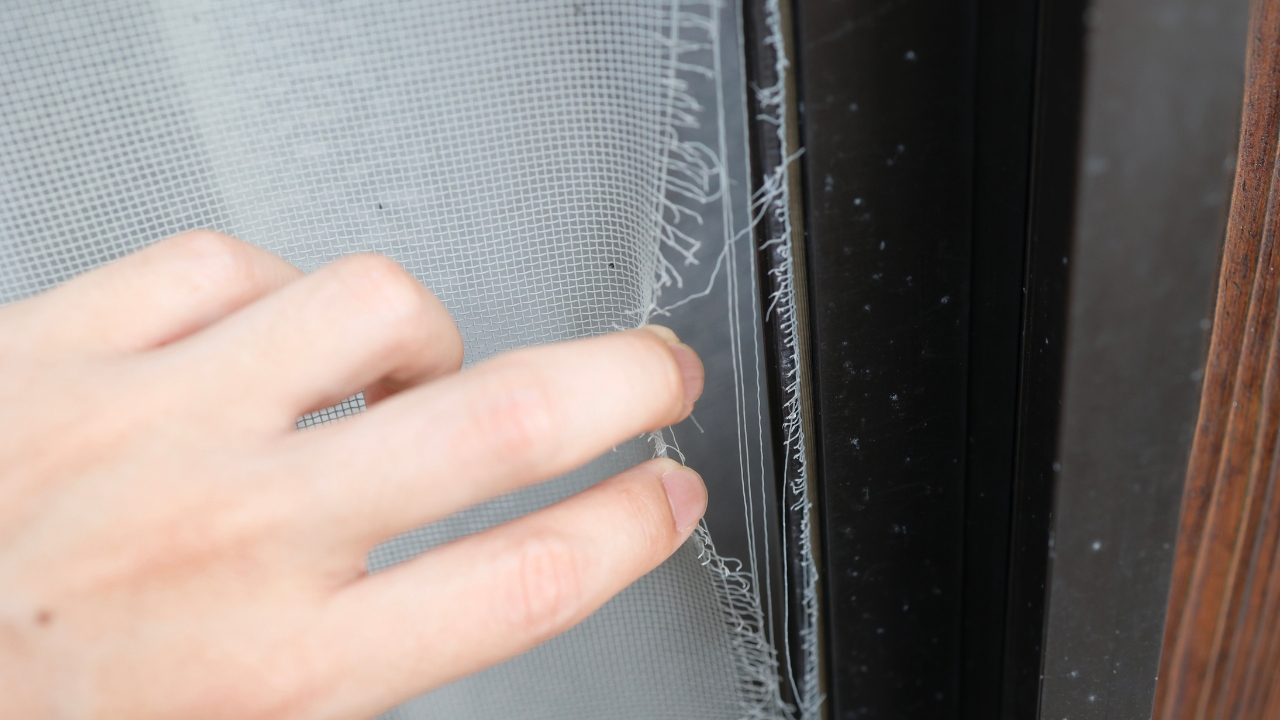
Your window screens are your first line of defense against the bug battalion. However, even a small tear can be an open invitation for insects. It’s easy to overlook that tiny hole in the corner, but trust us, bugs like June bugs won’t miss it. Regularly inspect your screens for any damage, especially after a storm, and patch up any holes immediately.
If you’re feeling crafty, you can use a quick DIY repair kit from your local hardware store. For a more permanent solution, consider upgrading to a more durable screen material that can withstand the wear and tear of the seasons.
Gaps Under Doors

Think of your door as a welcome mat for bugs if there’s even the slightest gap underneath. Weatherstripping can wear down over time, creating a perfect pathway for ants and other small insects. A simple way to check for gaps is to look for daylight under your door. No daylight? You’re in the clear.
To fix this, install a new door sweep or threshold and make sure it’s snug against the floor. This not only keeps bugs out but also helps with energy efficiency, saving you money on your cooling bill.
Vents and Exhaust Fans
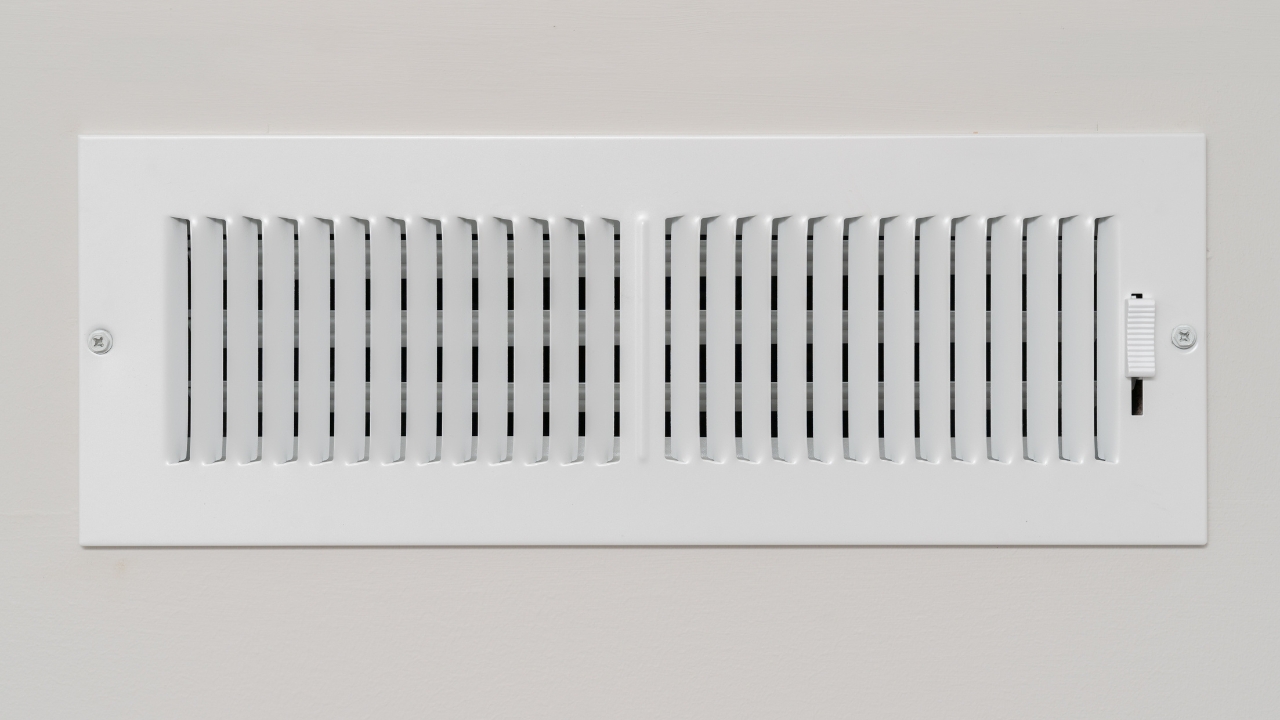
Vents and exhaust fans are essential for keeping your home fresh, but they can also be a gateway for bugs. These entry points are often overlooked because they’re out of sight. However, they can lead to a surprising number of bugs making their way indoors.
Install fine mesh screens over vents and exhaust fans to prevent bugs from sneaking in. Make sure the screens are secure and free of damage. It’s a small step that can make a big difference in keeping your home bug-free.
Attic and Roof Openings
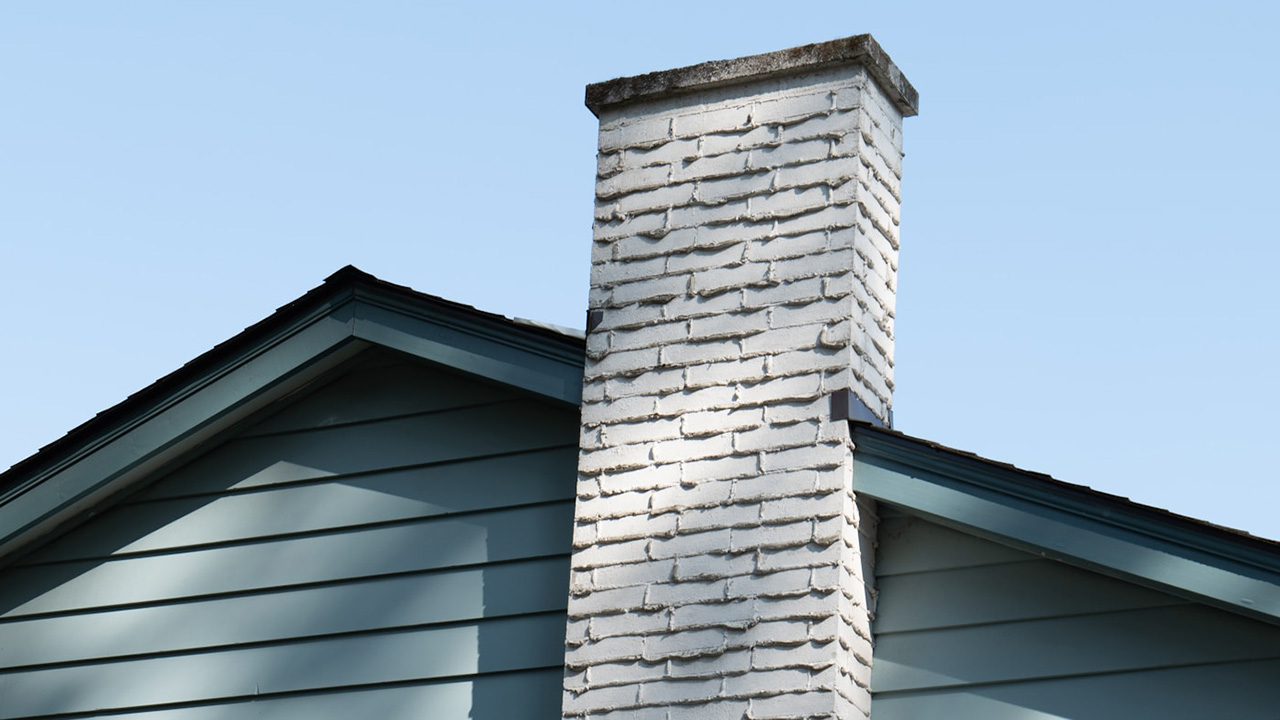
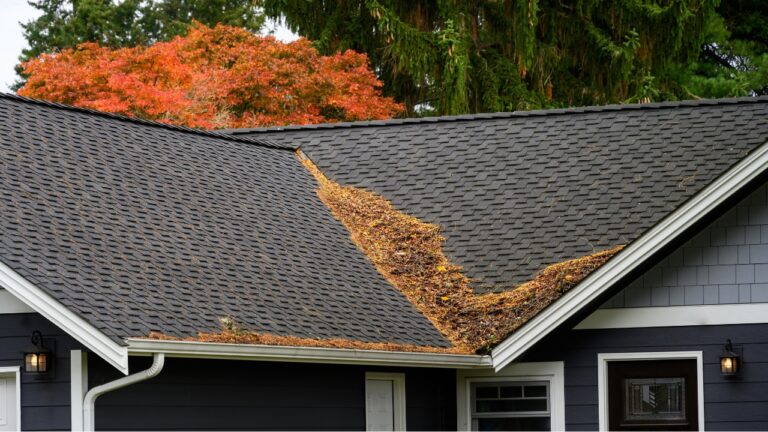
While you may not frequently visit your attic, bugs certainly do. Roof openings, such as those around chimneys and vents, can be prime locations for insects to enter. Wasps and other flying insects love these high, undisturbed areas.
Regularly check for any gaps or openings in your attic and seal them with foam or silicone caulk. You might also want to consider a professional inspection to ensure your roof is as secure as possible. June bugs and other pests will soon be a thing of the past.
Basement Window Wells

Basement window wells can be a breeding ground for bugs, especially if they collect water or debris. It’s an often forgotten area of the home that can lead to a surprising amount of bug traffic.
Keep these wells clean and consider installing window well covers. These covers not only prevent bugs but also protect against water damage. A clean, dry window well can significantly reduce the number of insects entering your basement.
Utility Line Entry Points
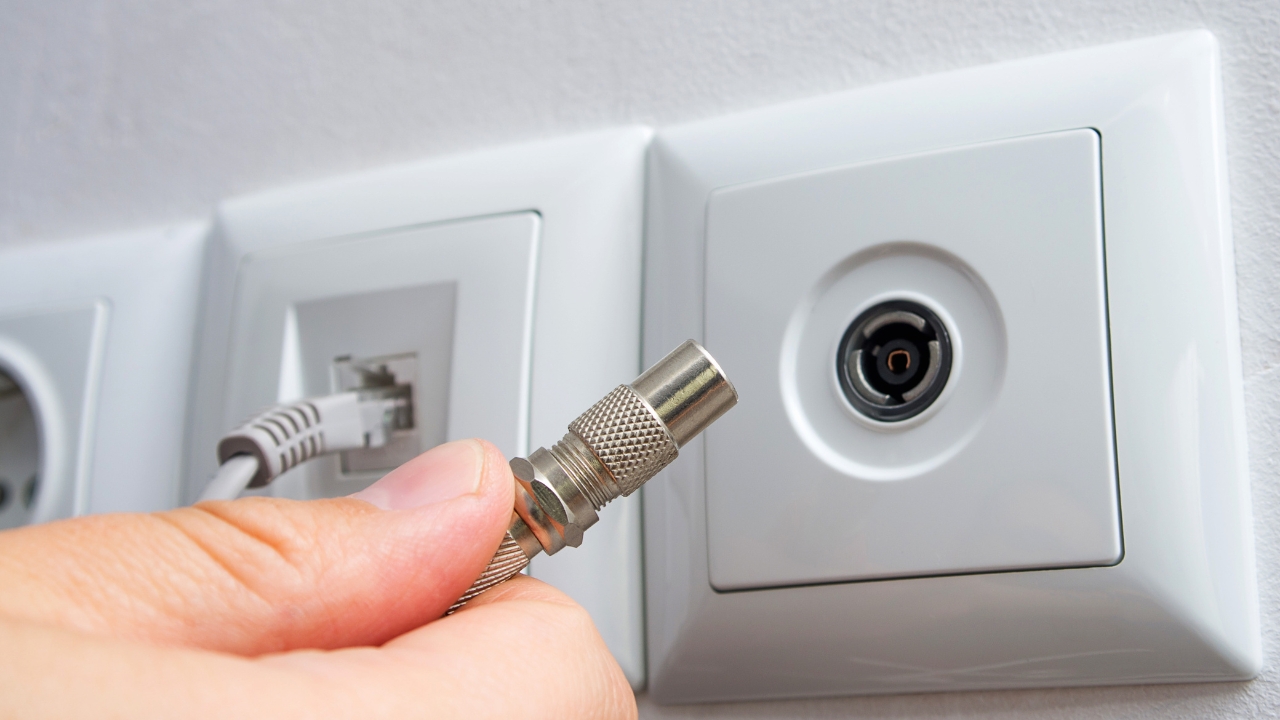
Utility lines, such as cable and plumbing, often enter your home through small holes that can become larger over time. These entry points are like superhighways for bugs if not properly sealed.
Inspect these areas and seal any gaps with expanding foam or caulk. It’s a quick fix that can save you a lot of hassle with pest control down the line. Research suggests that taking proactive steps can significantly reduce pest invasions.
Pet Doors
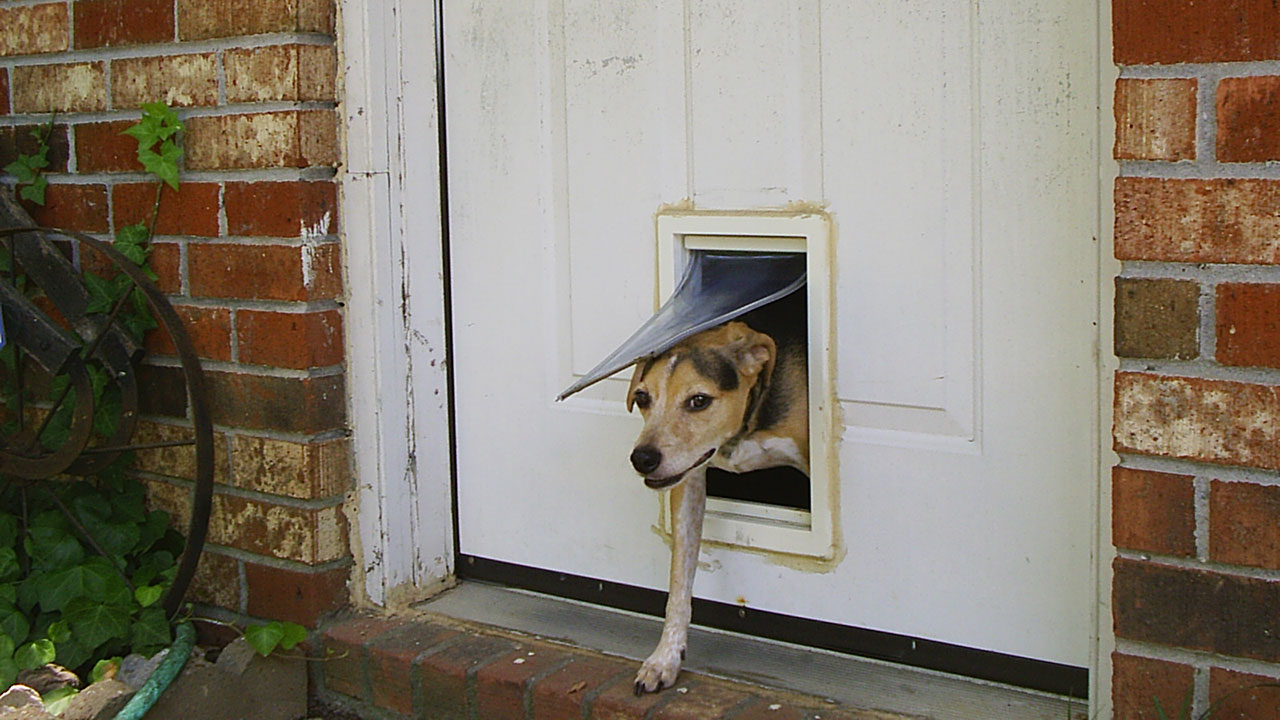
Pet doors are incredibly convenient for your furry friends but can also be a revolving door for bugs. Many pet doors don’t seal properly, allowing insects to slip through alongside your pets.
Consider upgrading to a magnet-seal pet door or one with a more secure closure mechanism. These options help ensure that when your pet comes in or goes out, bugs aren’t following them. For more ideas on keeping your home bug-free, check out this resource.