7 Signs Your Bathroom Exhaust Fan Isn’t Doing Its Job
Photo credit: Lena Ogurtsova/Shutterstock.com
I’ve worked on a lot of houses over the years, and you’d be surprised how many bathroom problems boil down to a bad exhaust fan. People don’t think about it much, but that little fan is doing a big job—keeping moisture from wrecking your paint, drywall, and everything else. If it’s not pulling its weight, you’ll start seeing signs, and fast.
I always tell people: if your bathroom feels damp, smells off, or just doesn’t clear out after a shower, something’s wrong. Here’s what I look for when I’m checking if a fan’s doing its job.
Foggy Mirrors That Stay Foggy
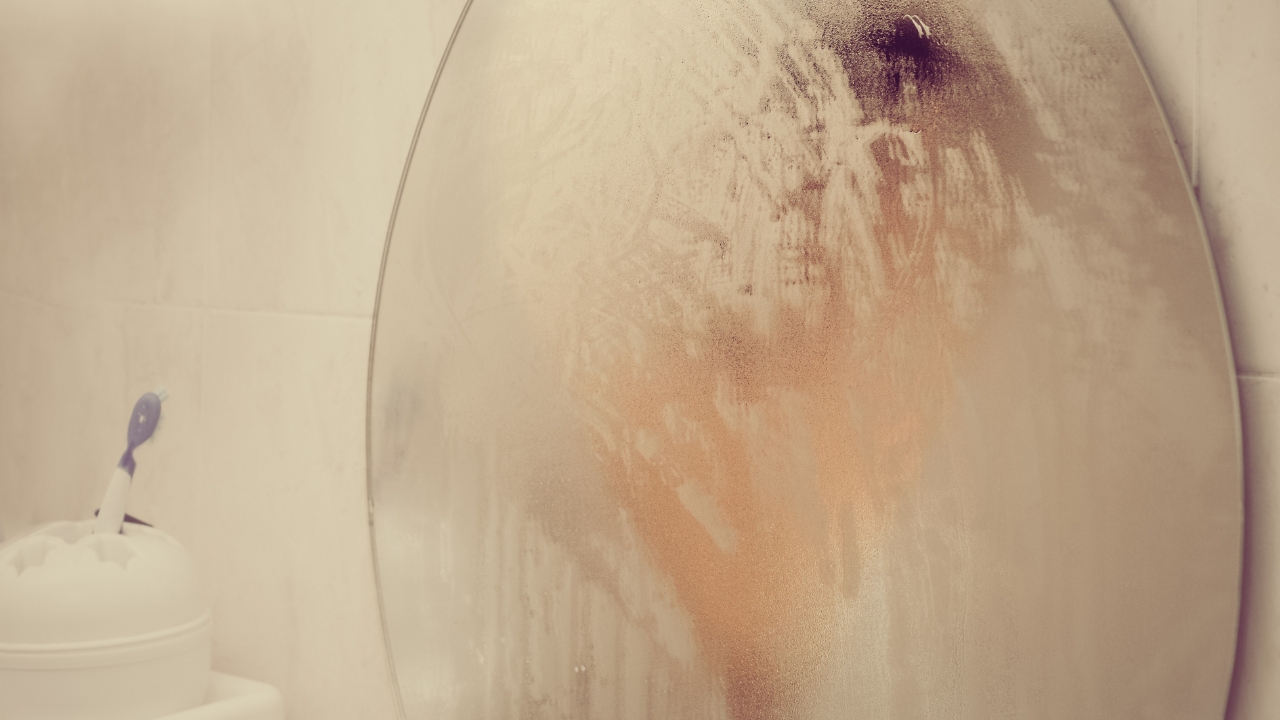
A little steam on the mirror right after a shower is normal. But if it’s still fogged up 10 minutes later, your fan isn’t pulling its weight. A good exhaust fan should clear the air quickly, and lingering fog means moisture is sticking around longer than it should.
That kind of excess humidity is what leads to mold, warped trim, and peeling paint. If your mirror’s staying foggy, it’s time to check the fan’s airflow or look into upgrading to a more powerful model.
Lingering Moisture on Walls or Ceiling
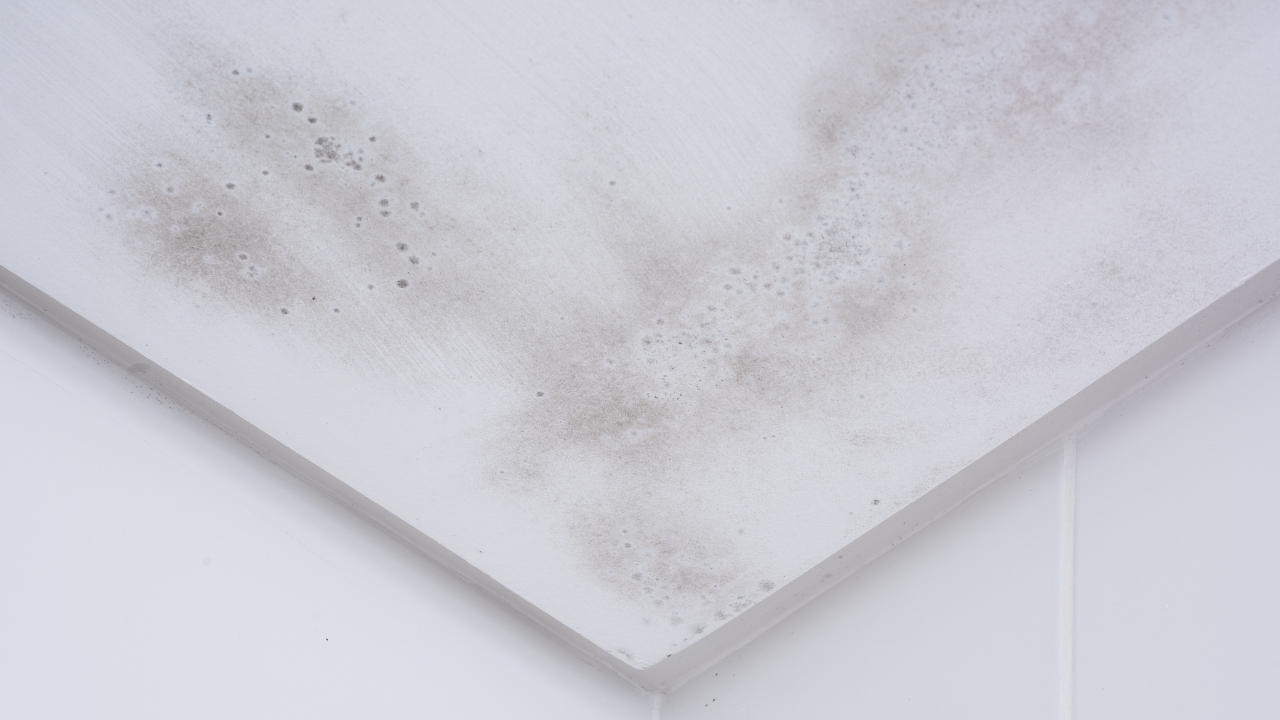
After a hot shower, you shouldn’t be able to write your name in condensation on the walls. If the moisture isn’t gone soon after you’re done, it’s a red flag your fan isn’t moving enough air.
That lingering dampness can seep into drywall or ceiling materials over time. If you notice paint bubbling or the ceiling feeling soft, it’s not just annoying—it’s a sign of trouble.
Musty or Mildew Smell

If your bathroom smells more like a locker room than a clean space, something’s off. A working exhaust fan should keep air moving enough to avoid those musty, stale odors that signal trapped moisture.
That smell is usually caused by mildew growing in hidden spots—like behind tile or under flooring. If it’s sticking around, your fan’s probably underpowered or clogged with dust and debris.
Visible Mold or Mildew Growth

Seeing mold pop up on the ceiling, around the tub, or even on caulk lines is a clear sign your exhaust system isn’t cutting it. Mold thrives in warm, damp environments—and without proper ventilation, that’s exactly what your bathroom becomes.
Once it starts, mold’s tough to get rid of. Better airflow is a big part of stopping it from taking over in the first place.
Fan Is Noisy, Rattling, or Buzzing
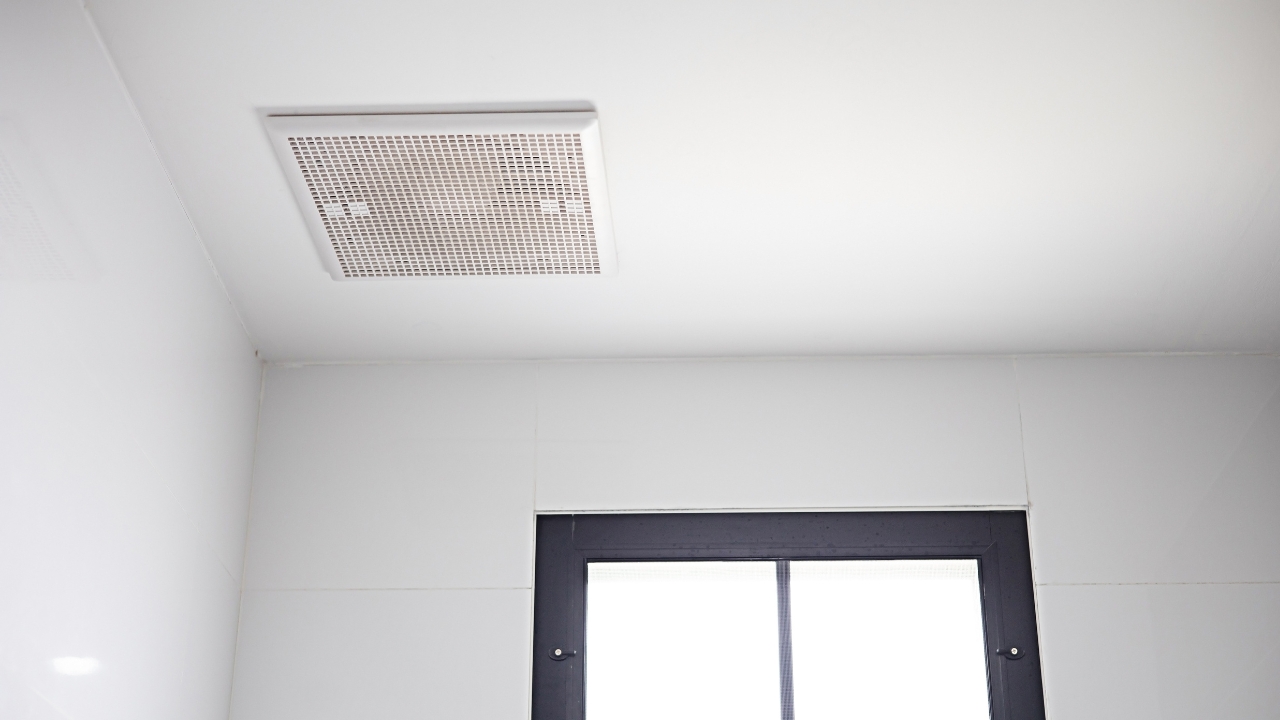
If your fan sounds like it’s chewing gravel, that’s a problem. Strange noises can mean a loose part, worn-out motor, or debris stuck in the housing. Even if it’s still running, that noise usually means it’s not working efficiently.
A good bathroom fan should hum along quietly. If yours is making a racket, it’s probably not moving air the way it should.
No Air Movement at the Vent

Put a piece of toilet paper up to the vent while the fan’s on. If it doesn’t move or barely flutters, your fan’s not pulling much air. Could be a clogged duct, a broken motor, or a vent cover that’s jammed shut.
No airflow means no ventilation, which leads to a whole mess of moisture problems. It’s an easy test, and it’ll tell you right away if something’s wrong.
Peeling Paint or Wallpaper
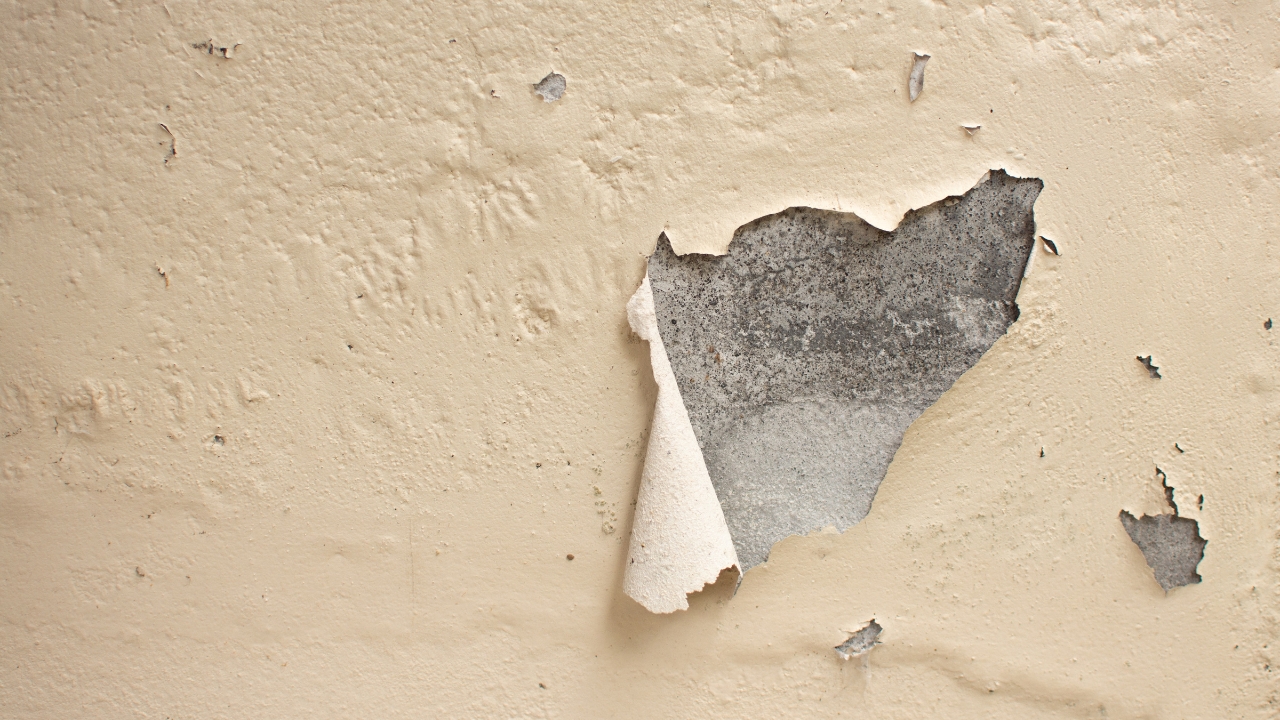
When paint or wallpaper starts lifting around the ceiling or upper walls, it’s usually moisture sneaking in where it doesn’t belong. That kind of damage means humid air is sticking around too long.
Your exhaust fan should pull all that damp air out before it has a chance to mess with your finishes. If it’s not, it’s time to clean it out or upgrade it altogether.
Like Fix It Homestead’s content? Be sure to follow us.