10 upgrades that could be wrecking your soil
Photo credit: ungvar/Shutterstock.com
Improving your property feels rewarding, but not every upgrade is friendly to the ground beneath it. Certain landscaping projects, building choices, and convenience fixes can quietly damage your soil’s health — making it harder for grass, gardens, and trees to thrive.
Once the structure of your soil breaks down, it takes years to rebuild. Before adding anything new, it’s worth knowing which common upgrades could be undoing all your hard work.
Paving large areas with concrete
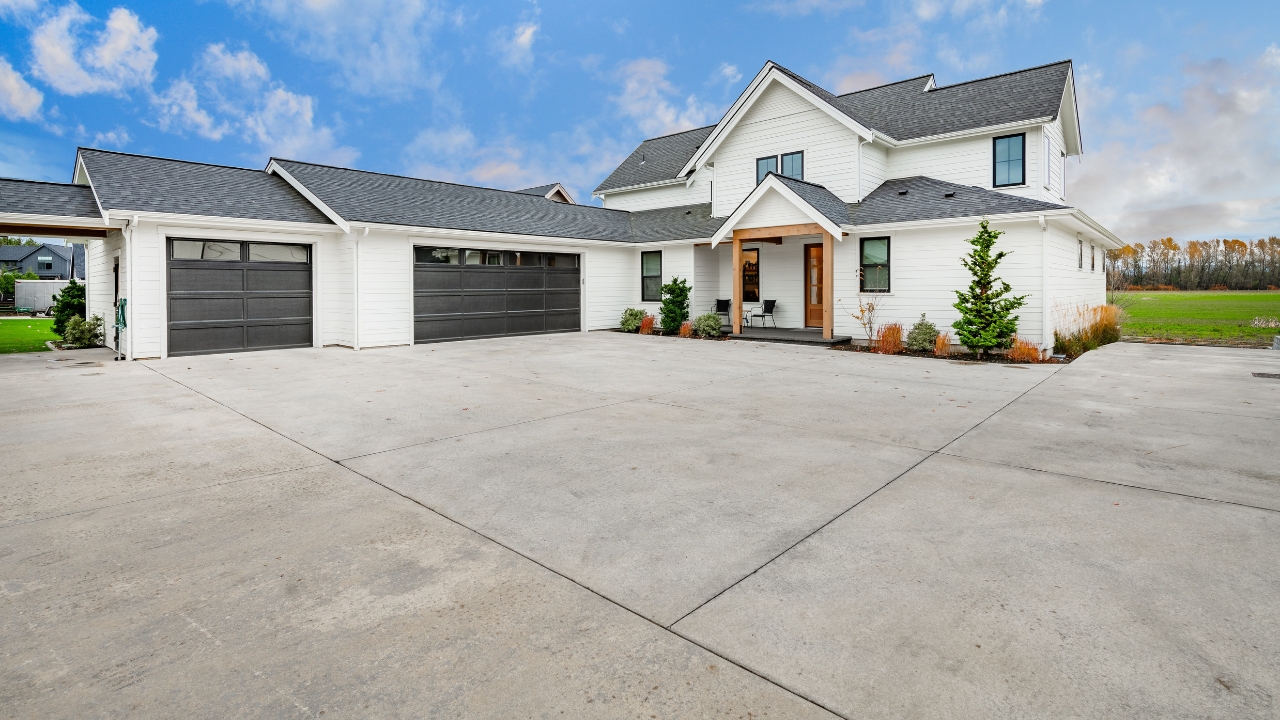
Driveways, patios, and walkways might look tidy, but too much concrete seals off your soil completely. When water can’t soak in, it runs off instead, carrying away nutrients and compacting the dirt around it.
If you need hard surfaces, use permeable pavers or gravel instead. They let rain filter through, keeping your soil hydrated and protecting nearby roots from long-term damage.
Installing artificial turf

Artificial grass seems low-maintenance, but it suffocates the soil underneath. The plastic layer traps heat, blocks water, and kills off beneficial microbes that keep your ground healthy.
Over time, the dirt becomes compacted and sterile, making it harder to grow anything if you ever remove the turf. Real grass or native ground cover may take more care, but they keep the soil alive and breathing.
Overusing weed barriers
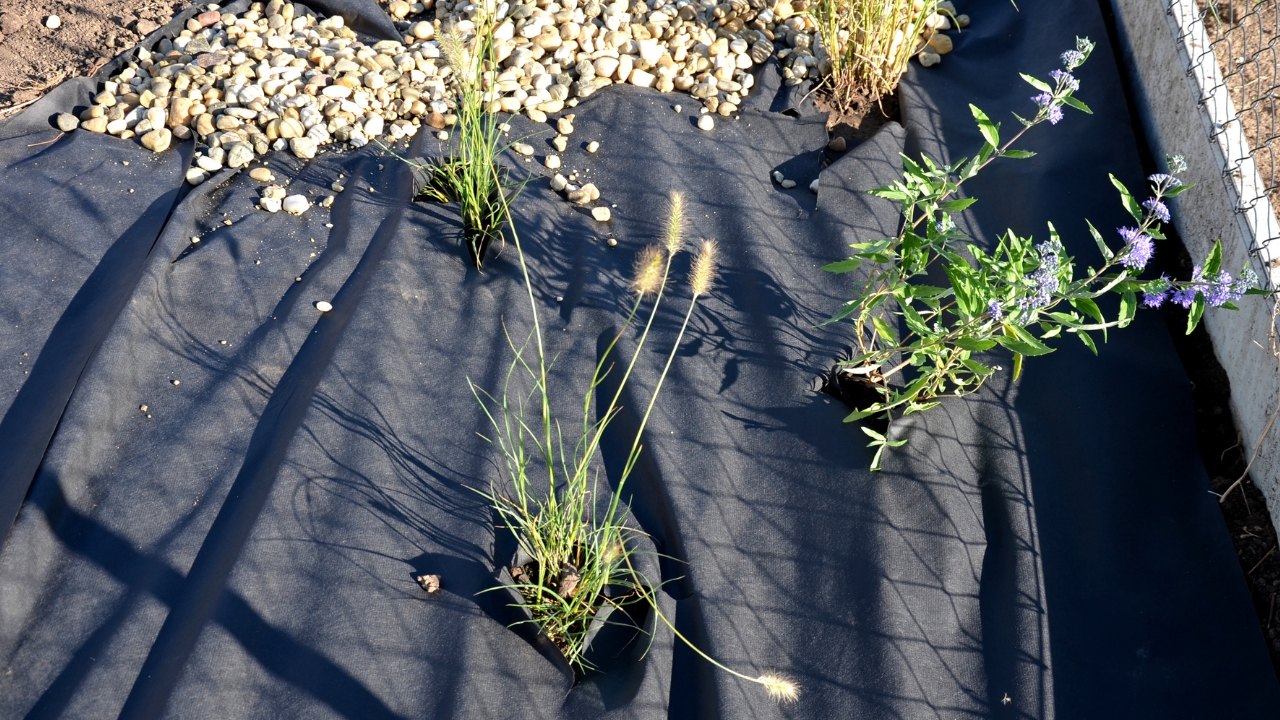
Landscape fabric can stop weeds short-term, but it also blocks air and water from reaching the soil. Beneath that barrier, the ground slowly dries out and hardens.
Mulch alone does a better job of keeping weeds down while still letting soil breathe. If you do use fabric, limit it to small, controlled areas and refresh your mulch often.
Using chemical fertilizers too often

Fast-acting fertilizers make grass green fast, but they harm soil microbes over time. Repeated use changes the pH and leads to nutrient imbalance, forcing you to rely on even more chemicals later.
Switching to compost or organic options feeds the soil instead of just the plants. That helps your yard stay healthier and more self-sustaining year after year.
Adding heavy structures without grading first
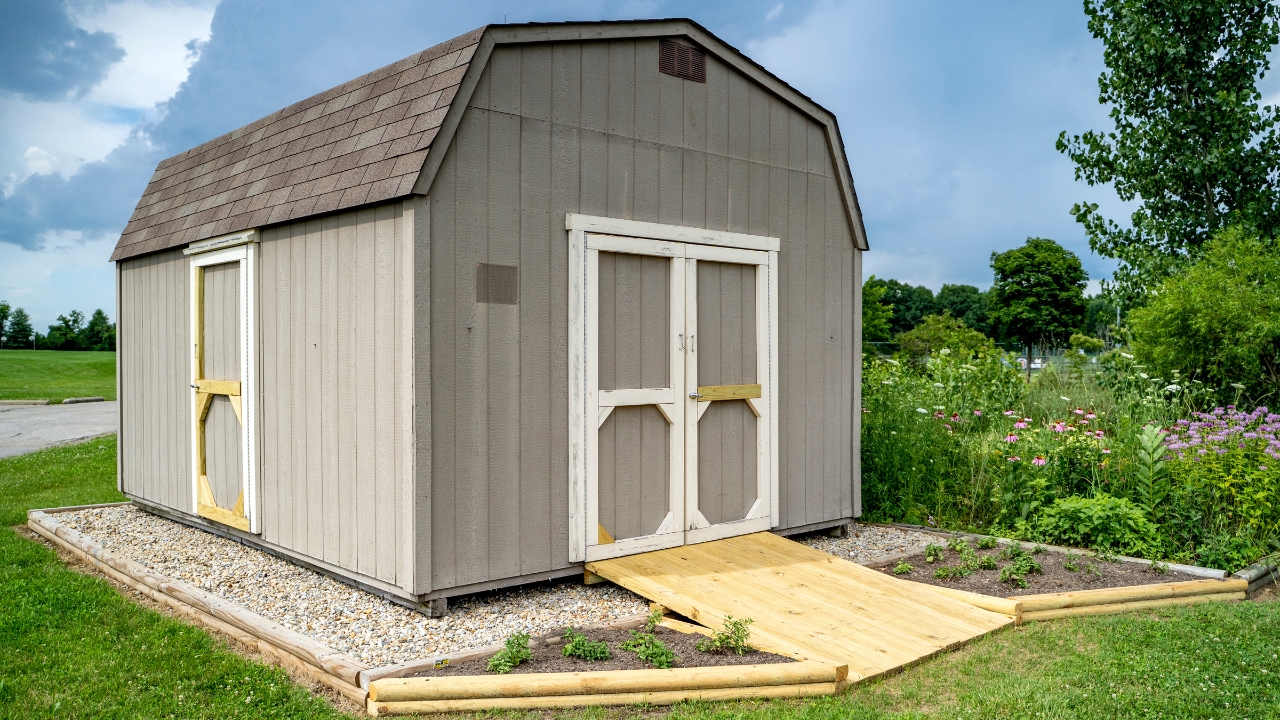
Placing sheds, patios, or garden beds without checking drainage first can lead to standing water or erosion around them. Water pooling in the wrong place drowns roots and strips nutrients from nearby soil.
Before building, pay attention to slopes and runoff patterns. A few hours with a level and rake now can save you from serious soil damage later.
Planting grass in poor conditions
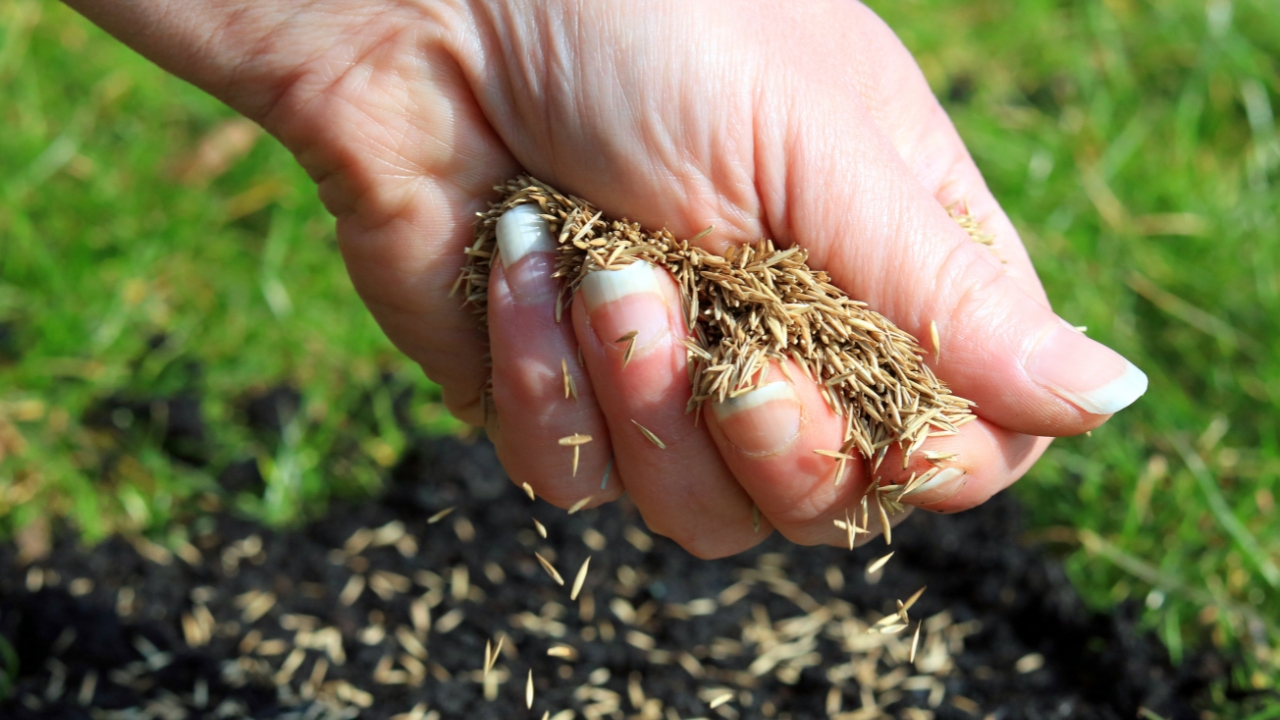
Laying sod or seeding over compacted, unamended ground doesn’t fix soil problems — it hides them. Shallow-rooted grass struggles to grow and often needs constant watering and fertilizer to survive.
Before planting, aerate and add organic matter to loosen up the soil. Healthy roots make your lawn stronger, less thirsty, and less dependent on chemical help.
Overwatering with sprinklers
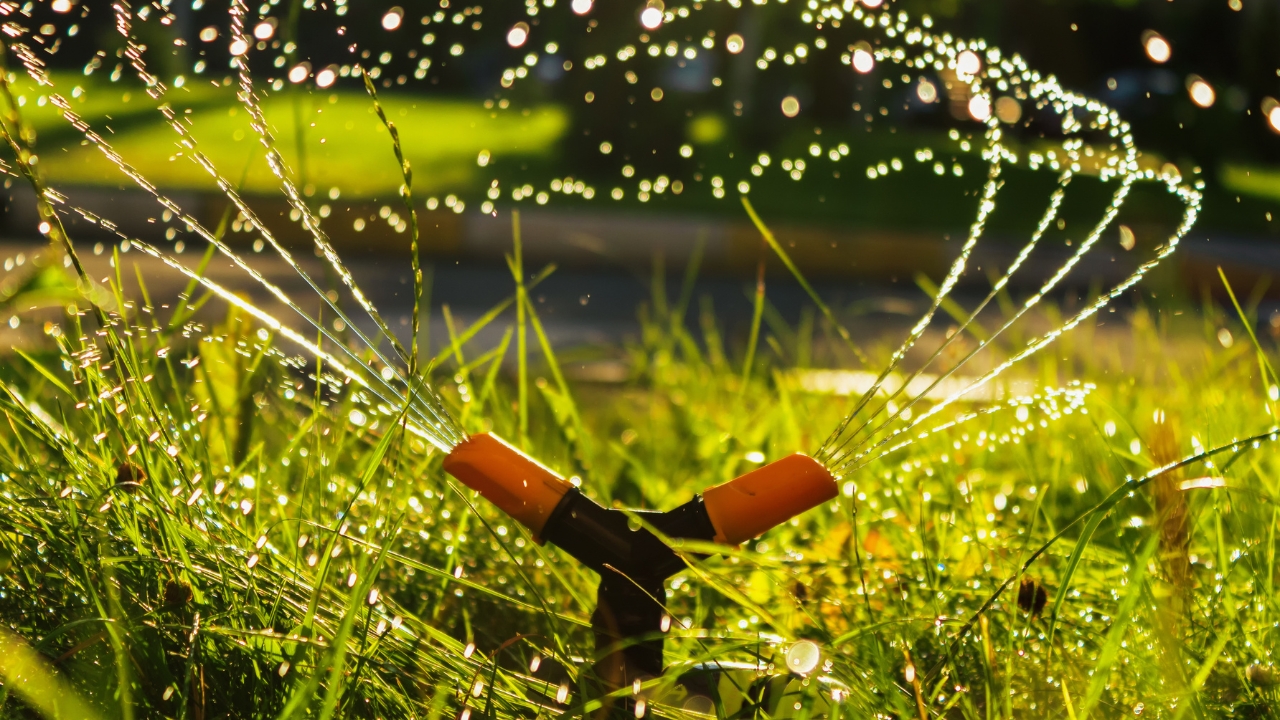
More water doesn’t always mean healthier soil. Overwatering washes away nutrients, encourages fungus, and compacts the surface as water runs off instead of soaking in.
Water deeply but infrequently so roots grow down instead of spreading near the surface. That small change saves money and keeps your soil structure intact.
Using heavy equipment when wet
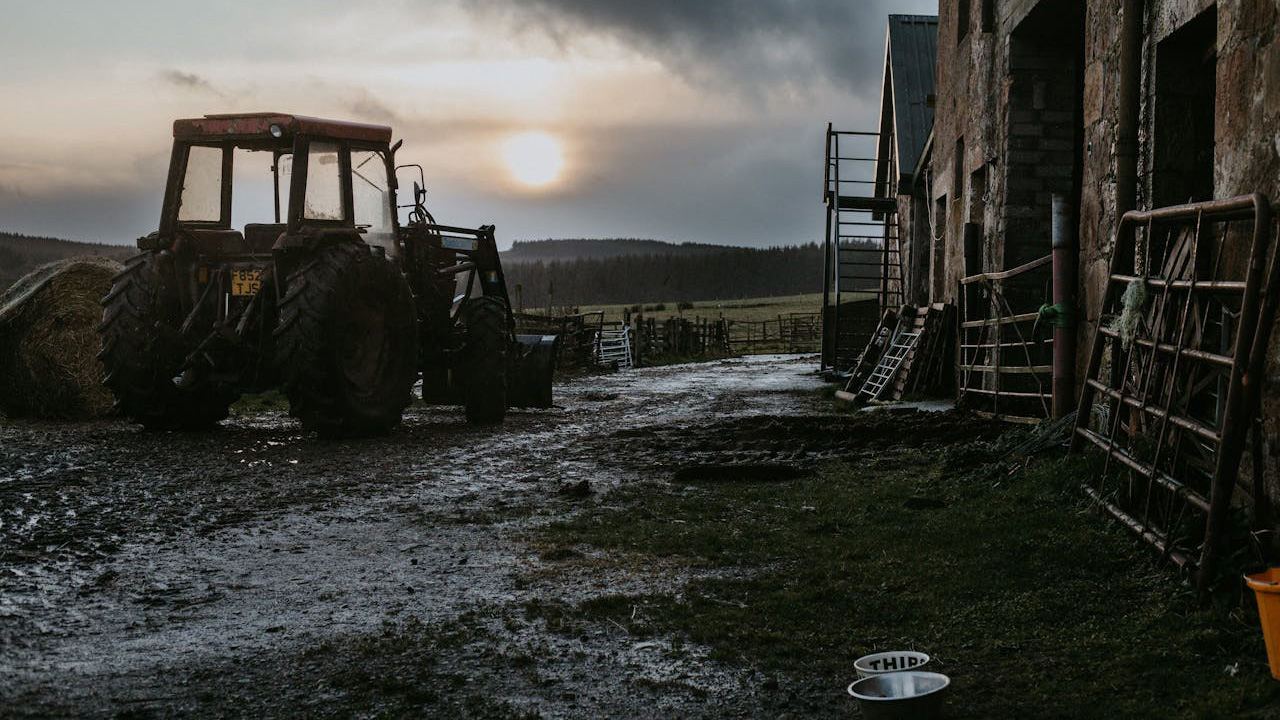
Driving tractors, mowers, or even trucks on wet ground crushes air pockets in the soil and leaves behind deep ruts that are hard to fix. Once compacted, that soil struggles to absorb water again.
If you need to move equipment, wait until the ground dries. For large projects, use lighter tools or track vehicles that spread out the weight.
Covering soil with plastic
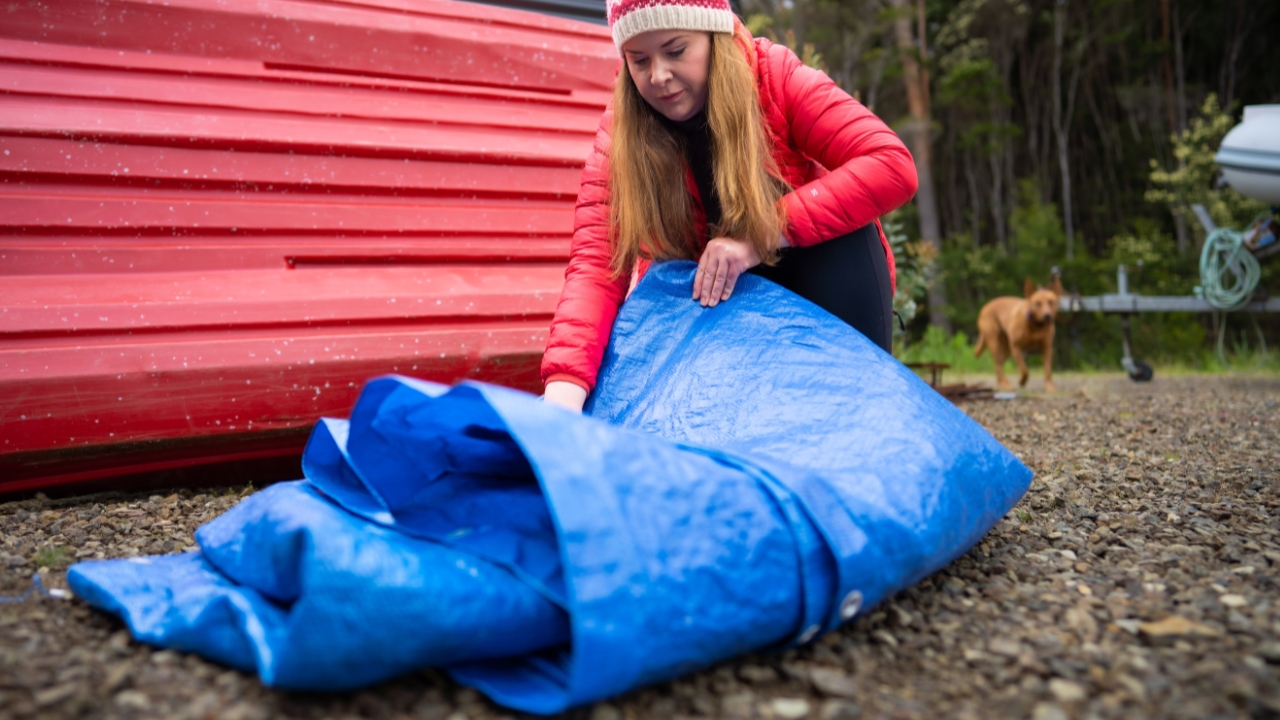
Laying down plastic tarps for long periods — whether for weed control, temporary storage, or solarization — can suffocate the life out of your soil. It traps heat and moisture, killing off worms and good bacteria.
If you need to block weeds or prep an area, limit plastic use to short-term projects and replace it with natural mulch or compost afterward to help your soil recover.
Ignoring erosion control after clearing land
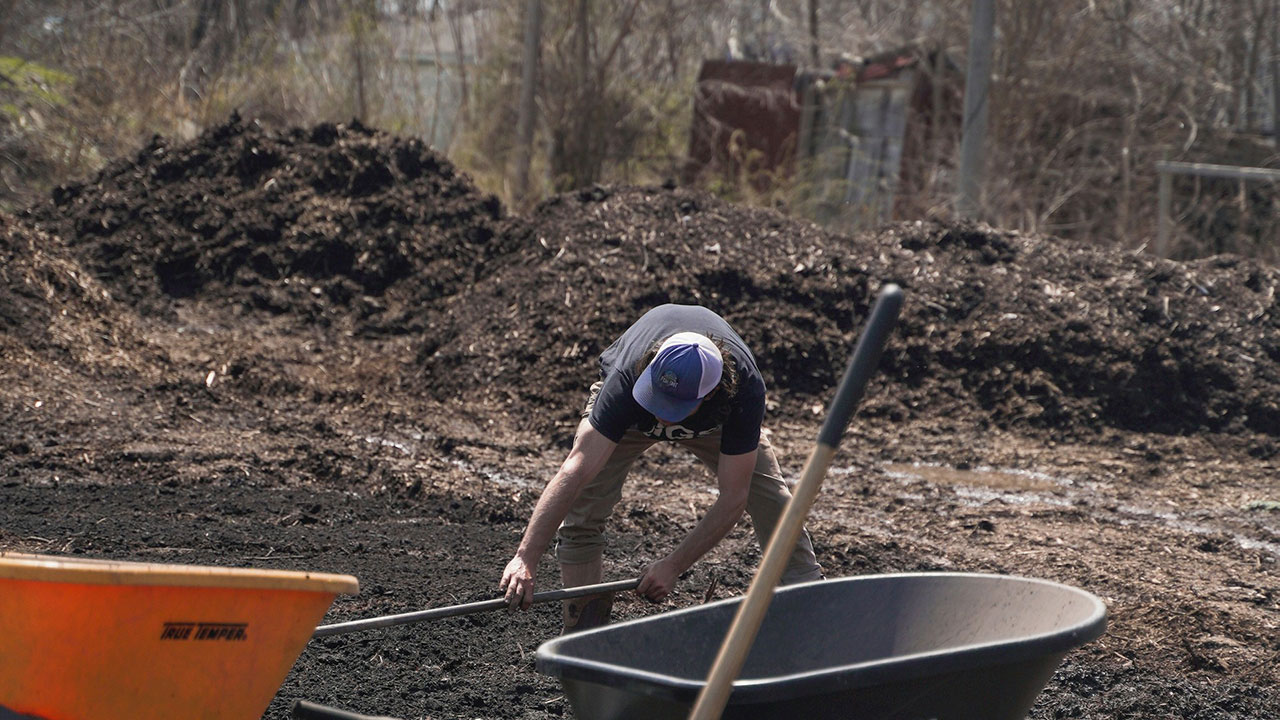
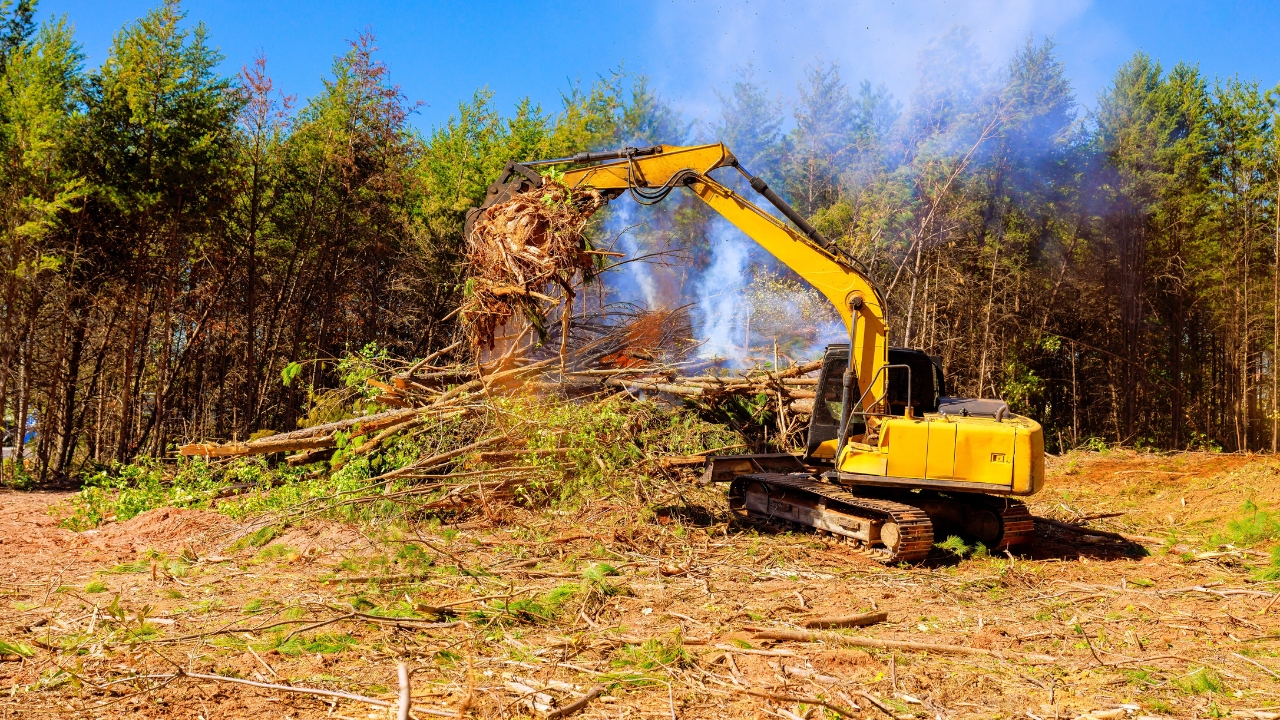
Removing brush or trees without stabilizing the area leaves the soil exposed. Rain and wind quickly strip away topsoil, leaving behind dry, lifeless dirt that’s tough to fix later.
Planting cover crops or using straw mats right after clearing keeps the soil protected and builds it back up over time. Erosion is one of the easiest problems to prevent — and one of the hardest to undo once it starts.
*This article was developed with AI-powered tools and has been carefully reviewed by our editors.