10 things that make power outages worse than they have to be
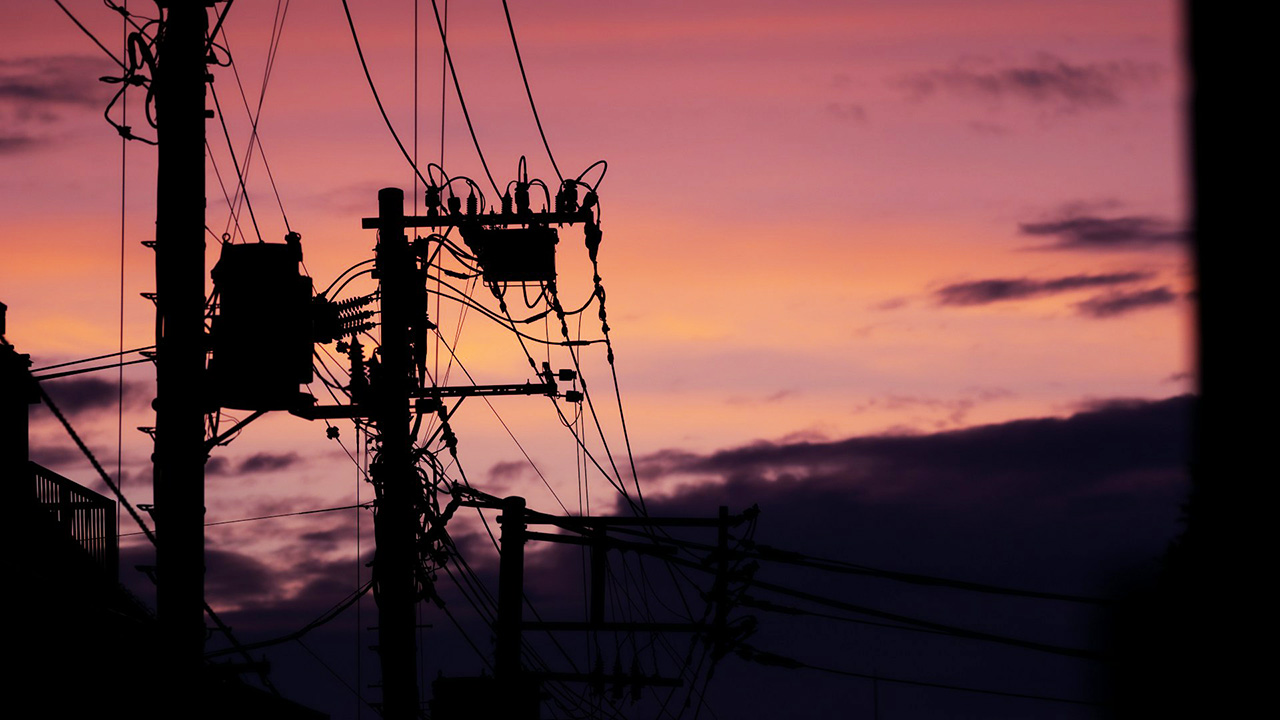
Photo credit: natsuki/Unsplash.com
Power outages are stressful enough without the added chaos that comes from being unprepared. Whether it’s a few hours or a few days, small oversights can turn a manageable inconvenience into a full-blown headache.
From running out of essentials to not knowing where things are, most of the frustration comes from things you could have easily prevented ahead of time. A little planning before the lights go out can make all the difference when they do.
Not having a backup light plan
One flashlight isn’t enough. If it’s buried in a junk drawer or missing batteries, you’re back to fumbling in the dark. Relying on your phone flashlight drains your battery fast, which you’ll need later for communication.
Keep a mix of flashlights, lanterns, and headlamps in known spots throughout the house. Check batteries regularly and consider rechargeable options that can run off a power bank or solar panel.
Forgetting to charge devices
When the power cuts out suddenly, it’s easy to realize too late that your phone, tablet, or backup battery is nearly dead. Without a way to recharge, you’re stuck without news, light, or a way to reach anyone if the outage drags on.
Make it a habit to top off devices anytime storms are forecasted. Portable power banks or small solar chargers are worth having on hand for longer outages.
Ignoring your freezer and fridge prep
A closed fridge can hold temperature for about four hours, and a full freezer for roughly two days—but only if you leave them shut. Opening them repeatedly or not freezing backup water bottles ahead of time shortens that window fast.
Keep jugs of water frozen in your freezer to act as ice packs and fill in empty space. If you know bad weather’s coming, chill everything possible ahead of time to extend how long food lasts.
Relying on candles
Candles seem like a cozy solution, but they’re risky in an emergency—especially if you’ve got kids or pets. They create heat, smoke, and fire hazards when used for long stretches.
Battery lanterns, solar lights, or LED tea lights are safer and brighter. You can still use candles for short-term light if needed, but keep them supervised and away from anything flammable.
Not knowing where key items are
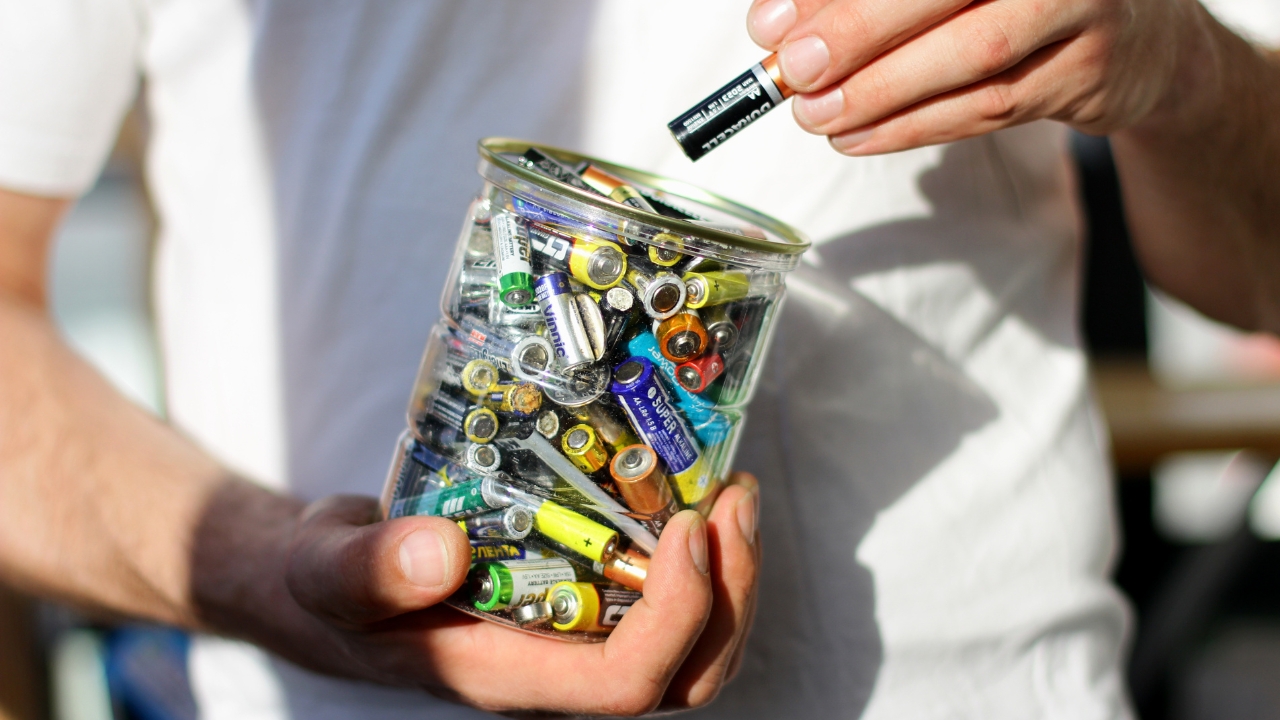
Digging for batteries or your first aid kit in the dark adds unnecessary stress. Many people scatter essentials across the house, which makes it harder to find what you actually need when the power’s out.
Put together a small outage bin with lights, chargers, matches, and other basics. Label it clearly and store it somewhere everyone can access quickly.
Letting your generator sit unused
Generators need to be tested and fueled regularly. If you’ve never actually run it or stored it with old fuel, it might fail the moment you really need it.
Test it every few months, store fuel safely, and keep extra oil on hand. Knowing how to hook it up before you’re in the dark prevents a lot of frustration later.
Forgetting about water access
If you’re on a well, a power outage means no running water. Many homeowners overlook this until it’s too late and they’re out of drinking water or can’t flush toilets.
Store a few gallons per person for emergencies and keep a manual pump or bucket ready if you rely on a well system. Even city water can lose pressure during longer outages, so it’s always smart to have some backup.
Skipping weatherproofing ahead of time
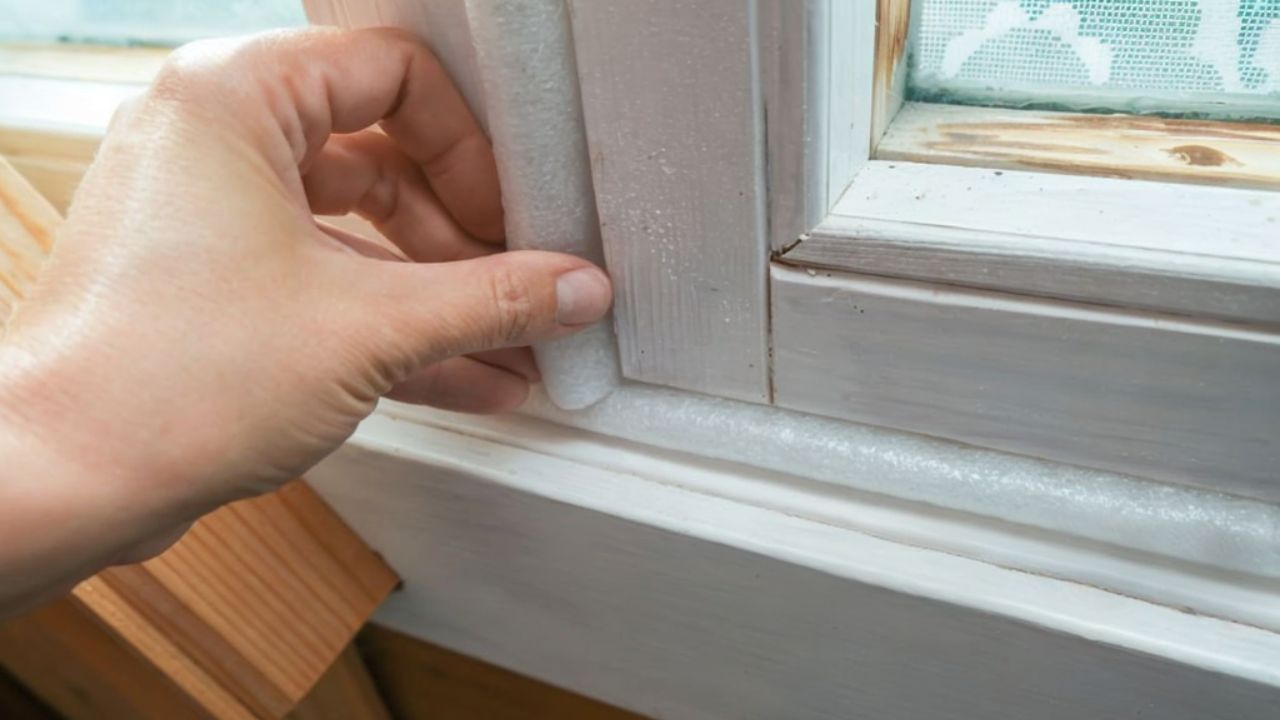
Cold air seeps in fast during winter outages, especially around doors and windows. Without proper insulation, you’ll lose heat quicker than expected and burn through backup fuel trying to stay warm.
Check seals, add door sweeps, and keep heavy blankets or sleeping bags ready. In summer, block direct sunlight and close curtains to help trap cool air instead.
Leaving outdoor items unsecured
When storms hit, loose patio furniture, trash cans, or decorations can become dangerous projectiles that damage property or knock out your power in the first place.
Secure or store items when a storm’s predicted. After it passes, clear debris away from vents, AC units, or your generator before firing anything up again.
Not having a communication plan
If service goes down or towers get overloaded, you might lose contact with family or neighbors. Without a plan, it’s easy to waste time or battery power trying to reach everyone.
Set a backup meeting place or check-in time if you expect severe weather. Keeping a cheap battery-powered radio can also help you stay informed when everything else is offline.
Like Fix It Homestead’s content? Be sure to follow us.
- Man Says He Found Out the Fence He Paid For Wasn’t Actually on His Property
- Woman Says Her Neighbor Started Taking Mulch From Her Delivery Pile Before She Could Even Spread It
- I made Joanna Gaines’s Friendsgiving casserole and here is what I would keep
- What Caliber Works Best for Groundhogs, Armadillos, and Other Digging Pests?