What your neighbors will wish they had when the grid goes down
Photo credit: Yanya/Shutterstock.com
When the power goes out for a few hours, most people can tough it out. But when it’s days—or even weeks—without electricity, comfort disappears fast. You start noticing who planned ahead and who didn’t. The people with lights, warm meals, and running water suddenly look like geniuses.
Truth is, surviving a blackout comfortably isn’t luck. It’s preparation. And when the grid goes down, your neighbors will wish they had a few key things you already took the time to set up.
A way to cook without power
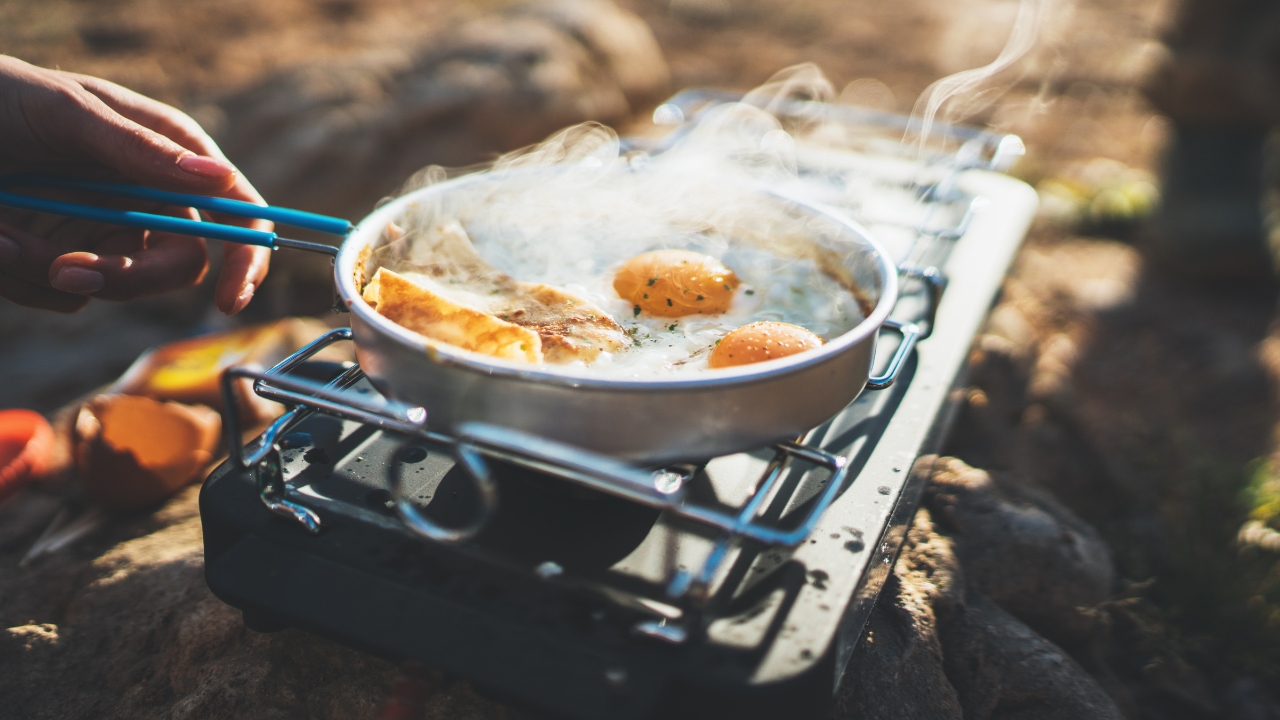
When the grid’s down, your electric stove, microwave, and oven are useless. People quickly realize how unprepared they are when the frozen dinners thaw and the takeout options vanish. A propane grill, camp stove, or even a fire pit can be a lifesaver.
If you rely on propane, keep extra fuel on hand and store it safely. If you’ve got wood, make sure it’s dry and accessible. You don’t need to live like a pioneer, but being able to boil water, heat soup, or cook a hot meal turns chaos into control.
Water that doesn’t depend on the tap
Most city water systems use electric pumps, and well pumps are useless without power. That means within hours, faucets stop flowing. If you’ve got stored water or a way to collect and filter it, you’re already ahead.
A few jugs and cases of bottled water can get you through short outages, but long-term, you’ll want a rainwater catchment setup or a gravity-fed tank. Even a basic water filter like a Berkey or LifeStraw makes a difference when everyone else is scrambling for bottled water.
Reliable lighting that isn’t battery-dependent
Flashlights work for a night or two, but batteries die and replacements vanish fast in an outage. Solar lanterns, rechargeable headlamps, and even motion-sensor path lights give you lasting visibility.
If you use solar options, charge them daily when the sun’s up. Light changes everything in a blackout—it helps you move safely, get chores done, and keep spirits up. Darkness wears people down more than they expect.
A heat source that doesn’t need electricity
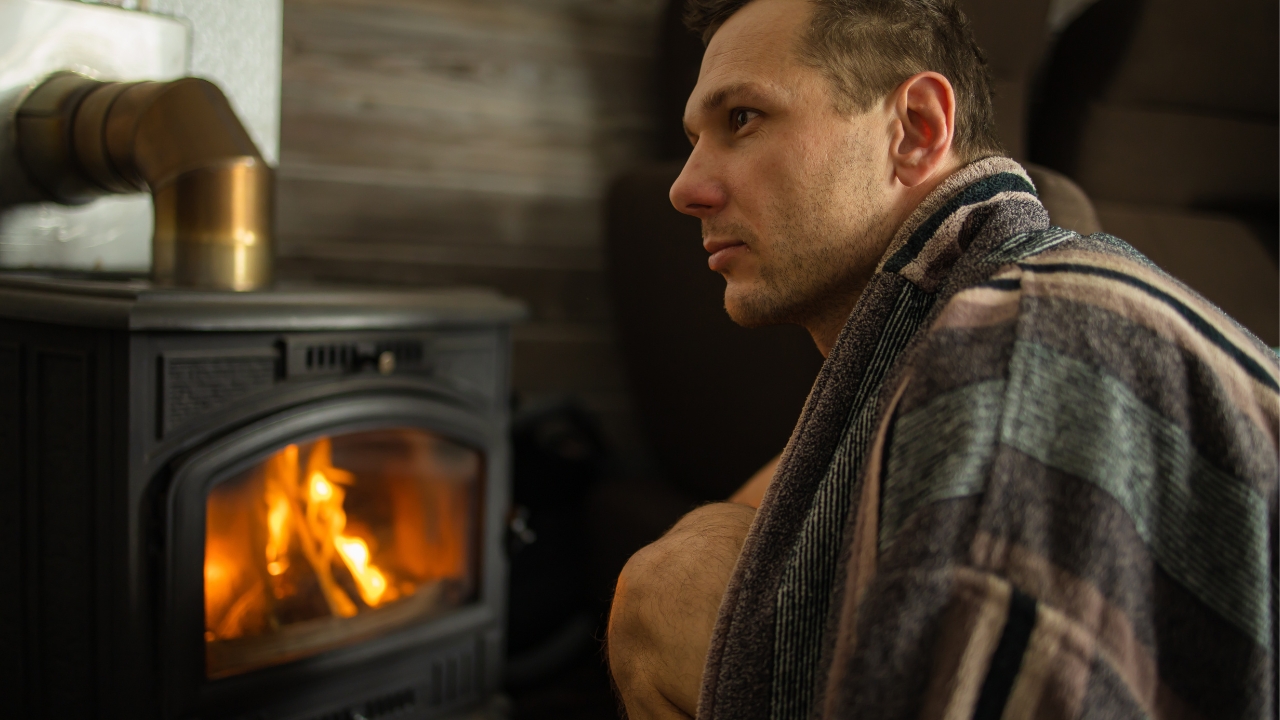
Cold weather blackouts expose weaknesses quick. Electric heaters are useless, and gas fireplaces with electric ignition can fail too. Having an alternative—like a wood stove, kerosene heater, or propane-powered unit—can literally save lives.
If you have one of these, learn how to ventilate it properly and store enough fuel to last several days. People underestimate how quickly a house loses heat without the grid.
A power backup that actually runs
Generators, solar power banks, or battery stations can keep you functional. But here’s the truth—most generators don’t start when you need them because no one maintains them. You have to test them monthly, keep the fuel fresh, and store enough to run them for several hours at a time.
Even a small solar power setup can keep phones charged, run fans, and power small appliances. When the grid’s out, communication and comfort depend on those small but critical power sources.
A way to stay clean and manage waste
When power’s gone, so are hot showers, running water, and flush toilets. Hygiene issues show up fast. A backup plan—like a solar shower bag, stored wet wipes, or even a composting toilet—keeps things manageable.
Most people overlook this until it’s too late. But being able to clean up and handle waste safely matters for health and morale. A bad smell and no running water turn an outage into a full-blown crisis.
Food that doesn’t need refrigeration
Once the fridge warms up, perishable food starts spoiling within hours. Canned goods, dry rice, pasta, beans, and peanut butter become the real essentials. You don’t need a bunker full of supplies—just enough to get through a couple of weeks.
Keep your pantry stocked with what your family actually eats. Rotate through it so it stays fresh. When the grid goes down, familiar meals bring comfort and stability.
A way to communicate when phones die
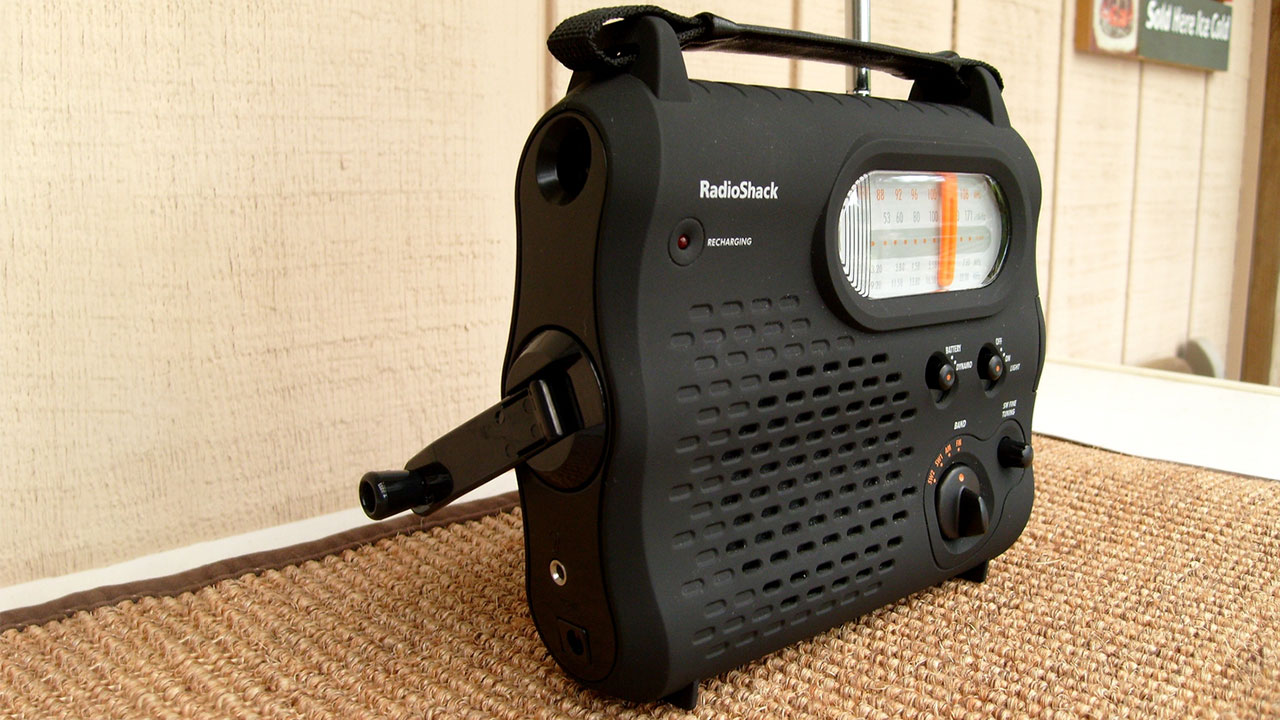
After a long enough outage, cell towers start going down. That’s when radios become more valuable than smartphones. A basic crank or solar-powered emergency radio keeps you connected to weather alerts and local updates.
If you’re more prepared, a handheld ham or GMRS radio gives you direct contact with neighbors or emergency channels. When everyone else is disconnected, that communication link becomes priceless.
Cash on hand
When card readers and ATMs go offline, cash becomes king again. It’s not about hoarding—it’s about having enough for supplies, gas, or emergency purchases when electronic systems fail.
A small stash of small bills in a secure spot can get you through situations where stores can’t take cards. It’s one of the simplest forms of preparation, but one of the most overlooked.
The mindset to stay calm
You can buy tools and gear all day, but mindset matters most. The people who stay composed, resourceful, and adaptable get through outages better than anyone else. It’s not about perfection—it’s about practice.
If you’ve already taken time to think through the “what ifs,” your family will look to you for direction instead of panic. When the grid goes down, being prepared isn’t about having everything—it’s about having enough to stay steady.
Because when your lights are on, the food’s cooking, and the water’s still running, your neighbors will wish they’d thought about all this sooner.
Like Fix It Homestead’s content? Be sure to follow us.