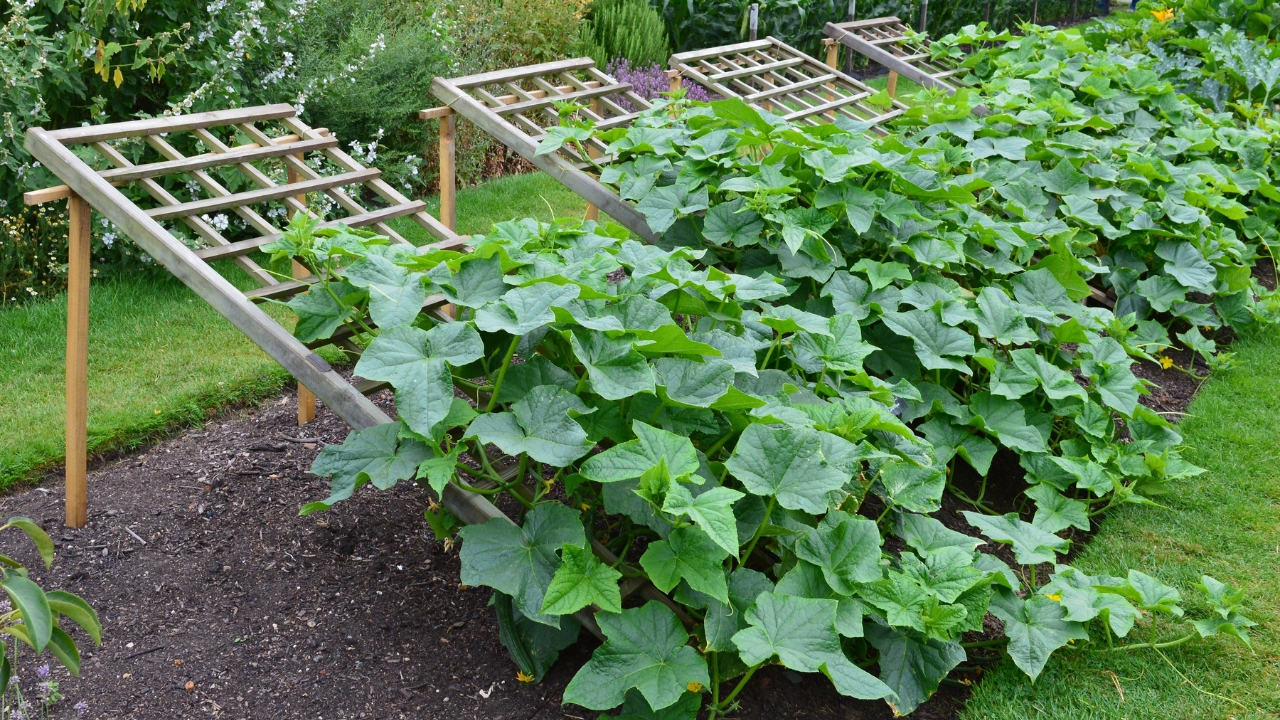
7 Things We Did to Make Our Garden Beds Stay Tidy Longer
Photo credit: Joe Kuis/ Shutterstock.com
We’ve had years where our garden beds looked great in the spring, then turned into a weedy, overgrown mess by July. It’s frustrating when you put in all that work up front and still end up battling chaos.
Over time, though, we picked up a few habits that help keep things under control longer without needing to babysit the garden every day. Here’s what’s worked best for us.
We Started with Clear Edges

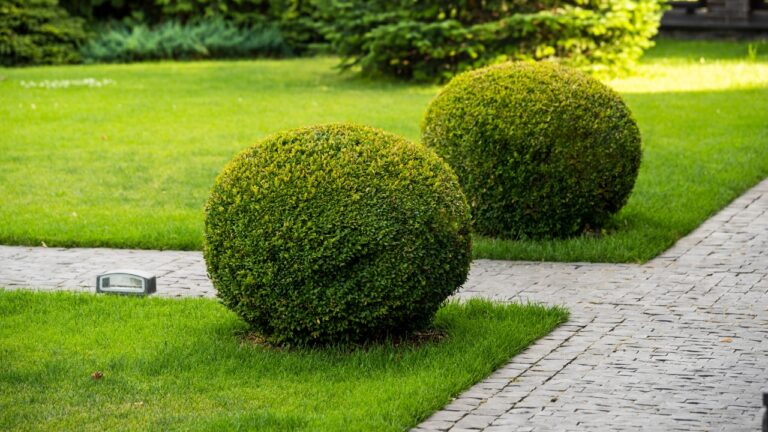
Messy edges are where things start to go downhill. Grass creeps in, mulch spills out, and suddenly your bed looks like part of the yard. We fixed this by cutting deep, clean edges with a flat spade and maintaining them every couple weeks.
It doesn’t take long, but it makes a big difference. Once the border’s in place, it’s easier to see where the bed stops and the yard begins—and easier to mow or trim around without slicing into your plants.
We Used Mulch That Actually Holds

Not all mulch is created equal. The cheap dyed stuff looks good for about a week, then fades, floats, and blows around. We switched to a good hardwood mulch that breaks down slower and stays put better.
It helps hold moisture, keeps weeds down, and makes the beds look clean even when we fall behind on upkeep. We lay it on 2 to 3 inches thick and refresh the top layer each season.
We Stopped Overplanting

It’s tempting to squeeze in extra plants when you’ve got leftover seedlings, but overcrowding makes things harder to manage. Plants compete for space, airflow suffers, and you end up with disease and tangled vines.
Now we leave space between rows and stick to our plan. It looks cleaner, gives us room to weed or harvest, and the plants actually do better with breathing room. Fewer plants in better shape beat a packed jungle every time.
We Trellised What We Could
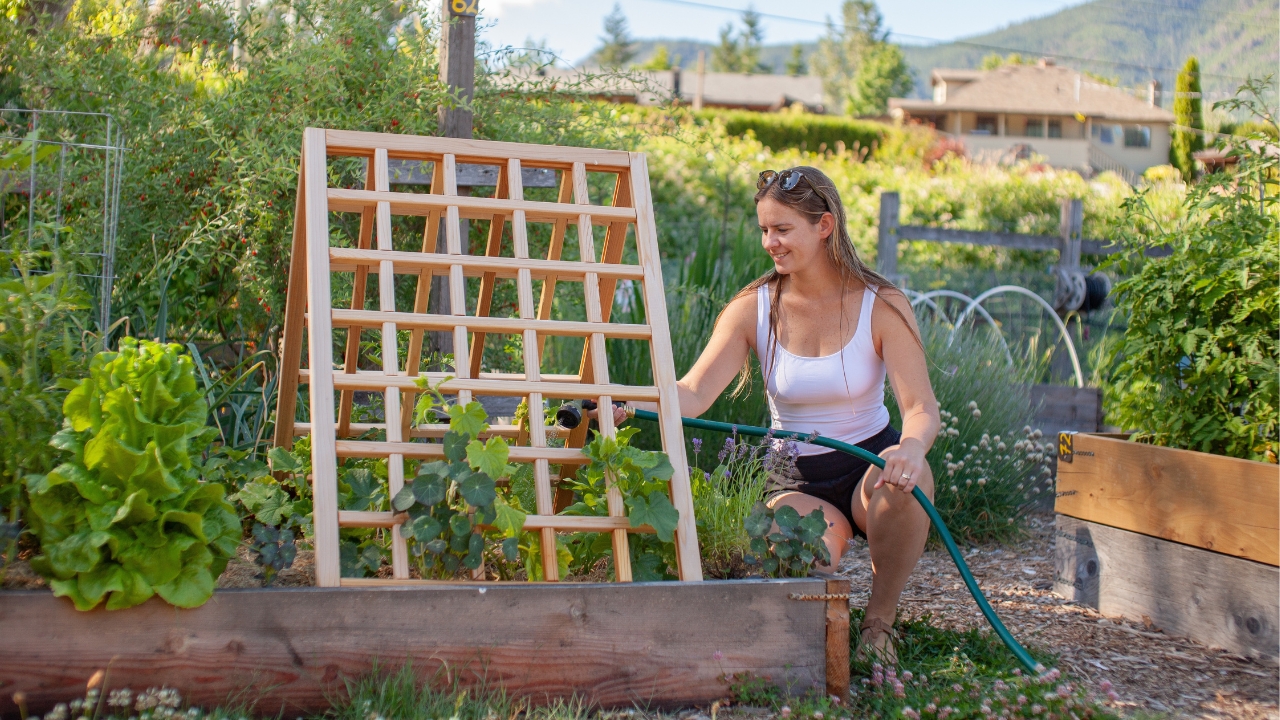
Cucumbers, beans, tomatoes—anything that climbs, we trellis now. It gets them off the ground, keeps the pathways open, and makes it easier to harvest without stepping on something.
We use cattle panels, T-posts, or whatever we’ve got on hand. It doesn’t have to look perfect—it just needs to hold. Vertical growing helps the beds look more organized and saves a ton of ground space.
We Put Down a Walkway Barrier
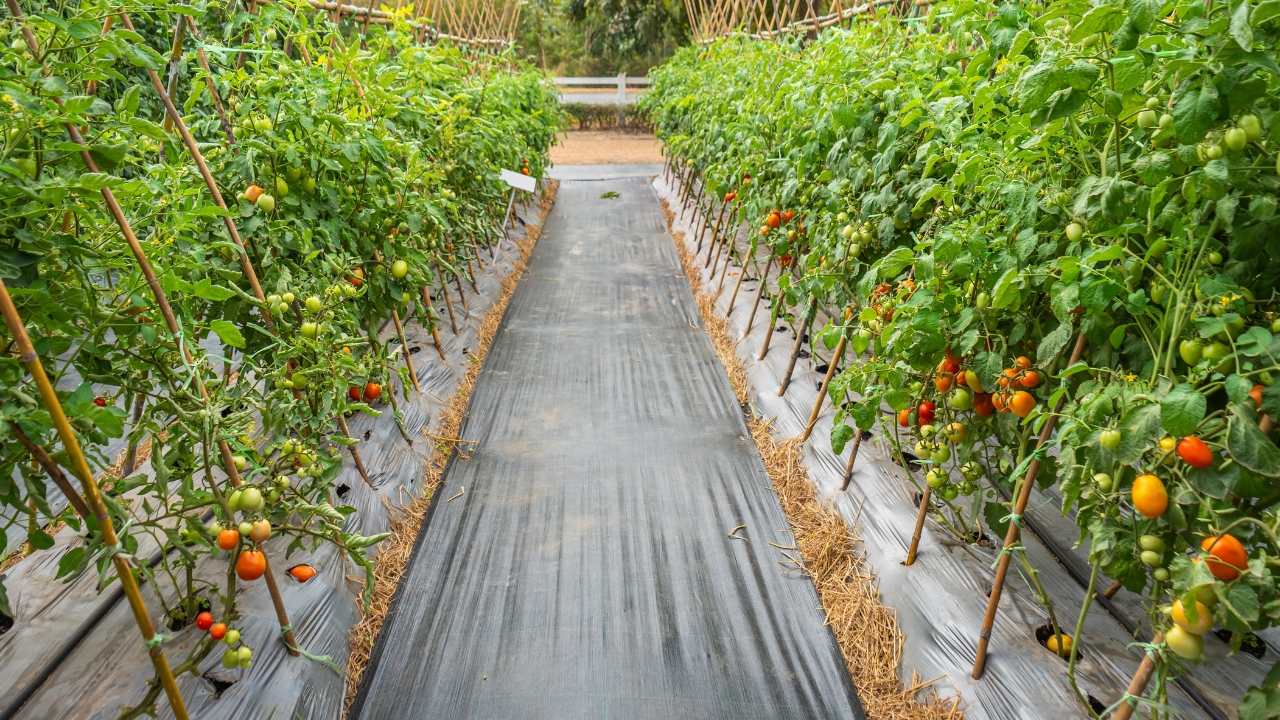
The space between our beds used to grow more weeds than the garden itself. We tried everything until we laid down cardboard and topped it with wood chips. That changed the game.
It keeps the paths clean, mud-free, and easy to walk on. Plus, it helps define the area and makes the whole garden feel more put together. Every season, we add a fresh layer to keep things tidy.
We Stuck to a Weekly Walkthrough
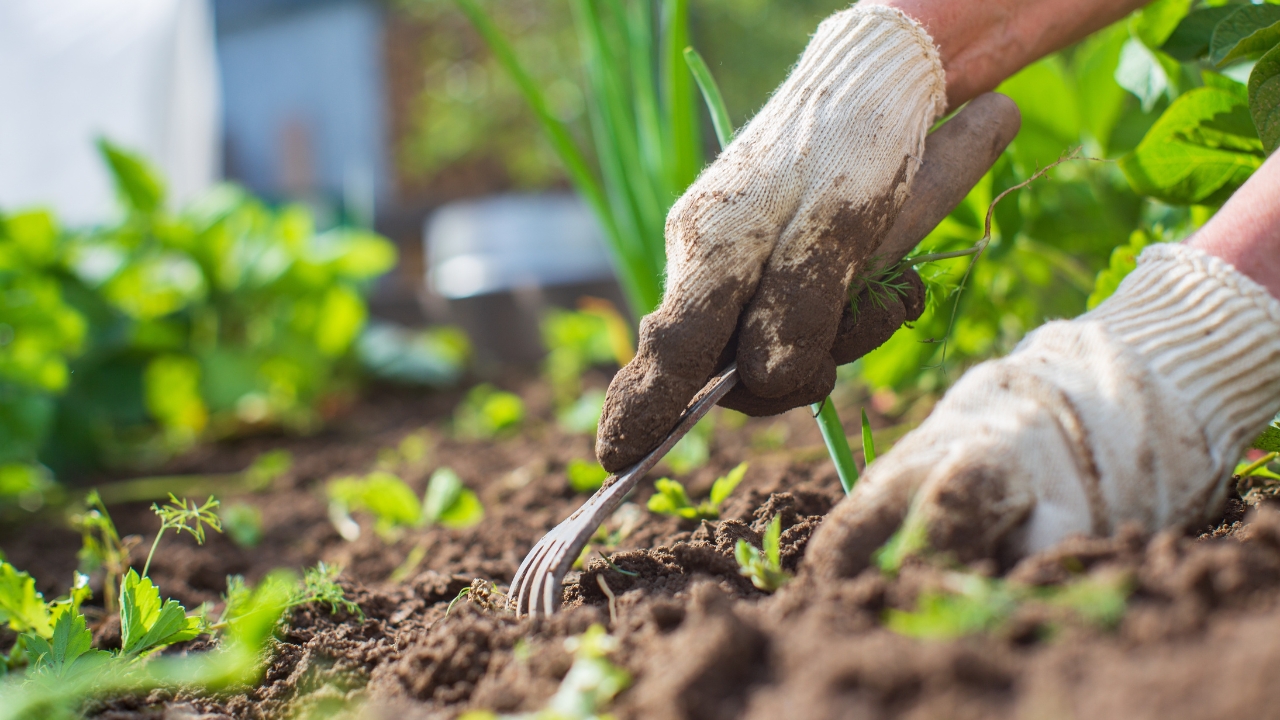
It’s easier to deal with a couple weeds than a full-on invasion. Once a week, we do a quick walkthrough with a hoe or weeder and knock out anything new popping up.
It doesn’t take long, and it saves us from having to do a massive cleanup later. Staying ahead of the mess—just a little bit at a time—makes the whole season smoother.
We Planted Ground Covers on the Ends

In the extra space at the end of our beds, we started planting low-growing herbs or flowers that spread—like creeping thyme or nasturtiums. They fill in the bare spots and block weeds from getting a foothold.
It keeps things looking full and neat without needing to mulch every inch. Plus, it brings in pollinators and adds some variety without adding more maintenance.
Like Fix It Homestead’s content? Be sure to follow us.