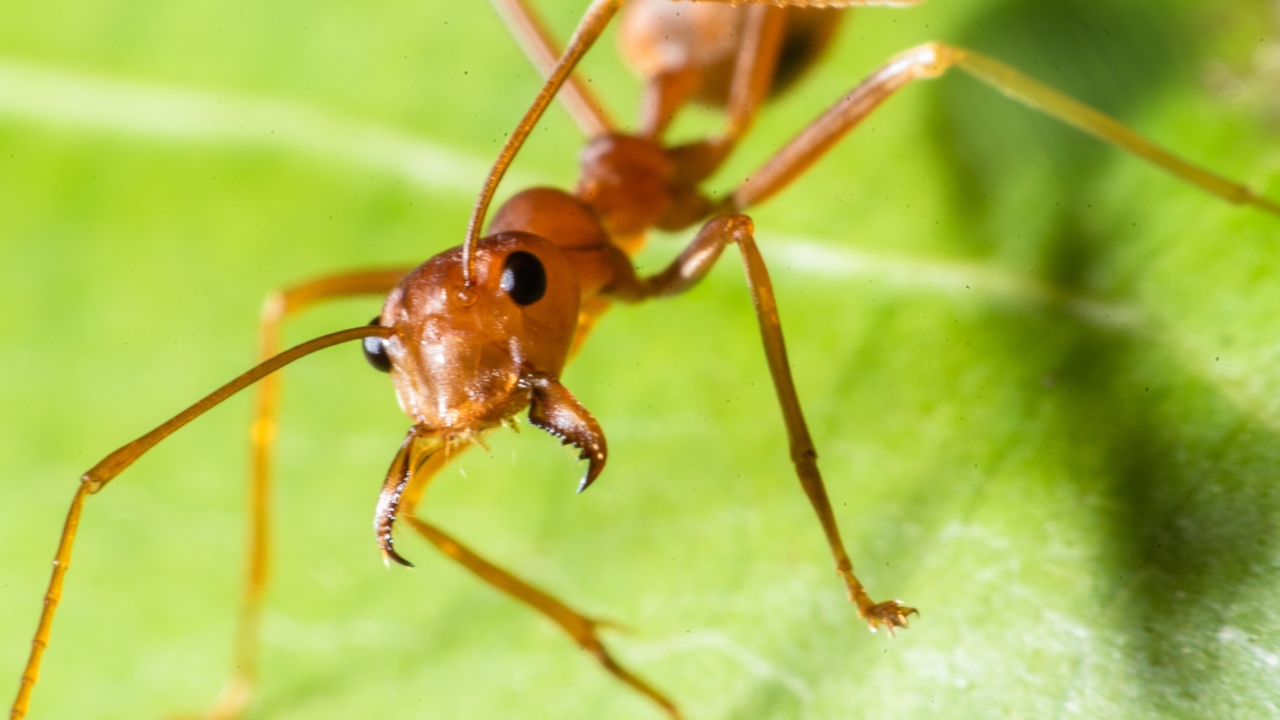
7 Smells That Ants Absolutely Hate (And How I Use Them Around the House)
Photo credit: Good Shop Background/Shutterstock.com
I’ve dealt with my fair share of ant invasions—kitchen counters, bathroom sinks, even my laundry room of all places. And after trying all kinds of sprays and traps, I started leaning into what actually works long-term: smells ants can’t stand.
These scents are easy to use around the house, don’t involve chemicals, and honestly keep the ants in check better than anything I’ve bought off a shelf. Here’s what I rely on to keep them out (and how I actually use them day-to-day).
Peppermint Oil
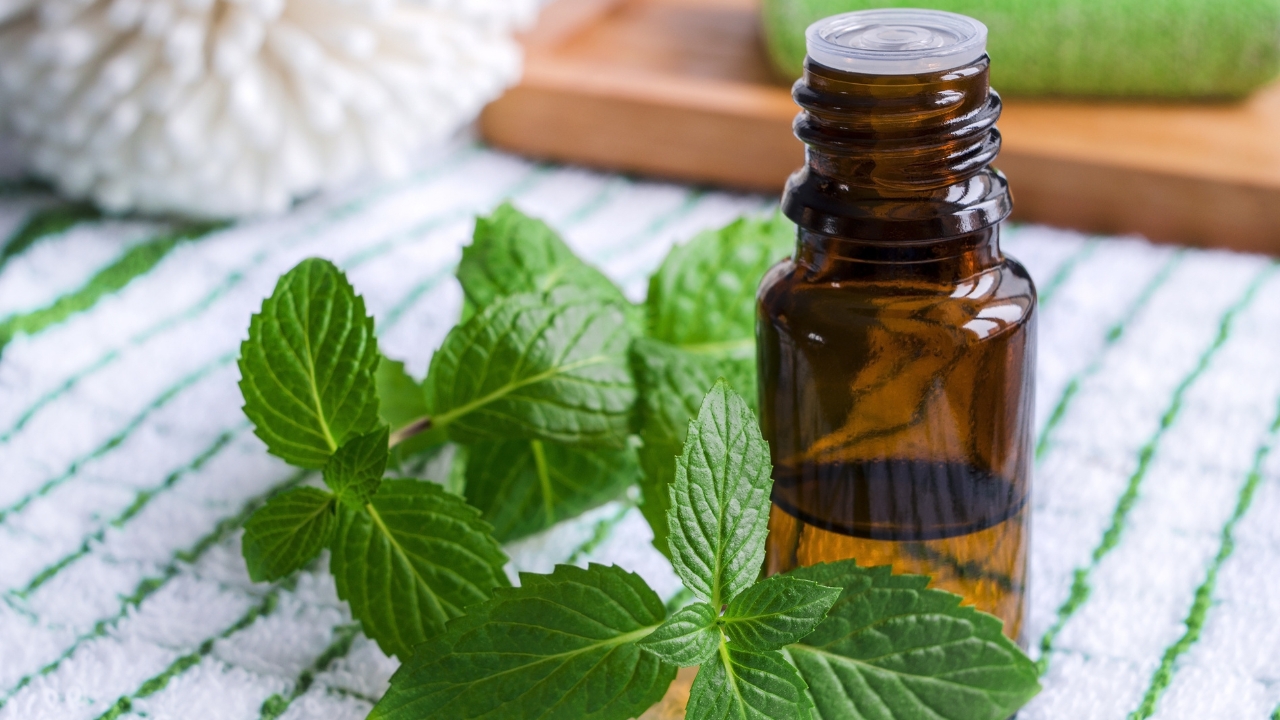
Peppermint oil is my go-to when I see the first signs of ants. They hate how strong it is, and it messes with the way they follow scent trails. I mix a few drops into water and spray it along windows, doors, and anywhere they’re sneaking in.
You can also put cotton balls soaked in peppermint oil behind the trash can or under sinks. It smells fresh, keeps your house from smelling like vinegar or chemicals, and most importantly—it works.
Vinegar

It’s not exactly a pleasant smell, but vinegar throws ants completely off. It wipes out their scent trails, so they can’t find their way back to food or each other. I keep a spray bottle of half white vinegar, half water under the sink at all times.
I use it to wipe down countertops, mop the floor near the pantry, and spray along baseboards. You don’t need to go overboard—a quick spritz here and there does the trick.
Cinnamon
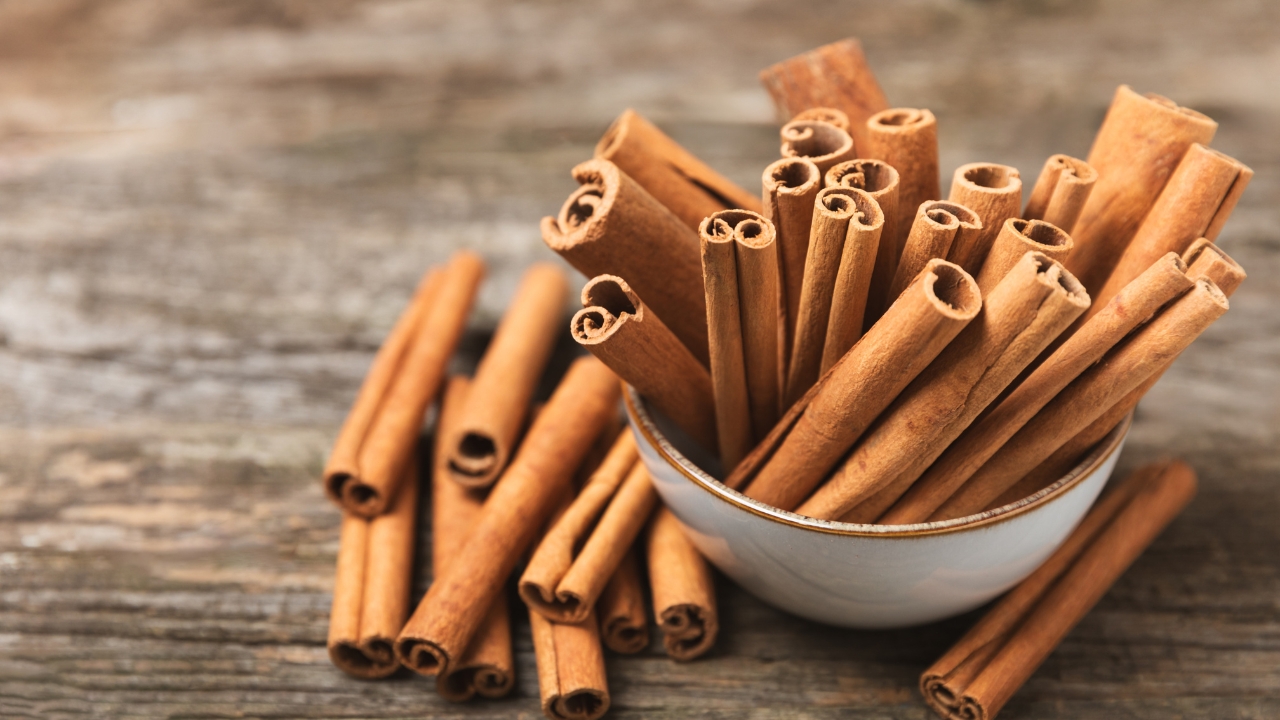
Ants won’t cross a line of cinnamon. It messes with their ability to smell and communicate, so I sprinkle it along windowsills and around door frames when I start seeing them pop up.
You can also put cinnamon sticks in drawers or closets where ants like to wander. The ground version is messier but stronger. I’ve had decent luck using both, depending on the spot.
Citrus Peels
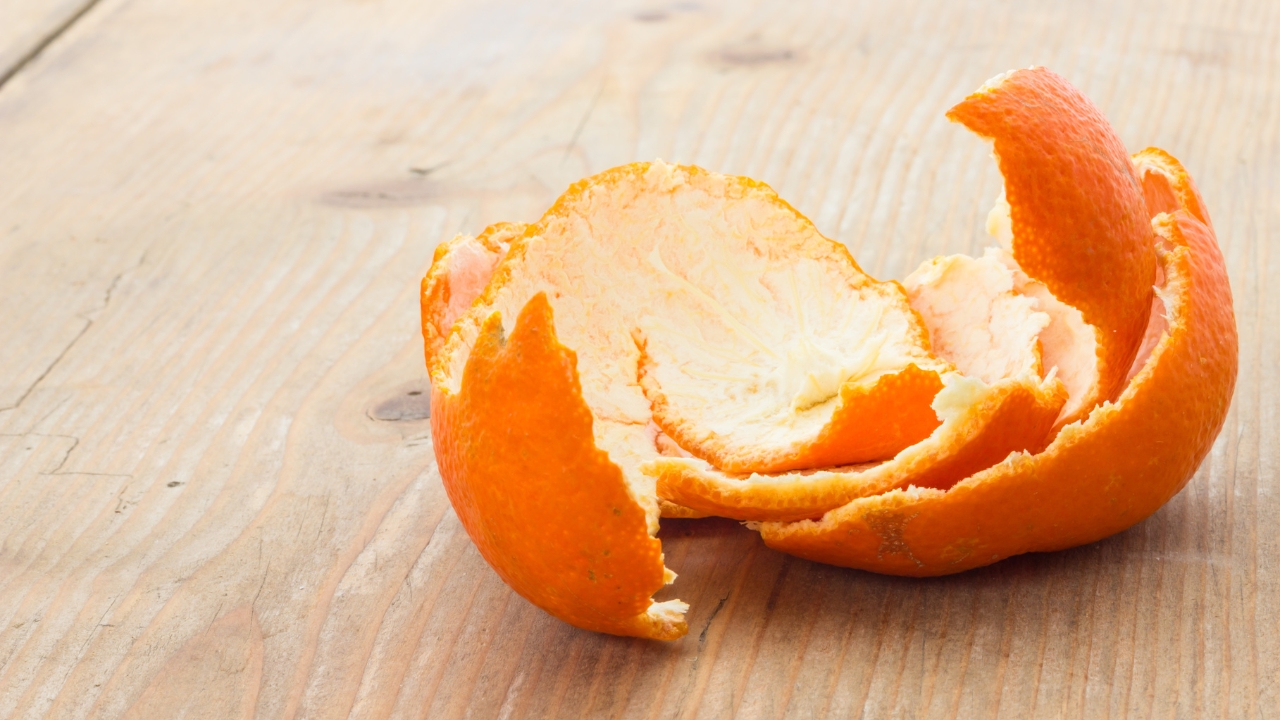
Orange and lemon peels are great because they smell good to us but drive ants nuts. The oil in citrus disrupts their tracking, especially if you rub the peels directly along entry points.
I’ll toss lemon rinds down the garbage disposal or leave orange peels under the sink. It’s one of the cheapest tricks I use, especially since I usually have citrus in the fridge anyway.
Clove Oil
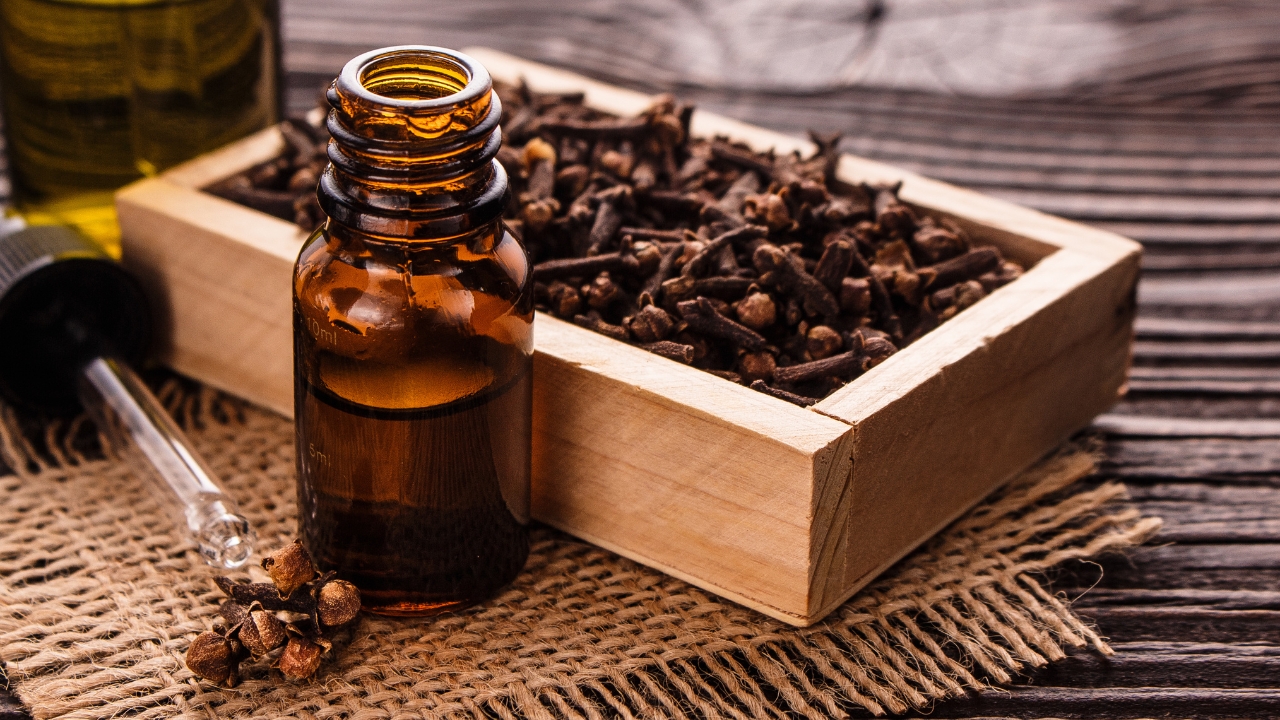
Clove oil is another strong scent that completely overwhelms ants. It contains eugenol, which messes with their nervous system. I usually mix it with water and use it like a barrier spray along the windows and baseboards.
It’s a little spicier-smelling than peppermint, but it hangs in the air longer. A few drops go a long way, so don’t overdo it unless you want your whole house to smell like a spice cabinet.
Eucalyptus
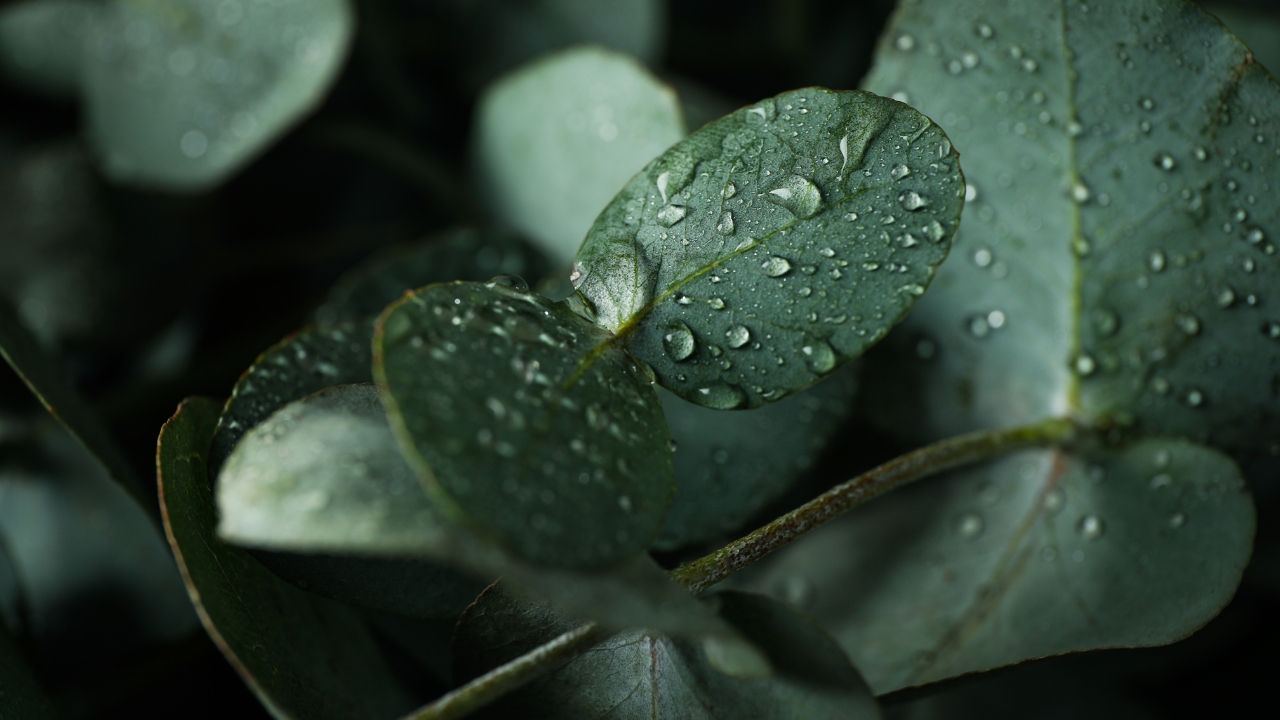
Eucalyptus doesn’t get talked about as much, but it works. Ants absolutely avoid it. I keep a bottle of eucalyptus oil in the bathroom and add it to cleaning sprays for the sink and tile floors.
If you don’t want to make a spray, you can soak a cotton ball and tuck it behind the toilet or near the tub. It smells clean and keeps the ants out of those damp spaces they love.
Lavender

Lavender may be calming to people, but it sends ants packing. I use it in the bedrooms to keep ants from coming in through the windows or climbing up from cracks in the floor.
I mix lavender oil into a bit of rubbing alcohol and spray it around the bed frame and windowsills. It doubles as a calming scent before bed, which is a bonus.
Like Fix It Homestead’s content? Be sure to follow us.