7 safety checks to do before holiday guests arrive—so you’re not dealing with problems mid-visit
Photo credit: Med_Ved/Shutterstock.com
Holiday gatherings have a way of exposing every weak spot in your home, from a slick front step to a smoke alarm that chirps through dessert. A few targeted checks before guests arrive can turn potential emergencies into non-events, so you are not scrambling to fix problems in the middle of a visit. Think of these seven safety moves as your pre-holiday tune-up, designed to keep everyone comfortable, healthy, and out of harm’s way.
1. Clear paths and entryways so guests arrive safely
Your front walk is the first safety test your guests will encounter, and in winter it is often the most treacherous. Before anyone pulls into the driveway, make sure you have shoveled and treated outdoor paths so no one is navigating ice, packed snow, or hidden steps in dress shoes. Guidance on winter prep stresses that you should shovel early and often and keep walkways and driveways clear to prevent slips and falls, then stay ahead of refreezing with sand or ice melt as temperatures drop, a habit that also helps you spot issues like pooling water before roof leaks develop.
Lighting is the second half of that equation, especially when guests arrive after dark or are unfamiliar with your layout. You should replace burned-out bulbs at the front door, along side paths, and in the driveway, and consider adding motion-sensing or dusk-to-dawn fixtures so steps and uneven surfaces are clearly visible. Holiday safety guidance notes that when you Set interior/exterior lights on timers, you not only help guests move around safely but also give your home a lived-in look that discourages opportunistic crime during the season.
2. Tame kitchen and food risks before the cooking marathon
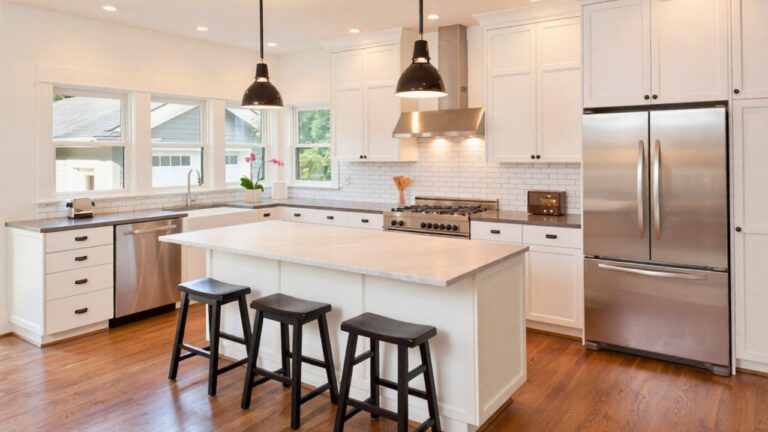
Once people are inside, the kitchen becomes the highest-risk room in the house, especially when you are juggling multiple dishes and conversations at the same time. Safety experts flag that Kitchen Fires are often the top holiday hazard, which is why you should clear flammable items like dish towels, cardboard packaging, and seasonal décor away from the stovetop and oven before you start cooking. You should also commit to staying in the room whenever a burner is on, a point echoed in guidance that urges you to Stay Alert in the Kitchen and treat holiday cooking as active work, not background noise.
Food safety deserves the same level of attention, because a bout of food poisoning can derail a visit just as quickly as a small fire. Before guests arrive, make space in the refrigerator so leftovers can cool quickly, check that your appliance thermometers are accurate, and plan how you will keep hot foods above 140 degrees Fahrenheit and cold dishes below 40 degrees once they hit the table. Holiday checklists emphasize that when you Be Mindful of Food Safety at Large gatherings, you cut down on cross-contamination, protect vulnerable guests like young children and older adults, and avoid spending the next day managing upset stomachs instead of enjoying leftovers.
3. Prep heat, power, and detectors like a pro
When you invite people to stay overnight, you are also inviting them into your heating and electrical systems, whether that means plugging in extra devices or cranking up the thermostat. Before the first suitcase crosses the threshold, swap out your HVAC filter and vacuum return vents so your system can handle the extra load without circulating dust or straining unnecessarily. Winter maintenance guidance advises that you Make sure your filters are in good shape During the coldest months, because that is when your system is in overdrive and most likely to fail if it is clogged or neglected.
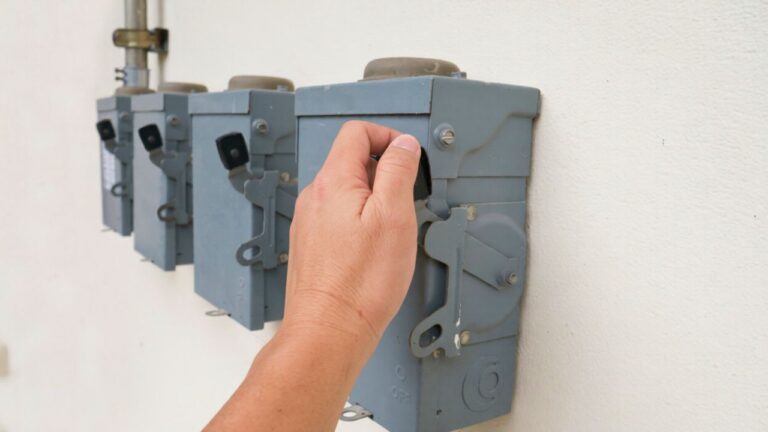
Electrical safety deserves its own quick circuit check, especially in older homes where outlets may already be working hard. A pre-holiday checklist recommends that you Swap HVAC filters and Test GFCI outlets in kitchens and bathrooms so they trip correctly if a hair dryer, coffee maker, or electric kettle encounters moisture. At the same time, you should walk through your home and Start With the Places Guests Don’t Know Well, looking for Burned bulbs, Loose or curling rugs, and Wobb furniture that could turn into trip hazards or electrical problems once people start moving around with luggage and gifts.
No safety check is complete without confirming that your alarms are ready to do their job. You should test every smoke and carbon monoxide unit, replace batteries where needed, and confirm that you have detectors on each level of your home and outside sleeping areas. Home maintenance guidance stresses that when you Inspect Carbon Monoxide and Smoke Detectors and Check the functionality regularly, you buy yourself precious minutes in an emergency, which matters even more when guests may not know the fastest way out of the house.
4. Make décor, candles, and cords safer for kids and older guests
Holiday decorating can quietly introduce new hazards, especially for children, pets, and older relatives who may be less steady on their feet. Before guests arrive, walk your space with fresh eyes and look for low-hanging ornaments, fragile figurines, and trailing garlands that could be pulled down or tripped over. Safety checklists advise that you Keep candles away from flammable materials and never leave them unattended, and that you position them where they cannot be knocked over by a passing bag or an enthusiastic pet tail, a simple step that aligns with broader guidance to Keep candles clear of curtains and décor while you are using the stove or oven.
Lighting and electrical décor deserve the same scrutiny, particularly if you are using older strings of lights or adding multiple plug-in decorations to a single room. Holiday home advice notes that Home Safety Tips Whether you are Traveling or Hosting for the Holidays include checking Christmas lights to prevent electrical hazards and keeping cords out of reach of children. You should also route extension cords along walls instead of across walkways, and follow outdoor safety guidance that urges you to keep cords out of traffic paths so no one catches a toe and takes a spill while carrying hot drinks or plates.
5. Clean smarter to cut germs and indoor air problems
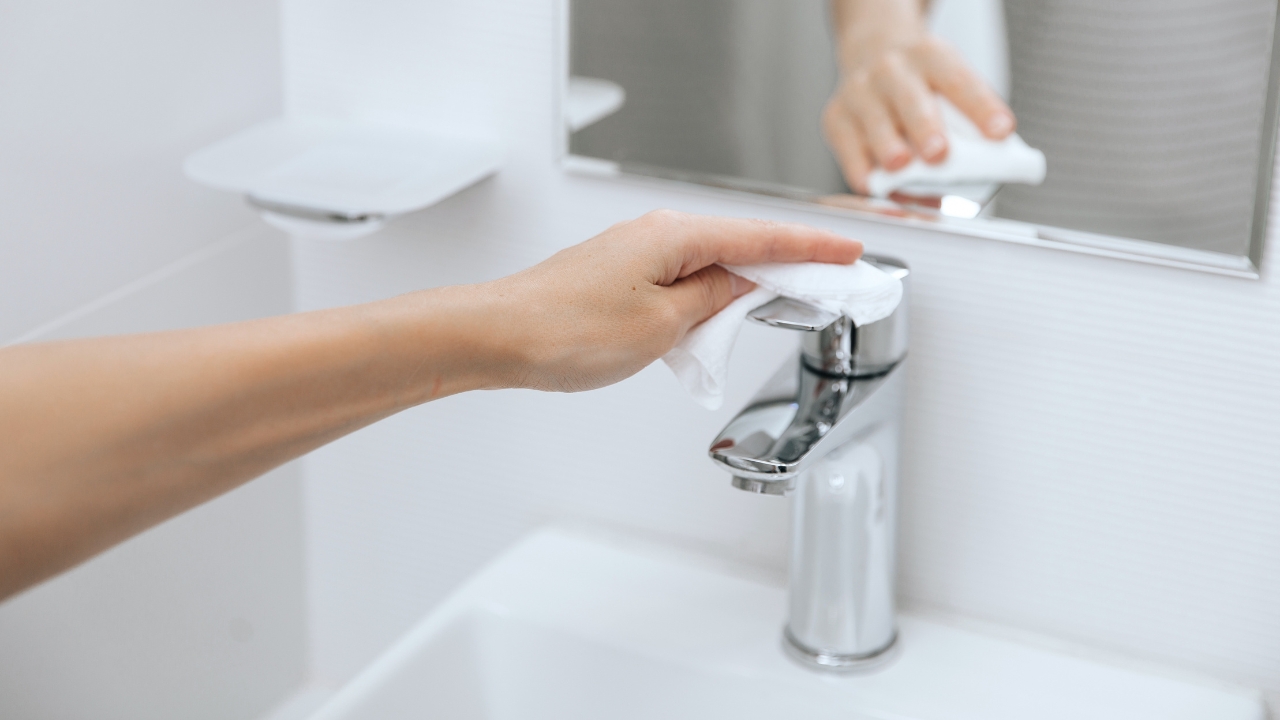
With more people touching the same surfaces and sharing the same air, a quick tidy is not enough to keep everyone healthy. Before guests arrive, focus on high-touch areas like doorknobs, light switches, faucet handles, and remote controls, and use a disinfectant that is designed to kill bacteria and viruses rather than just move dust around. Holiday maintenance guidance points out that when you Disinfect Common Surfaces, you address the fact that bacteria can linger on them for hours, which is especially important when guests are arriving from airports, trains, or long car rides.
Air quality is the other half of this equation, particularly in tightly sealed homes where windows stay closed for months. In addition to changing HVAC filters, you can run a portable HEPA purifier in gathering spaces, crack a window briefly between events to bring in fresh air, and avoid overusing scented candles or plug-in air fresheners that can irritate sensitive lungs. Winter maintenance advice underscores that During the cold season, your system is already working hard, so anything you do to reduce dust and improve ventilation will help guests with allergies or asthma breathe easier while they are under your roof.
6. Get your heating setup guest-ready
Nothing derails a cozy gathering faster than a furnace failure or a space heater mishap, so your heating system deserves its own pre-visit check. Before guests arrive, confirm that your main system is heating evenly, that vents are not blocked by furniture or luggage, and that any supplemental heaters are in good working order with intact cords and automatic shutoff features. Heating experts recommend following Your Holiday Heating Checklist, which includes keeping space heaters at least three feet from anything that can burn and reminding children not to touch them, as well as giving Your Fireplace Needs Love Too with a clean chimney and a sturdy screen.
Fire planning should extend beyond the equipment itself to how people would respond if something went wrong. Before the first log is lit or the oven is turned on for a long roast, make sure you have at least one working fire extinguisher in or near the kitchen and that you know how to use it, and walk overnight guests through basic exit routes from their rooms. Broader holiday safety advice notes that 11 Holiday Home Safety Tips include having an emergency plan so small issues do not become big problems while guests are staying with you, a mindset that turns your heating check into part of a larger, calm approach to risk.
7. Treat safety like preventive maintenance, not a one-off chore
The most effective hosts think about safety the way a good mechanic thinks about a vehicle: as an ongoing commitment, not a single inspection. You can borrow that mindset by scheduling quick walk-throughs in the days leading up to a visit, checking that earlier fixes are still holding and that new decorations or furniture moves have not created fresh hazards. Maintenance experts describe how Preventive maintenance is not just a checklist, it is a commitment to safety, efficiency, and reliability, and the same logic applies whether you are caring for one truck or managing an entire fleet of holiday guests.
That mindset also helps you balance safety with the warmth and spontaneity that make gatherings memorable. Instead of scrambling to fix issues in front of your guests, you will have already walked your paths, tested your alarms, adjusted your décor, and tuned your systems so the visit can unfold without drama. When you follow core Holiday Safety Tips You Must Know for a worry-free season and pair them with practical Illuminate Your Space and Good lighting habits, you give yourself the best gift of the holidays: the freedom to focus on your guests instead of the what-ifs.