New Homeowner Finds the Neighbor Blocking a Deeded Right of Way of Thirty Years With a New Fence — Then the Neighbor Says the Deed Is “Outdated”
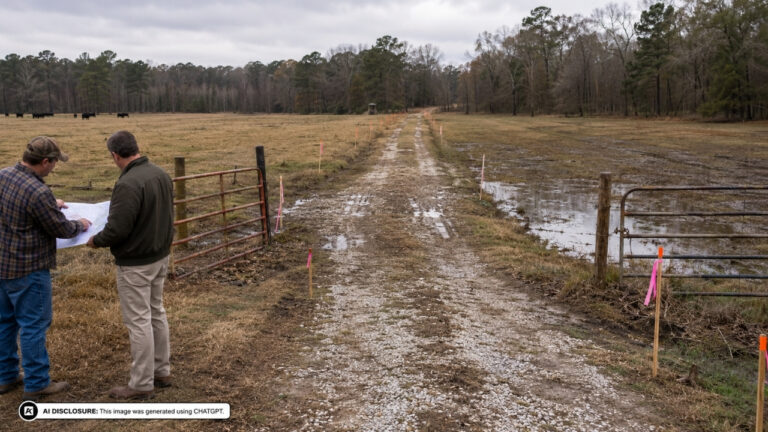
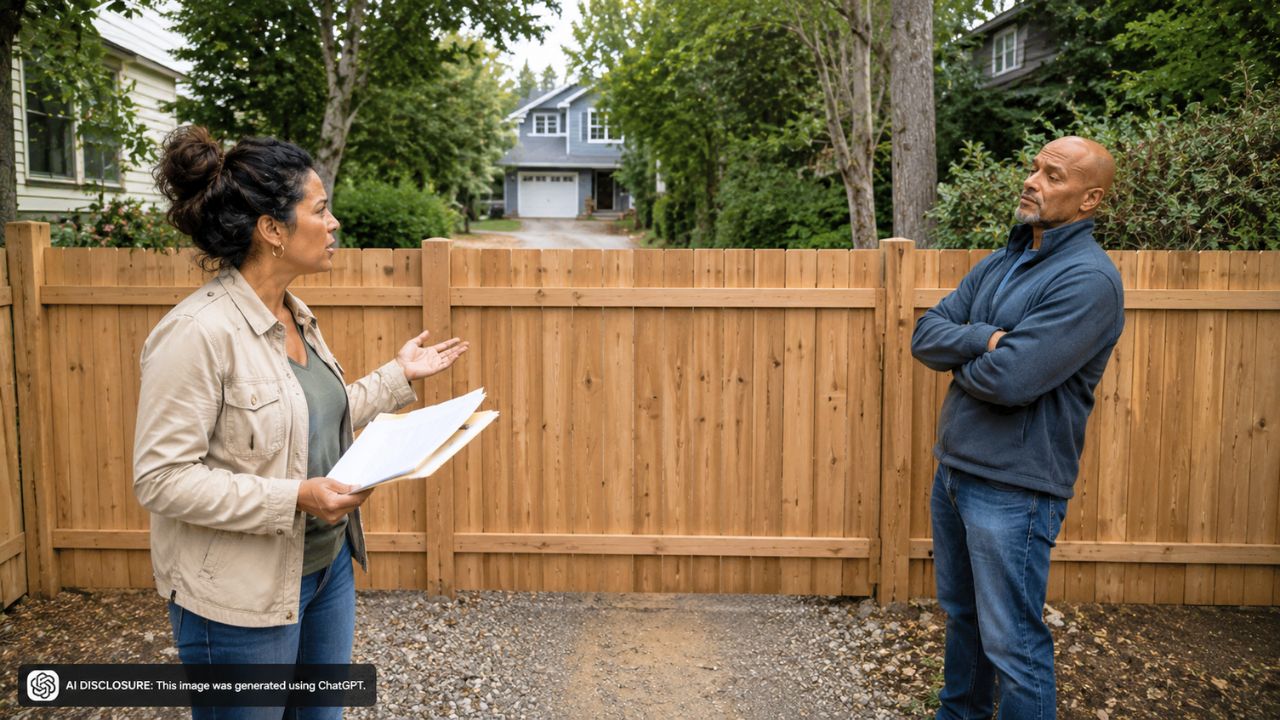
Photo credit: AI-generated image created using ChatGPT. Illustrative only.
The new owner thought the hard part was over when the closing papers were signed: six acres on the top of a mountain in North Carolina, the kind of place you buy because you want space, quiet, and the feeling that you can finally breathe. Then they drove up to see their land and found the one thing that makes mountain property work—or not—was effectively shut down.
In the original post, the homeowner explains that their parcel sits at the very top of the mountain, and there’s only one road to get there. Access to that road is deeded, and it “came with the property.” But the neighbor who owns the land along most of the road has a habit that turns that legal right into a daily practical problem: he parks his car right in the bottleneck, dead center, where “a bicycle couldn’t get past him.”
One road up the mountain, and it’s the whole ballgame
Lots of rural properties have a weird truth baked in: you don’t just buy land, you buy access. The road is the lifeline for everything—materials, equipment, emergency services, and even the basic ability to check on your own place without turning it into a hiking trip.
Here, the road isn’t just narrow. It’s also in “miserable shape,” to the point the new owner says their side-by-side wouldn’t be able to climb it. That detail matters, because it means they’re already behind the eight ball. Even without any neighbor drama, getting to the property is hard.
Instead of being an occasional inconvenience, the access issue is built into every single visit. The homeowner isn’t describing a once-a-year hunting trail. This is the only way in and out.
The “reasonable” workaround became a choke point
The neighbor closest to the bottom of the mountain has his own workaround: he parks on the road and walks the rest of the way. On paper, that might sound like a guy dealing with a rough mountain road the best he can.
But the new owner says the neighbor parks in the one spot that makes passing impossible. The homeowner notes that if the neighbor parked “20 feet lower,” he could pull off into the grass and avoid blocking the road. Instead, the vehicle sits in the pinch point, turning the deeded route into a dead end.
This is where these disputes get personal fast. It’s not just “where he parks.” It’s the message it sends: the road may be yours on paper, but you’ll use it when I feel like moving.
Trying to fix the road… and hitting a wall anyway
The homeowner didn’t lead with threats or demands. They started doing what most practical rural owners do when something is falling apart: get quotes and line up repairs.
They contacted road companies to come out and fix the road, which would make it easier for everyone—including the neighbor—to drive up to their own homes without the drama of parking halfway and hiking in.
But then the next complication popped up: the neighbor “acts like he’s not home so he won’t have to move his car.” That’s a uniquely infuriating detail because it blocks more than the homeowner’s access. It blocks improvement. Contractors don’t show up to play guess-and-check with a neighbor who won’t answer the door while a vehicle sits sideways across the only way up.
Suddenly, the cost isn’t just grading and gravel. It’s delays, rescheduling, and the creeping fear that nothing gets done because one person can freeze the whole project by refusing to budge.
When a deeded right doesn’t feel like a right at all
The homeowner’s core question is blunt and telling: “Do I have any legal right to have his car removed?” That’s the point where frustration turns into a bigger worry—what if “deeded access” isn’t enough when someone decides to ignore it?
This is the rural version of a shared-driveway standoff. In suburbs, it’s trash cans, fence lines, and “your driveway is two inches on my side.” In the mountains, it’s the only road, the only route for a tow truck, and the only way an ambulance would even attempt a call.
Even if the neighbor believes he’s being practical—parking where he always has, doing what he’s always done—the new owner has a property they can’t reasonably use or improve if the access can be physically blocked whenever the neighbor chooses.
And because the road crosses land the neighbor owns until it reaches the top parcel, it creates the classic tension point: one person holds the terrain, the other holds the paperwork, and both can claim they’re the one being “reasonable.”
People focused on documentation and enforcement, not driveway debates
While the post itself is short, the kind of responses these access disputes typically draw tends to be practical and a little grim: don’t turn it into a shouting match, and don’t assume the other person will suddenly start cooperating because you asked nicely.
In situations like this, homeowners are usually urged to treat it less like a neighbor disagreement and more like an access obstruction: pull the deed language, identify exactly what the right-of-way covers, and document each time the route is blocked. The reason is simple—once it becomes a pattern, it stops looking like “I parked for a minute” and starts looking like intentional interference.
People also tend to flag how quickly the stakes climb if you need emergency access. A blocked right-of-way isn’t just an inconvenience; it can become a safety problem, and safety problems are often what finally motivate authorities—or attorneys—to take it seriously.
And because contractors are already involved, there’s another angle: if the road can’t be accessed for scheduled work because of a parked car, those delays and rescheduling fees can become part of the paper trail of real-world harm.
A mountain property is still a property—bills, work crews, emergencies
It’s easy to romanticize land on a mountaintop until you picture the basics. How do you get gravel delivered? How does a septic crew get equipment in? What happens when you need a tree removed after a storm?
The new owner’s side-by-side already can’t make it up the “miserable” road. If the neighbor blocks the narrow section, the owner can’t even attempt access with smaller equipment, let alone schedule repairs that might make the whole place usable.
For now, the homeowner is stuck in that early, tense phase of rural ownership where you’re learning the land—and learning the people around it. The dream is six quiet acres at the top of the world. The reality, at least this week, is a parked car in the middle of the only way home.