Homeowner Refuses to Let Three Sassafras Trees on the Property Line Be Cut Down and Offers to Pay for Trimming Instead — Then Catches the Neighbor’s Tree Service Discussing Removal Without Her
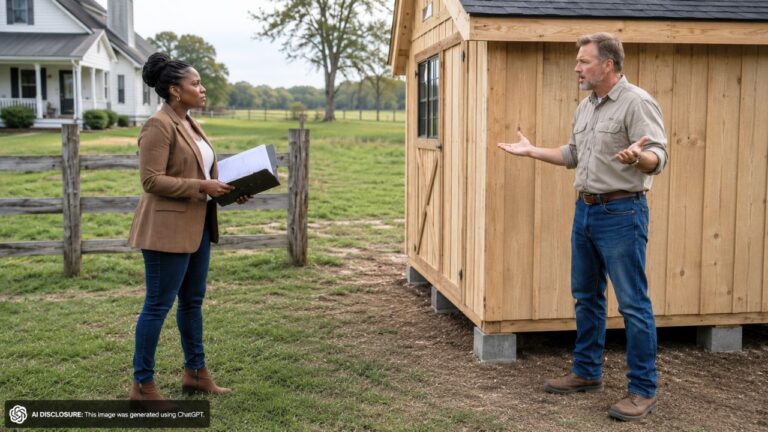
Photo credit: AI-generated image created using ChatGPT. Illustrative only.
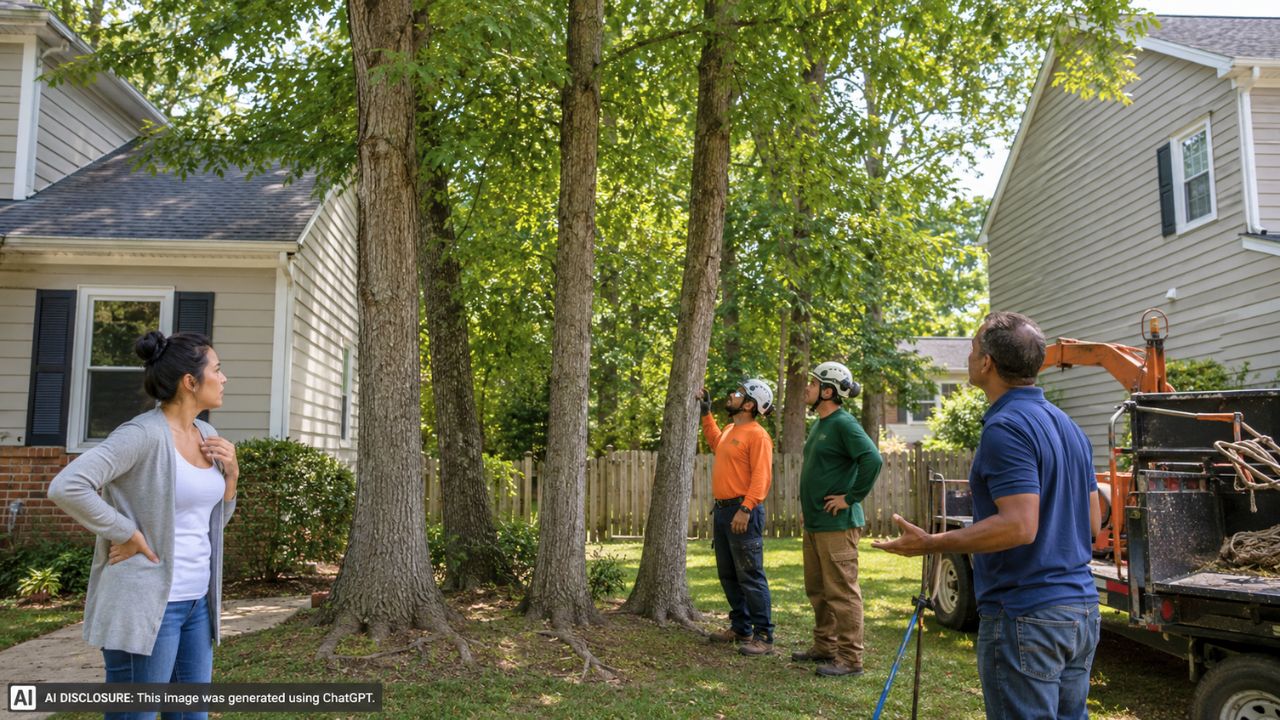
The homeowner thought she was having a normal morning—until she spotted a tree service standing at the edge of her yard, craning their necks up into three towering sassafras trees that have long acted like a living fence. From the street, it probably looked like routine yard work. Up close, she could hear them talking about taking the trees down.
In her mind, that wasn’t just landscaping. It was the potential loss of shade, privacy, and a big part of what made the property feel like home. In the original post, she laid out the problem plainly: the trees sit on the property line in West Virginia, and she has repeatedly told her neighbor she does not consent to removing them—even offering to pay for trimming instead.
Three sassafras trees that function like a boundary fence
The trees aren’t small ornamentals you can replace with a quick trip to the garden center. The homeowner describes them as “very large” sassafras trees on the property line—leaning more toward the neighbor’s side, but “definitely on the line.” They’re the kind of mature trees that change a yard’s temperature, block sightlines, and make a tight in-town lot feel bigger than it is.
That’s why the stakes felt personal. She said she’d be “devastated” if they were destroyed, and that the trees were a “big selling point” when they bought the house. To her, removal wouldn’t just be a weekend annoyance; it would permanently change the way the place lives and feels—and in her words, would “greatly devalue it” in her eyes.
The neighbor kept bringing up removal, and she kept saying no
This wasn’t a one-time misunderstanding. Over the past year, the neighbor had “expressed the desire” to cut them down multiple times. Each time, the homeowner says she responded the same way: the trees are on the property line, and she does not want them removed.
Trying to keep things neighborly, she even offered a compromise that would cost her money but preserve the canopy: she told him she’d pay to trim the entire trees when she has her other trees trimmed in the fall. It’s a very homeowner move—spend a little now, avoid a bigger fight later.
But the neighbor’s persistence signaled that trimming wasn’t what he wanted. He wanted the trees gone.
The moment it stopped feeling theoretical
The conflict turned from annoying to urgent when she noticed a tree service on site “examining the trees.” That’s when the homeowner heard what she hadn’t expected to hear: they were discussing removal.
Anyone who has lived next to a property line knows that sick feeling—when you realize a disagreement isn’t just talk anymore. A crew can show up, drop a tree in an afternoon, and by the time you get home the damage is done. She immediately started thinking about worst-case scenarios: what if someone shows up to cut them down? What if it happens while she’s away?
She also didn’t want to start a feud. That detail matters, because it’s the trap a lot of homeowners get stuck in. You want to protect your property, but you also have to live next door afterward.
Property-line trees: the kind of detail that changes everything
The homeowner’s understanding was that, in West Virginia, trees on the property line can’t be removed without permission from both owners. Her big question was whether it mattered that the trunks are more on one side than the other.
That question is where real life gets messy. Property lines aren’t vibes; they’re measurements. If a trunk straddles the boundary, it can turn a “my yard, my choice” decision into a shared-ownership dispute fast. And the scary part is how quickly a contractor’s work can outrun the homeowner’s ability to react—especially when you’re not home to step outside and stop the conversation.
It’s also where documentation suddenly becomes as valuable as a chainsaw. When a neighbor is “determined,” being right in principle doesn’t always prevent the cut.
The tree company’s reaction changed the trajectory
Then came the update that likely saved the trees—at least for now.
After speaking with the tree company owner (who came out to give an estimate on taking down a Bradford pear), the homeowner learned something surprising: the owner brought up the sassafras trees before she did. He told her he wanted to give her a heads up that the neighbor was having them cut down.
When she showed him they were on the property line, the owner’s tone shifted. According to the homeowner, he acknowledged it and told her they would “put the breaks on this” and inform the neighbor they couldn’t cut them without her permission.
In neighborhood conflicts, that’s a pivotal moment. A contractor refusing to proceed can stop a bad decision at the last possible second. It also hints at the other side of these disputes: reputable crews don’t want to be dragged into property line fights, and they definitely don’t want to be accused of helping someone remove a shared tree without consent.
What other homeowners zero in on when trees become the fight
Even without a long comment thread included in the source, this kind of story tends to trigger the same practical instincts from other homeowners: get proof, get it in writing, and don’t rely on handshake agreements when a chainsaw is involved.
In real neighborhoods, people in the homeowner’s position often start thinking about the basics—where the line actually is, whether it’s marked, and how to show it quickly if a crew arrives. They also tend to think about prevention that doesn’t require a confrontation: photos of the trees now, a record of the conversations, and communication with any contractor who might be hired.
The homeowner here did the most effective immediate step: she talked directly to the tree company and established that she did not consent. That matters because if a crew shows up again, the boundary dispute is no longer “between neighbors.” It becomes a question a professional company has already been warned about.
But there’s still tension under the surface. The neighbor has asked multiple times, and someone was already out there discussing removal. The fact that the homeowner had to catch it in motion is exactly why these tree-line disagreements can keep homeowners on edge for months.
For now, the sassafras trees are still standing. The homeowner didn’t want a feud—just shade, privacy, and the ability to leave the house without worrying that a long-loved part of the yard might be gone before she returns.
Like Fix It Homestead’s content? Be sure to follow us.
- Man Says He Found Out the Fence He Paid For Wasn’t Actually on His Property
- Woman Says Her Neighbor Started Taking Mulch From Her Delivery Pile Before She Could Even Spread It
- I made Joanna Gaines’s Friendsgiving casserole and here is what I would keep
- What Caliber Works Best for Groundhogs, Armadillos, and Other Digging Pests?