Homeowner Asks Grandkids Playing in Her Newly Planted Yard to Stay Off the Grass — Then the Grandmother Texts That She “Owns” the Yard, and a Survey Proves Otherwise
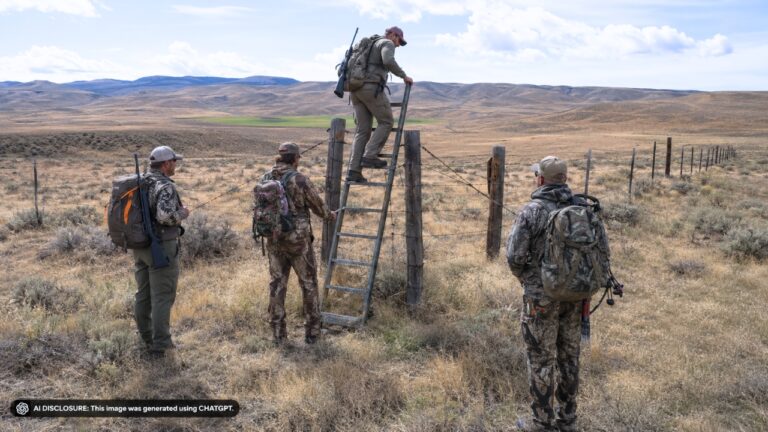
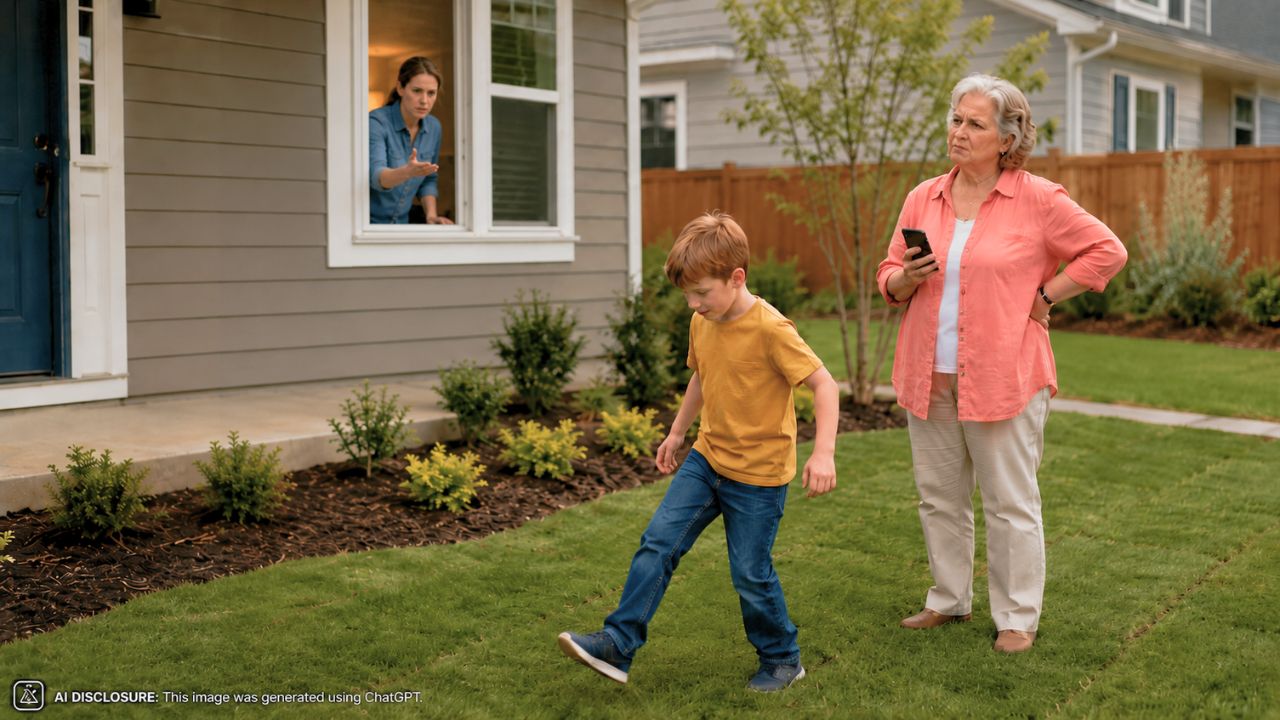
Photo credit: AI-generated image created using ChatGPT. Illustrative only.
It started with a front yard that looked inviting on purpose—freshly planted grass, seasonal decorations, the kind of place that makes kids wander over. But when a homeowner stepped outside and found a neighbor’s grandkids playing in her newly seeded lawn, the friendly vibe didn’t last.
In the original post, the homeowner says she walked out, asked if they needed something, and politely explained that the grass had just been planted and she’d appreciate everyone staying off it until it matured. She wasn’t trying to be the neighborhood villain. Her point was simple: if the neighbor had asked first, she would’ve said yes—just not right now.
A simple request turned into a text message threat
The homeowner describes the face-to-face conversation as friendly. The problem came after, when her neighbor texted her—angry, hostile, and threatening—claiming the grandkids had “every right” to play there because the neighbor “owns” the yard.
That’s not a small accusation. If someone truly believes a strip of land is theirs, “please stay off the grass” stops being about manners and turns into a property line fight.
The homeowner says she responded with proof: a survey showing the yard wasn’t the neighbor’s. Instead of settling it, that seemed to pour gasoline on the fire. The neighbor, in the homeowner’s words, began “starting a neighbor war.”
Why fresh grass and decorations can spark a boundary fight
New grass is one of those home projects that looks tougher than it sounds. Seedlings and new sod don’t just need water—they need time without foot traffic, without bikes cutting across the corner, without kids running the same route to a decoration. A few minutes of “just playing” can leave ruts or dead patches that turn into weeks of re-seeding and extra watering.
Add Halloween decorations and you get the perfect magnet. People stop. Kids poke. Someone steps off the sidewalk for a better look. The homeowner wasn’t complaining about the interest—she just didn’t want the lawn used as a play area while it was still establishing.
There was another practical issue: the homeowner says there are no front yard fences allowed where she lives. That means she couldn’t solve it with the obvious physical barrier. No small picket fence, no temporary enclosure. Just a vulnerable front lawn and a neighbor who suddenly claimed ownership of it.
The survey didn’t end it—it escalated things
Plenty of neighbor disputes cool off once someone produces a survey. Lines are lines. But this one went the other way.
After the homeowner sent the survey, the neighbor didn’t back down. The homeowner’s initial plan was to ignore the messages and let the drama burn itself out, hoping it was just a moment of overreaction.
That’s a common instinct when you still have to live next to the person. Escalation can turn “annoying” into “daily stress” fast. But ignoring someone who’s acting entitled to your property has a risk: it can be read as permission.
And in this case, the homeowner later learned the neighbor wasn’t just talking tough in texts—she was willing to involve other people, too.
Then contractors showed up and used her lawn like a staging area
After a quiet stretch, the homeowner assumed the neighbor had gotten over her “hissy fit.” Then she came home to a front yard full of renovation equipment and materials—on her property.
According to the update, the neighbor was doing a major renovation and told her contractors to set up on the homeowner’s lawn. The homeowner described “tons of crap” on the grass: two miter saws, about a dozen buckets of paint, mortar, piles of flooring, and even a truck parked in the yard.
This is where the stakes jump. It’s not only disrespectful—it can be expensive. Freshly planted grass doesn’t stand a chance under heavy foot traffic, stacked materials, and vehicle weight. Paint spills, mortar dust, and repeated dragging can permanently scar a lawn. Even if nothing leaks, the compaction alone can kill new growth and leave low spots that hold water later.
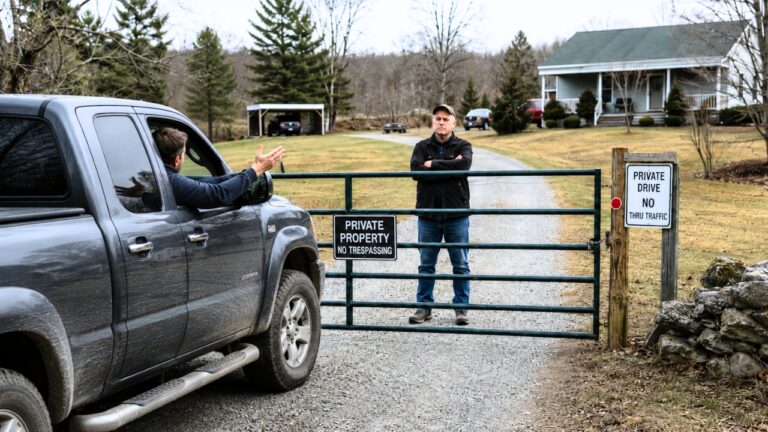
The homeowner says she politely asked the workers to move their things to the neighbor’s yard. The contractors refused, claiming the neighbor told them she owns the homeowner’s yard. At that point, the homeowner called the police, hoping it would end the behavior.
People pushed “petty,” but most advice centered on documentation
The replies included plenty of dark humor and revenge-energy, because that’s what happens when a boundary dispute turns absurd. The homeowner even summarized suggestions she received: turning on sprinklers, planting bushes, and one especially chaotic idea involving fire ants (no details, just the vibe).
There were also suggestions she didn’t love. Some people essentially argued she should give up the yard to keep the peace, even though it could create a bigger problem if a child gets hurt while playing in someone else’s landscaping or around decorations. Others suggested building a fence—ignoring her repeated note that fences aren’t allowed in the front yards where she lives.
Amid the noise, the practical thread running through it was clear: proof matters. She had a survey. She had written texts. And once contractors were involved, she had visible, physical trespass and potential property damage—something harder to hand-wave away as “a misunderstanding.”
In these kinds of neighbor problems, the messy part isn’t just the lawn. It’s the paper trail you may need later if the other party keeps pushing, brings in third parties, or tries to redefine the boundary through repeated use.
A front yard is public-facing, but it’s still not public property
This homeowner’s story hits a nerve because it’s so familiar: a front yard feels “shared” to some people just because it’s visible. If there’s no fence, some neighbors treat it like a common space, or a shortcut, or a place to let kids roam because “it’s not a big deal.”
But a newly planted lawn is a project with a timetable, and a property line is a property line. The homeowner wasn’t demanding silence, perfection, or isolation. She was asking for one thing: keep off the grass until it’s established.
The unnerving part is how quickly it shifted from kids touching decorations to an adult insisting she owned land she didn’t—and then acting on that claim by sending contractors onto it. That’s not a misunderstanding anymore. That’s a neighbor testing how much they can take.
For now, the homeowner’s last update ends with a call to police and a hope that the contractors—and the neighbor—finally stop treating her yard like an extension of their renovation zone. The grass, of course, won’t get to “ignore” any of it.
Like Fix It Homestead’s content? Be sure to follow us.