New Landowner Finds the Neighbor’s Water Meter Sitting on Newly Purchased Land — Then the Neighbor Expects Her to Pay for a New Line on His Own Property Just to Free It Up
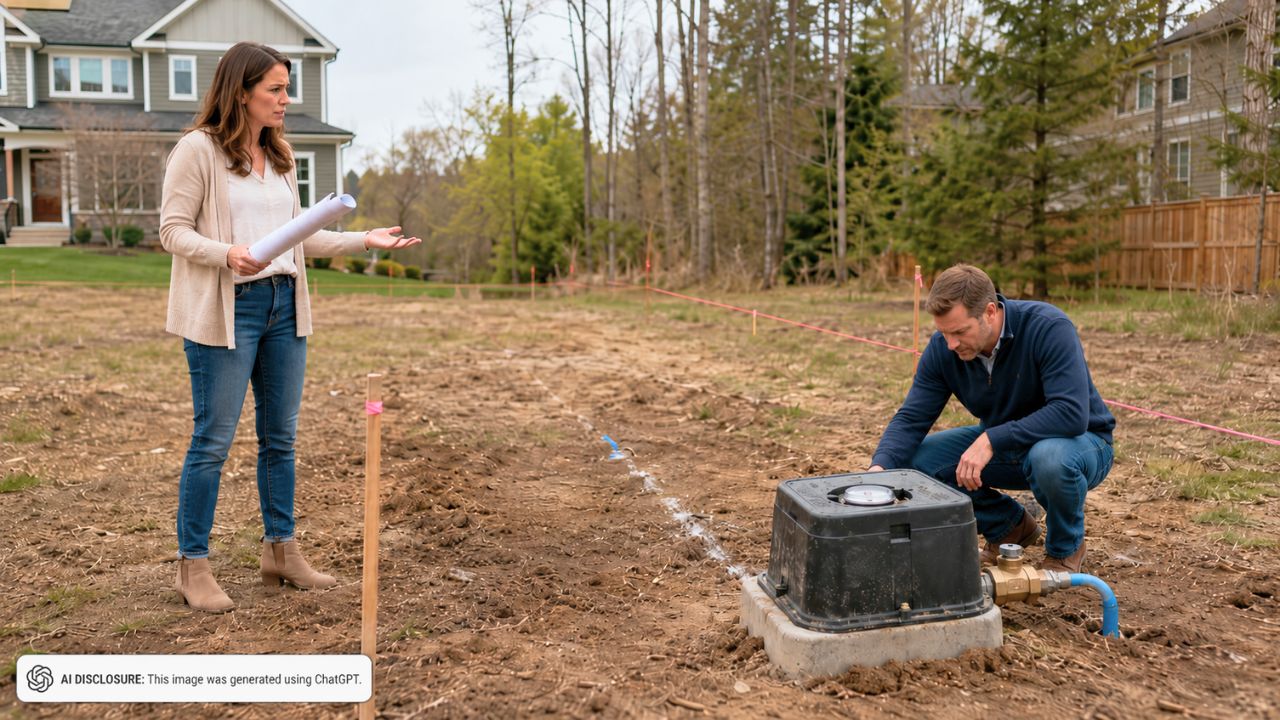
Photo credit: AI-generated image created using ChatGPT. Illustrative only.
Buying land to build on is supposed to feel like a clean slate. For one new owner, it started with an unwelcome surprise already “installed”: the neighbor’s water meter sitting on the newly purchased parcel, along with a good stretch of the neighbor’s water line.
In the original post, the landowner explained that the lot had been subdivided from the neighbor’s property. Somewhere in that split, the neighbor’s water service didn’t get re-routed. Now the new owner is staring at a meter and line that serve someone else’s house—except the hardware is on the new owner’s side of the property line.
A brand-new property, with someone else’s utilities attached
The landowner said the neighbor’s water meter and “a good portion” of the neighbor’s line are located on the new parcel. That’s the kind of thing most people assume would have been handled during subdivision—either moved, documented, or at least disclosed in a way that makes the responsibilities clear.
But the landowner didn’t describe any paperwork that spelled it out. Instead, the discovery came the practical way: by realizing the neighbor’s infrastructure physically runs across the newly purchased land.
It’s not just a technical oddity. A buried line can restrict where a home can be placed, complicate excavation, and turn a straightforward build into a project that starts with utility drama.
The neighbor’s expectation: you want it moved, you pay
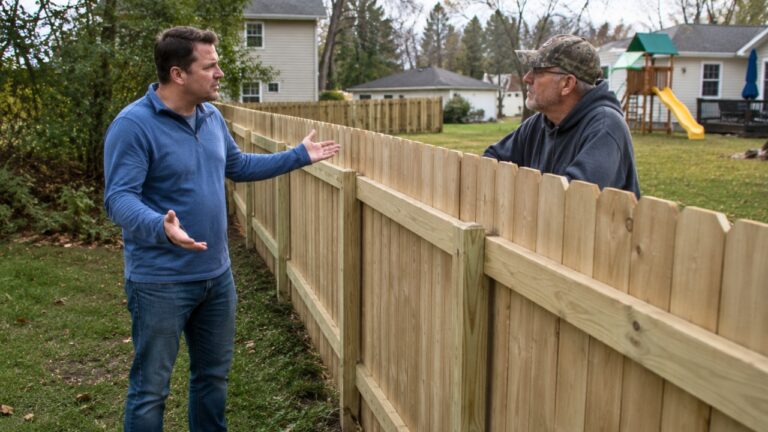
When the landowner brought it up, the neighbor’s response wasn’t surprise—it was an assumption about money. The neighbor believed the new owner would pay to install a new water line and meter on the neighbor’s property, freeing up the meter currently located on the new owner’s land.
And that’s where it gets tense: the neighbor’s house is about 60 feet from the road. Anyone who has priced trenching, plumbing, and meter work knows distance can turn a “simple relocation” into a serious bill fast, especially once permits, inspections, and restoration of the disturbed ground get involved.
From the neighbor’s point of view, the old setup works. Water is flowing. Nothing is “broken.” The only person who needs change is the person trying to build on the subdivided lot.
The landowner’s question turns from awkward to urgent
The landowner framed the big question plainly: assuming there’s nothing in the real estate contract about the water line crossing the property, can they disconnect the neighbor’s water and tell the neighbor to pay for their own connection?
That’s the moment this goes from an annoying discovery to a high-stakes standoff. If you’re about to start construction, the last thing you want is someone else’s utility line dictating where you can dig, pour footings, or run your own services. But cutting off water to a neighbor—even if the equipment is on your land—can escalate quickly.
It also raises a practical fear that every new landowner recognizes: if you “do something” and it goes wrong, you’re the one who becomes the villain, even if the problem started before you owned the place.
Where land meets infrastructure, paperwork becomes the battlefield
This kind of mess tends to come down to documents most people never think about until something like this happens: subdivision plats, easements, utility agreements, and whatever was recorded when the property was carved up.
On the ground, it feels simple—“it’s on my land, so it’s mine to control.” But utility access is one of those areas where long-standing use, recorded rights, and local rules can complicate what seems obvious.
The landowner’s post suggested they weren’t aware of any agreement that would require them to host the neighbor’s line. At the same time, the neighbor’s confidence that the new owner should pay hints that the neighbor believes the burden shifted with the sale, or that “this is just how it’s done” when a new build forces changes.
And while nobody in this story mentioned a survey or recorded easement directly, the fact that the lot was subdivided from the neighbor’s parcel adds another layer: sometimes the details of who must move what get handled (or overlooked) during the split. If it was overlooked, the cost doesn’t vanish—it just lands on whoever is standing there when the problem finally becomes impossible to ignore.
Reactions focused on not making the first move the worst move
Even without a long comment thread pasted into the source, situations like this reliably bring out the same kind of practical warnings from homeowners and property folks: don’t start by shutting off someone else’s utilities. That’s the kind of action that can turn a solvable property issue into a personal feud, and sometimes a legal one, overnight.
When a neighbor’s water service is involved, the safer play usually looks boring: get the boundary confirmed, find out what’s recorded against the property, and involve the water utility before anyone touches a valve, meter, or line. If the meter is truly serving the neighbor and is physically on the new parcel, the utility may have its own policies about meter placement and responsibility for relocation.
There’s also the real-world reality that even if you’re “right,” you still have to live next to each other. A rushed decision—especially one involving water—can sour everything from driveway etiquette to noise complaints once construction starts.
A build site can’t wait forever, and that’s what makes this expensive
The tough part is that land doesn’t come with patience. If you’re planning to build, you have timelines: contractors scheduled, financing windows, permits, site work, and weather. A buried line in the wrong place can freeze progress, and “we’ll sort it out later” doesn’t work once the excavator is on-site.
The neighbor’s expectation that the new owner pays to re-run the line and install a new meter on the neighbor’s property sets up a classic problem: it asks the person who didn’t create the layout to fund the fix, simply because they’re the one trying to change the status quo.
But the landowner’s instinct—to disconnect and force the neighbor’s hand—comes with its own risks. Water is not a fence you can slide over two feet. It’s a service. It’s a necessity. And it’s often regulated in ways that make “self-help” a bad idea, even when the hardware is sitting on your dirt.
For now, the landowner is stuck in that uncomfortable middle space: owning the ground under someone else’s supply line, facing a neighbor who assumes the new owner will write the check, and trying to figure out whether they can reclaim full use of the property without turning the first days of ownership into a long, bitter boundary war.
Like Fix It Homestead’s content? Be sure to follow us.