Michigan Landowner Wants to Move an Easement That Cuts Through the Backyard Over Their Septic Line — Then the Neighbor Says They’ll Only Agree If They’re Given Ten of the Twenty Acres
Photo credit: AI-generated image created using ChatGPT. Illustrative only.
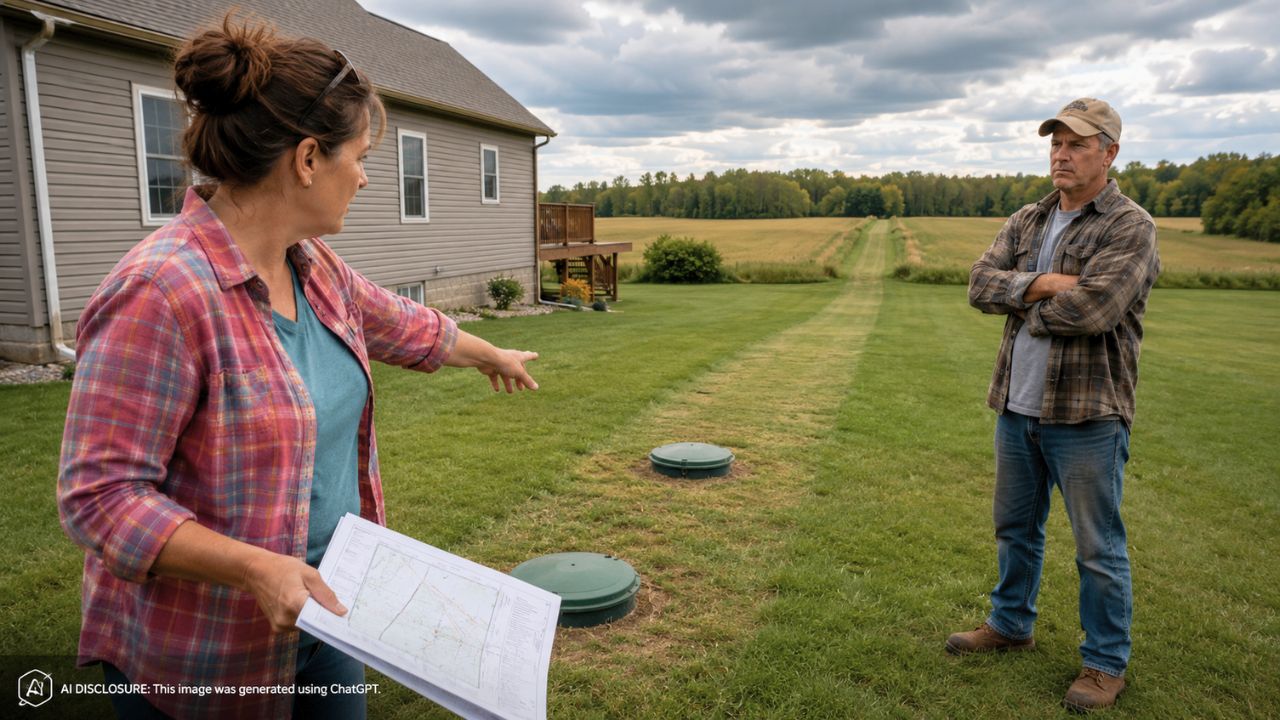
A Michigan family thought they bought a quiet slice of land with room to breathe. Instead, they ended up with a “backyard” that feels like a roadway—an easement sits about 20 feet from their back patio, and the neighbor uses it like a shortcut.
In the original post, the homeowner explains that even with 20 acres, the easement cuts through the most usable part of the property. With young kids at home and vehicles reportedly flying through at 25+ mph, the family says it doesn’t feel safe to let children play where a normal backyard would be.
A driveway through the “backyard,” and heavy trucks on top of the septic
The easement isn’t just inconvenient—it’s sitting over the home’s septic drain line. That detail changes the whole vibe, because it’s not just about privacy or annoyance anymore. It’s about whether repeated traffic and heavy equipment could cause damage you might not see until the system starts failing.
The homeowner says construction vehicles have been coming and going for about 10 months, including concrete trucks. The easement “has taken a beating,” and anyone who’s watched ruts form after one wet week knows how quickly a passable path turns into a torn-up mess.
So they came up with what sounds like a reasonable fix: move the easement to the front of their property, at their own expense. But an easement isn’t something you can just reroute because it makes more sense; you need the other side to agree.
The neighbor’s price: half the land
When the homeowner brought up relocating the easement, the neighbor’s response wasn’t a counterproposal about alignment, gravel, or maintenance. It was a demand: they’d only agree if the homeowner gave them 10 of the 20 acres.
That’s the kind of number that makes your stomach drop. It’s not “help us pay for the new route” or “we’ll sign if you improve the road.” It’s “hand over half your property,” tied to the one thing that would give your family a safe backyard again.
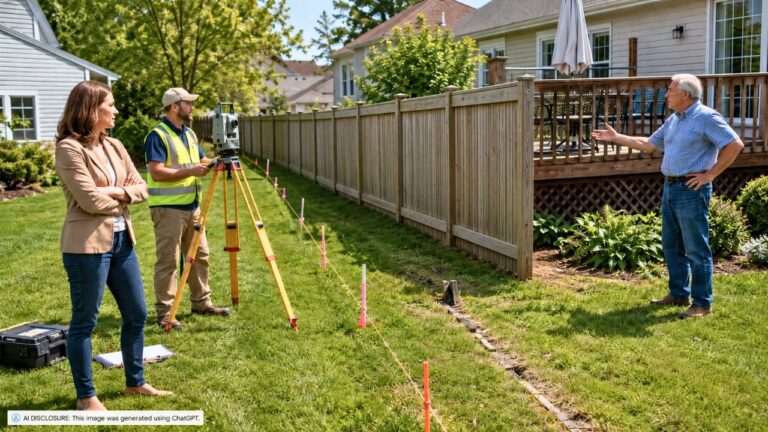
The homeowner wasn’t interested, but by that point the tone had shifted. They decided to get serious about boundaries and ordered a survey—especially because they’d been “relatively lax” before, allowing a mowed trail through their land and letting the neighbor store construction scrap on their property.
The survey uncovers an even bigger problem
The backstory adds another layer: the neighbor once owned the full 40 acres, then split it in 2006 so her son and daughter-in-law could build a house. After a foreclosure years later, the current homeowner bought the house from the bank in 2016, but the neighbor still seemed emotionally tied to the place.
When the survey results came back, the homeowner discovered two major encroachments. First: the neighbor’s propane tank ended up on the homeowner’s side of the line by almost 30 feet—dating all the way back to that 2006 split.
Second: the neighbor had just put in a new garage and a new driveway that, according to the survey, encroached by 26 feet. That wasn’t ancient history. That was fresh construction.
The homeowner says when they raised the issue, the neighbor texted back that the state-certified surveyor was wrong and that the property never would have been split that way. Which is a classic escalation move in rural property disputes: deny the paper, deny the pins, deny the map, and hope you’ll back down.
Now it’s not just access—it’s liability and leverage
The easement was the original headache, but the propane tank detail turns it into a bigger, scarier kind of problem. A propane tank isn’t a pile of scrap lumber you can ignore until spring. Homeowners worry about what happens if it’s damaged, who is responsible, and what their own insurance might say if something goes wrong on their land.
At the same time, the homeowner is looking at those encroachments and wondering if it’s leverage. They can’t move the easement without permission, but if a driveway and propane tank are sitting over the line, does that change the negotiating table?
The timeline matters. The tank placement appears to date back 14 years, and long-term boundary use can get complicated fast. But the driveway is new, and new encroachments tend to feel less “gray area” to the person who just watched it get built.
Underneath all of it is the kind of homestead math nobody wants to do: what costs more—living with a dangerous backyard and potential septic damage, or turning a neighbor dispute into a full-blown boundary fight?
What people focused on: surveys, documentation, and stopping the “informal” use
Even without a full comment thread included, the homeowner’s next steps line up with what seasoned property folks usually push: get everything documented and stop relying on casual arrangements. Once you’ve let a trail be used, or let materials be stored, it can start to feel “normal,” even if it’s not legally established.
The survey is a turning point because it converts vibes into measurements. It also forces a decision: either the homeowner treats the line like the line, or they keep absorbing the neighbor’s use while hoping it doesn’t become permanent.
This is also the point where many homeowners start thinking about practical safety measures. If vehicles are really moving that fast near a patio and kids, people start talking about visible boundaries—signage, barriers where allowed, and making sure any communication is written instead of verbal and emotional.
The big theme is that once you’re negotiating an easement and there’s construction activity happening, the “friendly neighbor” stage is over. From here on out, every rut, every load of concrete, every new stake in the ground starts to look like evidence.
A backyard that feels like a roadway, and a standoff that won’t stay small
What makes this story so tense is that it’s not a petty fence-line argument over a few inches. It’s access through the heart of a yard, near children, across a septic line, plus a propane tank and a brand-new driveway that the survey says shouldn’t be there.
The homeowner wanted a simple reroute—pay for it, move the traffic away from the patio, protect the septic, give the kids a safe place to run. Instead, they’re staring at an all-or-nothing demand for half their acreage, and a neighbor who’s refusing to accept a certified survey when it doesn’t favor them.
On rural land, these fights don’t stay abstract. They show up as tire tracks, damaged ground, awkward run-ins, and the uneasy feeling that your own property is being treated like a shared space. And once heavy vehicles and fuel tanks are part of the picture, it stops being just frustrating and starts feeling urgent.