Rural Michigan Landowner Finds the Neighbor Draining a Protected Wetland Behind the House Through a Culvert Hidden Under a Stump — Then a State Inspector Says He’s Taking It Seriously
Photo credit: AI-generated image created using ChatGPT. Illustrative only.
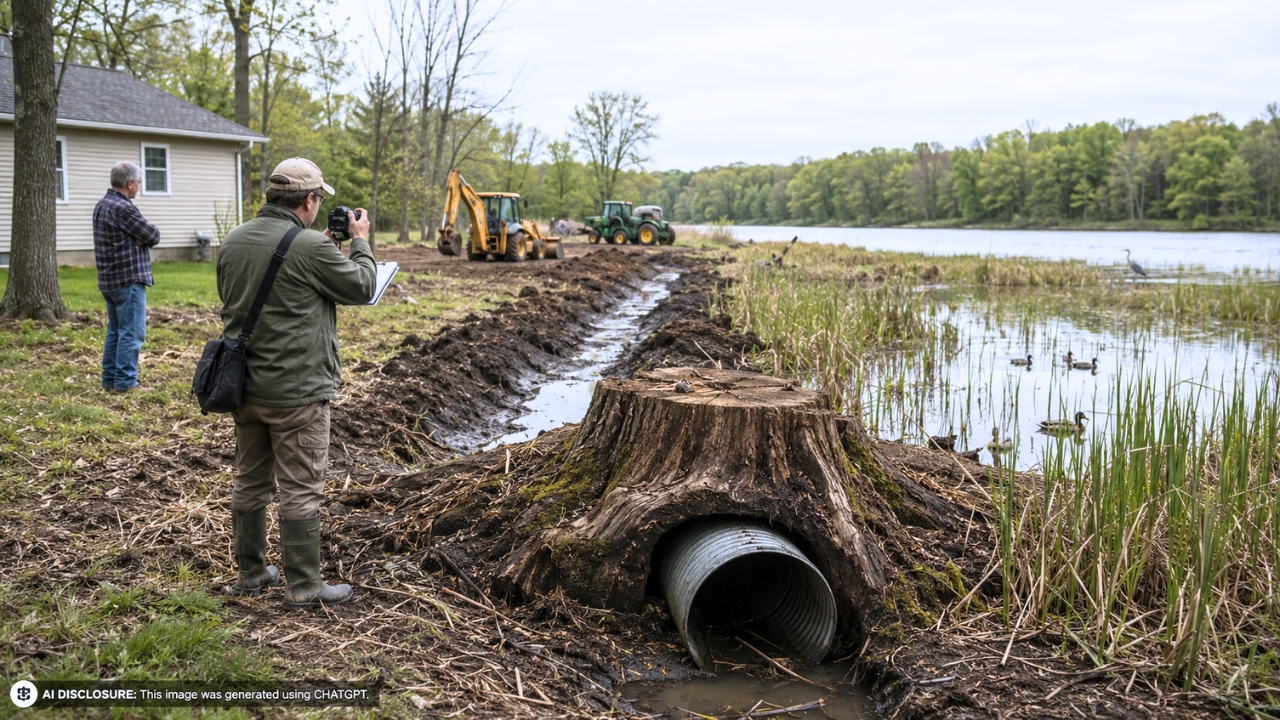
It started with the kind of weekend noise rural homeowners learn to clock immediately: heavy equipment working where it shouldn’t need to be. Behind one Michigan landowner’s house, a neighbor’s employees showed up with a backhoe and a tractor and began cutting a ditch from a wetland toward a nearby river—then dropped in what looked like a large drainage pipe, estimated around 36 inches in diameter.
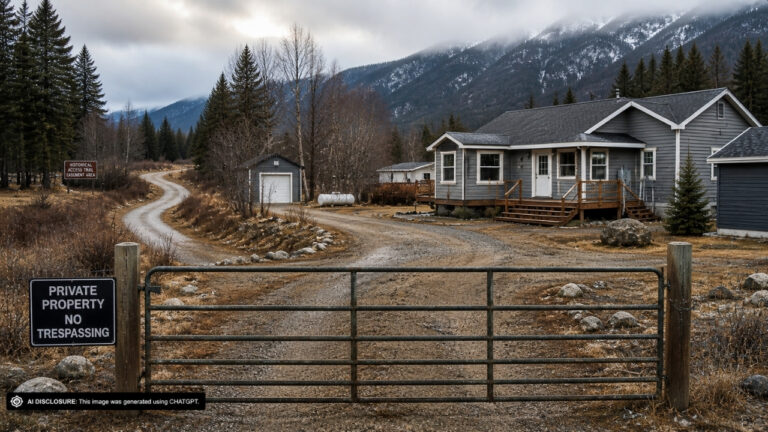
The landowner laid out the details in the original post, describing a roughly 30-acre wetland behind the neighbor’s property that borders a large river, separated by a strip of land with a long-established road. The wetland isn’t just “back acreage,” either. It’s active and loud with life: beaver, sandhill cranes, migratory geese and ducks, frogs, turtles, hawks, and even bald eagles.
Heavy equipment near water changes the whole neighbor equation
When you live out where properties are big, it’s common to mind your own business. But drainage work isn’t like putting up a fence or grading a driveway. If someone alters how water moves, that can change your land, your access, your basement moisture, your mosquito load, and the habitat behind your house—sometimes all at once.
In this case, the landowner’s first concern wasn’t personal inconvenience. It was the wetland itself. The second concern was the future: a suspicion the neighbor may be trying to “improve” the land for development, possibly creating a neighborhood with river access.
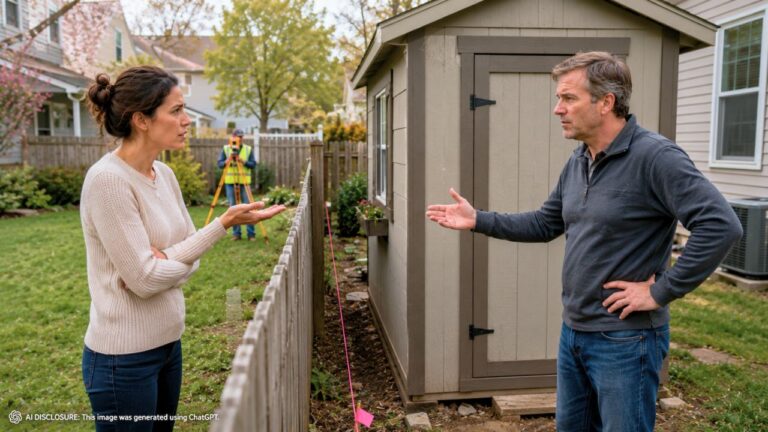
Attempts to build a friendly relationship with the neighbor hadn’t gone anywhere, the landowner said, so a direct conversation didn’t feel promising. That’s a specific kind of rural frustration: you can see the work happening, you can see the consequences coming, but the person with the machine keys won’t talk.
A ditch to the river—and then a pipe
The work described wasn’t subtle. Employees dug a ditch that connected wetland to river and installed a drainage pipe. For anyone who lives near low spots and seasonal water, that reads like one thing: an attempt to move water out, faster.
That’s where the panic sets in, because wetlands aren’t just puddles. They’re systems. Drainage can drop the water level, dry out soil that used to hold moisture, change where wildlife nests, and in some areas increase erosion into a river. Even if the person doing it believes they’re “cleaning things up,” the downstream effects can land on everyone nearby.
The landowner also didn’t like the feeling of watching work happen in real time with no clear way to stop it. So the question became practical: who do you call when somebody starts cutting channels from wetland to river?
State and federal attention shows up—and it’s not casual
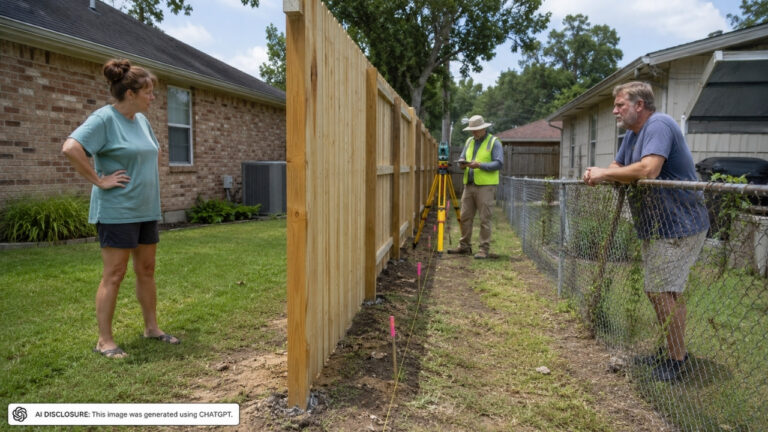
The update brought a sharp change in tone. A county inspector came out on behalf of Michigan’s environmental agency (EGLE), and the landowner and the neighbor walked the inspector down to the area to show what had been done.
According to the landowner, the inspector spent about an hour on site, took “tons of pictures,” and kept emphasizing how seriously EGLE would take the report once they received it. The inspector didn’t just glance and leave; he hiked up into the property “quite a distance” to document more.
That kind of visit matters for homeowners because it signals the issue has moved out of the “neighbor disagreement” category and into the “regulated land and water” category. Once agencies are involved, the timeline often slows down—but the pressure can ramp up quietly behind the scenes.
The culvert wasn’t just there—it was hidden under a stump
The detail that made the whole story feel different was what they spotted while walking the site: the culvert appeared to be intentionally disguised. The landowner said they noticed the neighbor’s side had tried to hide it by placing a stump over the top.
That’s the kind of thing that sticks in your head if you own property. A visible pipe could be argued as ordinary “land management.” A pipe hidden under a stump looks like someone knew it would raise questions.
After the inspection, the landowner described another small moment that didn’t feel accidental. While the landowner was back up top cleaning mud off boots before returning to work, a pickup truck used by the neighbor’s employees drove by slowly, “rubbernecking” out the window. The landowner waved. No confrontation—just that uncomfortable sense of being watched for watching.
Other neighbors align, and the calls start stacking up
One of the most practical shifts came next: the landowner’s two direct neighbors on either side got aligned and also contacted the same agencies. That matters because isolated complaints can be brushed off as personal feuds. Multiple adjacent landowners reporting the same kind of work reads more like a real land-and-water change affecting the area.
Then the federal side chimed in. The Army Corps of Engineers called the landowner to follow up on an email, asked some questions, and said they knew the EGLE contact and would connect to get the report.
For rural property owners, that’s a “stop and listen” moment. The Corps doesn’t call about somebody’s annoying rooster. They call when water and earthmoving cross into their jurisdiction.
The waiting is the hardest part—and the machines can keep moving
After all that, things got quiet. The landowner noted there hadn’t been much visible activity since, aside from the neighbor appearing to operate “as normal.” The EGLE contact the landowner had been working with was on some sort of leave, which may be adding delay, but the bigger reality is that these processes often take time.
And time is exactly what makes drainage disputes so stressful. A trench gets dug in an afternoon. A pipe gets laid fast. But the consequences—lowered water levels, changed flow patterns, a wetland that doesn’t “wetland” the same way—can take weeks or seasons to show up. By then, the physical evidence can be smoothed over, grown in, or literally covered up with something as blunt as a stump.
The landowner’s update reads like someone trying to do everything right: report, document, avoid a blow-up, and let inspectors do their jobs. But it also carries that rural tension people recognize instantly—the uneasy stretch where you don’t know if enforcement is about to land hard, or if you’re about to spend the next year watching a wet place turn dry while the neighbor keeps pretending nothing happened.
For now, the wetland is still there, the agencies have been contacted, and the neighbors closest to the damage are on the same page. The rest is the part no one can speed up: waiting to see whether the hidden culvert becomes a problem someone with authority actually makes disappear.
Like Fix It Homestead’s content? Be sure to follow us.