New Landowner Finds an Easement Holder Who Claims He Owns the Entire Driveway — Then He Calls the Attorney’s Letters “Gobbledygook”
Photo credit: AI-generated image created using ChatGPT. Illustrative only.
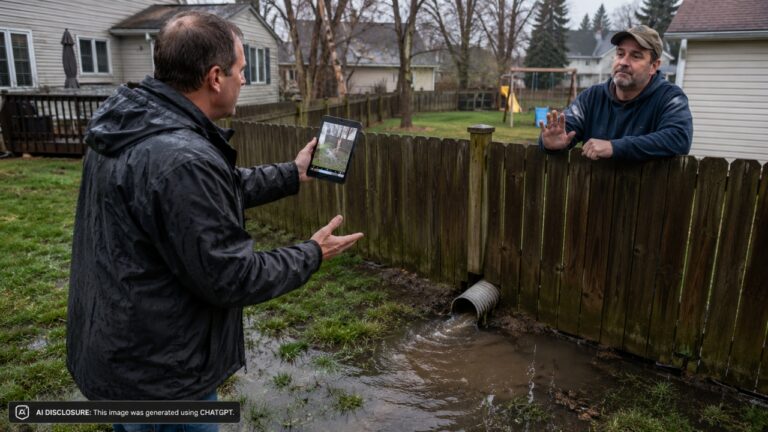
Nothing makes a new property feel smaller, faster, than a neighbor treating your land like it came with their deed. One landowner thought they were dealing with a straightforward right-of-way—someone had an easement to drive over their land to reach his place. Then the easement holder insisted he didn’t just have a right to pass through. He claimed he owned the entire driveway.
That’s the moment this stopped being an awkward misunderstanding and turned into a paperwork-and-boundaries fight. In the original post, the landowner says their attorney has already sent multiple letters, but the neighbor dismissed them as “gobbledygook.” The bigger problem: the only document that can settle the argument is old—written in the 1920s—and hard to read.
The driveway looked simple until someone said, “I own it”
Shared driveways and access easements can feel routine on a map. One lane, one entrance, two properties, and an agreement from decades ago that says someone can cross someone else’s land. In real life, it’s a strip of gravel or pavement that gets used every day, and it can quietly become the most contested part of the property.
The landowner describes the classic setup: another person has an easement to drive across the landowner’s property to reach his own. That’s common in rural areas, older subdivisions, and properties that were carved up long before modern planning offices kept everything tidy.
But the neighbor didn’t frame it as “I have a right to use it.” He framed it as ownership. That matters because ownership is control—who can park there, who can block it, who can make changes, who has responsibility if someone gets hurt, and who gets the final say when repairs need to happen.
Attorney letters didn’t end it—they escalated the tone
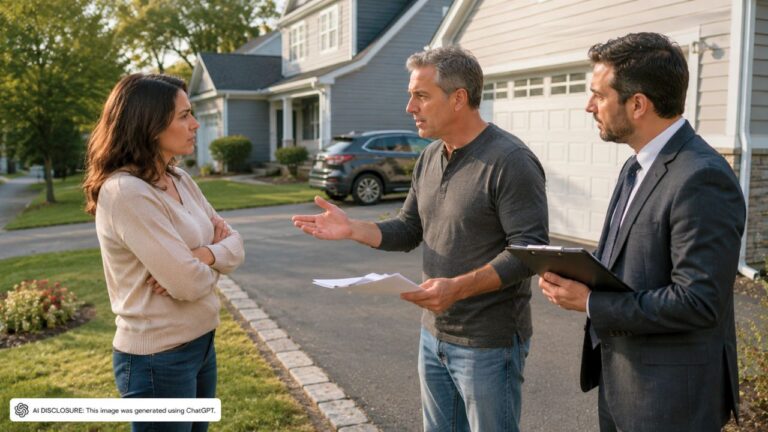
The landowner didn’t just complain to friends or swap angry messages. They hired an attorney, and the attorney sent several letters. That’s usually the step people take when they’re trying to draw a clean line without turning it into a shouting match in the driveway.
Instead of backing down, the easement holder waved it off. The landowner says the neighbor called the attorney’s letters “gobbledygook,” which is the kind of response that tells you the other side isn’t engaging with the facts—they’re rejecting the entire premise that the documents matter.
It’s also the kind of comment that makes a homeowner start thinking about worst-case scenarios. If someone refuses to recognize boundaries on paper, what happens when a contractor shows up? What happens if the landowner puts up a marker? What happens if the neighbor decides to “improve” the driveway, widen it, cut trees, or lay down new gravel without asking?
The real villain: a 1920s document you can’t easily read
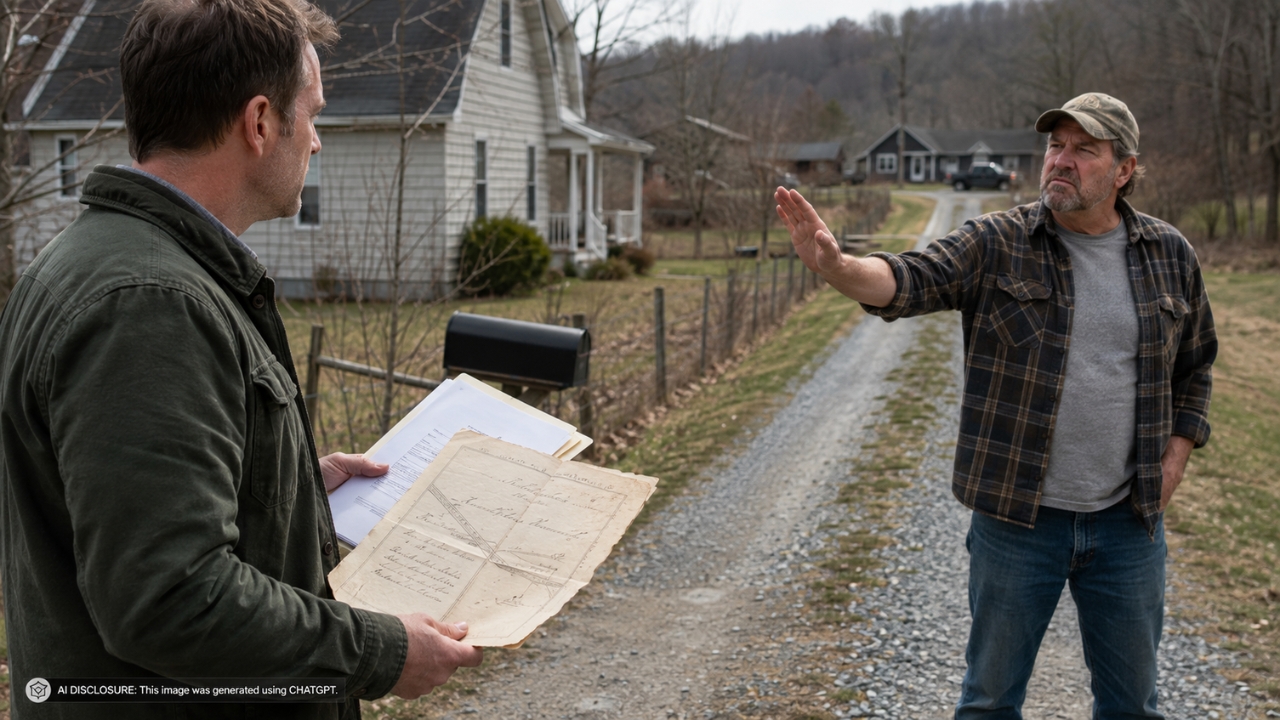
The landowner’s biggest frustration isn’t just the neighbor’s attitude. It’s that the paperwork needed to settle the dispute is difficult to decipher. The easement agreement was made in the 1920s, and the landowner says the prints are “super hard to read.”
They do have details to work with—specifically, they have the “libre” and the prints—meaning the recorded reference and copies of the original. But there’s a gap between having old recorded documents and being able to turn them into something a modern surveyor can confidently stake on the ground.
This is where these driveway disputes get expensive in time and stress even before anyone starts paying for new surveys. If the legal description is faded, written in old-style cursive, or describes boundaries using landmarks that no longer exist, you’re stuck. You’re arguing over a strip of ground while the one piece of evidence that matters most is barely legible.
And that’s why the landowner isn’t just asking, “Who’s right?” They’re asking where to get the easement agreement deciphered so a survey can be done correctly—whether there’s a place online, a specialized person to hire, or a service that can translate that 1920s language into something usable today.
Why “who owns the driveway” affects daily life on a homestead
A driveway isn’t just access. It’s wear and tear, plowing, drainage, and liability. If the easement holder believes he owns the entire driveway, he may also believe he has the right to control it—dictate who can use it, how it’s maintained, or whether the landowner can change anything around it.
On the flip side, if the landowner actually owns the land under the driveway and the other party only has a right to pass through, that changes the power dynamic. It doesn’t necessarily mean the landowner can block access—easements are serious—but it does matter for questions like maintenance decisions and whether the neighbor can claim more rights than the document gives.
That “more rights” creep is what scares people in these disputes. It starts as “I can drive here,” turns into “I can park here,” then “I can tell you what you can do here,” and suddenly the property line isn’t just a line—it’s a running argument that can pop up every time someone has guests, puts up a gate, or tries to sell the property.
What people pushed for: translate it, map it, and make it legible
The landowner’s question—who can decipher an old easement for a survey—points to the practical advice people typically give in these moments: stop debating in the driveway and get the document converted into something a surveyor and attorney can use.
Even without a full comment thread included, the usual direction in disputes like this is predictable because the bottleneck is always the same. If the legal description can’t be read, everything else is noise. You need a clean copy, an interpretation, and a modern drawing that ties the old language to current parcel maps and measurable points on the ground.
In other words: get from “libre and prints” to “survey-ready.” That might mean better scans, professional transcription, title research, and a surveyor who’s comfortable working with older descriptions. It’s not glamorous work, but it’s often the only way to replace opinions with measurements.
Where this leaves the landowner: stuck between paper and pavement
Right now, the landowner is caught in the most aggravating middle zone: they’ve tried formal communication through an attorney, and the neighbor refuses to take it seriously. They have the recorded references, but the core document is hard to read, and they’re searching for someone who can decipher it so the boundaries can be staked and understood.
Meanwhile the driveway still gets used, day after day, like nothing is wrong—except now every tire track carries a little extra tension. The landowner isn’t just trying to win an argument. They’re trying to figure out what they actually own, what the neighbor is truly entitled to, and how to get a nearly century-old agreement to speak clearly enough to settle a very modern fight.
Like Fix It Homestead’s content? Be sure to follow us.