Homeowner Runs a Hose From the Neighbor’s House After Her Well Goes Dry — Then the County Says She Must Pay to Extend the Water Line
Photo credit: AI-generated image created using ChatGPT. Illustrative only.
The hose is the kind of thing you expect to see during a weekend project—washing a driveway, filling a kiddie pool, watering a new tree. Not as a family’s full-time water supply.
But that’s where one Union County, North Carolina homeowner says she landed after her well stopped producing water. In her telling, she’s been living on borrowed water ever since, running a long hose from a neighbor’s house and splitting the monthly bill, details first reported in the source post. The part that turned this from “tight-knit neighbor help” into a full-blown property headache is what came next: the county’s answer to getting a real connection wasn’t a quick tie-in—it was a price tag and a process.
When the well quits, everything in the house becomes a problem
Asheka Allen told Action 9 attorney Jason Stoogenke that the well was no longer working. “It is a basically dead dry well,” she said. “To not have running water is ridiculous.”
She said she spent thousands trying to fix it, but it didn’t help much. Anyone who has lived with a failing well knows how fast the “little stuff” piles up: toilets, laundry, dishes, bathing kids, just washing hands after taking out trash. The house doesn’t pause because the well does.
And drilling a new well isn’t a casual decision. It’s disruptive, expensive, and in some areas you still don’t get a guarantee it won’t run into the same problems later. Allen made it clear she wasn’t thrilled about that route.
The neighborly workaround that’s both generous and risky
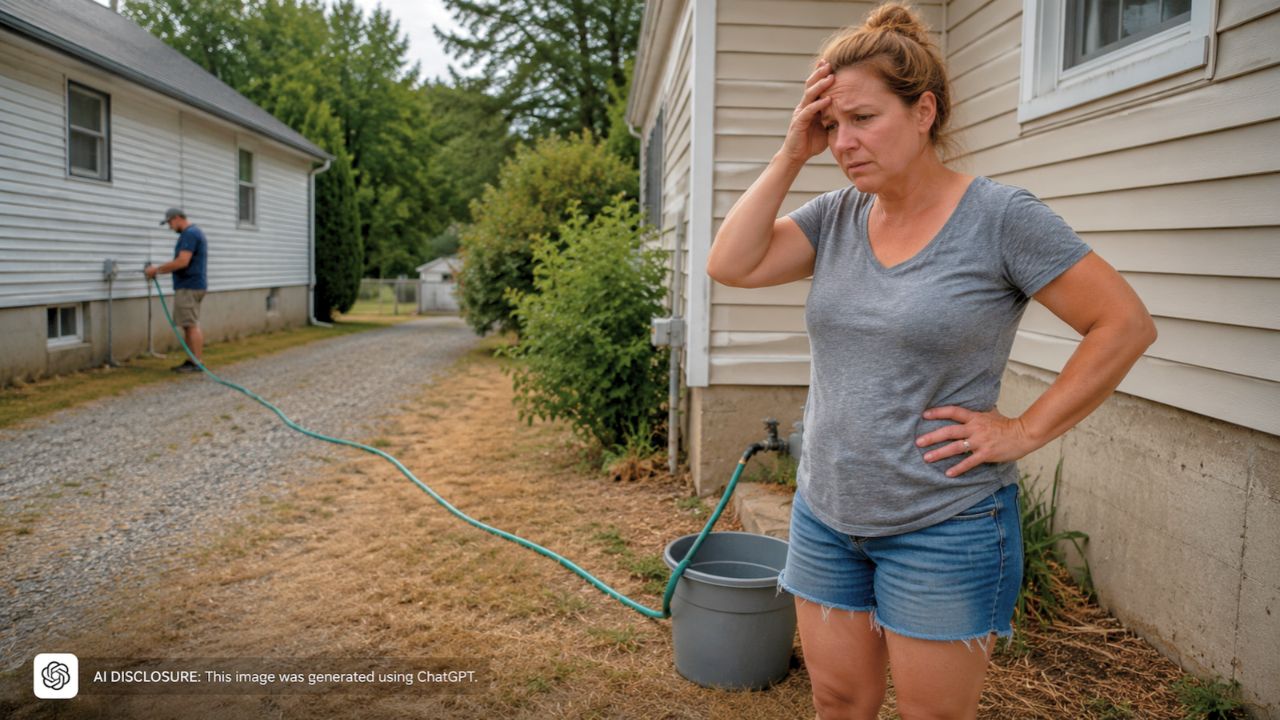
Instead, Allen says a neighbor let her run a long hose from their home to hers. Not for a day. Not for a week. Around the clock. She says they split the water bill.
It’s hard not to picture what that looks like in real life: a hose stretched across yards or along a tree line, snaking past fences and corners, always there. It solves the immediate crisis—water comes out of the faucet—but it’s also a temporary patch that becomes semi-permanent fast.
There are practical issues baked into that setup even if everyone stays friendly. Hoses aren’t meant to be buried and forgotten. They get kinked. They freeze. They pop loose. They create tripping hazards. They can get damaged by mowers or vehicles. And if anyone starts asking questions—insurance, lenders, inspectors, a future buyer—it’s not exactly a standard “utility service.”
None of that even touches the biggest vulnerability: the whole plan depends on the neighbor staying willing. A change of heart, a home sale, a family argument, or a single big water bill can turn a kindness into a cutoff with zero notice.
County water is right there… just not on her street
What made Allen’s frustration boil over is the proximity of public water. “If you look at the houses behind us all here, they have county water,” she said.
That’s the kind of detail that drives homeowners crazy. You can see the solution from your backyard, but your own address is on the wrong side of the line—literally. It’s not just inconvenience; it feels like being stuck in a gap in the map.
Allen said she asked county leaders what it would take to extend the line to her street. Stoogenke asked too, and Union County responded with options—but not the kind that fix this quickly or cheaply.
Two options, both expensive, and neither is “the county handles it”
Union County told Action 9 it was aware she wanted to connect to the county system and that the county manager had emailed her options. The county said there are two paths: pursue a special assessment with neighbors for a public line extension down Stack Road, or connect through a private service line.
Either way, the county said it’s not a utility-funded project. Translation, in plain homeowner language: if you want the line, you’re paying for the line.
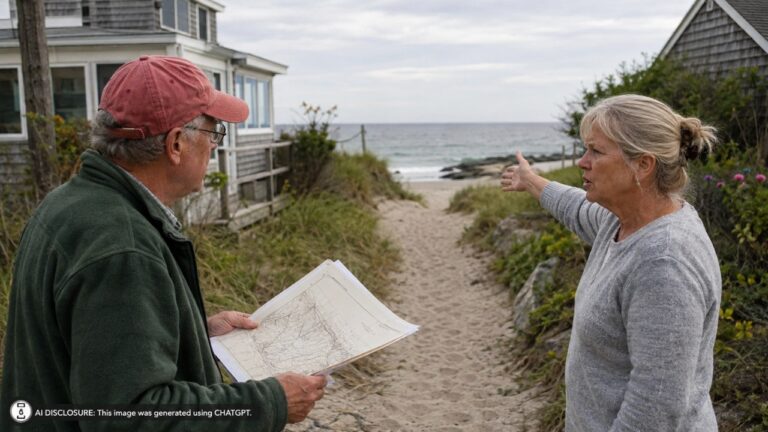
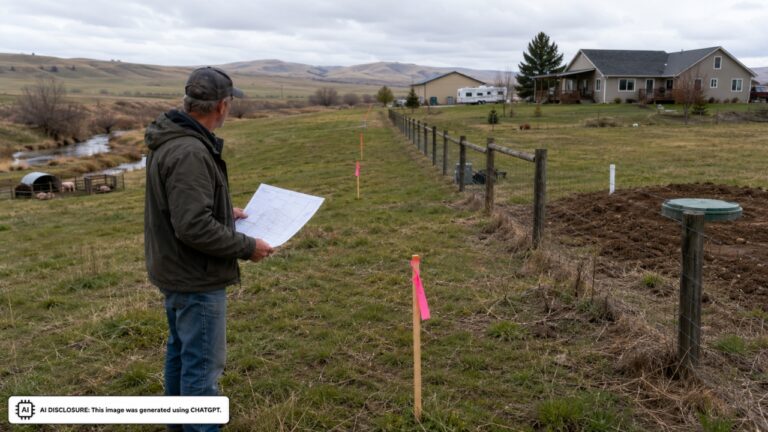
Allen said the county’s email laid it out similarly. Option one is essentially a neighborhood project: extend the public line down the entire street, and the homeowners pay—described as higher taxes over roughly five to eight years. That means organizing neighbors, getting buy-in, and accepting that the bill won’t be just hers, but she won’t be the only one benefiting either.
Option two keeps it narrower but can get thorny: ask neighbors already on county water for easements so a private line can be extended to her land. She’d pay the full cost. And easements aren’t just a handshake. You’re talking about legal access across someone else’s property, placement decisions, and the reality that not every neighbor wants to sign paperwork that attaches to their deed.
Allen said she’s asking the company that built her home if it would help pay for either option. That’s another layer of tension: when a major system fails, homeowners start wondering whether the problem was always there and whether someone should have warned them.
The comment-section instinct: “Get everything in writing before you dig”
Stories like this tend to pull out a certain kind of reaction—less outrage, more survival-mode practicality. People who’ve dealt with property lines and utilities usually hone in on documentation first.
The gut advice is predictable: if you’re negotiating easements, put it in writing. If you’re splitting a bill, keep records. If a line gets installed across multiple lots, make sure everyone understands who owns what, who maintains it, and what happens when a property sells. The friendliest neighbor arrangement can turn into a mess if a new owner moves in and sees a private water line crossing “their” yard.
Another common reaction in situations like this is caution about relying on a hose long-term. Even with goodwill, it’s a fragile setup. If it fails during a freeze or a storm, that’s not just a comfort issue—it can become a sanitation issue fast.
Rural reality: well water can be great… until it isn’t
The source material also included a quick rundown of well-water tradeoffs: no monthly water bill and independence from a municipal supply problem on the plus side, but expensive construction, ongoing maintenance, and the risk of water quality issues on the downside. And then there’s the one problem nobody wants to think about until it happens—wells can run dry.
Allen put the human part bluntly. “I’m angry. I’m upset. I feel at a loss as a mother trying to provide a home for my children.” That’s the part that makes the hose feel less like a quirky fix and more like an alarm bell.
For now, the water is still coming from next door, and the county’s paths forward both require time, money, and cooperation. In the meantime, the hose stays put—an improvised lifeline stretched across property lines, and a reminder that in rural living, the “simple” systems are only simple until they fail.
Like Fix It Homestead’s content? Be sure to follow us.