11 Things People Get Wrong About Seasoning Firewood
Photo credit: Super8/Shutterstock.com
Seasoned firewood sounds simple until you’re the one fighting a smoky stove, a lazy campfire, or a pile of logs that never seems to dry. Most problems come from timing, stacking, and a few stubborn myths that get passed around like gospel. Get the process right and you’ll burn cleaner, get more heat, and spend less time babysitting the fire.
1. Thinking A Year Always Does It
A lot of people hear “season it a year” and stop thinking. The truth is some woods can be ready in about a season if they’re split small and stacked in wind, while others stay stubbornly wet for two summers. If you burn oak that only sat one year, you’ll hear it sizzle and hiss, and your glass will soot up fast.
Stop using the calendar as your only test. Split size, sun, wind, and species decide the timeline. Plan on longer for dense hardwoods, and shorten the wait only when you’ve stacked it right and it actually measures dry.
2. Leaving Logs Unsplit Too Long
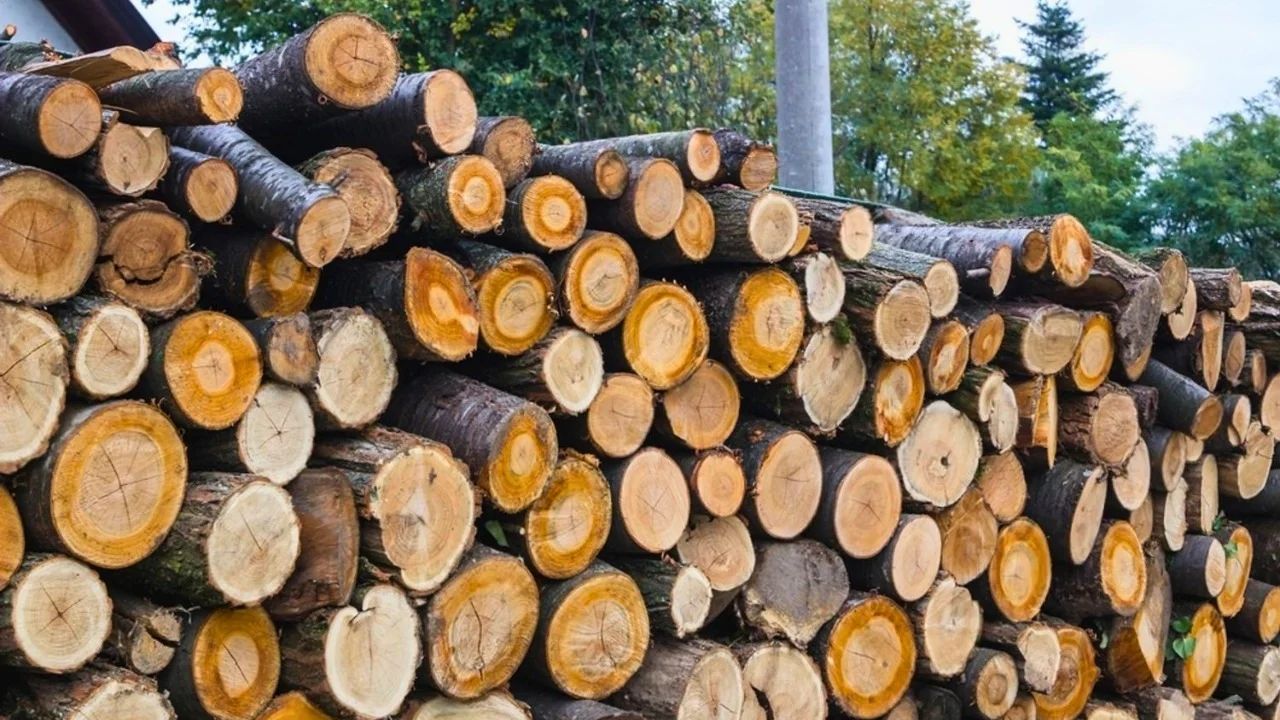
Rounds don’t dry well. Bark holds moisture, and a big round can stay wet inside even if the outside looks gray and “seasoned.” Then you toss it in the stove and it burns like a sponge, stealing heat to boil off water.
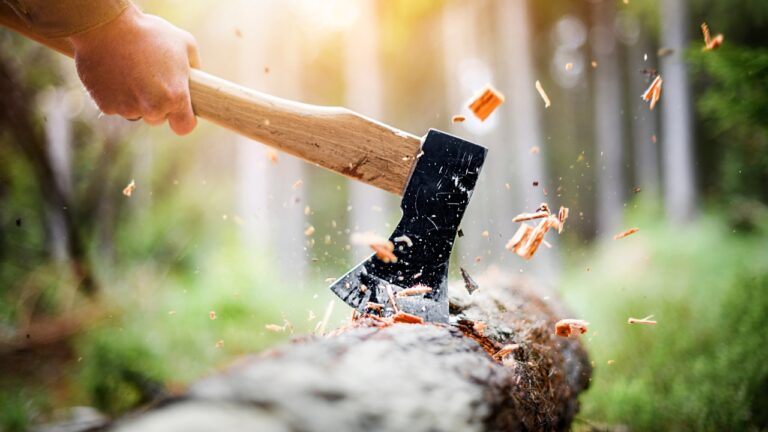
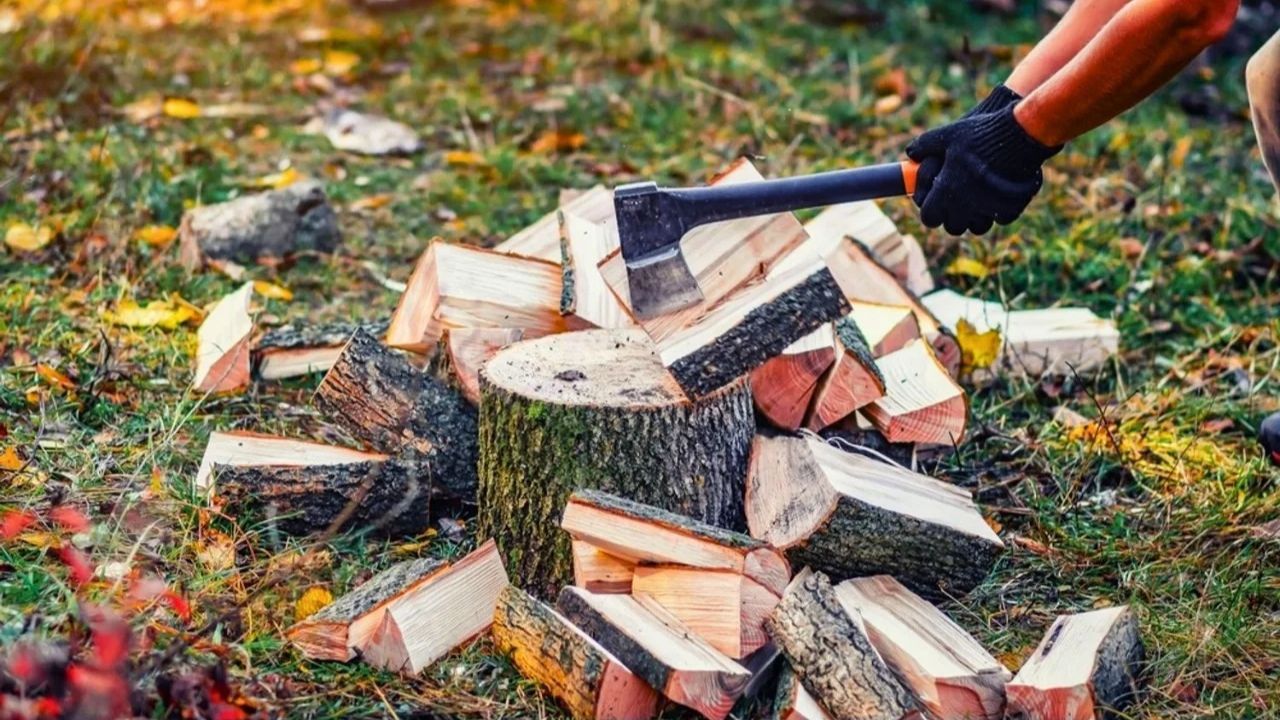
Split early, not later. If you can, split within a few weeks of cutting, especially in spring and early summer when drying weather is coming. Even if you can’t stack it perfectly yet, getting exposed faces on the wood buys you real drying time.
3. Trusting The Bark And End Checks
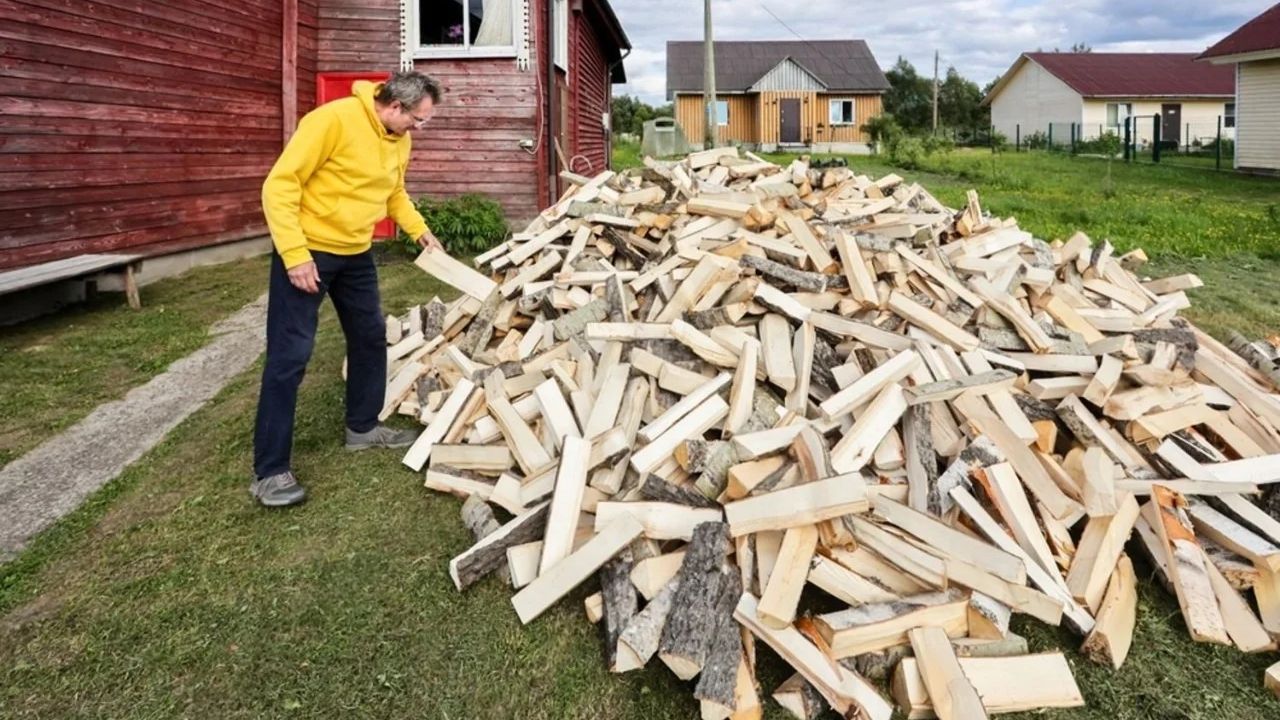
Loose bark and cracked ends look like proof, but they’re not. A log can check on the ends and still be wet in the center, especially with thicker splits. You find out at the worst time, like the first cold snap when the stove refuses to get up to temp.
Use a moisture meter if you heat with wood a lot. They’re not fancy, and they save you from guessing. Split a piece, then press the pins into the fresh face, not the outside, and aim for around 20 percent or less for most stoves.
4. Stacking Tight Like A Wood Wall
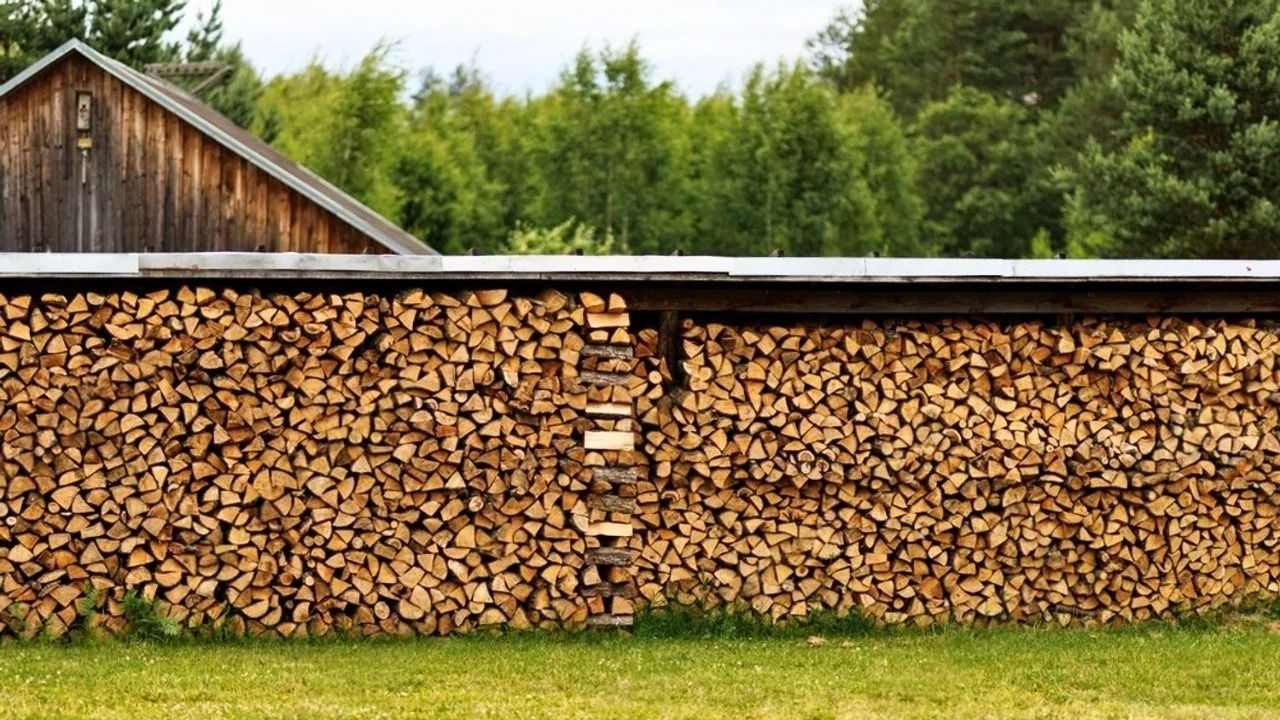
Neat stacks are satisfying, but tight stacks dry slow. If there’s no air moving through, the middle stays damp and funky while the outer layer looks ready. You’ll also get more mold and more bug activity.
Give the wood room to breathe. Cross-stack the ends or leave small gaps, and keep rows narrow enough that wind can get through. If you only have one place to stack and it’s sheltered, make the stacks shorter and looser rather than tall and packed.
5. Covering The Whole Pile With A Tarp
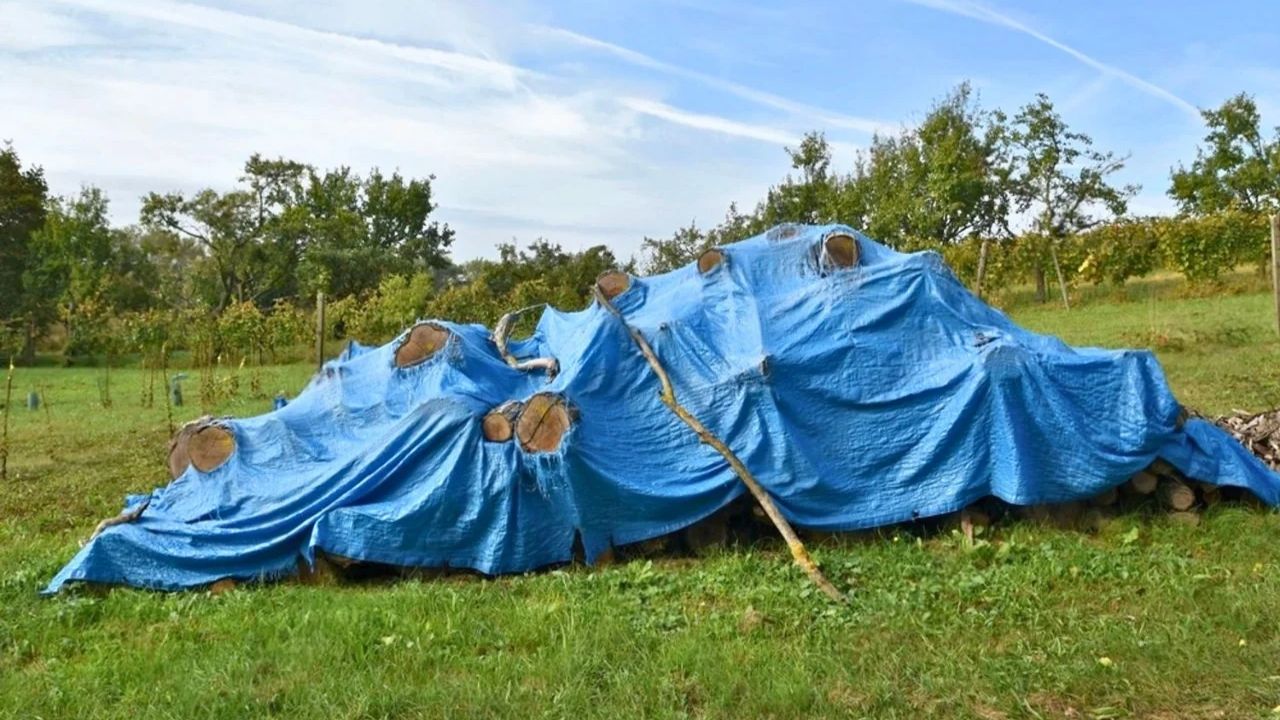
A blue tarp wrapped down to the ground feels like protection, but it traps humidity. Rain stays out, then moisture stays in. By fall, the top looks fine and the rest smells sour.
Cover the top only, and leave the sides open. Metal roofing panels, old plywood with a few bricks, or a purpose-made top cover all work. The cheap tarp is fine as a top cover if you keep it off the sides and don’t let it sag into the stack.
6. Storing Firewood Directly On Dirt
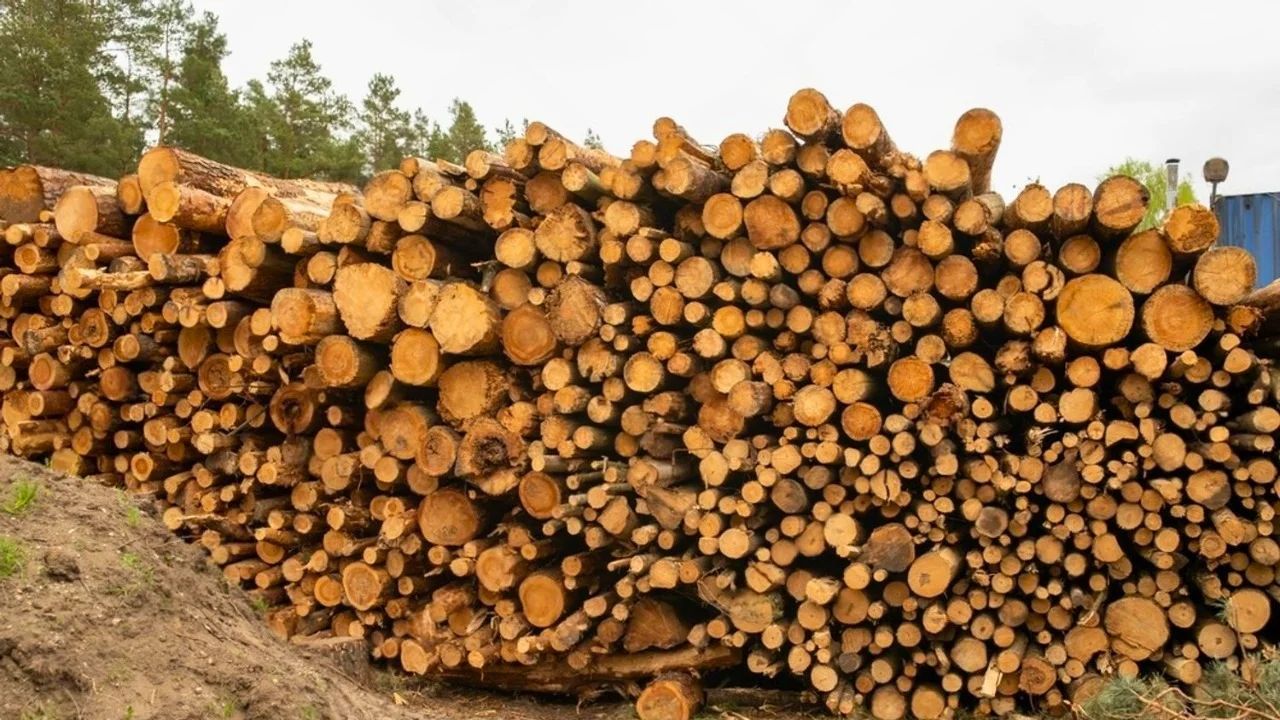
Ground contact wicks moisture right back into your splits. You’ll see the bottom course go dark, punky, or soft, and that rot smell will follow you inside when you carry it in. It’s wasted effort and wasted wood.
Get it up off the soil. Pallets work, treated 2×4 runners work, even a few lengths of scrap pipe or landscape timbers will do. Pick something that keeps the wood at least a few inches up and doesn’t turn into a sponge itself.
7. Seasoning In Deep Shade All Summer
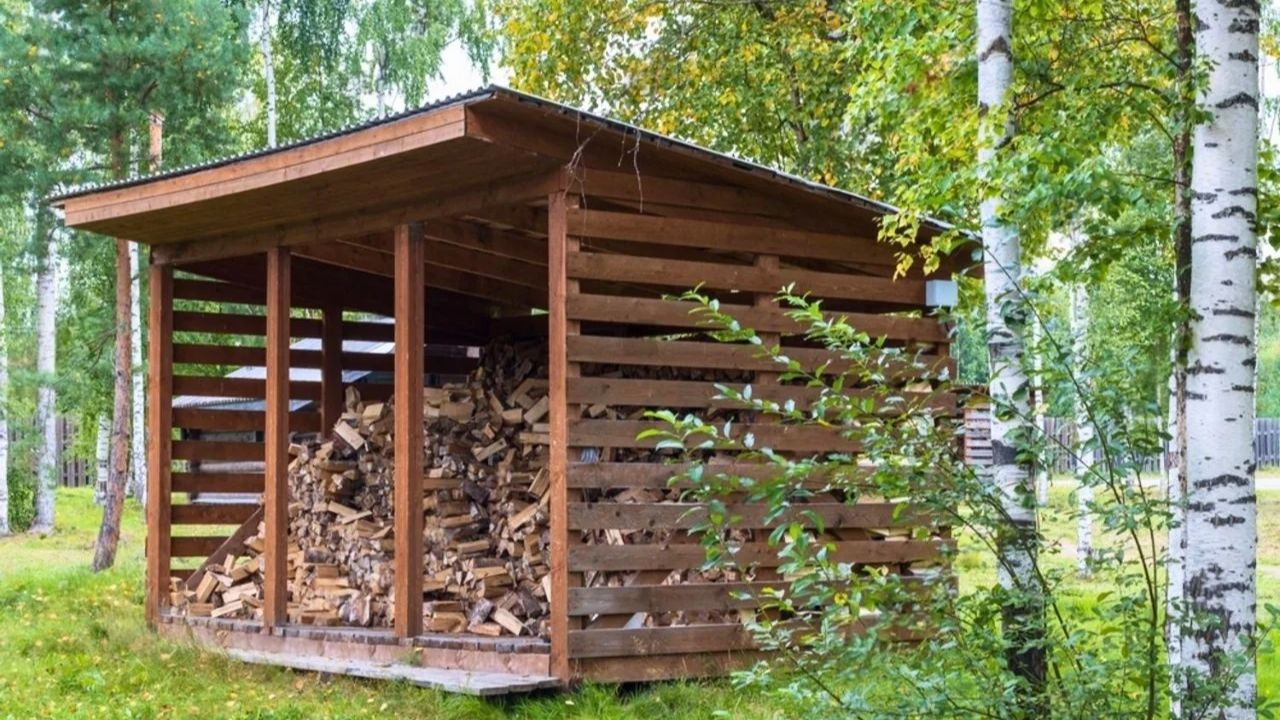
Shade keeps the pile cooler and wetter. A stack under thick trees can sit through a whole summer and barely improve, especially if the area stays still and damp. You’ll notice it when the fire struggles unless you crack the air wide open.
Sun helps, but wind is the real worker. Put stacks where they catch a breeze, like the edge of a field, a driveway line, or a spot that isn’t blocked by solid fencing. If the only option is shade, split smaller and stack looser to make up for it.
8. Mixing Fresh And Dry In One Stack
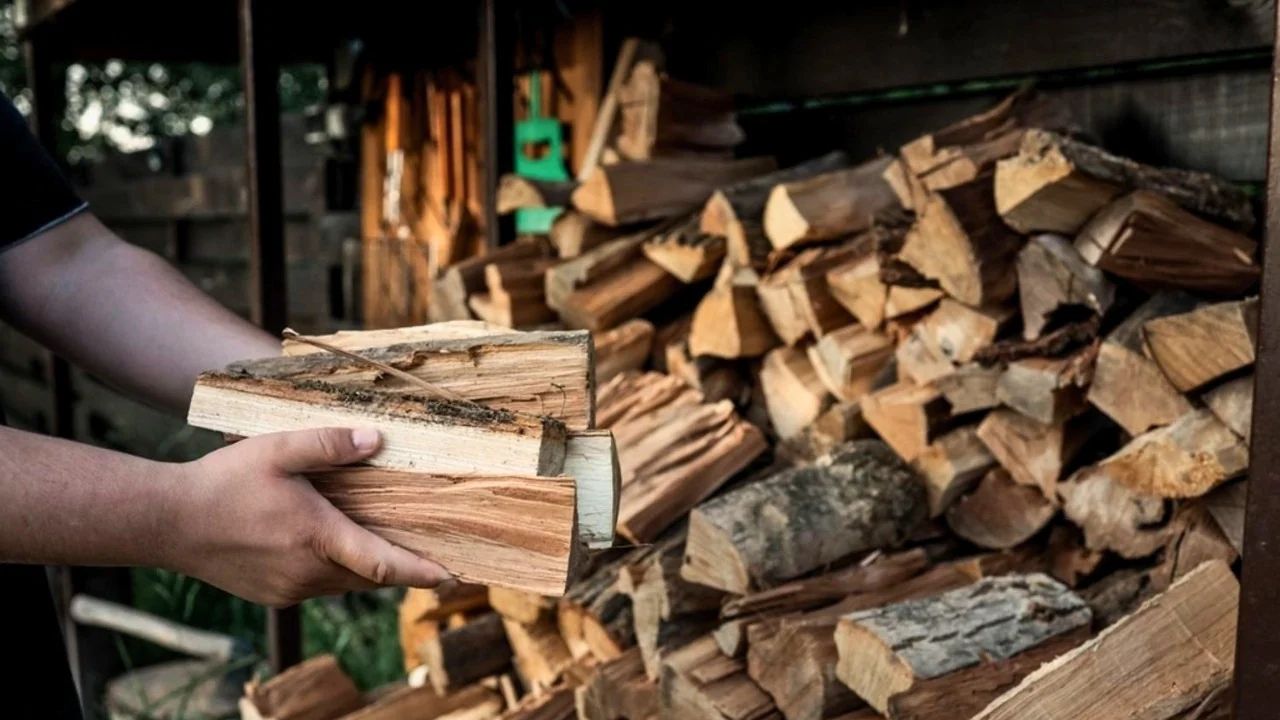
People top off a seasoned pile with fresh splits because it’s convenient. Then the whole stack becomes a question mark. The wet wood raises humidity in the pile, and when you grab “dry” pieces later, half of them aren’t.
Keep green and seasoned separated. Mark rows with a paint stick line on the ends, or stack by year in different bays. If space is tight, at least keep green on its own pallet so you’re not contaminating your best stuff right before heating season.
9. Ignoring Stove And Chimney Consequences
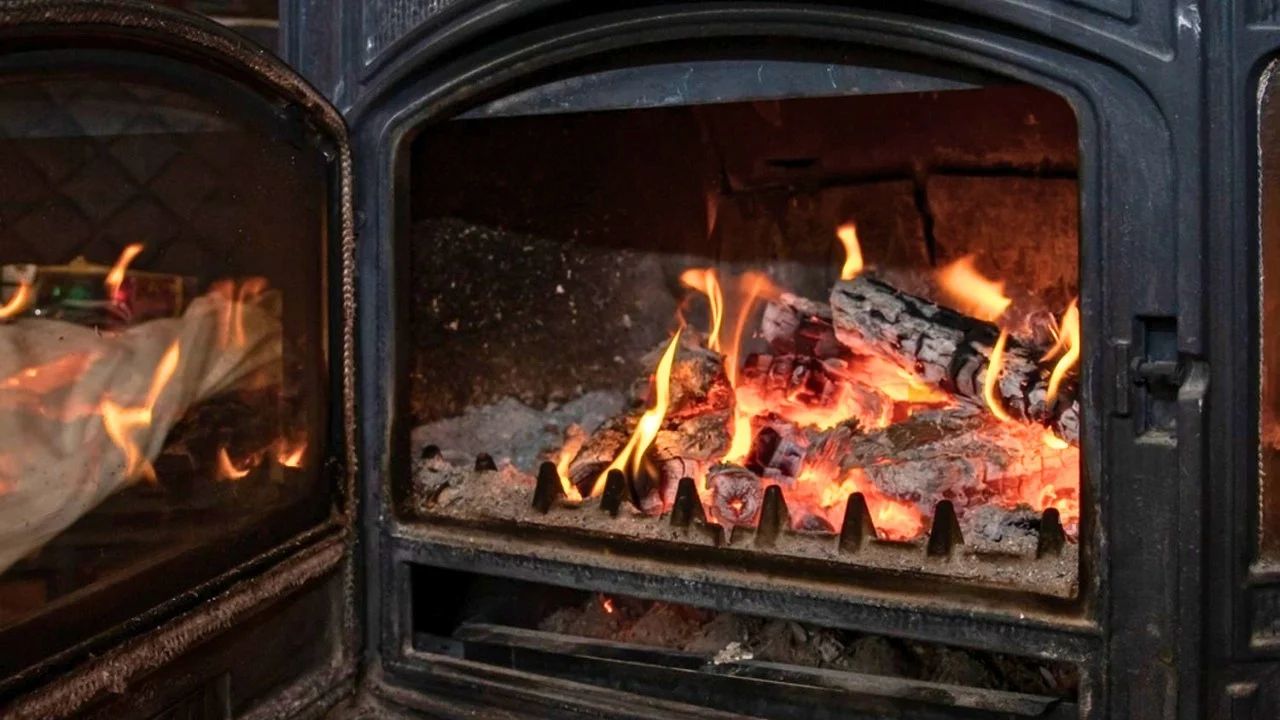
Burning wet wood doesn’t just give you less heat, it makes a mess. You get more smoke, more smoldering, and more creosote sticking in the flue. That means more frequent cleaning and a higher chance of a chimney fire.
If you’re running a wood stove, treat dry fuel as a safety item, not a preference. If you can’t get truly dry wood, mix in smaller, drier splits and build hotter fires instead of long, slow smolders. Get the chimney inspected and cleaned on a schedule that matches how you actually burn, and call a pro if you see heavy glaze or have any doubt.
10. Using A Shed With No Airflow
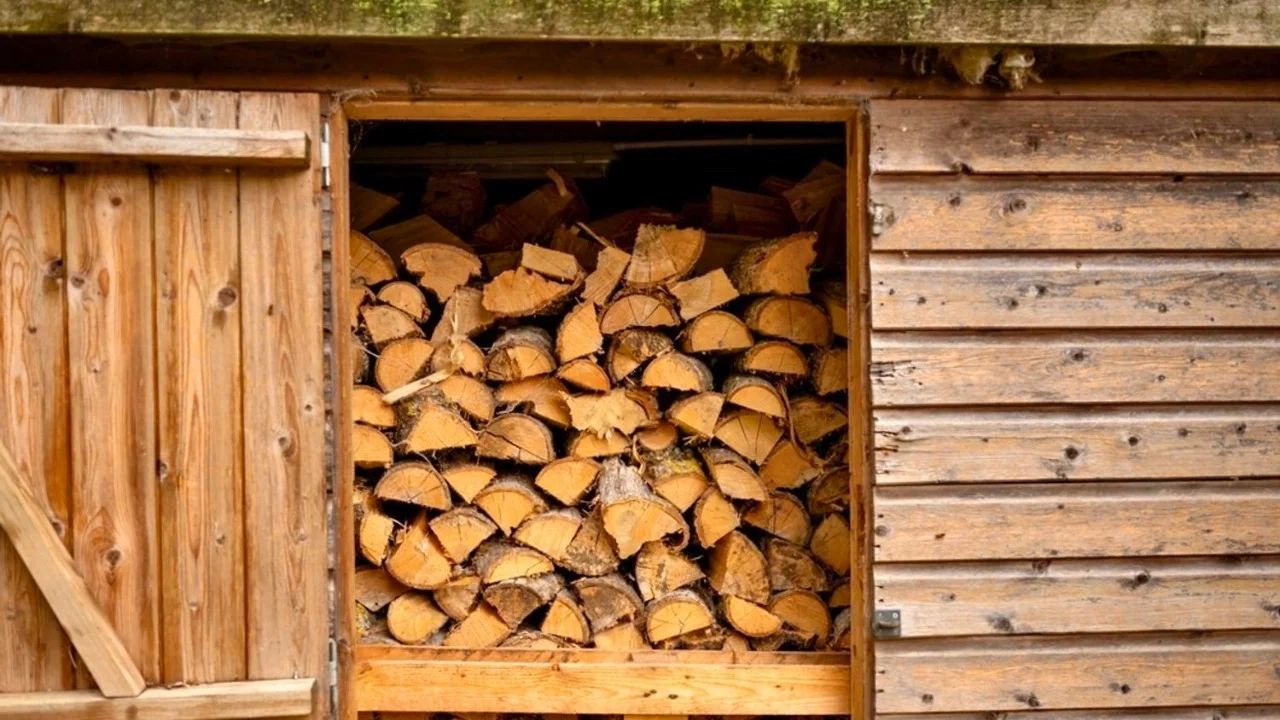
A closed shed can keep rain off, but it can also stop drying almost completely. If it smells musty when you open the door, the wood is absorbing that damp air. You’ll bring in armloads that feel dry, then they spit and smolder.
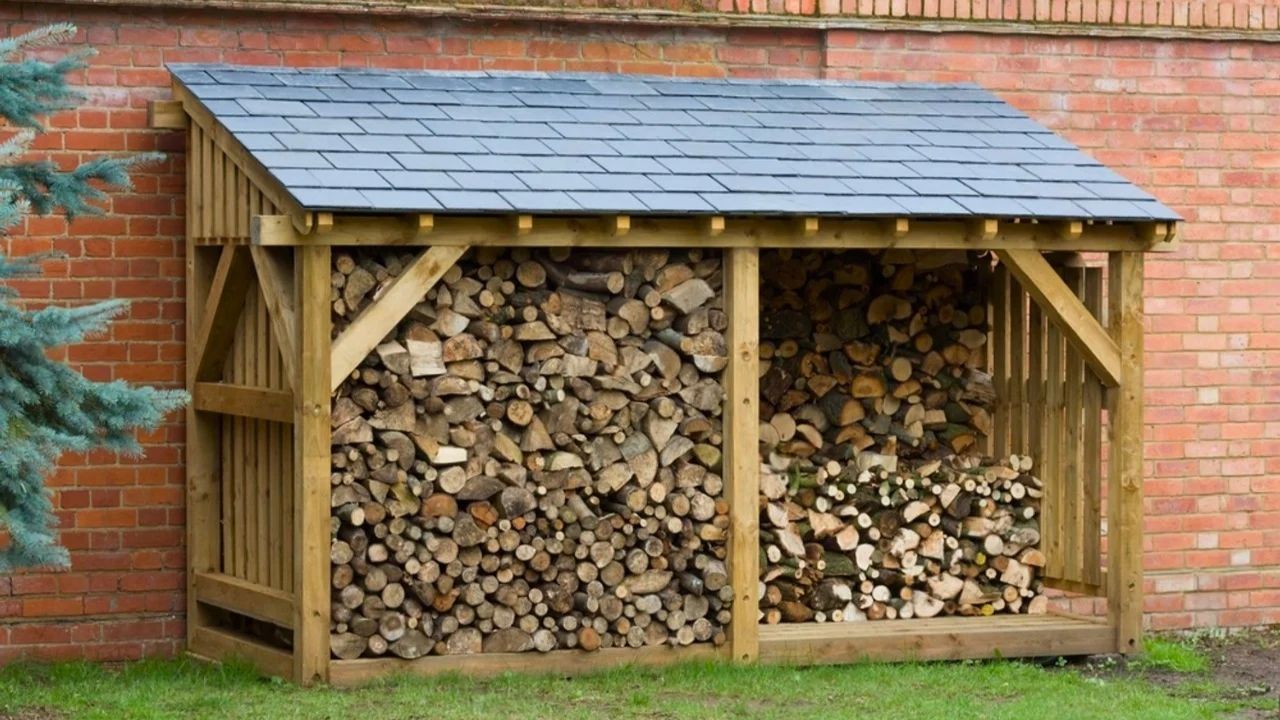
Wood storage needs ventilation. A simple roof with open sides beats a tight box for seasoning. A shed is fine for already-seasoned wood you want to keep dry, especially if it has vents or slatted walls.
11. Waiting Until Fall To Start
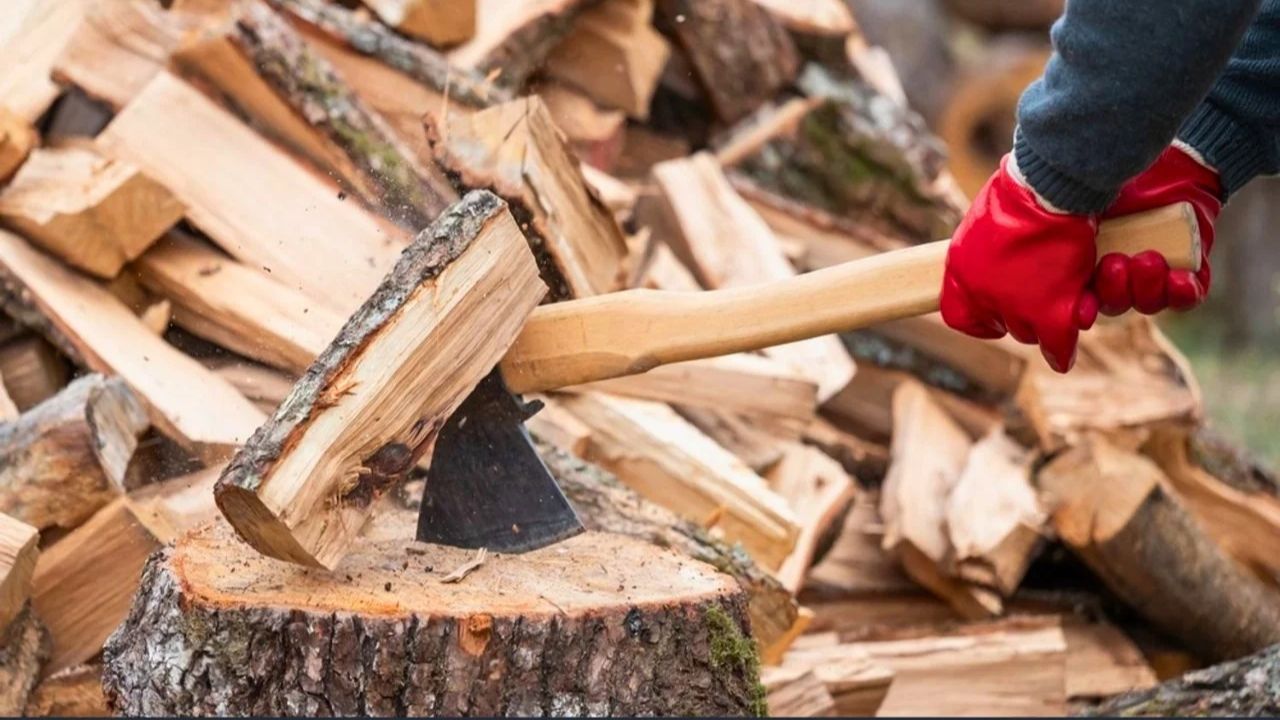
Seasoning is a summer job. If you cut and split in October and hope for January heat, you’re setting yourself up for frustration. Cold, wet weather drags the process out and you end up burning “kind of dry” wood all winter.
Get next winter’s wood processed by spring if you can. If a storm drops trees later in the year, buck and split anyway, then set expectations that it’s for the following season. Buying a small load of dry wood to bridge the gap can be cheaper than extra chimney cleaning and wasted heat.
Good firewood feels boring once you’re set up. The pile stays off the ground, the top stays covered, and the oldest wood gets burned first without a lot of second guessing. Then your stove runs steady, your chimney stays cleaner, and you stop fighting the same problem every cold season.
Like Fix It Homestead’s content? Be sure to follow us.
- Man Says He Found Out the Fence He Paid For Wasn’t Actually on His Property
- Woman Says Her Neighbor Started Taking Mulch From Her Delivery Pile Before She Could Even Spread It
- I made Joanna Gaines’s Friendsgiving casserole and here is what I would keep
- What Caliber Works Best for Groundhogs, Armadillos, and Other Digging Pests?