10 Upgrades That Pay Off More Than a Kitchen Remodel
Photo credit: Lowe's Home Improvement/Youtube
A shiny new kitchen is fun, but it’s rarely the fastest way to stop the leaks, drafts, rot, and wasted bills that quietly eat a house. The upgrades that really pay back are usually the unglamorous ones, the stuff you only notice when it fails. Fix those first and the whole place gets easier to live in, sell, and maintain.
1. Air Sealing The Attic Floor
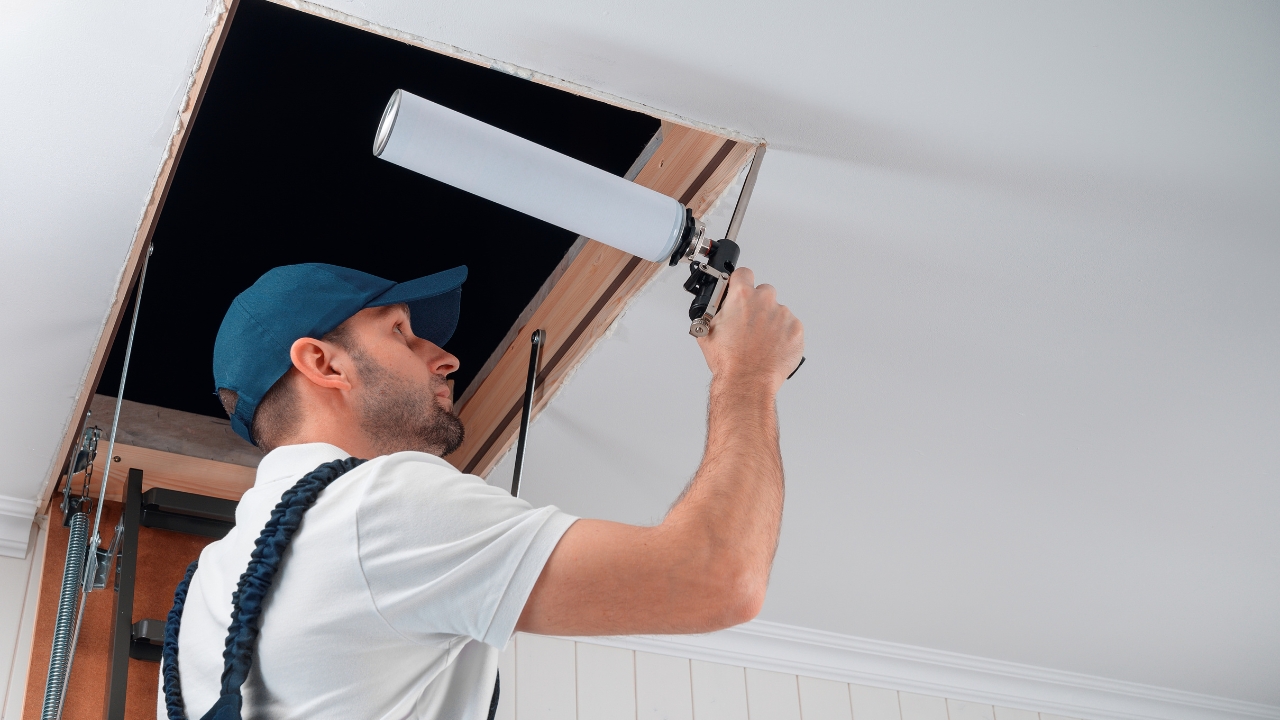
People pile in more attic insulation and wonder why the house still feels drafty. Air leaks are the culprit, warm air slips into the attic all winter, and your furnace keeps chasing the thermostat. You find the big offenders around attic hatches, plumbing stacks, chimney chases, and the tops of interior walls.
On a cool, windy day, you can feel leaks with your hand and see dusty “ghosting” on insulation where air has been moving. Seal gaps with foam or caulk, and use sheet metal and high-temp sealant where the gap is near a chimney or flue. This is a half-day job that makes rooms more even and often cuts ice dams because less heat is escaping into the roof.
2. Adding A Sump Pump Backup
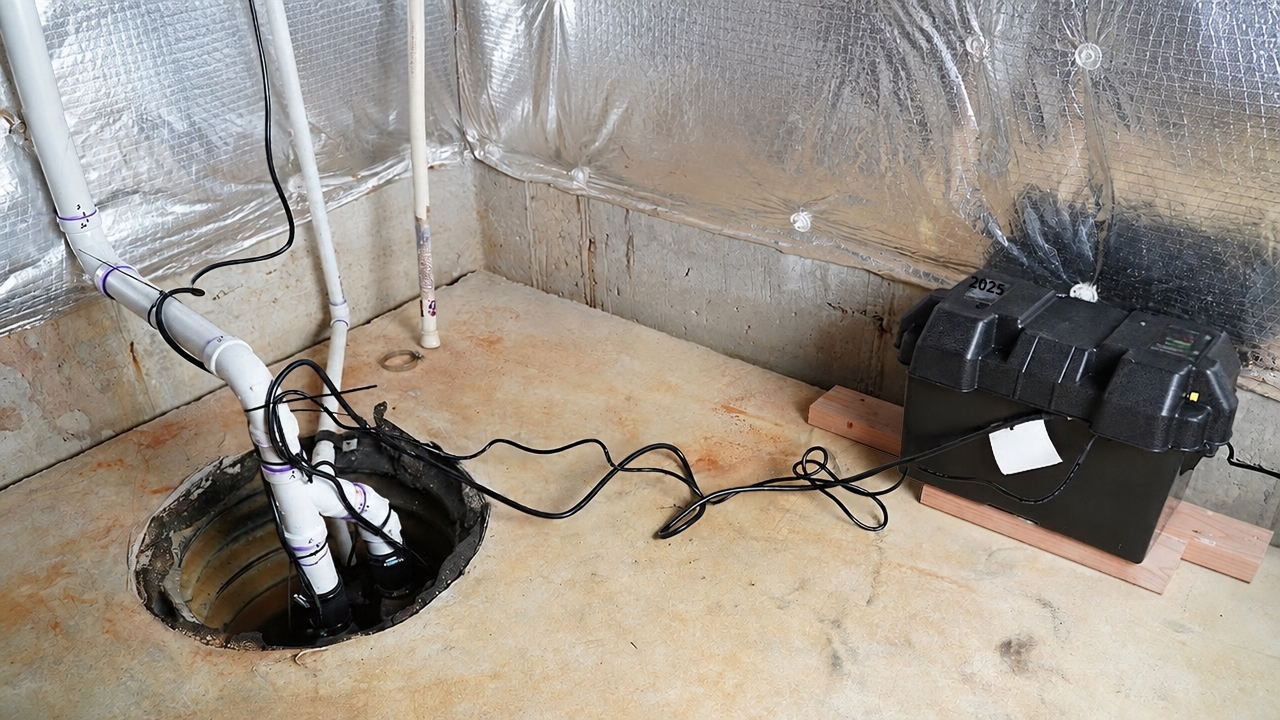
The sump works great until the one time you need it most, a hard storm knocks out power. Then you get the sound nobody forgets, water slapping on concrete and the pump sitting silent. A wet basement ruins boxes, tools, drywall, and the bottom of stairs fast.
A battery backup or water-powered backup can keep you out of the panic zone. Some installs are DIY-friendly if the plumbing is simple, but tie-ins and check valve setups can get fussy, and a plumber is worth it if you’re not confident. Test it twice a year and replace the battery when it starts to lose runtime, not after the next downpour.
3. Regrading Soil Away From The Foundation
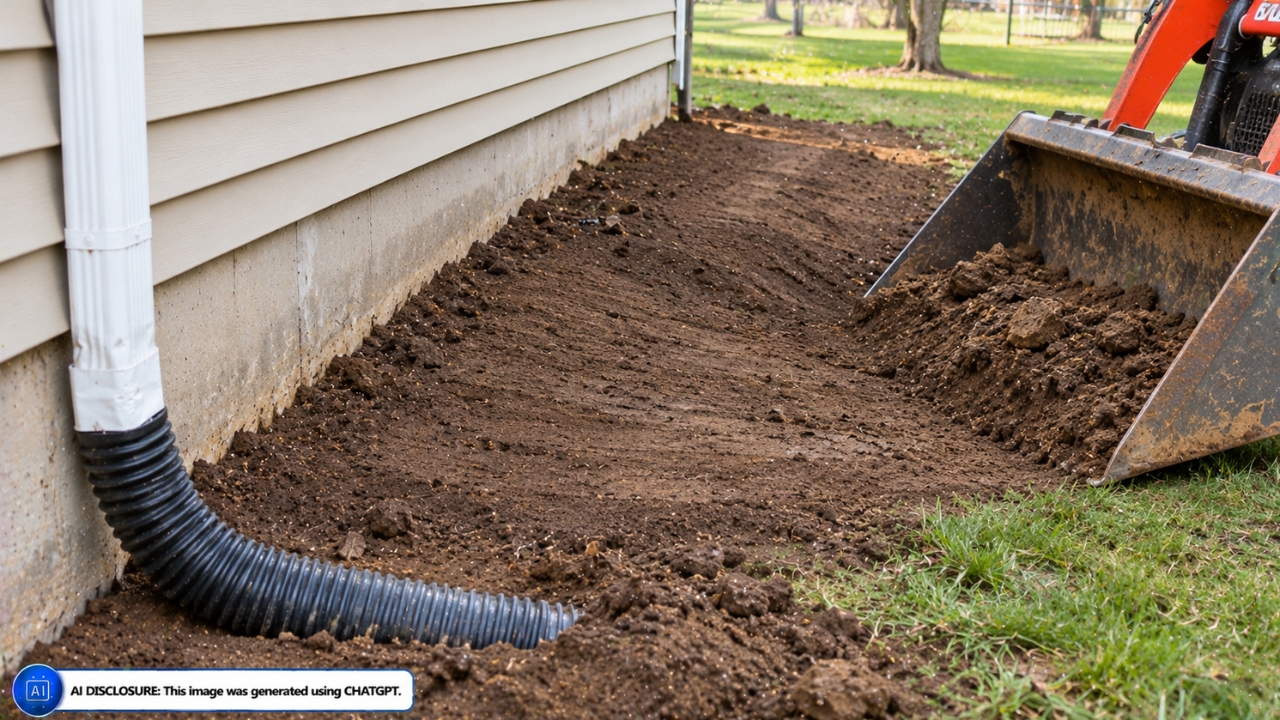
If the yard slopes toward the house, you’re basically directing rain right into your basement or crawl space. You’ll see muddy splash marks, algae on the lower siding, or that damp smell that never leaves. Downspouts dumping at the foundation make it worse.
You don’t need a landscaping makeover. You need a simple slope, about a few inches of drop over the first several feet, plus downspout extensions that push water well away from the wall. Call 811 before digging, and don’t bury a downspout line unless you can daylight it or tie it into a legal drain, local rules vary. Good dirt work beats fancy finishes every time.
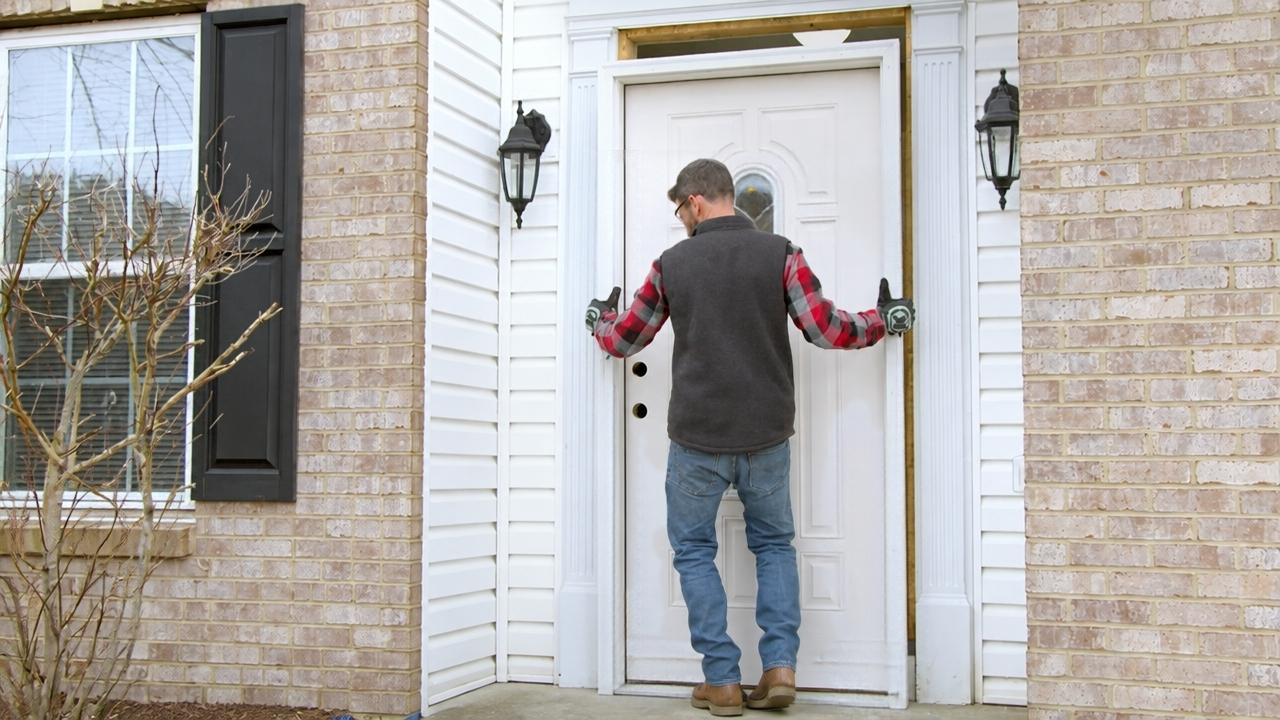
4. Replacing One Rotten Exterior Door
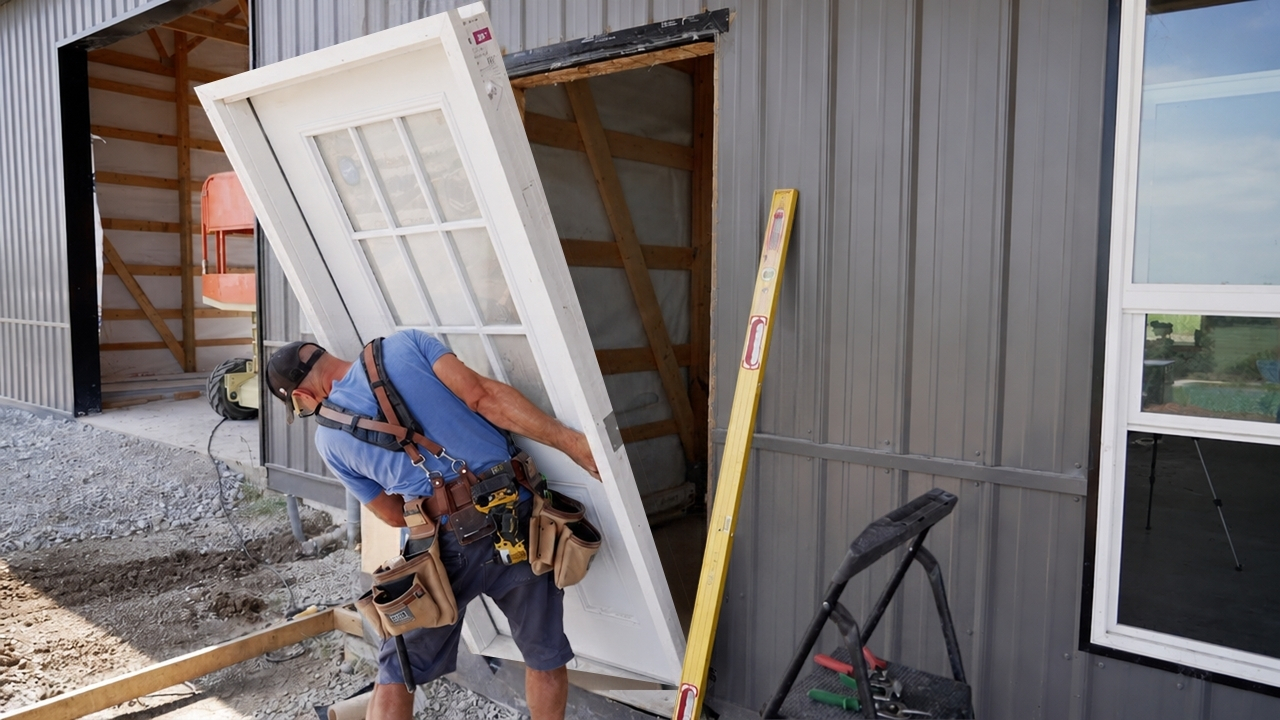
A tired door is an energy leak, a security issue, and a water problem all in one. You notice it when it sticks in summer, rattles in winter, or you can see daylight at the jamb. The threshold gets spongy and the bottom corners turn to punky wood.
Replace the door unit, not just the slab, if the frame is soft or out of square. Spend time on flashing, shimming, and sealing the sill pan area, that’s where most “new door” failures start. If you’re short on cash, the honest exception is this, a good storm door and fresh weatherstripping can buy you a year or two on a solid frame. It’s not pretty, but it works.
5. Fixing Loose Toilets And Bad Wax Rings
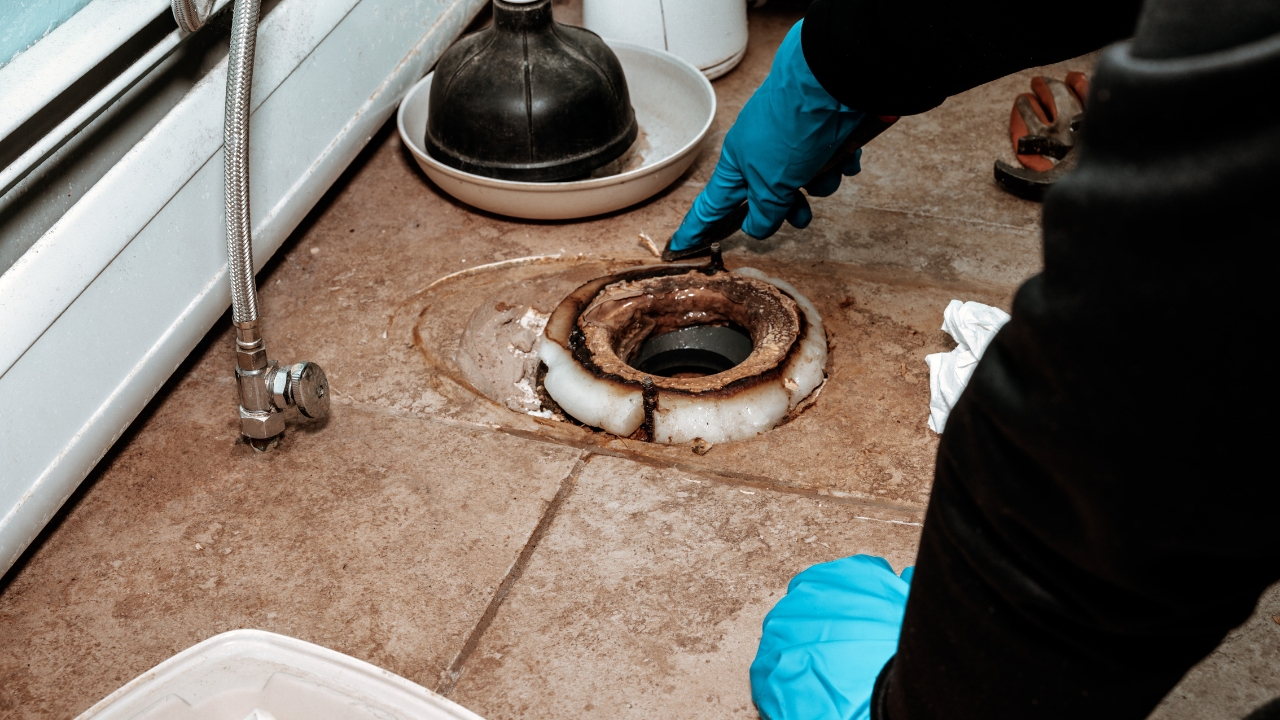
A toilet that rocks is not a small annoyance. Every wiggle breaks the wax seal more, and then you’re leaking dirty water under the floor where you can’t see it. The first clue is a musty smell, soft vinyl, or a stain at the base that keeps coming back no matter how much you clean.
Pull the toilet, replace the ring, and reset it on a firm floor. If the flange is cracked or too low, use the right repair ring or spacer, not a stack of random shims and hope. This is one of those fixes that costs a few bucks but can save you from replacing subfloor and joists later.
6. Getting The Electrical Panel And Grounds Checked
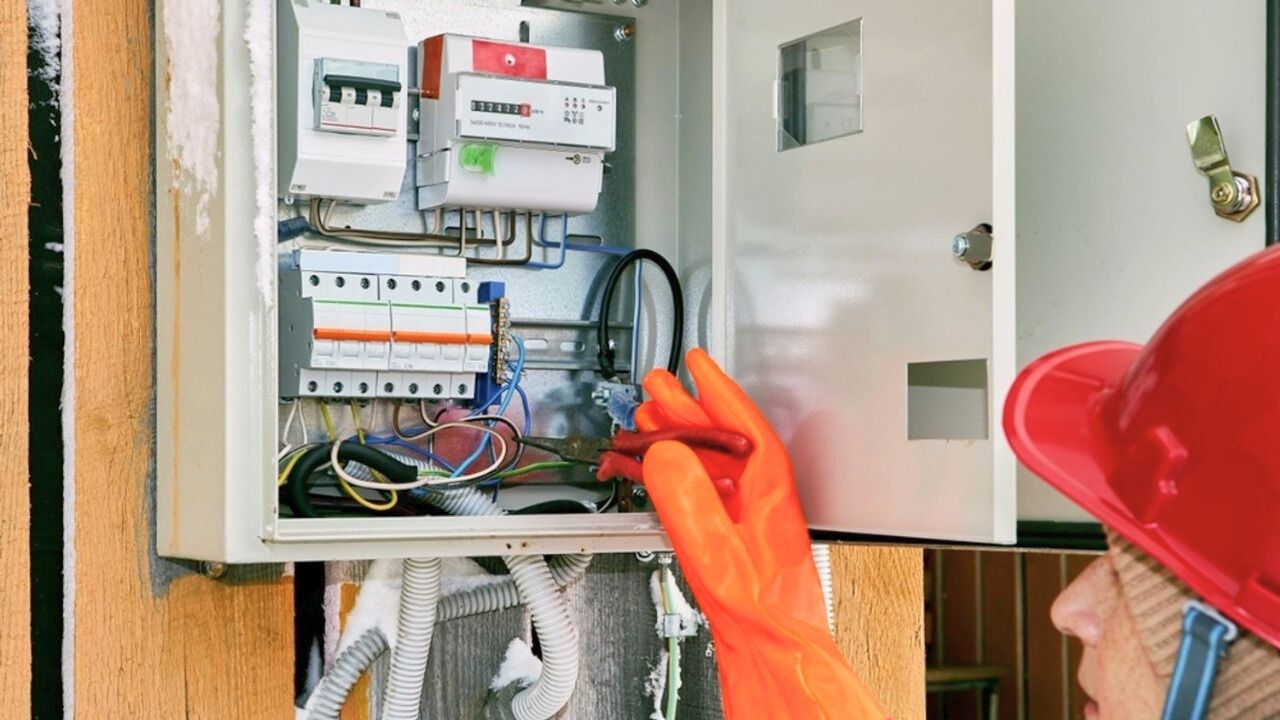
Lots of houses run for years with a messy panel, double-tapped breakers, or sketchy grounding, until one day you smell hot plastic. You might also see lights flicker when the well pump kicks on, or you keep “fixing” tripped breakers that should not be tripping.
This is licensed electrician territory, and sometimes it needs a permit. The payoff is real though, you avoid fire risk, you stop nuisance trips, and you make future upgrades like a heat pump or EV charger possible without hacks. If you’re selling, a clean, correctly labeled panel calms buyers down fast.
7. Adding A Smart Thermostat Carefully
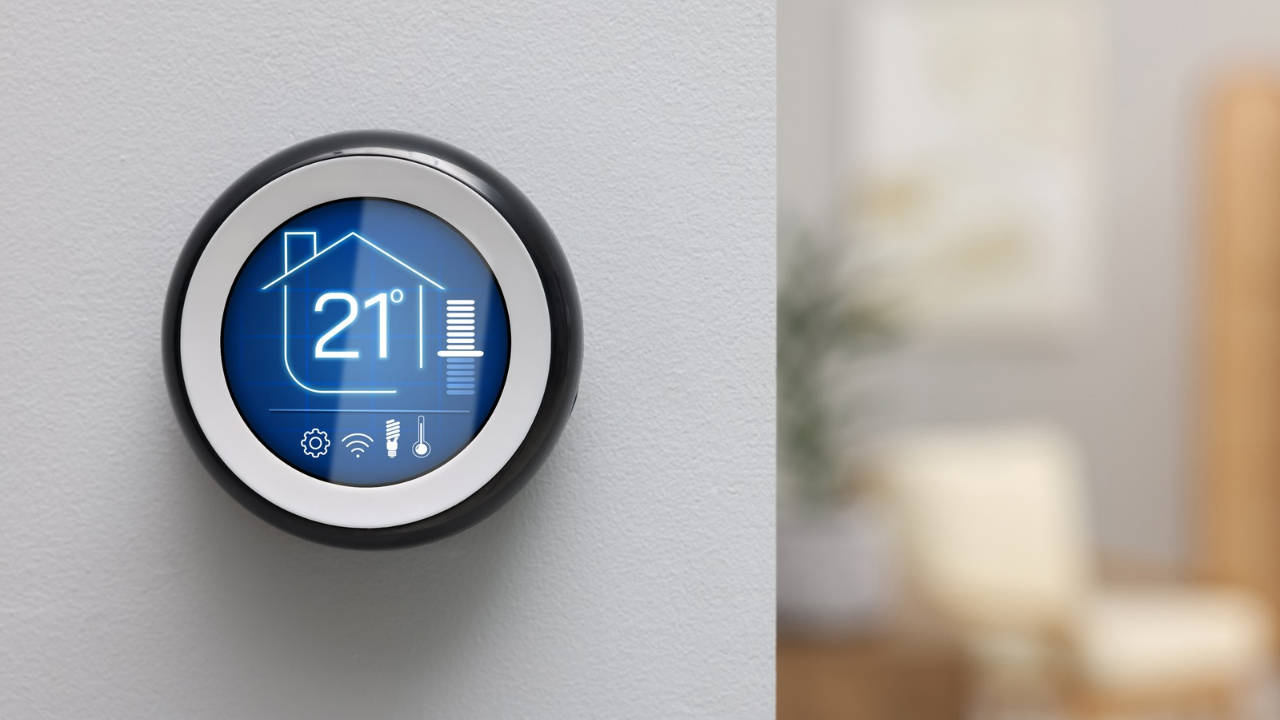
This one can pay off, or it can be a headache. If your system is compatible and wired right, a smart thermostat can stop the “all day at 72” habit and rein in heat and AC costs without you thinking about it. The moment you notice the difference is shoulder season, when the house used to swing hot and cold.
But don’t force it. Some older boilers, heat pumps, and multi-stage systems need specific thermostat types, and a bad match causes short cycling or comfort problems. If you open the thermostat and don’t see a C-wire or the wiring colors look like a mystery, get an HVAC tech to sort it out.
8. Upgrading Bath Fans That Vent Outside

That fogged mirror is telling you something. Steam that stays in the bathroom feeds mold, peels paint, and swells trim, then it drifts into wall cavities if the fan is weak or never used. Venting into the attic is a common mistake that soaks roof sheathing and grows fuzz on rafters.
Install a properly sized fan and run smooth duct to an exterior cap, taped and secured so it stays put. A timer switch helps because you won’t stand there counting 20 minutes after a shower. In cold climates, keep the duct run short and sloped so condensation doesn’t pool and drip back.
9. Swapping Old Shutoff Valves For Quarter-Turn
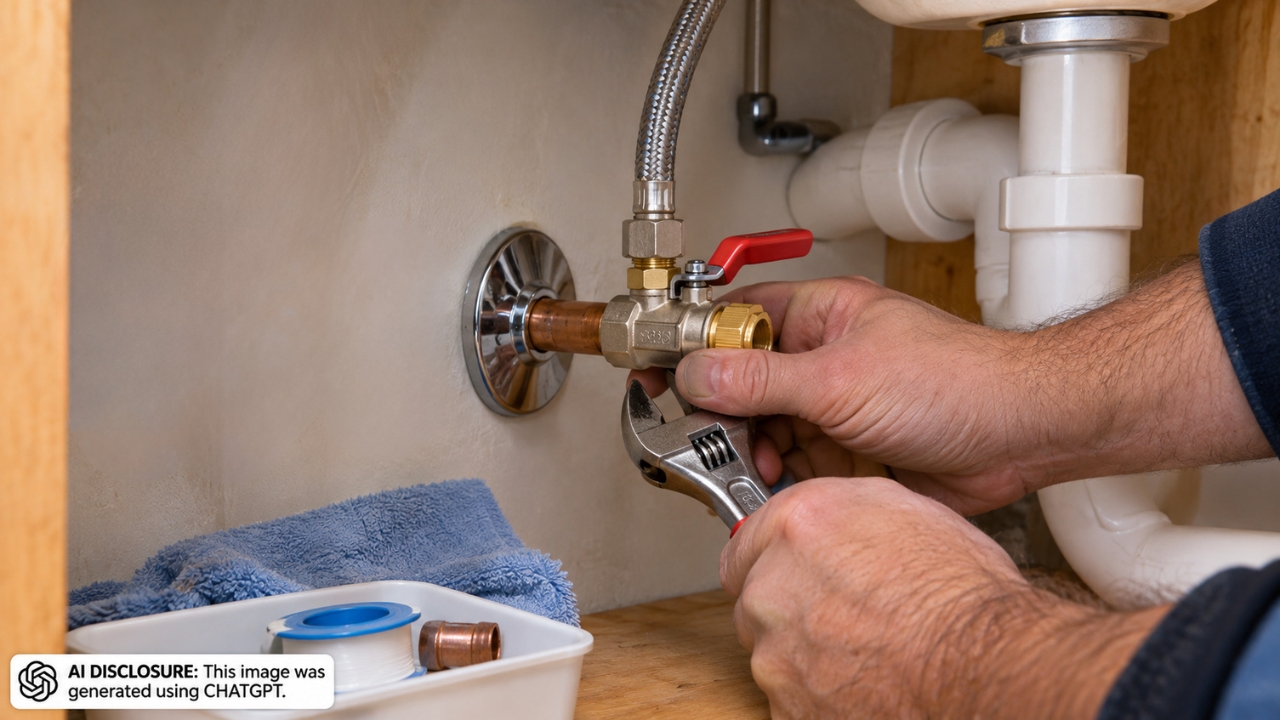
Old multi-turn shutoffs love to fail right when you need them. You go to stop a leak and the valve won’t budge, or it turns but still doesn’t shut off, and now you’re sprinting to the main. Under-sink and behind-toilet valves are small parts with big consequences.
Quarter-turn ball valves are simple and reliable, and you can tell at a glance if they’re open. If you’ve got copper, PEX, or CPVC, the right fittings matter, and this is a fair DIY job if you’re comfortable shutting off water, draining lines, and making clean cuts. If the main shutoff itself is questionable, that’s a good time to call a plumber and upgrade it too.
10. Cleaning Gutters And Fixing One Downspout

This is boring work until it isn’t. Overflowing gutters dump water behind fascia, rot the ends of rafters, and carve trenches beside the foundation. You’ll see it as dripping corners, peeling paint, or a wet line in the basement after a hard rain.
Clean them at least once a year, more if you’ve got pine needles or big trees. While you’re up there, reattach loose hangers, replace a missing elbow, and make sure downspouts discharge away from the house. Use a stable ladder setup and don’t push it on a windy day.
Spend money where failure is expensive and messy, then do the pretty upgrades when the house is dry, tight, and predictable. Even small fixes feel bigger when they stop a problem that’s been nagging you for years.
Like Fix It Homestead’s content? Be sure to follow us.