11 Things in the Garage That Mice Treat as an Invitation
Photo credit: torook/Shutterstock.com
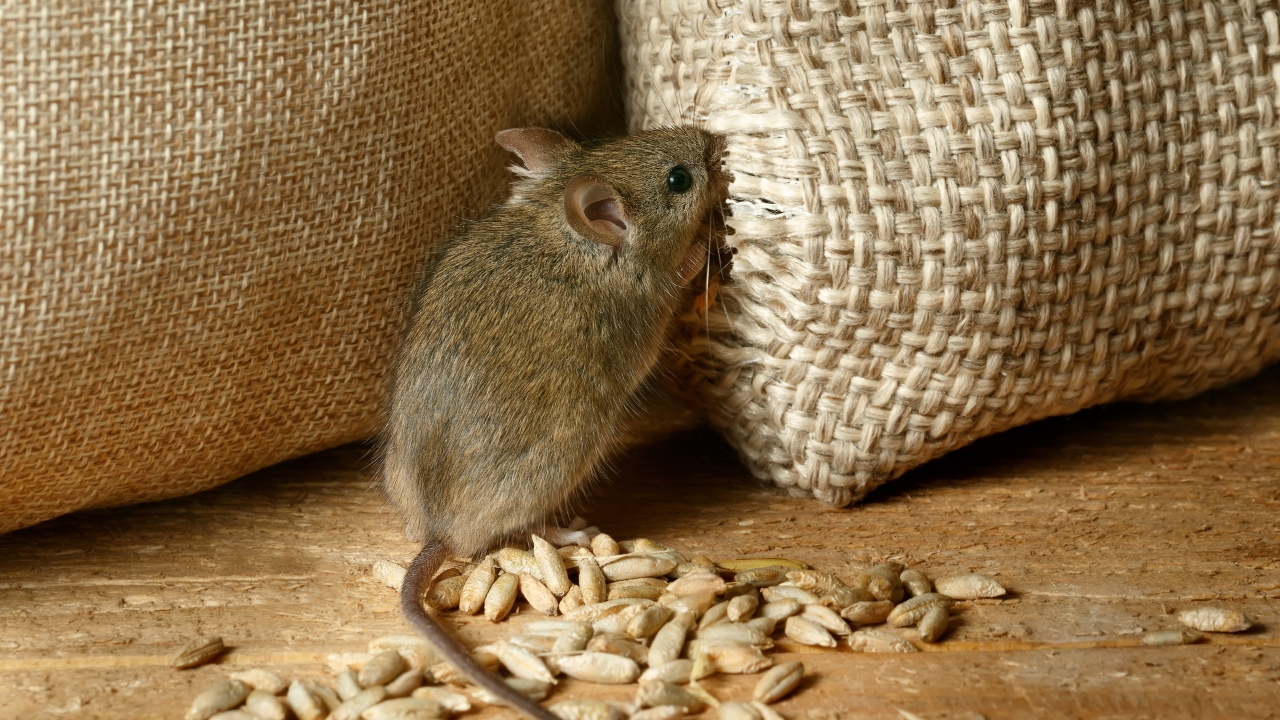
Mice don’t need much to move into a garage. A warm corner, a snack, and one sloppy gap under a door is enough. Most of the time, you don’t notice until you find droppings, shredded paper, or that sharp ammonia smell near a wall.
1. Bags Of Birdseed And Pet Food
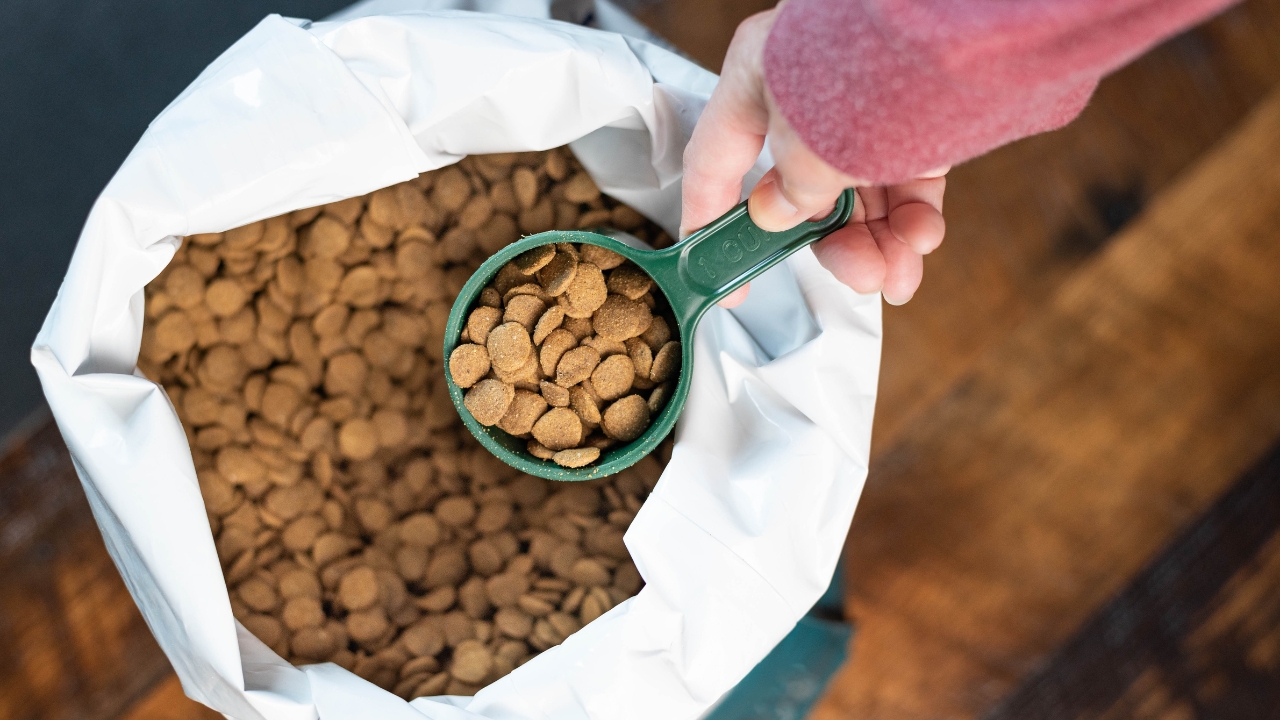
Those paper and thin plastic bags are basically mouse packaging. They chew in, eat what they want, then keep coming back because the food smell sticks around. If you’re hearing light scratching at night along the base of a wall, food is often the reason.
Move anything edible into a hard container with a tight lid, like a metal trash can, a steel pet-food bin, or a thick plastic tote that actually latches. Don’t trust a “snap on” lid that pops off when you grab the handle. Sweep up spilled seed right away, even the dusty stuff, since that’s still a meal.
2. Cardboard Boxes On The Floor

Cardboard is free insulation and a chew toy. Stack a few boxes in a quiet corner and you’ve built a mouse condo that also hides droppings from view. It gets worse in fall when they start looking for a winter address.
Swap boxes for sealed totes and get storage off the floor on shelves or pallets. If you have to keep a few boxes for short-term moves, keep them up high, label them, and use them quickly. Any box that smells like food, birdseed, or pet treats should not live in the garage.
3. Cluttered Corners Behind Shelving
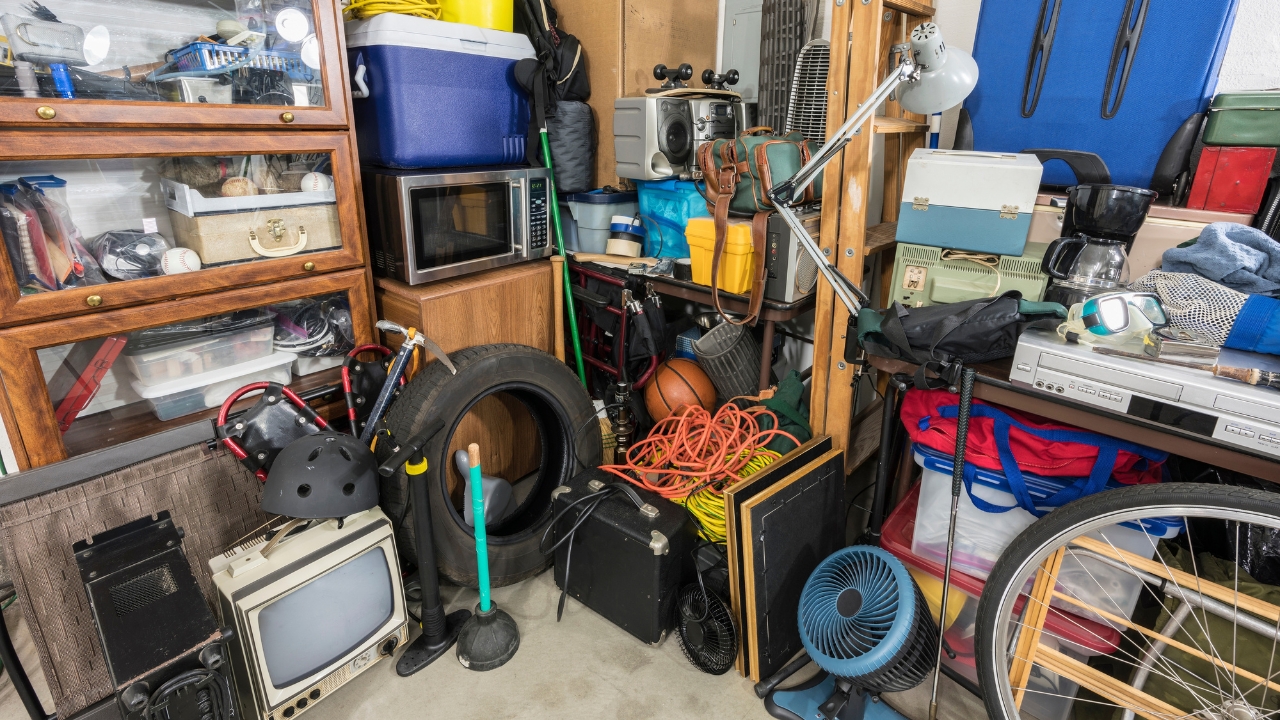
That dead space behind the rack and under the workbench stays undisturbed for months. Mice love “no traffic” zones, and you won’t see a nest until it’s big. A tidy garage doesn’t need to look perfect, it just needs fewer hidden pockets.
Pull shelves out once a season and vacuum the edges where the wall meets the slab. If you can’t move the shelving, leave a couple inches of gap and keep bins visible so you can spot chewed edges early. A cheap shop light aimed low makes it easier to notice droppings before the problem grows.
4. Gaps Under Garage Doors
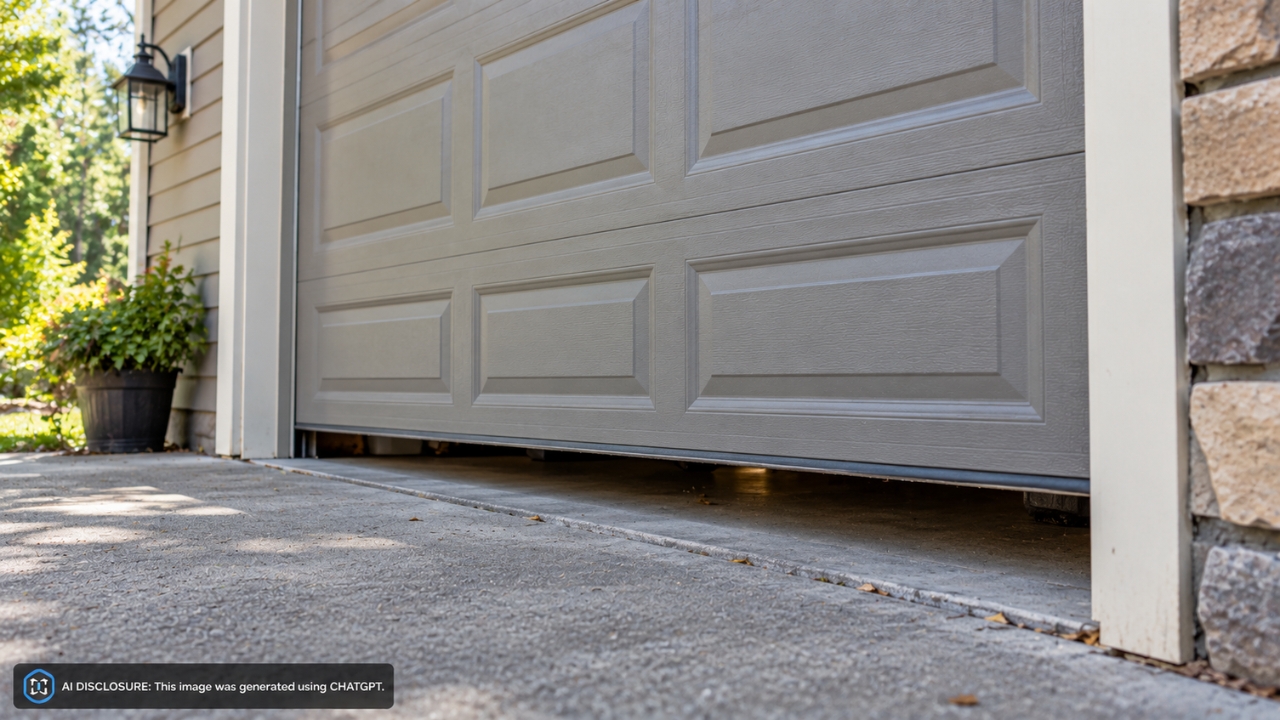
If light shows under the door, a mouse fits. Weatherstripping wears, the slab heaves, and the bottom seal gets stiff and torn. You might not notice until the first cold snap, then suddenly there are tracks in the dust.
Replace the bottom seal and adjust the door if it’s not closing evenly. Add a brush-style or rubber threshold strip on the floor if the slab is uneven. If the door is bent, damaged, or off its tracks, call a garage door pro, that’s one repair that can hurt you if you fight the springs.
5. Dryer Lint And Dust Piles
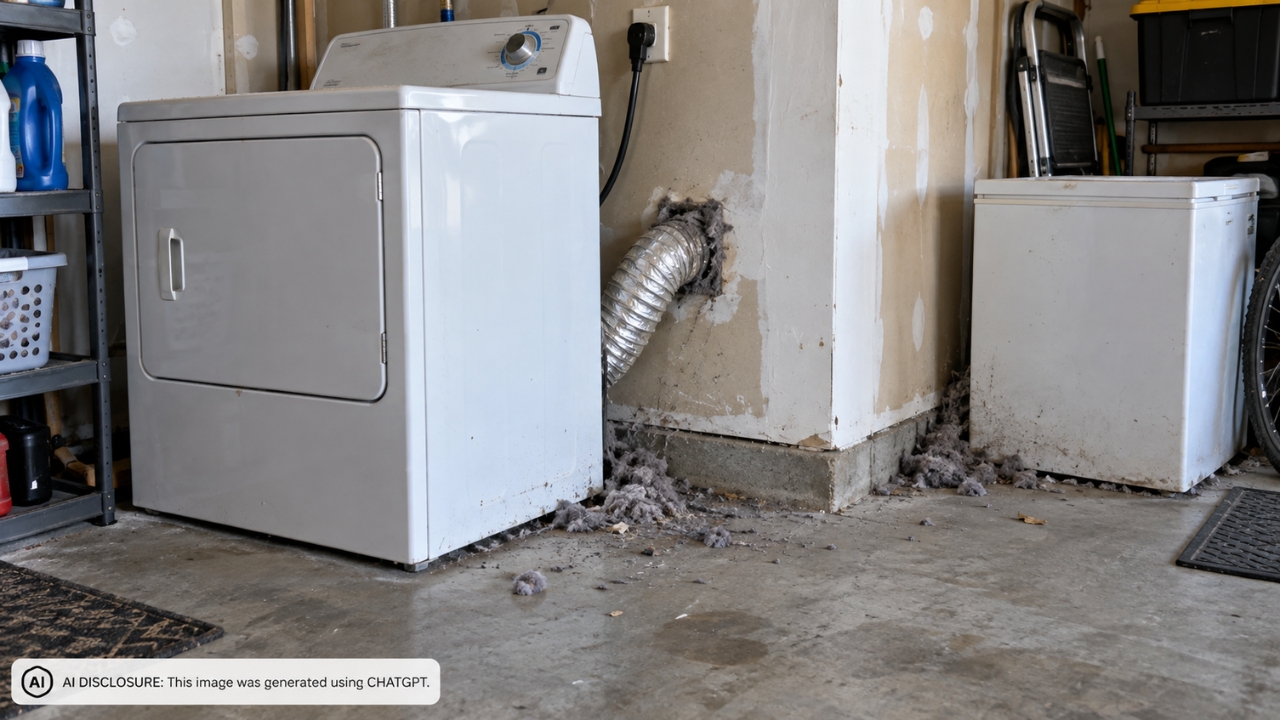
Lint looks harmless, but it’s perfect nesting fiber and it holds warmth. If a dryer vents into the garage, or you clean the lint trap and toss it in a bin “for later,” you’re stocking a bedding aisle. Dust bunnies behind a freezer or along the wall do the same thing.
Bag lint and get it out of the garage, don’t store it for fire starters or compost. Vacuum along walls and behind machines, especially before winter. If your dryer vent run is long or clogged, clean it with a proper vent brush kit or hire it out, and fix any loose connections that are dumping lint indoors.
6. Open Trash Cans And Returnables
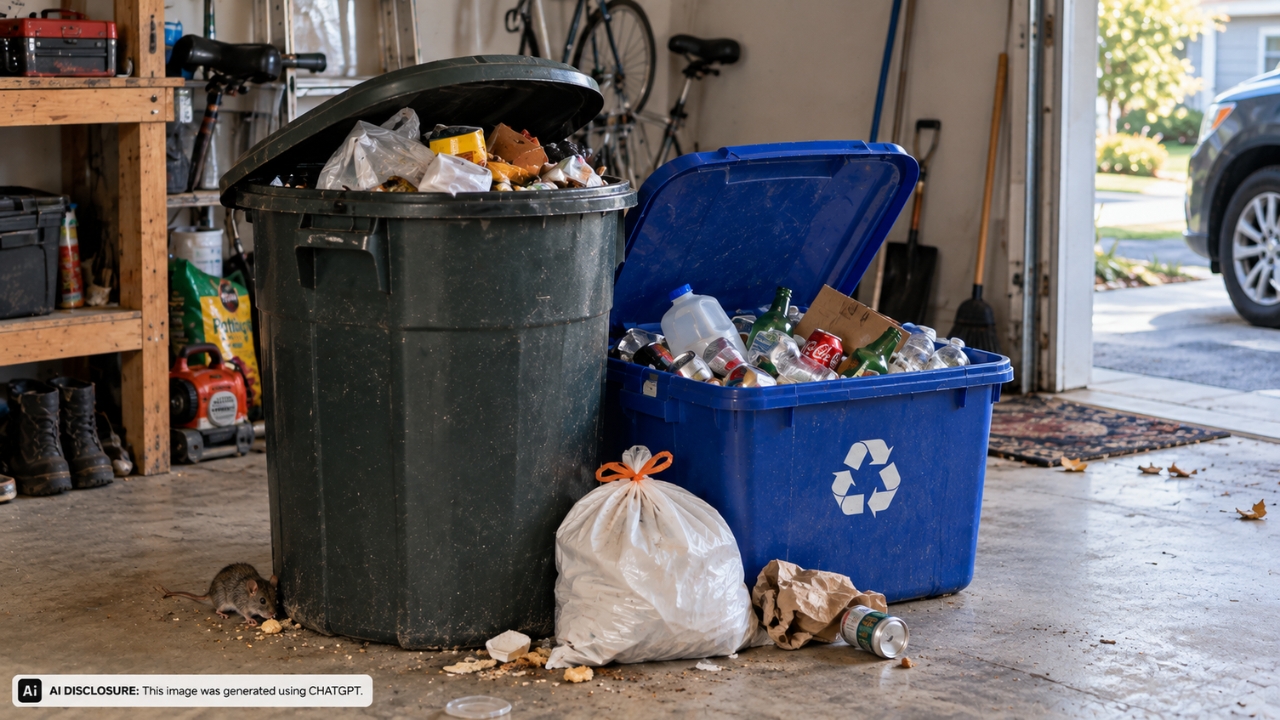
A garage can smells like a buffet, even if it’s “just recyclables.” Soda and beer bottles drip, pet waste bags leak, and oily rags hold food-like odors. Mice don’t need a full meal, they need enough to keep checking the place.
Use a can with a tight lid and rinse returnables before they sit. If you keep compost scraps in the garage, stop, that belongs outside in a sealed container. Take the trash out regularly, especially in late summer when everything stinks faster.
7. Stored Couch Cushions And Old Bedding

People stash extra bedding, sleeping bags, or that spare set of couch cushions in the garage, thinking it’s clean storage. Soft fabric is nest gold, and it holds human and pet scent that makes it feel “safe.” Once mice move in, the smell is hard to get out.
Store textiles indoors if you can. If you can’t, seal them in thick contractor bags inside a lidded tote and keep them on a high shelf. If you find nesting material in fabric, don’t shake it out in the garage, bag it and wash on hot or dispose of it.
8. Warm Engines After Parking
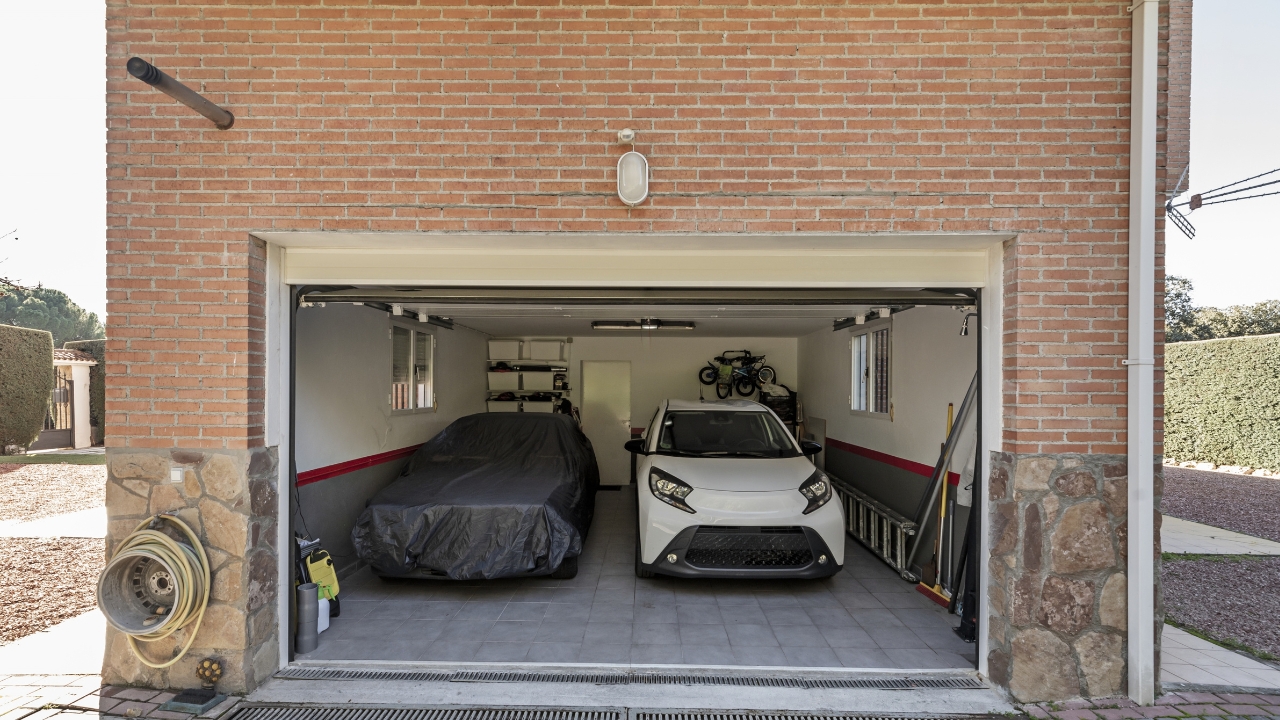
Pulling in after a cold drive makes the garage a heat source for hours. Mice crawl up into engine bays and chew insulation, sound deadening, and sometimes wiring. The first clue is often a “burnt hair” smell when the heater runs, or a check engine light that won’t quit.
If you’re in a heavy rodent area, pop the hood for a few minutes when you park so heat doesn’t stay trapped. Keep the area around the parking spot clean, no bags, no boxes, no feed. Some people use peppermint packs and similar smells, and they’re fine as an add-on, but they don’t replace sealing gaps and removing food.
9. Unsealed Holes Around Pipes And Cords
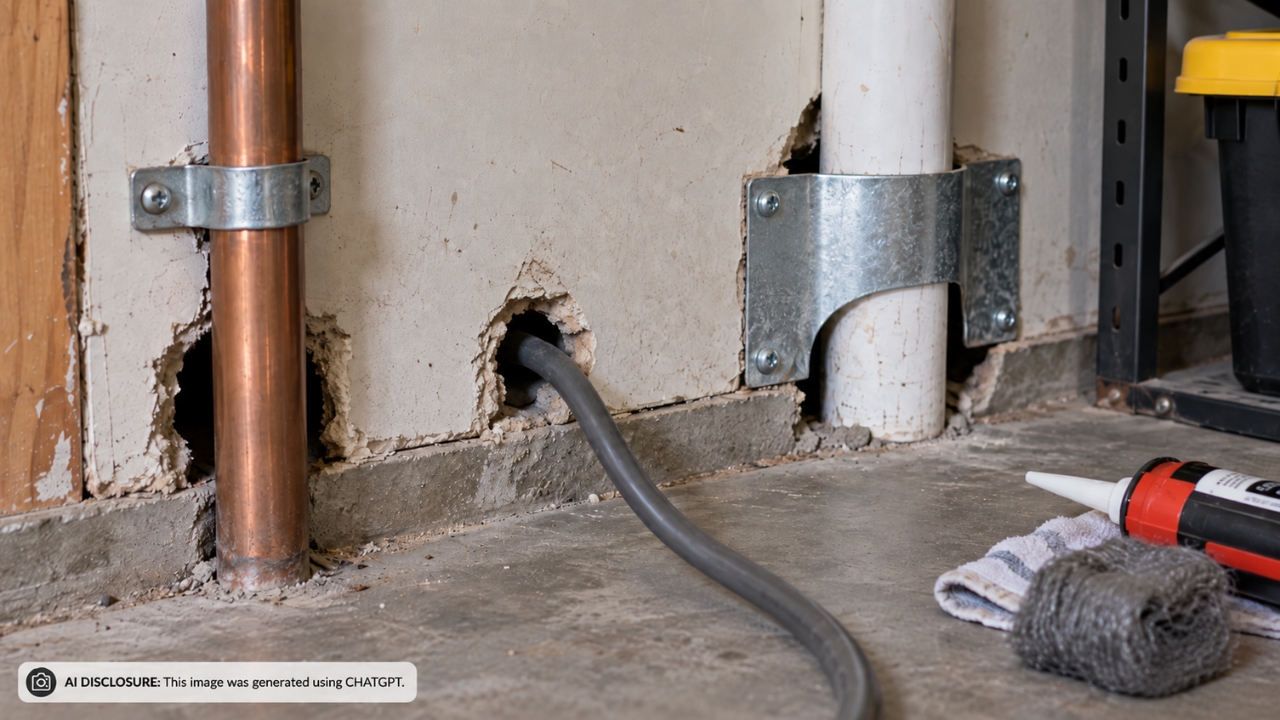
That little gap where the hose bib line comes through, or where an outlet feed enters the wall, is a highway. Mice follow edges and slip through holes that look too small to matter. This is one of the cheapest fixes you can do, but it’s usually ignored.
Stuff small holes with copper mesh or steel wool, then cover with caulk or expanding foam rated for pest blocking. For bigger openings, use flashing and screws, not foam alone, since foam gets chewed. If it’s around gas piping or a meter area, stick to safe materials and call a pro if you’re unsure, local codes can apply.
10. Grass Seed And Bulb Bags

These aren’t “food” in the way dog kibble is, but mice still go for them. Grass seed, bulbs, and even some organic soil amendments smell like something worth stealing. The bags rip easily, and once the seed spills, you’ll never get every kernel out of the cracks.
Keep seed and bulbs in sealed bins, and don’t buy more than you’ll use in a season. If you’ve already spilled seed, vacuum it, don’t just sweep it into the corner. A leaf blower spreads it into every joint and expansion crack, which keeps mice hunting for weeks.
11. Firewood And Scrap Lumber Stacks
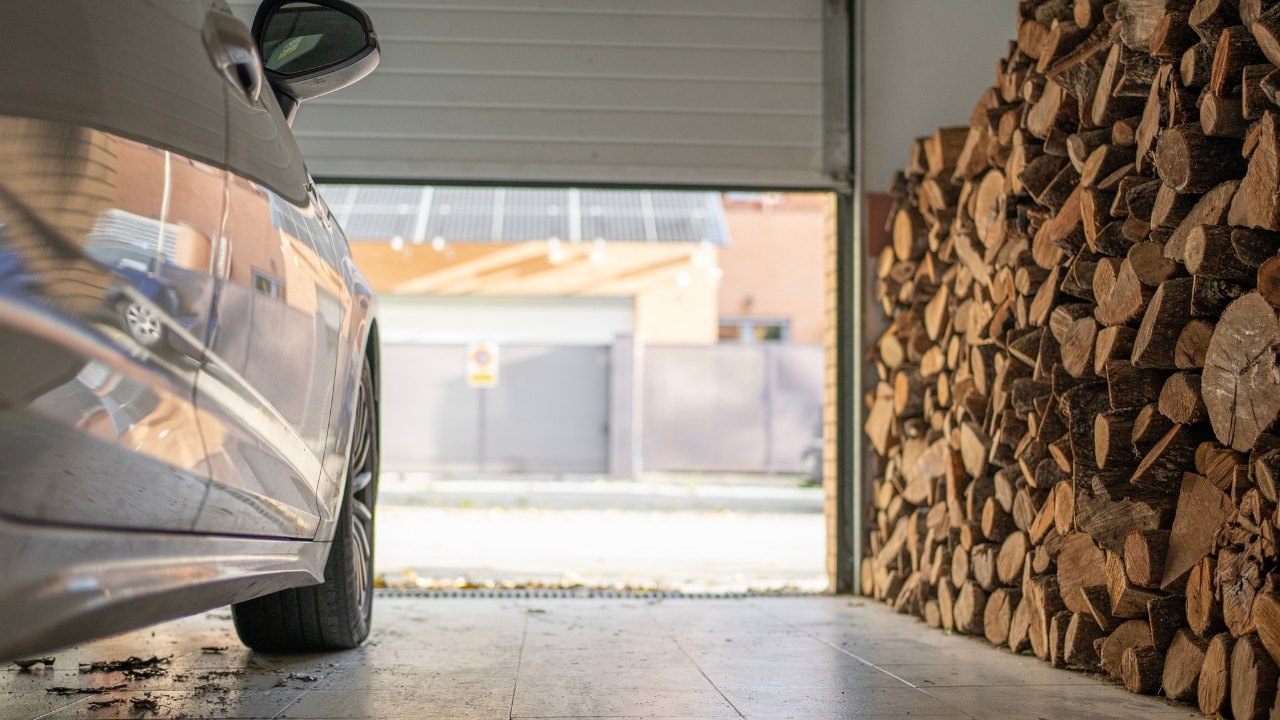
A woodpile against the garage wall is shelter, cover from hawks, and a ladder to higher gaps. Mice nest under stacks and travel along the wall line, and you won’t spot it until you pull wood and see shredded bits underneath. It also attracts other pests that mice like to follow.
Store firewood outside, off the ground, and away from the building if you can. If you have to keep a small rack in the garage, keep it raised and rotate it often so nothing sits long enough to turn into a habitat. The cheap exception is a short-term stack for a weekend project, as long as it’s not pressed against the wall and it’s gone quickly.
Once you cut off food, cover, and easy entry points, you’ll notice the garage gets quieter fast. Set a couple traps along the wall where you’ve seen droppings, then keep sealing and cleaning until a week goes by with no new signs. The goal is boring storage, not a cozy winter rental.
Like Fix It Homestead’s content? Be sure to follow us.