15 U.S. States Where Black Bears Are Raiding Property and Getting Bolder Every Year
Photo credit: EleanorAbramson/Shutterstock.com
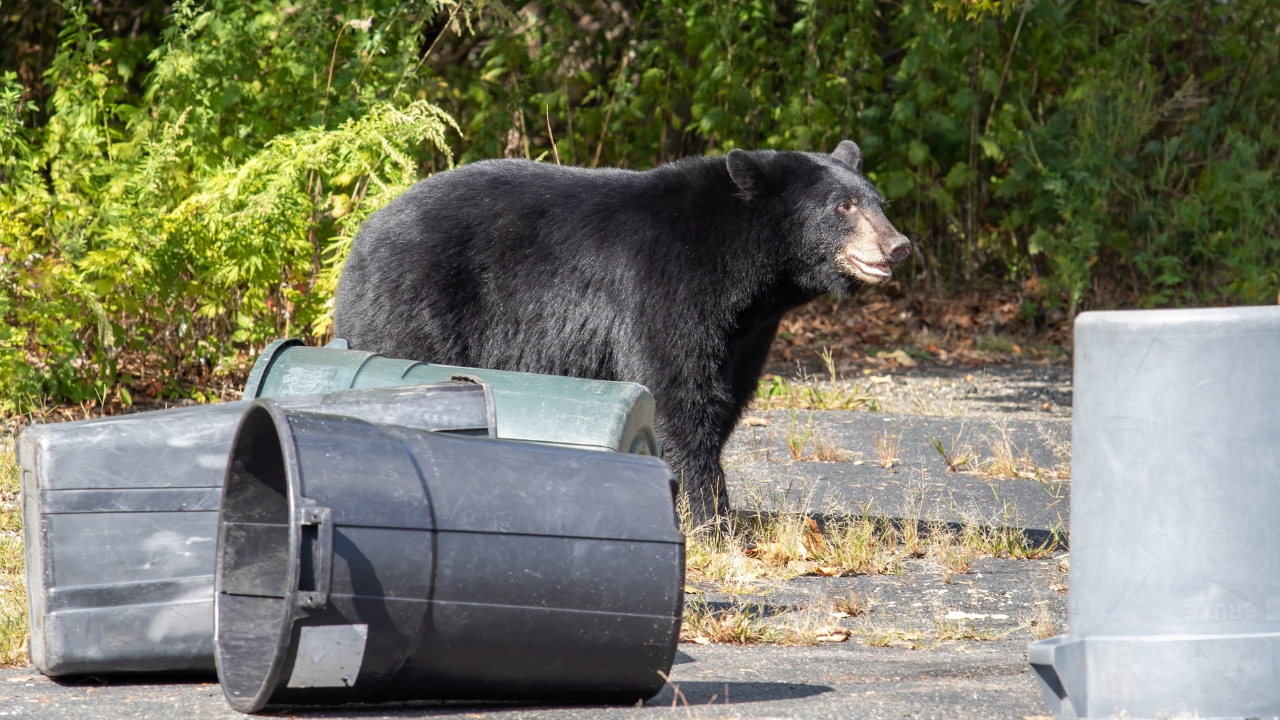
Black bear visits used to be a rare story, now they’re a recurring chore. Once a bear gets an easy meal off your porch or out of your trash, it comes back, and it stops being shy about it. The states below are seeing more property raids, and if you live in one of them, small habits around food, livestock, and storage matter more than ever.
1. Northern California Ridge Towns
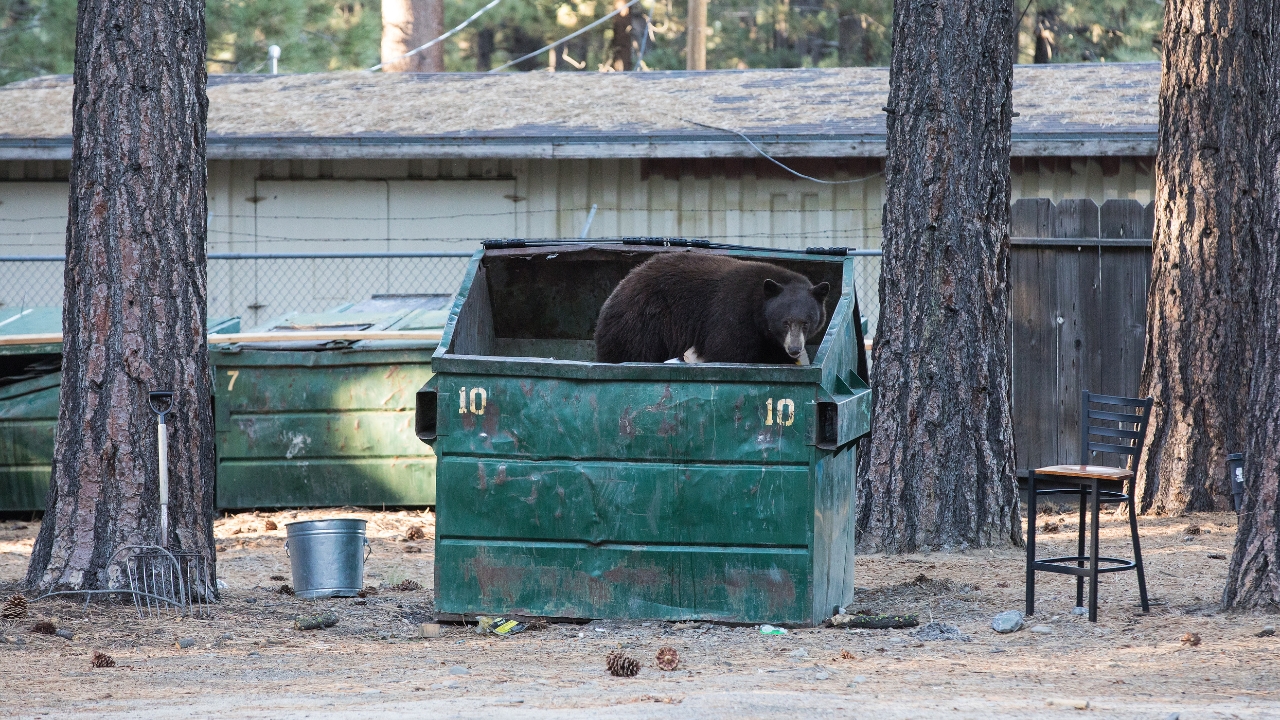
In the Sierra and Coast Range foothills, bears learn neighborhoods fast, especially where cabins and full time homes mix. One unsecured garbage can or a freezer full of meat in an unlatched garage can turn a wandering bear into a regular. You’ll notice the pattern when lids get peeled back, doors get shouldered open, and muddy prints show up on windows.
Start with the boring stuff that actually works: bear resistant trash cans, locked shed doors, and nothing food scented left outside overnight. If your garage has a flimsy side door, swap the strike plate for a long one that takes 3 inch screws into framing, not trim. A motion light helps you notice activity, but it won’t stop a bear that has learned there’s food.
2. Colorado Front Range Suburbs
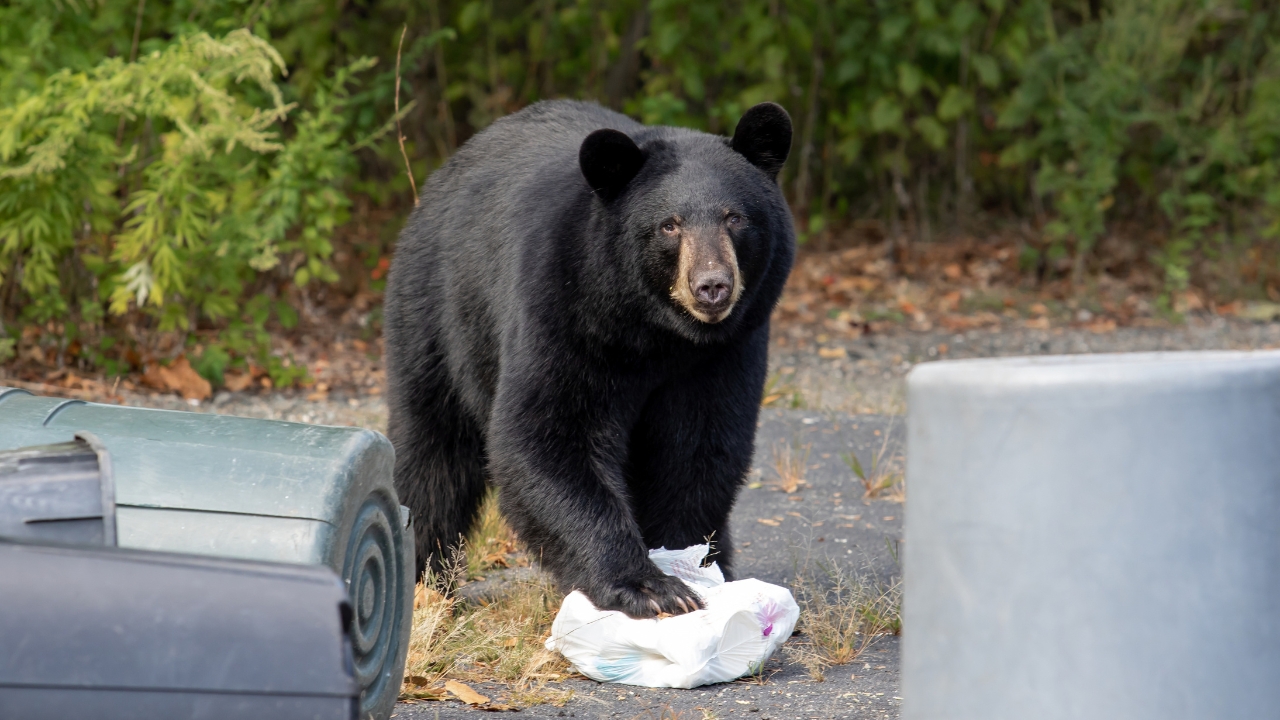
Along the Front Range, the problem is timing. Late summer and fall are when bears are putting on weight, and that’s when a line of trash cans at the curb reads like a buffet. If your pickup is early, putting trash out at night is basically ringing a dinner bell.
Keep trash inside a garage or a locked shed until the morning of pickup, even if it’s annoying. If you can’t, freeze meat scraps and smelly packaging until collection day. For compost, use an enclosed bin with a latched lid, or stop adding kitchen scraps during bear season and stick to leaves, straw, and garden waste.
3. Florida Panhandle Wooded Neighborhoods
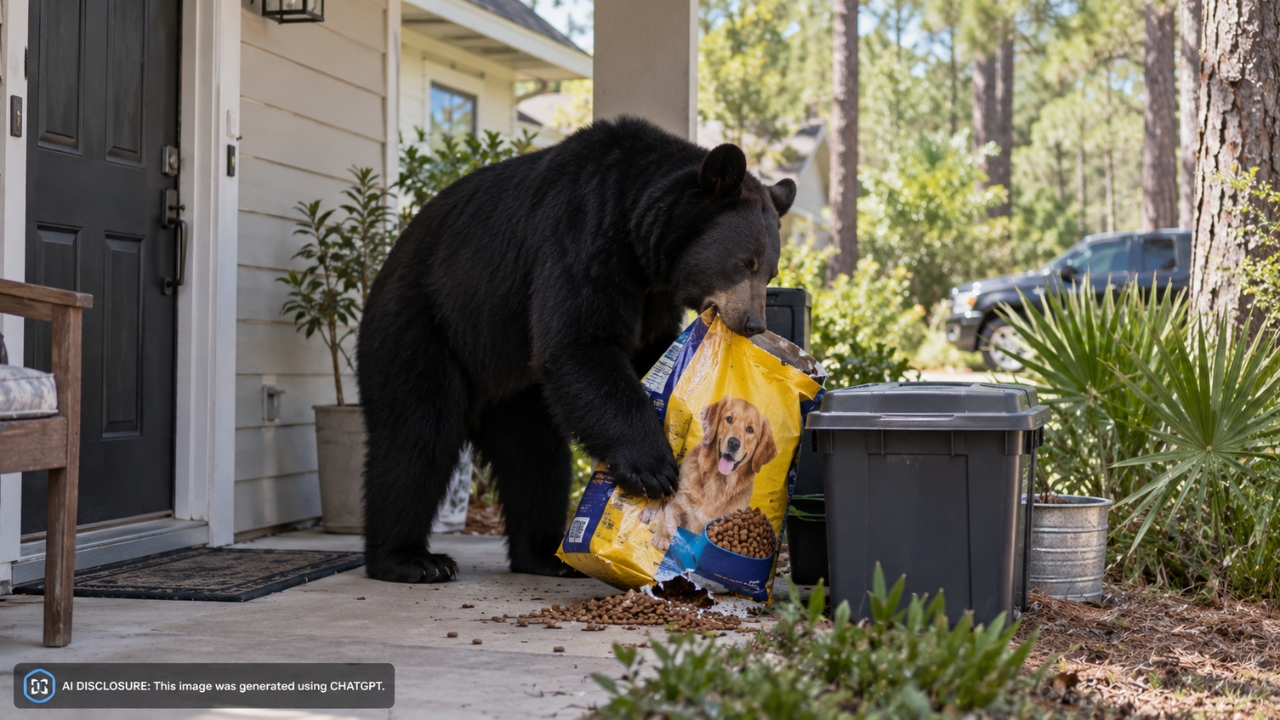
In parts of the Panhandle, bears don’t have to climb mountains to find calories, they just follow the scent trail through subdivisions built into pine and palmetto. A bag of dog food on a porch, a fish cleaning table, or a grill that never gets scraped can be enough. You’ll hear the racket at night, then find torn screen, scattered garbage, or a busted bird feeder.
Store pet food in a hard sided container indoors, not in a soft bag in the garage. After grilling, burn off residue for a few minutes, then scrape and empty the grease tray into a sealed container. Bird feeders are a big one, take them down when bears are active, even if you love the songbirds.
4. Georgia Northwoods Near WMA Land
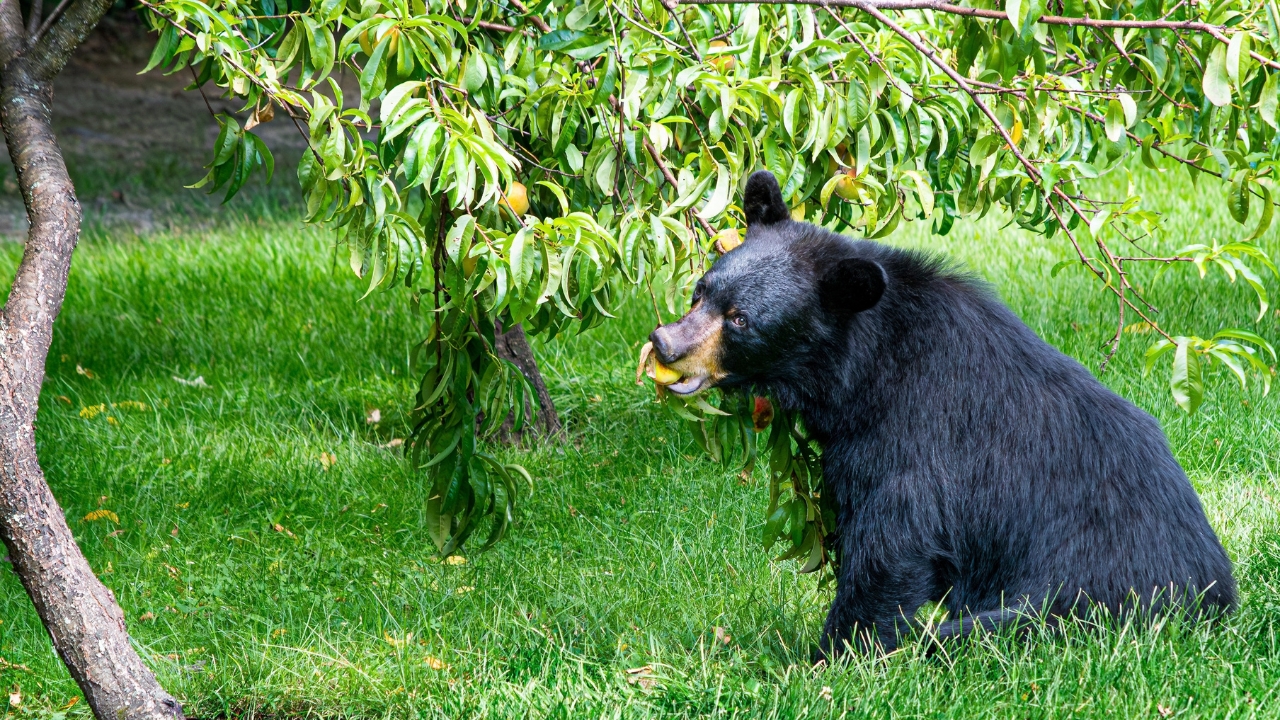
Up near the Blue Ridge, bears work the edge of wildlife management areas and private backyards like they’re connected rooms. People often try to “help them move on” by leaving snacks out deeper in the woods. That trains the bear to look for human food, just farther from the porch.
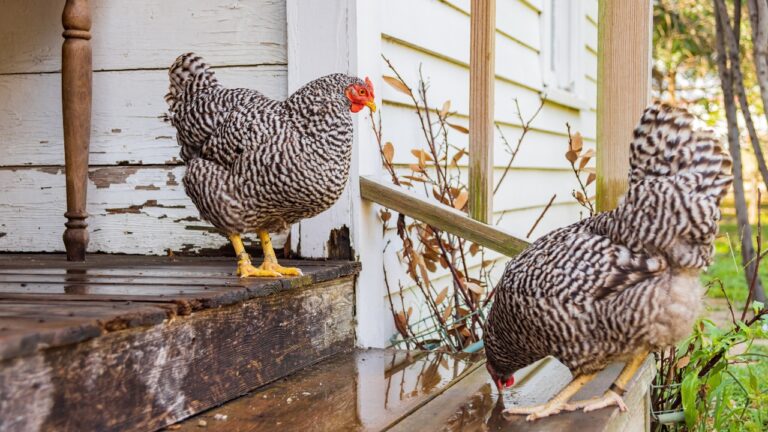
Cut the reward cycle. Clean up fallen fruit, lock trash, and don’t stash feed corn or deer attractant where a bear can find it. If you keep chickens, use a solid door and hardware cloth on vents, and latch it with something that can’t be flipped open with a paw.
5. Idaho Forested Valleys And River Towns
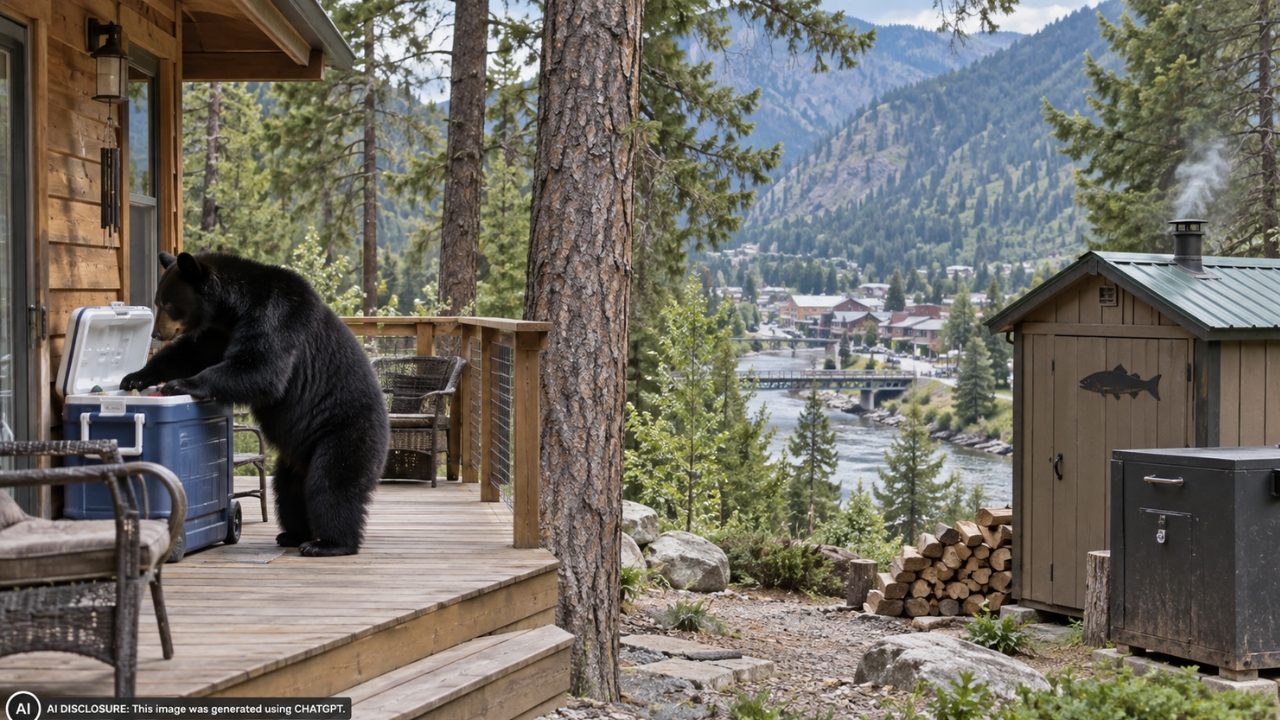
In Idaho, a lot of bear trouble is tied to outdoor freezers, coolers, and fish. A freezer in an uninsulated shed smells like food even if you can’t smell it, and a cooler left on a deck after a float trip is an easy score. Bears also figure out that smokehouses and drying racks mean protein.
Put freezers inside a locked building and add a real hasp and padlock if the door is light duty. Coolers should go back in the vehicle with windows up, or into a building with a solid door. If you dry or smoke food, do it where you can close it up at night, or use an electric fence setup that’s made for livestock and follow local rules.
6. Maine Lakes Region Camp Roads
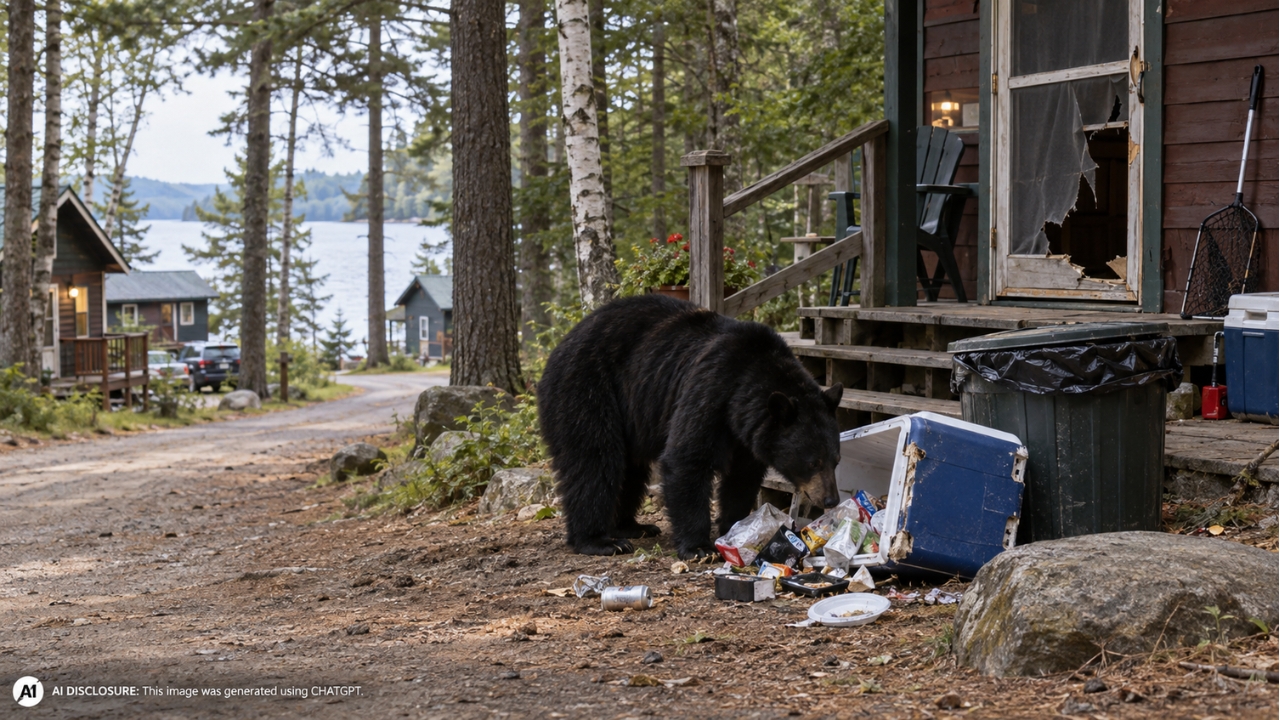
Near lakes and camp clusters, bears learn that one rental has trash outside, another has bait coolers, another has a fish carcass bucket. They bounce around until they hit pay dirt. The damage is often small but constant, chewed cooler corners, ripped screen doors, and trash spread into the woods.
Make trash boring: hard containers, tight lids, and no bags sitting loose on a porch. If you’re on a camp road with shared dumpsters, talk to the association about a bear resistant unit or a fenced enclosure with a latch. It costs, but it beats paying for cleanup and broken doors all season.
7. Michigan Northern Lower Peninsula Cabins
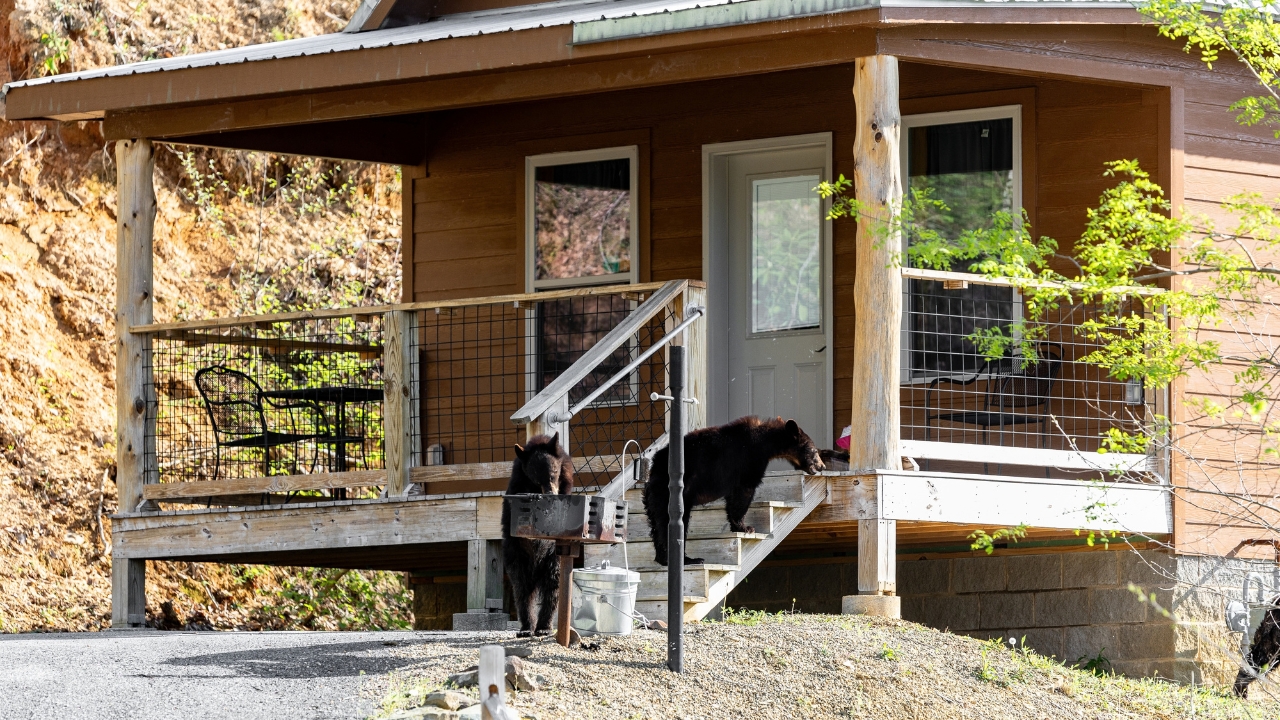
Cabins get hit because they sit quiet for days, then light up with food smells for a weekend. A bear that checks doors at 2 a.m. doesn’t care that you’re leaving Sunday. Once it learns a place is easy, it will keep trying, even if you “fixed it last time.”
Go beyond a basic doorknob. Add a deadbolt, reinforce the strike plate, and consider a simple door brace for when the place is empty. If you store scented items like cleaning supplies, candles, or bait, keep them in sealed totes inside, not in a tote on the porch that a bear can crush open.
8. Minnesota North Shore And Boundary Waters Edge
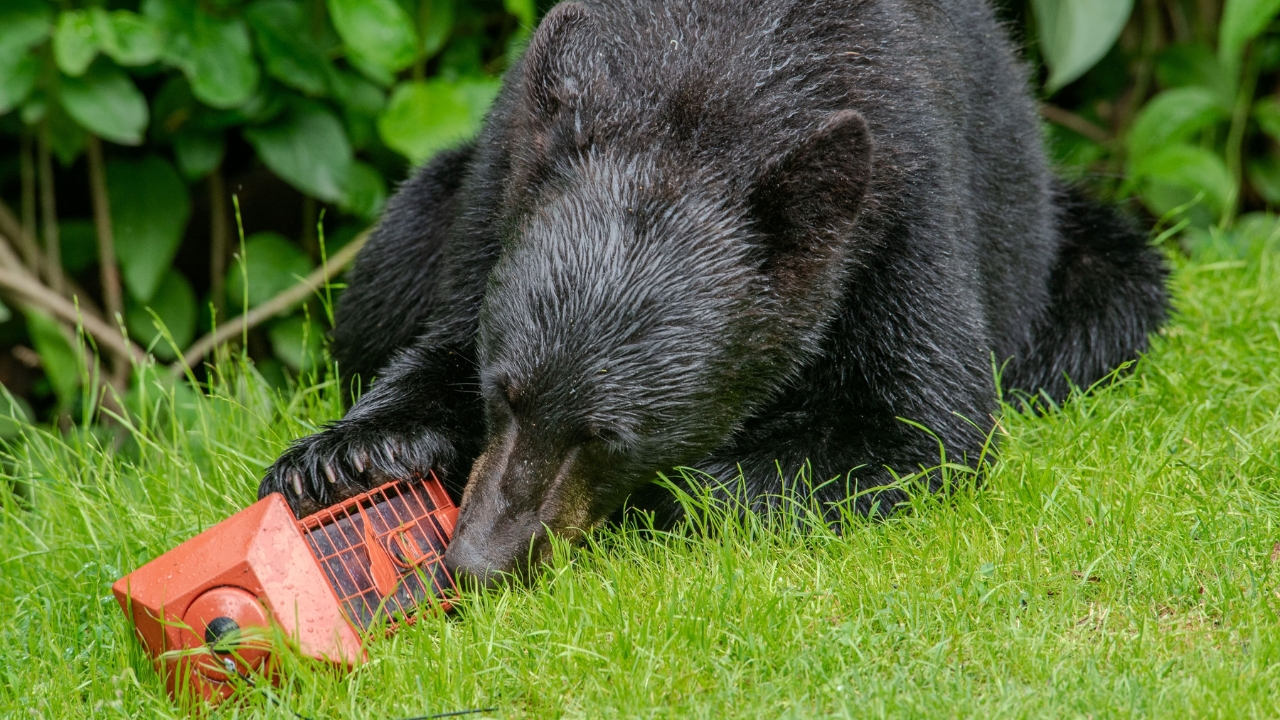
Up north, bird feeders are a bear magnet, and people fight that advice because winter feels long and you want wildlife in the yard. In some areas, a feeder is fine in the dead of winter when bears are denned and the ground is locked up. The trouble starts in spring when you forget it’s still hanging.
Take feeders down as soon as bears are active, and clean up spilled seed under the pole. If you insist on feeding birds, do it for short windows and bring feeders in at night, but be honest about whether you’ll keep up with that. A suet cage that gets ignored for a week is enough to bring a bear back.
9. Montana Mountain Towns With Open Garages
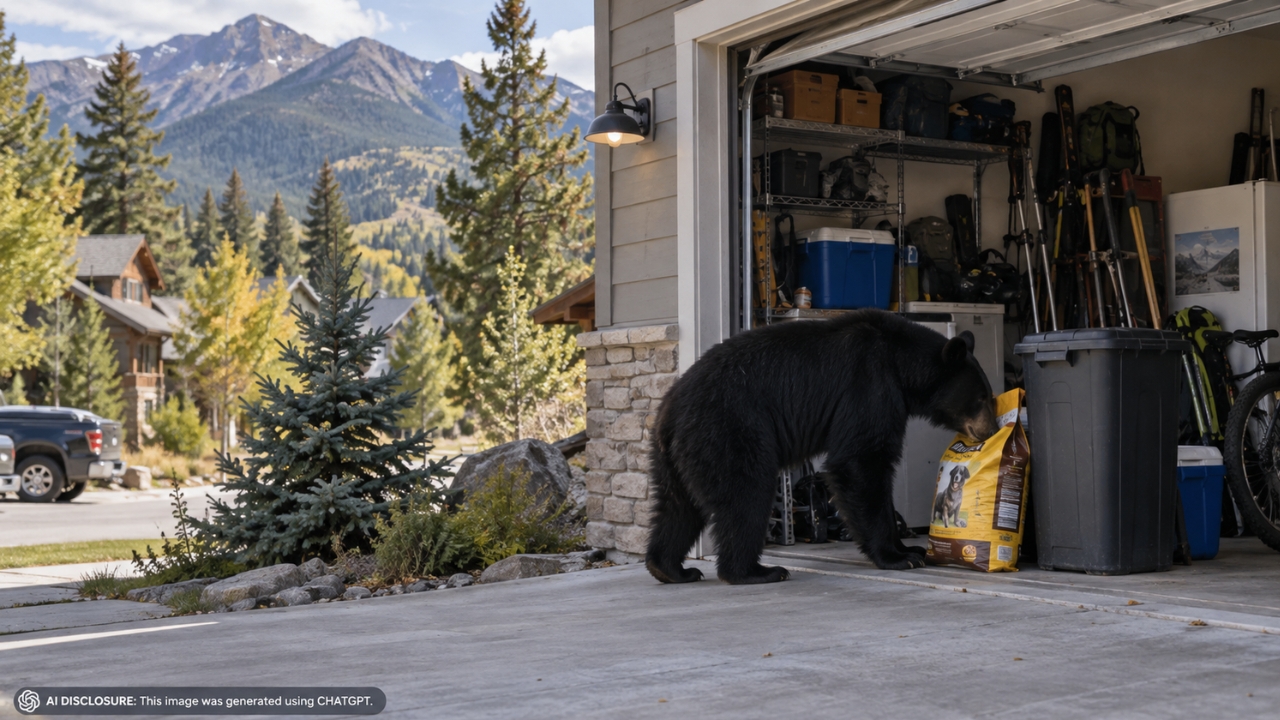
The open garage habit is a big deal in mountain towns. People unload groceries, work on gear, then head inside for “just a minute.” A bear can cover a driveway fast, and once it’s in the garage, it learns what doors, coolers, and fridges look like.
Change the routine: close the garage door every time you’re not in it, even during daylight. If your door doesn’t seal at the bottom, fix it, bears will nose under a gap if it smells like dog food. If you’re storing garbage in the garage, put it in a lidded can, not an open bag.
10. New Jersey Northwest Exurban Blocks
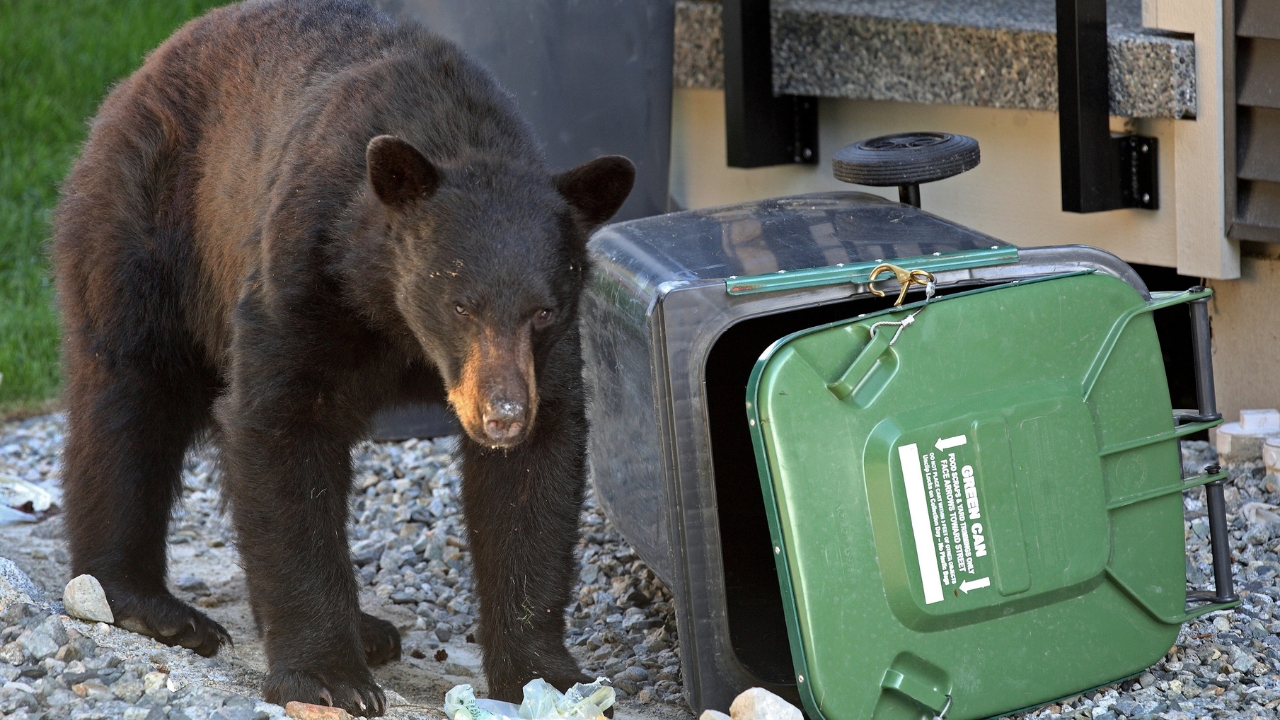
In dense neighborhoods near wooded corridors, bears move like raccoons with more muscle. They tip cans, pry lids, and get used to people yelling at them from the deck. The risk here isn’t just property damage, it’s close contact, especially with kids and dogs.
Keep trash secured and stop leaving pet bowls outside overnight. If you’ve got a small yard, fencing can help, but it has to be tight to the ground and maintained, a saggy gate is an open door. Report repeat problems to local wildlife officials, because some bears get bold enough that DIY deterrents won’t cut it.
11. New Mexico Mountain Villages In Drought
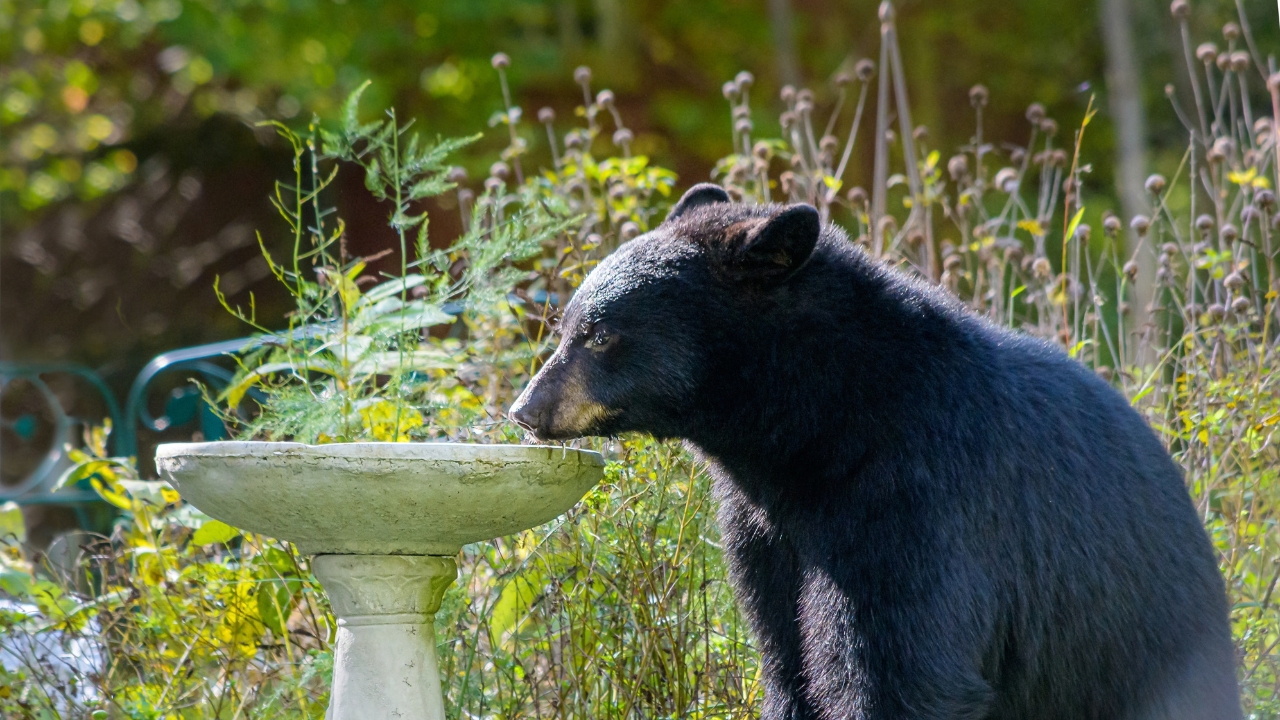
Drought changes everything. When natural food is scarce, bears drop lower and poke into patios, sheds, and even vehicles. People also put out water for “all the wildlife,” then wonder why a bear starts checking the yard every evening.
If you set out water for pets or livestock, keep it close to activity, near lights and where you can see it, not in a quiet corner by the tree line. Don’t leave fruit windfalls on the ground, pick them up daily during peak season. For compost, skip food scraps and keep the pile covered with leaves or finished compost to dampen odor.
12. New York Adirondack And Catskill Edges
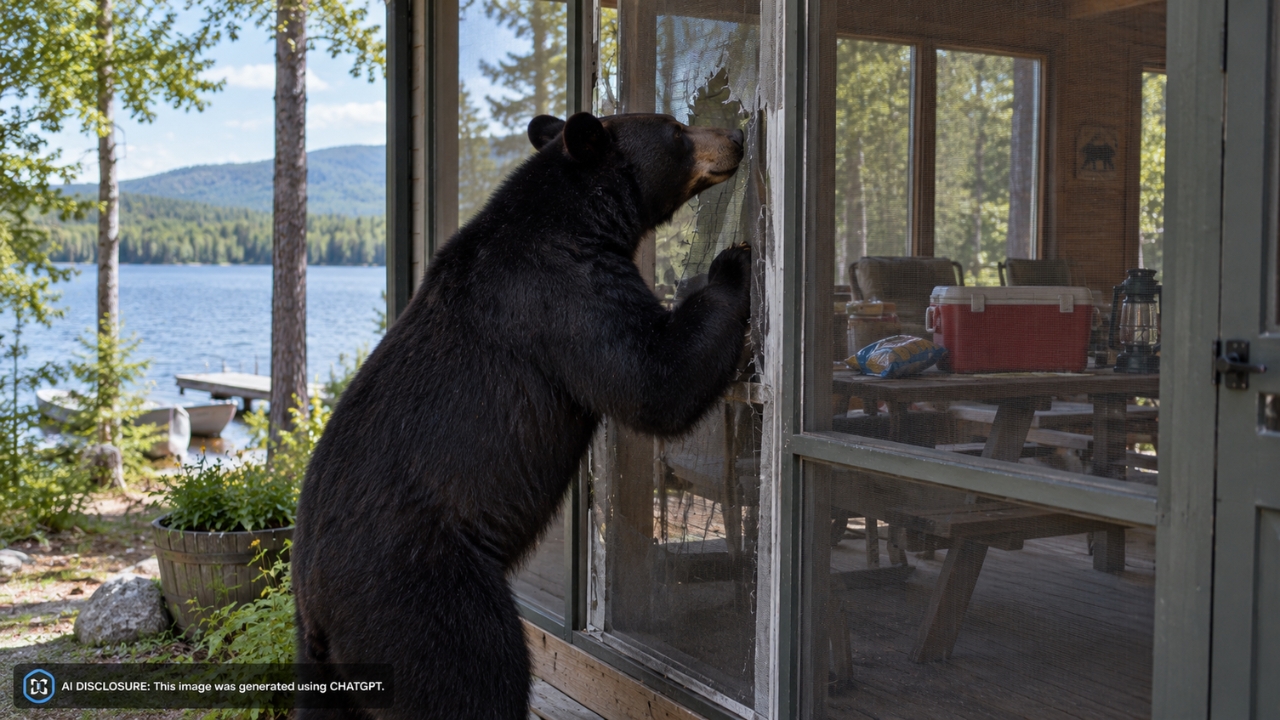
Old camp culture means coolers, bait, and unsecured trash, and bears have had years to learn the routine. They’ll go after screened porches, too, especially if there’s a cooler or a bag of chips on a picnic table. Once the screen is ripped, you’re paying for more than cleanup.
Upgrade screens where it matters. A basic screen door is for bugs, not bears, so don’t treat it like a security layer. Store all food inside a hard walled building, and if you’re in bear country, stop leaving “dry goods” out, bears will still crush a cooler for pancake mix.
13. North Carolina High Country Vacation Rentals
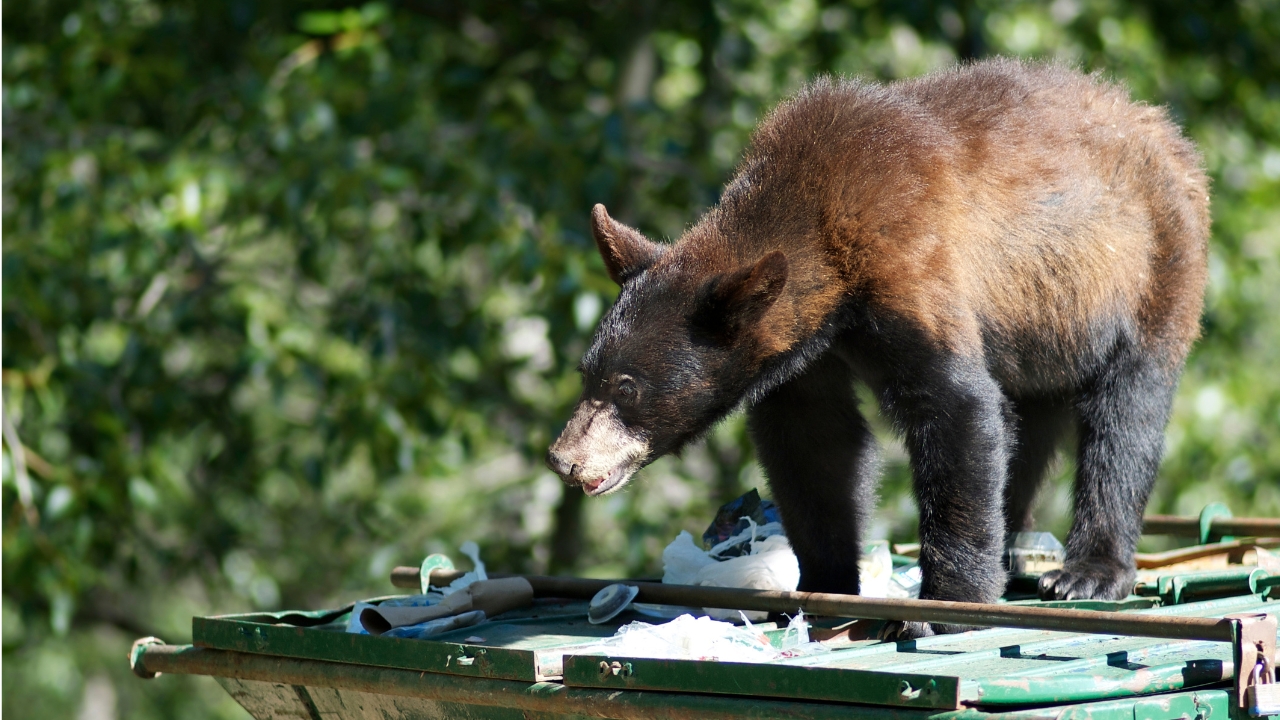
Short term rentals create a perfect storm: new guests every week, different habits, and nobody feels long term ownership of the trash situation. Bears learn which driveways have overflowing cans and which decks have bags of takeout. You end up with damaged railings, trashed bins, and scared guests.
If you manage a place, set it up for success. Put trash in a locked enclosure, add clear instructions for guests, and schedule mid week trash checks during peak season. If you’re just the neighbor, don’t ignore it, one sloppy rental can train bears that the whole road is worth checking.
14. Pennsylvania Laurel Highlands And Poconos
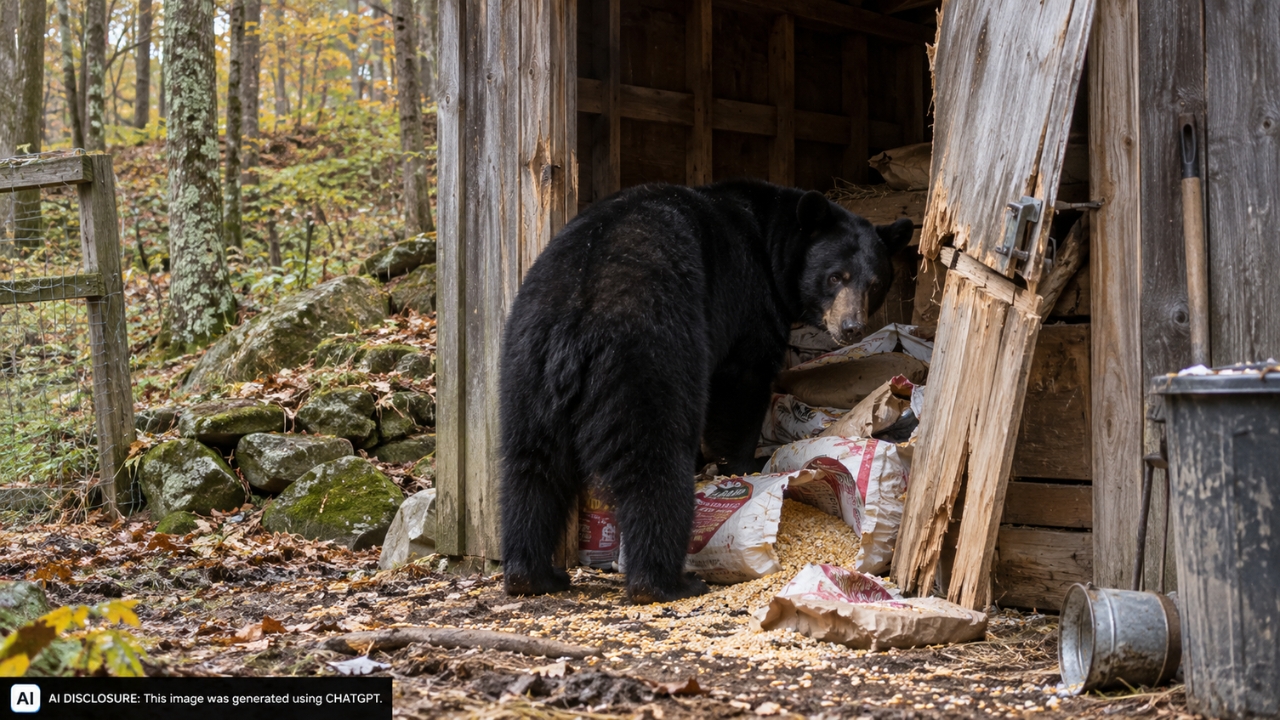
People focus on trash, but livestock feed is the sleeper issue. A bear that finds a bag of sweet feed in a shed will come back until it’s empty, and it will work the door like a burglar. Damage can stack up, busted hinges, shredded sacks, and a mess that draws rodents.
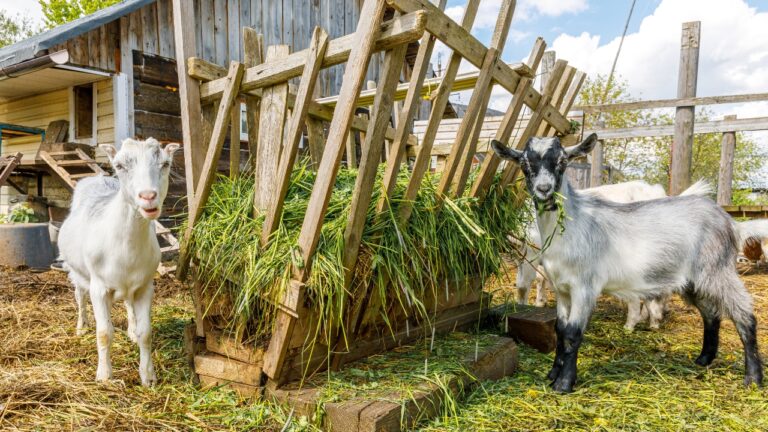
Store feed in metal cans with tight lids, or in a locking cabinet, not in paper bags on the floor. If your shed door is a thin panel door, replace it with a solid exterior door and real hardware. If you keep bees, talk with local beekeepers about electric fencing, it’s often cheaper than replacing equipment.
15. Tennessee Smoky Foothills Tourist Corridors
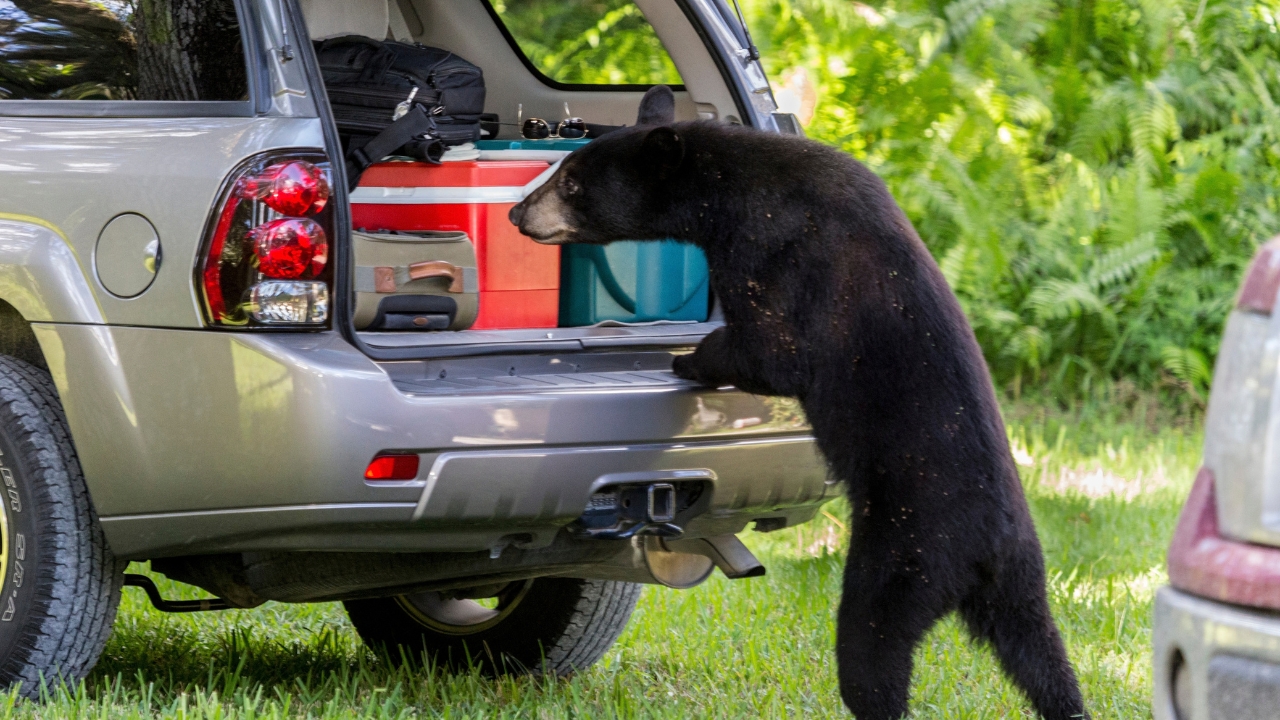
In tourist corridors, bears get conditioned to humans fast. Folks toss snacks from car windows or leave food in parked vehicles, then a bear starts testing doors in driveways. A bear that has learned cars equal food can peel door frames and ruin weather stripping in minutes.
Never store food in vehicles overnight if you’re in active bear areas, and don’t leave wrappers, drink cans, or coolers inside “just until morning.” If you hear a bear outside, don’t go out to chase it off, turn on lights, make noise from inside, and call local authorities if it won’t leave. A smashed car door costs a lot more than a bear resistant can.
Once bears start winning easy calories, the fixes are mostly about removing the reward, not outsmarting the animal. Tighten up food storage, treat garages and sheds like real security points, and get your neighbors on the same page where you can. You’ll still see bears, but you’ll see fewer torn up mornings.
Like Fix It Homestead’s content? Be sure to follow us.