10 Reasons Grass Dies in the Same Spot Every Year
Photo credit: Engin Akyurt/Pexels.com
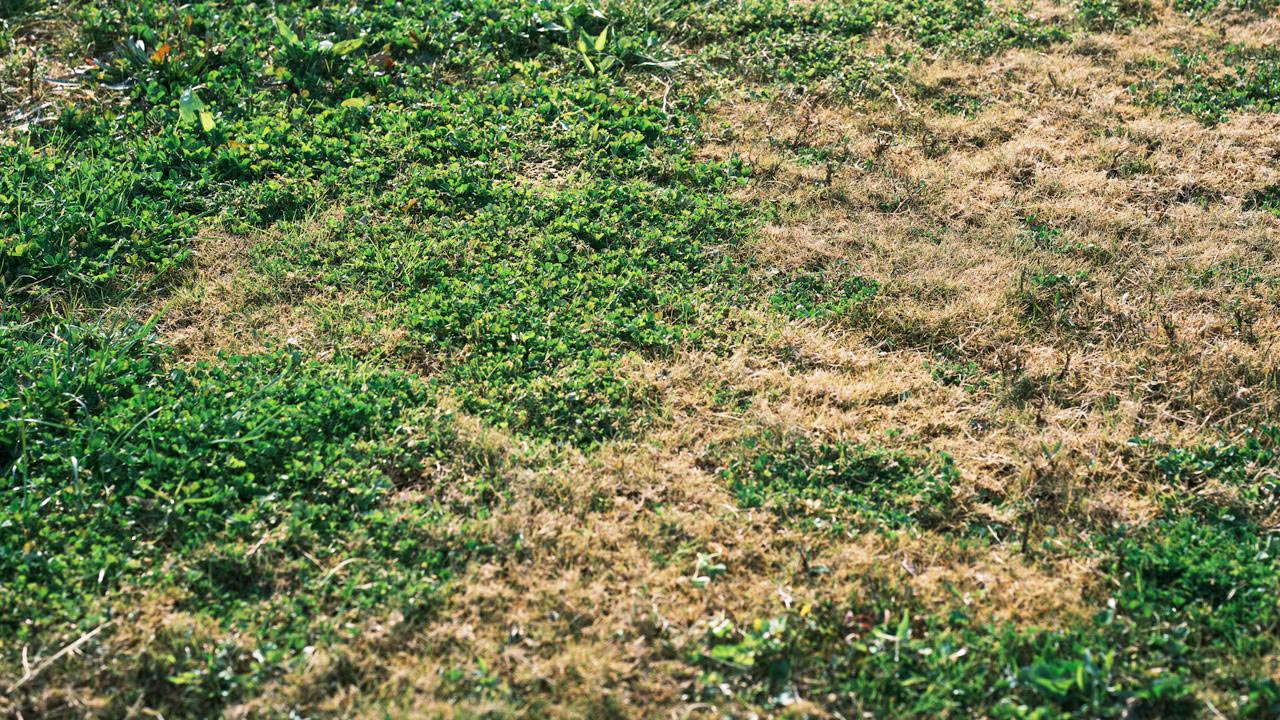
You baby the lawn all spring, and then one patch turns straw-brown like somebody hit it with a torch. You rake, you seed, it comes back, and then next year the exact same spot dies again. When grass fails in a repeat pattern, something is happening there, not “the weather.”
1. Buried Construction Debris Under The Turf
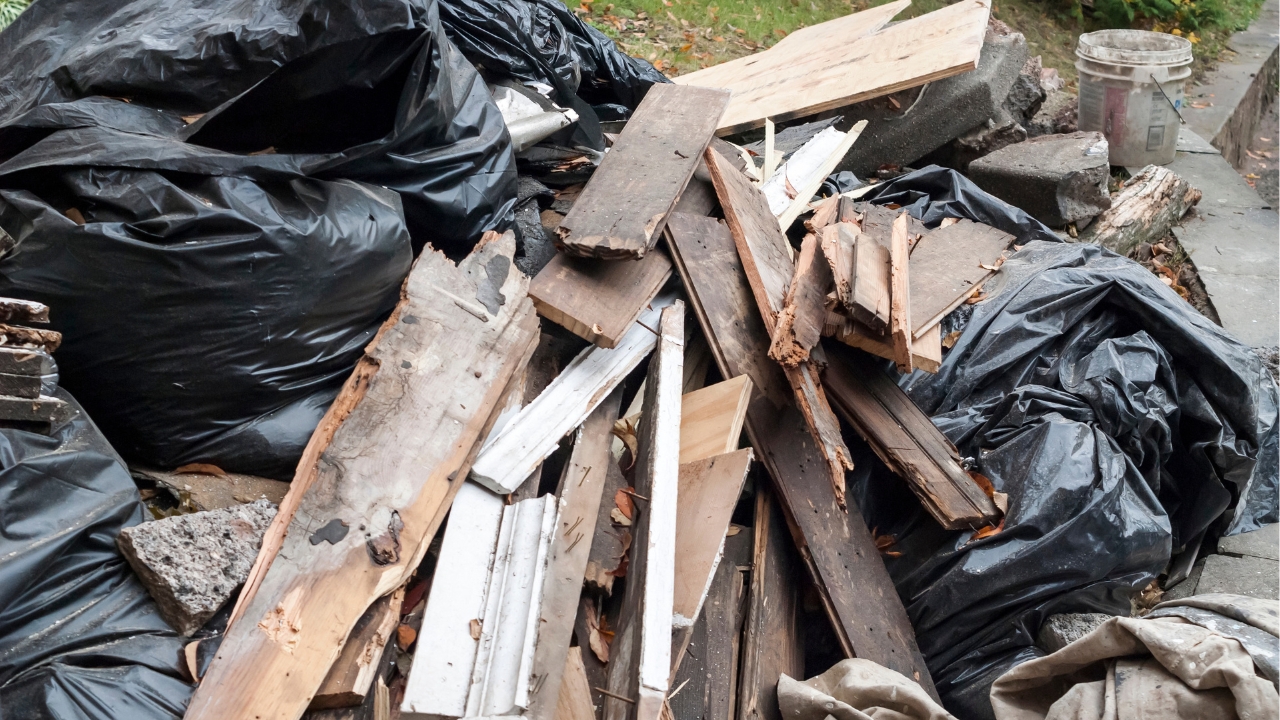
That perfect circle or rectangle that bakes out every summer often sits over rubble, old bricks, chunks of concrete, or a sheet of plastic left from construction. The soil above it stays shallow, drains weird, and heats up fast. Grass roots hit the junk and quit.
Dig a small test hole at the edge of the dead area with a flat spade. If you hit hard fill a few inches down, you’ve found the problem. The real fix is removing the debris and bringing in decent topsoil, which is a half-day job for a small patch and a bigger project for a wide area.
2. Pet Urine Concentrated In One Route
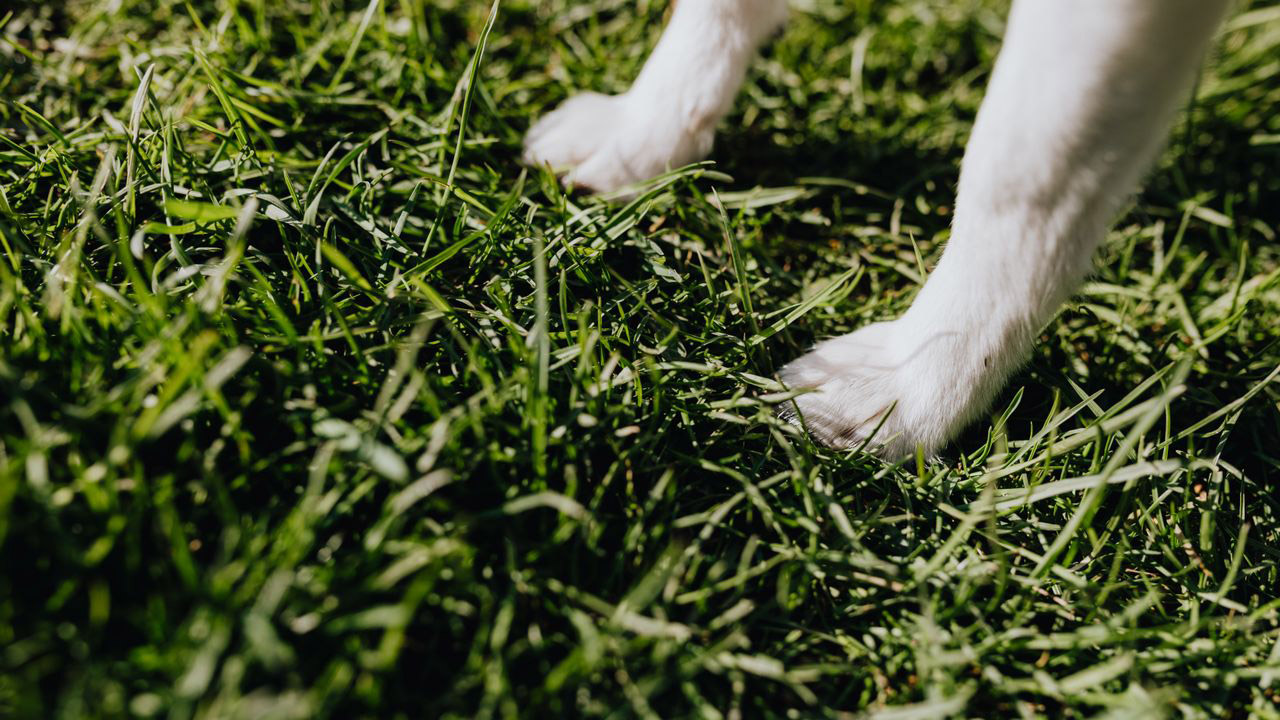
Dogs don’t spread the damage evenly. They pick a corner, a post, or a run along the fence, and the nitrogen salts burn the same turf over and over. You’ll often see a dead center with a darker green ring around it.
Flush the spot with a hose right after the dog goes if you can, especially during hot dry stretches. If the dog always goes in the same place, set up a mulch or gravel potty strip and train for it. Reseeding without changing the habit just buys you a few weeks of green.
3. Mower Scalping On A Repeat Turn
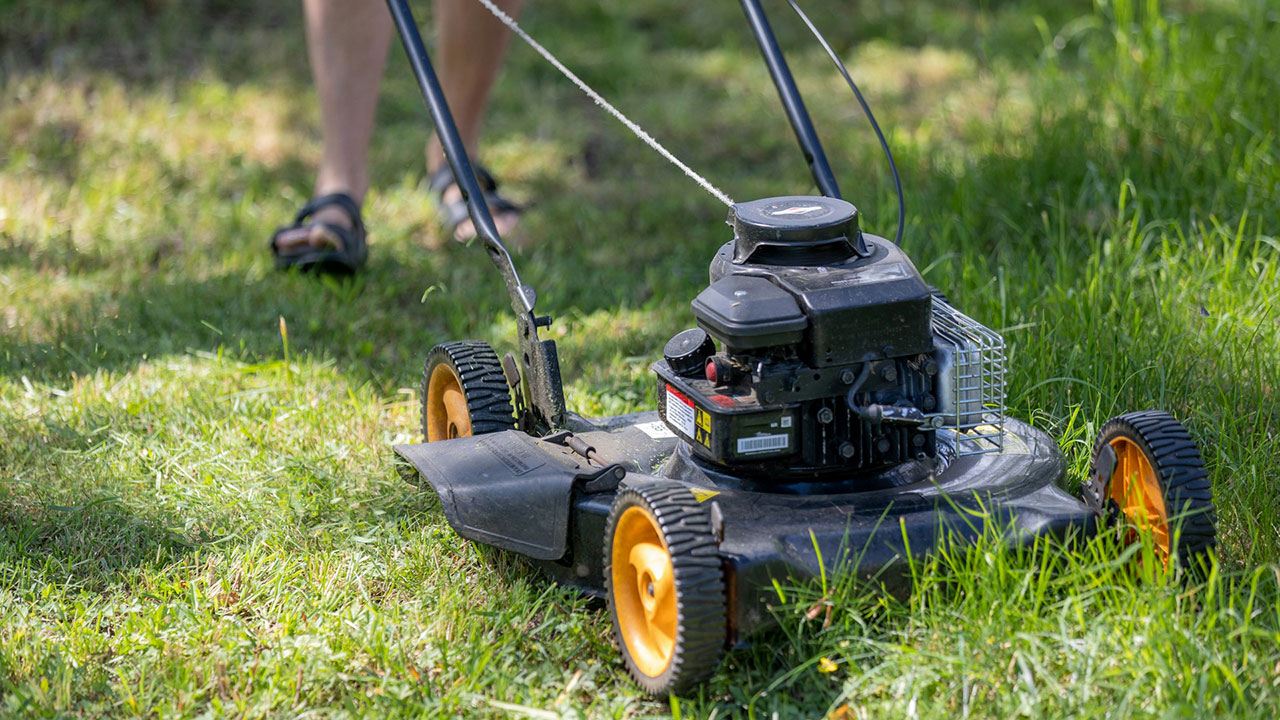
The dead spot might not be a soil problem at all. If it’s right where you turn the mower, pivot a zero-turn, or whip around a tree, the blades get shaved down too short. The crown of the grass gets nicked, the soil shows, and summer heat finishes it off.
Raise the deck one notch and stop making tight turns on the same line. Make a wider loop, or back up to reposition instead of spinning the drive wheels. If the area is on a slope, mow across it, not up and down, so the deck doesn’t gouge.
4. Sprinkler Coverage Missing That Slice
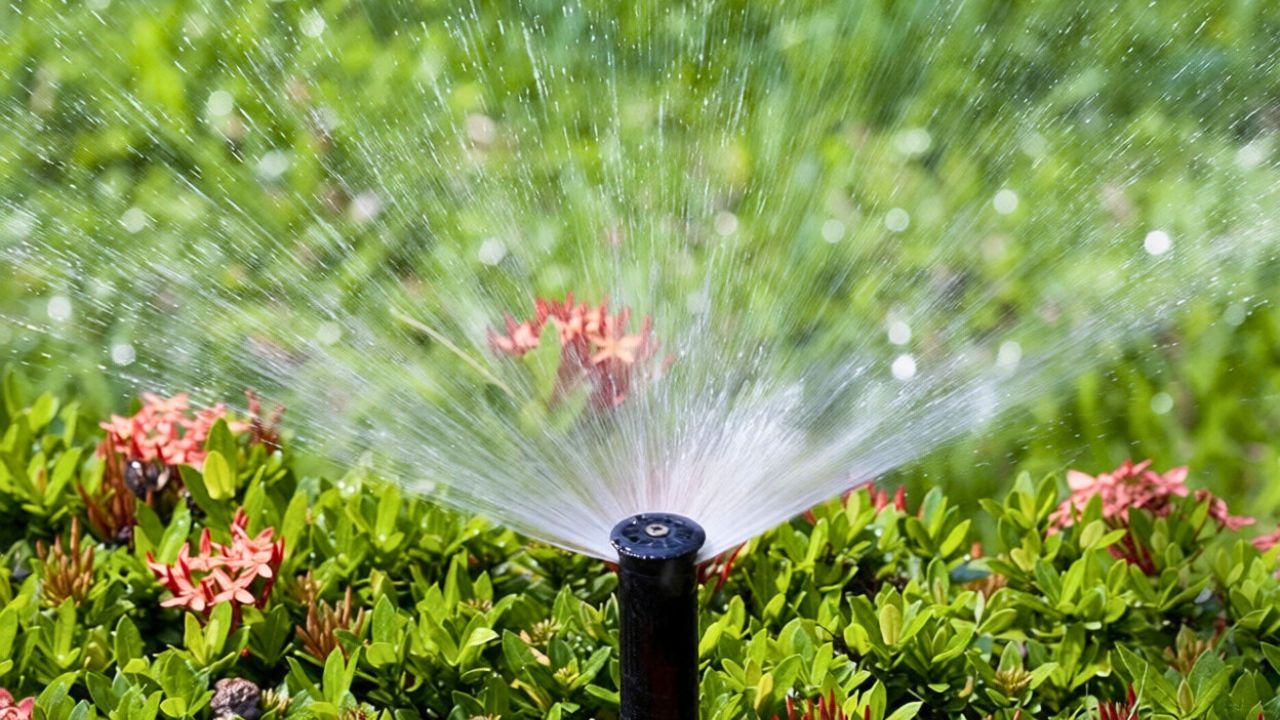
In June it looks fine, then one wedge starts fading first. That’s often a dry pocket caused by a head that’s clogged, tilted, or blocked by taller plants. Even a slight change, like a shrub filling out, can create a “shadow” that repeats every year.
Put out a few shallow cans or tuna tins during a normal watering cycle and see what actually lands in that spot. Clean the nozzle, straighten the head, and adjust the arc. If you’re on a well, check pressure too, low pressure makes coverage lie to you.
5. Heavy Foot Traffic Packing The Soil

Grass hates being a hallway. A path from the driveway to the gate, from the patio to the grill, or from the shed to the garden gets walked into hardpan. Compacted soil holds less air and water, and roots stay short and weak.
Core aerate in fall or spring when the soil is moist enough to pull plugs, not dust. For a small problem area, a manual plug aerator or even a digging fork works if you’re willing to sweat. Then topdress with a thin layer of compost and reseed, and consider a stepping-stone path if people will keep cutting through.
6. Winter Salt Or Deicer Runoff From Pavement
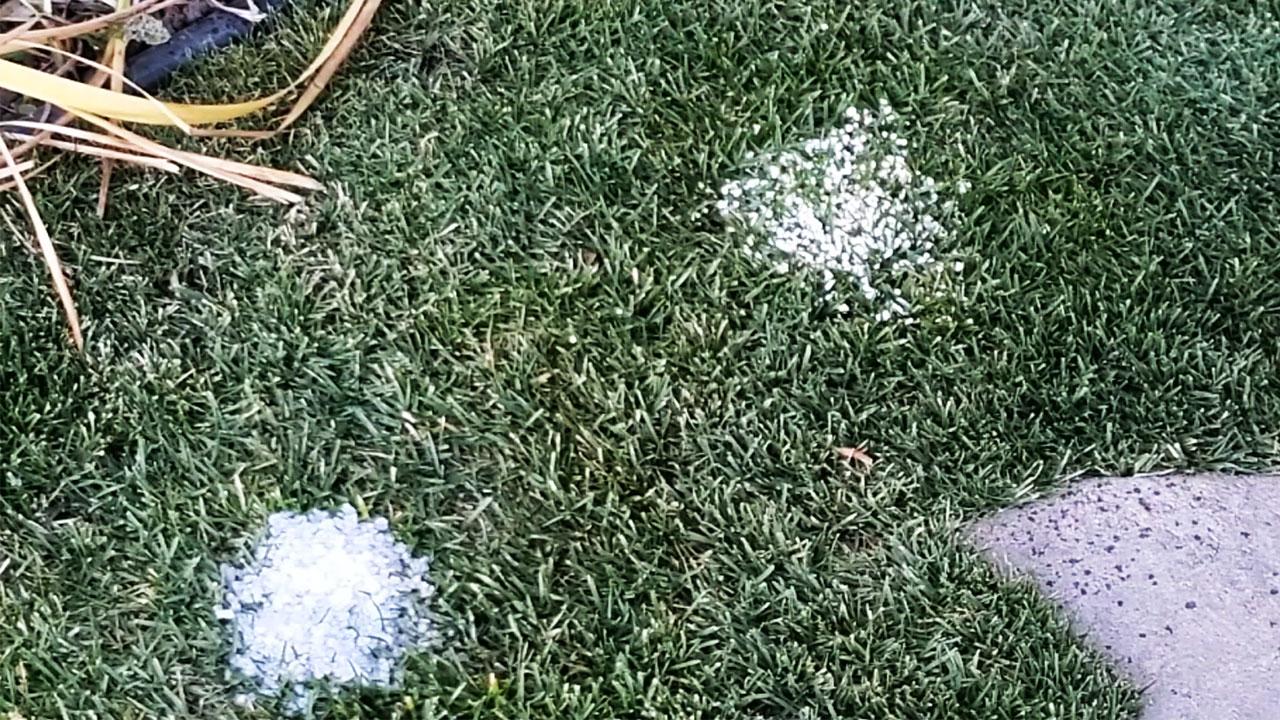
If the dead area hugs a driveway edge, sidewalk seam, or the bottom of porch steps, look at what happens in February. Salt-laced meltwater runs downhill and soaks the same strip. The grass doesn’t always die right then, it limps along until summer stress hits.
Switch to sand for traction where you can, and use deicer only where ice is a real fall risk. In spring, deep-water the edge to leach salts down, and rake out crusty white residue. If the spot is always hit, widen the border with stone or a tough groundcover that can take the abuse.
7. Tree Roots Stealing Water And Space
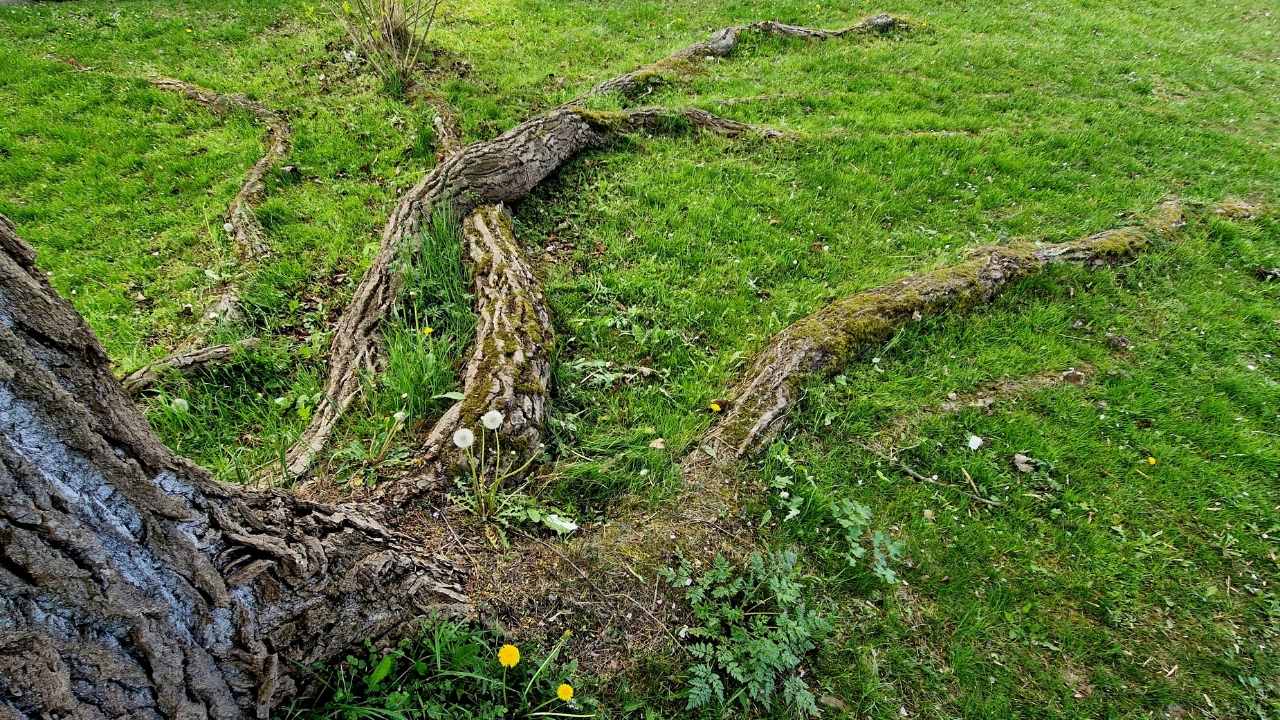
Under a mature maple, oak, or spruce, grass is competing with a pump. The tree grabs water first, the soil is full of roots, and shade limits how much grass can photosynthesize. You can throw seed at it all day and it still fades in the same place every July.
The common advice is “just add topsoil,” but burying surface roots can harm the tree and still won’t give grass the deep soil it wants. The cheap option is often the right one here: stop fighting and make a mulch ring, extend a shade bed, or use a shade-tolerant groundcover. Keep mulch a few inches back from the trunk and don’t pile it like a volcano.
8. Lawn Fungus Returning With Humid Nights
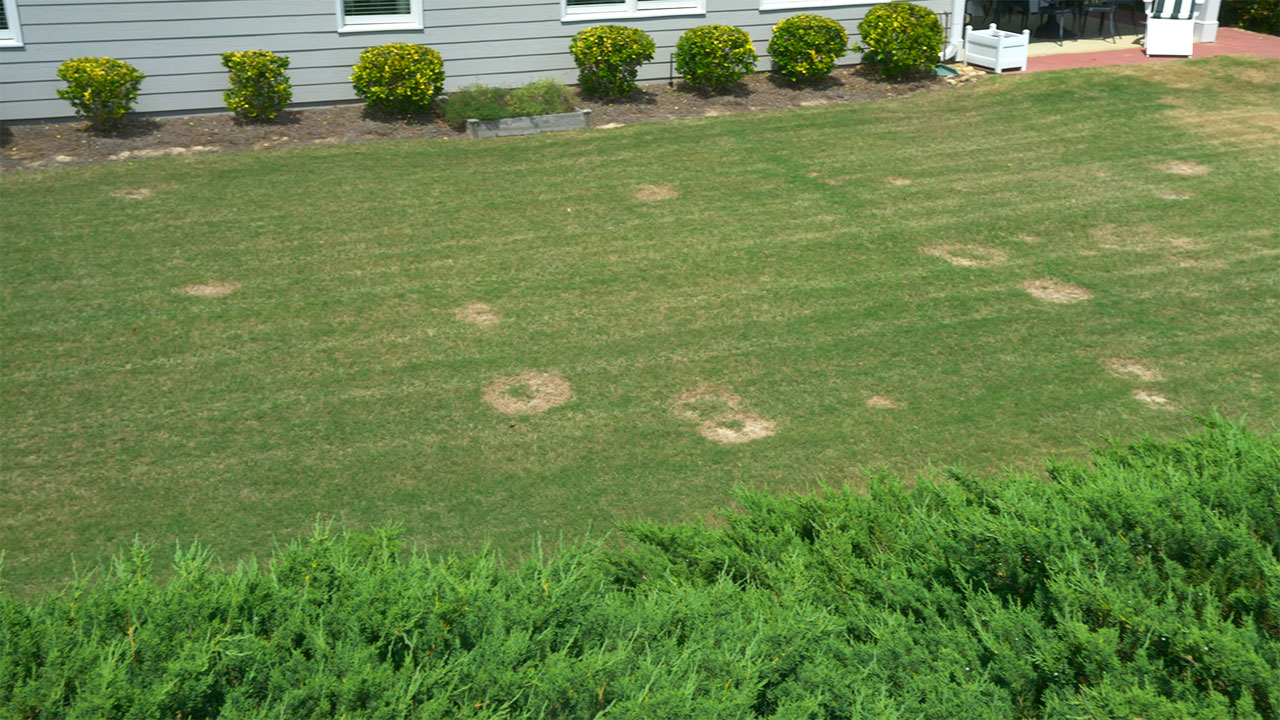
Some patches die in a rough circle and come back in the same warm, muggy window every year. That can be a fungus like brown patch or dollar spot, especially if the area stays damp from shade, poor airflow, or evening watering. It can look like drought stress until you get close and see the leaf blades have spots or a smoky edge.
Change the conditions before buying chemicals. Water early morning, not at night, mow with a sharp blade, and bag clippings for a couple cuts if the disease is active. If you keep getting it and the patch is spreading, a local extension office can help ID it, and a targeted fungicide is sometimes worth the money if you follow the label exactly.
9. Grubs Or Other Root Feeders Below
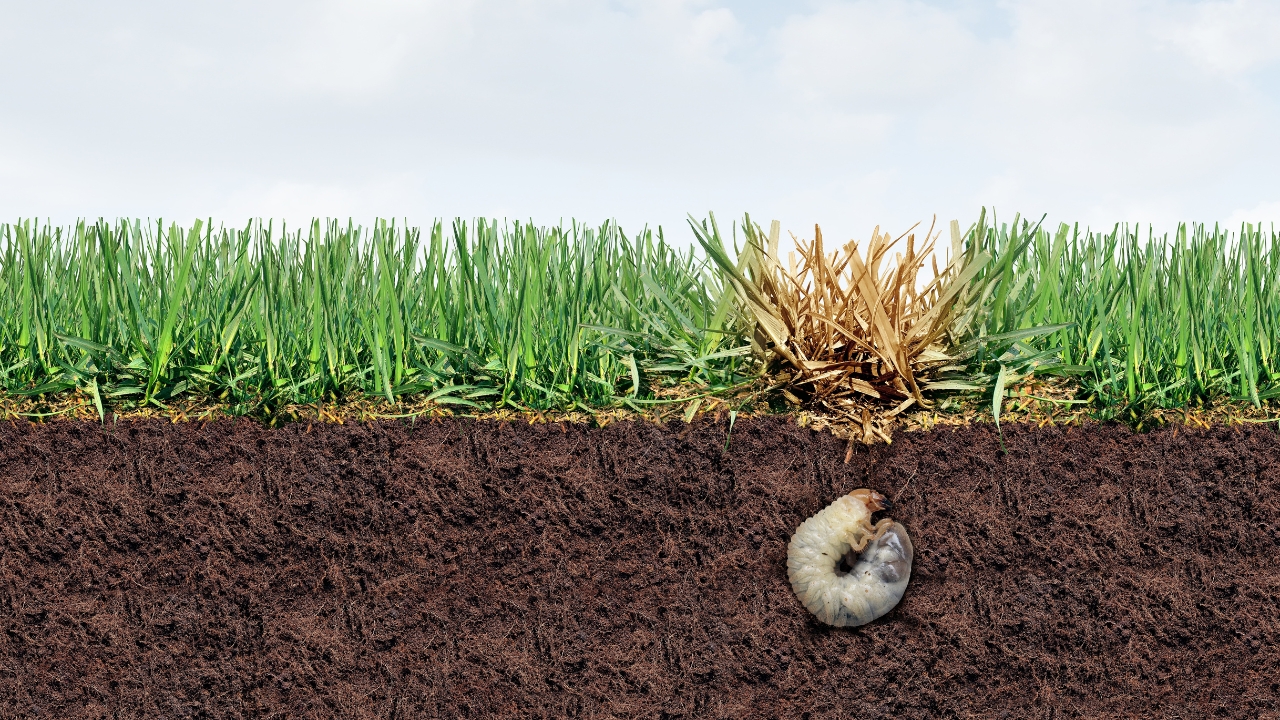
Does the dead turf peel up like old carpet in late summer? That’s a classic sign something ate the roots. Grubs tend to show up in the same zones because adult beetles lay eggs in similar conditions year after year, often in sunny irrigated grass.
Cut a square of sod at the edge and look in the top couple inches of soil for C-shaped larvae. If you find a bunch, treatment timing matters, and that’s where people waste cash. Preventive products work earlier in the season, while curative options are for late summer, so read labels carefully or ask your county extension what’s effective in your area.
10. Shallow Soil Over A Buried Utility Trench
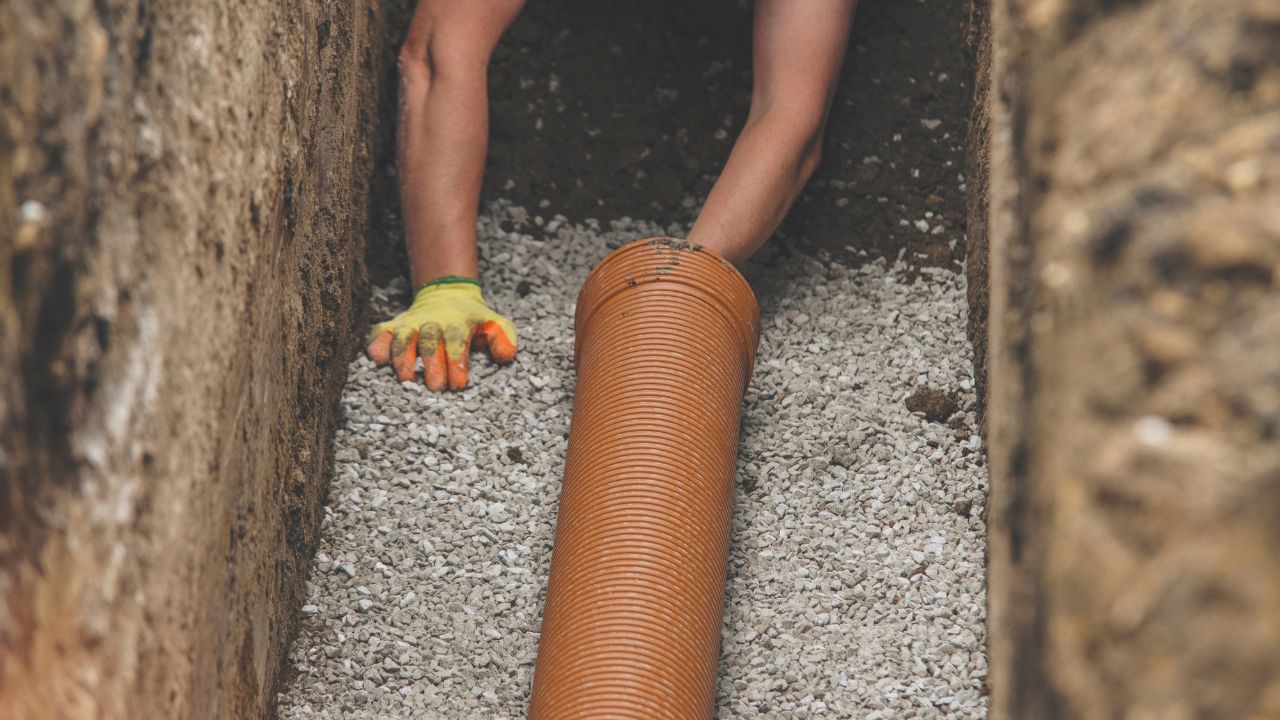
A long, straight dead stripe is a clue. Utility trenches, French drains, old irrigation lines, and even a past septic repair can leave backfilled soil that settles, compacts, and dries out fast. The fill might be mostly clay, or it might have rocks that never should’ve gone back in.
Before you dig, call for utility locates and respect the marks, even for “just a little” landscaping. The fix is usually adding good soil and regrading so water doesn’t run off the line, then reseeding. If the trench keeps sinking, it may need to be opened and packed properly, and that can be a job for a pro if it crosses services or a driveway.
Once you figure out what’s unique about that spot, the fix gets a lot less mysterious. Do a small test first, a shovel probe, a sprinkler check, a soil poke, before you buy seed again. Grass is stubborn, but patterns are louder than opinions.
Like Fix It Homestead’s content? Be sure to follow us.
- Man Says He Found Out the Fence He Paid For Wasn’t Actually on His Property
- Woman Says Her Neighbor Started Taking Mulch From Her Delivery Pile Before She Could Even Spread It
- I made Joanna Gaines’s Friendsgiving casserole and here is what I would keep
- What Caliber Works Best for Groundhogs, Armadillos, and Other Digging Pests?