10 Tools Worth Keeping in the Truck All Winter
Photo credit: Fix It Homestead
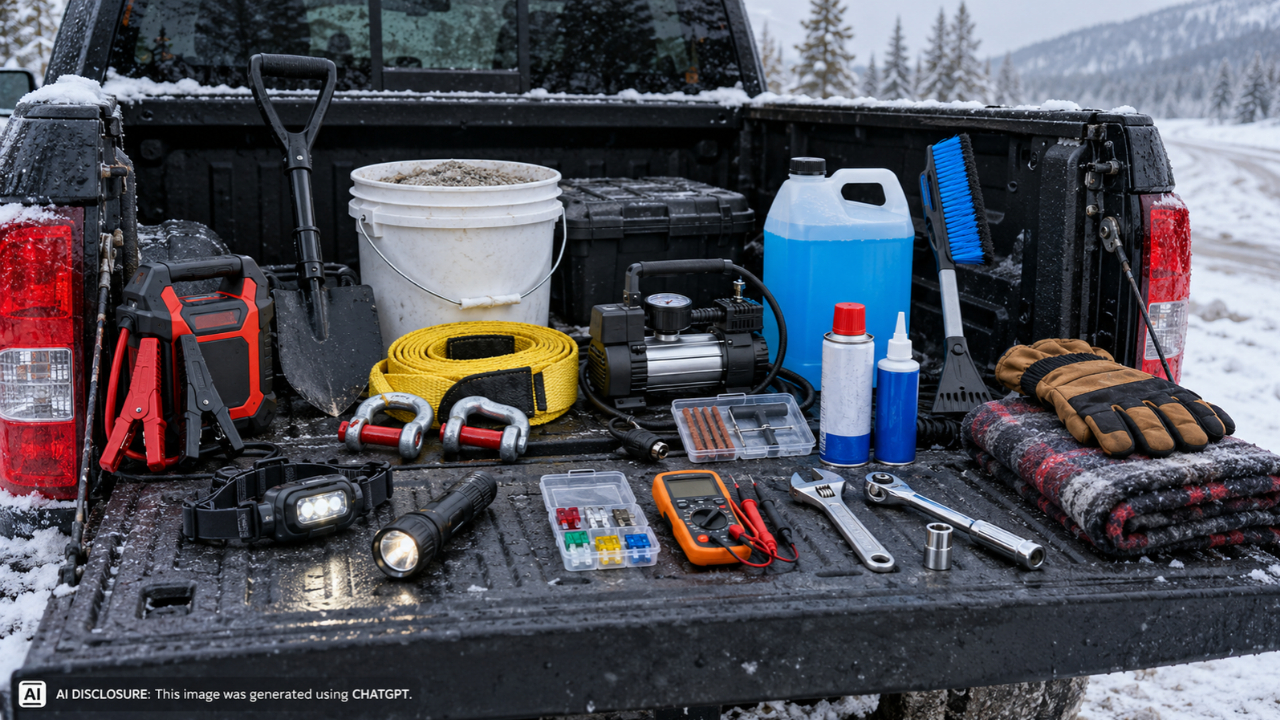
Winter turns a normal errand into a problem fast. A weak battery, a frozen latch, or a slide into a snowbank can strand you miles from a warm shop. Keeping a few real tools in the truck saves time, saves money, and keeps small troubles from turning into tow bills.
1. Compact Jumper Pack With Cables
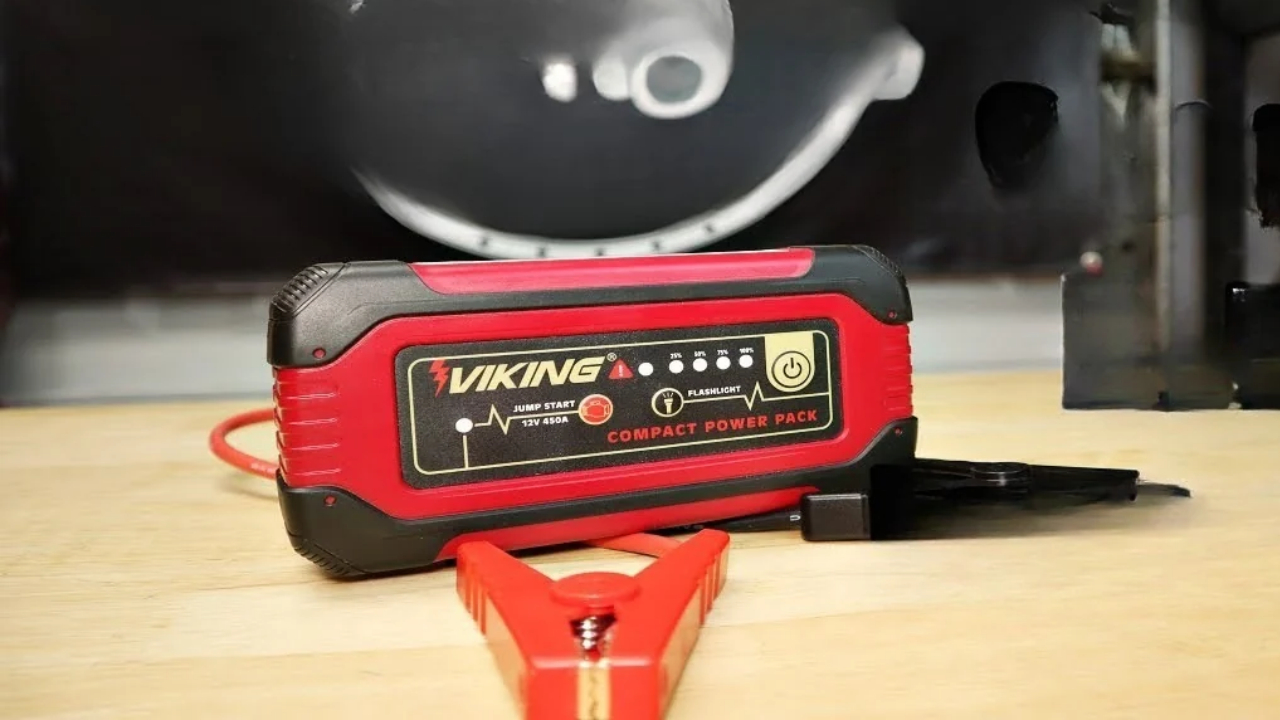
A cold snap finds every tired battery. You stop for fuel, come back out, and the starter just clicks, or the dash lights dim and flicker. A compact lithium jump pack gets you moving without waiting for a stranger or digging out traditional booster cables in slush.
Keep it charged and tucked where it stays above freezing if you can, like behind the seat instead of the bed toolbox. Check it every month, because a dead jump pack is just extra weight. If you already carry heavy-duty booster cables and drive where other vehicles are always nearby, cables alone can be fine, but the pack is what saves you when nobody’s around.
2. Folding Shovel And Traction Grit
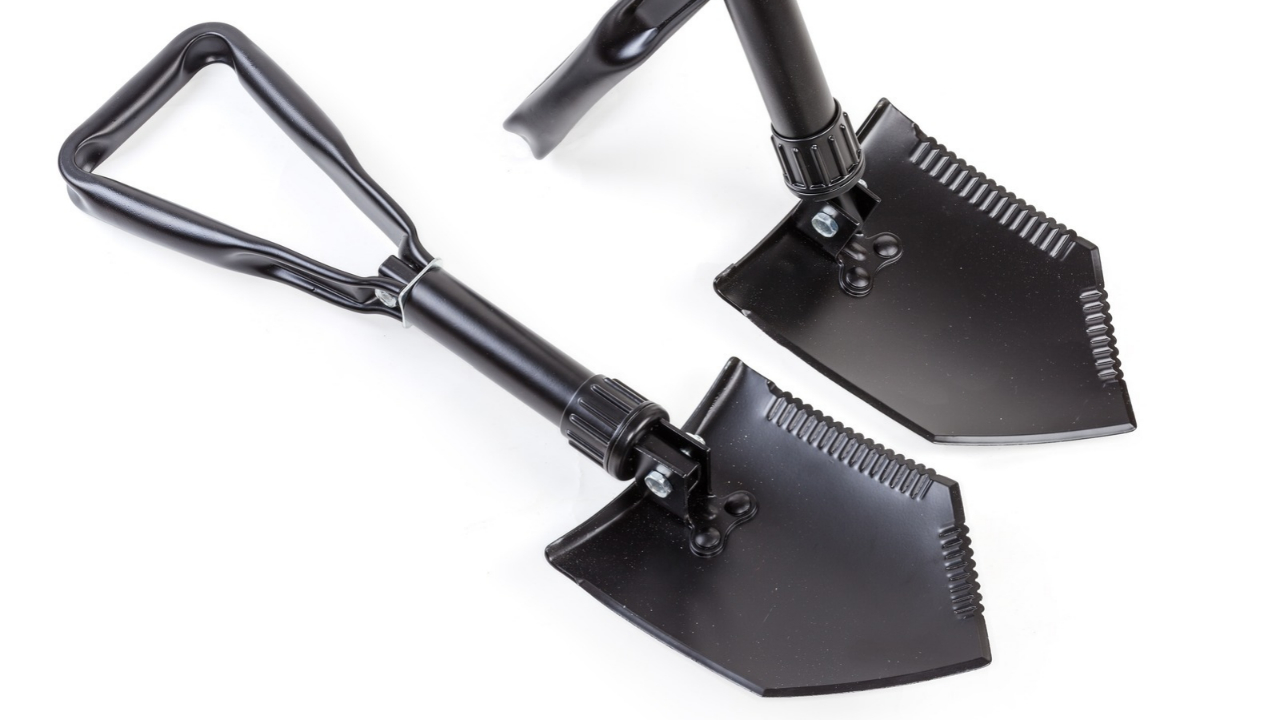
Spinning tires polish snow into ice. Once that happens, you can floor it all day and just dig deeper, especially with all-season tires. A folding shovel lets you clear packed snow from in front of the tires and from under the axle where it’s high-centered.
Pair it with a bucket of traction grit, not just sand that turns to a frozen brick. Non-clumping kitty litter works well, and a small bag of driveway traction mix is even better. Sprinkle it where the tire will roll, then ease out, no drama.
3. Tow Strap Rated For Your Truck

The cheap rope in the back is how bumpers get torn off. In winter, you get stuck in dumb places, the shoulder, a rutted lane, a slick hay field entrance. A proper tow strap gives you a controlled pull without the snap and recoil that comes from bad gear.
Look for a recovery strap with a clear weight rating and reinforced loops, and keep a pair of rated shackles if your truck has proper recovery points. Skip tying onto a ball hitch, it can shear off. If you don’t have solid tow points, get them installed or call for a tow, because guessing in the cold gets expensive fast.
4. Headlamp Plus A Backup Flashlight
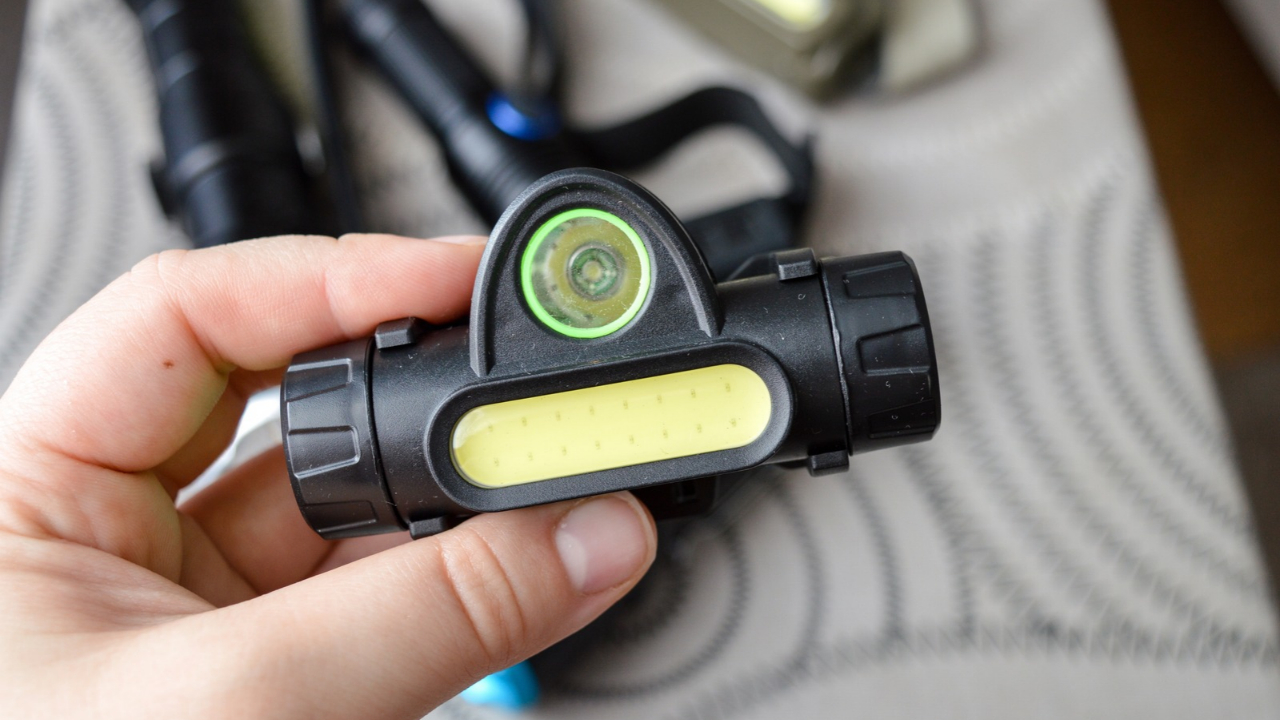
Winter breakdowns happen at 5:15 p.m., not at noon. A headlamp keeps both hands free while you swap a wiper, hook a strap, or dig out a tailpipe that’s packed with snow. The light goes where you look, and that matters when the wind is stealing your heat.
Still carry a small handheld flashlight as a backup. Headlamp straps break, batteries die, and dropping a light into a snowbank is a real thing. Keep spare batteries in a zip bag, and avoid leaving alkalines loose where they can short against tools.
5. Small Air Compressor And Tire Plug Kit

A slow leak in January is different than a slow leak in July. Tire pressure drops with the temperature, and that marginal tire that held air all fall can go flat overnight. A 12-volt compressor lets you air up enough to get to a real repair without shredding a sidewall.
Add a basic plug kit for tread punctures, the kind that uses sticky rope plugs. Don’t plug sidewalls, and don’t treat plugs as a forever fix on a daily driver. Get the tire patched properly from the inside when you can, but a plug can keep you from changing a tire on a sloped, icy shoulder.
6. Windshield Washer Fluid And Ice Scraper

Road slush is filthy, and the sun sits low all winter. If your washer tank runs dry, the windshield turns into a smear that you can’t see through, especially when oncoming headlights hit it. Carry a jug of winter-rated washer fluid and top off before it’s empty.
Get a real scraper with a stiff blade, not a gas station giveaway. A brush that actually reaches across the windshield saves time and keeps you from driving with a peephole. Skip hot water on the glass, it can crack a cold windshield.
7. Adjustable Wrench And Proper Socket

Some problems don’t need a full tool chest. A single adjustable wrench and the correct socket for your battery terminals can fix a surprising number of winter failures, loose terminals, a wiggling alternator bracket, a hose clamp that backed off. The goal is to tighten the one thing that’s stopping you from getting home.
Buy the right size socket and keep it dedicated to the truck. Battery terminals are often 10mm or 13mm, but don’t guess, check your vehicle once and label the socket with paint marker. Toss in a short ratchet or driver so you’re not fighting frozen fingers with an adjustable wrench on a tiny nut.
8. Silicone Spray And Lock De-Icer
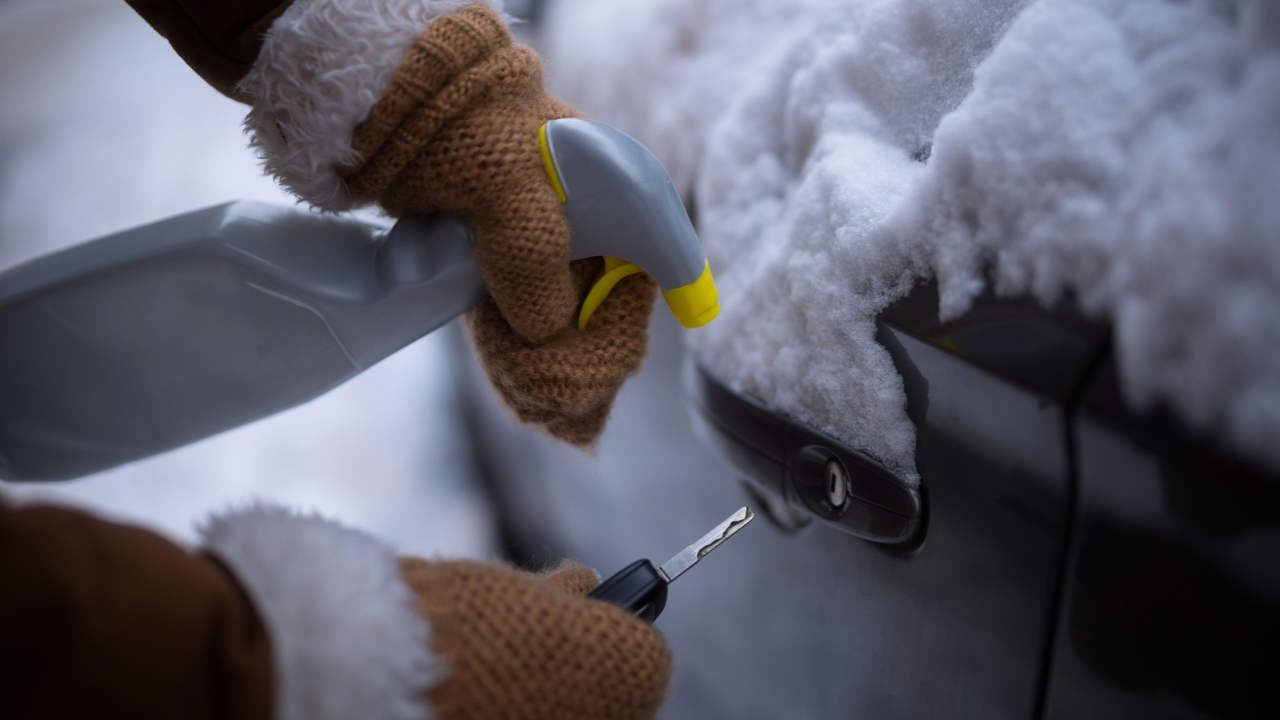
Frozen door seals are a special kind of misery. You pull the handle, the door cracks open, and the weatherstripping tears, or the door won’t shut because the seal is stiff as plastic. A quick wipe of silicone on the rubber before a cold spell keeps the seal from sticking and saves you from a wind whistle all season.
Carry lock de-icer too, even if you use a fob. A dead key fob battery or a frozen latch can force you back to the key cylinder you haven’t touched in years. Store de-icer somewhere it won’t freeze into a useless slush, like a coat pocket or the cab, not the bed box.
9. Heavy Gloves And A Dry Blanket
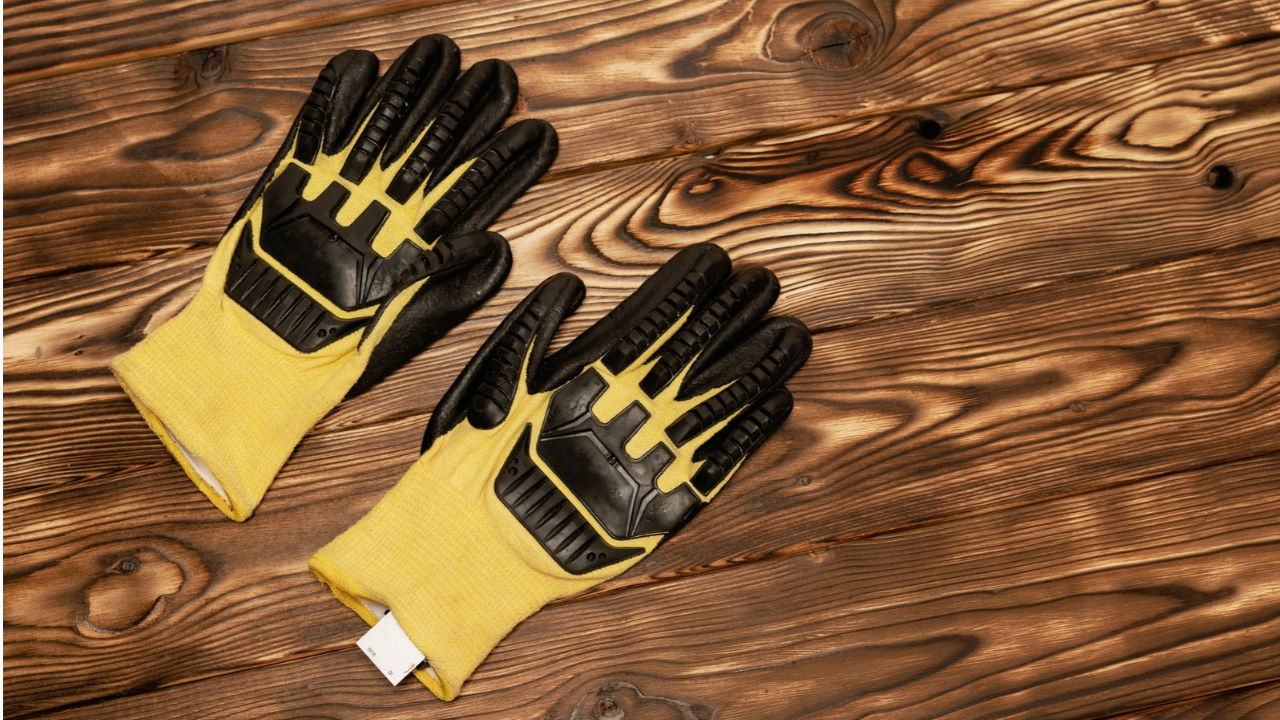
Metal tools steal heat. So do tow hooks, frozen straps, and snow packed under the bumper. Keep a pair of insulated work gloves that are warm and still let you grip, because bare hands in wind will make you rush and strip bolts.
A dry blanket sounds like comfort gear, but it’s a tool for waiting safely when you’re stuck behind a wreck or a plow closure. Wool stays warm even if it gets a little damp, but any clean blanket in a sealed bag beats nothing. This is one item that doesn’t need to be fancy to be useful.
10. Spare Fuses And A Multimeter
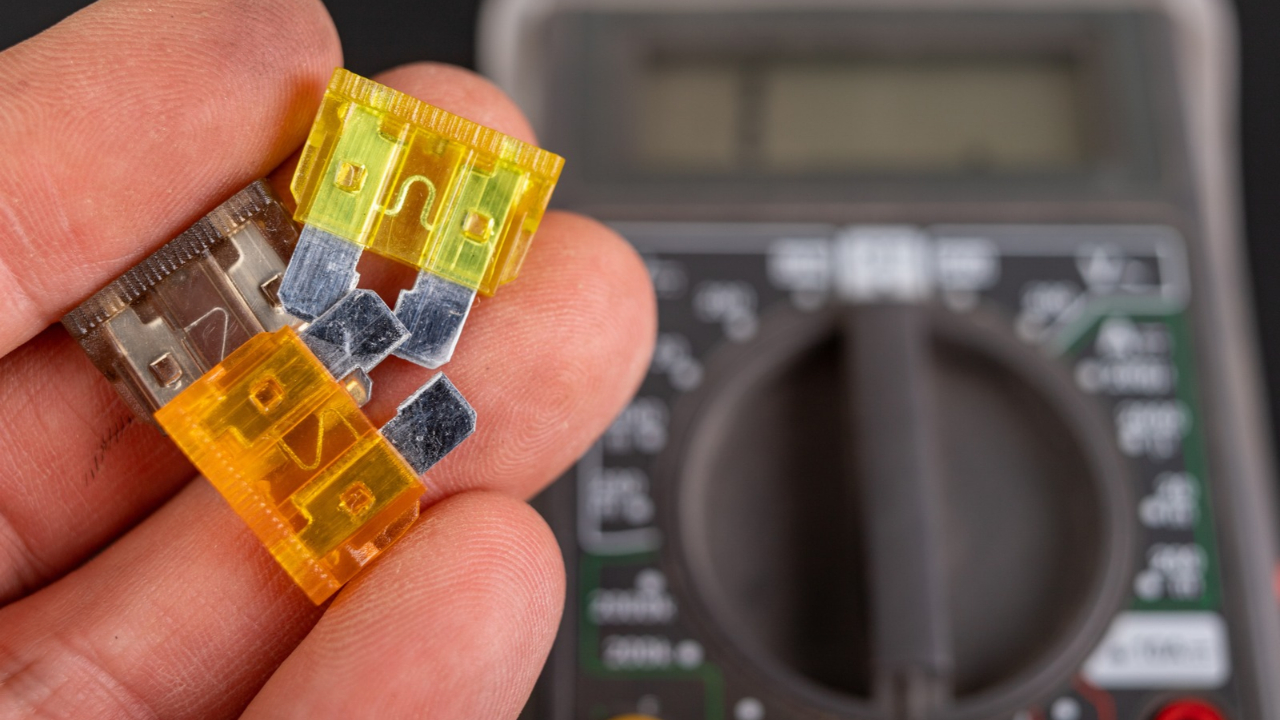
When something electrical quits in winter, it’s often a fuse. Your blower motor stops, your trailer lights die, or your wipers quit mid-storm. A small assortment of mini and standard blade fuses takes up no space and can get your heat or defrost back in minutes.
Add a basic multimeter for quick checks, battery voltage, a blown fuse you can’t see, power at a connector. You’re not diagnosing a whole wiring harness on the shoulder, you’re figuring out if the problem is dead simple or if it’s time to head for a shop. If you find melted wiring, repeated fuse blows, or anything near the fuse box that looks scorched, stop and get a qualified tech involved.
Pack these so you can reach them without unloading feed bags and five-gallon buckets. Put small items in a tote, label it, and keep liquids upright in a bin so they don’t soak everything when they crack. Winter’s hard enough without rummaging around in the dark for the one tool you actually need.
Like Fix It Homestead’s content? Be sure to follow us.