Best Leaf Blowers for a Yard Full of Trees
Photo credit: Mariya Surmacheva/Shutterstock.com
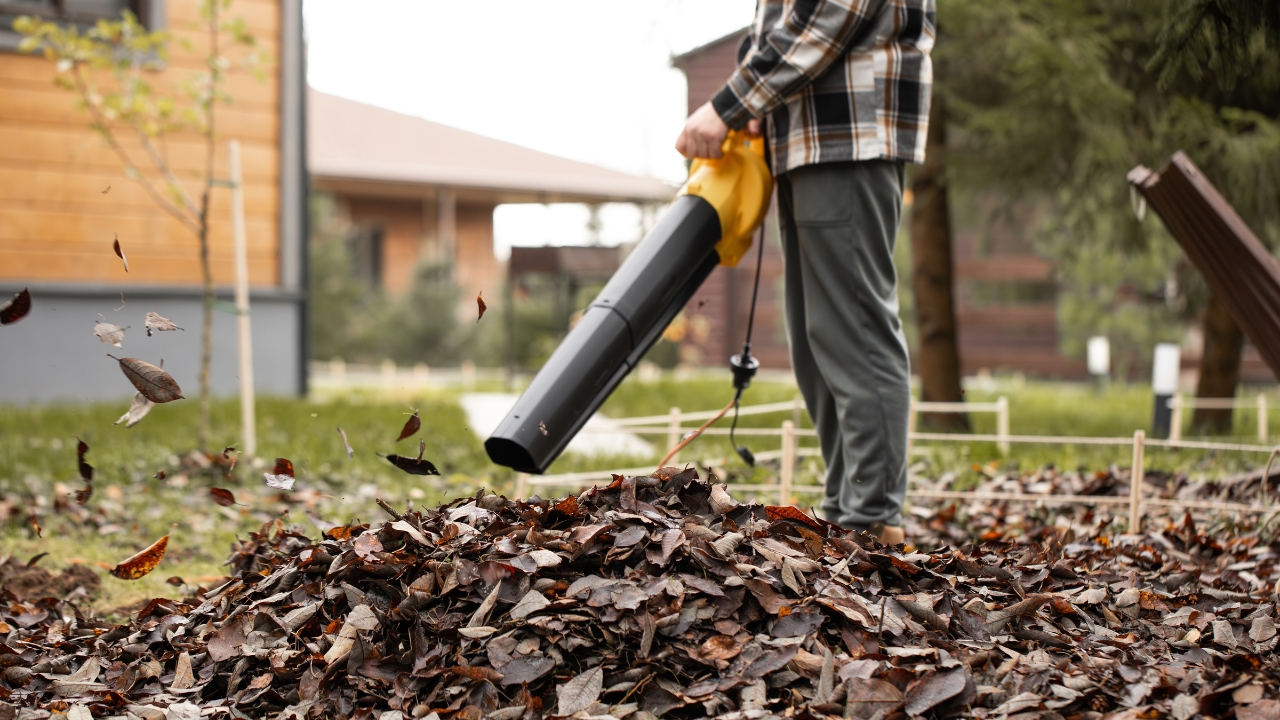
If you’ve got more trees than lawn, fall cleanup turns into a weekly chore. The wrong blower makes it louder, slower, and a lot more annoying than it needs to be. Pick the right style and you’ll spend your time moving leaves, not fighting tools.
1. Picking CFM Without Looking at MPH

Big CFM moves a lot of air, but low air speed won’t break leaves loose from wet grass, pine needles, or mulch. That’s how you end up making tidy windrows on the open lawn while the real mess stays stuck under shrubs and along fence lines. You walk twice and still rake anyway.
For a tree-heavy yard, you want a balance: enough volume to push piles, enough speed to peel leaves out of corners. If you only compare one number, you’ll buy the wrong machine. Pay attention to how the blower behaves near beds, around roots, and on damp mornings, not just how it sounds in the driveway.
2. Buying Handheld When You Need Backpack
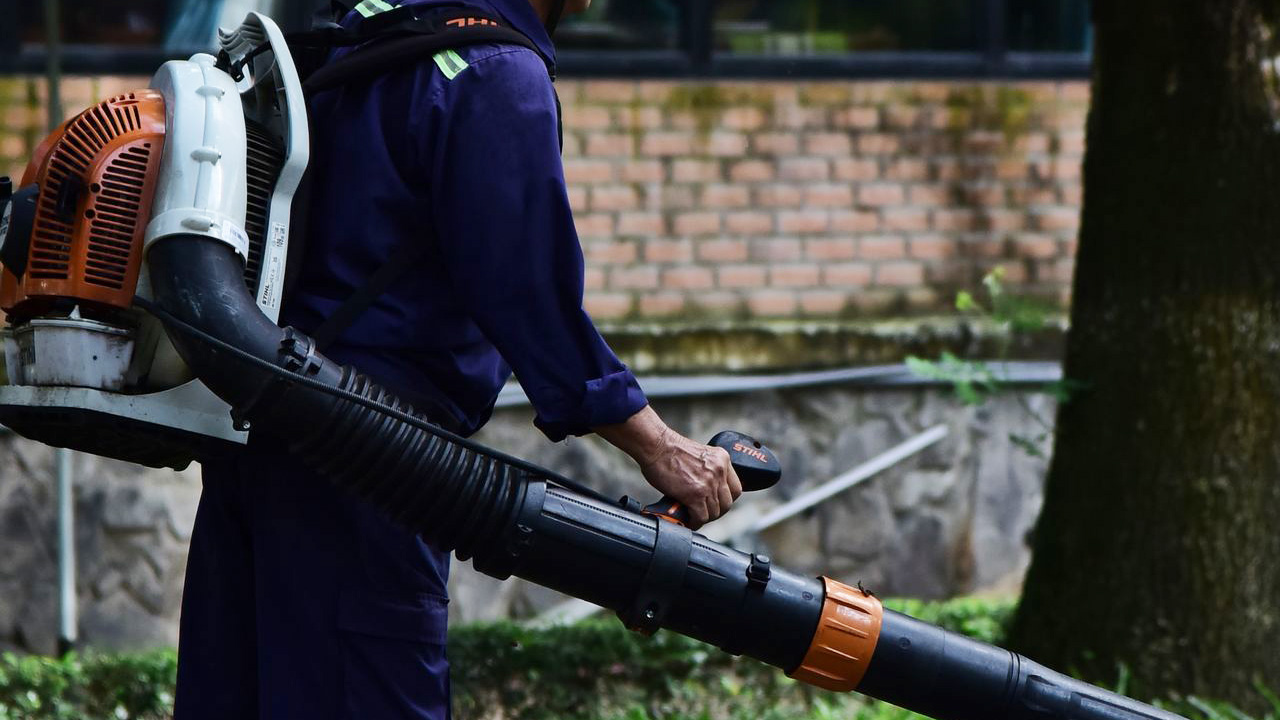
Handheld blowers are fine until you’re blowing for an hour straight. Then your wrist and forearm start to buzz, and the weight feels like it doubled. You’ll cut the job short and the leaves will win.
If your lot is loaded with mature trees, a backpack blower is usually the right tool. The weight rides on your hips and shoulders instead of your hand, and you can keep a steady sweep without stopping every few minutes. You’ll also get more airflow for the money in many cases, because backpack models are built for longer runs.
3. Going Corded in a Big Tree Yard

Corded electric blowers look cheap at the store, then you spend the afternoon managing 100 feet of extension cord. It snags on roots, hooks around shrubs, and drags through leaf piles so you’re constantly pulling it free. If you’ve got lots of trees, the work area is never just a simple rectangle.
A corded unit still makes sense for a small patio, a deck, or a short driveway where you’re blowing for ten minutes. If you’re working around trunks and beds all over the property, skip the cord. You’ll finish sooner with battery or gas, even if the tool costs more up front.
4. Underbuying Battery System and Spares
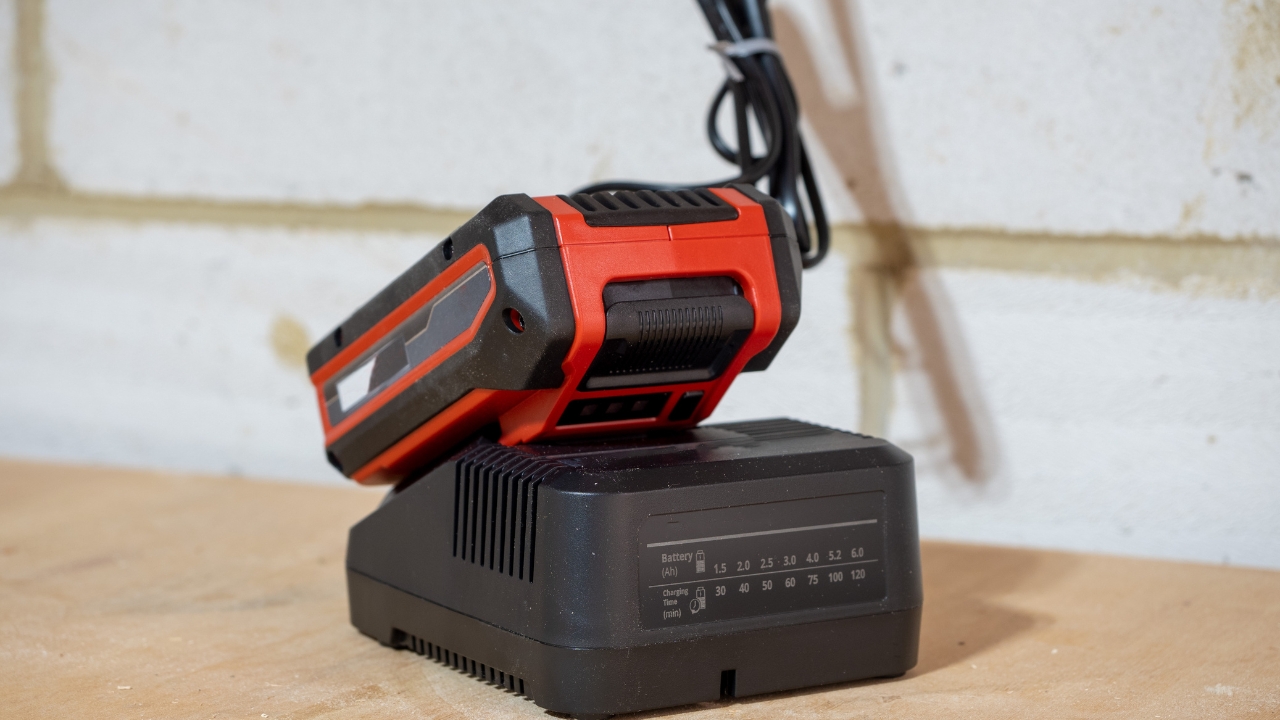
Battery blowers are quiet and easy, until you run out of juice halfway through the back yard. Then you “just finish later,” later turns into two days, and leaves get matted into the grass. The tool wasn’t the problem, the battery plan was.
For lots of trees, plan for multiple packs or a higher-voltage platform that can actually sustain output. Tool-only deals are tempting, but you’re buying into a battery family, not just a blower. Stick with a system you’ll also use for a string trimmer or chainsaw, and store the packs where they won’t freeze in winter.
5. Paying for Turbo You’ll Only Use Briefly

Everyone loves the turbo button. Hold it down too long and you’ll watch runtime fall off a cliff on battery models, or you’ll drink fuel fast on gas models. It also kicks up dust and gravel and turns a normal cleanup into a sandblaster session on your siding.
Use high power like a spot tool. Blast wet piles, clear the gutter runout area, then drop back to a steady setting for the bulk of the yard. If a blower only feels useful when it’s pinned on turbo, it’s undersized for your property.
6. Choosing Two-Stroke Without Wanting Maintenance
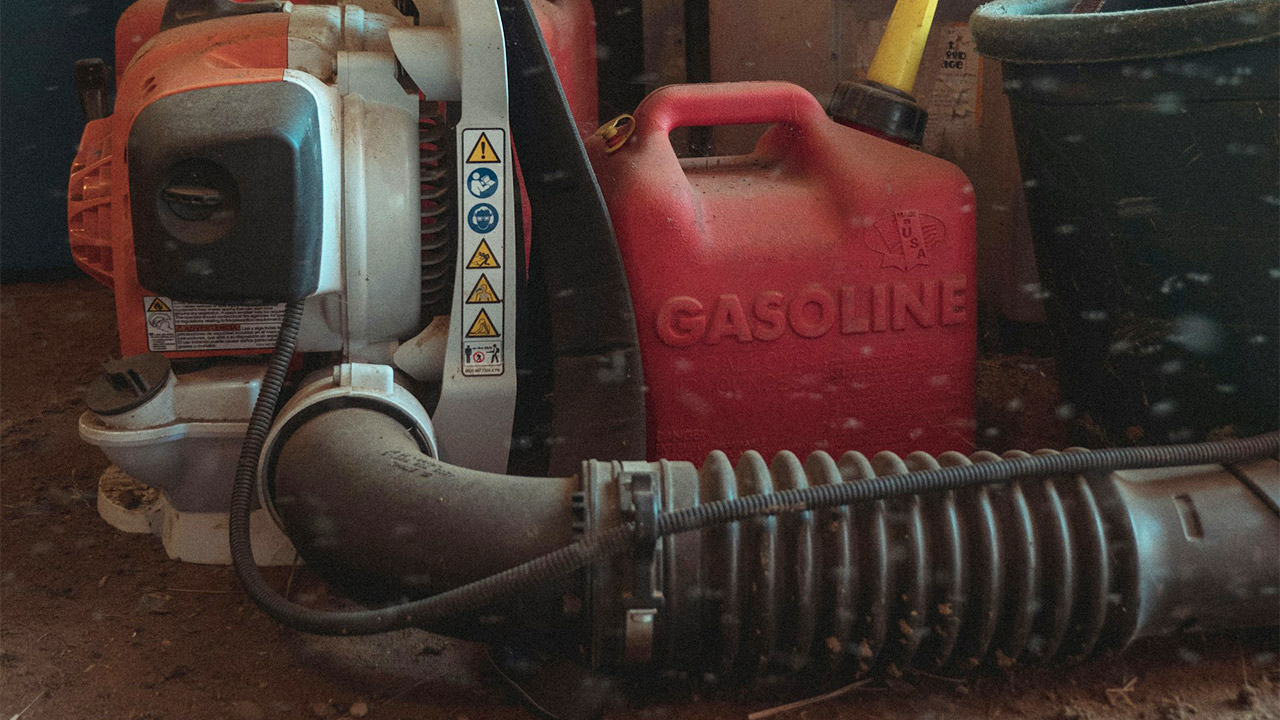
Gas blowers make sense for big leaf loads, but small engines ask for attention. If you hate mixing fuel, cleaning air filters, and dealing with a pull cord on a cold morning, a two-stroke will turn into a shed ornament. It’s not a moral failing, it’s just reality.
If you do go gas, treat fuel like a perishable. Use fresh mix, keep the filter clean, and don’t ignore a bogging sound that shows up under load. If you want less fuss, look hard at modern battery blowers, or a four-stroke model if you’re okay with oil changes and a heavier machine.
7. Ignoring Noise and Neighbor Timing

A high-output blower at 7 a.m. on a calm Saturday is a fast way to get complaints. In a neighborhood with a lot of trees, everyone’s tired of the noise by October. Some towns also have rules about hours and equipment type, and fines are a dumb way to spend money.
If you’ve got close neighbors, battery blowers are easier to live with, and you’ll use them more because you won’t feel like a jerk. If you need gas power, plan your blowing for mid-day and do shorter sessions. Ear protection is smart either way, because even “quiet” machines add up over a long cleanup.
8. Blowing Wet Leaves Like It’s Dry

Right after a rain, leaves glue themselves to grass and smear into mulch. You can stand there with a strong blower and still get that stubborn layer that won’t move. You’ll crank the power, tire yourself out, and end up raking anyway.
Wait for a dry window when you can, even if it means blowing twice in a week instead of fighting one miserable session. When you can’t wait, change tactics: lift the layer with short, close passes, then back up and push it as a pile. A blower with good low-end control helps here more than raw top speed.
9. Forgetting You Also Need Vacuum or Mulch
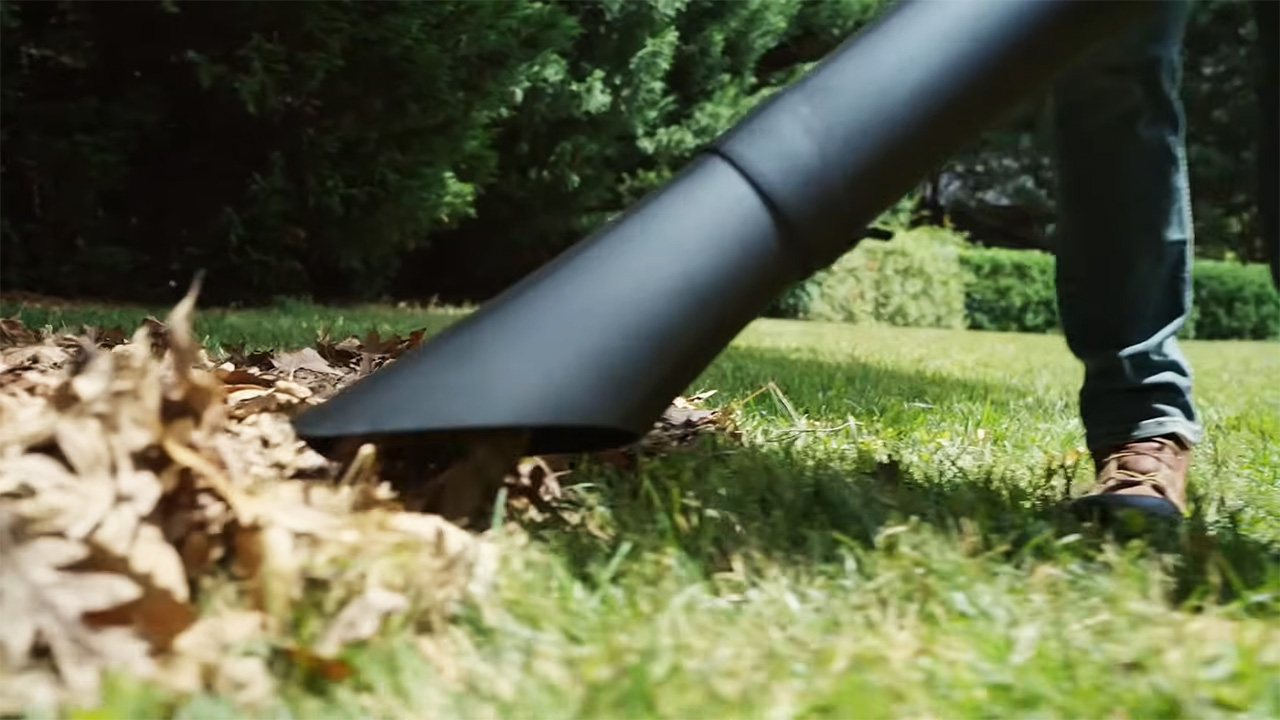
Some yards don’t have a good place to push leaves to. You can only move the problem around so many times before you need to reduce it, bag it, or compost it. That’s where a blower-only setup starts to feel incomplete.
A blower-vac combo can be handy for small areas and dry leaves, but don’t expect it to swallow a whole yard of oak leaves without clogging and stopping. For big tree loads, a dedicated mulcher, a mower with mulching blades, or a lawn vacuum system makes more sense. If you compost, shredded leaves break down faster and take up less space in bins.
10. Using a Blower Where a Rake Wins
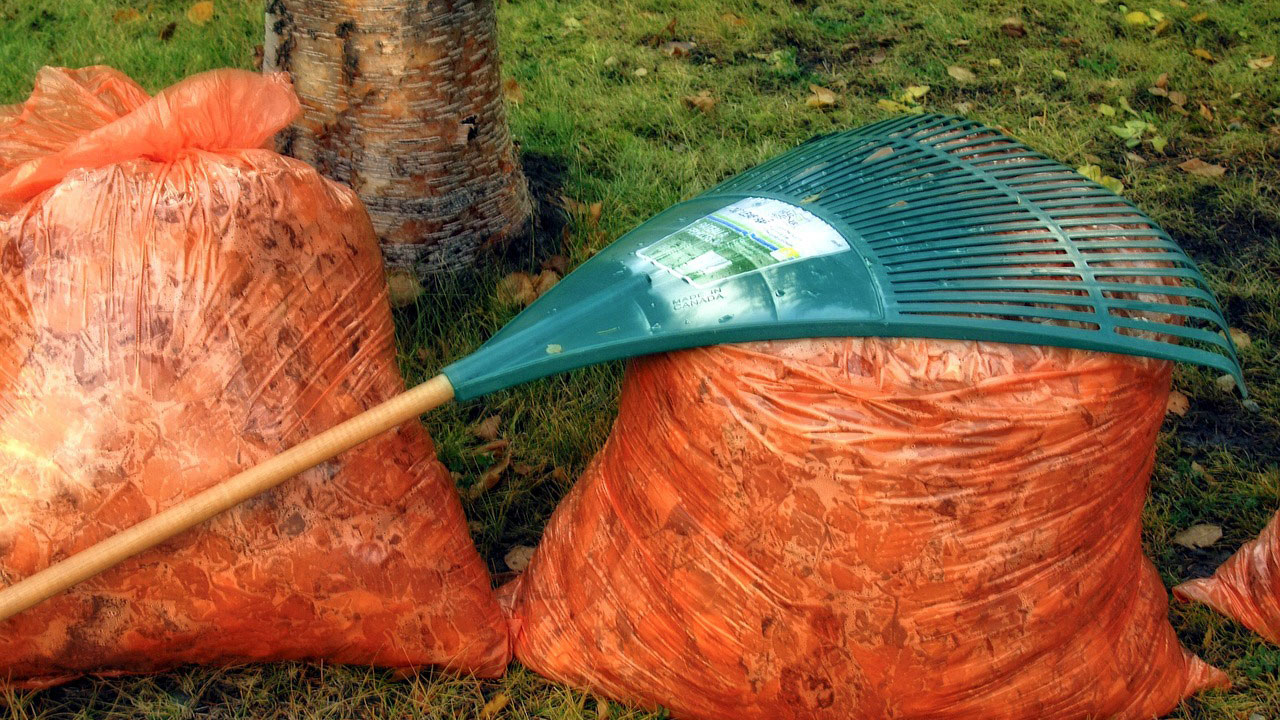
Blowers aren’t great in rock beds, around fresh mulch, or near loose gravel. You’ll launch stones, strip mulch off roots, and pepper your windows with grit. It’s loud wasted effort.
Keep a stiff rake and a plastic leaf rake nearby and switch tools for those zones. Blow the open areas, rake the delicate spots, then blow again to pull everything together. That mix of tools is usually faster than trying to brute-force every square foot with air.
11. Skipping Storage and Resale Basics
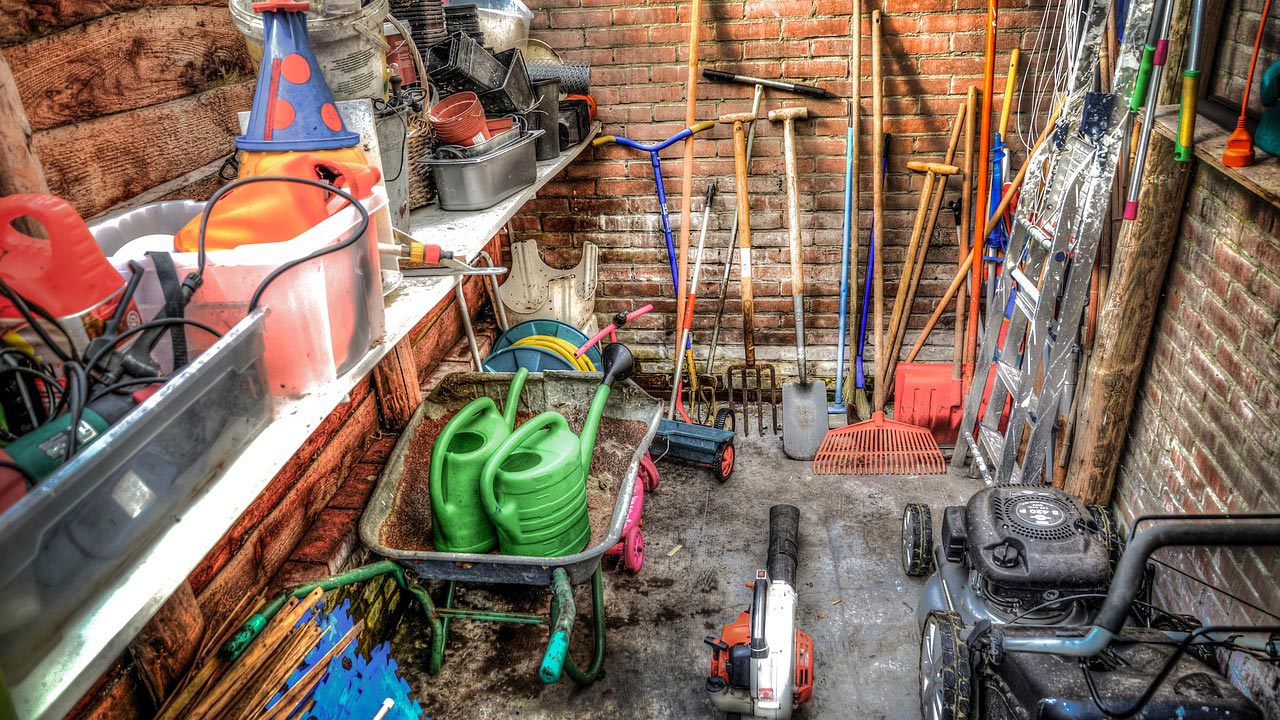
A blower that lives on a damp garage floor or gets tossed into a shed full of fertilizer bags won’t last. Batteries hate long cold storage, and gas units hate stale fuel and dirty filters. Next season starts with troubleshooting instead of yard work.
Hang the blower or set it on a shelf, clean the intake screen, and clear leaves out of the tubes so it doesn’t smell musty. For gas, don’t leave old mix sitting all winter. Keeping the tool clean and cared for also helps if you sell it later, because buyers can spot a neglected machine in about ten seconds.
A yard with heavy leaf drop is easier when your blower matches the way you actually work, how long you run it, and where the leaves collect. Get the power you need, but don’t ignore comfort, runtime, and where the pile is going to end up.
Like Fix It Homestead’s content? Be sure to follow us.