The Animals That Destroy More Rural Gardens and Livestock Than Wolves Ever Do
Photo credit: Lisa Basile Ellwood/Shutterstock.com
You can do everything right, plant on time, fix the fence, and still watch your work get wrecked overnight. Most of the damage on a rural place does not come from one big, dramatic predator. It comes from the animals that live close, breed fast, and treat your garden and feed room like a buffet.
1. Deer Browsing The Whole Garden Down
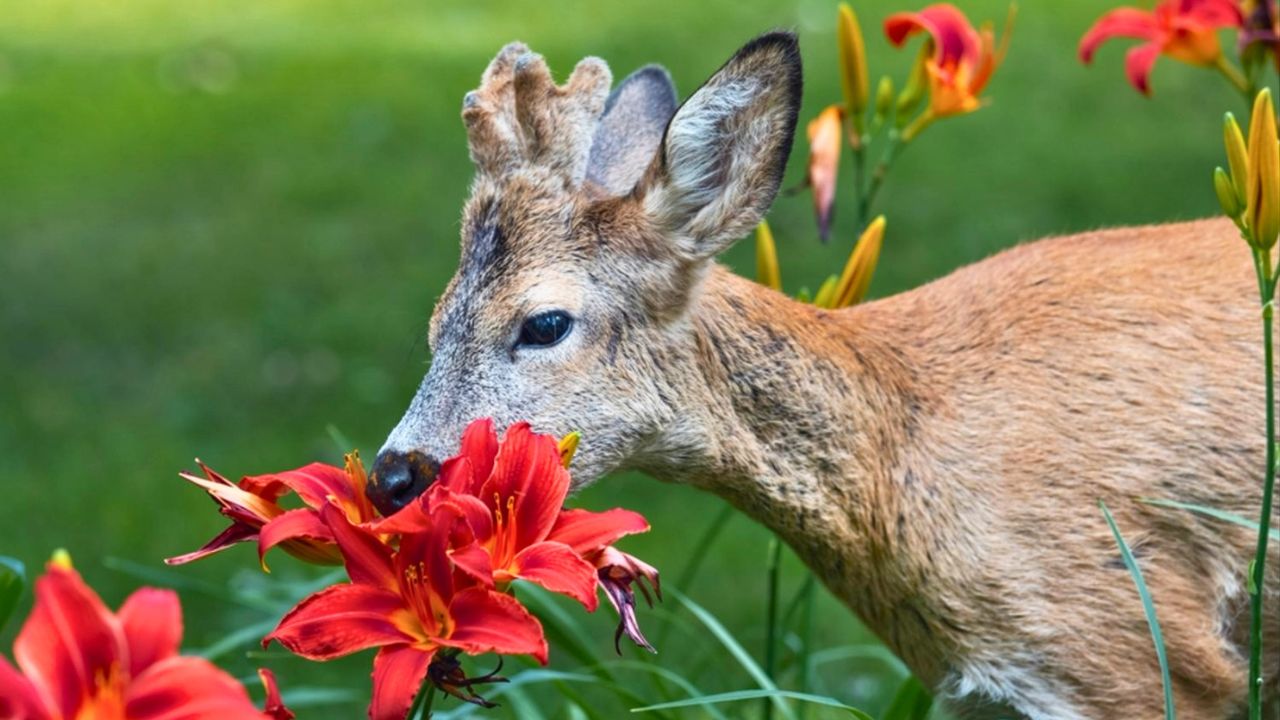
Deer don’t sneak in to nibble. They clean you out, especially in spring when everything is tender and again in late summer when plots dry up. You’ll see torn leaves, ragged stems, and browsed tips on peas, beans, hostas, young fruit trees, even tomatoes once they learn the taste.
A short fence won’t cut it. You need height, about 8 feet, or a double fence setup that messes with their depth perception. If you can’t fence big, cage your highest value plants, use tree tubes for saplings, and keep new growth protected until it’s above browse height.
2. Raccoons Raiding Coops And Sweet Corn

Raccoons have hands and they use them. They pop simple latches, reach through wire, and grab birds by the head or pull chicks through openings. In the garden, they’ll hit corn the day it’s perfect, peel it like a person, and leave half-eaten ears all over.
Skip twist hooks and cheap slide bolts. Use two-step latches, carabiners, or keyed hardware on coop doors, and cover windows with 1/2 inch hardware cloth, not chicken wire. For corn, pick as soon as it’s ready, and don’t leave ripe melons sitting out overnight.
3. Groundhogs Tunneling Under Beds And Sheds
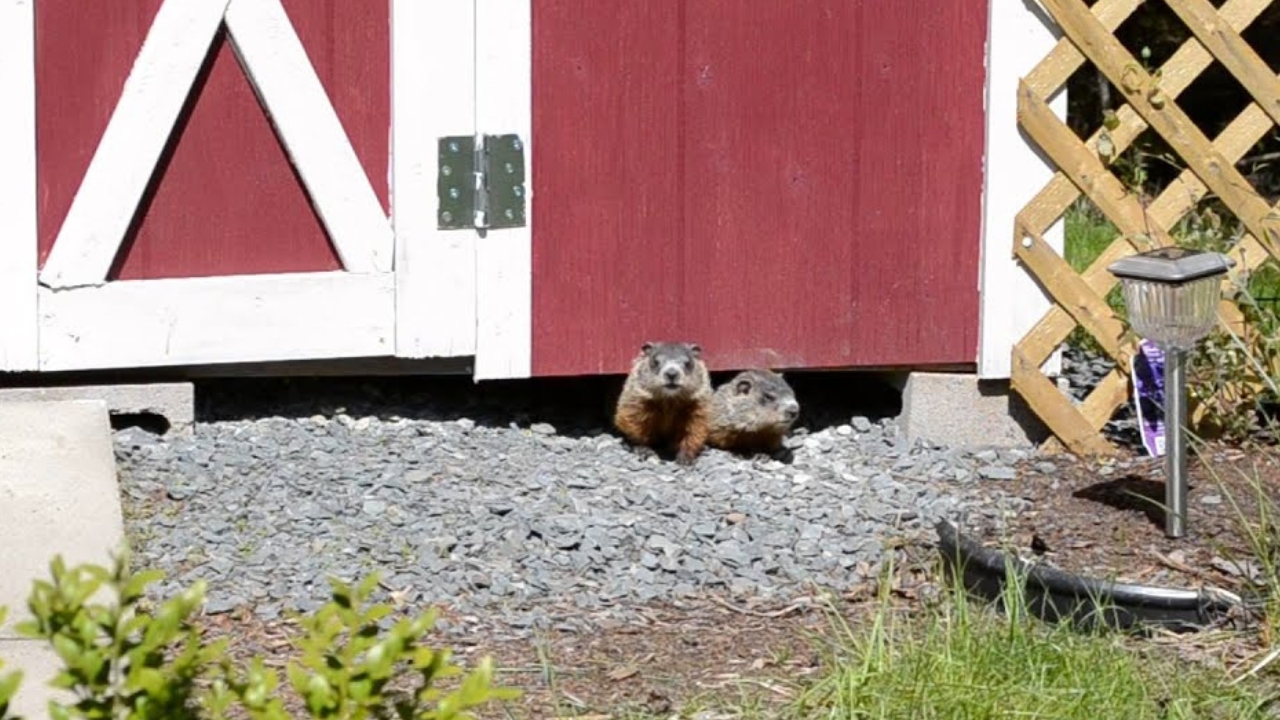
Groundhogs look slow until they decide your lettuce is theirs. They mow seedlings to the soil line and they do it quietly. Around buildings, their digging makes voids under slabs, walkways, and shed corners, and you’ll feel that soft spot when you step.
Trap and relocate rules vary, so check local regs before you do anything. Physical barriers work well, buried wire along the garden edge, 2 feet down with an outward bend, and tight skirting around sheds. If you’ve got a burrow near a foundation, deal with it before spring rains turn tunnels into washouts.
4. Rats And Mice Living In Feed Storage

If you hear scratching at night, you’re already late. Rodents chew feed bags, contaminate grain, and shred insulation in walls and equipment. They also go after eggs, chicks, and wiring, and a chewed cord in a damp barn is a bad day.
Stop feeding them first. Store feed in metal cans with tight lids, keep spill cleanup daily, and don’t leave a scoop sitting in open grain. Seal gaps with metal flashing or hardware cloth, not foam alone, and set snap traps in covered boxes where pets and poultry can’t reach.
5. Coyotes Picking Off Poultry At Dusk
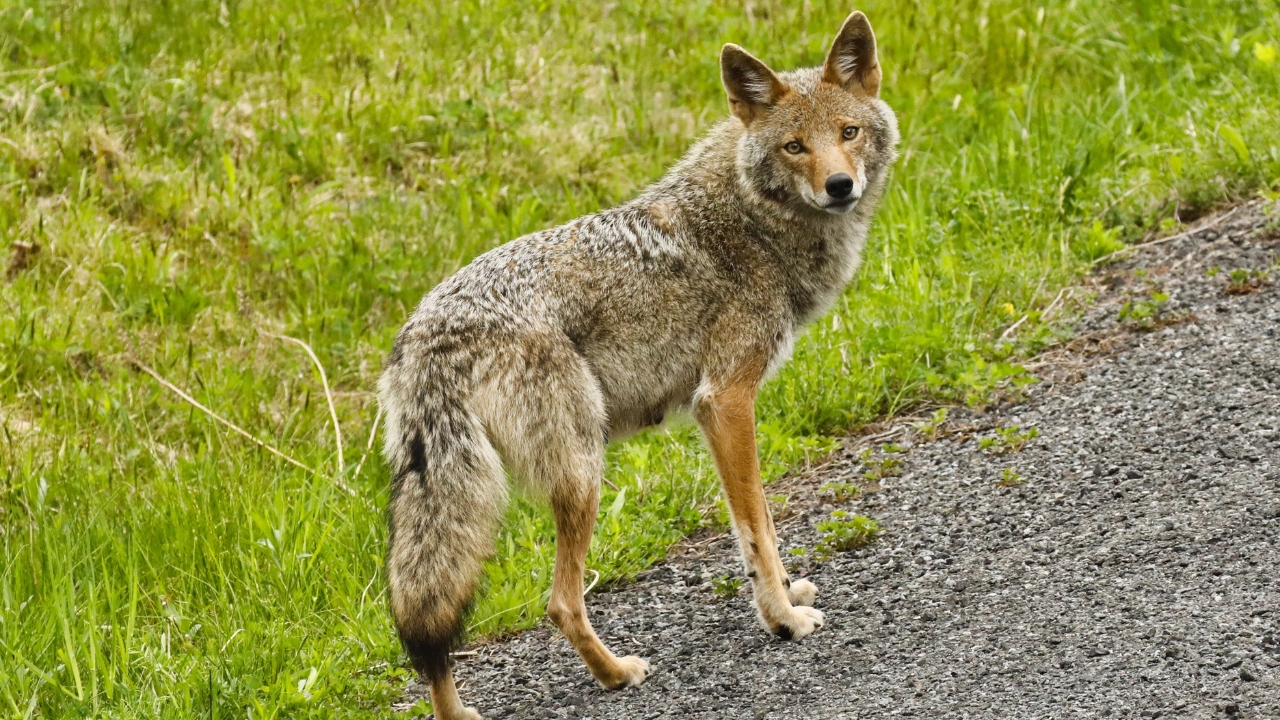
Coyotes are the animal people blame wolves for. They’re common, they work edges, and they’re patient. The pattern is usually the same, birds disappear at first light or right at dark, and you find feathers in a line leading to cover.
Lock birds in before dusk, every night, even in summer when chores run late. Use welded wire with a tight bottom apron or buried barrier, and close gaps under gates. A good livestock guardian dog can help, but only if your fencing and daily routine are already solid.
6. Foxes Taking Chickens In Broad Daylight

Foxes don’t always wait for night. One will slip in, grab a hen, and be gone before you get from the porch to the run. The giveaway is often a single pile of feathers and no other mess.
Stop relying on open free-range if you can’t watch it. A covered run with roof netting or wire makes a difference, and so does trimming brushy lanes that lead straight to your coop. If you keep ducks or small bantams, tighten up even more because they’re easier carries.
7. Hawks And Owls Working The Open Yard
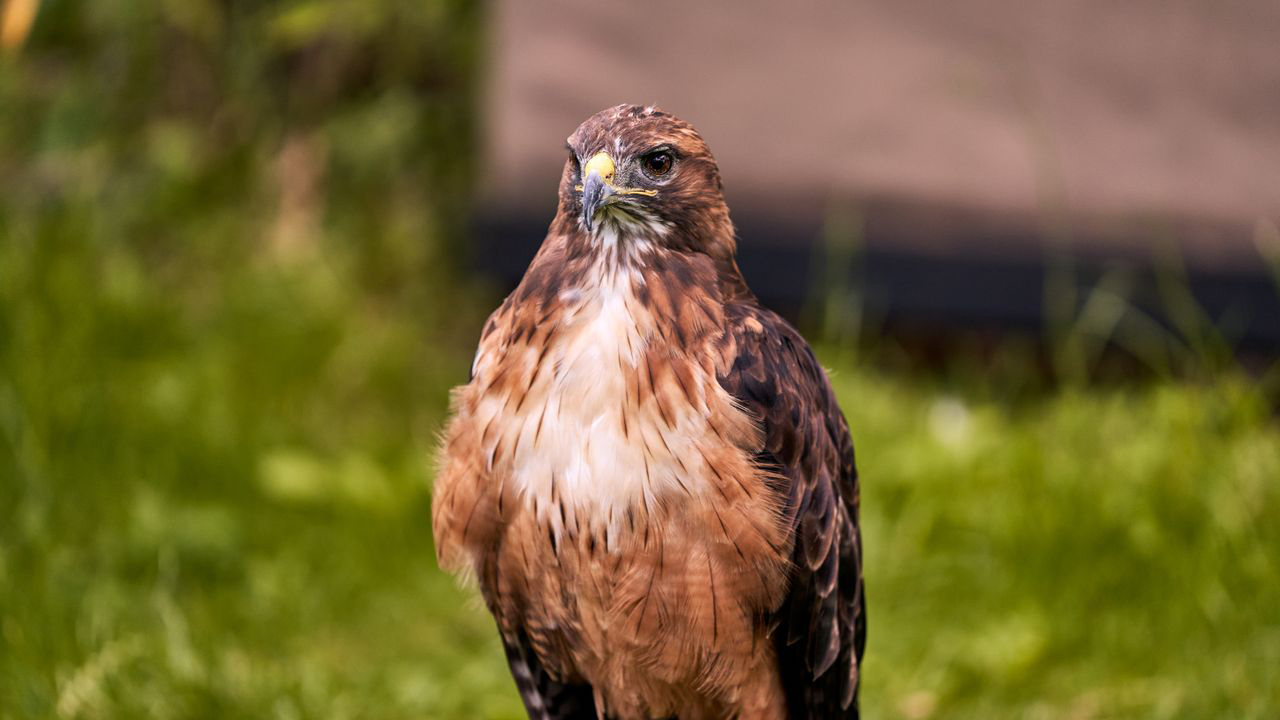
Ever look out and your smallest chicken is just gone? Raptors hit fast, and the quiet after the panic is the clue. You might find a scatter of feathers, or nothing at all if it was a clean grab.
Give birds cover where they actually spend time, not just a coop they run to after the strike. Pallets leaned into a simple A-frame, cattle panels with a tarp strip, or shrubs in fenced pens break the line of sight. Overhead netting helps in small runs, and it’s often cheaper than replacing birds all season.
8. Skunks And Possums Stealing Eggs
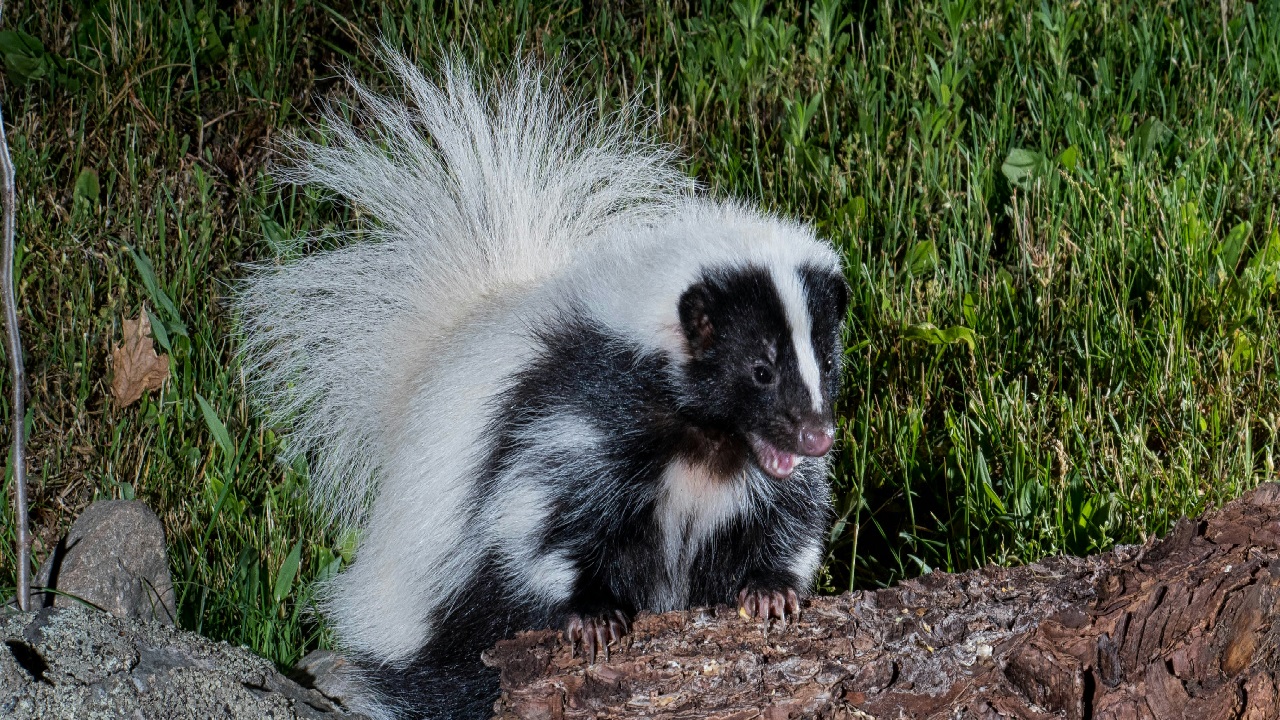
Skunks and possums are slow, so people underestimate them. They show up at night, clean out nest boxes, and sometimes chew on a sleeping bird’s face or feet if they can reach through wire. You’ll blame the hens for “not laying” until you find the trail.
Collect eggs daily and close the coop tight at night. Fix gaps at ground level, and don’t leave feed out that pulls them in. If you’re using an automatic coop door, test it for a week because one mis-timed close can turn a safe habit into an open invitation.
9. Feral Cats And Loose Dogs Roaming
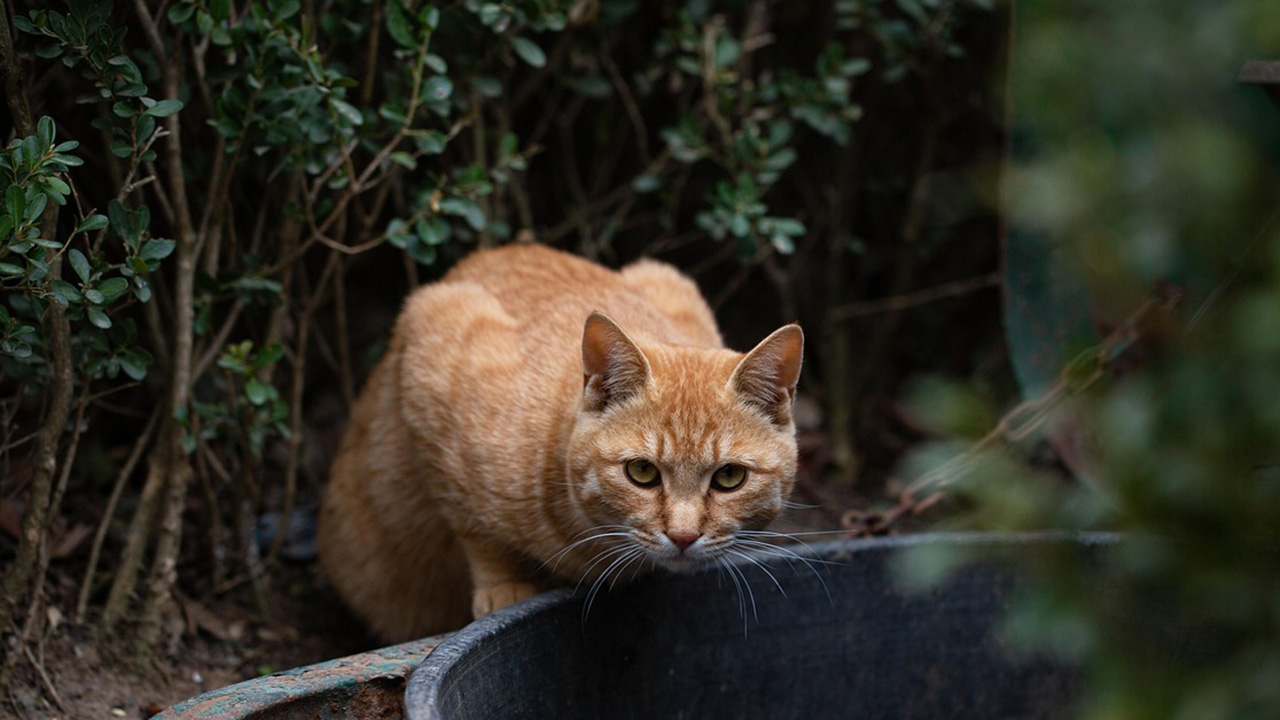
A loose dog can wipe out a whole flock fast, even if it never eats a bite. It’s prey drive and boredom, and it usually happens mid-day when you’re at work. Feral cats are different, they pick off chicks, young rabbits, and songbirds around the barn, and they hang around because there’s always food somewhere.
This one gets uncomfortable because it involves neighbors. Better fencing, locked gates, and visible “livestock on property” signs help, and motion lights can discourage casual roaming. For feral cats, remove attractants first, then talk to a local TNR group or county resources about humane control that fits your area.
10. Rabbits Cutting Seedlings At The Ground
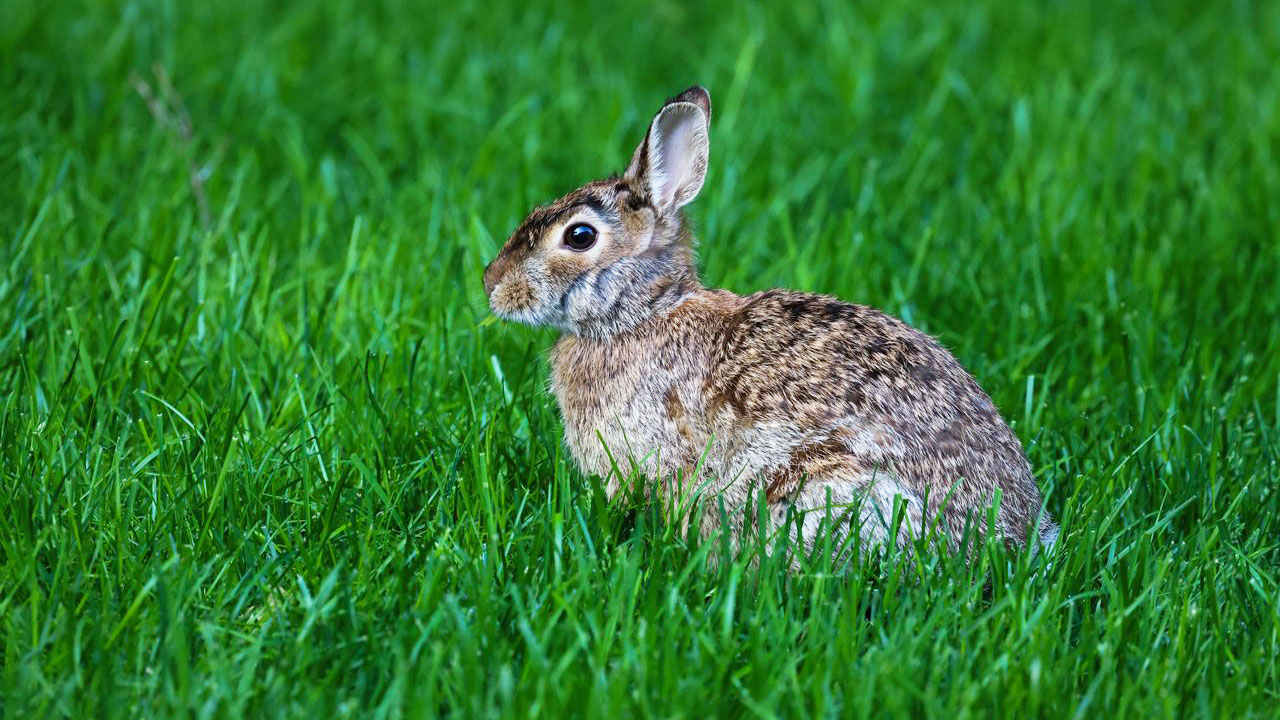
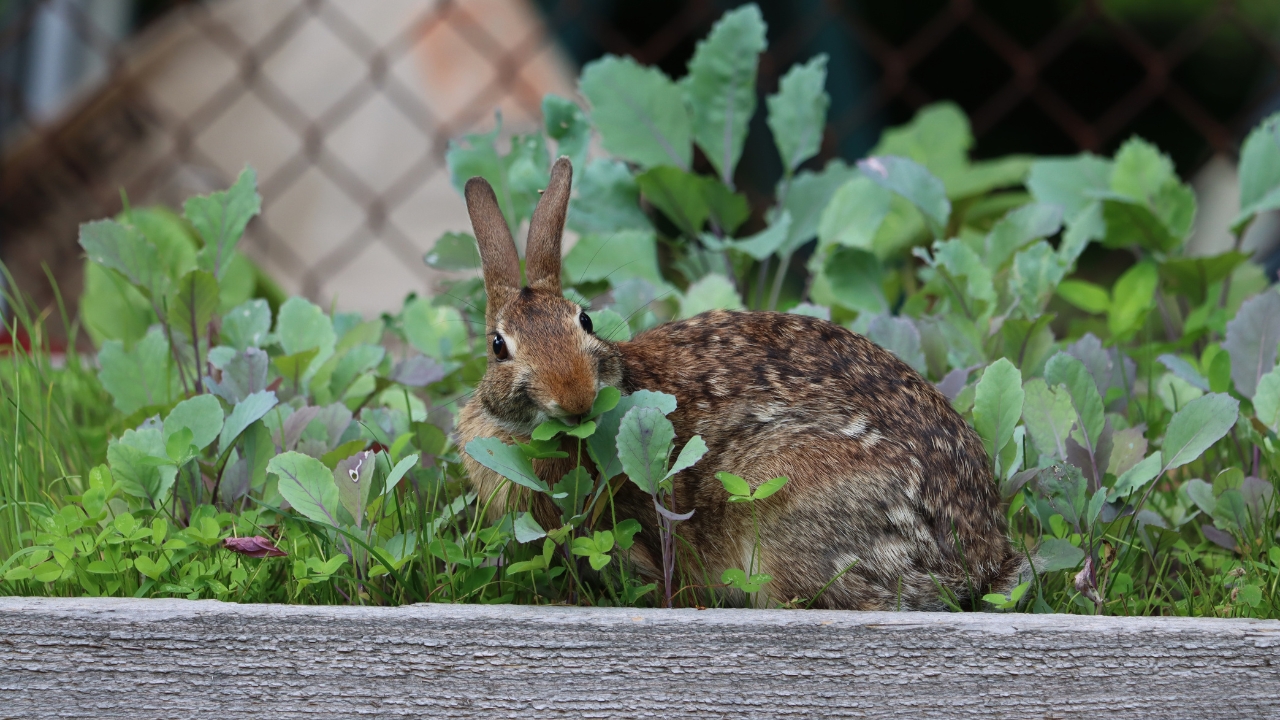
Rabbits can make a neat row of starts look like you never planted. They clip young greens, beans, and flowers low and clean, and they’ll keep doing it until plants are woody or you block access. In late winter they also gnaw bark on young fruit trees, right where it kills.
Chicken wire is fine here, and this is the honest exception to the “hardware cloth only” rule. Use 1 inch mesh around beds, 2 feet high, with the bottom pinned down so they can’t nose under. Wrap young tree trunks with guards before snow, because rabbits stand on crust and reach higher than you expect.
11. Squirrels Digging Up Seed And Bulbs
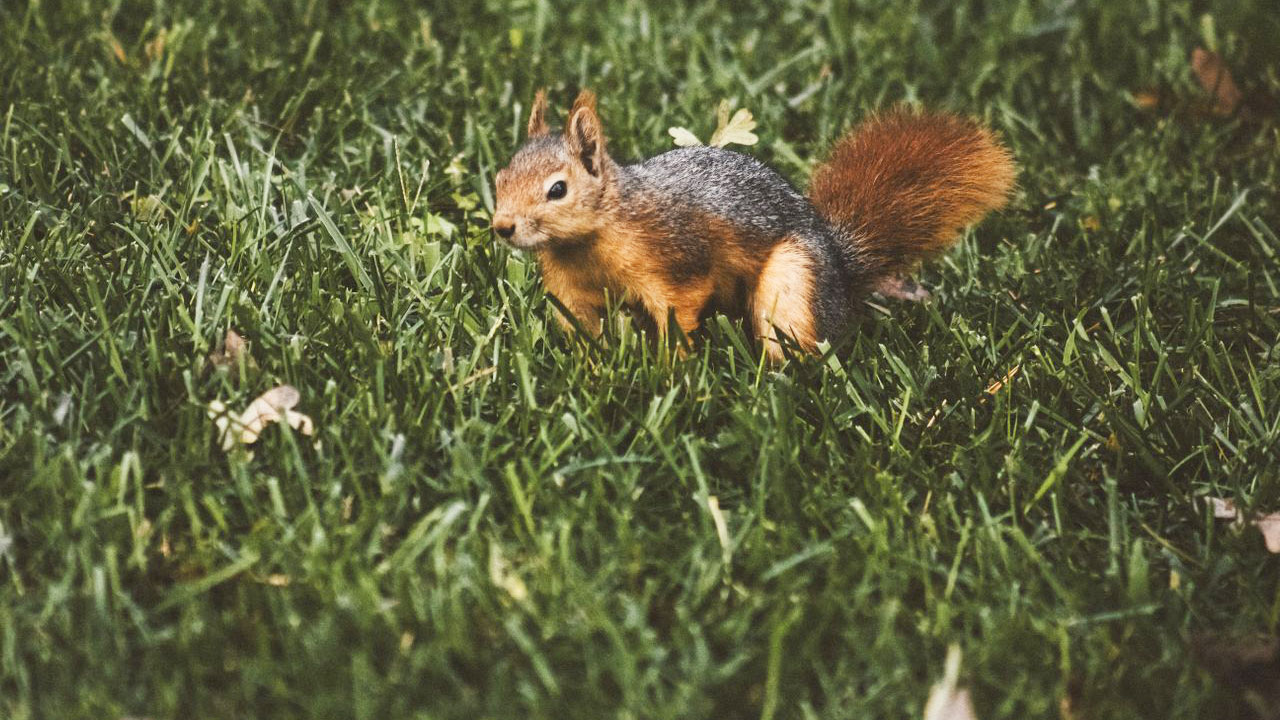
Planting looks great until you come out and every row has little craters. Squirrels dig up corn, peas, and freshly set bulbs, and they’ll take one bite out of ten tomatoes just to see what’s ripe. It wastes time more than anything, and it drags your planting window out.
Cover seeded beds with row cover or bird netting until plants are established. For bulbs, lay hardware cloth flat over the soil and cover it with mulch, then remove it once growth is up. If you compost kitchen scraps, bury them deep or keep them out of the pile, because that’s a squirrel dinner bell.
12. Moles And Voles Undermining Roots

When plants wilt even though you watered, look at the base. Voles chew roots and girdle young trees under mulch and snow, and you’ll find shallow runways like little trenches. Moles mostly eat insects, but their tunnels lift seedlings, dry out roots, and turn a tidy bed into a lumpy mess.
Keep grass trimmed around beds and orchard rows, and don’t pile thick mulch right against trunks. Use tree guards in fall, and set traps in active runways where you see fresh disturbance. Poison baits in a homestead setting create problems you don’t need, especially with pets, raptors, and barn cats around.
13. Geese And Wild Turkeys Flattening Greens

Big birds can wreck a garden without “predating” anything. Geese graze seedlings like a lawn crew, and turkeys scratch and stomp, especially in freshly worked soil. They also leave droppings right where you harvest, which turns a quick salad pick into a wash-down job.
Temporary fence works well if you put it up early, before they build a habit. A couple strands of electric poultry netting will hold geese in or out, but follow the charger instructions and keep vegetation off the line so it stays hot. If they’re passing through during a short season, simple snow fence and a few stakes can be enough.
The hard part is that most of these animals show up on a schedule, right when your plants are young or your birds are easiest to catch. Build your defenses before the first loss, not after, and you’ll spend more time growing and less time patching holes and buying replacement feed.
Like Fix It Homestead’s content? Be sure to follow us.