10 Yard Features That Groundhogs Treat as an Invitation
Photo credit: Van Doom/Shutterstock.com
You can have a clean lawn and still end up with holes, chewed plants, and a scary soft spot near the shed. Groundhogs don’t need much, just cover, easy food, and a place that stays dry. A few common yard features roll out the welcome mat without you meaning to.
1. Brush Piles And Fallen Branch Heaps
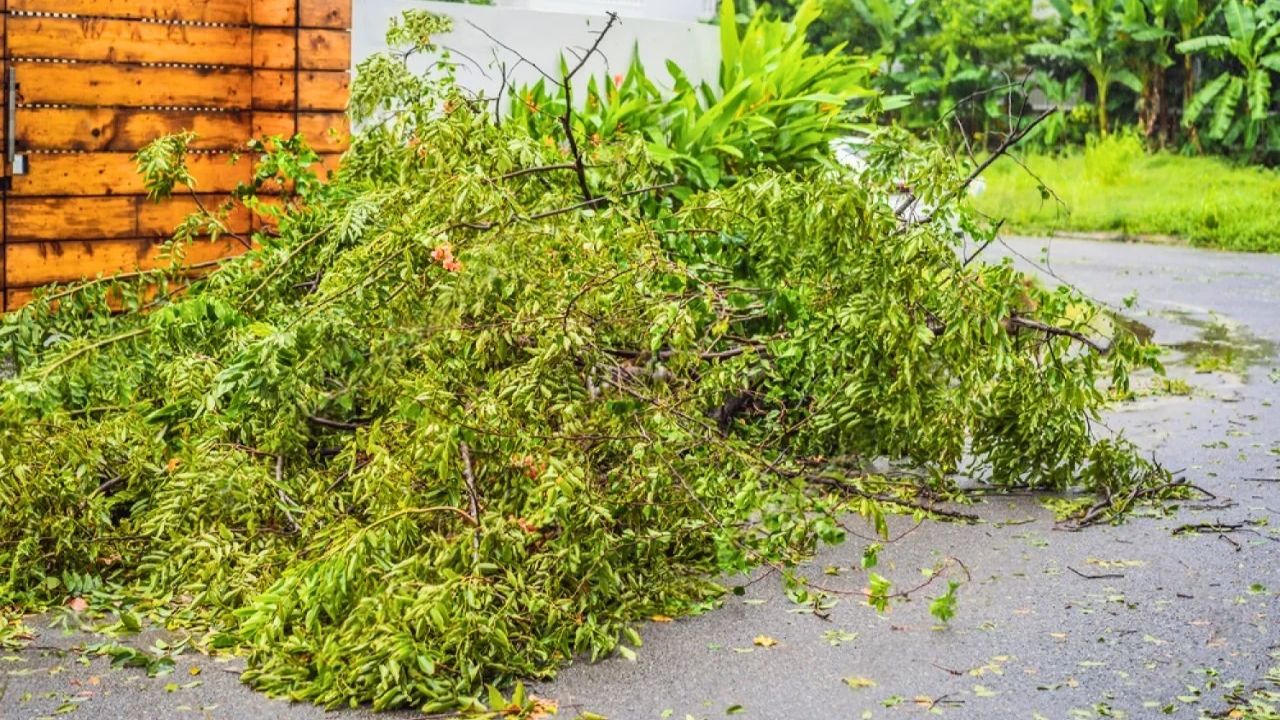
A loose pile of limbs looks harmless, but it’s perfect overhead cover for an animal that wants to move without being seen. Once a groundhog feels safe under that mess, the burrow usually isn’t far away. You’ll notice fresh dirt nearby, or a “path” of flattened grass leading to the pile.
Break brush down and get it off the ground. Chipping is ideal, but even cutting it shorter and stacking it tight on a rack reduces hiding spots. If you keep a habitat pile for wildlife, put it well away from the house, garden, and any outbuildings you care about.
2. Rock Walls And Loose Stone Edges

Old rock borders, stacked stone, and riprap around a ditch create ready-made cavities. Groundhogs don’t have to dig much to turn those voids into a den. The damage shows up later when stones slump, edging caves in, or a mower wheel drops into a hollow.
Reset loose stone so it sits tight, and fill gaps with smaller rock packed hard. Along a wall you want to keep, consider a buried hardware cloth apron at the base so digging can’t start under the first course. If the wall is structural or holding back soil, a mason is worth the money.
3. Open Space Under Sheds And Decks
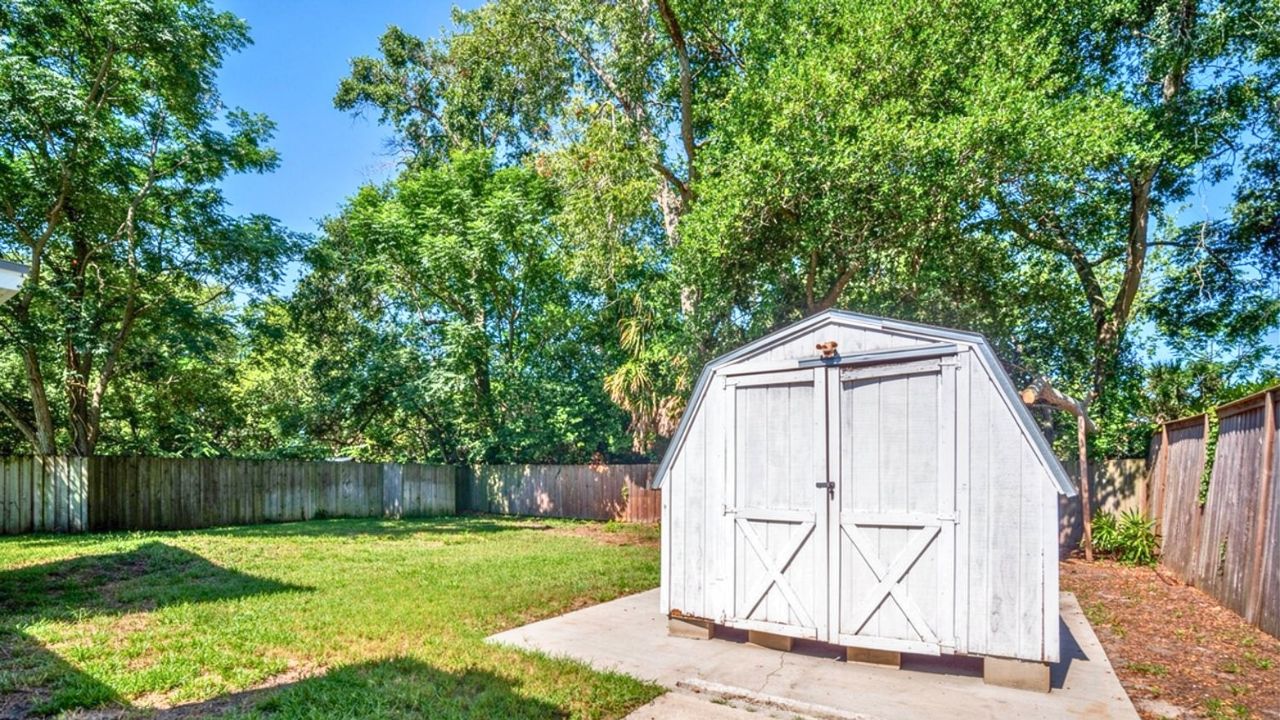
That shady gap under a shed stays dry and protected, and it’s often the first place a groundhog checks. Once one moves in, you’ll hear scratching under the floor, and you may smell a musky odor. Over time, burrows can undermine skids, posts, and concrete blocks.
Skirting works if you do it right. Use 1/2-inch hardware cloth or welded wire, bury it 10 to 12 inches, then bend an outward apron so digging hits a fence “floor.” Don’t just staple chicken wire to the rim joist and call it good, they can tear it and squeeze through.
4. Compost Piles With Kitchen Scraps

People toss melon rinds, corn cobs, and apple cores into an open pile and wonder why the back corner of the yard suddenly has visitors. Groundhogs are mostly plant-eaters, and that smell is a dinner bell. You’ll also get digging and tunneling right where you want stable ground for compost turning.
Keep food scraps in a closed bin or a tumbler, or bury them deep in the hot center and cap with browns. If you do a simple heap, skip sweet fruit and garden leftovers that are basically salad. A compost area is fine, just don’t make it a buffet.
5. Clover Lawns And Tender Garden Beds
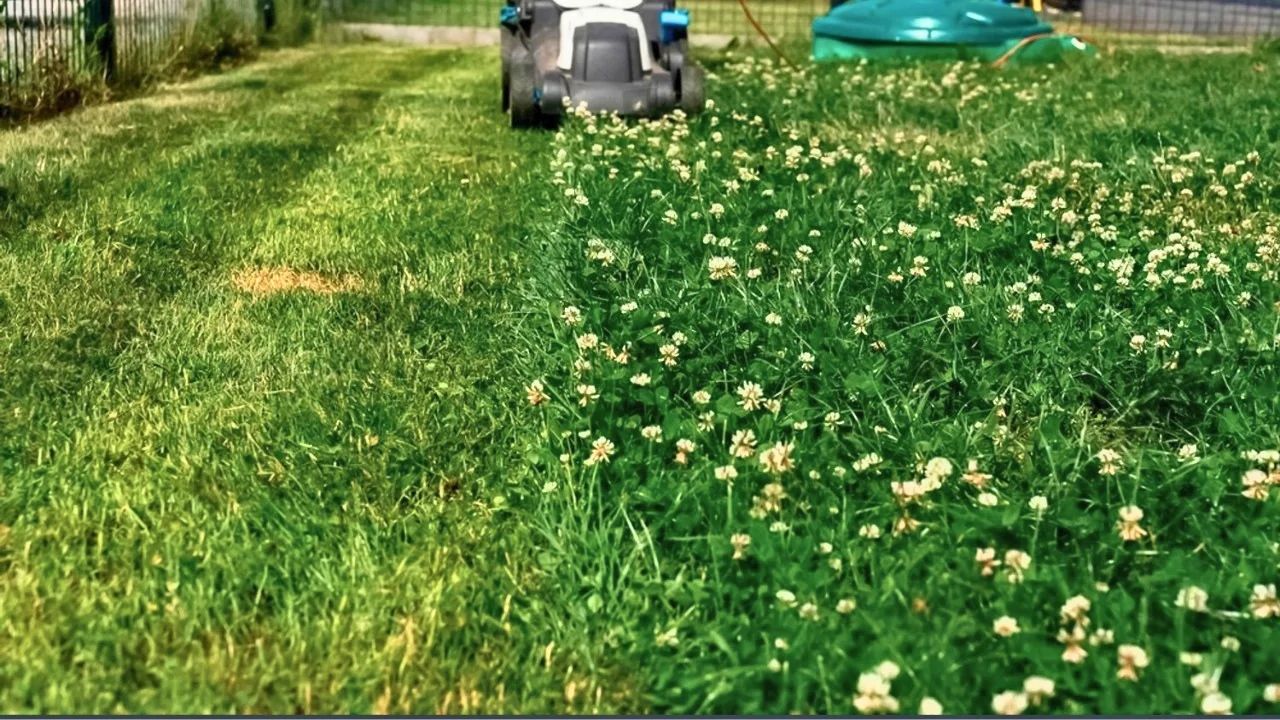
That lush patch of clover looks great in spring, and it’s cheap ground cover, but it’s also steady grazing. Same for peas, beans, lettuce, and young squash. A groundhog doesn’t need to “raid” your garden if the whole yard is a snack.
Here’s the honest exception: clover isn’t the villain if you’re willing to fence the real targets. A simple lawn with clover can stay, but the vegetable area needs a solid barrier. Use a stout welded-wire fence about 3 feet high, with the bottom buried or pinned tight to the soil, and add a floppy top strip if climbing becomes a problem.
6. Tall Grass And Weedy Fence Lines
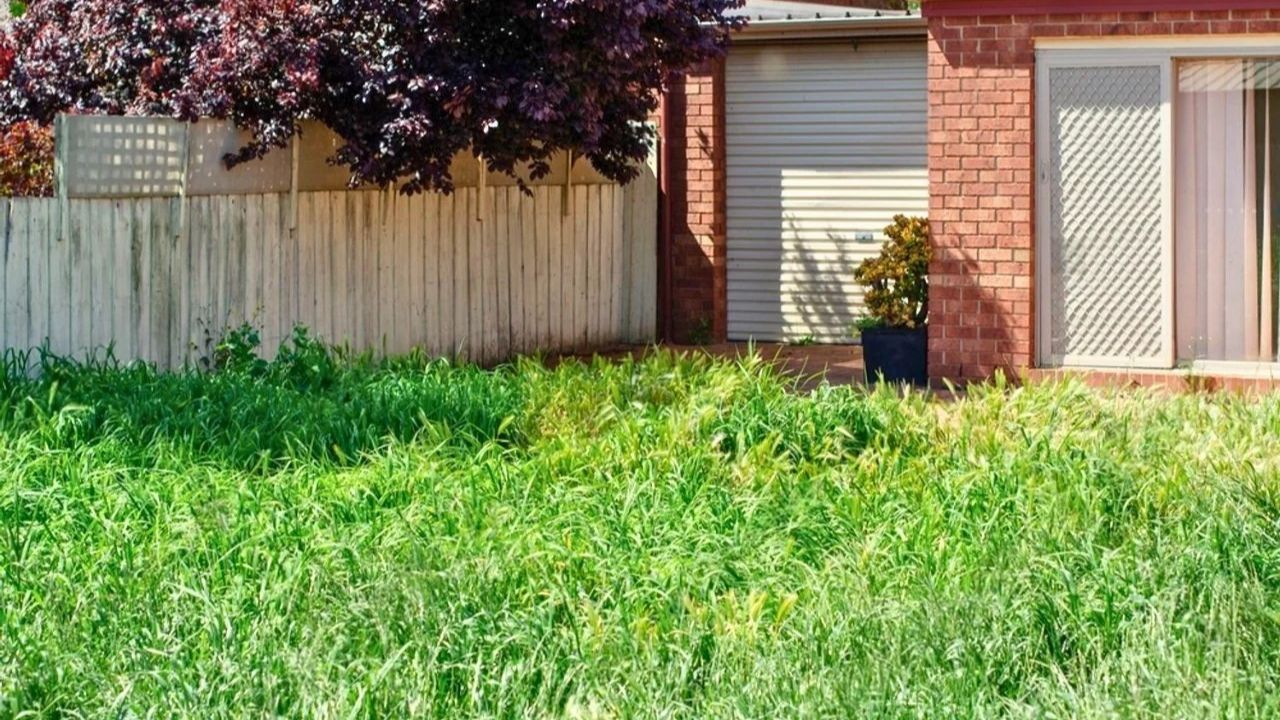
Let the edges go for a month and you create a travel lane. Groundhogs like cover over their backs, especially along hedges, old fences, and brushy ditches. You’ll see clean “runs” through it, like someone dragged a broom through the weeds.
Keep a mowed strip along problem borders, even if the rest of the yard is natural. A string trimmer and a half hour every week or two beats fighting a burrow all summer. If the area is too rough to mow safely, cut it back hard a couple times a season and rake out the dead thatch.
7. Woodpiles Stacked On Bare Ground
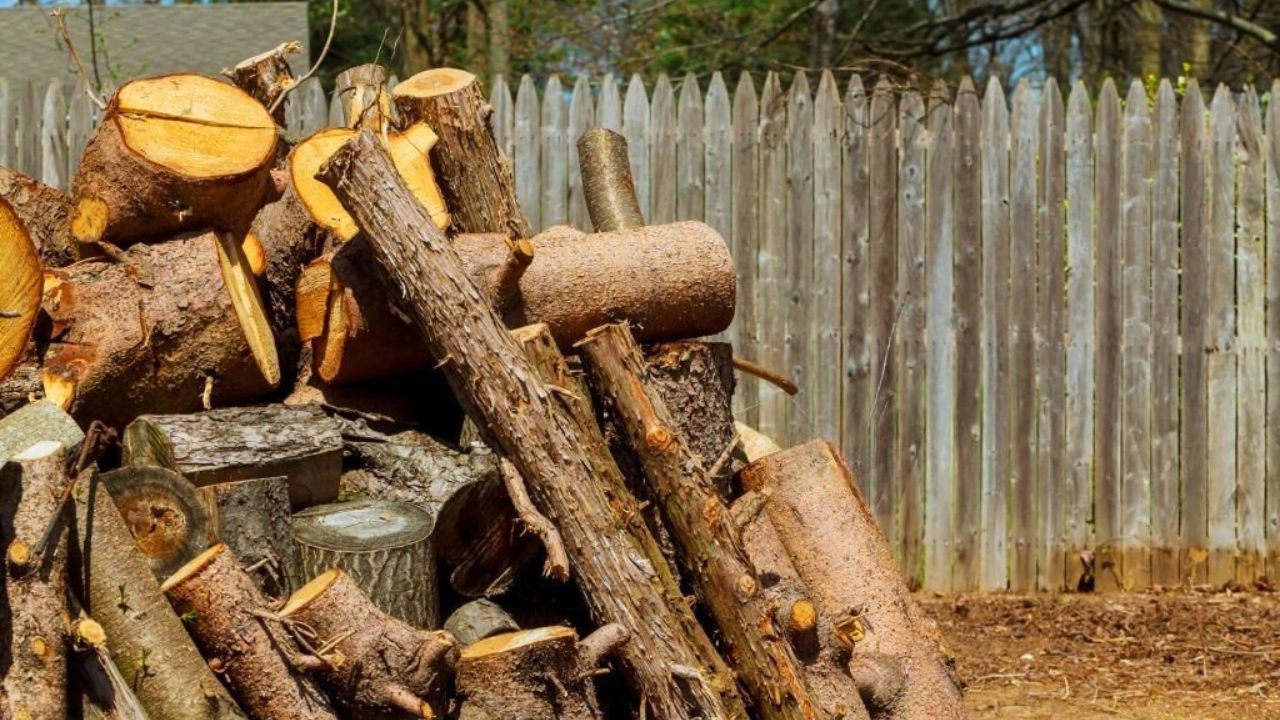
A ground-level woodpile gives shade, hiding spots, and sometimes a nice dry spot to start digging. It also invites mice, and mice attract the kind of predators that make the whole corner of your yard feel busy. You don’t need extra drama next to your house.
Get firewood up on pallets, rails, or a simple rack, and keep it a bit away from buildings. Stack it tight, not “rustic.” If you have to keep a small pile close for winter convenience, keep that one neat and rotate it fast so it doesn’t turn into a permanent shelter.
8. Plastic Landscape Fabric Under Mulch
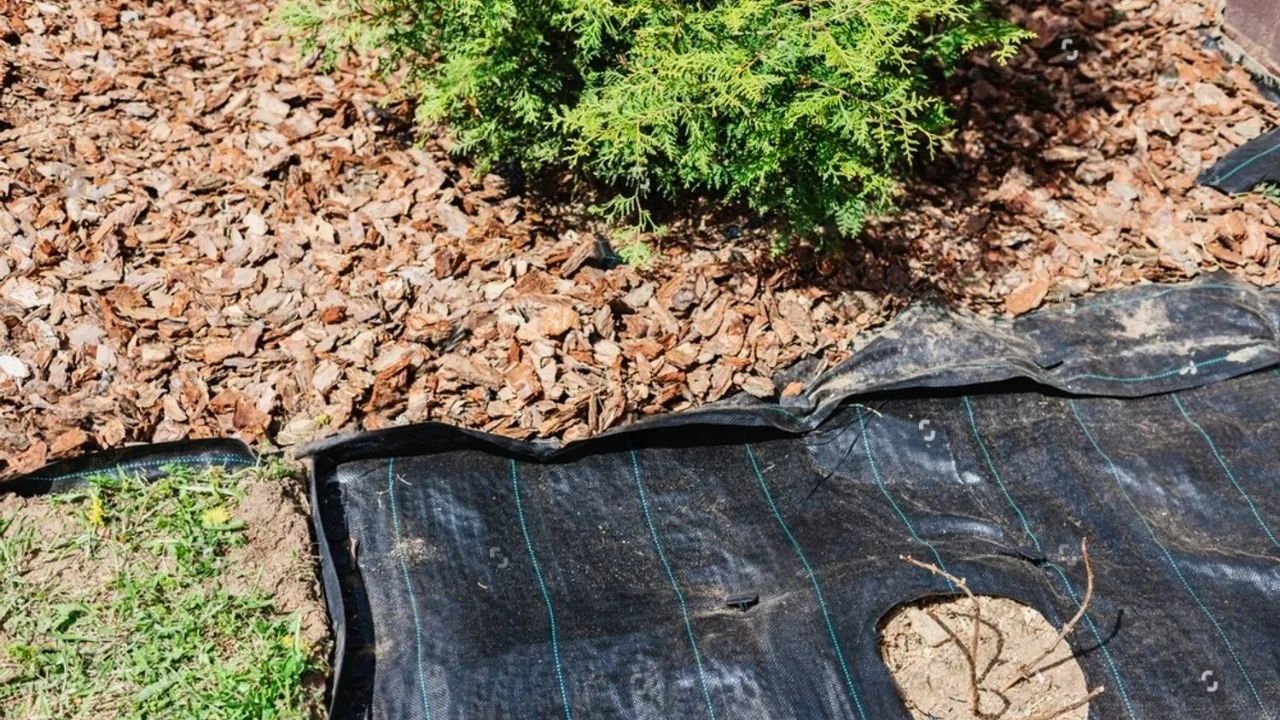
Fabric seems like a weed solution until it turns into a hidden tunnel liner. Once mulch and soil cover it, groundhogs can move under it and the surface looks fine, until it suddenly sags. You also end up with weeds rooting on top anyway, so you get the worst of both worlds.
If you’re redoing beds, pull the plastic stuff out and use plain mulch over bare soil, or use cardboard for a season where it makes sense. If fabric is already down and you can’t rip it up this year, watch for soft spots and repair them early. A shovel and a firm tamp saves you from a bigger collapse later.
9. Leaky Spigots And Soggy Low Spots
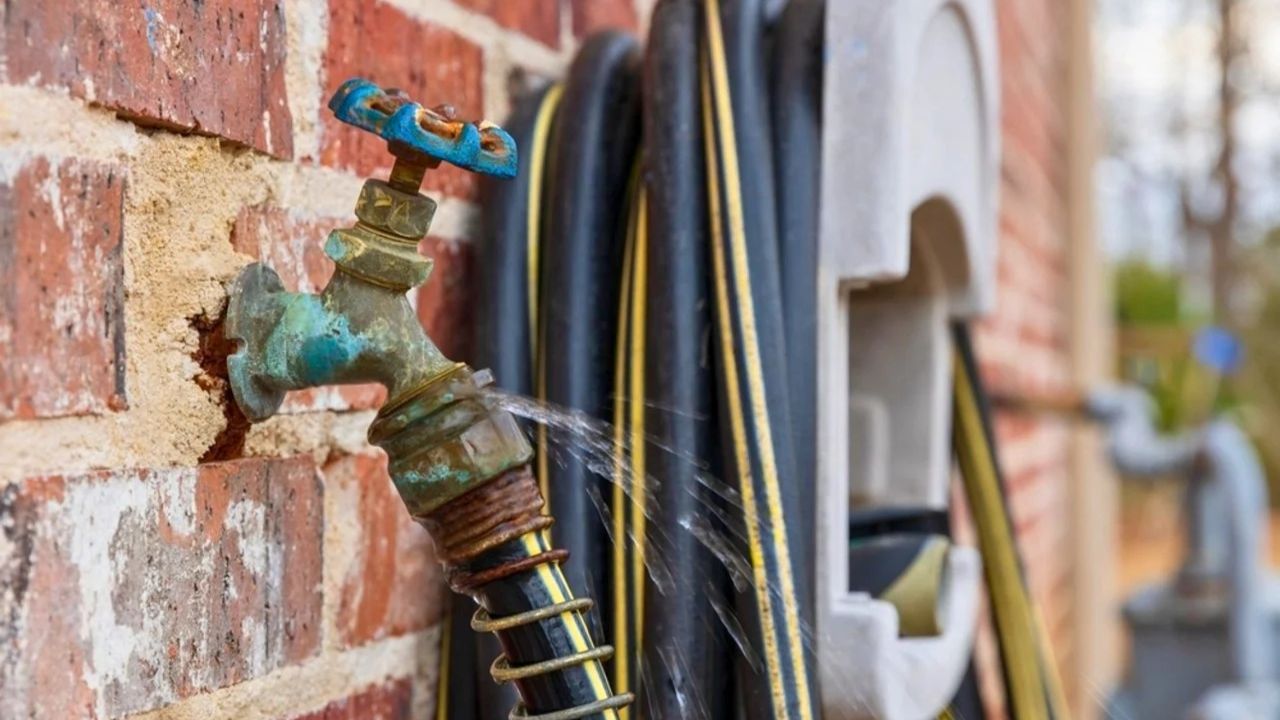
It sounds backward, but a steady drip nearby can help a burrow area stay workable. Moist soil digs easier, and a low spot with lush growth grows the kind of tender plants groundhogs like. You’ll also get sinkholes faster when tunnels get wet and slump.
Fix leaks at the hose bib, replace worn washers, and don’t leave soaker hoses weeping all day near the foundation. If a corner stays wet, regrade, extend a downspout, or add a simple drain if that’s what it takes. Call 811 before you dig, even for small drainage work.
10. Gaps Under Gates And Loose Fence Bottoms
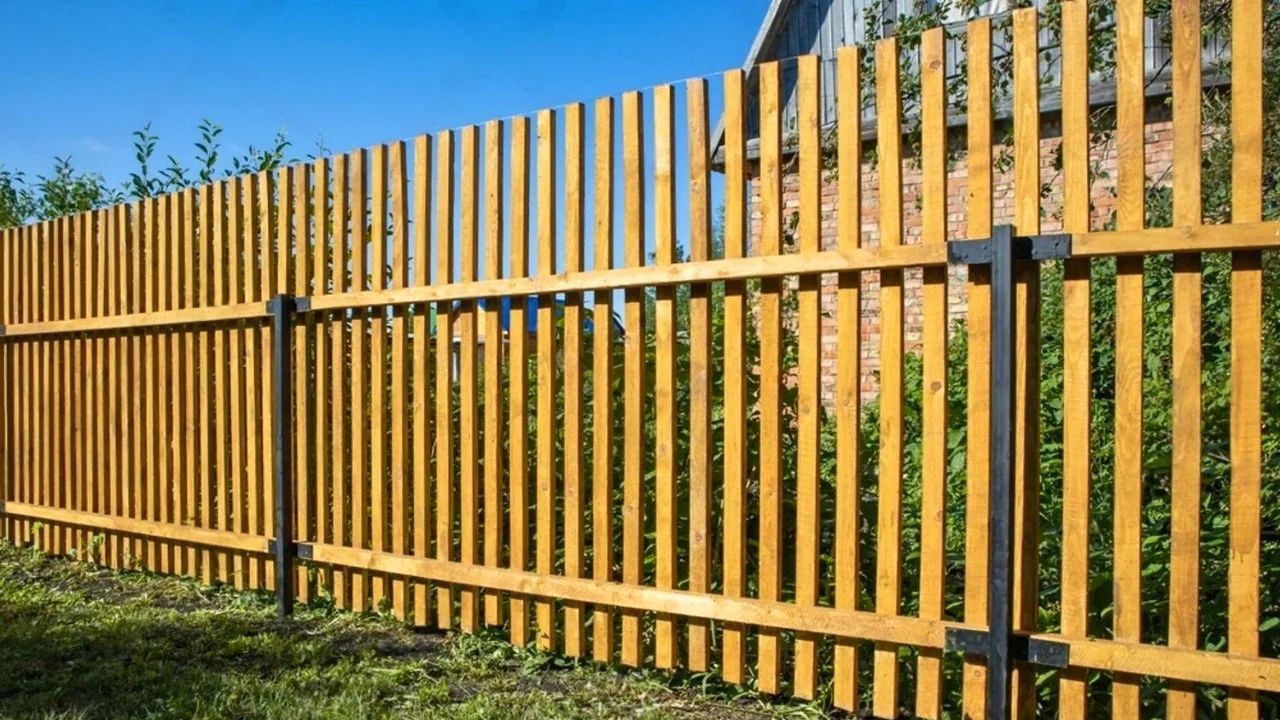
A fence that “almost” reaches the ground is basically a marked entrance. Groundhogs don’t need a big opening, just a spot they can push under. This one hurts resale appeal too, because a sagging fence and animal holes read as neglect.
Reset the gate so it swings true, then close the bottom gap with a buried strip of hardware cloth or a pressure-treated kick board. If the fence line has dips, follow the ground with the wire or trench and bury it a few inches. Fast fixes like bricks under the gate work for a week, then you’re back to chasing.
If groundhogs keep showing up, focus on removing cover first, then lock down the easy entrances, then protect the food. You don’t need a perfect yard, just fewer cozy corners and fewer free meals. If a burrow is close to a foundation, slab, or retaining wall, getting a pro involved early can save a lot of repair work.
Like Fix It Homestead’s content? Be sure to follow us.