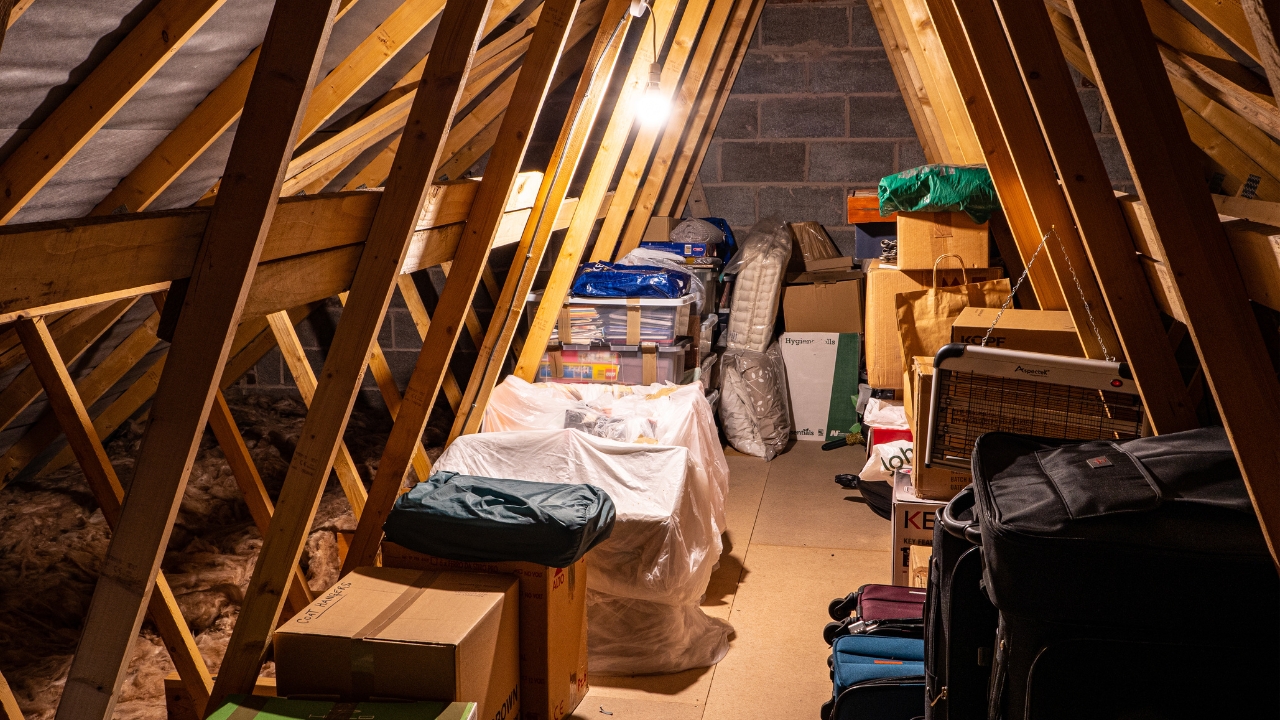
12 Things in the Attic That Should Never Be Up There
Photo credit: Graham King/Shutterstock.com
An attic feels like free storage until the season changes and the heat, cold, and pests start working on your stuff. Most attics swing from baking hot to near freezing, and the air can get dusty or damp around roof leaks. A few of the wrong items up there can turn into a fire risk, a mold problem, or a money leak you keep paying for.
1. Paint, Stain, And Liquid Finishes

Late summer heat can ruin paint fast. Cans skin over, separate into lumps, or pop the lid just enough to leak down the side and glue themselves to whatever box they’re sitting on. In winter, many finishes freeze and never go back to normal, even if you stir for ten minutes with a paint paddle.
Store usable paint in a basement that stays above freezing, or in a closet where temps are steadier. If you only need touch-up, keep a small jar indoors and label it with the room and date. Old cans that smell sour, have chunky solids, or show rust around the rim should go to your local hazardous waste drop-off, not the trash.
2. Propane Cylinders And Gas Cans

This one is a hard no. Attics get hot, and fuel containers vent. That smell you notice on the landing is fuel vapor, and it doesn’t need much to find an ignition source.
Keep propane and gasoline in a detached shed if you have one, or in a well-ventilated outdoor storage box rated for fuel. If the only option is a garage, keep containers off the floor drain, away from water heaters, and away from anything that sparks. Replace gas cans with cracked spouts or swollen sides.
3. Cardboard Boxes Of Clothes

People do this because it’s easy, and because cardboard is free. Then the next time you need winter coats, everything smells like attic dust, and you find little pepper-like droppings in the corners. Moths, mice, and roaches love paper and fabric, and the attic gives them quiet time.
If the clothing matters, move it to lidded plastic totes with a gasket, and add cedar blocks or sealed moth traps if moths are a known issue in your area. Better yet, vacuum-seal bulky seasonal items and store them under a bed or in a closet where the air stays cleaner. If you already have attic-stored textiles, wash and dry them on hot before they go back into the house.
4. Old Mattresses And Upholstered Furniture
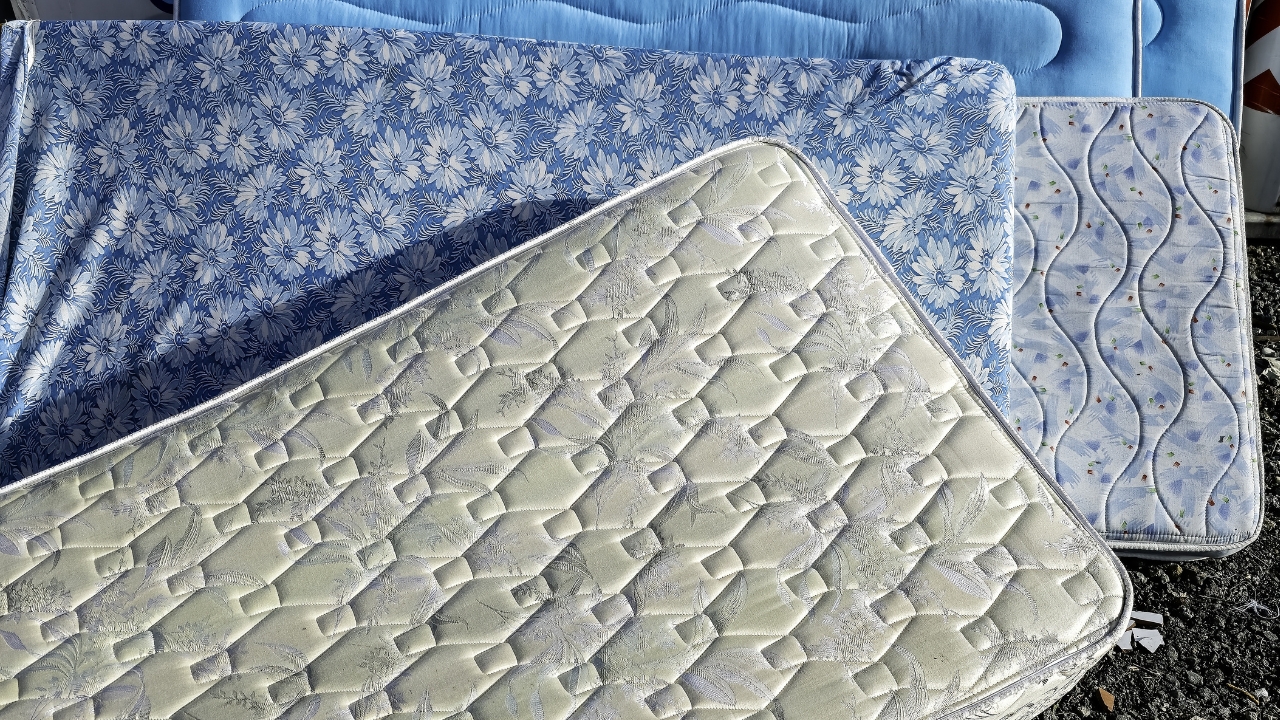
Soft furniture up there turns into a sponge. Humidity cycles through the roof deck and rafters, and that damp air settles into foam and batting. Once it smells musty, it’s hard to save, and it can bring that odor right back into a bedroom.
Upholstery also becomes a pest hotel. If you’re saving furniture for “someday,” wrap it in real furniture plastic and store it in a conditioned space, or admit it isn’t worth saving and donate it while it’s still clean. One exception, a very dry, sealed attic with good ventilation can keep a wrapped spare mattress okay for a short season, but don’t treat it like long-term storage.
5. Batteries And Battery Chargers
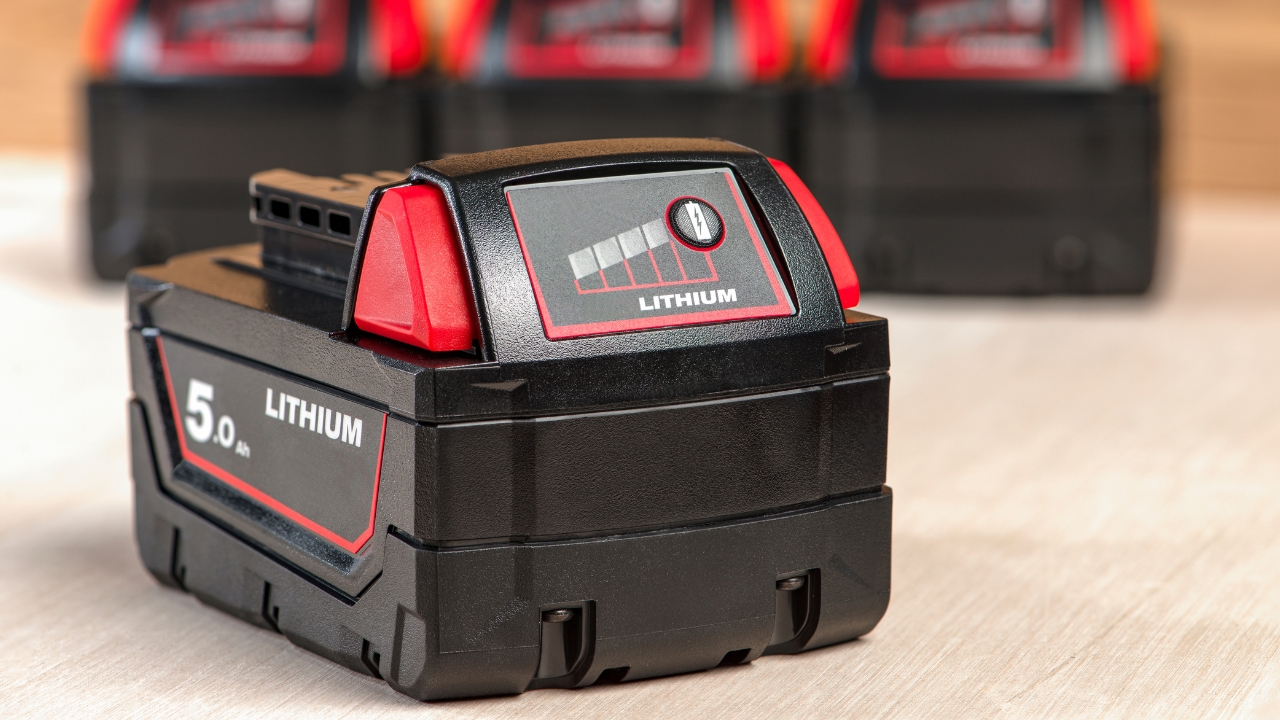
Heat shortens battery life, and deep cold can crack some casings. You’ll notice it when the flashlight won’t hold a charge, the cordless tool pack dies early, or the stored power bank is swollen. Chargers aren’t happy either, dusty heat plus cheap extension cords is how attic wiring ends up with scorch marks.
Store batteries indoors, cool and dry, and keep lithium packs away from anything flammable. If a battery is bulging, leaking, or hot to the touch, don’t charge it, and don’t toss it in regular trash. Take it to a battery recycling drop-off and follow their rules for taping terminals.
6. Papers, Photos, And Keepsake Books

Paper seems harmless until you open a box and the pages crumble at the edges. Heat and humidity fade ink, curl photos, and feed mildew, especially if the attic has even a small roof leak that comes and goes. By the time you notice, you’re losing items you can’t replace.
Move anything sentimental or hard to recreate to the living space in archival bins, or at least a closet that stays dry. Scan what you can and keep a backup somewhere else. If you find musty paper, don’t stack it back in a bin, lay it out in a dry room with airflow and deal with the attic moisture problem before you store anything again.
7. Space Heaters And Fuel-Burning Heaters
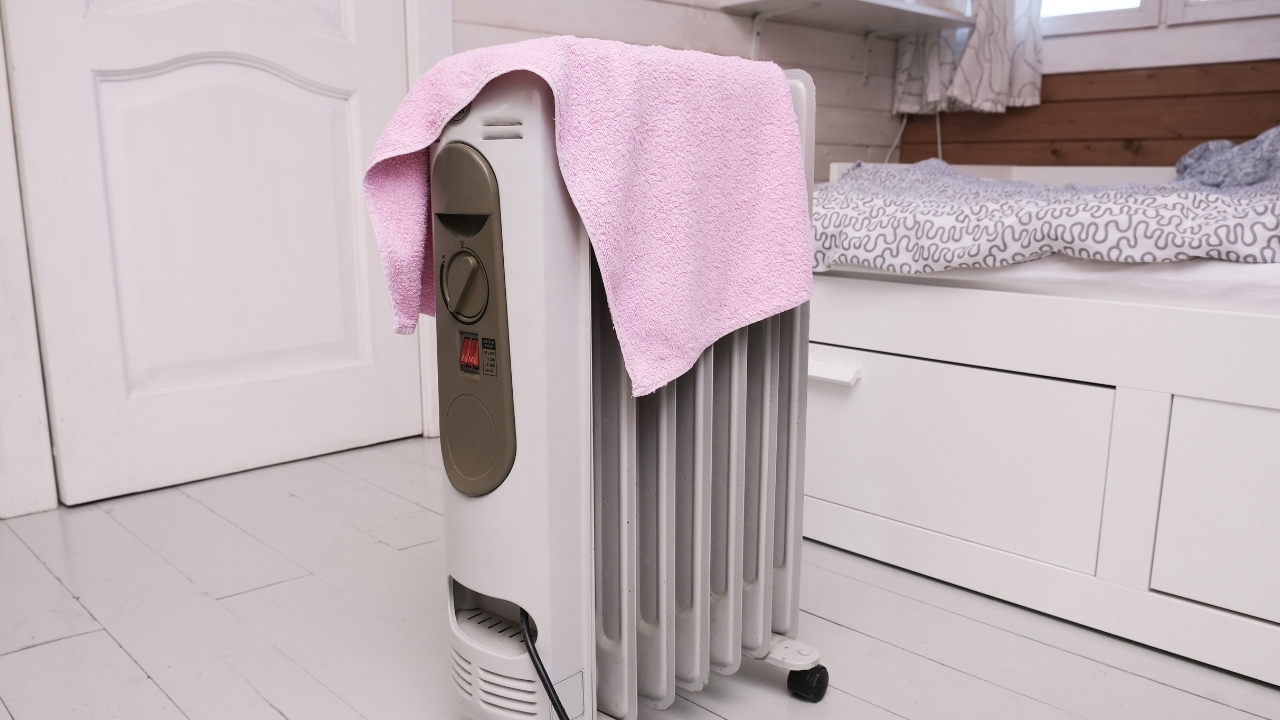
Attics collect “just in case” heaters, and that’s a bad place for them to sit. Dust packs into grills and fans, and rodents chew cords. The first cold snap, you drag it down, plug it in, and you get that hot plastic smell or a breaker trip.
Store heaters where you can keep them clean and inspect the cord. If it’s a vented gas heater or anything that burns fuel, it belongs where it’s installed and used, not buried under boxes. If you ever see a cord that’s stiff, cracked, or repaired with tape, replace the heater or have the cord replaced by a qualified shop.
8. Extra Roofing Shingles And Tar Products
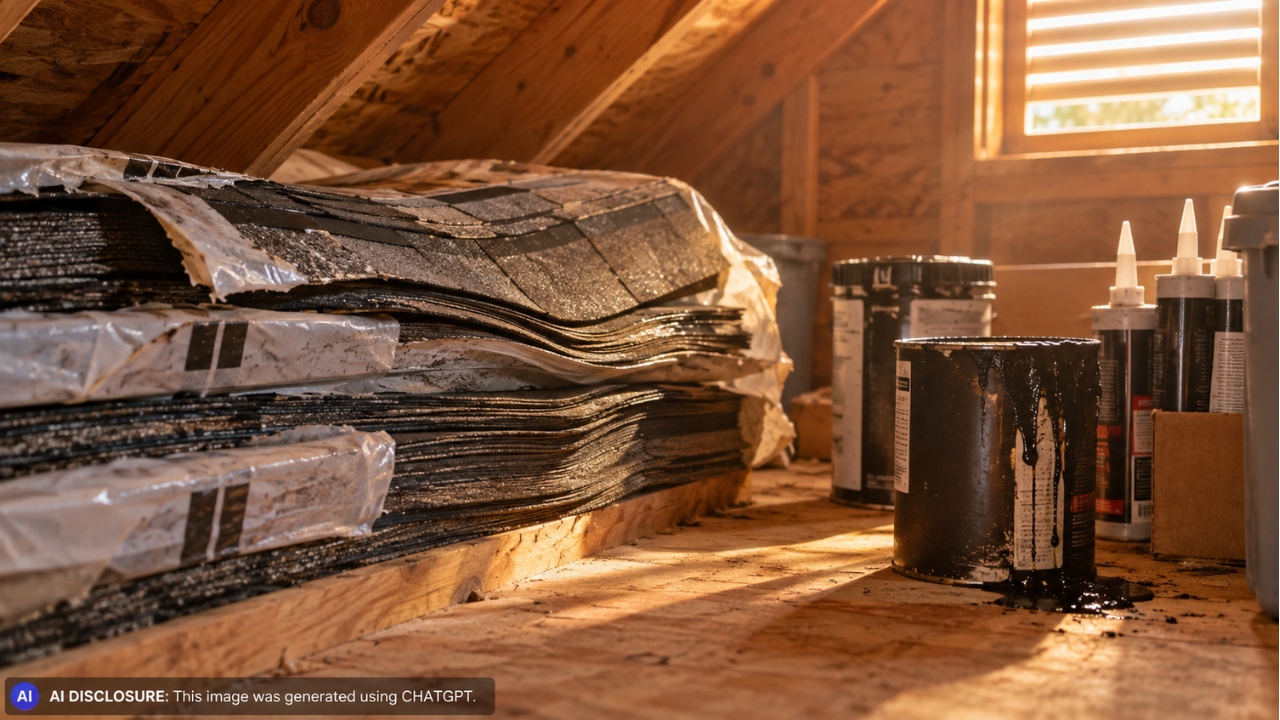
People save leftover shingles for patching, but attic heat can warp them. Adhesive strips stick to each other, bundles slump, and asphalt odors get stronger in mid-summer. Roofing tar and sealant can also burst or leak, and that mess never really comes out of wood.
If you want spares, keep a small stack flat in a shed or garage, out of direct sun, and label the color and date so you know what they match. For real repairs, a fresh bundle from the supplier is often a better match than year-old leftovers anyway. If you’re storing roofing cement, keep it sealed upright in a cool spot where a drip won’t ruin anything.
9. Christmas Lights And Extension Cords
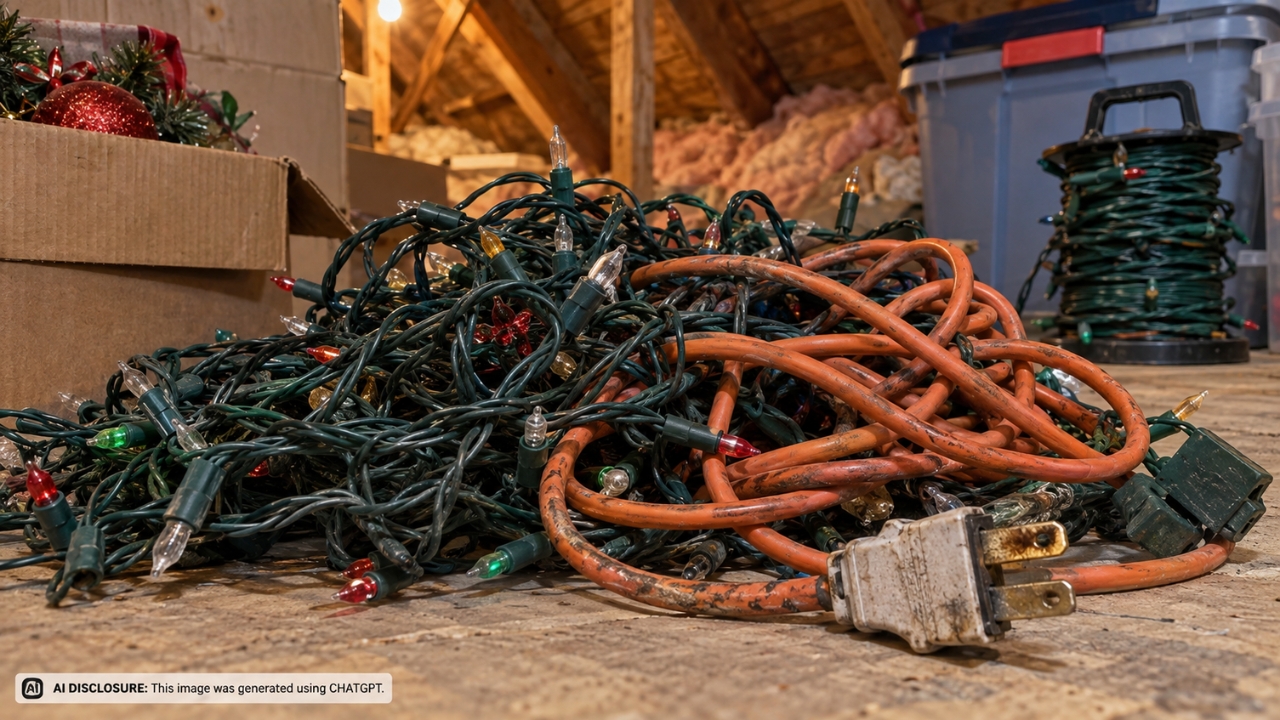
This is where “tangled forever” begins. Heat makes old insulation brittle, and the attic is where cords get kinked, crushed, and chewed. Then you hang the lights and one section flickers, or you see a brown spot on the plug blade.
Wind cords and strings onto a reel or a piece of cardboard and store them in a lidded tote inside the house. Before the next season, run a quick check, look for cracked jackets, loose prongs, and warm plugs. If you’re using cords outdoors, buy outdoor-rated cords and keep the connections off the ground.
10. Pet Food, Bird Seed, And Livestock Treats
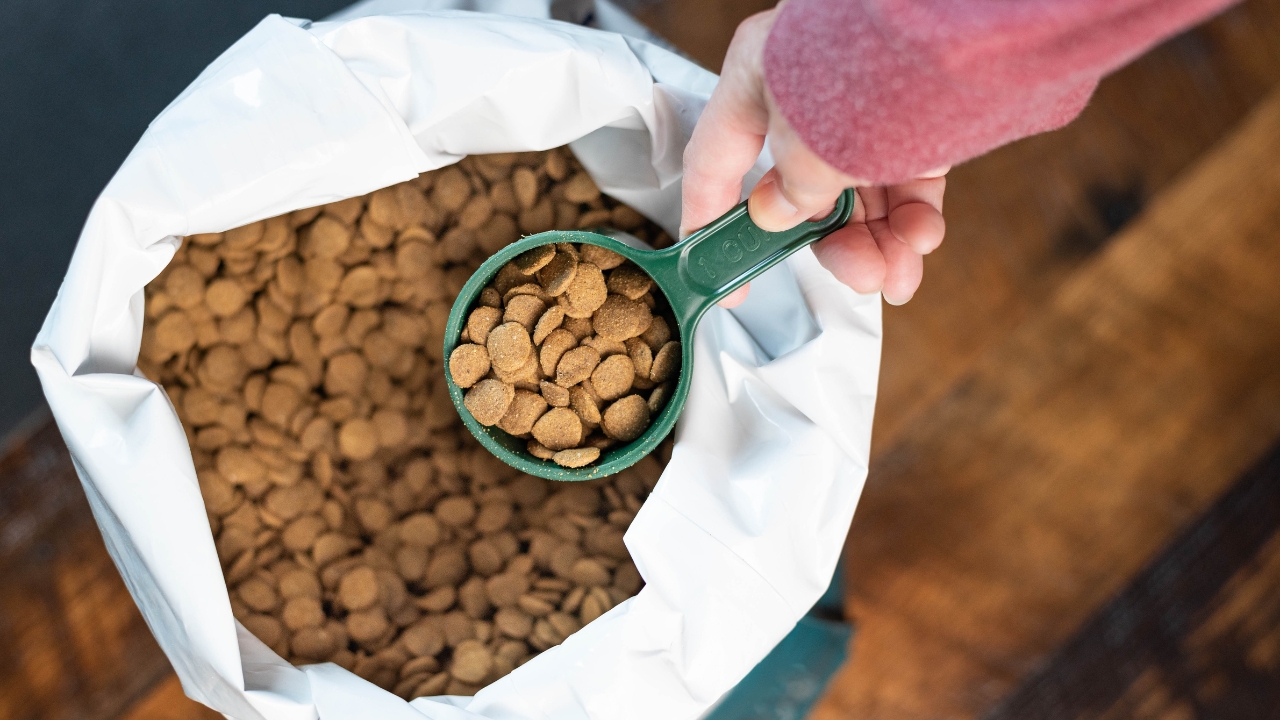
If mice can smell it, they’ll find it. An attic stash of feed turns into shredded bags, droppings, and a trail that can spread into your walls. Heat also turns fats rancid, so what looks fine can smell off when you finally open it.
Keep feed in sealed metal cans or heavy-duty plastic bins with locking lids, down in a garage or mudroom where you’ll notice activity sooner. If you already had attic feed, assume it’s contaminated if you see droppings or gnaw marks and toss it. Then set traps and seal entry points, because the animals are already trained to return.
11. Houseplants And Seed Starts

Never park a plant up there “for the weekend.” Attic heat can cook a plant in a day, and cold snaps can finish the job just as fast. Even hardy bulbs and tubers don’t like repeated swings.
Overwinter plants in a bright, cool room, or build a proper cold frame outdoors. For seeds, use airtight jars in a cool closet or fridge, labeled with the year.
12. Heavy Boxes Blocking Attic Ventilation
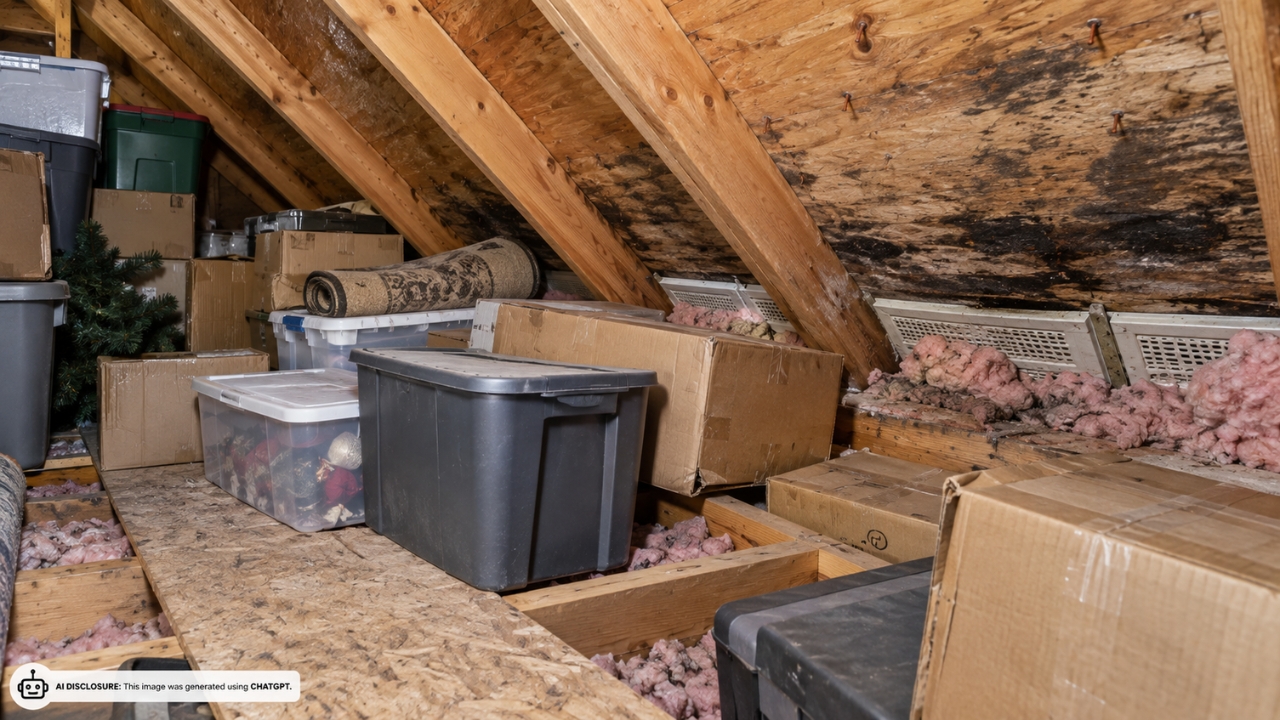
The attic isn’t a floor designed for stacks of weight, and it’s definitely not a place to bury soffit vents. When insulation and boxes block airflow, moisture lingers, roof sheathing stays damp longer, and you start seeing rusty nail tips and dark stains on the wood. In winter, that can mean ice dams and dripping ceilings.
Store items only on the framing or on laid-down boards that span joists, and leave a clear path from soffits to the ridge vent. If you need lots of storage, install proper platforms and baffles, or pay a contractor to do it right. It costs less than repairing moldy sheathing or a sagging ceiling later.
If your attic is already packed, pick a cool day and do a quick triage, anything liquid, flammable, edible, or sentimental comes down first. While you’re up there, bring a headlamp, a dust mask, and a few contractor bags, and look for the real reason the space keeps damaging things, heat, moisture, or pests.
Like Fix It Homestead’s content? Be sure to follow us.