10 Roof Problems You Can Spot From the Driveway
Photo credit: ungvar/Shutterstock.com
You don’t need a ladder to catch a lot of roof trouble early. A slow walk to the mailbox, a glance from the driveway, and a little common sense can save you from ceiling stains, rotten decking, and a bigger bill later. Look for patterns, not one oddball shingle.
1. Shingles Curling Or Lifting At Edges
Curling tabs and lifted corners usually show up first on the sunny side or the side that gets hammered by wind. From the driveway, it looks like little shadows and uneven edges instead of a flat, tight surface. That’s a wear problem, and once wind gets under those tabs, it starts peeling more off every storm.
If it’s one small area, you can sometimes get a roofer to do a small repair, but don’t count on a tube of roof cement as a long-term fix. Save the tar for a temporary patch in a dry spell, then plan the real repair before the next windy season. If lots of shingles are curling, it’s often age or poor attic ventilation, which means the roof is telling you about a ventilation problem too.
2. Bald Spots And Missing Granules

Asphalt shingles shed grit as they age, and from a distance it can look like faded patches or “bald” rectangles where the color is gone. Sometimes you’ll also notice dark streaks where the shingle mat is showing through. This is timing, once granules are gone, the sun cooks the shingle fast.
Check your gutters and downspouts later for piles of sand-like granules. A little is normal, a lot after every rain is not. If the roof is uniformly worn but not leaking yet, you’ve got a window to plan a replacement on your schedule instead of after the first water spot.
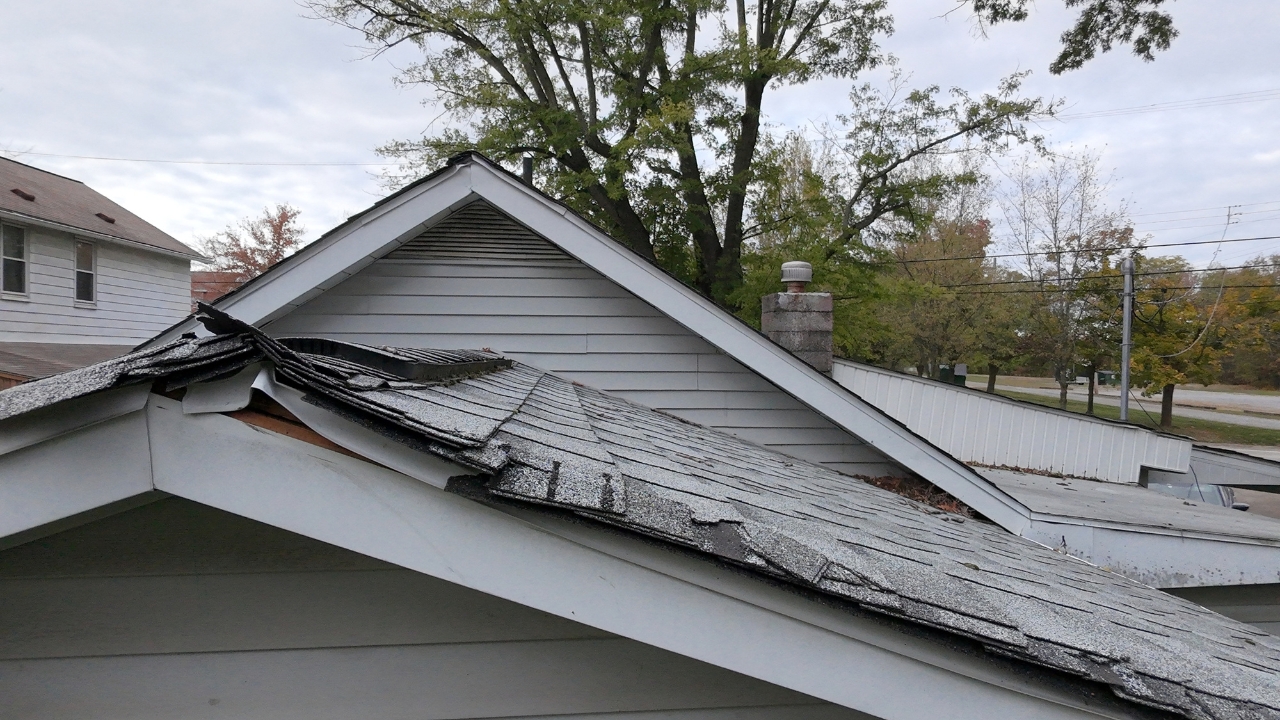
3. Wavy Roofline Or Sagging Ridge
A roof should look straight. If the ridge line dips, or the plane looks wavy like a tired mattress, that can point to damaged sheathing, a structural issue, or long-term moisture. From the driveway, it often shows up most at sunrise or sunset when low light throws shadows across the surface.
This is one of those “don’t DIY from the ground” moments. You’re looking at possible rotten decking, failed rafters, or overloaded framing, and that’s a job for a qualified pro. Keep an eye on it after heavy snow or a wet spring. If the sag seems to change over time, stop waiting and make the call.
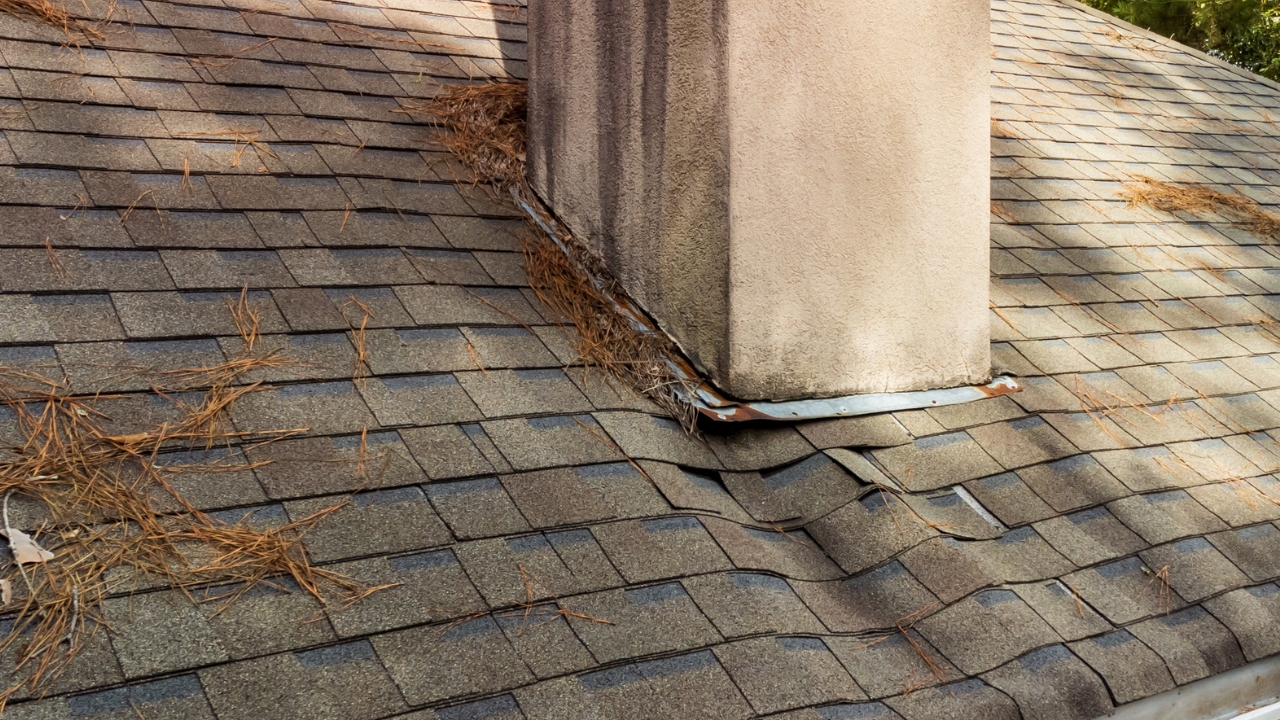
4. Flashing Pulling Away Around Chimneys
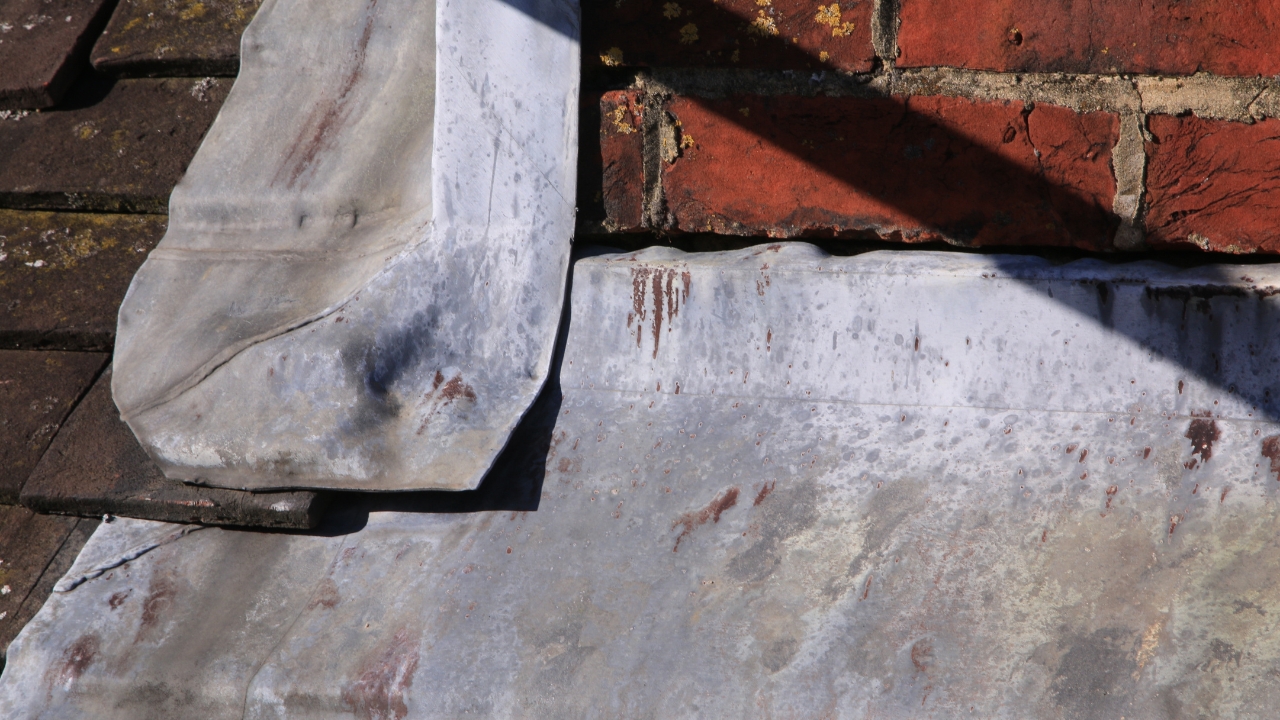
The metal around a chimney or a wall intersection should sit tight. If you can see gaps, buckling, or pieces that look like they’re peeling back, water has an easy path in. Chimney leaks love to show up as stains far from the chimney, which makes them sneaky.
Some homeowners slap on caulk and call it done. Caulk has a place, but it’s not a replacement for proper step flashing and counter flashing. If flashing is loose, bent, or missing, have a roofer fix it before you get rot in the roof deck and the chimney framing. Masonry chimneys add another layer, sometimes the mortar joint that holds the counter flashing is failing.
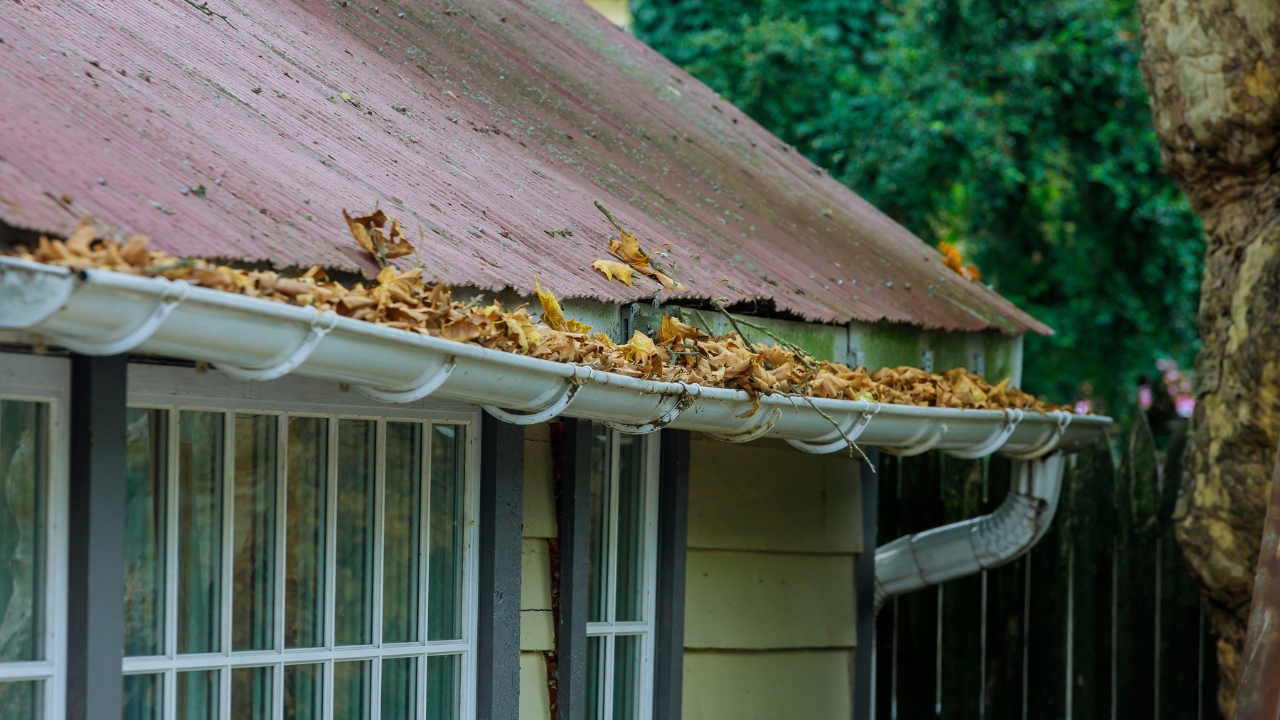
5. Gutters Bowing Or Pulling From Fascia

If your gutters look like they’re smiling, sagging between hangers, or pulling away at the ends, the roof edge is getting abused every time it rains. Overflow dumps water behind the gutter, which rots fascia boards and soaks soffits. In winter, that same mess can freeze into an ice dam problem.
This is often a cheap fix if you catch it early. Clean the gutters, add or replace hangers, and fix the pitch so water actually runs to the downspout. If the fascia is already soft, you’re past a quick hardware job and into carpentry, and you’ll want that repaired before the gutter gets rehung.
6. Downspouts Dumping At The Foundation

From the driveway, you can usually see where the downspouts end. If they stop right at the base of the wall, the roof is basically watering your foundation. That can mean wet basements, shifting steps, and a muddy mess that never dries out.
Add extensions or solid drainpipe to move water well away from the house, and make sure the ground slopes away. This is one of the few “cheap option is fine” situations. A basic extension is better than nothing, and you can upgrade later to buried pipe if you want, just call for utility locates before digging.
7. Dark Streaks And Green Growth

Black streaks and green patches look like grime from the street, but they’re often algae and moss holding water on the roof. Moss is the bigger bully, it lifts shingle edges and slows drying after rain. North-facing slopes and shaded areas near trees get hit first.
If it’s light algae staining, many roofs keep doing their job for years and it’s mostly a looks issue. Moss is different, it needs attention. Skip pressure washing, it can chew up shingles fast. A pro can treat it safely, and you can trim tree limbs to let the roof dry out faster.
8. Nail Pops And Random Raised Bumps
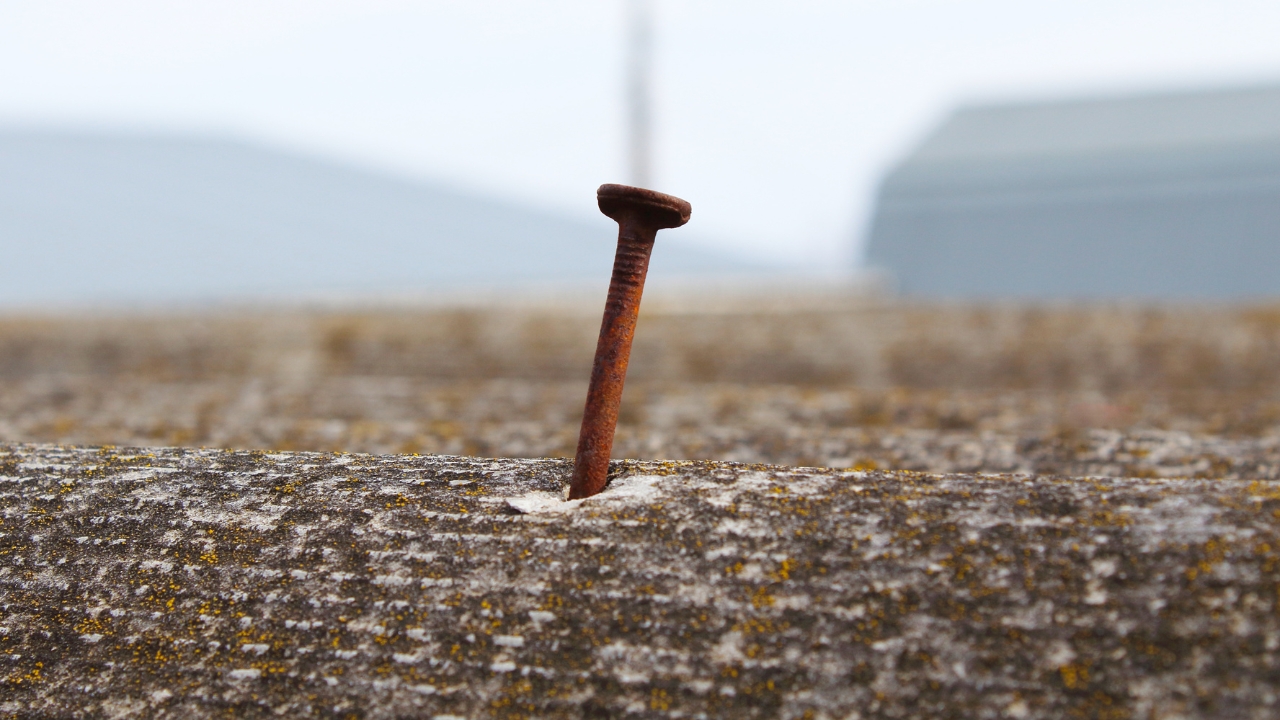
Sometimes you’ll notice little bumps or dimples that catch the light in a weird way, especially on lower slopes you can see well from the drive. Nail pops happen when nails back out or when decking moves, and they can punch through shingles over time. Even one raised spot can become a leak point in the right storm.
Fixing nail pops means lifting shingles and renailing or replacing, which is roof work with fall risk. If you’re not set up for safe roof access, hire it out. The driveway clue is useful because it lets you schedule a small repair before it becomes a wet insulation problem.
9. Ridge Vent Or Cap Shingles Missing
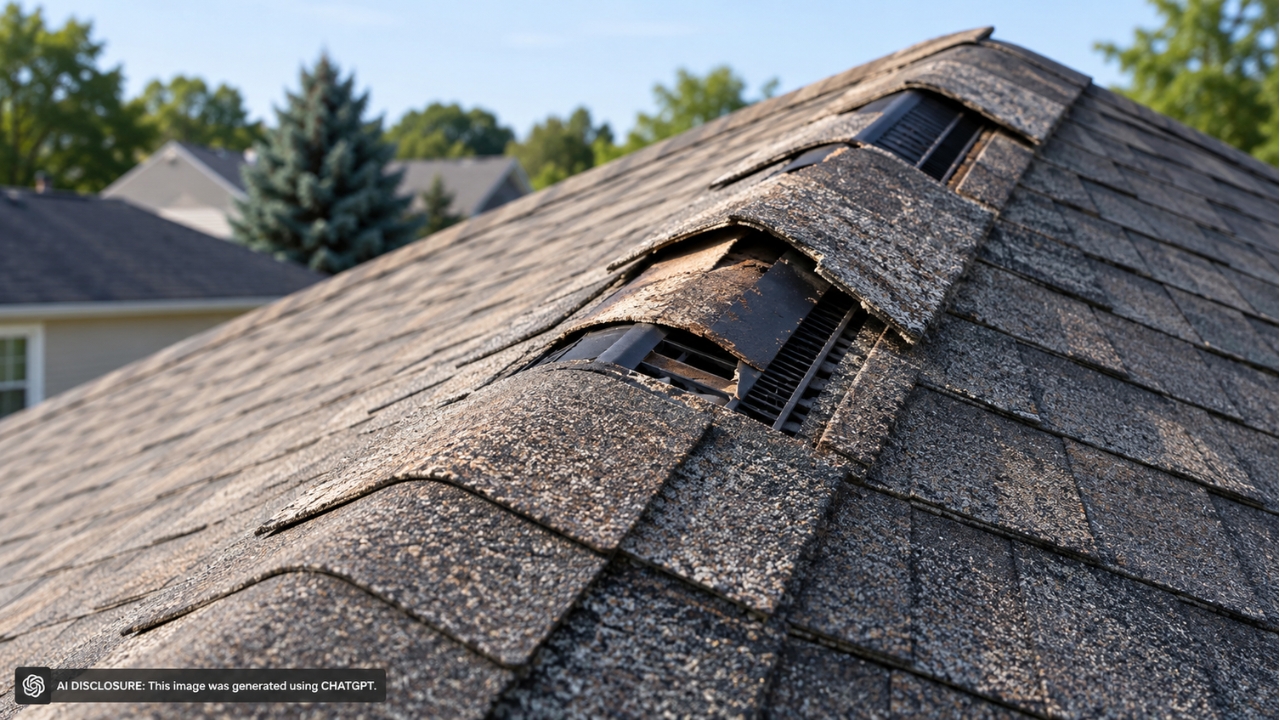
Look at the very peak. Ridge cap shingles should be continuous, and ridge vents should look straight and evenly covered, not broken, gapped, or patched with random pieces. When the ridge is compromised, wind-driven rain gets in and the attic takes the hit.
This is one of the spots where a small missing piece can cause a lot of trouble because water runs right under it. Also, don’t assume “more vent is better.” If you see a ridge vent added but soffit vents are blocked or missing, the attic can still run hot and damp. A roofer or insulation pro can check the intake and exhaust balance.
10. Fascia Stains And Peeling Paint
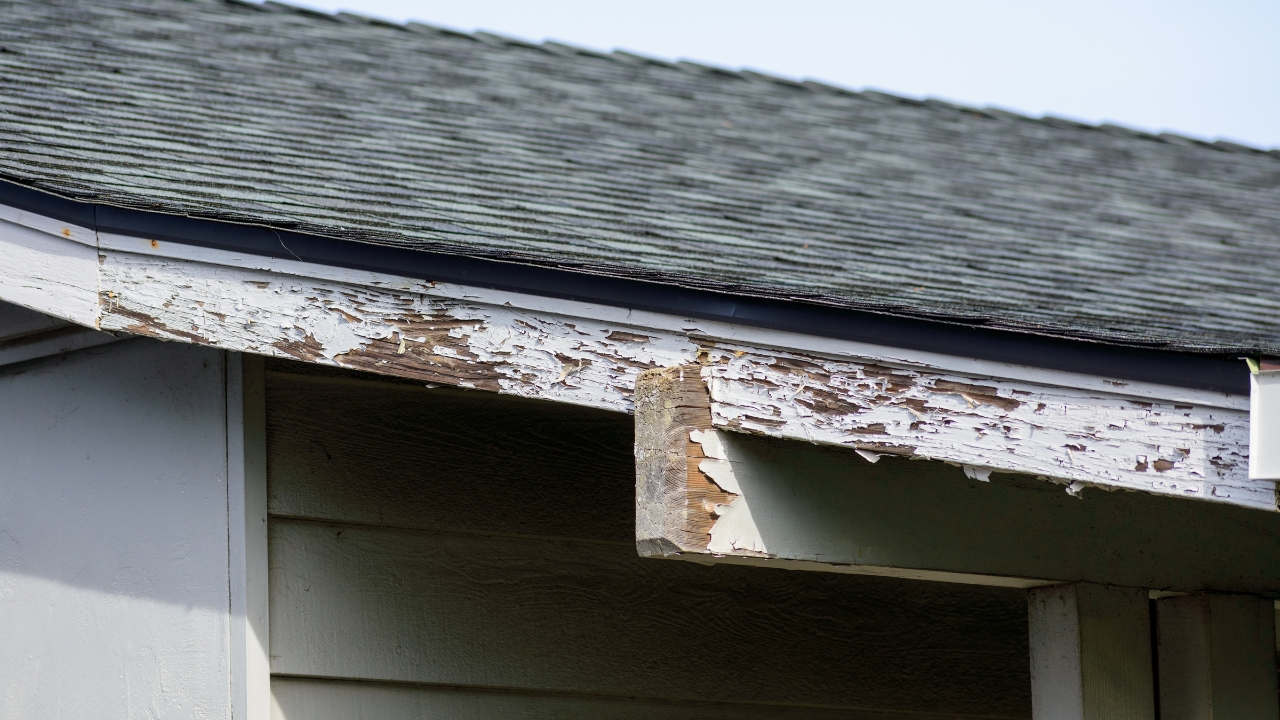
Streaks on fascia boards, peeling paint at the eaves, or swollen trim are roof problems even if the shingles look okay. It usually means water is getting where it shouldn’t, often from clogged gutters, short drip edge, or splash-back from valleys. You’ll spot it from the driveway as uneven color, soft spots, or boards that look puffed up.
Poke the wood from a ladder only if it’s stable and you’ve got a helper. If it’s soft, plan on replacing damaged sections and fixing the water source at the same time, not after. Fresh paint without the underlying fix just buys you a few months.
A quick driveway check after a hard rain and again after the first freeze is a good habit. Snap a few photos from the same spot each season, changes jump out when you can compare. When you do call a roofer, you’ll sound like someone who pays attention, and that usually gets you better answers.
Like Fix It Homestead’s content? Be sure to follow us.