10 Signs Voles Are Ruining a Lawn, Not Grubs
Photo credit: BushAlex/Shutterstock.com
You patch the brown spots, you water, you even throw down grub killer, and the lawn still looks like it’s getting chewed from underneath. That’s when it’s time to stop blaming insects and start looking for small mammals. Voles leave a different kind of damage, and if you catch it early you can save a season of work.
1. Pencil-Wide Surface Runways In Grass
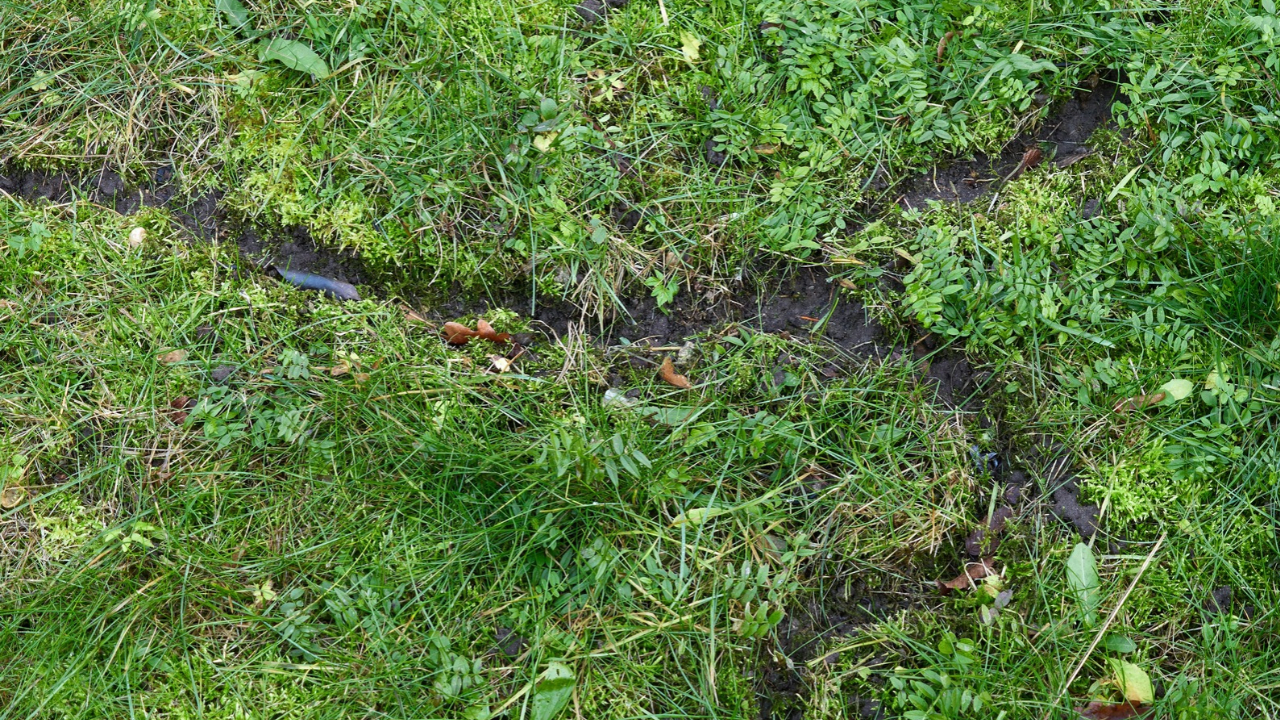
Grubs don’t make trails you can see. Voles do. Look for narrow paths pressed into the turf, often 1 to 2 inches wide, weaving through the lawn like someone dragged a broom handle through it.
Runways show up best in early morning dew or right after a light snow melts. If you can part the grass and see a little “hallway” right at soil level, that’s vole traffic, not beetle larvae.
2. Sudden Tunneling After First Snowmelt
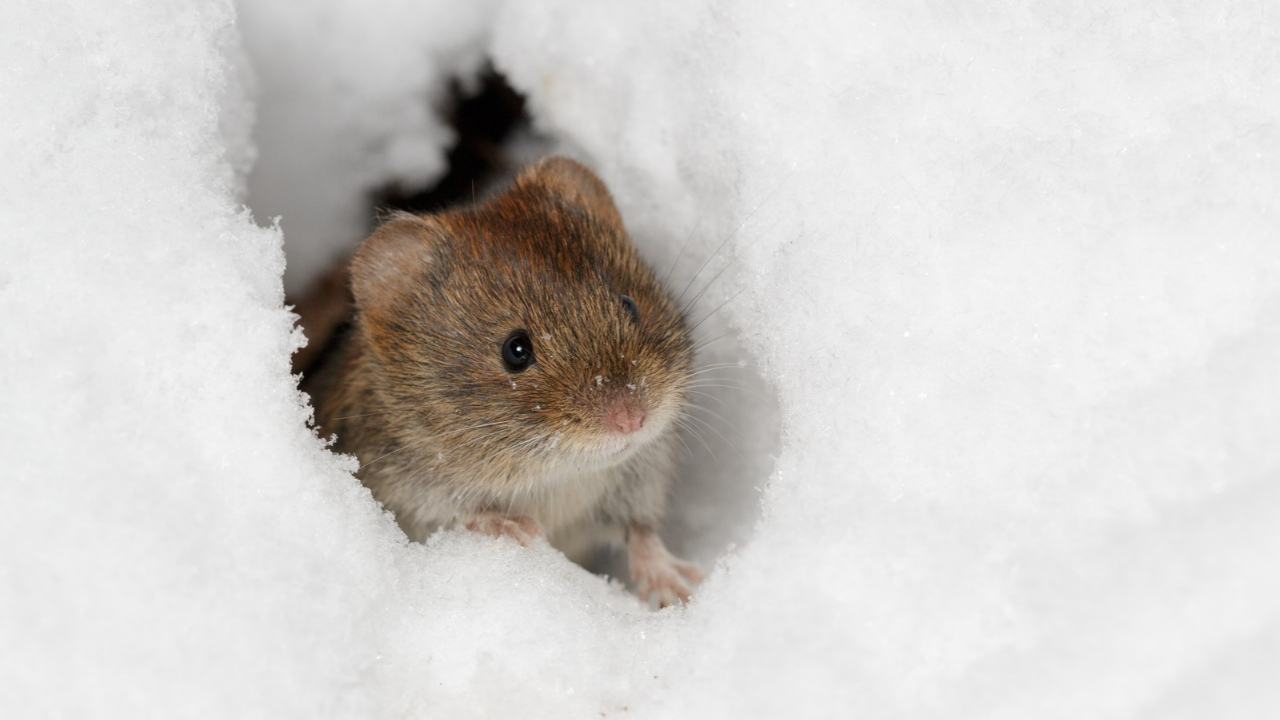
Winter is when vole damage really gets loud. They tunnel under snow cover and chew in peace, then the snow pulls back and your yard looks like it has tiny roadways everywhere.
Grub damage usually peaks in late summer or early fall when roots are being eaten and sod starts lifting. If the mess appears as soon as the yard thaws, put “voles” at the top of your suspect list.
3. Grass Mats Down In Strange Lines
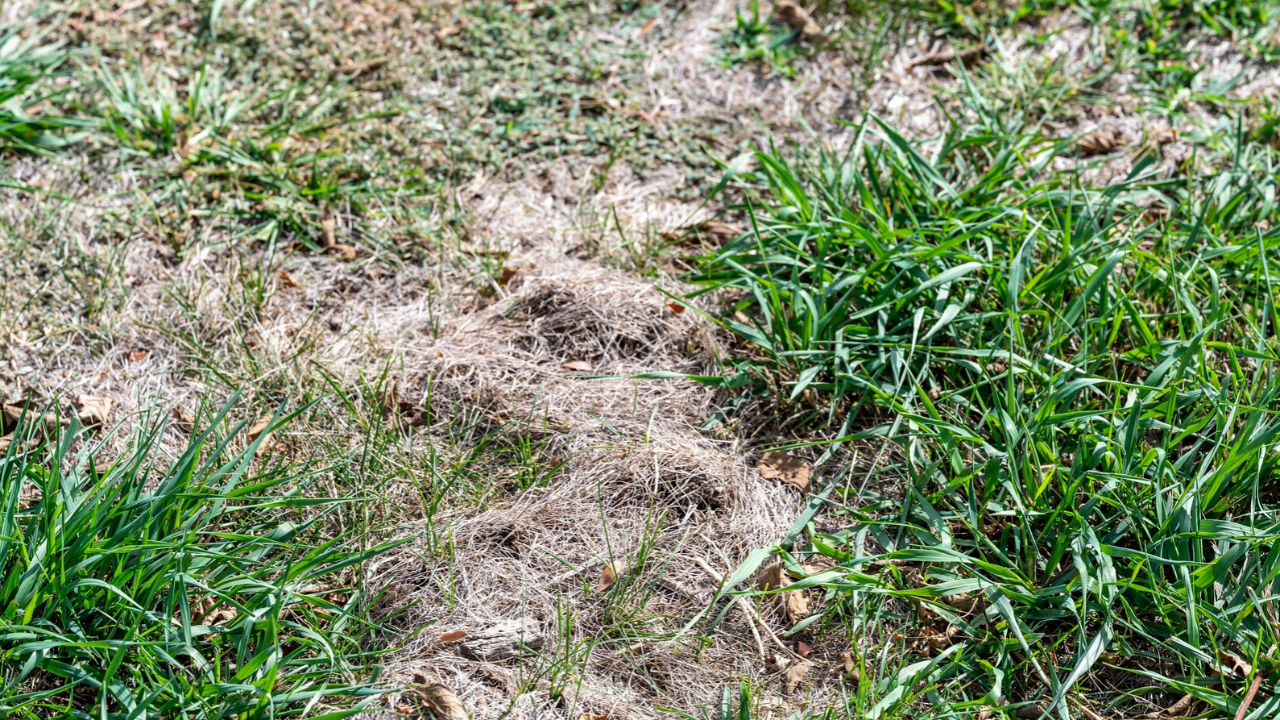
You’ll see strips of grass laid over, almost like it got rolled down by a toy tire. That’s the roof of a runway. The blades bend and tangle where voles keep passing through.
With grubs, the turf looks spongy and off-color, then it tears up in sheets because roots are gone. With voles, the grass is often still rooted, it’s just flattened, scuffed, and dirty in narrow tracks.
4. Small Round Holes Near Thick Cover
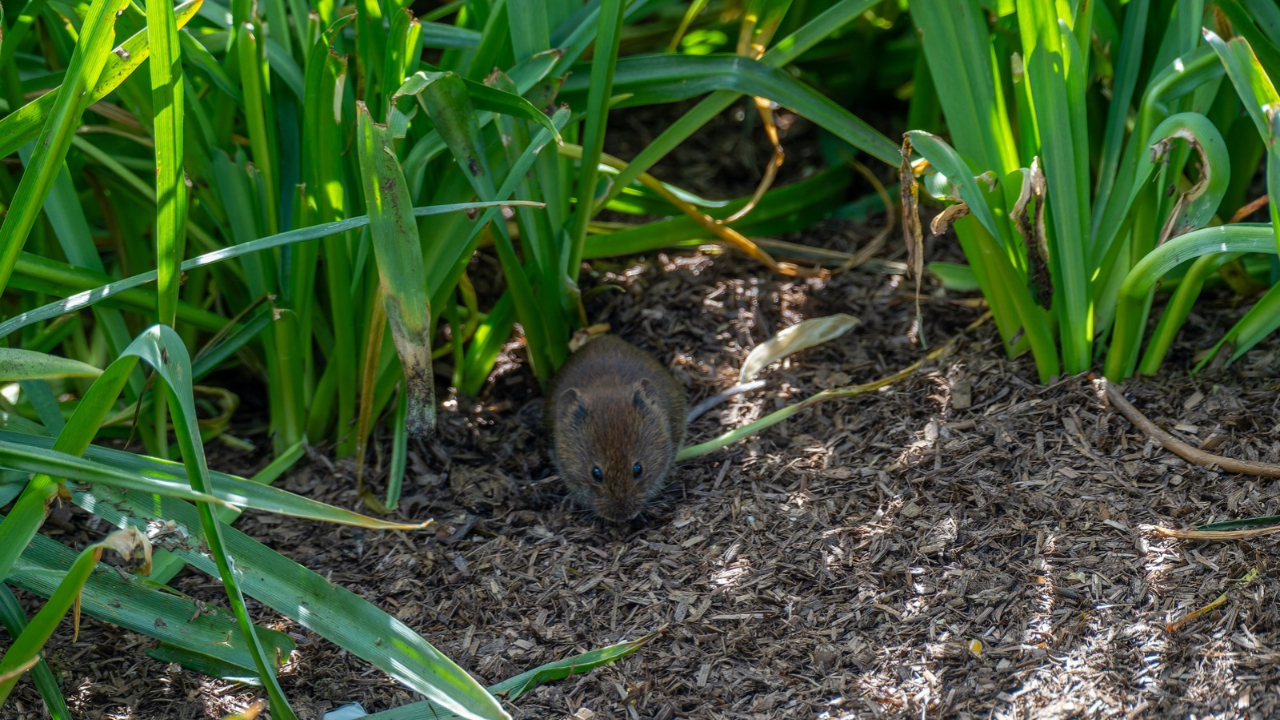
Voles like protection. Check edges first, under junipers, along fence lines, around brush piles, under low deck stairs, and where tall grass meets the lawn. You’re looking for clean, round openings about the size of a quarter or smaller.
Grubs don’t leave entry holes. If you find openings that connect to surface runways, you’ve got active burrowers. Mow and trim those areas tight, and rake out thatch so predators can see what’s moving.
5. Bark Chewed Off Young Trees
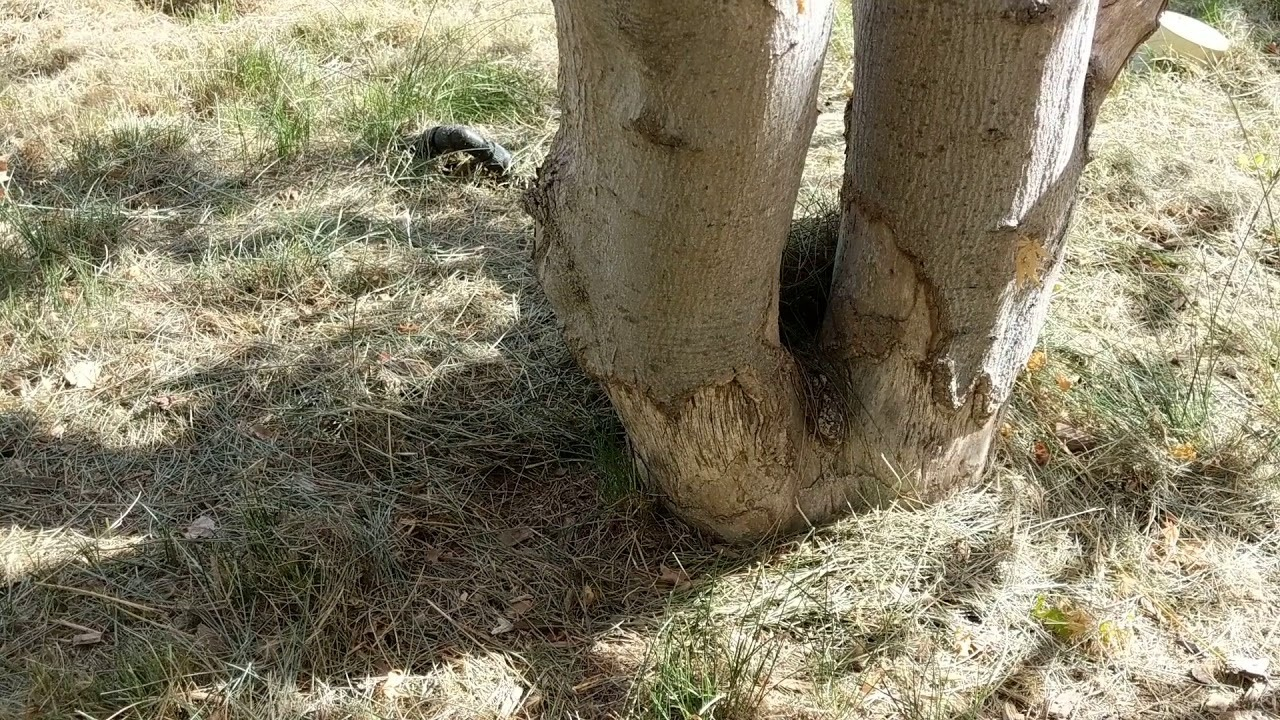
A lawn problem that turns into a tree problem is classic vole behavior. In late winter and early spring, voles chew bark at the base of saplings, ornamentals, and fruit trees, sometimes in a rough band close to the soil line.
Grubs don’t touch bark. If you’re seeing gnaw marks and missing bark on trunks, put hardware cloth guards around trees (with a little gap for growth) and clear mulch and grass away from the trunk flare.
6. Roots Still There When You Tug
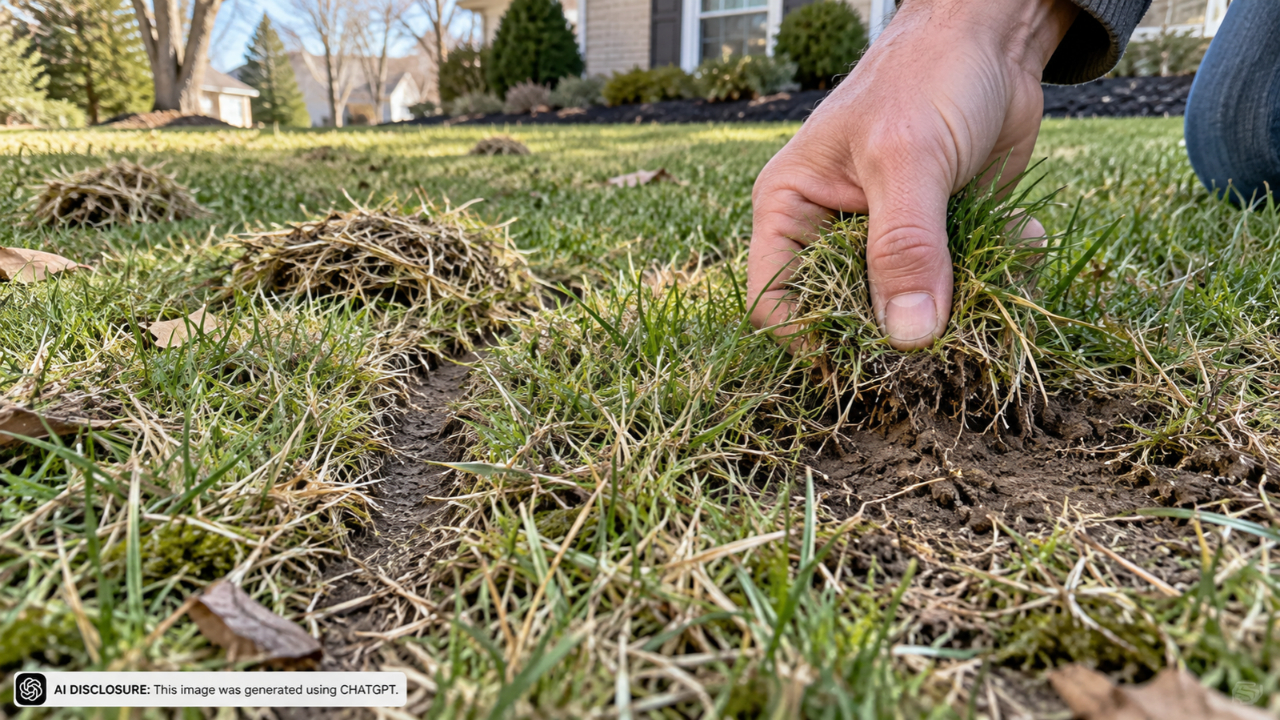
Go to a bad patch and do the simplest test. Grab a handful of grass and pull. With heavy grub feeding, sod lifts like a loose rug and you’ll see few roots holding on.
With vole damage, the grass often resists because roots are mostly intact. You may find runways underneath and little piles of clipped grass, but you won’t get that clean “carpet peel” that screams grubs.
7. Little Green Clippings In Runways
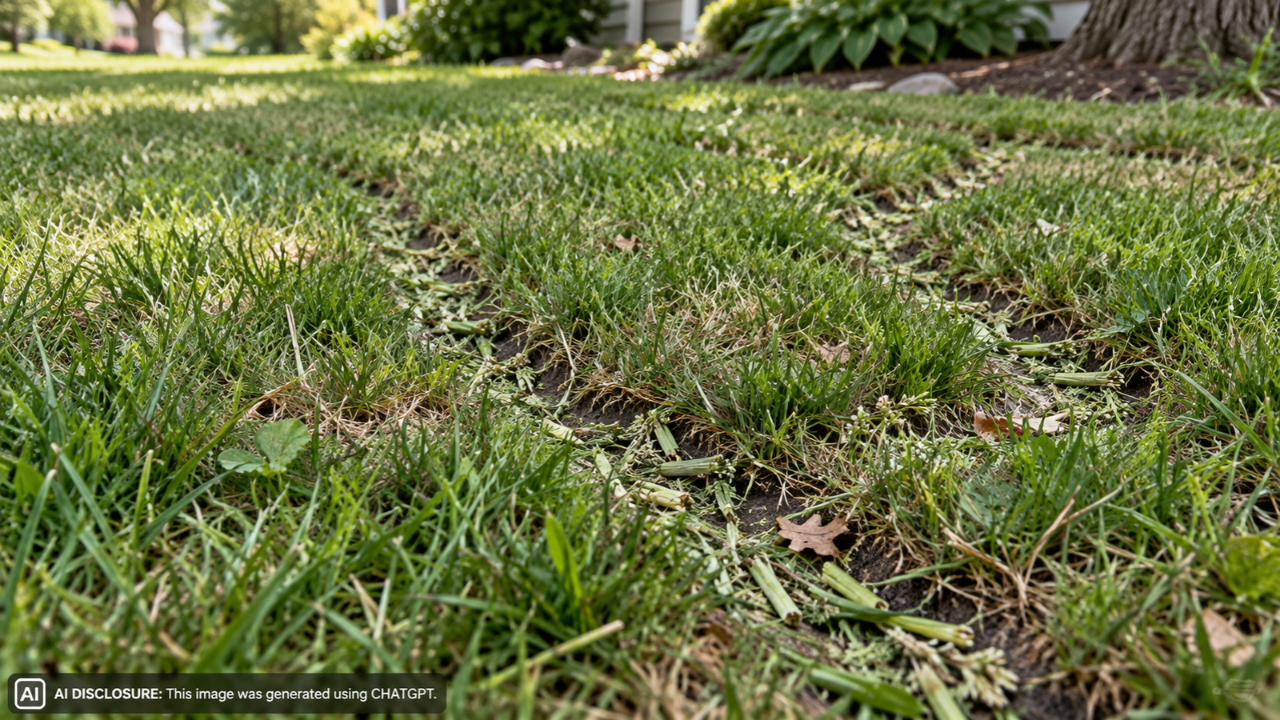
Voles eat vegetation and drag bits around. In active runways, you’ll sometimes spot tiny chopped-up grass pieces, seed heads, or leaf bits tucked along the path.
Grubs are down in the soil chewing roots, so you don’t get that above-ground mess. If the damage looks like someone ran a miniature string trimmer in short bursts, start hunting for runways and holes.
8. Damage Clusters Beside Mulch And Stone
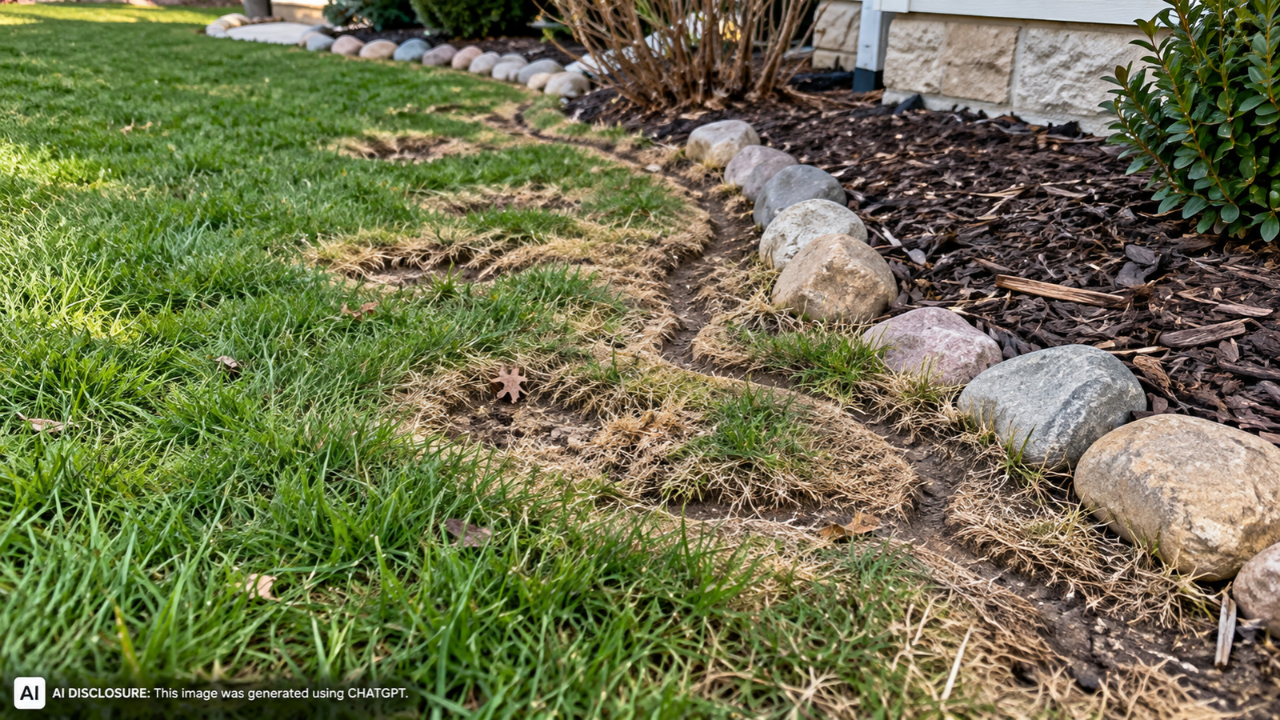
Mulch beds, rock borders, and landscape fabric edges make safe travel lanes. Voles will work along those hard edges and pop out into the lawn, so the ugliest spots often sit right next to “neat” landscaping.
This is one reason people waste money on grub treatments. The lawn dies back in arcs near beds, and it feels like a soil pest. Instead, pull mulch back from turf edges, keep rock borders weed-free, and don’t let groundcover creep into the grass line.
9. Few Or No Skunks Digging Here
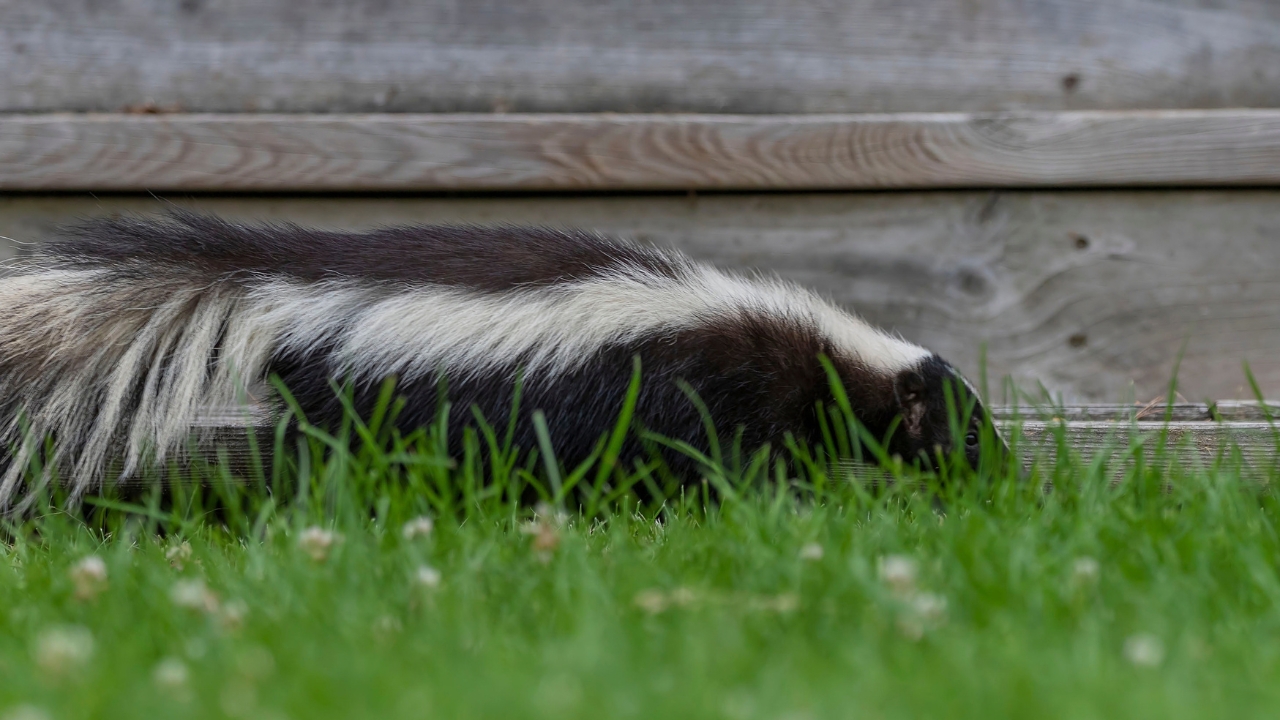
Skunks, raccoons, and even crows love a grub buffet. If you wake up to cone-shaped holes, flipped sod, and a yard that looks like it was lightly rototilled, grubs are often involved.
With voles, you can have serious lawn damage with almost no digging from larger animals. Exception: a yard can have both problems, especially if you water heavy and have thick thatch. Do the pull test and look for runways before you treat anything.
10. Thatch And Tall Grass You Keep Avoiding
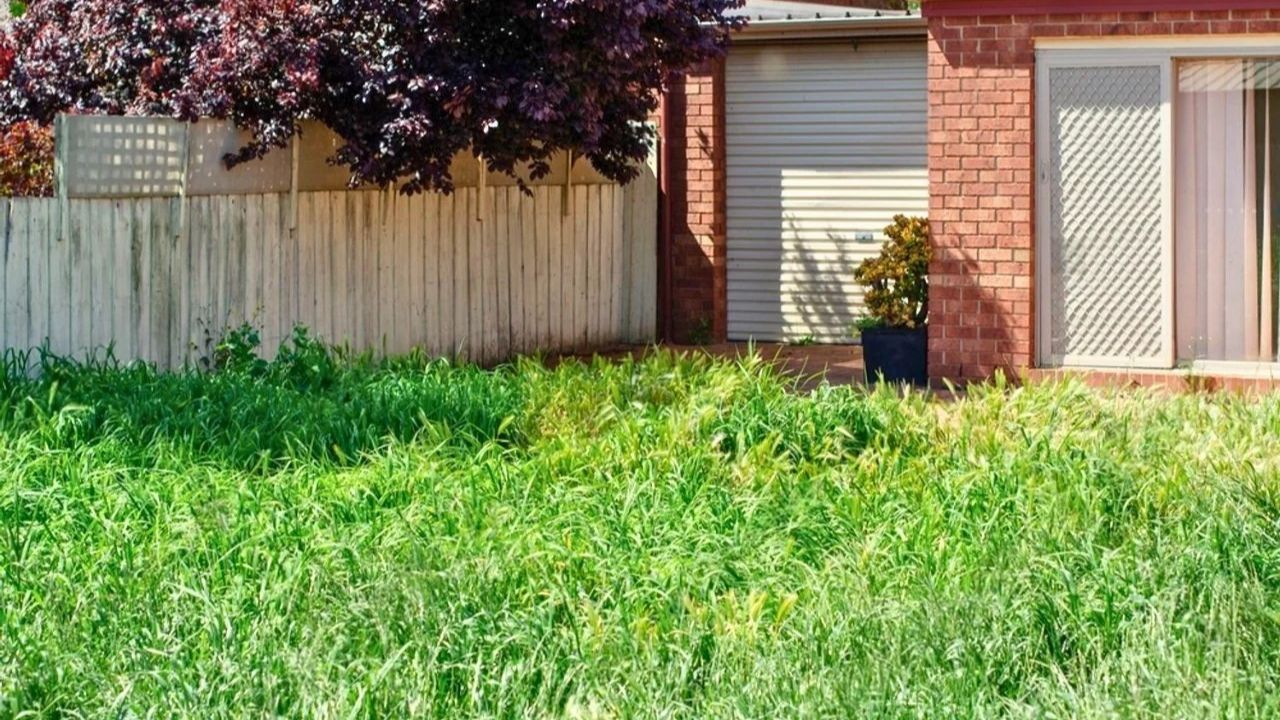
Be honest about the spots you hate mowing, the damp corner behind the shed, the strip along the fence you trim twice a season. Voles move in where cover stays put. A thick thatch layer is basically a welcome mat.
Start with habitat cleanup before you spend on controls. Mow lower going into fall, dethatch if it’s built up, and keep weeds down. When you do need to set traps, place them right in active runways and check them often, and keep kids and pets away from the area.
If the yard points to voles, skip the impulse buy at the garden center and spend that effort on finding active paths and removing cover. A couple hours with a rake, mower, and pruning shears often tells you more than any bag of pellets ever will.
Like Fix It Homestead’s content? Be sure to follow us.