10 Things People Skip on the Last Mow of the Year
Photo credit: Melinda Nagy/Shutterstock.com
That last cut before winter feels like a finish line. You’re tired of dragging hoses, emptying clippings, and listening to the mower complain in cold air. Skip a few small steps now, and spring will charge you interest in dull blades, dead patches, rust, and fuel problems.
1. Mowing Too Short Before Frost
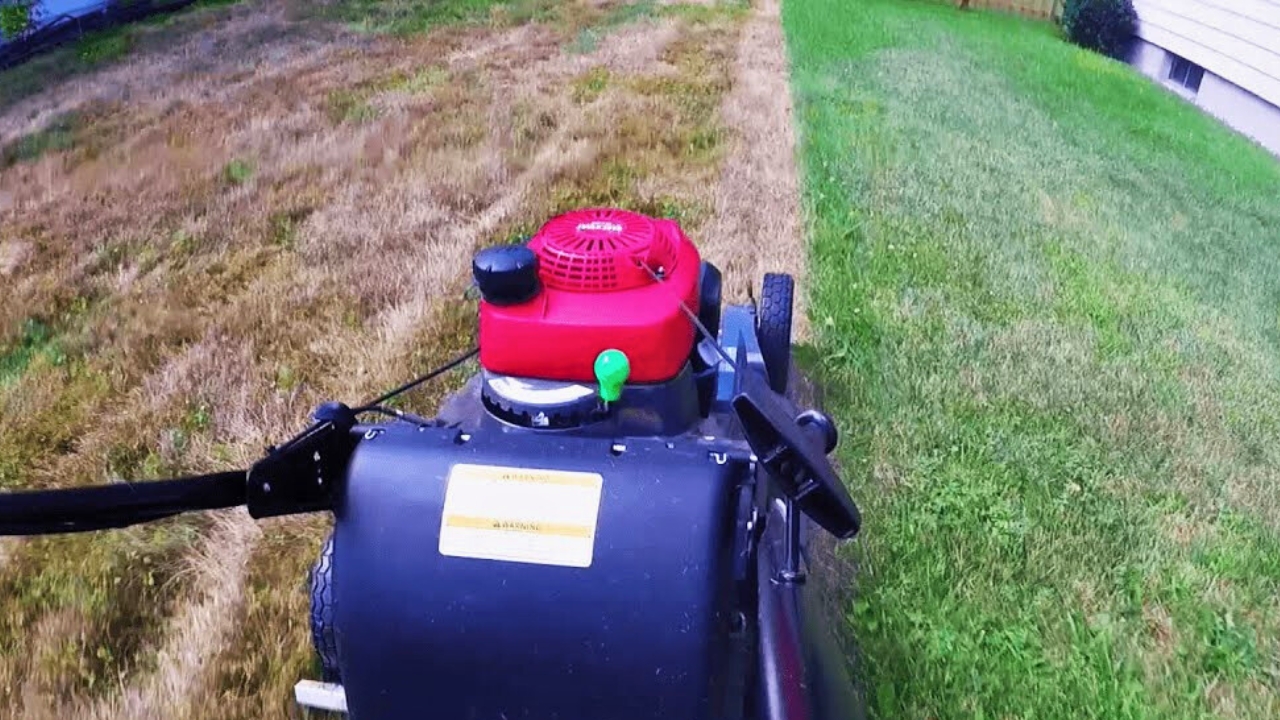
Some people drop the deck because they want the yard to look “clean” until snow. That scalp job can leave crowns exposed, and the first hard freeze can burn them up. You’ll see it in spring as thin spots that never quite fill back in.
A safer play is to taper down over the last couple mows instead of one big haircut. Cool-season lawns usually do fine left a bit higher going into winter, while warm-season grasses that go dormant can be kept a touch shorter without the same risk. If you’re not sure what you have, don’t guess low, go medium and call it good.
2. Leaving Wet Clippings In Thick Mats
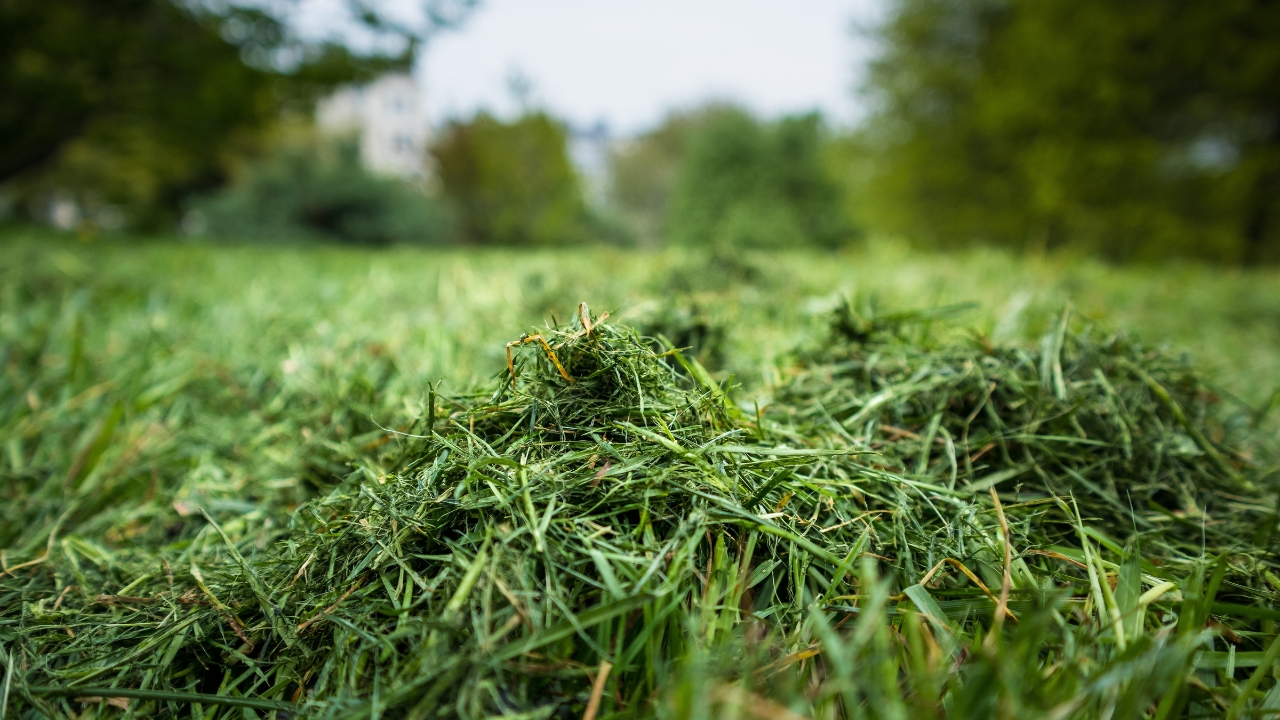
The “mulch it and forget it” habit works until it doesn’t. If the last mow is damp, clippings can clump into heavy mats that smother grass and feed snow mold once the yard stays covered. In spring you’ll find slimy patches and gray, matted circles.
If you’re mowing wet because weather won’t cooperate, slow down and double-cut to break clumps up. Rake out the worst piles the same day, it takes ten minutes and saves reseeding later. Bagging is fine on that last soggy cut, even if you mulch all season.
3. Putting Away A Dirty Mower Deck

The underside of the deck collects wet grass, dirt, and fertilizer dust. Let it sit all winter and it turns into a crust that holds moisture against the steel. Next year the mower vibrates more, cuts worse, and rust starts where you can’t see it.
Scrape the deck clean while the gunk is still soft. A plastic putty knife or a deck scraper works, and a stiff brush gets the last bits. If you hose it, let it dry fully before storage, and keep water away from bearings and belts.
4. Skipping A Blade Sharpening Or Swap

Dull blades don’t “cut” so much as tear. The last mow of the year with a beat-up edge leaves shredded tips that dry out and look tan, and that damage carries into winter stress. Come spring, the lawn looks tired even with good rain.
If you have a spare blade, the easy move is to swap it now and sharpen the old one on the bench later. A file works for touch-ups, a grinder is faster if you know what you’re doing. If you hit rocks all season, don’t push it, a mower shop can sharpen and balance for a few bucks, and a balanced blade saves spindle wear.
5. Forgetting Fuel Stabilizer Or Drain Plan
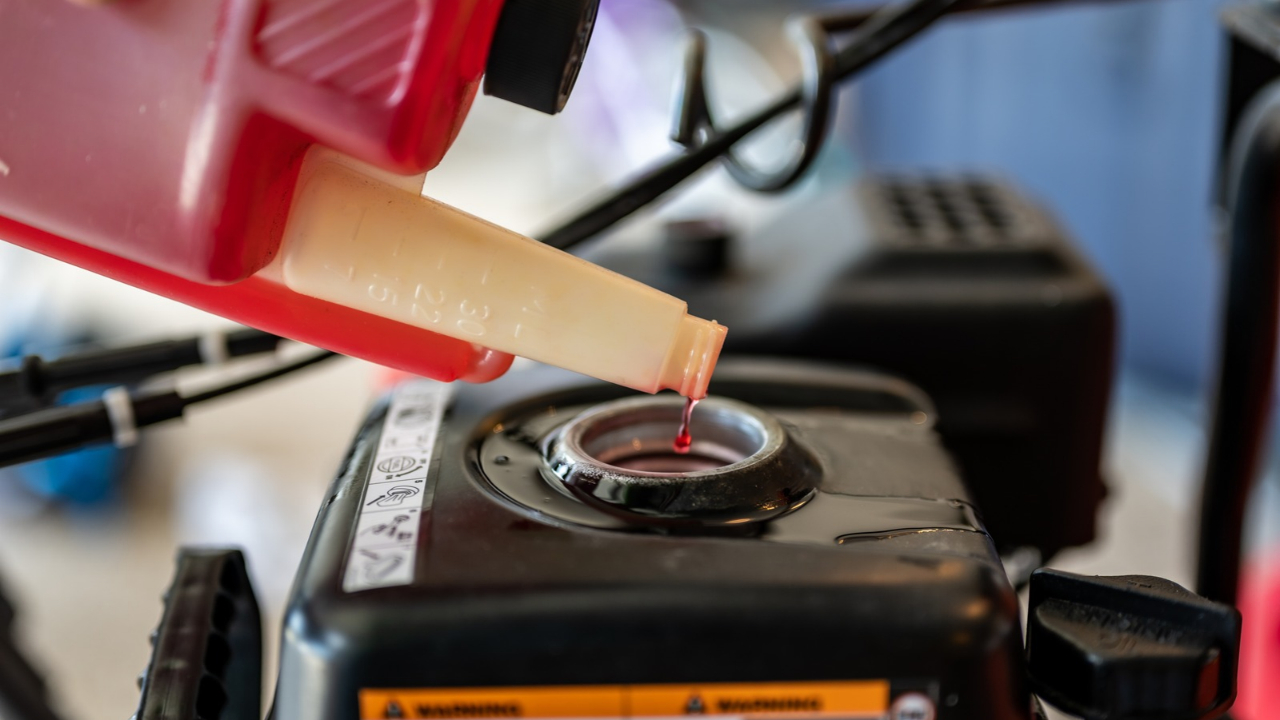
Gas left sitting goes stale, and small engines hate stale gas. The first warm weekend of spring turns into ten minutes of yanking a cord, choking it, and smelling fuel that won’t light right. Carburetor cleaning is not a fun way to start the season.
Pick one method and actually finish it. Either add stabilizer to fresh gas, run the engine long enough to get treated fuel through the carb, then store it, or drain the tank and run it dry if your manual allows it. For equipment under warranty, follow the manufacturer’s storage notes so you don’t create your own problem.
6. Storing A Battery In Freezing Temperatures
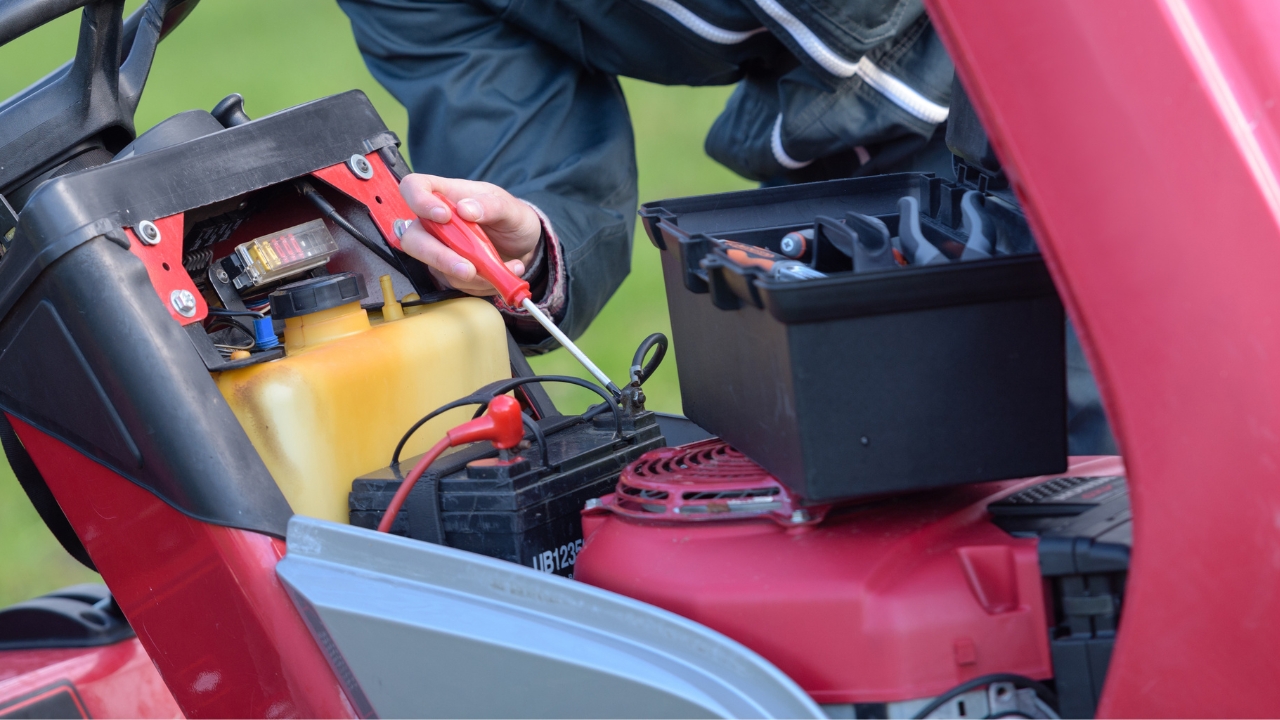
Cold kills batteries slowly, then all at once. If your rider or electric mower sits in an unheated shed, the battery can self-discharge and freeze, and that can crack it or shorten its life. Spring starts with a click, not a crank.
Pull the battery and store it somewhere above freezing, or at least put it on a maintainer made for small equipment. Clean the terminals first so the connection is good later. If you’re dealing with lithium packs, follow the storage charge level listed by the manufacturer, stuffing them away full or empty is a good way to age them fast.
7. Leaving Salt And Fertilizer Dust On Metal
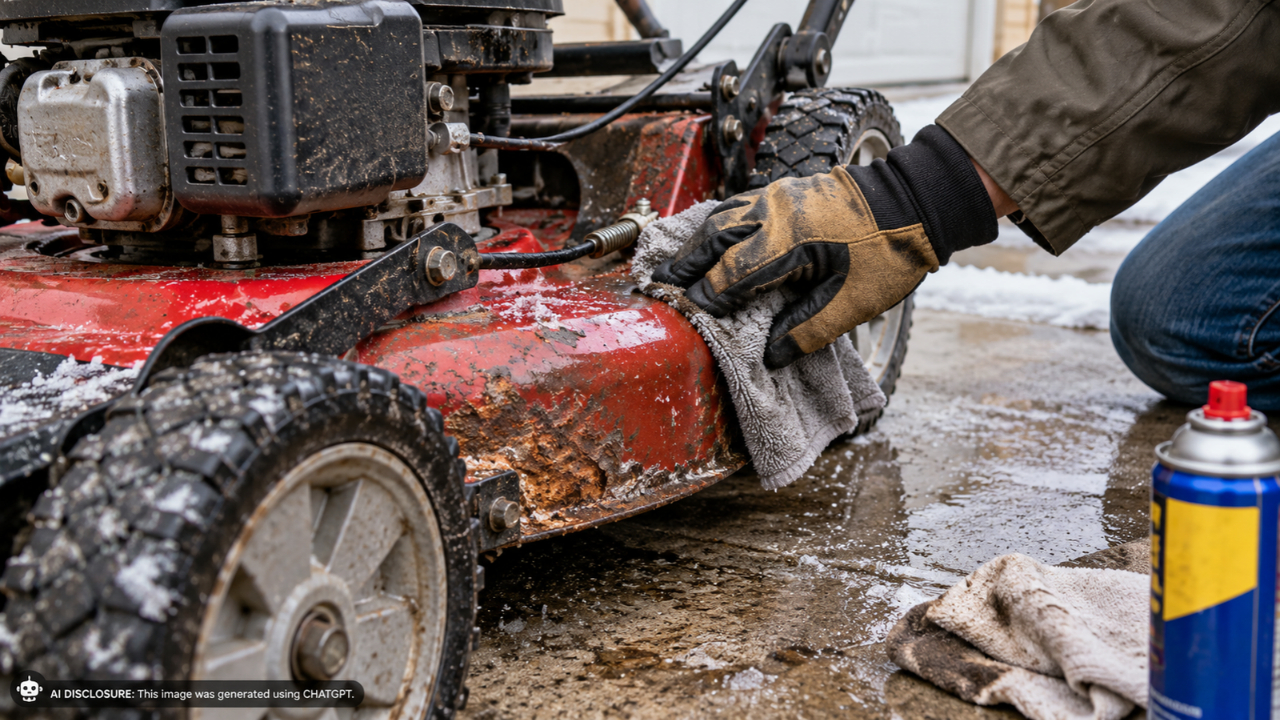
Late fall is when sidewalks get salted and spreaders get used, and that dust ends up on your mower wheels and deck. Add moisture, and you get corrosion that shows up as bubbling paint and flaky steel. This one sneaks up because the mower looks “fine” from the top.
Wipe down exposed metal and the wheels, especially if you mow near driveways that get de-icer. A light coat of spray lubricant on linkages and height adjusters helps too. Skip the urge to soak everything, you’re just trying to remove the salts and keep parts from seizing.
8. Parking On Damp Ground All Winter
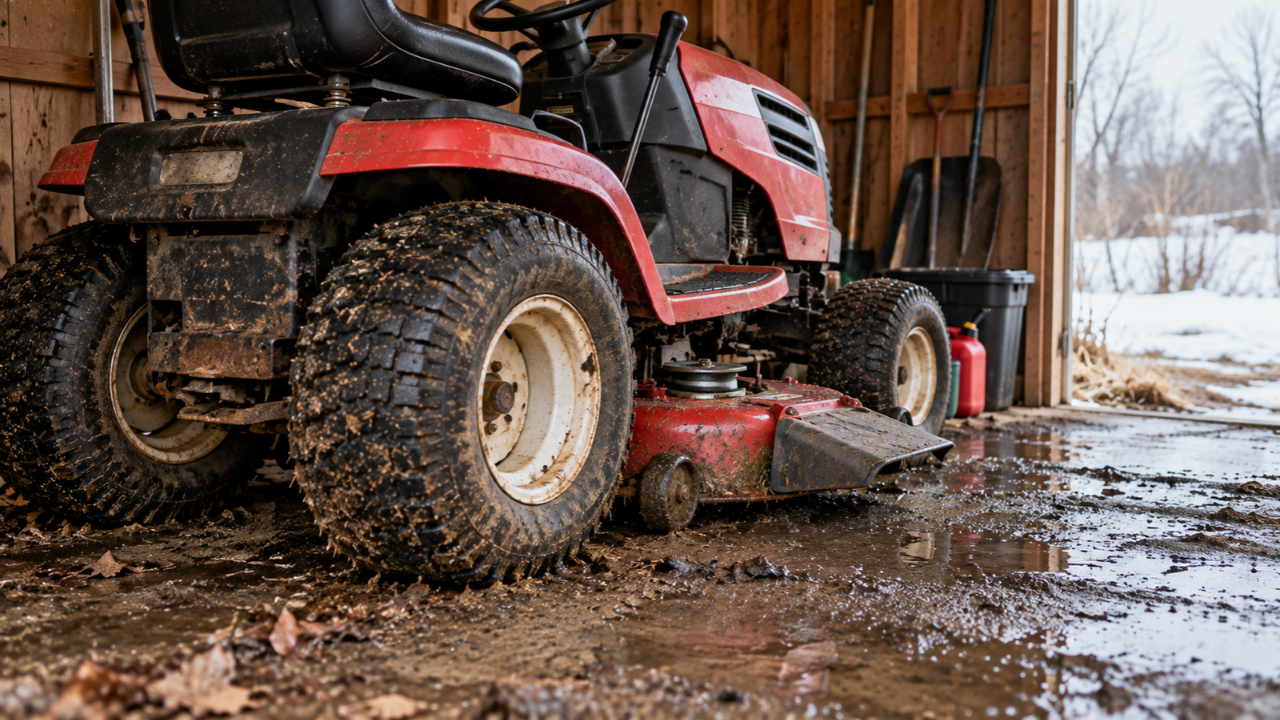
A mower stored on bare dirt or a wet slab wicks moisture for months. Belts take a set, tires get flat spots, and rust starts from the bottom up. In spring, that first engagement squeals, or a tire looks fine until it won’t hold air.
Put it on a dry surface, even a scrap of plywood is better than dirt. If you have room, roll it onto concrete and slip a piece of cardboard under the deck to block moisture and drips. For long storage, bump tire pressure to the spec on the sidewall, not “as hard as possible.”
9. Ignoring Fall Lawn Leveling Clues

That last mow is when ruts and mole runs show up, because the grass isn’t hiding them. Most people notice, then forget until they scalp the same hump next spring. Repeated scalping weakens grass and turns a small bump into a constant brown streak.
Mark problem spots with a little flag or even a paint dot on a rock at the edge of the area. Fixing it might be a spring job, but you can plan now for topsoil, sand, or rolling, depending on your yard. If you have serious settling near a foundation or drainage issue, that’s a grading and water-management project, not a “throw dirt on it” fix.
10. Skipping A Quick Safety Check
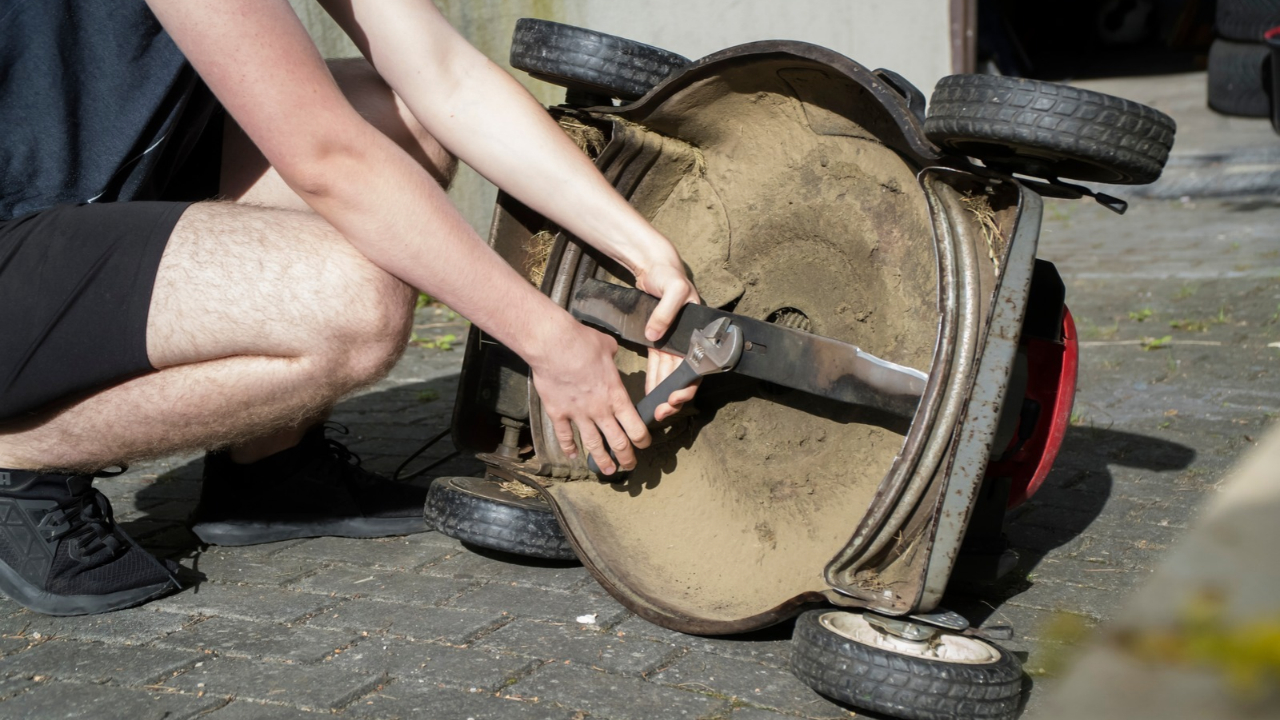
Right before storage is the best time to catch the stuff that turns into an expensive repair later. A loose blade bolt, missing discharge chute, cracked fuel line, or wobbling wheel won’t improve while it sits. You’ll just forget, then run it hard in spring.
Take two minutes and look, not guess. Check that the blade is tight, the pull cord retracts smoothly, guards are in place, and the air filter isn’t packed solid. If you find a bent blade or cracked deck, don’t “run it one more season,” fix it now or pay for spindles later.
Do the small stuff while you still remember how the mower sounded on its last run. Winter is long, and spring weekends are short. A clean, fueled-right, properly stored machine means your first cut is just a cut.
Like Fix It Homestead’s content? Be sure to follow us.