10 Dog Breeds That Bark the Least Around Strangers
Photo credit: Volodymyr TVERDOKHLIB/Shutterstock.com
A dog that goes off like a car alarm every time someone pulls in the drive wears you out fast. Neighbors get edgy, deliveries get dropped at the curb, and your own stress climbs before the visitor even reaches the porch. If you want a steadier house and a calmer yard, it helps to start with breeds that tend to watch first and bark last.
1. Basenji With A Quiet Watchdog Style
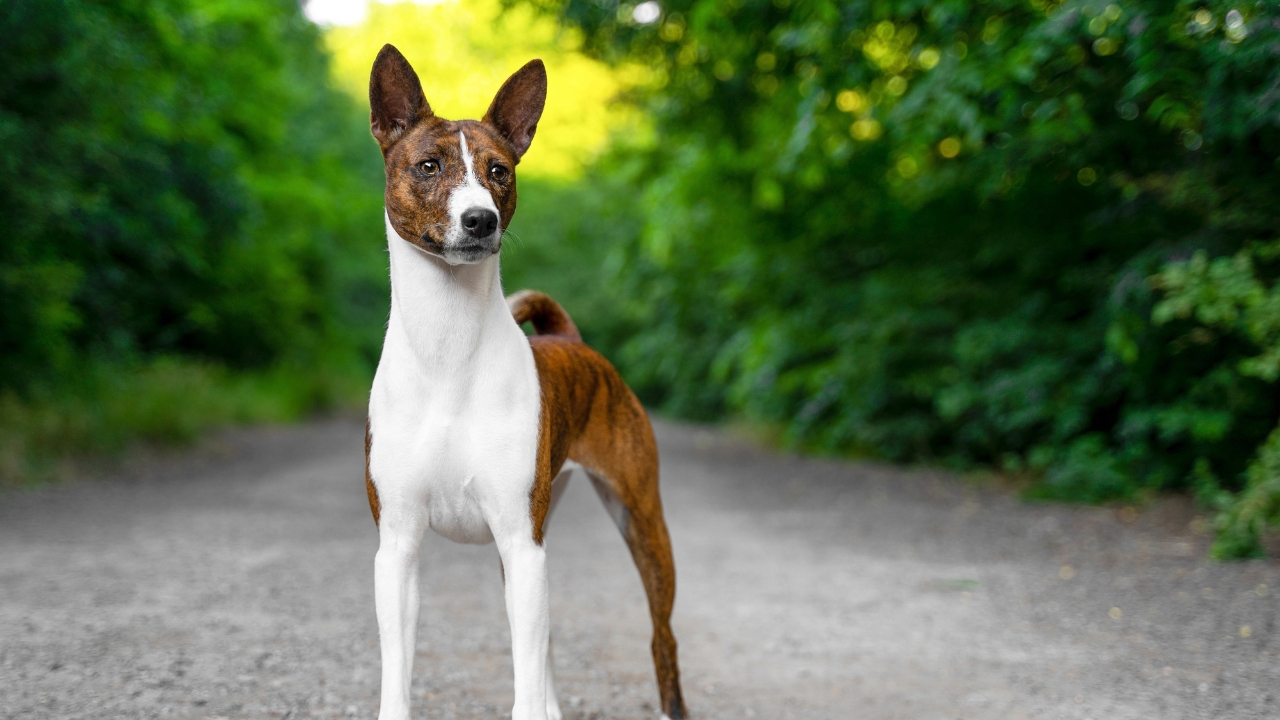
This is the oddball that makes sense once you live with one. Basenjis are known for being light on barking, and many don’t do the usual “someone’s here” routine at the window. You’ll still get noise sometimes, just not the nonstop alarm barking that turns a peaceful place into a racket.
Basenjis trade barking for other communication, like yodel-like sounds, grumbles, and body language. If you’ve got close neighbors, that’s usually easier to live with. Just don’t assume “quiet” means “easy”, you’ll need solid fencing and regular exercise or they’ll find their own projects.
2. Greyhound That Rarely Sounds Off
People expect a big, athletic dog to be loud. Retired racing Greyhounds often aren’t. Many are calm inside and don’t feel the need to comment on every stranger who walks past the gate.
They’re built for short bursts, not all-day yard patrol. Give them a soft bed and a couple good walks, and they tend to settle. The practical catch is temperature, a thin coat means winter yard time needs a coat, and summer heat calls for shade and a water bowl that doesn’t tip.
3. Cavalier King Charles Spaniel With Soft Alerts
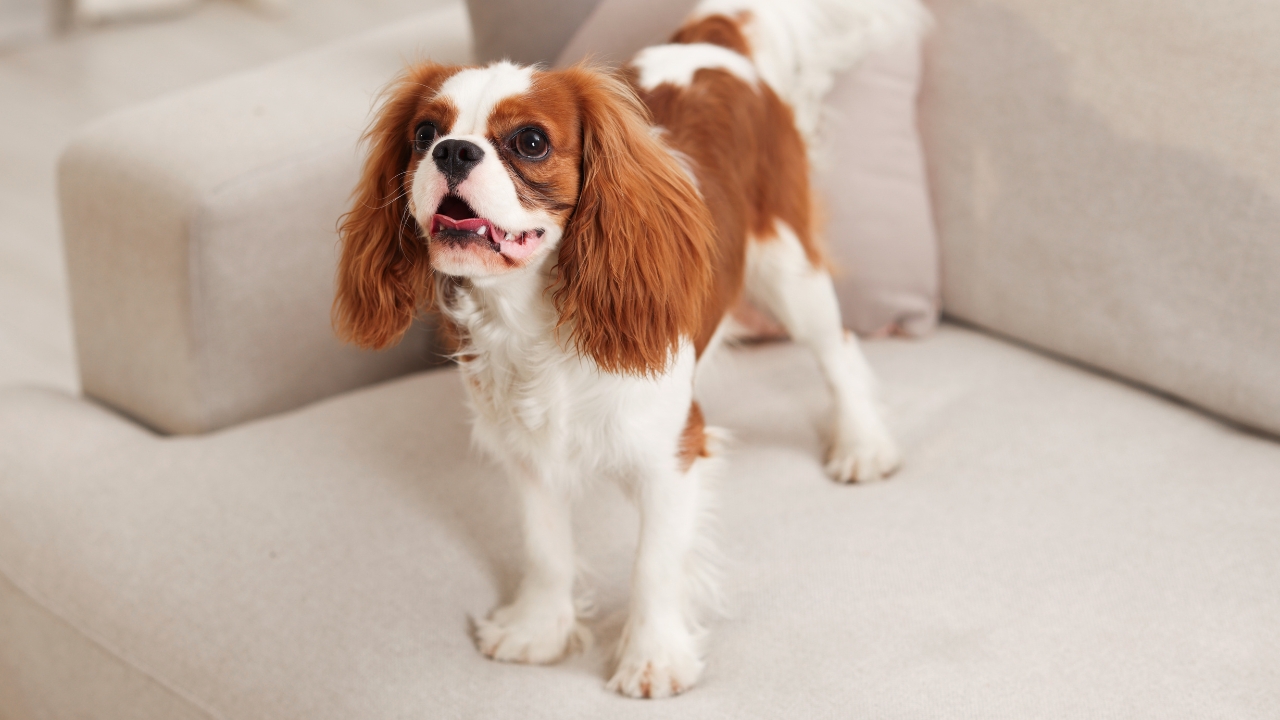
If you want a small dog that doesn’t run the house with noise, this breed often fits. Cavaliers can be friendly with visitors and are less likely to bark their heads off at a stranger coming up the steps. They’ll still notice, they just don’t always feel like they need to broadcast it.
This is a good “doorbell dog” for renters or anyone with shared walls. You’ll still need to train the greeting so excitement doesn’t turn into squealing and jumping at the entry. A baby gate near the door and a simple “go to bed” cue can keep visits calm without needing harsh corrections.
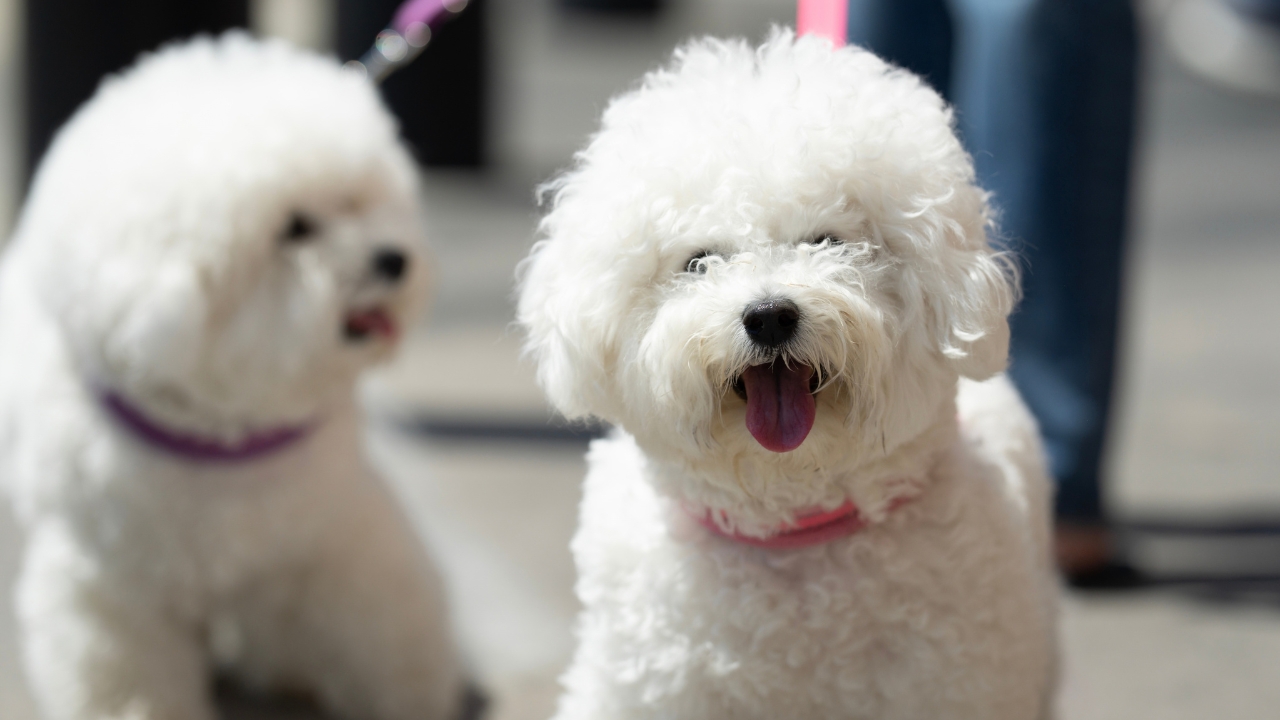
4. Bichon Frise That Stays Light And Social
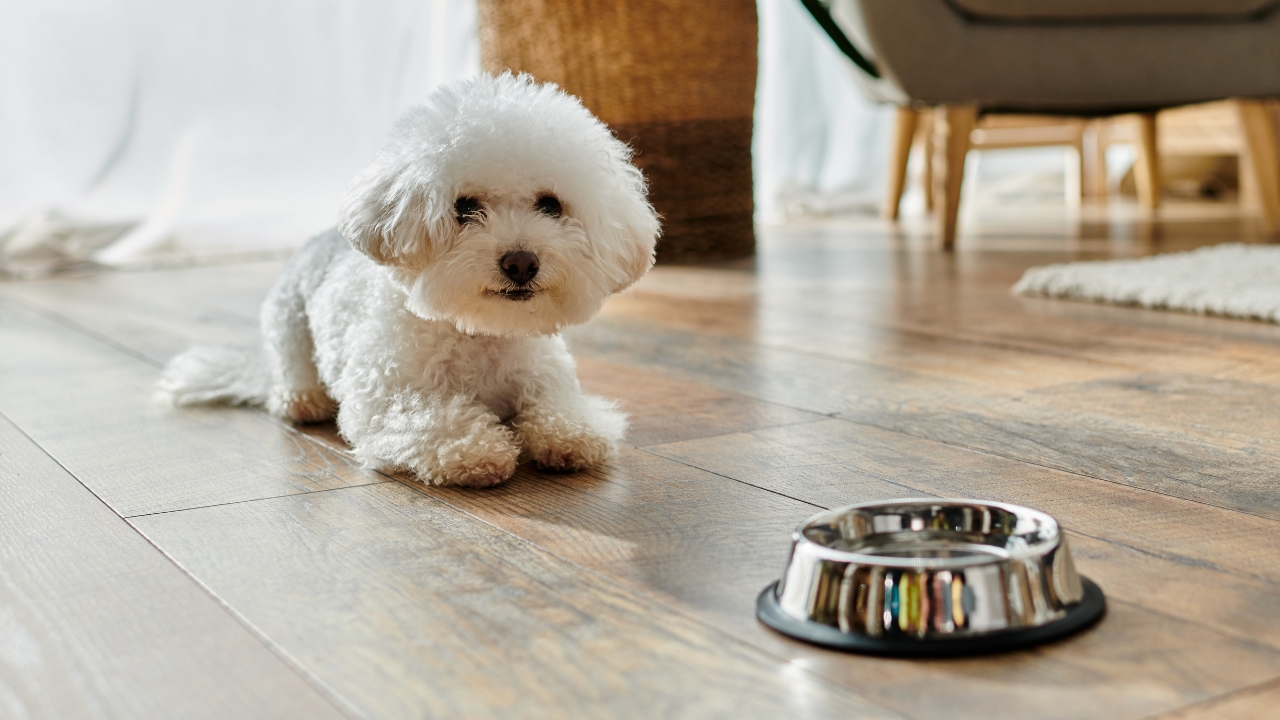
A lot of small breeds get yappy around new people, and that can be a dealbreaker in town. Bichons are often more social than suspicious, so you’re less likely to get the nonstop “stranger danger” chorus. They tend to greet first and decide later.
The trade is grooming. If you don’t keep up with brushing and regular trims, the coat mats, traps burrs, and turns into a maintenance mess. If you’re already paying for a groomer every month or so, the quieter temperament is easier to appreciate.
5. Great Dane That Doesn’t Waste Noise
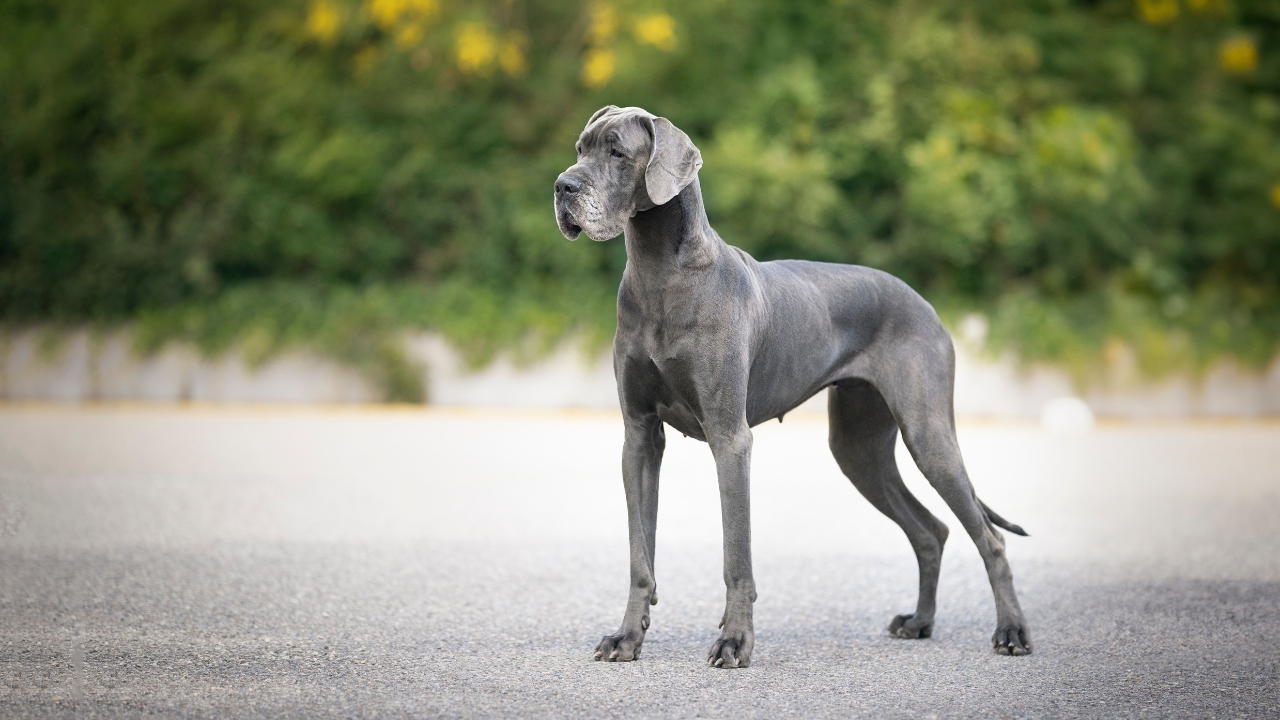
Big dog, big bark, right? Not always. Many Great Danes are calm and don’t bother with constant alert barking, especially if they’re raised with steady routines and proper social time. When they do bark, though, it’s the kind of sound that makes strangers stop and think.
This is where the “cheap option is fine” exception shows up. You don’t need expensive toys or fancy gear to keep them quiet. You need good manners training and a sturdy setup, like a real crate and a thick leash, because a bored giant leaning into the door can do more damage than a small barker ever could.
6. Shiba Inu That Keeps Opinions To Itself
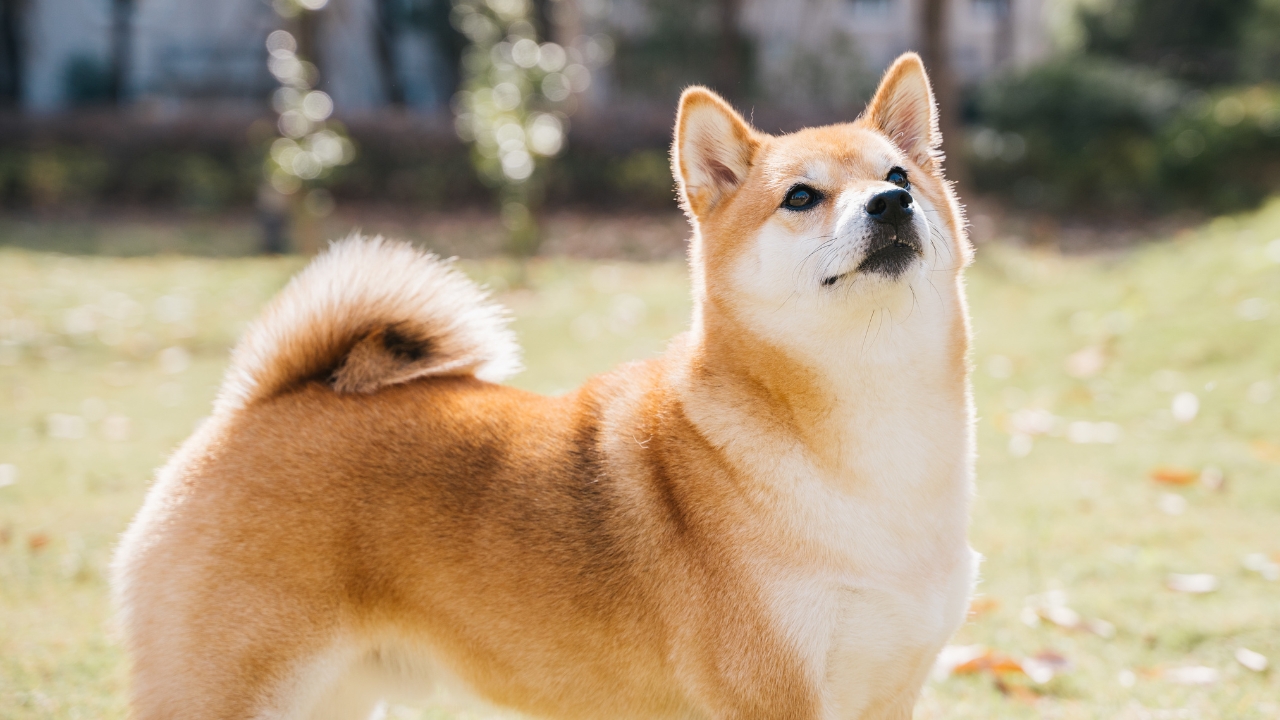
Want a dog that doesn’t announce every person on the sidewalk? Shiba Inus often aren’t big barkers at strangers, and many carry themselves like they’ve got better things to do than argue with the mail carrier. They can be watchful without being noisy.
They do have their own sound track, including the famous “Shiba scream” when upset. That’s usually handling, nails, baths, or being restrained, not strangers walking in. If you’re the type to skip training until there’s a problem, don’t pick a Shiba and hope for the best.
7. Irish Wolfhound With A Calm Gate Presence
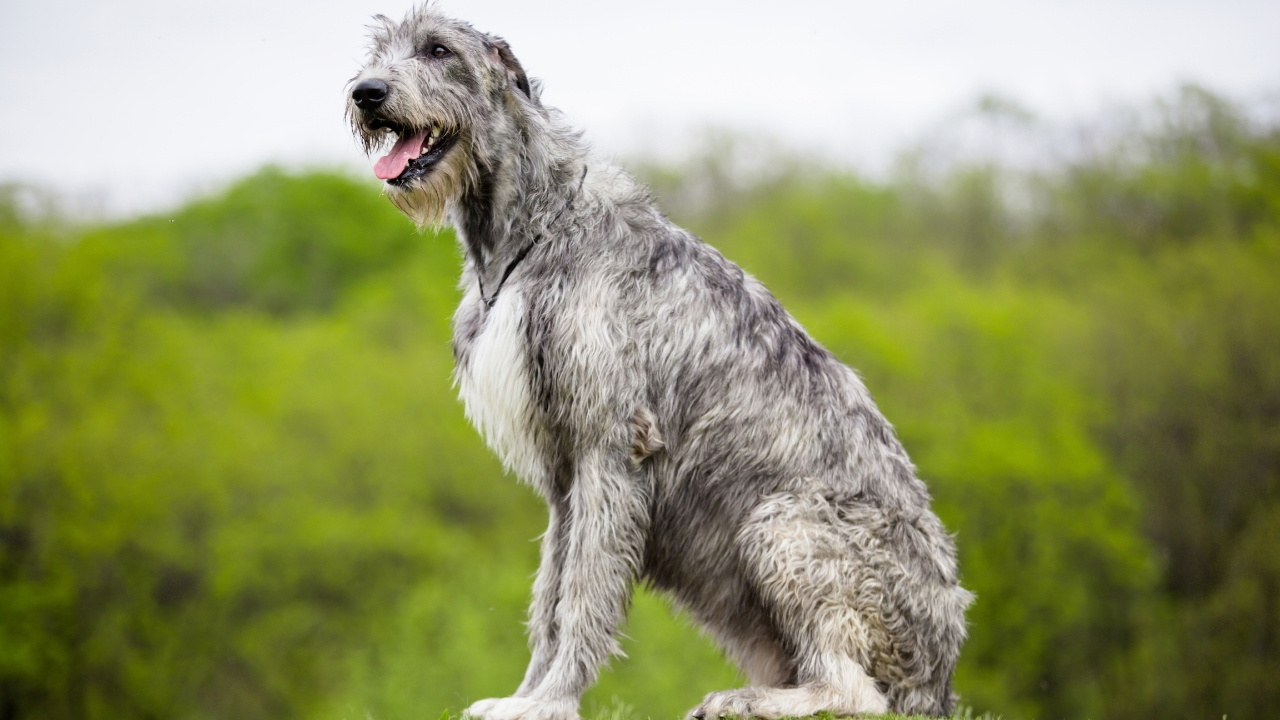
If you live out where people pull in unannounced, a steady giant can be easier than a frantic barker. Irish Wolfhounds are often gentle and reserved with strangers, and they don’t typically spend all day doing perimeter announcements. Their size does a lot of the “message sending” without noise.
You pay for that calm in food and space. You’ll go through big bags, and you’ll want a vehicle and crates that can handle a long dog. Also plan for shorter lifespans common to giant breeds, it’s a real factor before you set your heart on one.
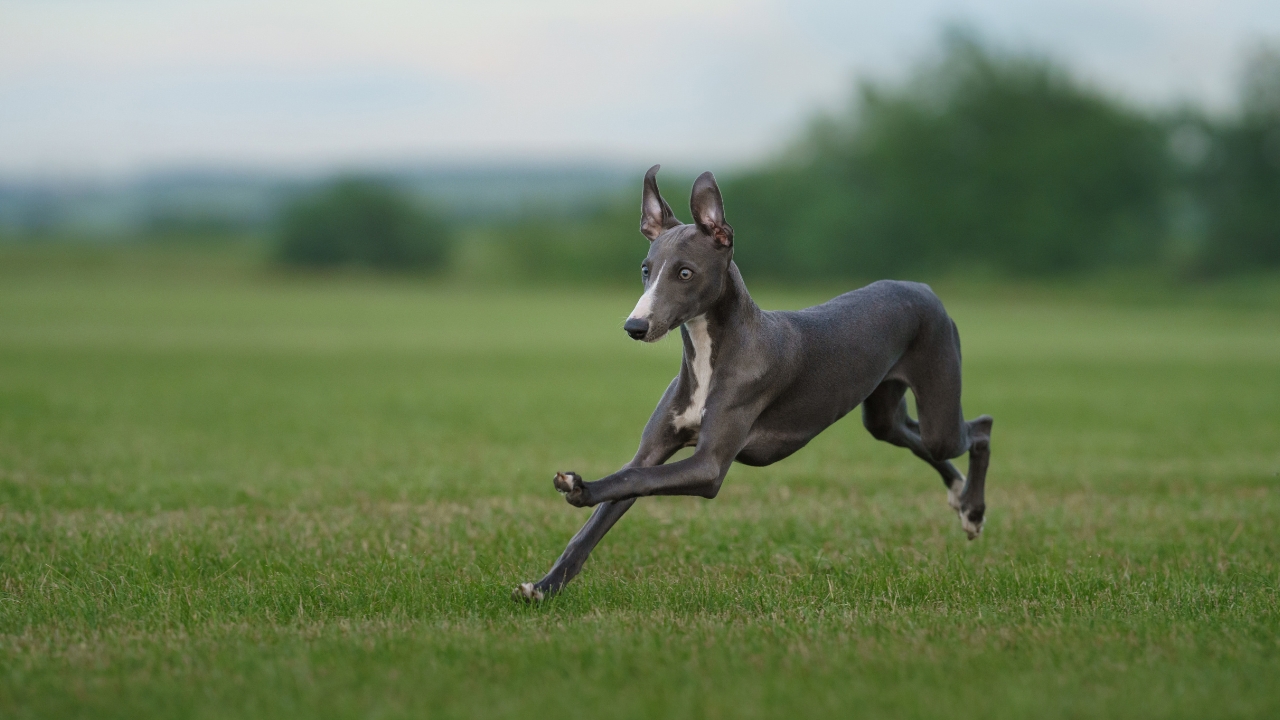
8. Whippet That Settles Fast After Visitors Arrive
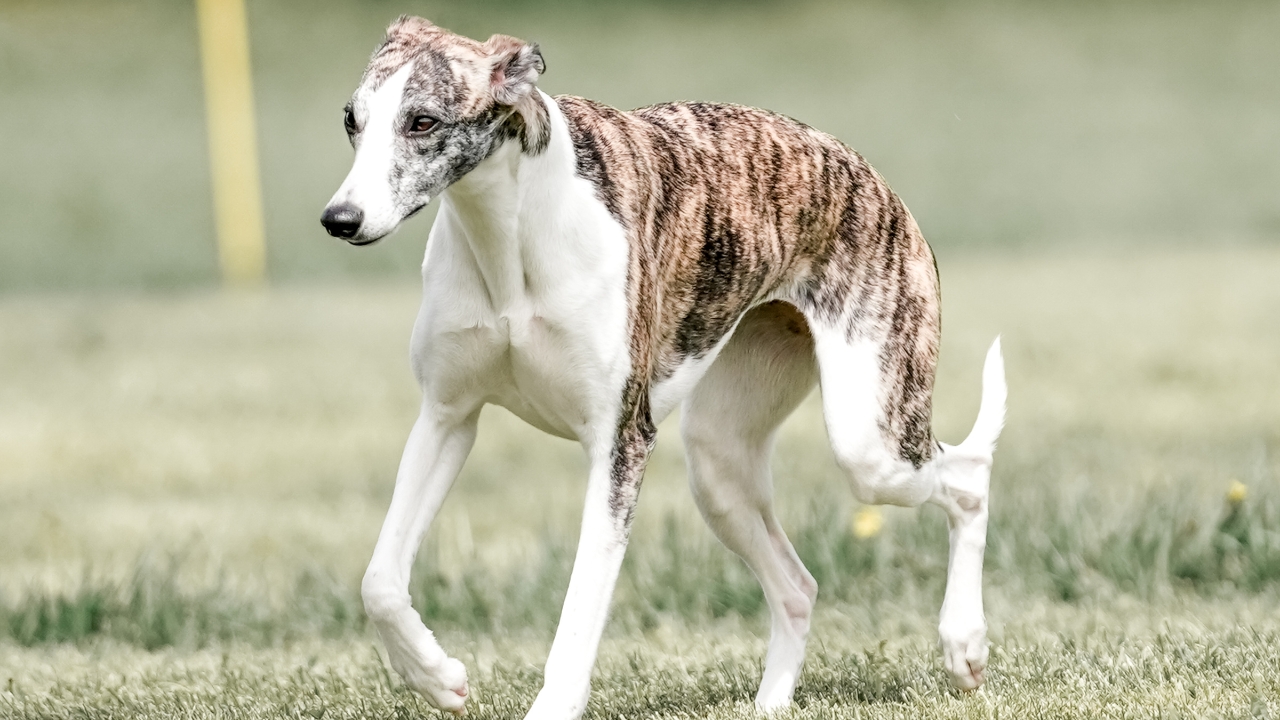
Whippets can be quiet house dogs that don’t keep barking once the initial excitement passes. They’re often more interested in curling up than guarding the fence line. In a busy neighborhood, that’s a relief.
They’re fast, and their prey drive can be strong, so your fence needs to be solid and your gate latches need to actually latch. If you’ve got a sagging gate that pops open in winter frost, fix that first. A quiet dog that bolts is still a problem.
9. Chinese Shar-Pei That Guards Without The Siren
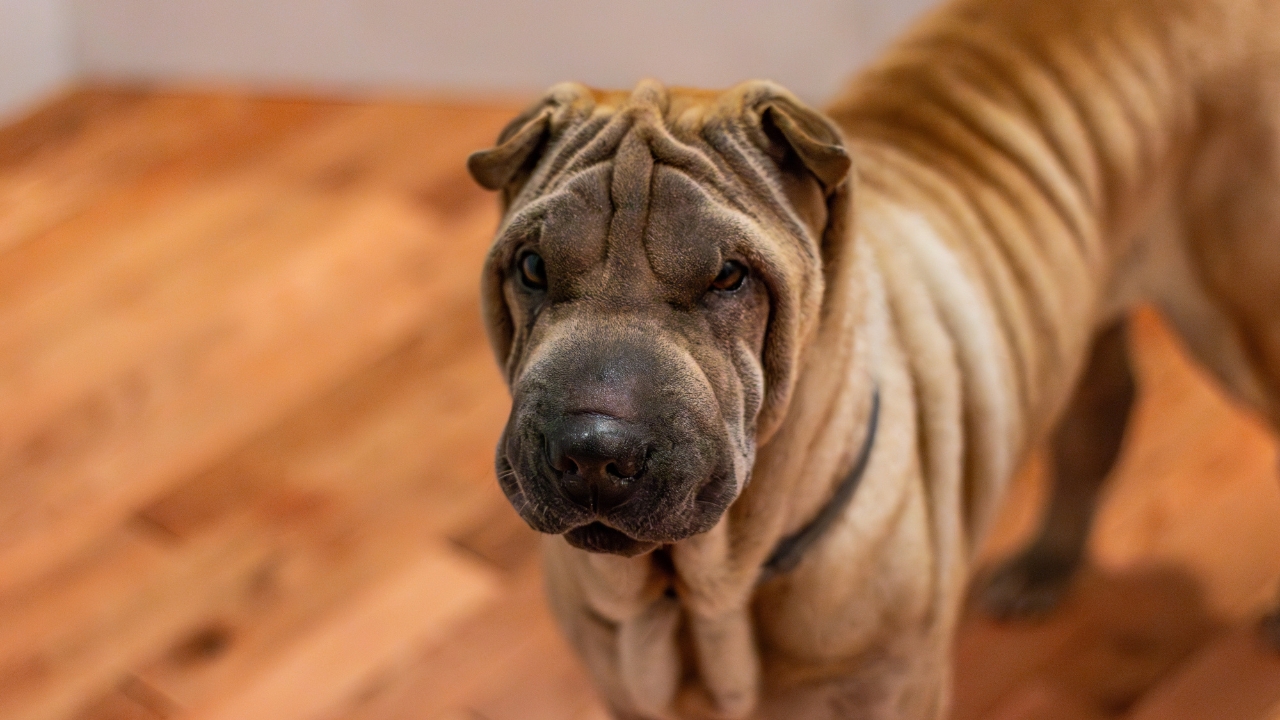
This is one many people don’t think of, but it belongs here. Shar-Peis can be reserved and may not bark constantly at strangers, especially once they learn your normal traffic patterns. They tend to be more about watching than making noise.
Early social work matters or that reserve turns into stand-offish behavior. You also need to stay on top of skin and ear care because those wrinkles can trap moisture and grime. Quiet is nice, but a dog that’s itchy and uncomfortable gets cranky, and cranky dogs get noisier.
10. Borzoi That Treats Strangers Like Background Noise
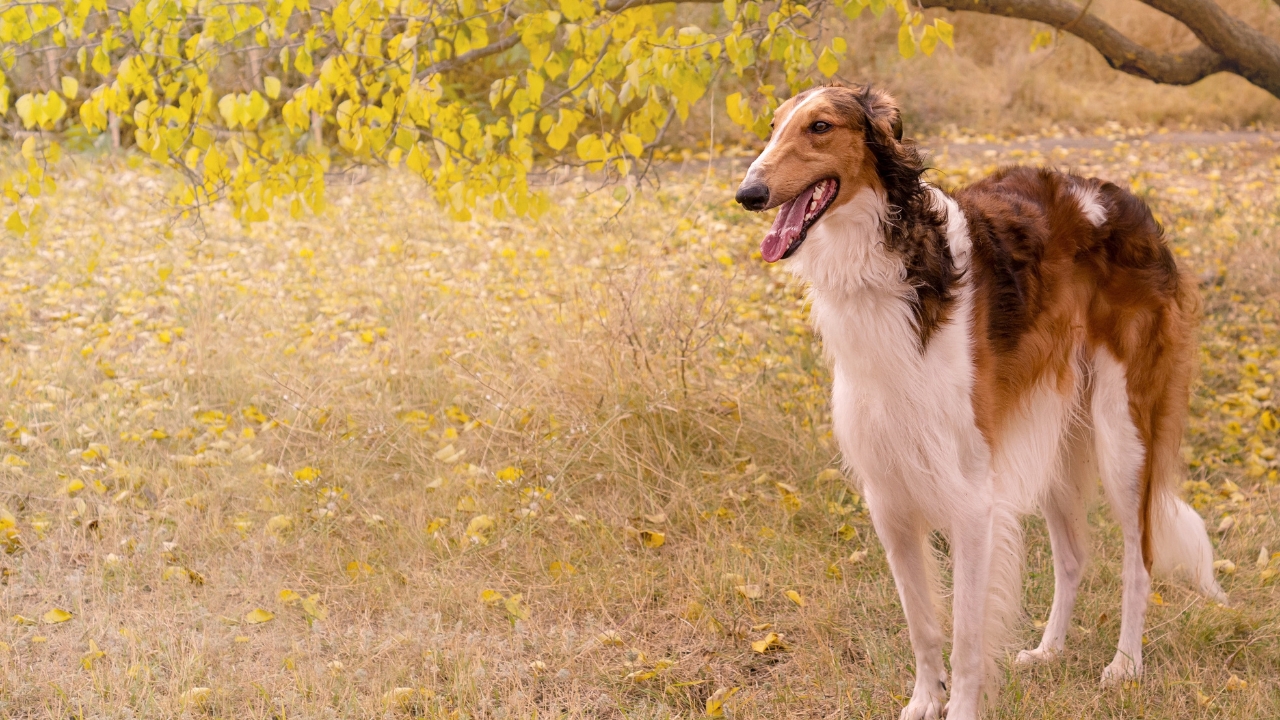
Borzoi often carry themselves like they live in their own peaceful bubble. A lot of them don’t feel the need to bark at every new person, especially if you keep the home routine steady and don’t turn the front window into a full-time lookout post.
They’re tall, they’re quick, and they can jump or squeeze through bad fencing. If you’re on acreage, think about your perimeter before you bring one home. A quiet dog that takes off after deer at dusk will cost you hours of searching and a lot of worry.
No breed is silent, and any dog can get louder if it’s bored, under-exercised, or left to rehearse window patrol all day. Set up your space so the dog can relax, block the busiest sightlines, give it a job like a place mat near the door, and your whole property gets calmer.
Like Fix It Homestead’s content? Be sure to follow us.