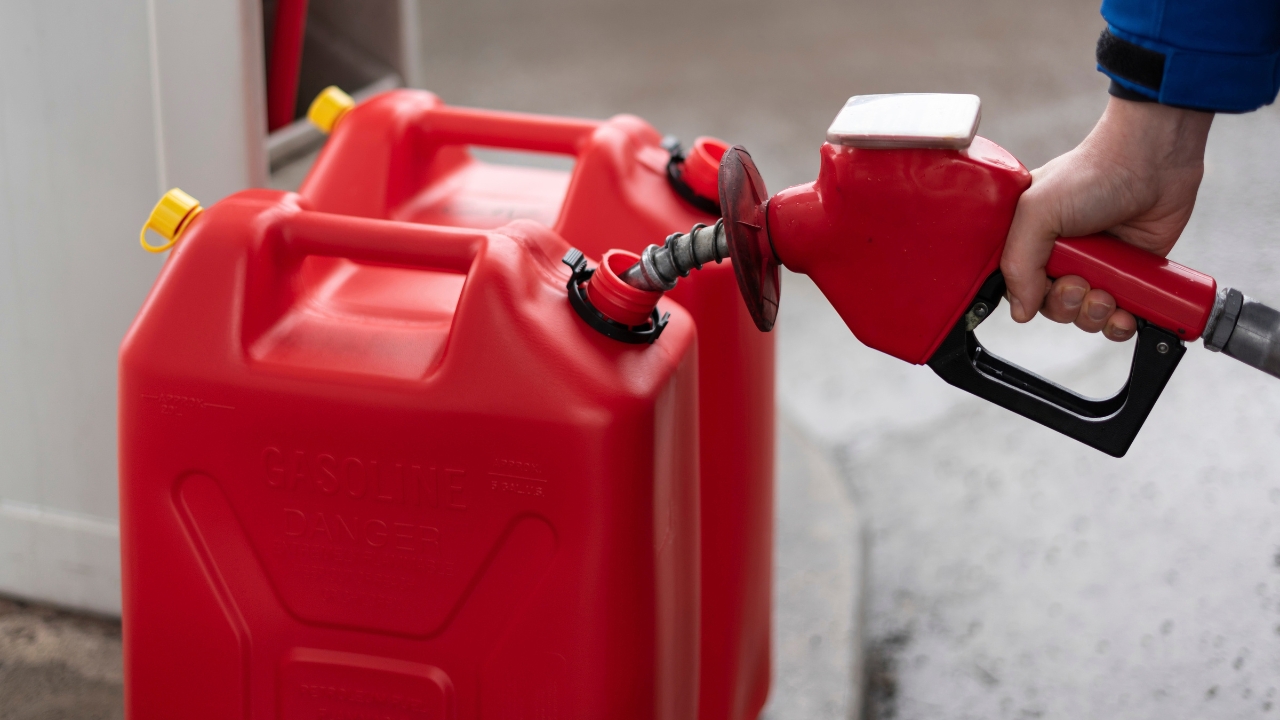
10 Things That Ruin Stored Gas Before You Ever Need It
Photo credit: RenineR/Shutterstock.com
Stored gas always seems fine right up until the day the generator won’t stay running, the mower surges, or the chainsaw won’t restart hot. Most fuel problems aren’t dramatic, they’re slow and quiet, and they start in the shed months before you pull a cord. A few small habits decide whether that can is a backup plan or just a smelly mess.
1. Buying More Than You’ll Use
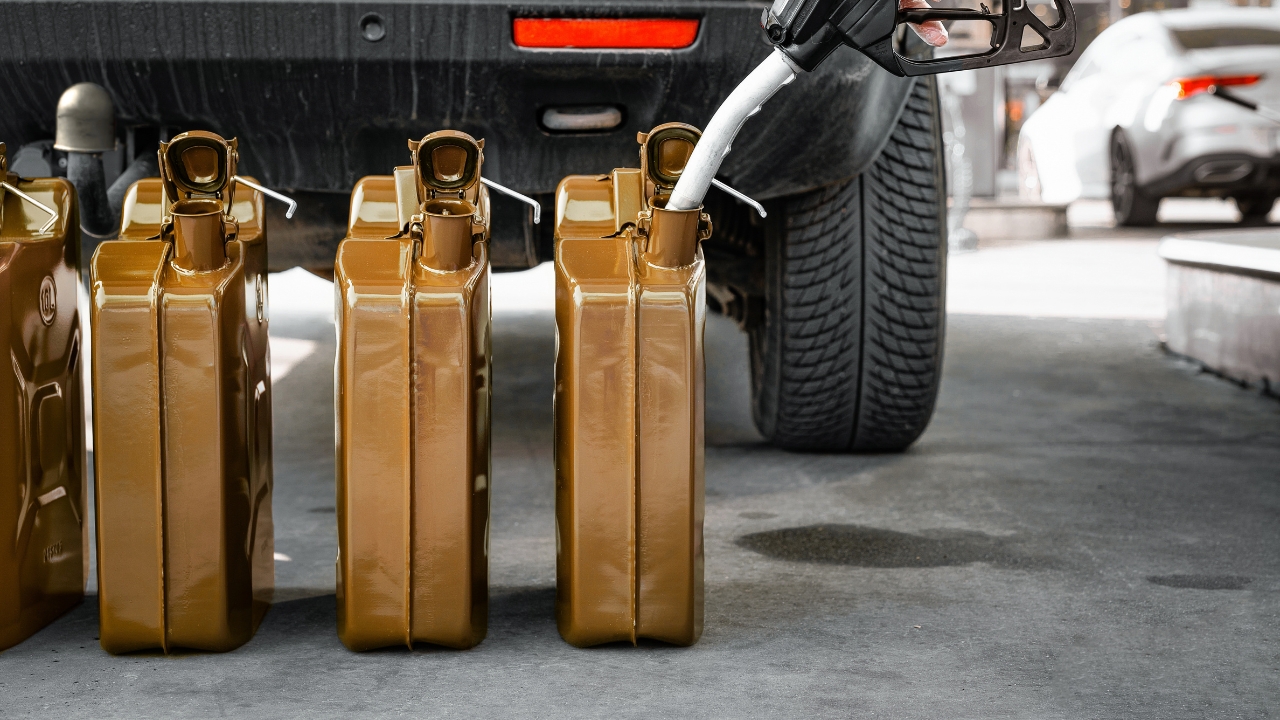
The easiest way to ruin gas is to stockpile it like it’s canned food. Gasoline isn’t happy sitting for long stretches, especially the common pump blends. The longer it sits, the more likely you’ll get hard starts, rough idle, and plugged jets when you finally need the equipment.
Match your storage to your actual burn rate. If your place only goes through a couple gallons a month, don’t keep a dozen gallons aging in the corner. Rotate it through your vehicle or daily-use tools and refill the can on a schedule, not on panic.
2. Leaving Too Much Air In The Can
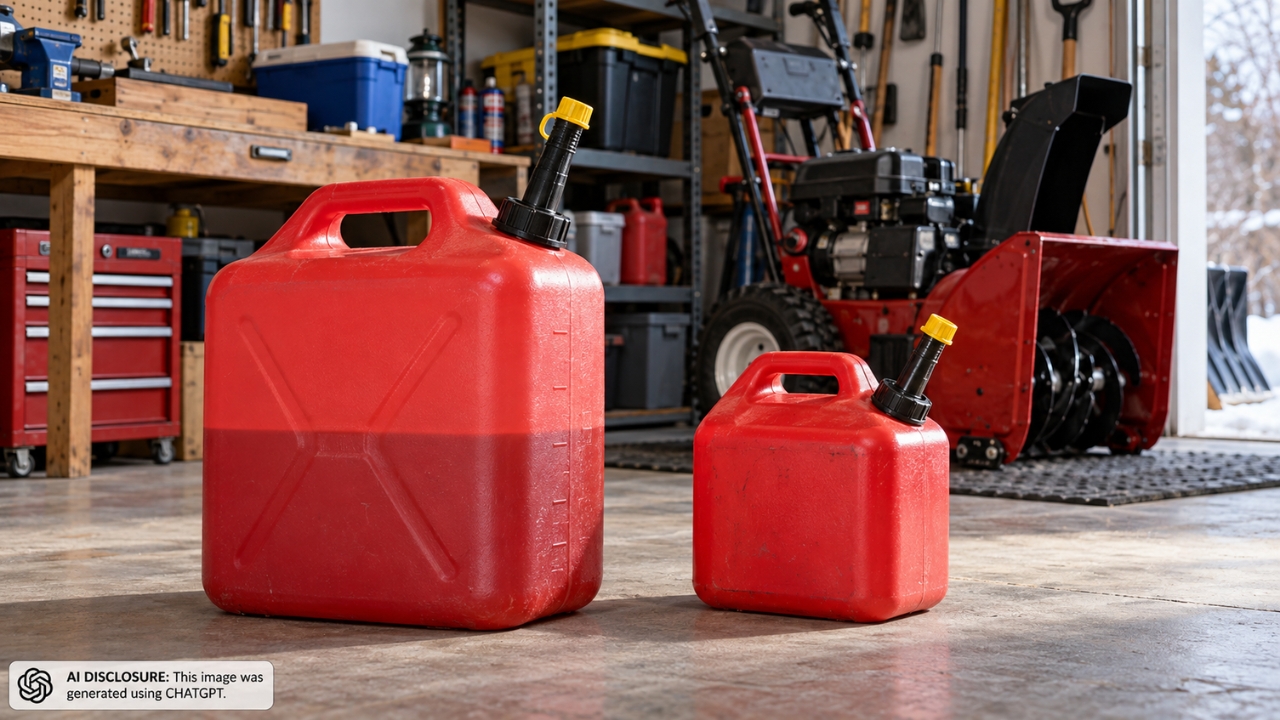
Half-full cans are trouble because that empty space is full of air and moisture. Temperature swings push that air in and out, and the fuel oxidizes faster. You’ll notice the smell gets sharper and the fuel starts acting “thin” and cranky in small engines.
Store gas in containers sized for how you use it, so they stay mostly full. If you only need two gallons for the snowblower, don’t keep it in a five-gallon can all summer. Top off the container you’re storing, or consolidate into a smaller approved can.
3. Using Old Or Wrong Containers
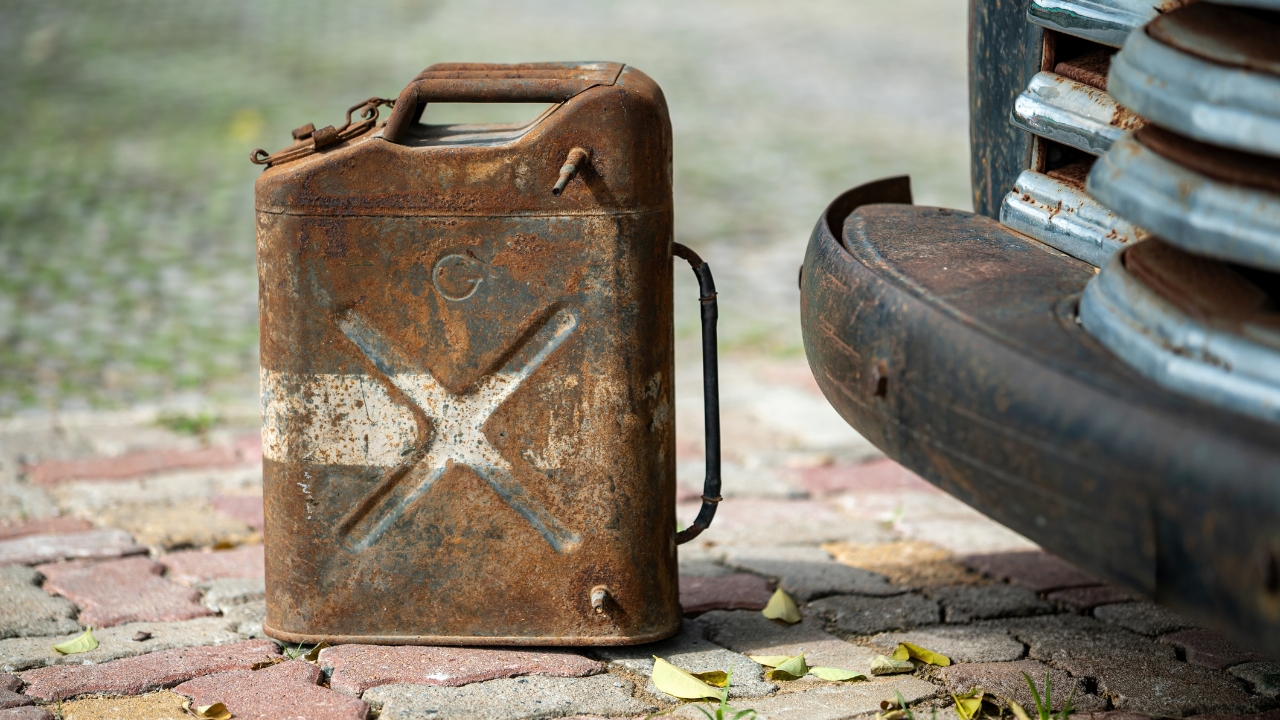
That old vented jug from years ago, the mystery can with a cracked spout, or anything that once held chemicals will wreck fuel fast. Bad seals let vapors out and humid air in. Contaminated containers can leave residues that turn into gum in your carb.
Use an approved gasoline container with a cap that actually seals. If the spout dribbles or the gasket is missing, fix it or replace the can. And never store fuel in milk jugs, antifreeze bottles, or “just for a week” containers, that’s a safety problem and a fuel-quality problem.
4. Storing Cans In Direct Sunlight
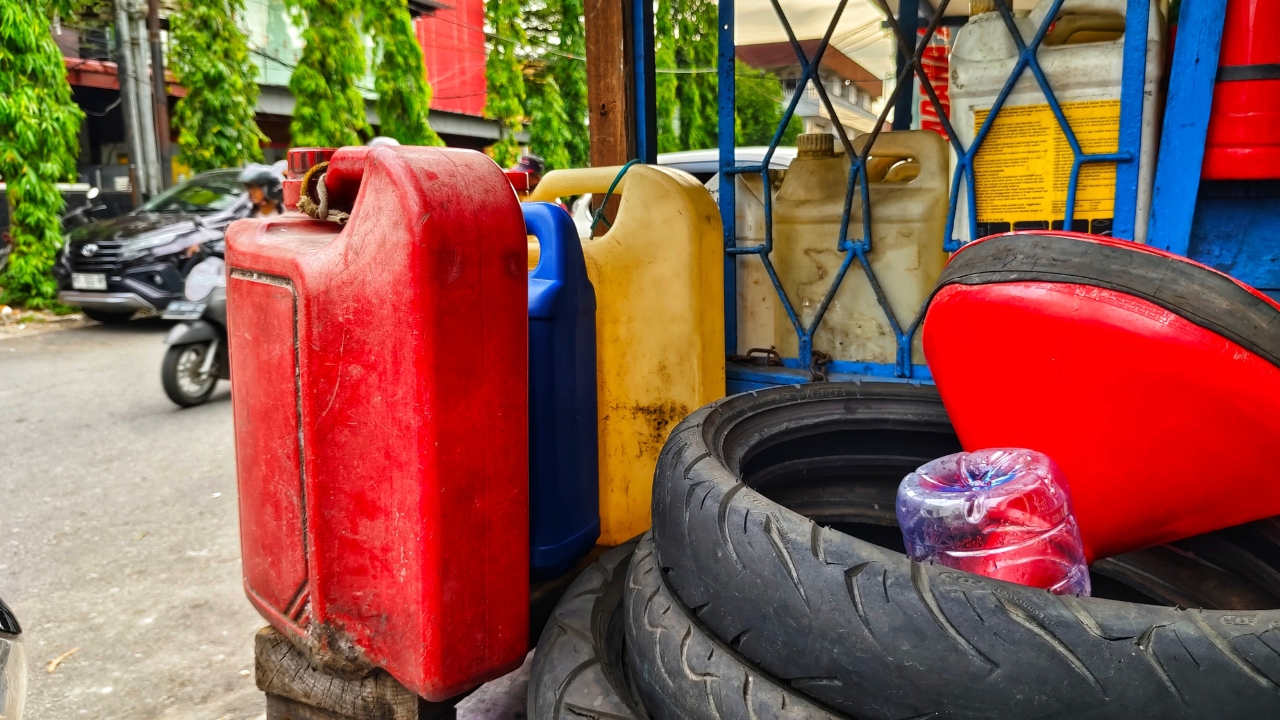
Sun bakes a can, pressure builds, and the fuel breathes through any weak seal. Heat also speeds up the chemical breakdown that makes gas less stable. You’ll get more smell in the shed and less good fuel inside the can.
Pick a cool, shaded spot, like a detached shed or ventilated outbuilding, away from ignition sources and appliances with pilot lights. Don’t put cans up against a south-facing wall or in the back of a truck bed all day. If you need fuel on the go, buy what you’ll use that day, not what you might use next month.
5. Skipping Stabilizer When Storage Is Long
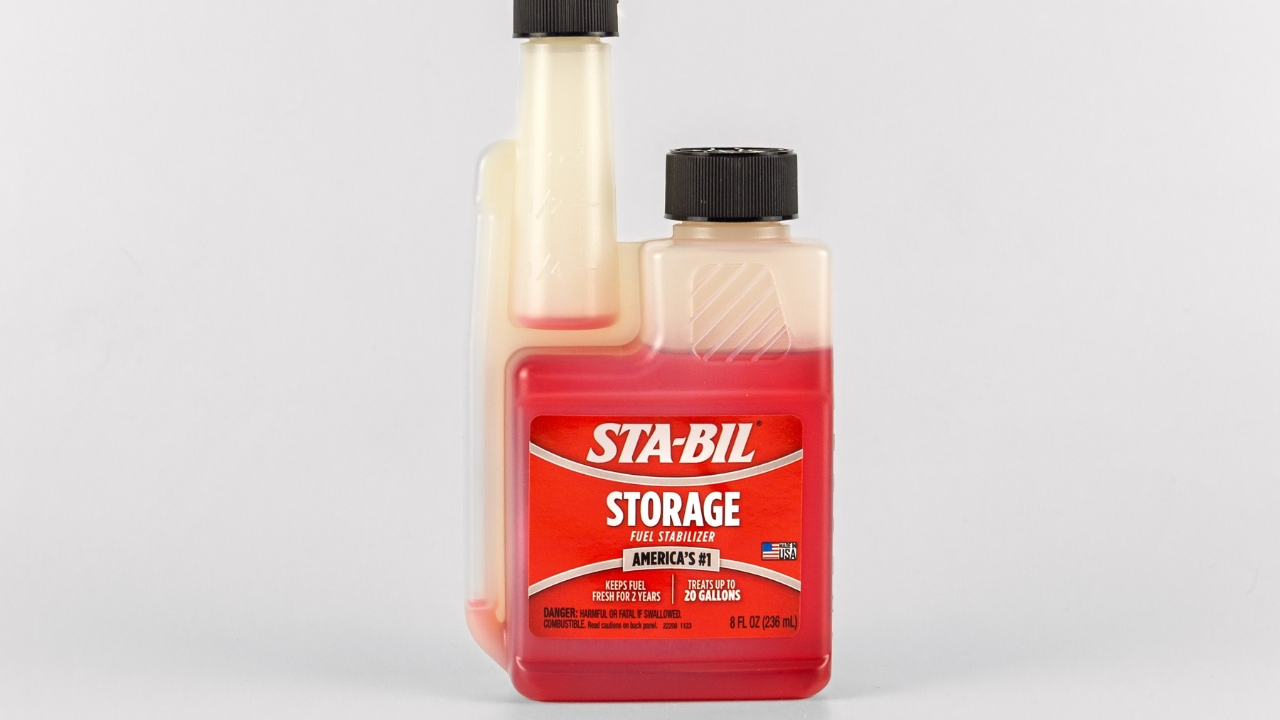
If the gas is going to sit through a season, untreated fuel is a gamble. Stabilizer slows down oxidation and helps keep the lighter parts of the fuel from disappearing. Without it, you’re more likely to end up cleaning a carb instead of cutting grass.
Add stabilizer to the can when it’s fresh, not after it’s already old and sour. Measure it, don’t splash and guess, the little bottles have markings for a reason. There’s an honest exception though, if you burn through a can within a few weeks, stabilizer is optional and the cheap option is just rotating fuel often.
6. Letting Ethanol Fuel Sit Too Long
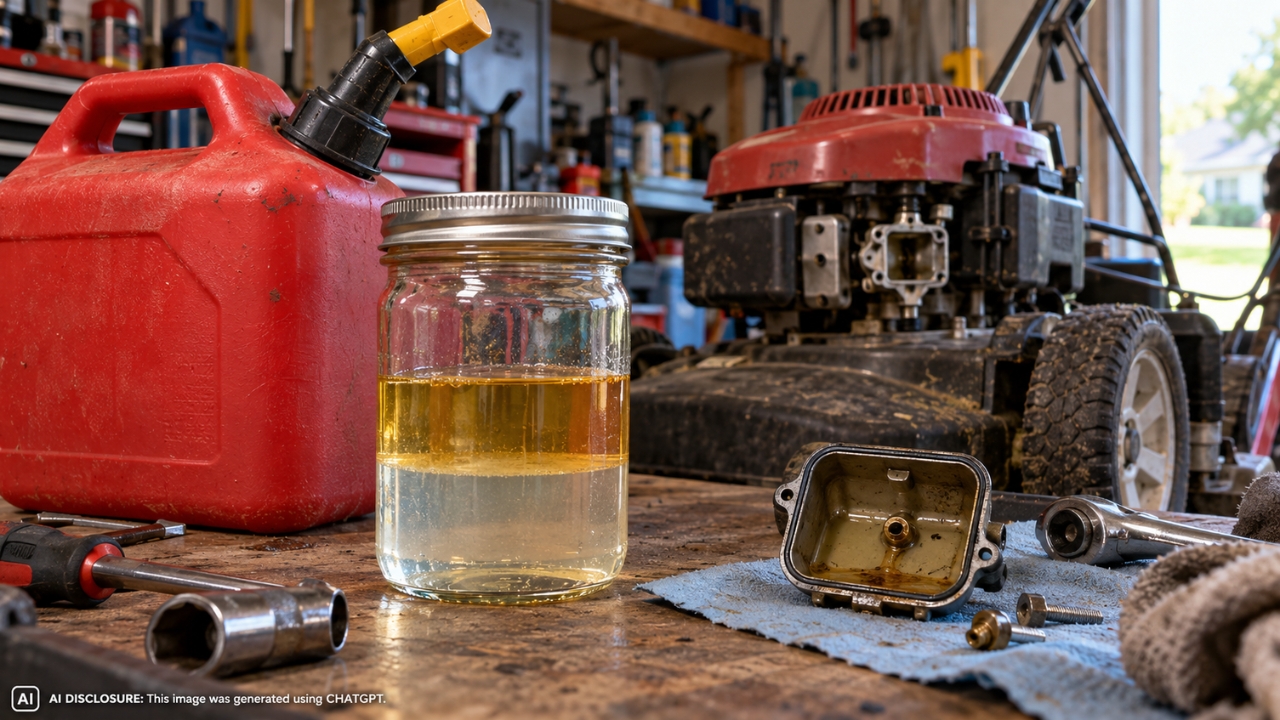
E10 is everywhere, and it works fine when it’s moving through your tank regularly. Park it for months and ethanol starts pulling in water. Eventually you can get phase separation, where water and ethanol drop out and you’re left with junk at the bottom that small engines hate.
If your equipment sits, plan around it. Either rotate fuel more aggressively, buy ethanol-free gas for the small engines you depend on, or drain the tank and run the carb dry before long storage, following the manual. Ethanol-free costs more, but it’s often cheaper than a springtime carb rebuild.
7. Mixing Two Stroke Fuel Wrong
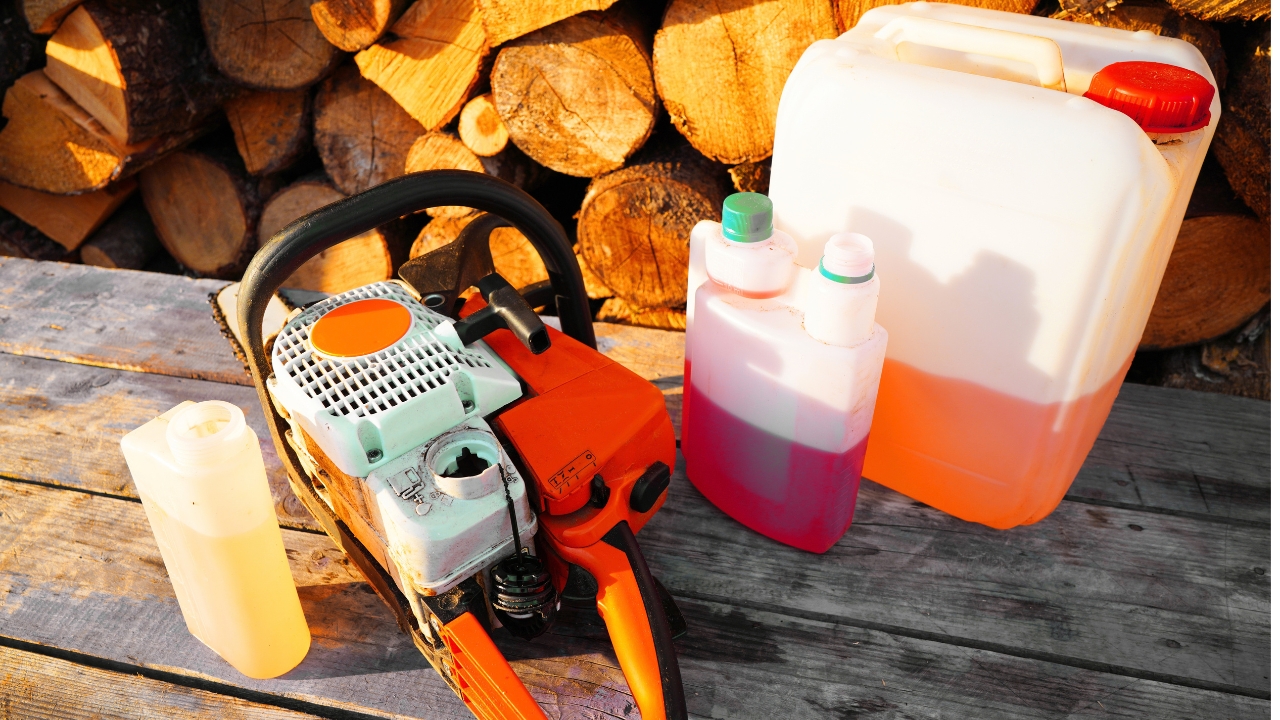
Two-stroke mix goes bad faster than straight gas, and a sloppy mix ratio can ruin a good saw or trimmer. Too lean and you risk scoring the cylinder. Too rich and it smokes, fouls plugs, and loads up the muffler screen.
Mix in a dedicated, clean container and label it with the ratio and the date. Use the oil bottle’s measuring marks or a real measuring cup, not a guess. If the mix is older than a season, burn it in a way that won’t hurt anything expensive, or dispose of it properly through your local program.
8. Pouring Dirty Fuel Back Into Storage
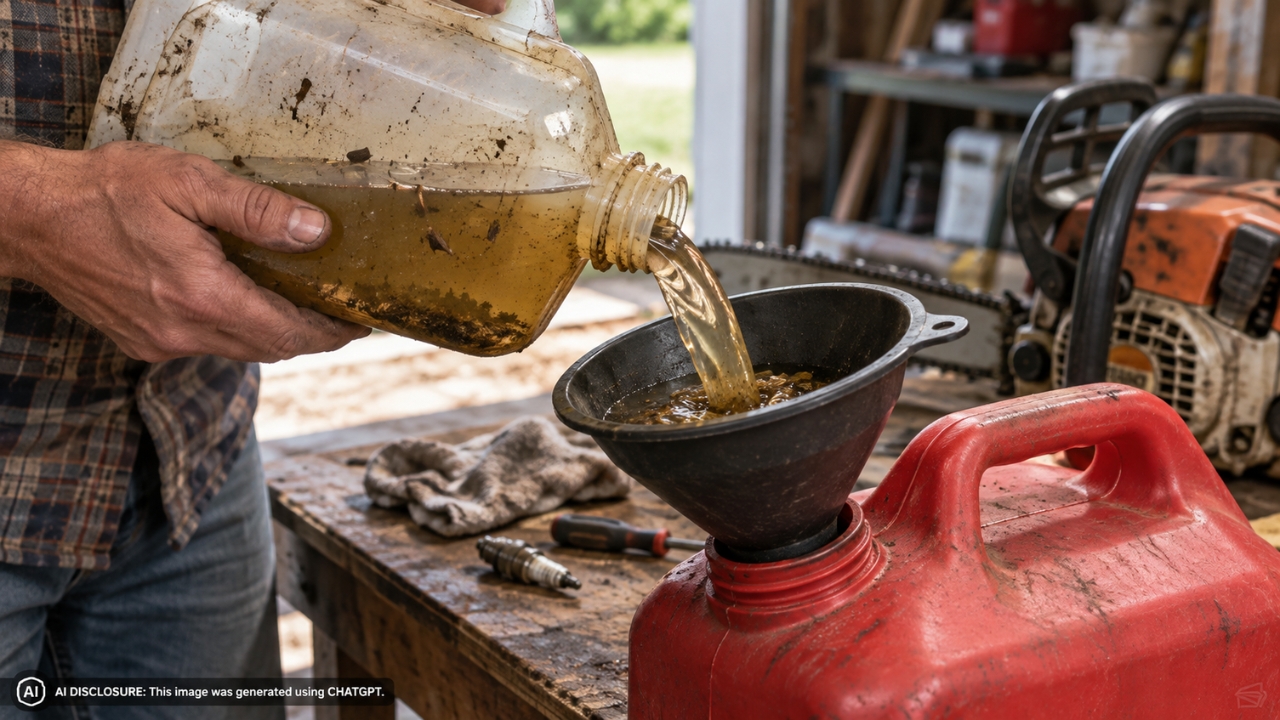
People do this after a storm, a project, or a saw job. The can gets topped off with whatever’s left in the tank, plus a little sawdust, dirt, and water that was riding along. That trash settles to the bottom and the next time you fill up, it goes straight into the carb.
Use a funnel with a fine screen when you transfer fuel, and keep a separate “day use” can for topping off equipment in the field. If you suspect the can has grit in it, don’t pretend it’ll be fine. Let it sit, pour off the clean top into a clean container, and deal with the sludge instead of feeding it to your generator.
9. Ignoring Water From Temperature Swings
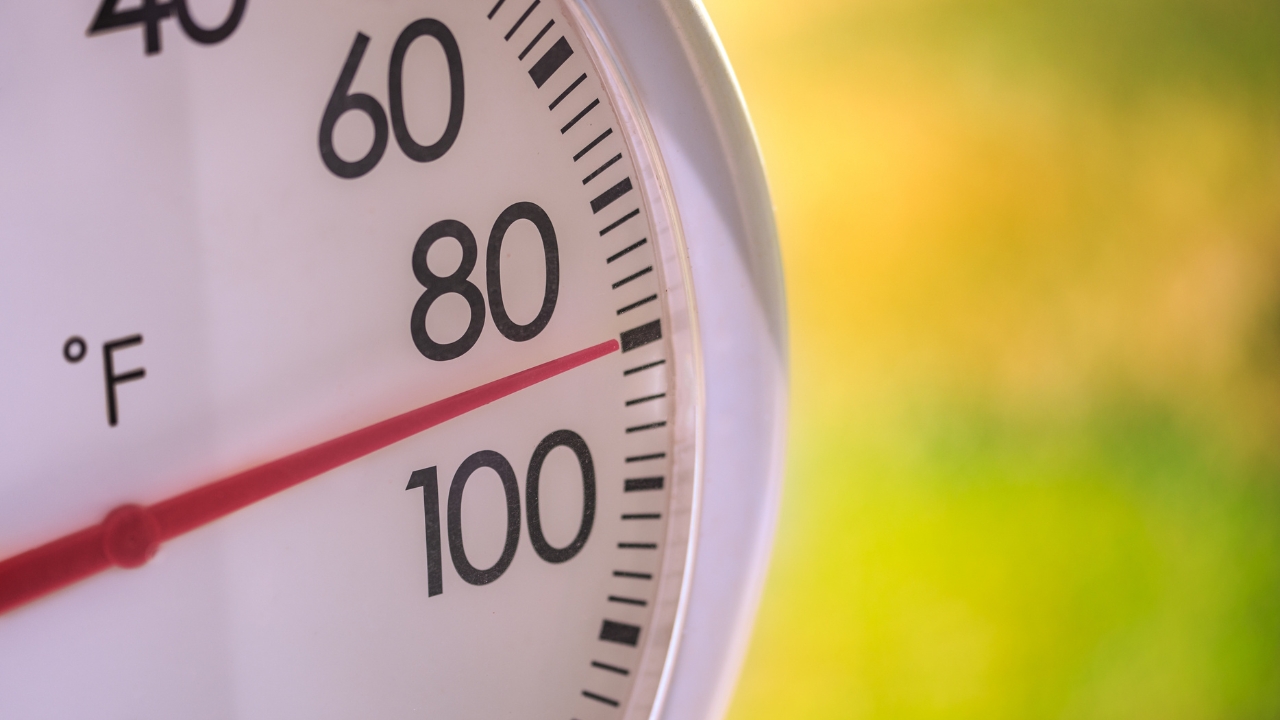
Cold nights and warm days make cans breathe. Even sealed containers end up with a little condensation over time, and water ends up at the bottom where the pickup finds it. The first sign is often an engine that starts and dies, or runs for a minute and then sputters like it’s out of fuel.
Keep cans off bare concrete floors where temperature swings can be worse, and store them where the temp is steadier. If you’re pulling from a can that’s been sitting, tip it slightly and look for any beads or hazy layer near the bottom before you pour. Water in gas is one of those problems that will waste your whole Saturday.
10. Forgetting The Fuel In Your Equipment
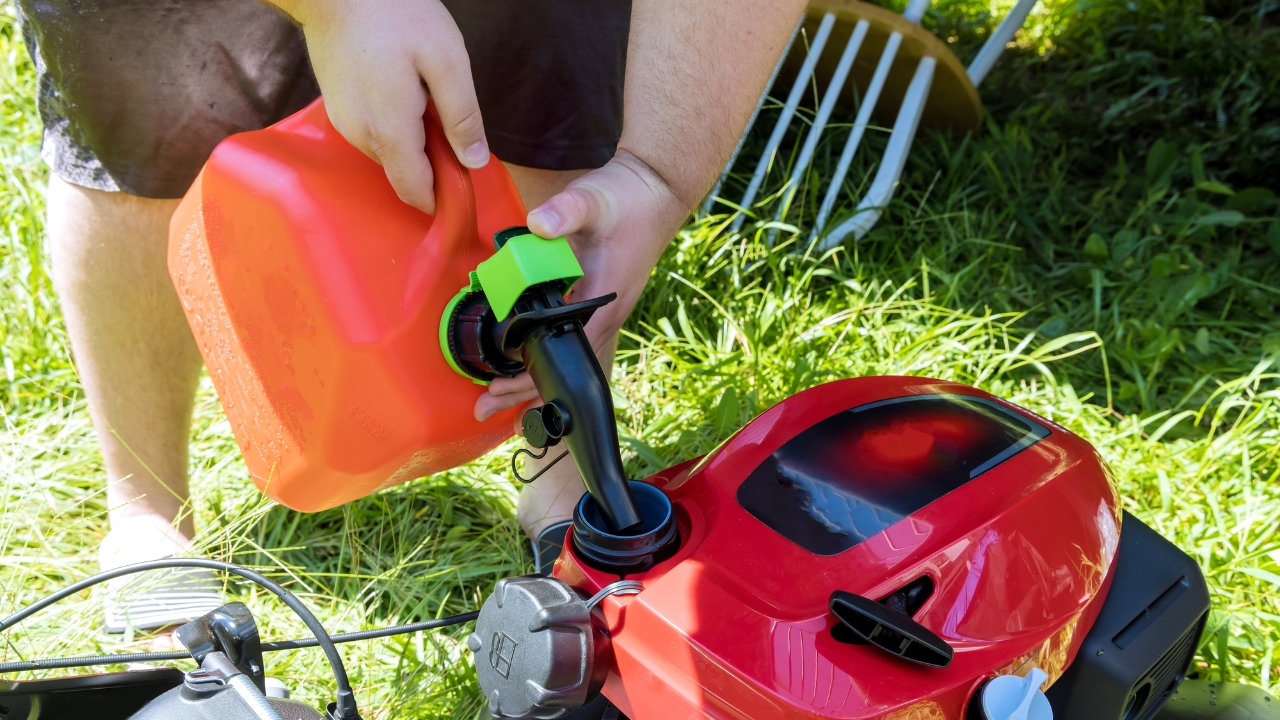
The can isn’t the only storage spot. Fuel left in a mower, snowblower, generator, or ATV can age just as badly, then varnish starts forming in the carb bowl and passages. Come spring or the next outage, it won’t start, or it runs only with choke, then dies the second you touch the throttle.
Before long downtime, either treat the fuel and run the engine long enough to get treated fuel into the carb, or drain the tank and run it dry, depending on the manual. For built-in standby generators or anything tied into a fuel system, follow the manufacturer schedule and call a qualified tech if it’s due. A service visit costs money, but guessing during an outage costs more.
A little planning beats a frantic repair when the weather’s bad. Keep your fuel fresh, keep it clean, and treat storage like part of the tool, not an afterthought. When the power drops or the snow hits, you’ll be pulling cords, not pulling carburetors.
Like Fix It Homestead’s content? Be sure to follow us.