10 Things in a Garage That Quietly Attract Wildlife
Photo credit: Fix It Homestead
You can keep a garage pretty tidy and still end up with scratching in the walls or little paw prints in the dust. Wildlife goes where the easy calories and warm hideouts are, and garages offer both without much effort. The tricky part is that a lot of the attractants don’t smell “bad” to you, and some don’t look like food at all.
1. Open Bags Of Grass Seed
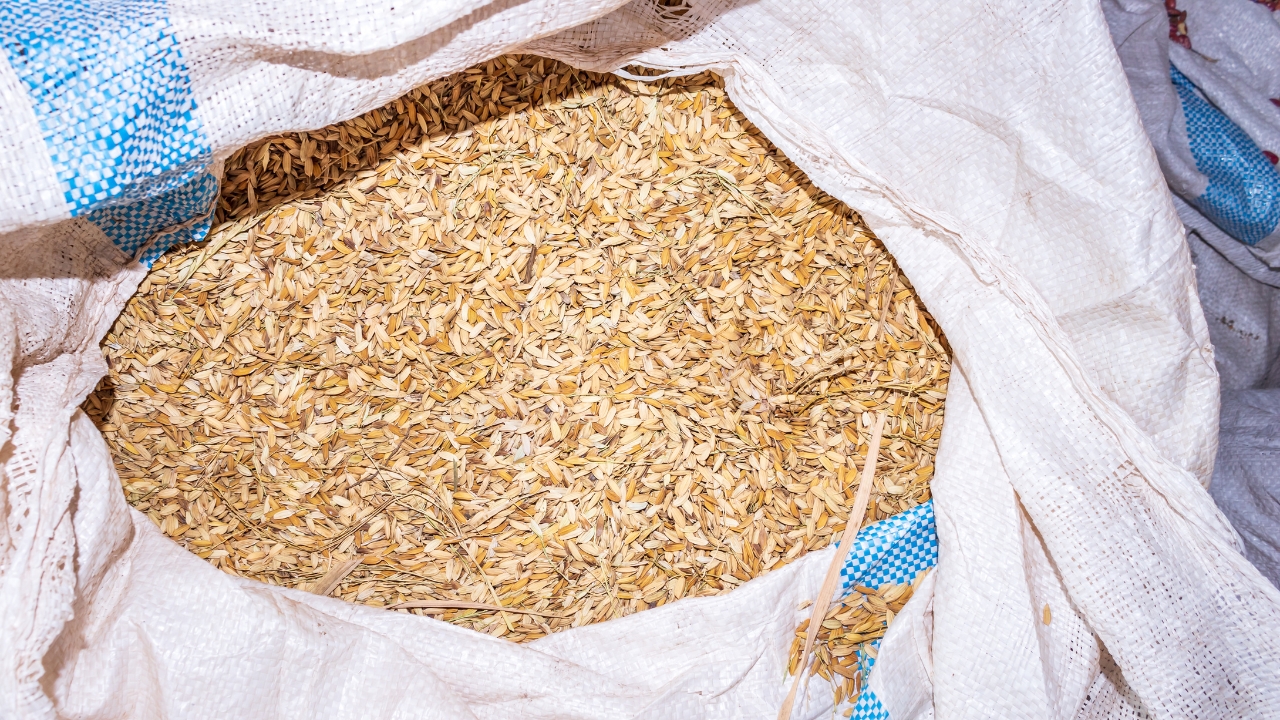
That half-used bag of grass seed is basically a pantry for mice and rats. Once they chew a corner open, they’ll keep coming back, and they’ll drag seed into wall voids, under shelves, and inside engine bays to stash it.
Pour seed into a hard container with a tight lid, like a metal trash can with a locking top or a thick plastic tote that actually seals. Then sweep up the dusty spill around the bag, because the dust is enough to keep them sniffing. If the seed is old and you’re just keeping it “just in case,” toss it. Grass seed doesn’t store forever anyway.
2. Birdseed And Chicken Feed Buckets
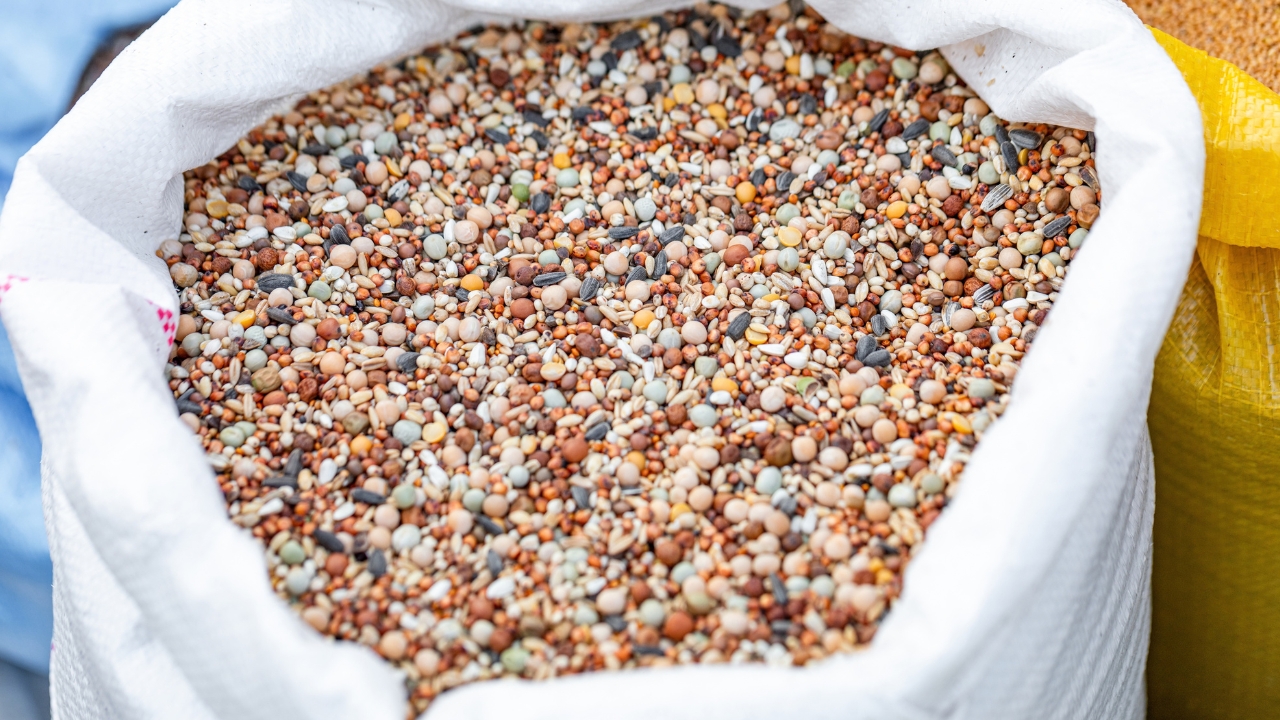
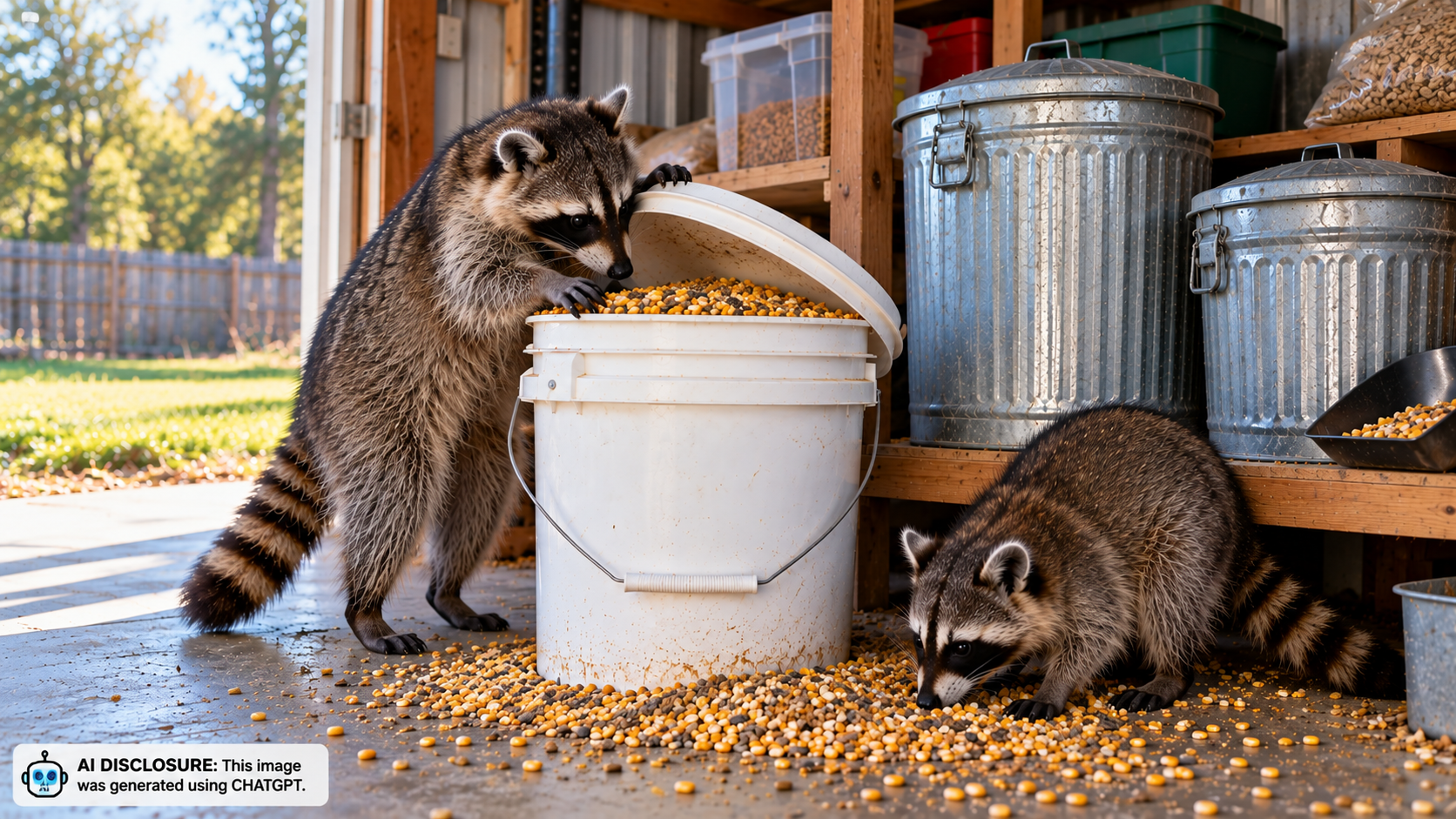
Feed is high value food, and it smells strong to animals that live by their noses. Raccoons can pop flimsy lids, squirrels can chew through average plastic, and mice can squeeze in where you swear there’s no gap.
Metal cans with tight lids work best, and they also stop the slow leak of smell. Keep feed off the floor on a shelf so any spill is easy to spot. If you’re running a small flock and you go through feed fast, a heavy-duty screw-top bucket can be fine. The problem starts when the lid is loose and the bucket sits for weeks.
3. Cardboard Boxes Against The Wall
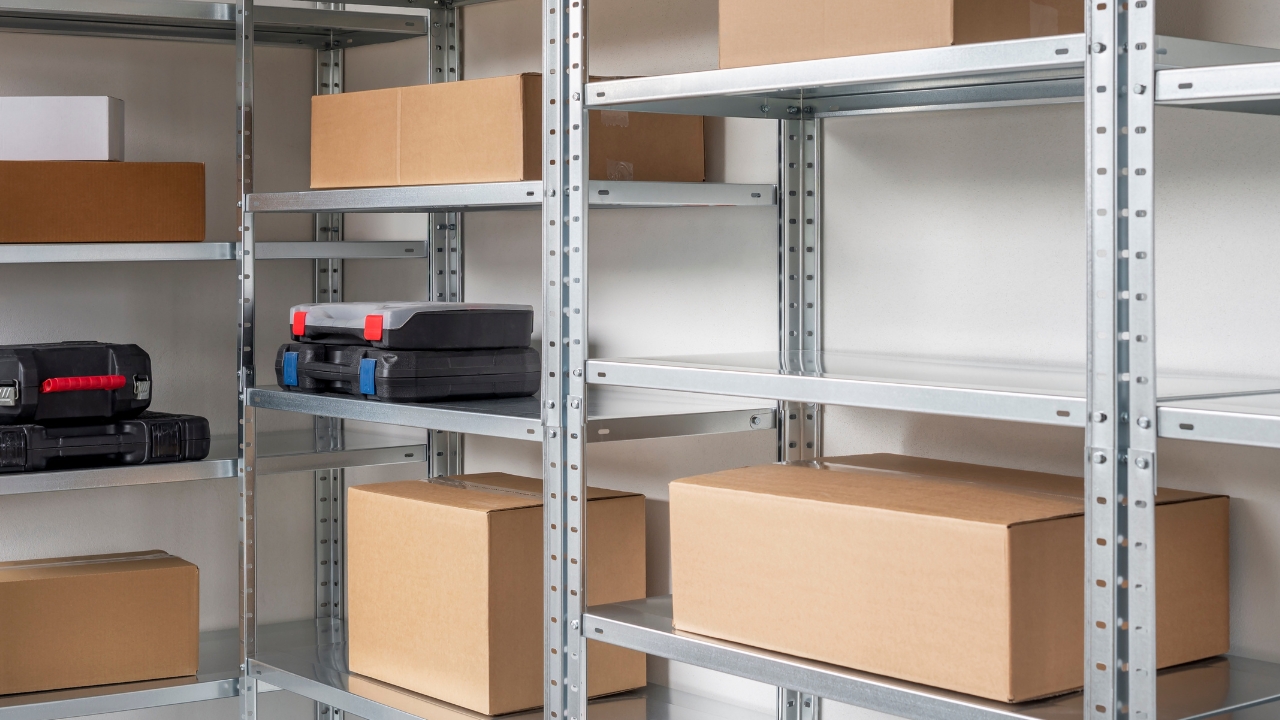
Cardboard is free nesting material and it holds heat, so it turns into a winter condo along an exterior wall. Roaches, silverfish, and mice all love the quiet space between boxes, and you won’t notice until something falls apart or you see droppings.
Swap long-term storage to sealed totes and leave a few inches of air gap from the wall. If you need boxes for moving or shipping, keep them in one stack on a pallet or shelf and tape the seams so they don’t become chew toys. It’s not about being neat. It’s about removing cover.
4. Pet Food Stored In Paper Sacks
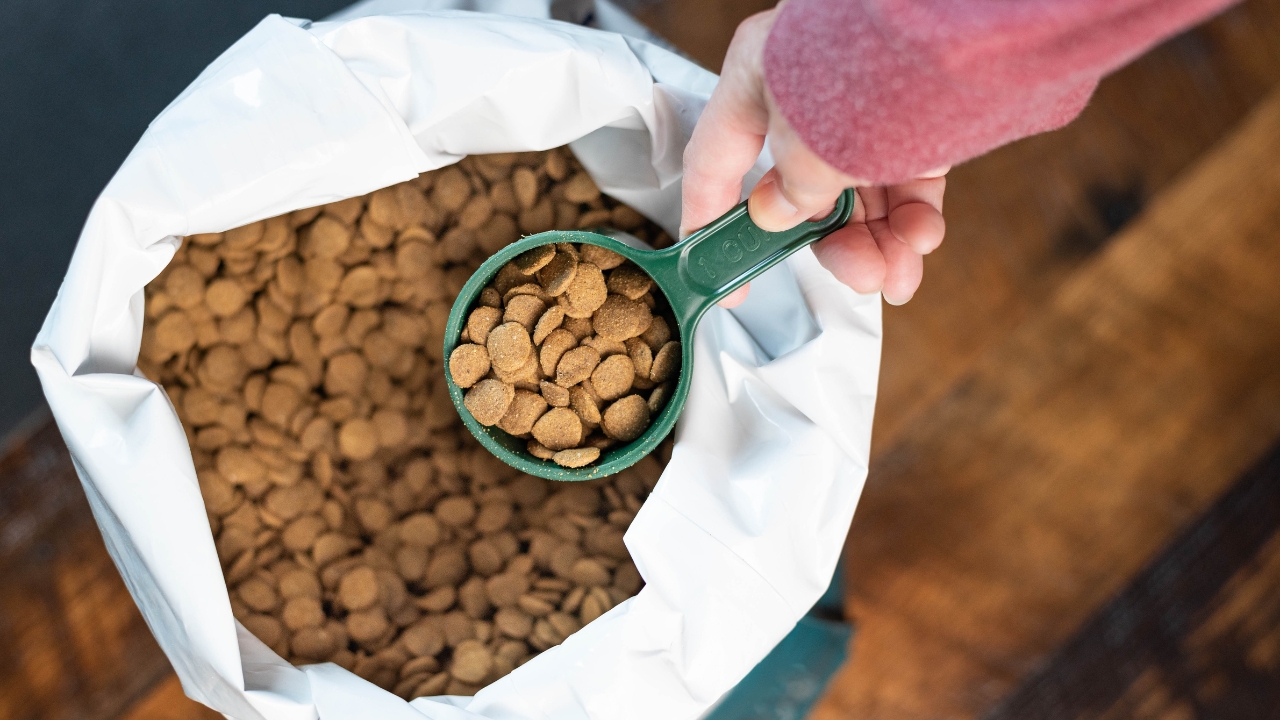
Most dry pet food comes in bags that tear easily, and the oils in the kibble stink in a way animals can track. Mice will chew in, then you get that dusty mess and a bag full of contamination you can’t see.
Dump the bag into a sealed bin and keep the bin clean around the rim so the lid closes all the way. If you’re keeping food in the garage because of limited space, use smaller bags more often instead of one giant bag that sits open. That costs a little more per pound, but it cuts down on stale food and midnight visitors.
5. A Slow Drip Under The Sink
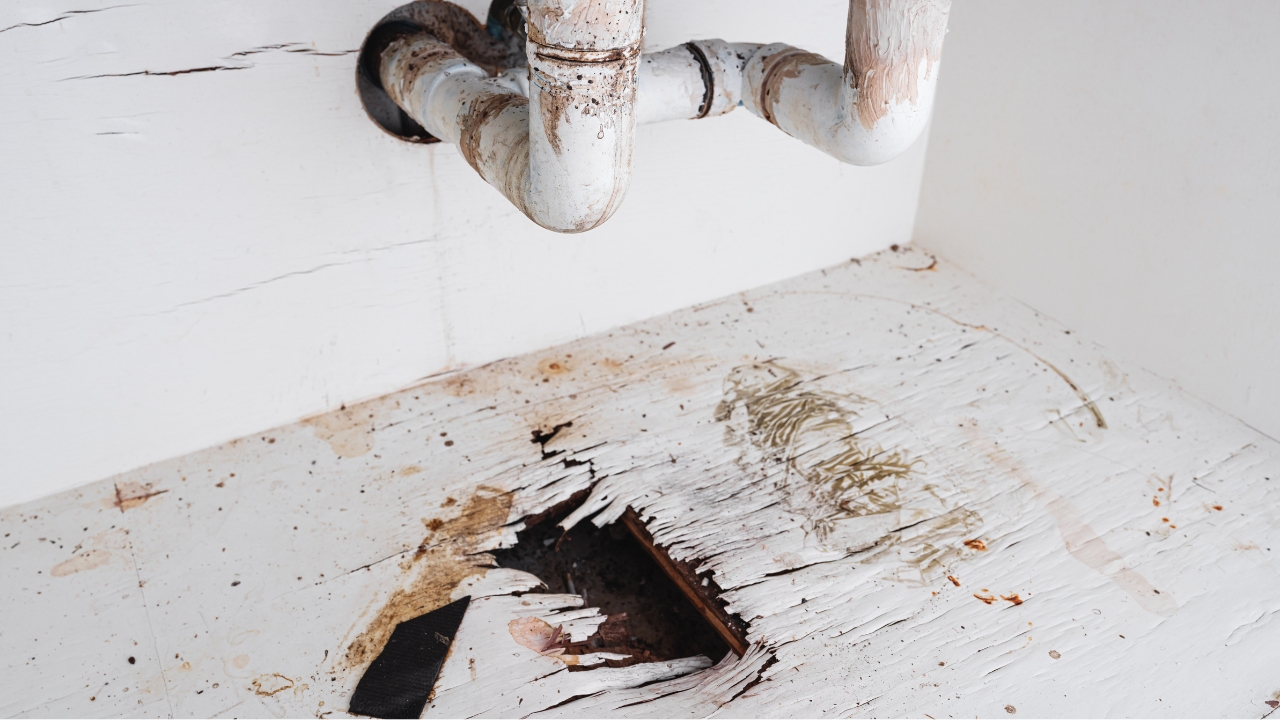
If your garage has a utility sink, a tiny leak can be the reason wildlife sticks around. Water is the dealbreaker in dry months, especially late summer when puddles disappear and creeks drop.
Put a dry piece of cardboard under the trap for a day and see if it spots. Tighten slip nuts by hand first, then a gentle turn with channel-lock pliers, not a full gorilla twist that cracks plastic. If the faucet body leaks or the pipes are corroded, it’s usually faster to replace the parts than to keep chasing drips.
6. Uncapped Dryer Vent Or Bath Fan Duct
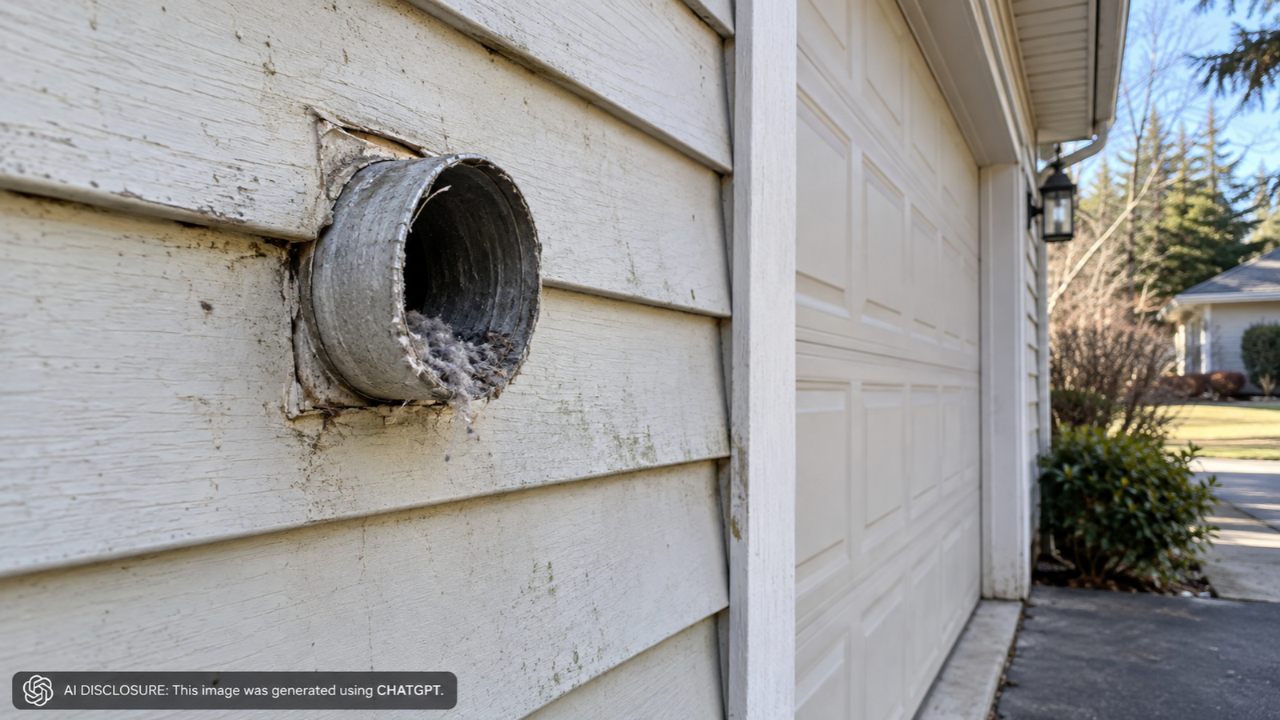
Garages with a laundry hookup or an old bathroom duct stub are magnets for birds and small mammals. Warm air smells like shelter, and an open round pipe is an easy tunnel into rafters.
Check outside for a proper hood with a backdraft damper and a screen that’s meant for that vent, not window screen stapled on. If the vent runs through the garage, make sure the joints are taped with foil HVAC tape and not peeling. For gas dryers, follow the manufacturer and local code on vent materials and routing, and call a pro if you’re not confident. Bad venting is a carbon monoxide risk, not just a critter issue.
7. Foam Gaps Around Pipes And Sill Plates
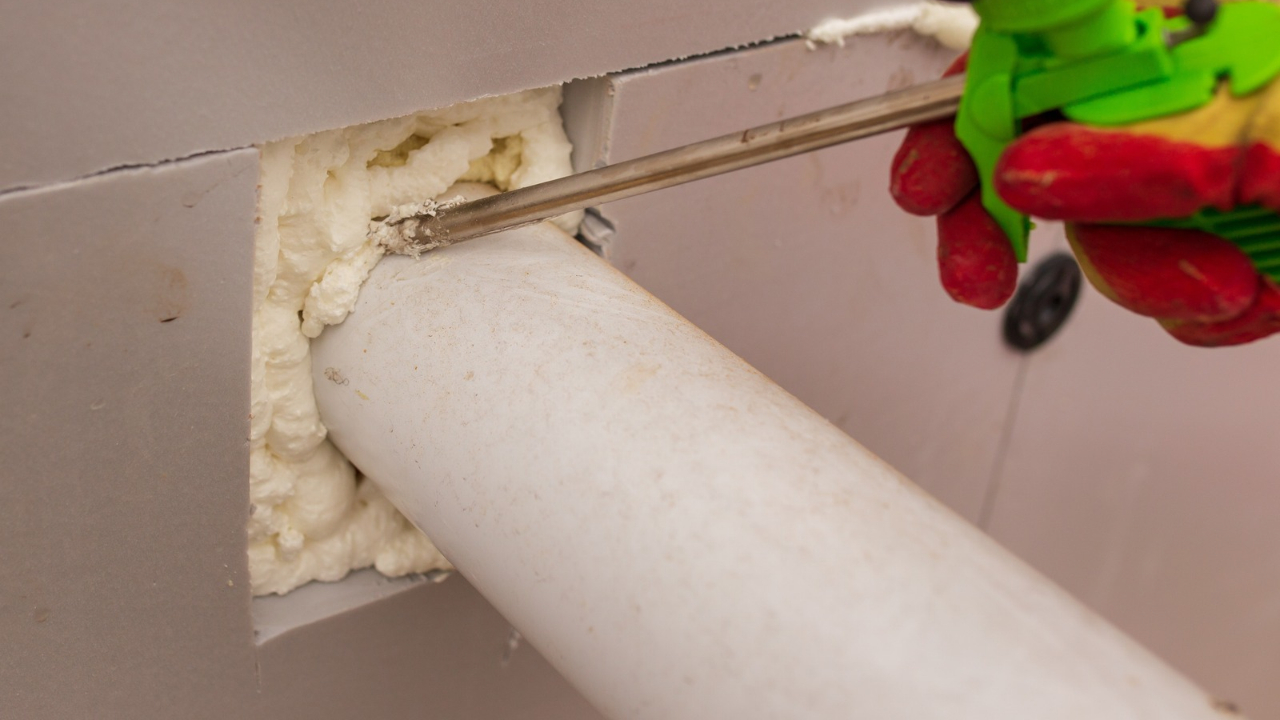
Expanding foam looks like you sealed the place up, but a lot of animals treat it like a snack and a digging toy. Mice can chew through it fast, then you’re back to a hole the size of a quarter, which is all they need.
Use the right combo: stuff the void with copper mesh or steel wool, then foam over it to lock it in place. For bigger gaps, cut and screw in a piece of hardware cloth or thin metal flashing, then seal edges with exterior caulk. Take ten minutes at dusk and walk the garage perimeter with a flashlight. You’ll see light leaks you never notice in daytime.
8. Dirty Grill Drip Pans And Greasy Tools
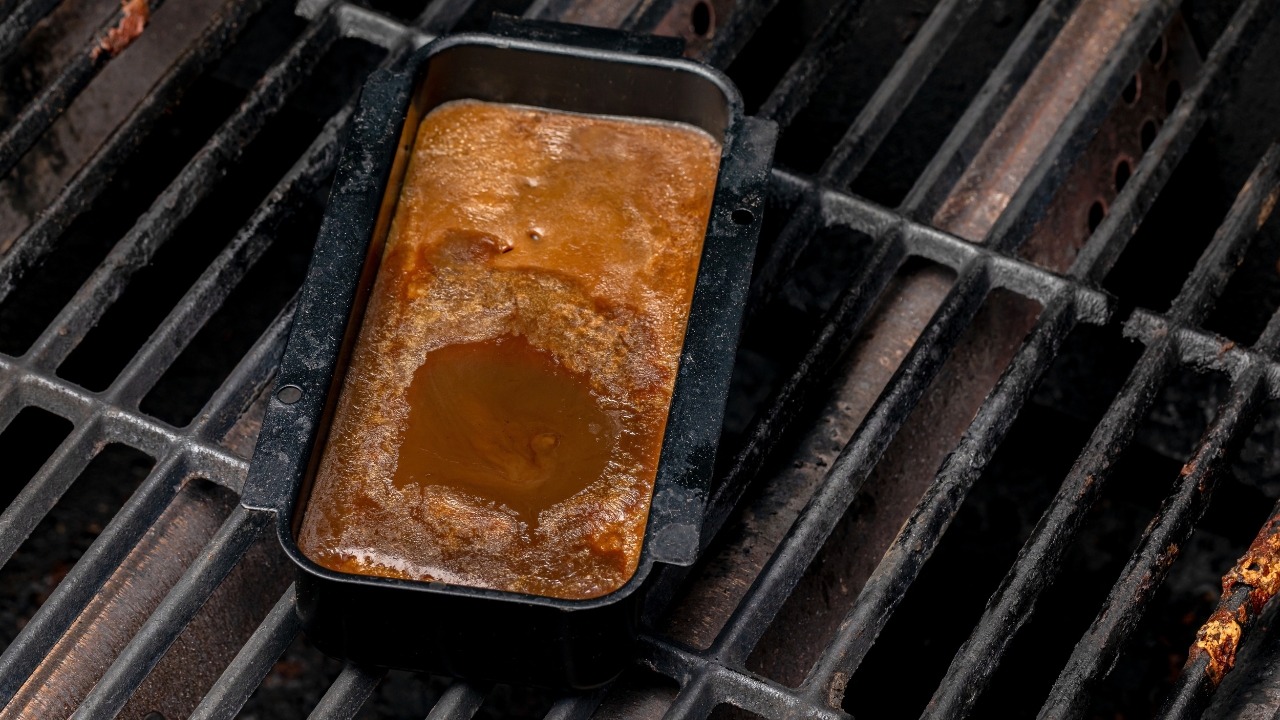
Rolling the grill into the garage feels smart when storms hit, but the grease tray smells like dinner to raccoons, opossums, and rodents. Same goes for that box of oily rags from chain lube, small-engine work, or bacon grease jars waiting for “later.”
Scrape and empty drip pans before you store the grill, and keep grease in a sealed metal can until trash day. Oily rags belong in a metal container with a tight lid because they can self-heat in a pile. If you want the easiest habit, lay a sheet of foil in the drip pan so cleanup takes seconds.
9. Bagged Potting Soil And Bone Meal
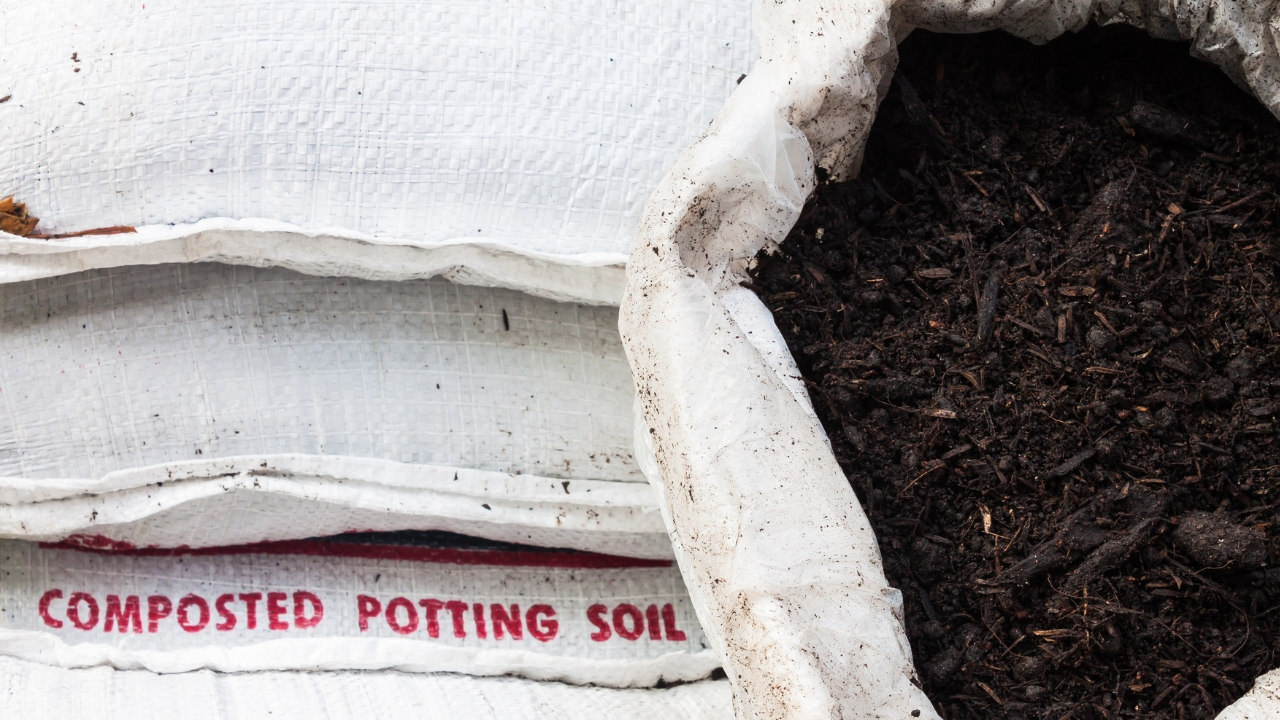
This one surprises people. Potting mix can carry fungus gnats and other insects, and wildlife will tear into it looking for bugs, seeds, and the smell of compost. Bone meal, blood meal, and fish-based fertilizer are even worse, they broadcast “food” from across the garage.
Store soil in a lidded tote and keep the tote off the floor so it can’t wick moisture and turn into a damp bug farm. Put animal-based amendments in sealed containers and only open them outside. If a bag is already ripped, don’t patch it with a little tape and hope. Re-bag it or dump it into a bin the same day.
10. Quiet Clutter Under A Workbench

The dead space under benches and shelving is where nests start. You don’t look there often, it stays dark, and it’s usually warmer than the rest of the garage because it blocks drafts. Once something moves in, you’ll hear it as a faint rustle when the lights go off, or you’ll find shredded paper towel and insulation bits.
Make it hard to settle in by leaving that area open or filling it with sealed drawers or cabinets that sit tight to the floor. Snap traps and exclusion work better when you’ve removed hiding spots, otherwise you’re just playing whack-a-mole. If you’re getting repeat activity, a pest control pro can help identify entry points you’re missing, and it’s usually cheaper than replacing wiring they chewed.
A garage doesn’t have to be spotless, it just has to stop offering easy food, water, and cover. Seal what you can, store the smelly stuff right, and do one quick sweep for spills every time you put things away. Wildlife will move on fast when the place stops paying them back.
Like Fix It Homestead’s content? Be sure to follow us.