12 Animals That Do the Most Damage to a Yard
Photo credit: Joel Trick/Shutterstock.com
You can mow, edge, seed, and water, then wake up to holes, torn sod, and plants snapped off at the base. Most yard damage isn’t mysterious, it’s just animals doing what they do best, eating, digging, nesting, and marking territory. The trick is figuring out which critter is doing it so you can fix the weak spot instead of throwing money at random repellents.
1. Moles Making Raised Tunnels

Those squishy ridges that feel like walking on a half-inflated air mattress are almost always moles. They’re not eating your grass, they’re hunting grubs and worms, but the tunneling can lift roots and dry patches out fast in summer. The worst part is the timing, you notice it after a rain, then you scalp the lawn with a mower the next day.
Skip the noise stakes and “sonic” gadgets, they rarely change anything. Focus on runways: stomp the tunnel flat, then set a mole trap in a straight, active run and check it daily. If grubs are truly heavy, a targeted grub treatment in late summer can reduce food, but don’t carpet-bomb the whole yard unless you’ve confirmed grubs by peeling back a small square of turf.
2. Voles Girdling Trees Under Snow
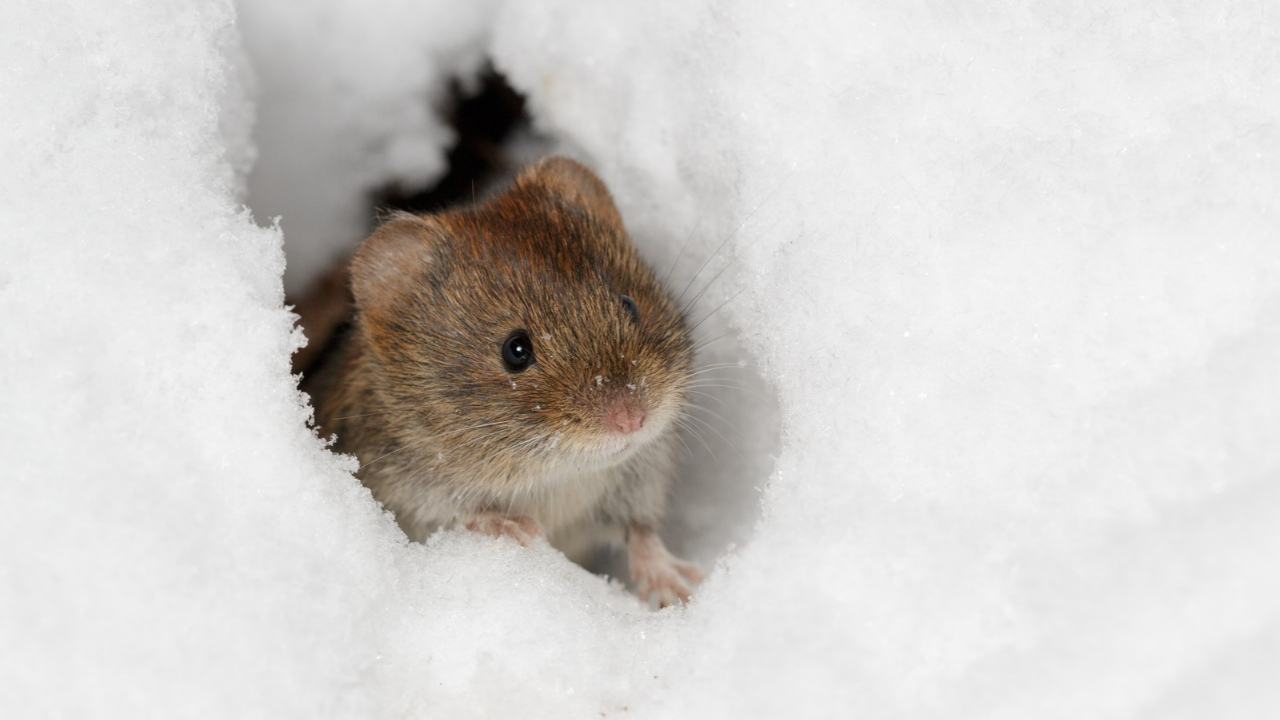
Voles do their ugliest work when you can’t see it. In winter they run under snow or thick mulch and chew bark around young fruit trees, ornamentals, and shrubs. Come spring, the top leafs out late or not at all, and you find a neat little chew line that can kill a tree in one season.
Put hardware cloth guards around trunks in fall, not flimsy plastic spirals that pop open. Keep mulch pulled back a few inches from the trunk and knock down tall grass around the base so they feel exposed. If you already have damage, don’t wrap it in tape and hope, clean up the wound edges and give the tree the best chance with water and light fertilizer, then wait and see what it does.
3. Rabbits Clipping New Growth Overnight

Rabbits can make a bed look like it was pruned with dull scissors. They nip off tender shoots, chew buds, and take one bite out of every pepper you were proud of. The cost isn’t just the plant, it’s the wasted weeks getting to that size.
A low fence works if it’s built right: 2-foot hardware cloth, tight to the ground, with the bottom staked or buried a few inches so they can’t nose under. Repellents help for a day or two, then rain resets the clock. For single shrubs, a simple wire cylinder is cheap and often looks better than a half-eaten foundation planting.
4. Deer Browsing Hedges And Gardens
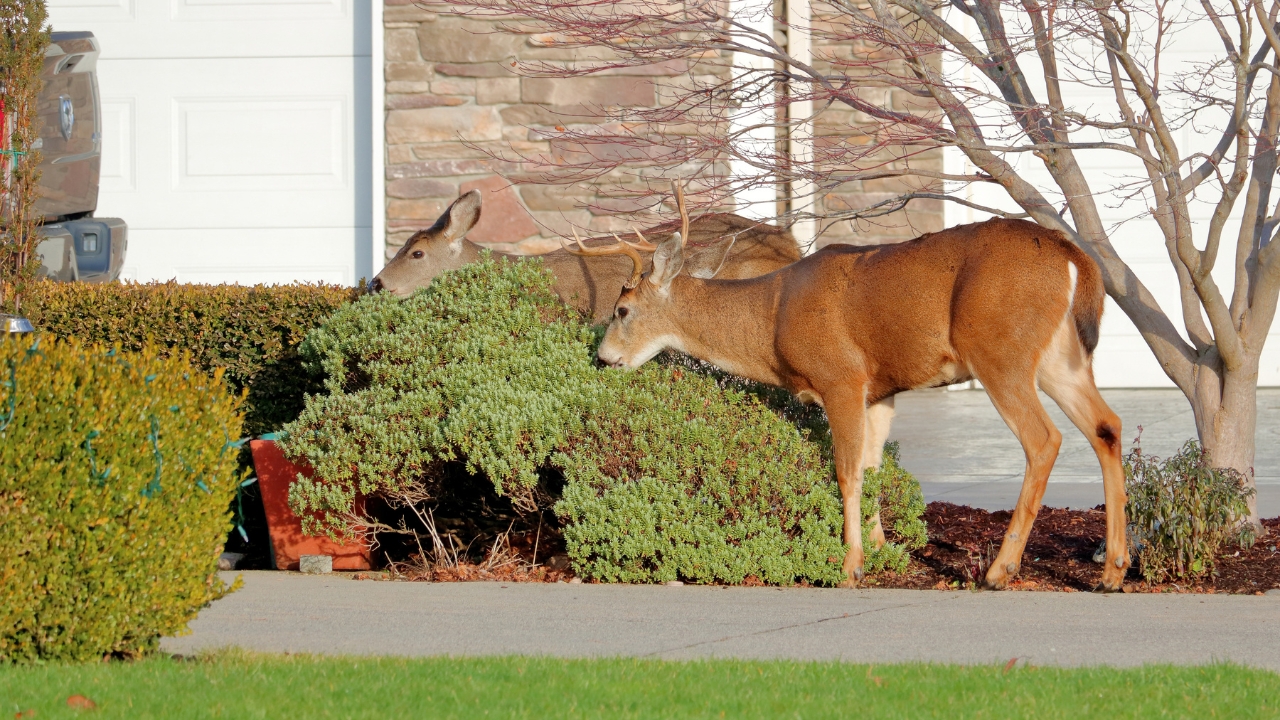
Deer don’t dig much, they just erase landscaping. You’ll see ragged tips on arborvitae, hostas gone overnight, and “lollipop” shrubs where everything below four feet is chewed clean. If you’re trying to sell a house, deer damage hits curb appeal hard because it makes mature plantings look neglected.
Most people try sprays first, then realize the yard is basically a salad bar. A real fence is the lasting fix, and it has to be tall and tight enough to change their habits. If fencing isn’t in the cards, switch to plants deer leave alone in your area and group the tasty stuff close to the house with motion lights, dogs, and seasonal netting so it’s annoying for them, not you.
5. Groundhogs Undermining Patios And Sheds
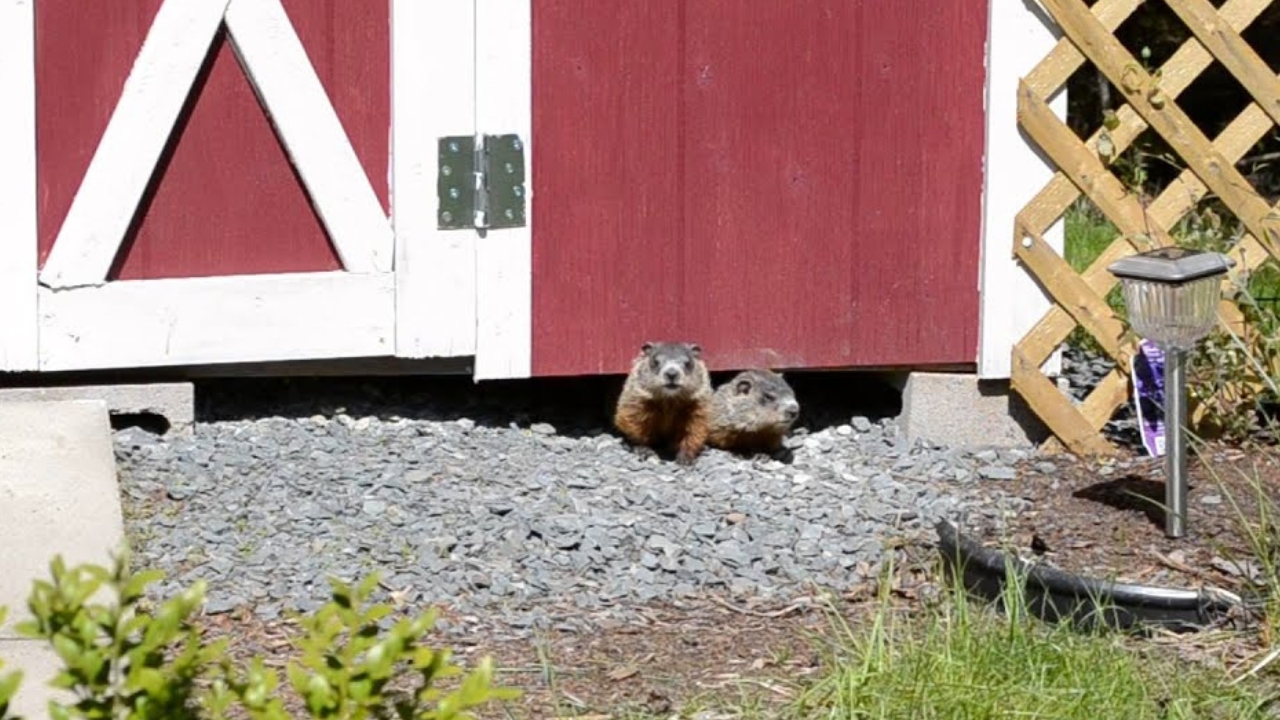
Groundhogs don’t just eat clover, they excavate. A burrow beside a slab, steps, or a shed can wash out soil and leave voids that settle and crack. You’ll often hear a hollow thump when you walk near the hole, or notice a fresh fan of dirt with a big entrance like a small dog could fit.
Fix the structure problem first: stop water from pouring into that area with downspout extensions and grading. Then exclude them with welded wire or hardware cloth buried 12 inches down and bent outward in an L-shape so they hit a barrier when they dig. Trapping and relocation rules vary a lot, so check with your county, and if the burrow is under a foundation or a slab you care about, paying a wildlife pro is usually money well spent.
6. Skunks Rolling Up Sod For Grubs
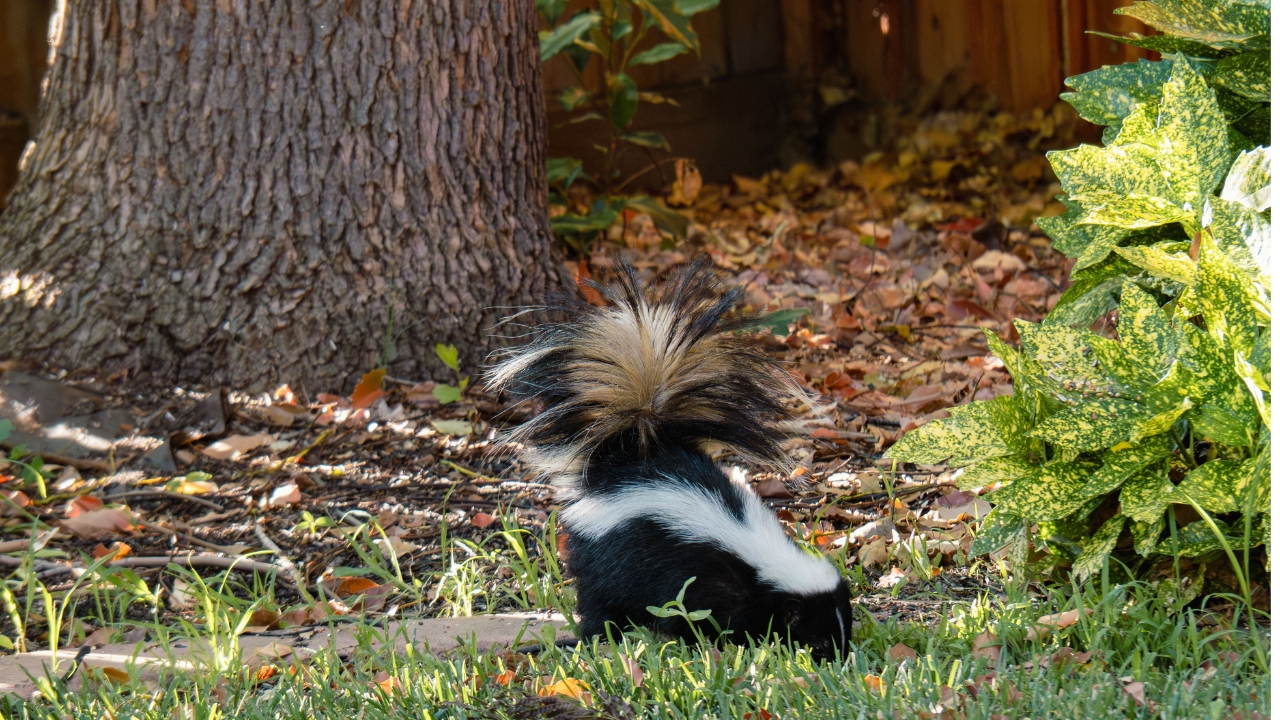
If you find chunks of lawn flipped like someone peeled it with a shovel, think skunk. They hunt grubs at night and can tear up a surprising area before sunrise. The smell is its own problem, but the real damage is the torn roots that dry out and die after a hot day.
Don’t rush to poison grubs without confirming they’re there. Peel back a one-foot square of sod in a damaged spot and count what you see. If grubs are present, treat at the right time of year for your region, then water it in as directed, and repair the lawn with soil contact and regular watering until it re-roots.
7. Raccoons Raiding Lawns And Ponds
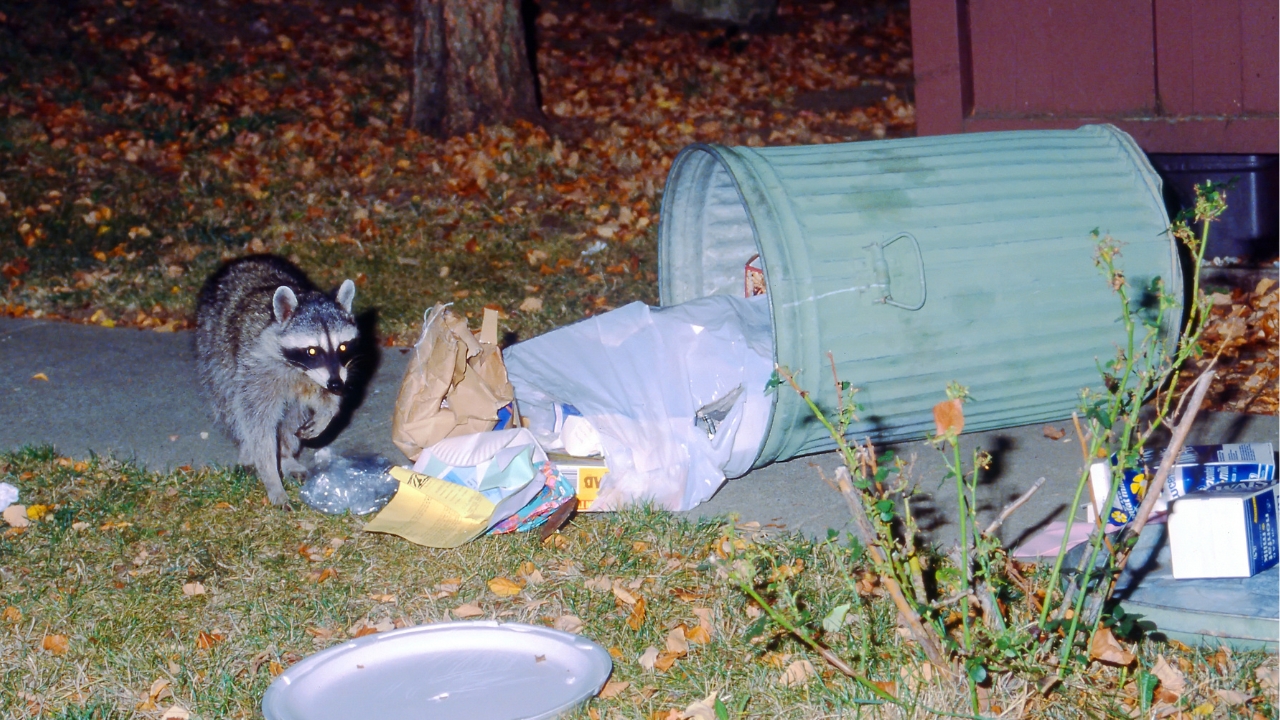
Raccoons are strong, curious, and rough on anything that’s loose. They’ll roll back sod for insects, tip over trash cans, and treat a shallow pond like an all-you-can-eat buffet. If you’ve got muddy hand-shaped tracks near water, you’re not guessing anymore.
Start by removing the easy wins: lock down lids with straps, pick up fallen fruit, and stop feeding pets outside at night. For ponds, a simple perimeter wire or low fence can discourage wading, and deeper edges make it harder for them to stand and fish. If they’ve moved into an attic or chimney, that’s not a DIY standoff, call a licensed wildlife operator and seal entry points after the animals are out.
8. Squirrels Digging Up Bulbs And Pots

Squirrels love freshly disturbed soil. You plant tulips or set out a pot, and the next morning it looks like someone stirred it with a spoon. Sometimes they’re stealing bulbs, sometimes they’re just caching snacks and wrecking your work for the fun of it.
Cover bulb beds with chicken wire pinned flat until the ground freezes, then remove it in spring. For containers, top with coarse gravel or a layer of hardware cloth under mulch so they can’t dig. An honest exception: fake owls and plastic snakes can help for a few days if you move them often, but they’re not a long-term fix.
9. Cats Using Beds As Litter
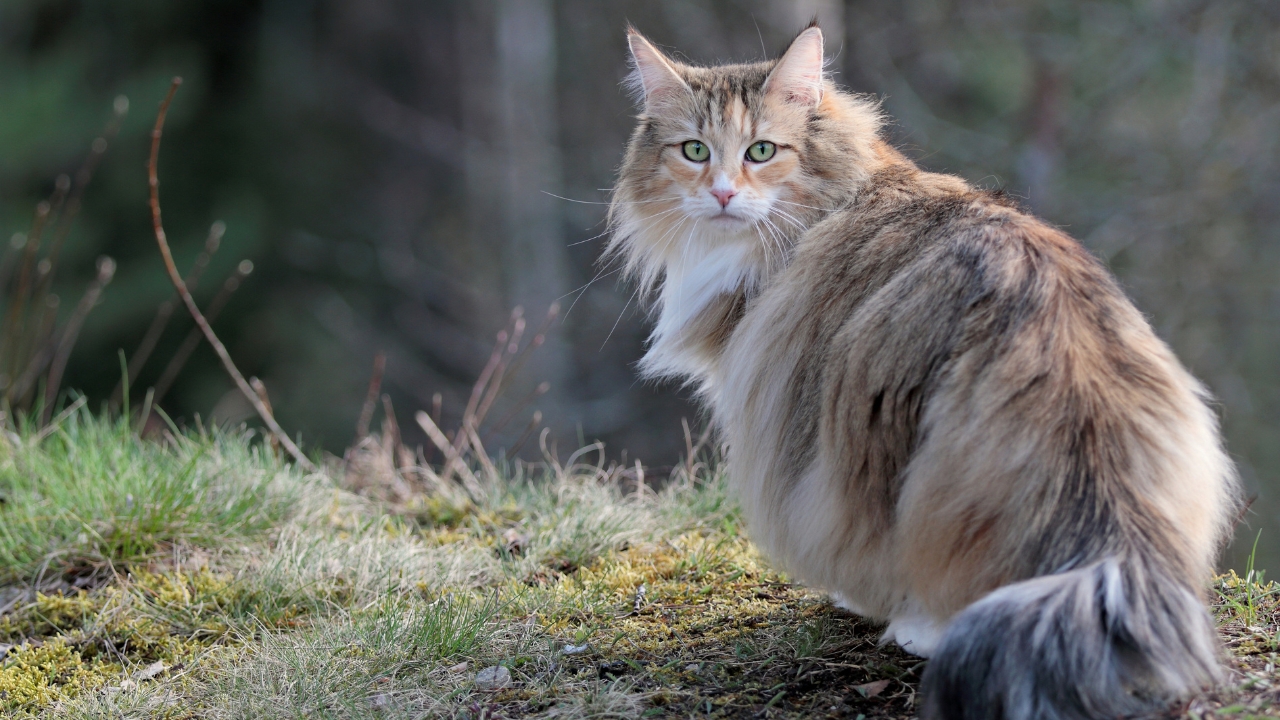
Outdoor cats can turn a tidy raised bed into a smelly sandbox. Besides the gross factor, digging uproots seedlings and compacts soil in the spots you’ve been trying to keep fluffy. This one is about habit, once a cat picks a bed, it’ll keep coming back.
Make the spot uncomfortable, not dangerous. Lay pine cones, prickly brush, or a grid of garden stakes so there’s no easy place to squat, and keep the soil surface covered with mulch or plantings instead of bare dirt. Motion sprinklers work well if you can aim them without blasting your own walkway.
10. Geese Flocking On Lawns And Shores
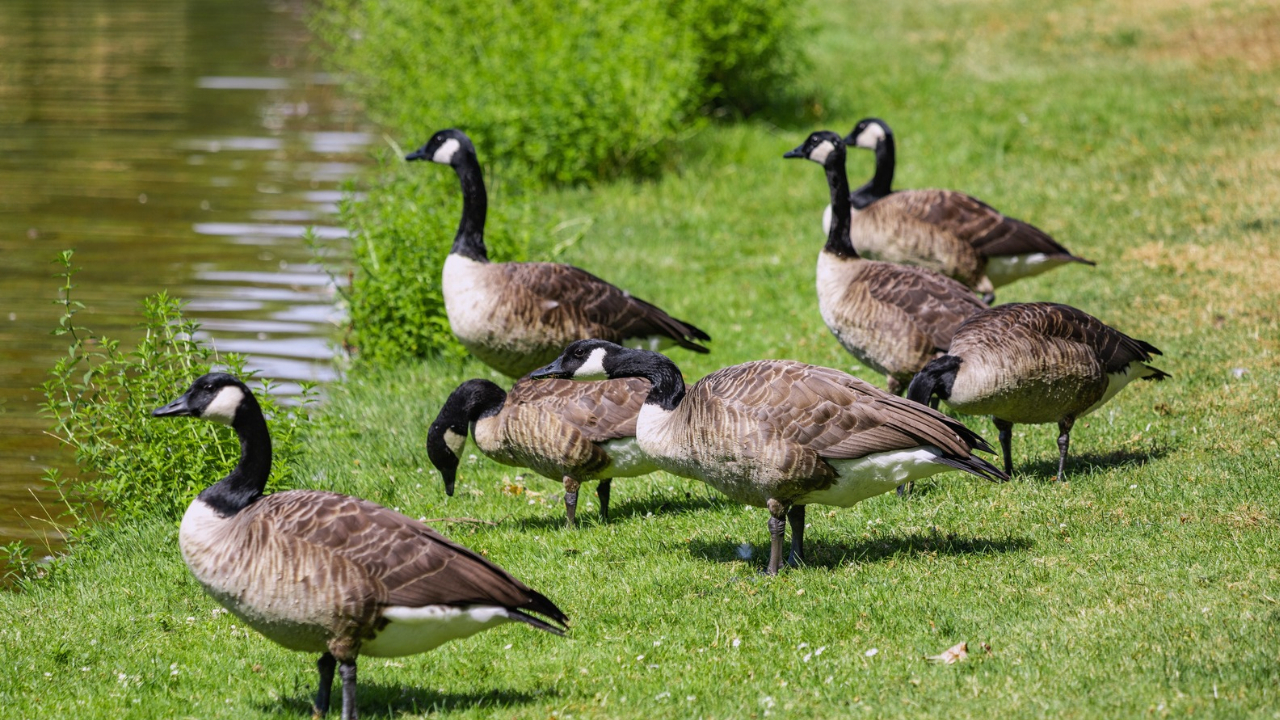
Geese don’t chew lawns down to dirt, they foul them. Droppings build up fast near ponds and patios, and the constant grazing keeps grass stressed and thin. Once a flock likes your yard, they’ll treat it like a reliable stop on their daily route.
Don’t feed them, and don’t let neighbors do it either, it locks the problem in. A low barrier along the water’s edge often helps because geese like an easy waddle path between water and grass. Tall shoreline plants, temporary fencing, and letting grass grow a bit longer near the edge makes the place feel less like a golf green.
11. Armadillos Punching Cone-Shaped Holes
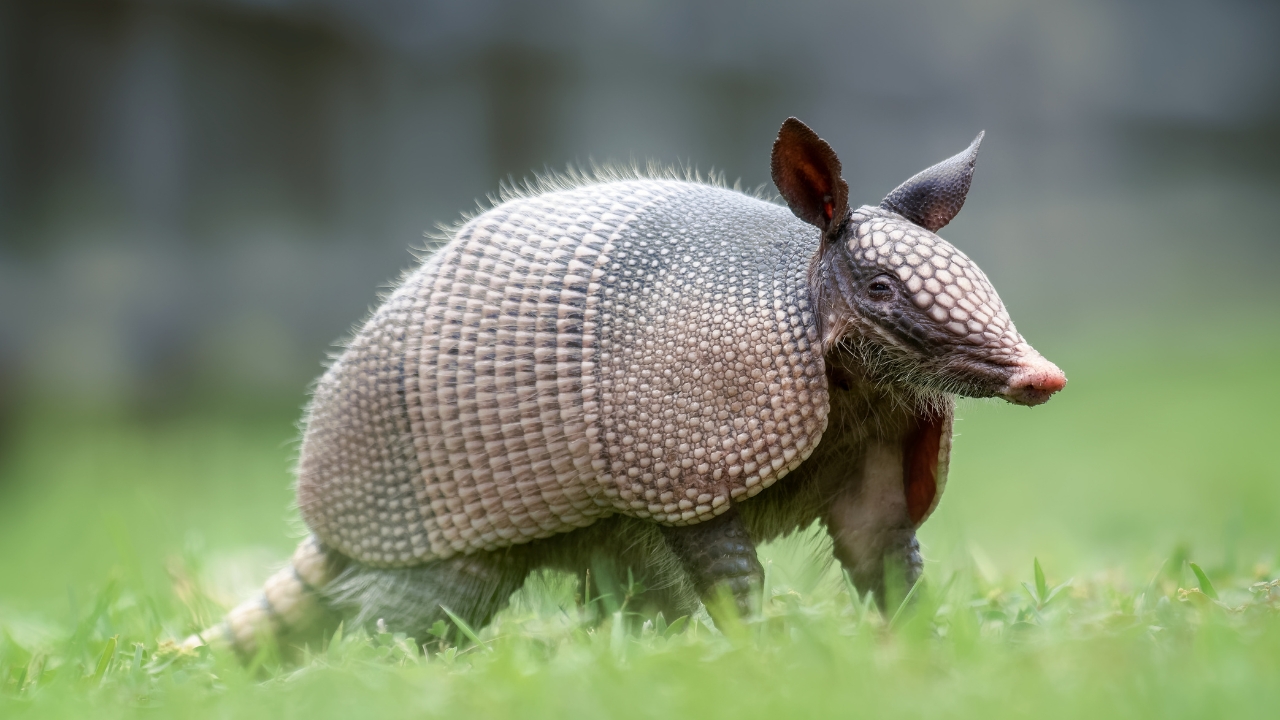
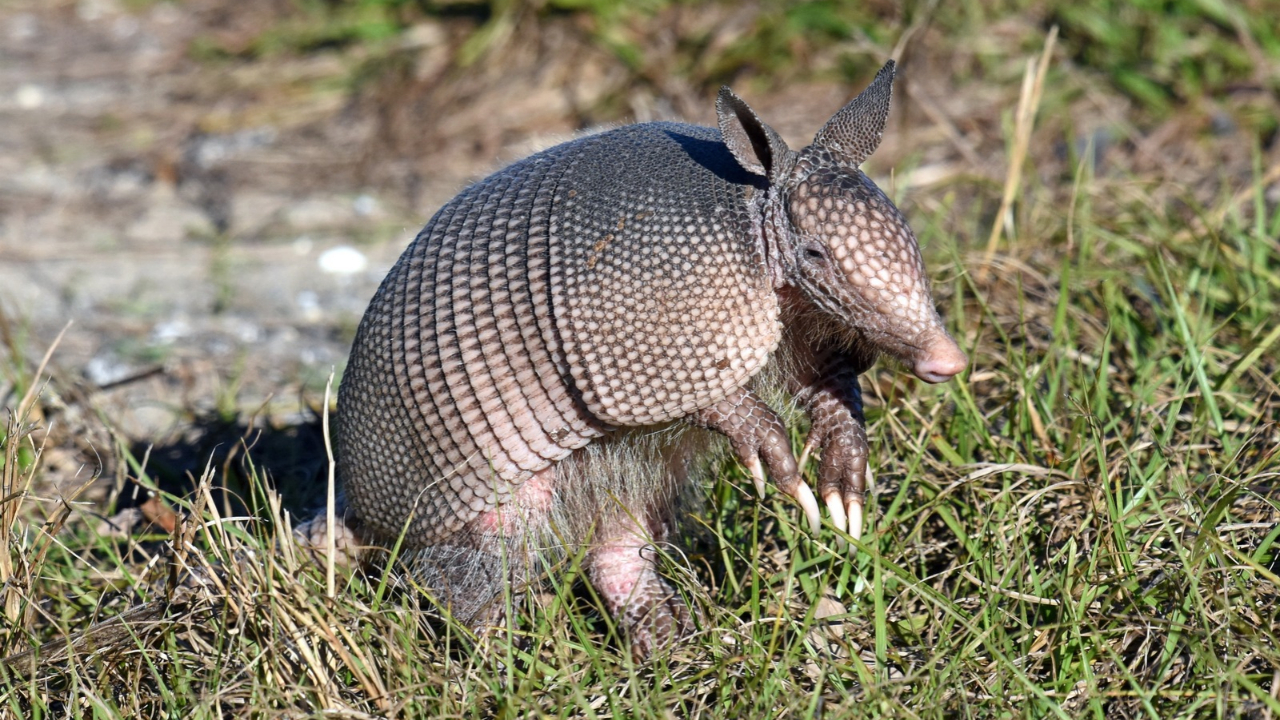
In some regions, armadillos show up like a surprise tool nobody asked for. They leave neat, deep holes the size of a soda can, scattered across the yard, and you find them by stepping in one while carrying groceries. The danger here is ankles and mower blades, not just ugly turf.
Since they forage by smell, general repellents are a weak bet. The practical move is exclusion fencing with a buried skirt, and reducing insect activity around the house so there’s less to hunt. If you’re seeing lots of holes suddenly, deal with it early, they can turn a clean lawn into a minefield in a couple weeks.
12. Wild Turkeys Scratching Up Mulch Beds
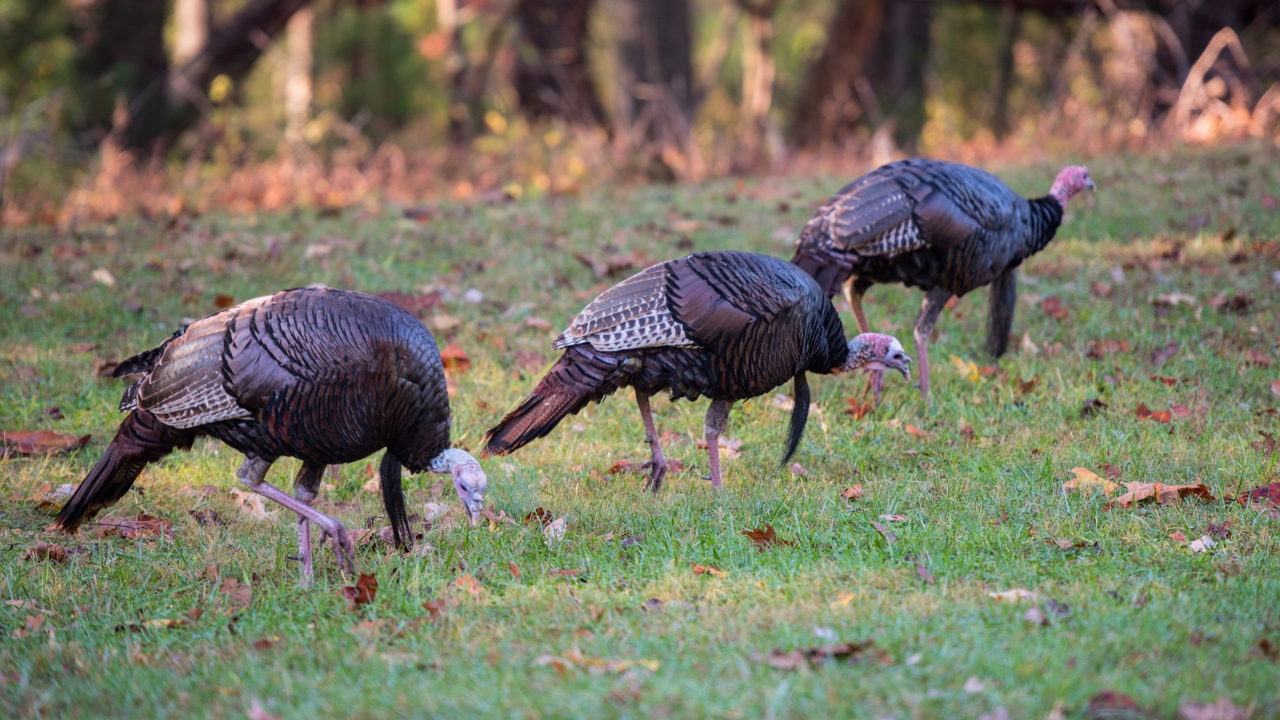
Turkeys look harmless until they hit your mulch. They scratch like giant chickens, tossing wood chips onto walkways, exposing landscape fabric, and uprooting small annuals. It’s mostly a timing problem, one flock can undo a fresh weekend cleanup in an afternoon.
Rake mulch back, water it lightly so it settles, and switch to heavier mulch where you get repeated visits, chunkier bark stays put better than fine shredded material. Temporary netting over beds works during planting season, and motion sprinklers can move them along without turning the yard into a daily battle.
If you’re not sure what’s doing the damage, look for tracks, droppings, and the pattern of the mess before you buy anything. Most fixes get a lot cheaper when you start early, block access, and remove the food or shelter that made your yard attractive in the first place.
Like Fix It Homestead’s content? Be sure to follow us.