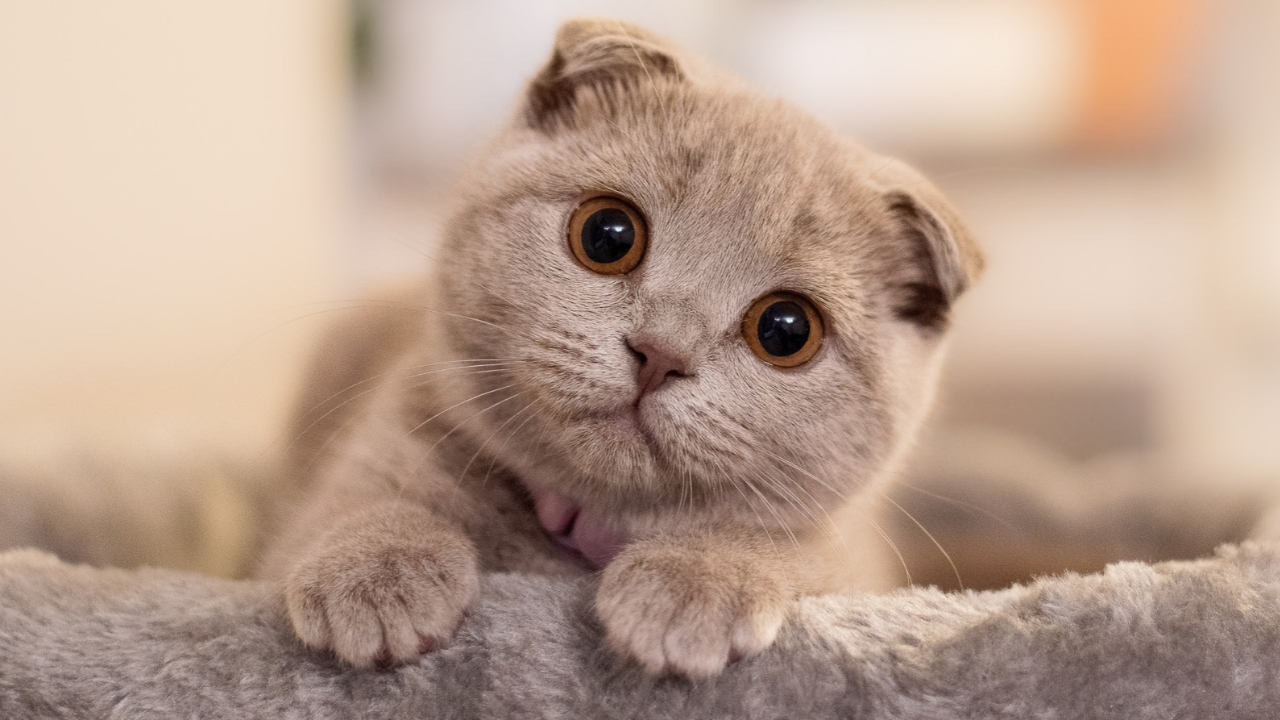
10 Cat Breeds That Stay Close to Home
Photo credit: Ance Kazaka/Shutterstock.com
Some cats treat your yard like a base camp. Others treat it like a launch pad. If you want a cat that’s more likely to hang on the porch, patrol the barn aisle, or nap in the windowsill instead of roaming the road, breed can tilt the odds in your favor.
1. Ragdoll That Follows You Room

You’ll hear owners call them “puppy cats” for a reason. Ragdolls tend to stick close to people, which often translates to staying close to the house, too. They’re usually not looking to pick fights or run long fence lines just to see what’s out there.
The downside is they can be too trusting outdoors. If you live where there are loose dogs, fast traffic, coyotes, or hawks, this is one that belongs inside or in a secured catio. They’re happiest where you are, even if that’s just pacing between the kitchen and the mudroom.
2. British Shorthair That Loves Routine
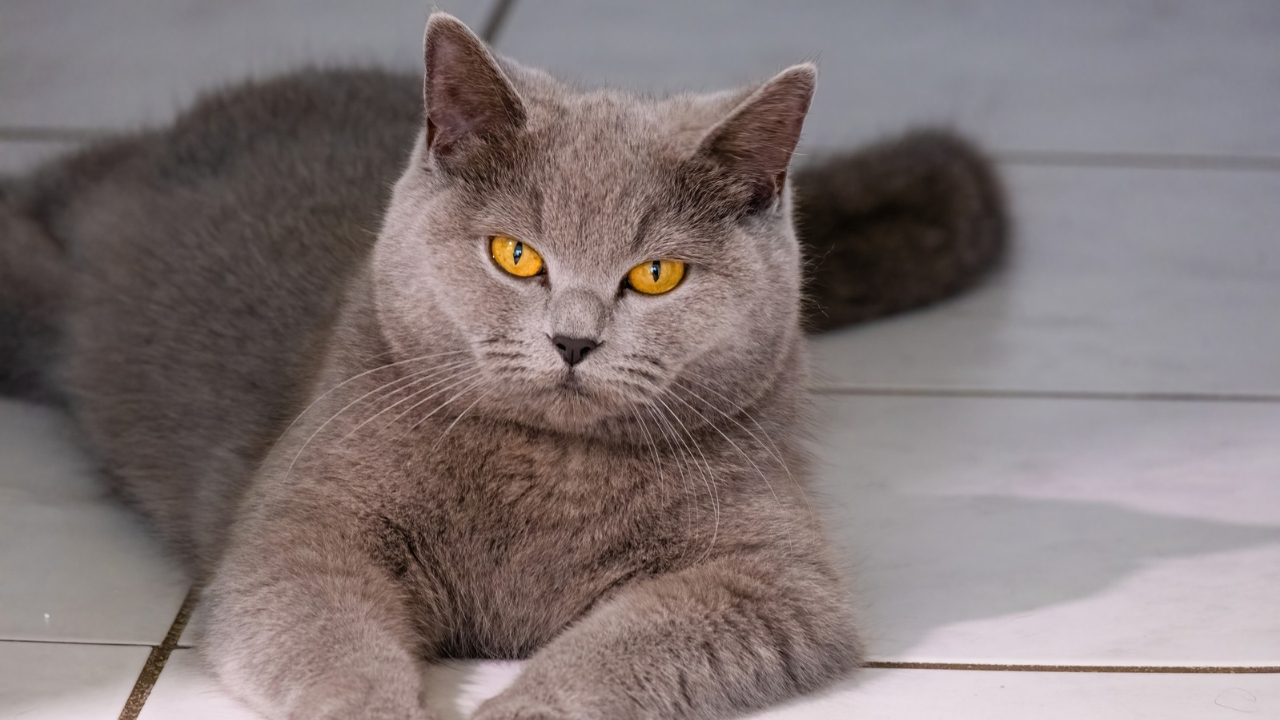
This is the cat that’s fine doing the same loop every day: food, window, nap, repeat. British Shorthairs are typically calm and home-oriented, not the type to vanish for 12 hours and come back with burrs and scratches. If you want a steady presence, they fit.
They also tend to handle indoor life well, which matters if “close to home” means “inside the house.” Give them sturdy scratchers and a couple of elevated perches, or they’ll pick the back of the sofa. They aren’t clingy, but they like their familiar spot.
3. Persian That Prefers Quiet Indoors
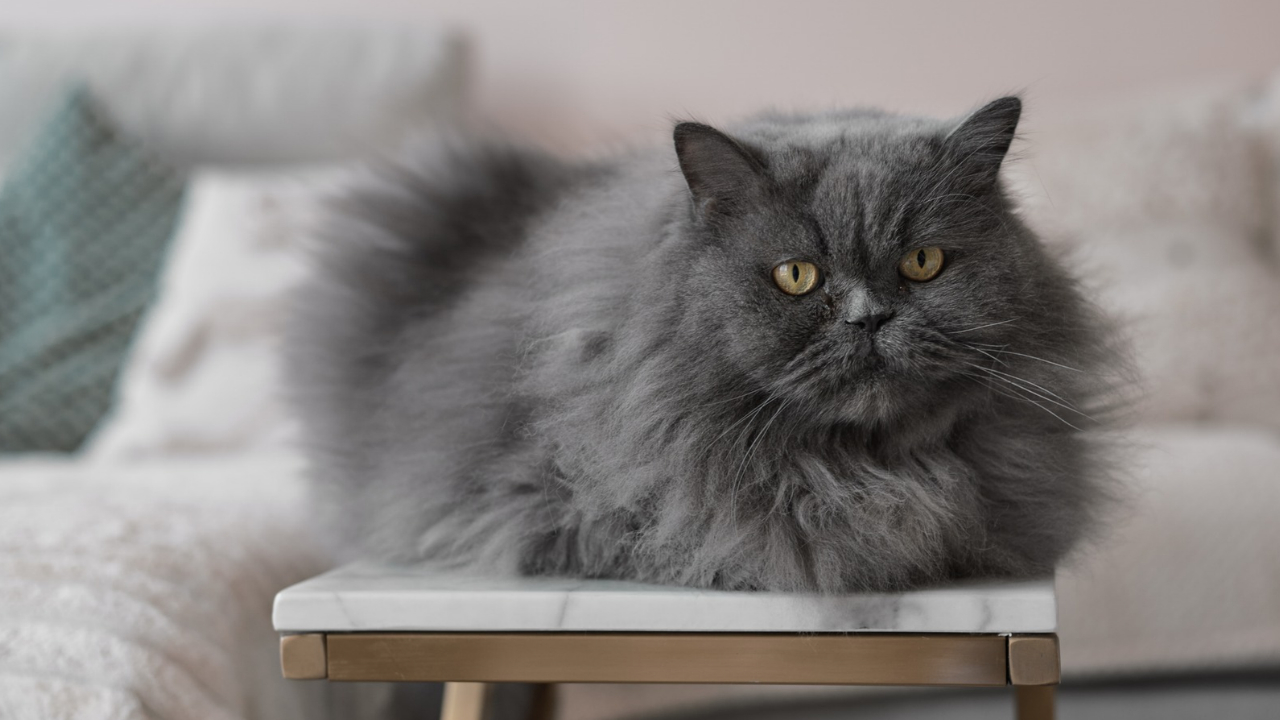
If you’ve got a cat that looks like it should be on a pillow, it probably should be on a pillow. Persians usually aren’t interested in roaming far, and many won’t even bother with the outdoors unless it’s a screened porch. Their pace is slow, and their priorities are comfort and calm.
There’s a practical homestead angle here: coat care. If you don’t keep up with brushing, mats form fast and you’ll end up paying a groomer to shave them down. Persians also don’t mix well with dirty barns and burr patches unless you’re willing to do daily cleanup.
4. Scottish Fold That Sticks Nearby
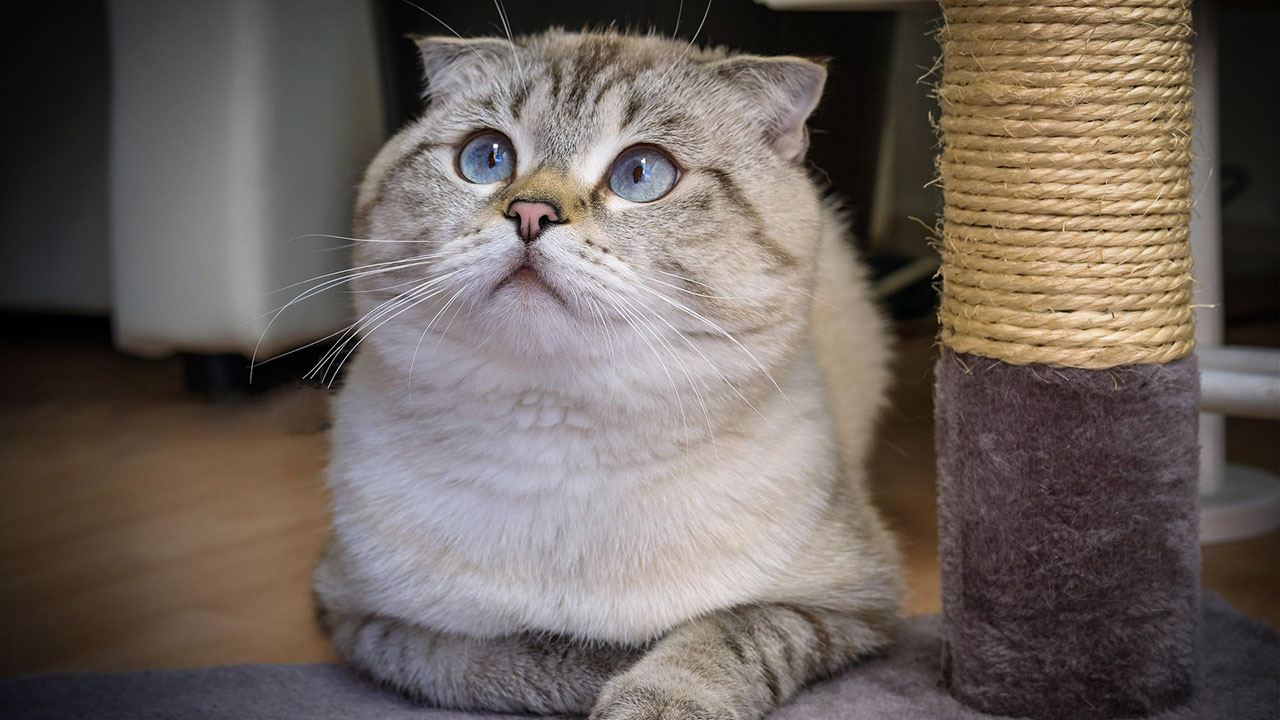
Scottish Folds often want to be near the action without being the action. You’ll see them trail you from room to room, then flop down close by like a little space heater. That people-focused habit can mean they don’t wander much outside.
Pay attention to mobility, though. Some folds have joint issues, and a cat that can’t move comfortably is a cat that’s going to stay close because it has to, not because it wants to. If you notice stiffness or reluctance to jump, talk to a vet and keep climbing spots low and easy.
5. Burmese That Bonds Hard With People

Burmese cats tend to lock onto their humans. They often prefer being in the same room over prowling the perimeter, and that’s a big part of why they’re commonly recommended for indoor homes. If you like a cat that checks in on you all day, this is one.
They can get bored, and boredom is when even a homebody starts looking for trouble. Rotate toys, add a window perch, and don’t underestimate a simple feather wand used for ten minutes before dinner. A tired Burmese is usually a stay-put Burmese.
6. Exotic Shorthair With Low Wander Drive

This breed is basically a Persian with a shorter coat, and the temperament often follows. Exotic Shorthairs are typically laid-back and happy to stay where the soft beds and steady meals are. They’re not built for big outdoor missions.
Short coat does not mean no maintenance. They still need face cleaning if they have a flat nose, and they still track litter if you use the cheap dusty stuff. A high-sided box and a good mat at the exit keeps your floors from feeling gritty.
7. Russian Blue That Likes One Territory
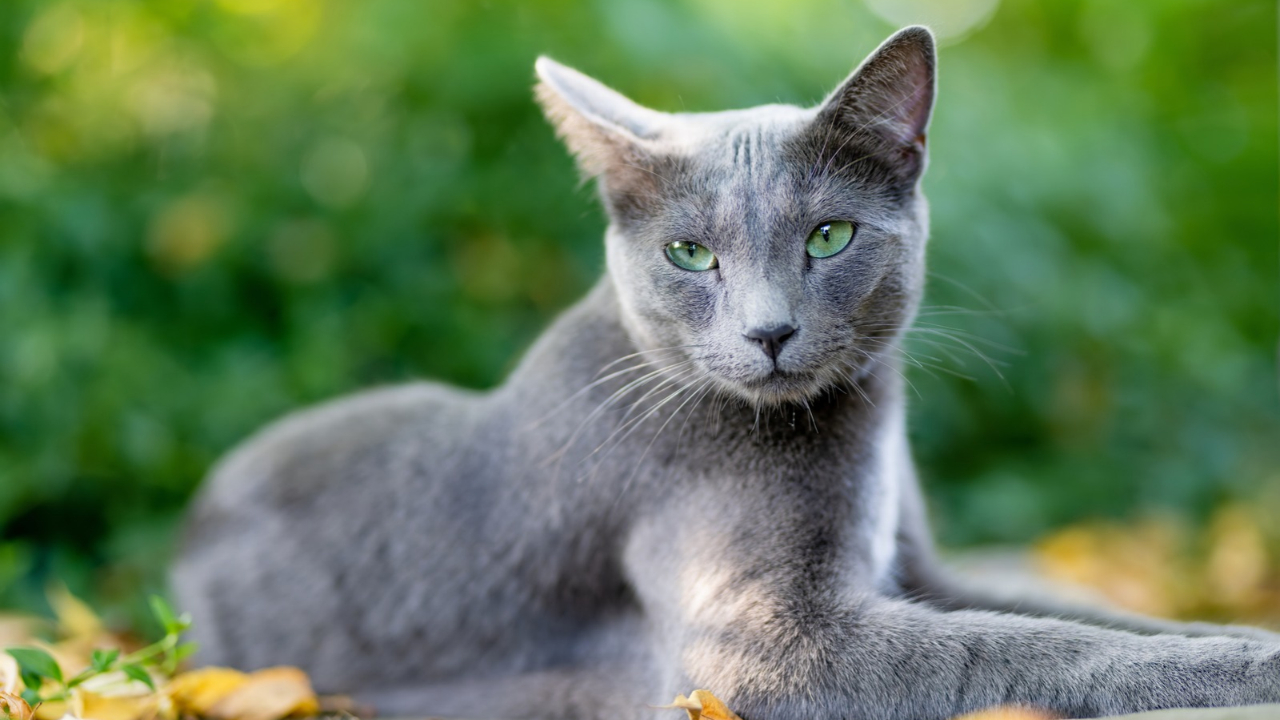
Russian Blues are often cautious and attached to their home base. They can be shy with strangers and noisy chaos, which makes “sticking close” a natural choice. If your place is their safe zone, they don’t tend to trade it for the unknown.
They also do better with predictable routines. If you’re trying to reduce door-dashing, build a habit: feed away from the entry, use a treat on a mat after you come in, and don’t reward the sprint to the threshold. The cat learns the door is boring.
8. Birman That Stays With The Household
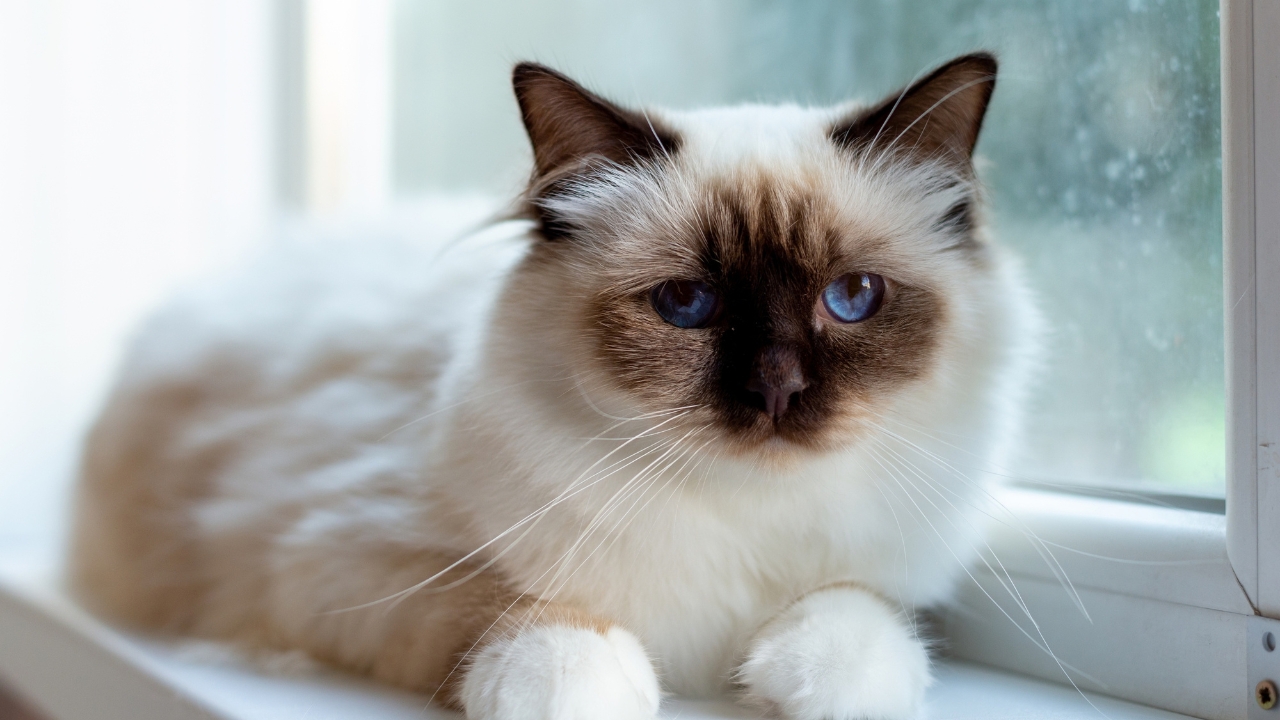
Birmans are often gentle and social without being frantic. They like being around people and other pets, and that social tie can keep them close to the house and the yard. They’re usually not looking to expand their territory just for fun.
They do have a coat that picks up debris. If you let them out, check for burrs and foxtails, especially late summer when everything sticks. A quick comb-out at the door saves you from finding a snarl later when the cat won’t sit still.
9. Maine Coon That Patrols Home Grounds
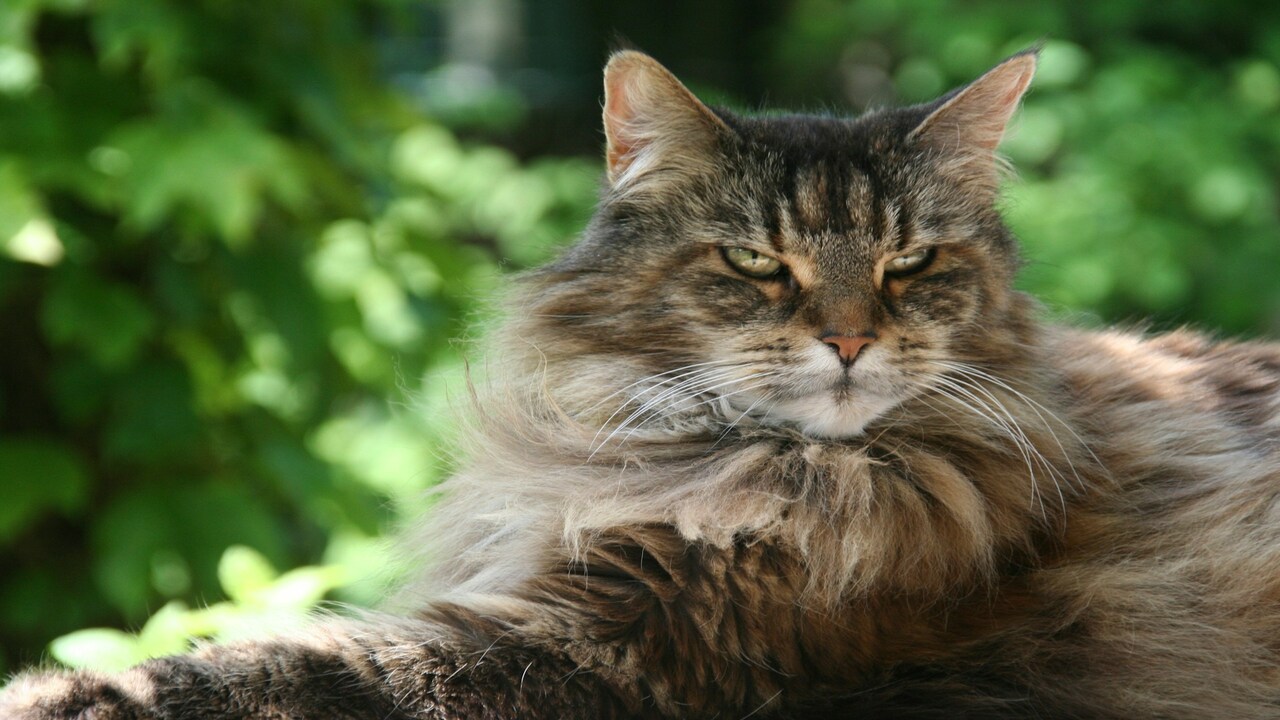
This one surprises people. Maine Coons are big, confident cats, but many are also very attached to their home and their people. They often like to “supervise” your chores and then settle nearby instead of disappearing over the back fence.
Here’s the honest exception: a Maine Coon can also be an explorer if there’s woods, a creek, or neighboring barns to investigate. If you want “stays close” to mean “never leaves the porch area,” use a catio, a secure run, or harness training, and start young. Size does not protect a cat from cars or wildlife.
10. Sphynx That Needs Indoor Heat
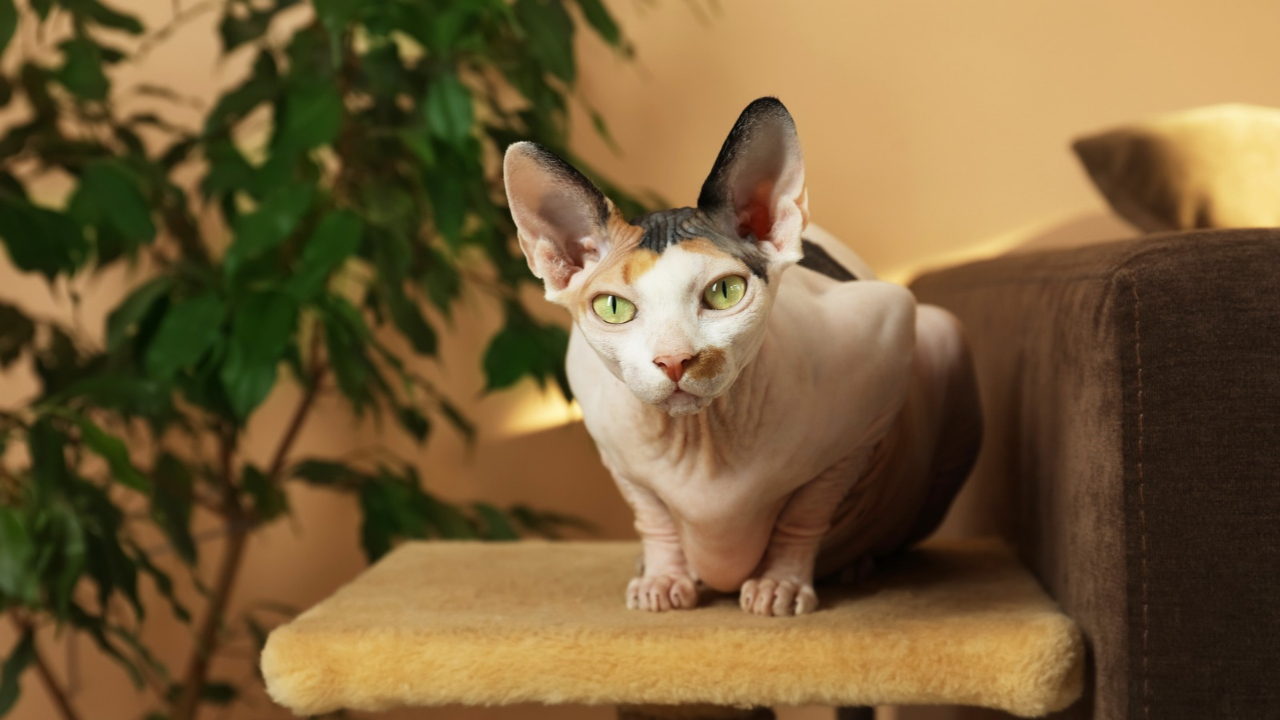
A hairless cat is rarely a wander-far cat, mostly because weather decides for them. Sphynx cats lose heat fast, sunburn easily, and usually prefer warm blankets, sunny windows, and your lap. If you want a cat that chooses the couch over the woods, this breed leans that way.
They do need regular skin cleaning because oils don’t get absorbed by fur. Skip the fancy stuff and focus on gentle wipes or baths as your vet recommends, plus warm spots around the house. If your home is drafty in winter, this cat will tell you.
No breed is a roaming-proof guarantee, and plenty comes down to spay and neuter timing, enrichment, and what your neighborhood throws at them. If you’re set on outside time, build a simple catio or enclosed run, because it’s cheaper than emergency vet bills and a lot easier than chasing a cat at midnight.
Like Fix It Homestead’s content? Be sure to follow us.