Best Dog Doors for Houses With Big Dogs
Photo credit: Top Dog Tips/Youtube
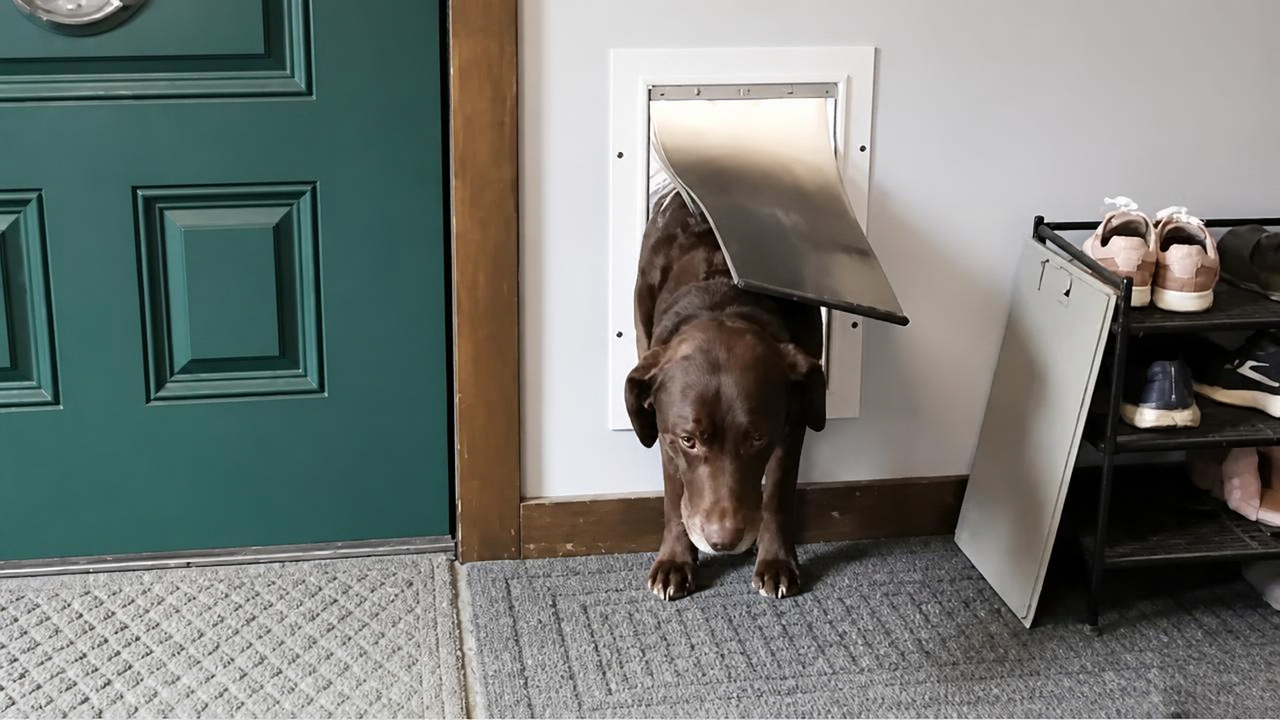
Big dogs don’t “use” a dog door, they hit it like a swinging gate in a barn. If the flap is flimsy or the frame flexes, you’ll hear the clack at midnight, feel the draft by breakfast, and start noticing scratches where you never had them. Pick the right style once, and you stop fixing it every season.
1. Full-Frame Aluminum Dog Doors
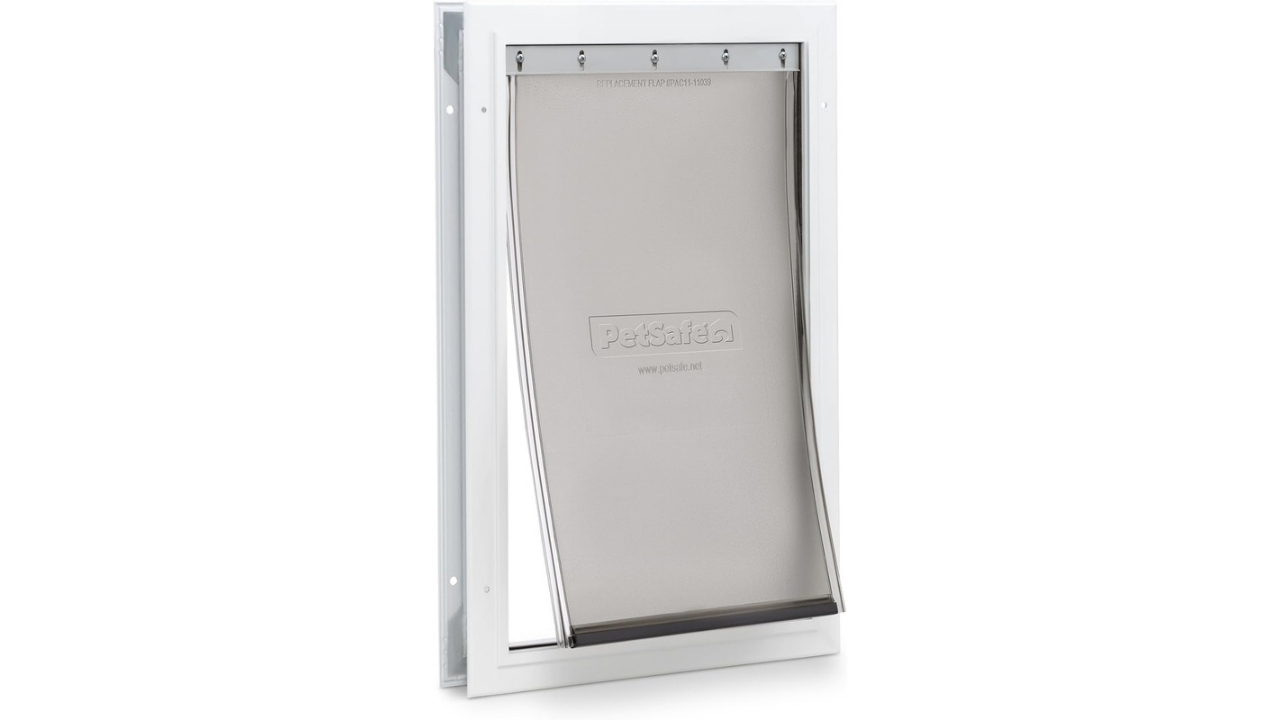
If you’ve got a heavy dog that barrels through, the thin plastic frames crack first, usually at the screw holes. A full-frame aluminum unit holds its shape, stays square, and keeps the flap from dragging on one side. Look for a thick, one-piece frame and solid corners, not a light frame that depends on a trim ring to stiffen it.
These make the most sense in a standard exterior door, especially steel or fiberglass. You’ll still need to measure twice and cut clean, because a sloppy cutout turns into a whistling draft you can’t “weatherstrip away.” If you hate fiddly installs, paying a door shop to cut the opening is often money well spent.
2. Double-Flap Insulated Flap Doors
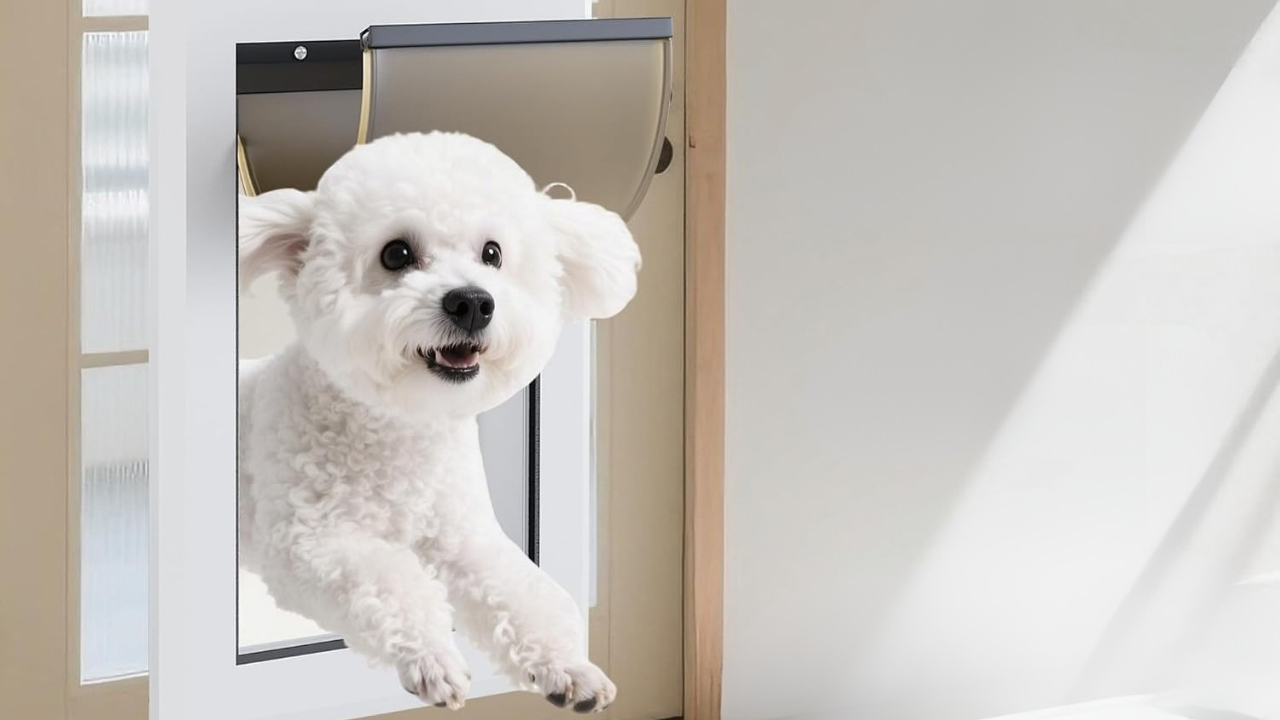
Winter will tell you fast if you bought a bargain flap. Big openings leak a lot of air, and a single thin flap turns your mudroom into a wind tunnel. Double-flap doors with an insulated flap or two overlapping flaps cut the draft and keep the hinge area from curling up.
Pay attention to how the flaps seal at the bottom and sides. Magnetic strips help, but only if the frame stays rigid and the flap hangs straight. If your dog is timid about pushing through, start with the flaps taped open for a few days and work down from there.
3. Wall-Mount Dog Door Tunnels
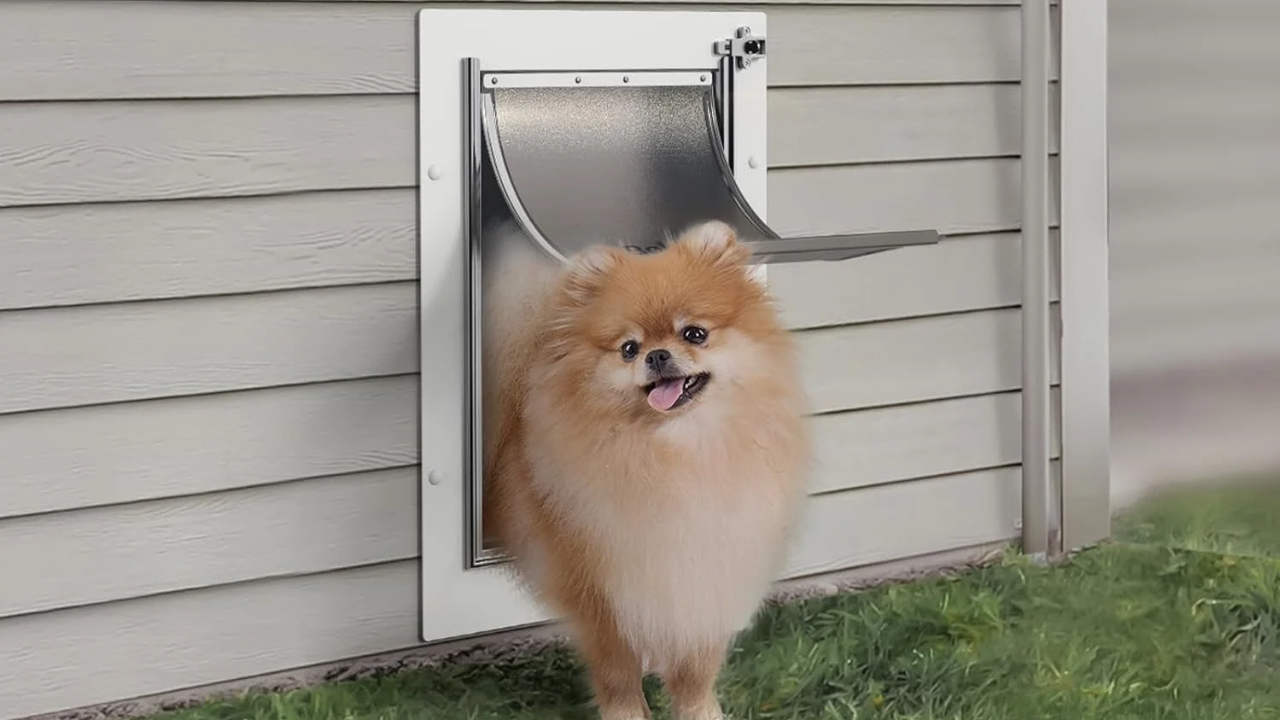
Sometimes the best place for the opening isn’t in a door at all. A wall-mount setup keeps your exterior door intact and can land exactly where your big dog naturally goes. It also helps if the only door you’ve got is glass, a slider, or a fancy front door you don’t want to cut.
Wall installs are more work because you’re building a tunnel through studs, siding, and sheathing. You need solid flashing on the outside and a clean interior trim so you’re not looking at raw drywall edges forever. If the wall is load-bearing or you’re dealing with brick, stone, or stucco, this is where a carpenter is worth calling.
4. Steel Door Reinforcement Kits
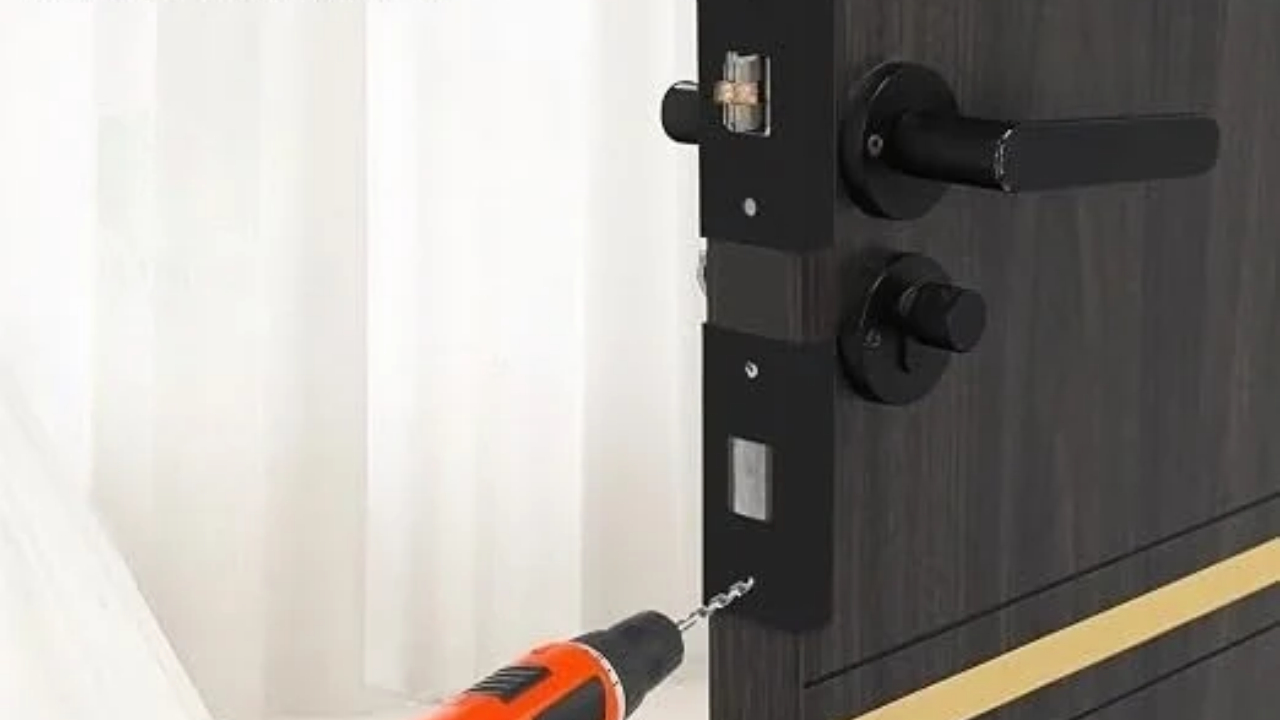
A lot of people cut a dog door into a thin metal exterior door and then wonder why the whole door feels “tinny” and loose. Big dogs push with their shoulders, and that flexing works the screws back out over time. A reinforcement kit or a dog door that clamps with interior and exterior frames spreads the load and keeps the cut edge from deforming.
This is also about keeping your door from rusting. Bare steel edges love moisture, especially near a threshold where wet paws drip. Prime and paint any exposed metal before you install the frame, even if the trim covers most of it.
5. Heavy-Duty Magnetic Close Systems
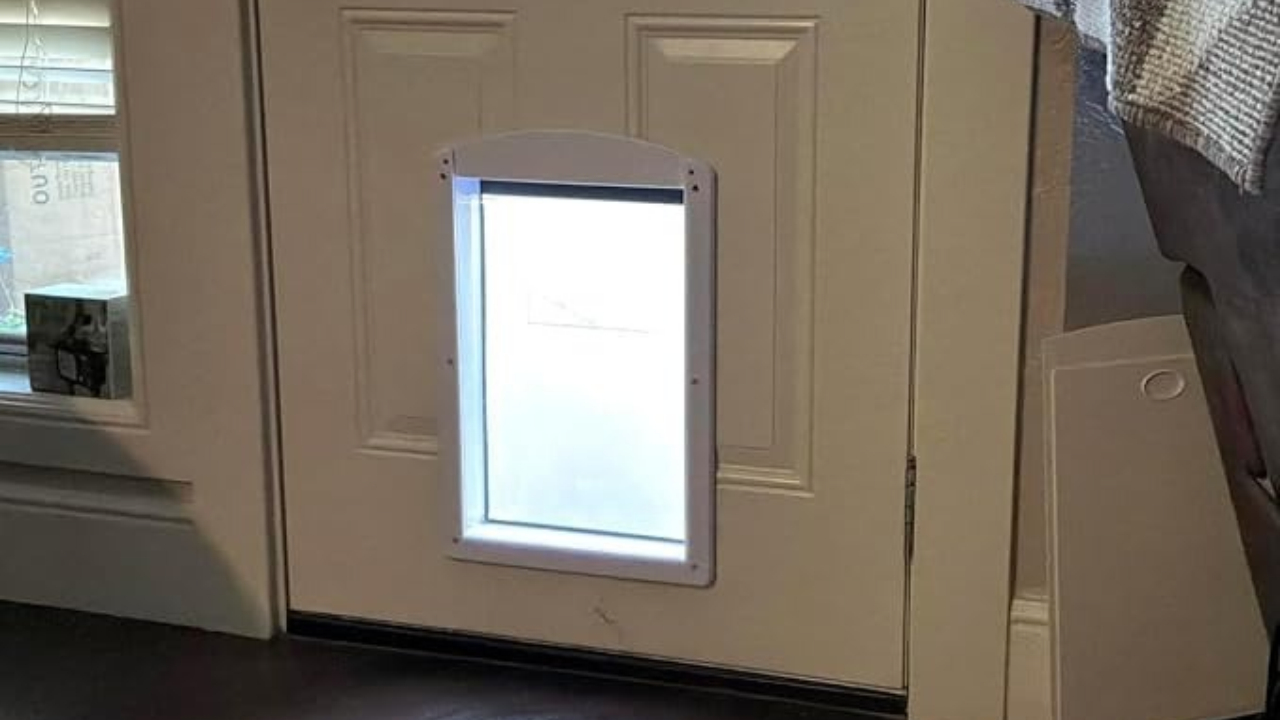
When a big dog goes through fast, the flap can bounce, rattle, and stay cracked open. That little gap is enough to let flies in all summer and cold air in all winter. Stronger magnets or weighted bottom bars help the flap snap shut the first time.
Skip the loud, clunky hardware that sounds like a screen door slam. You want a quiet close, not a bang that wakes you up at 2 a.m. If you’ve got a nervous dog, too much resistance can make them avoid the door, so aim for “closes firmly” instead of “shuts like a trap.”
6. Slide-In Patio Panel Dog Doors
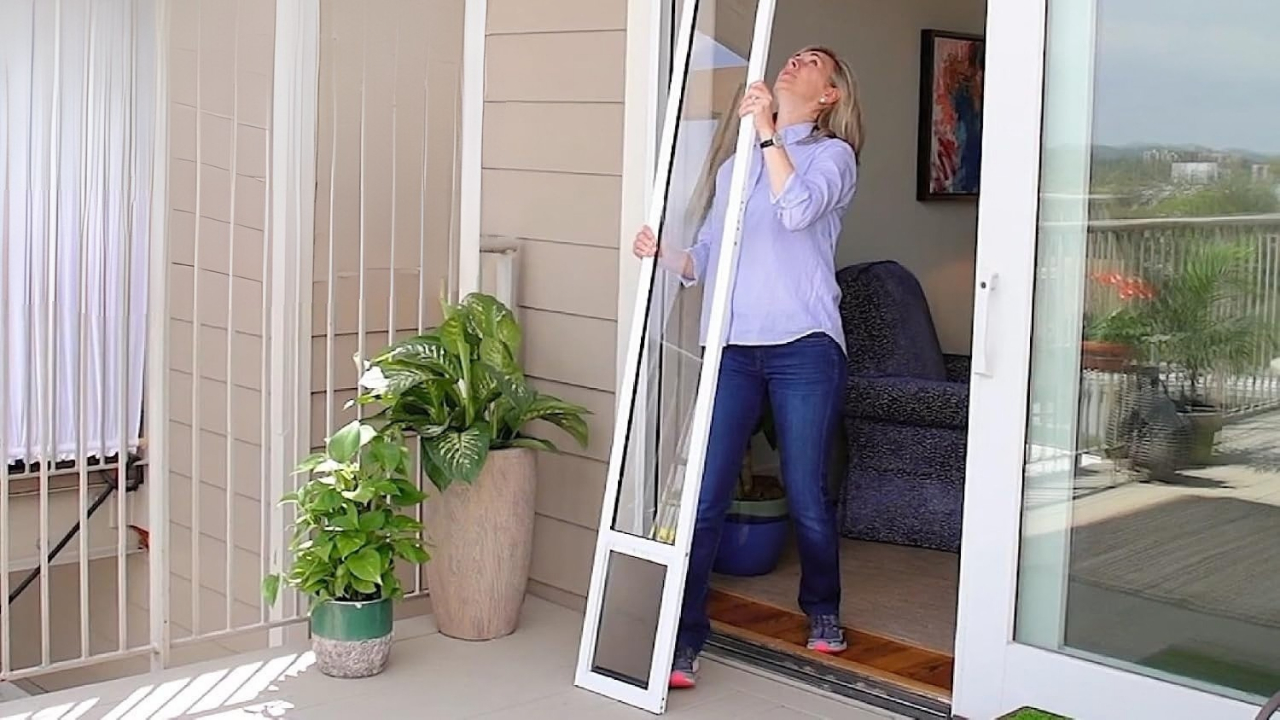
If you rent, or you just refuse to cut a hole in anything, the sliding door insert can be the cheap option that’s actually fine. You drop it into the track, adjust the height, and you’re done. For big dogs, buy a panel with a sturdy frame and a wide opening so they aren’t twisting their hips sideways every trip.
The weak spot is sealing and security. Add foam weatherstrip where the panel meets the jamb, and use a solid security bar or track lock so the slider can’t be forced open. If your slider is already drafty, don’t expect an insert to fix that problem.
7. Microchip And RFID Locking Doors
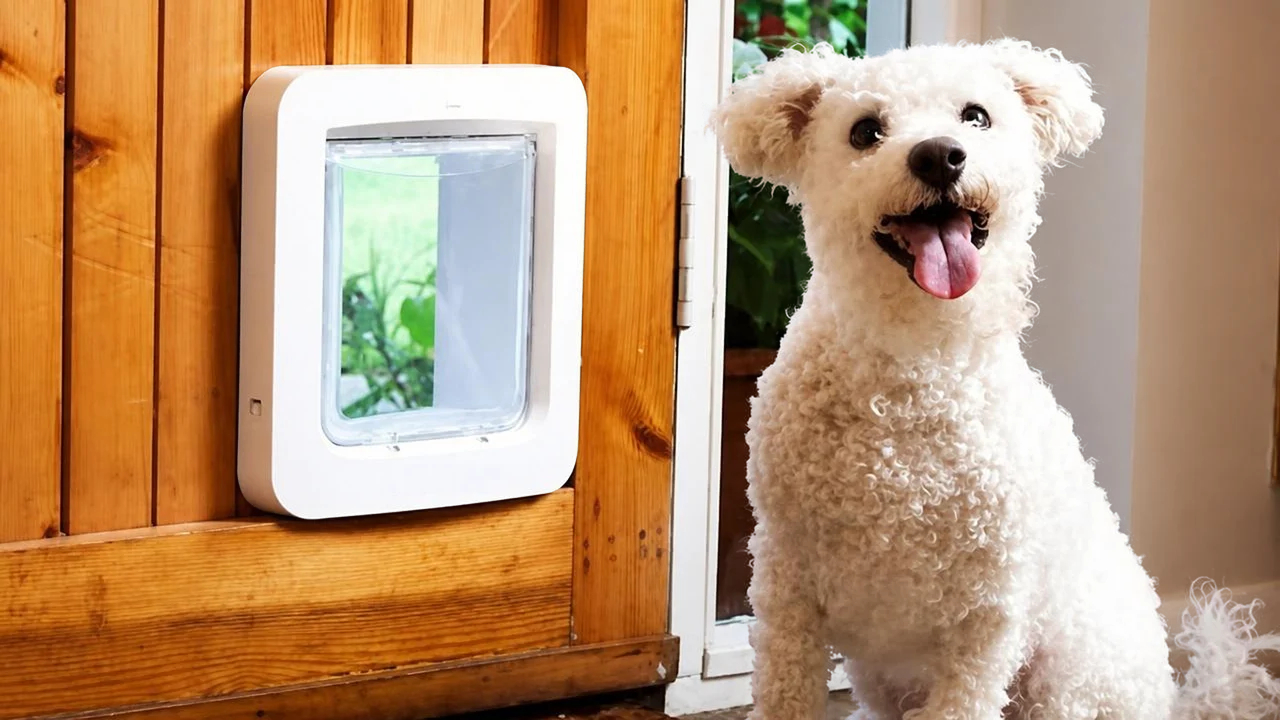
If you’ve ever fed the neighbor’s cat by accident, you already get why locks matter. Big dog doors are big openings, and raccoons are bold. A microchip or RFID collar system can keep out most unwanted guests without you playing bouncer every night.
These systems cost more and take a little setup time, but they can save you real money in spilled feed, shredded bags, and late-night cleanups. Keep spare collar tags on hand if your dog loses one in the brush. Check the batteries on a schedule, because the first sign they’re dying is usually a door that won’t unlock when your dog is doing the dance.
8. Raised-Sill Low-Trip Threshold Designs
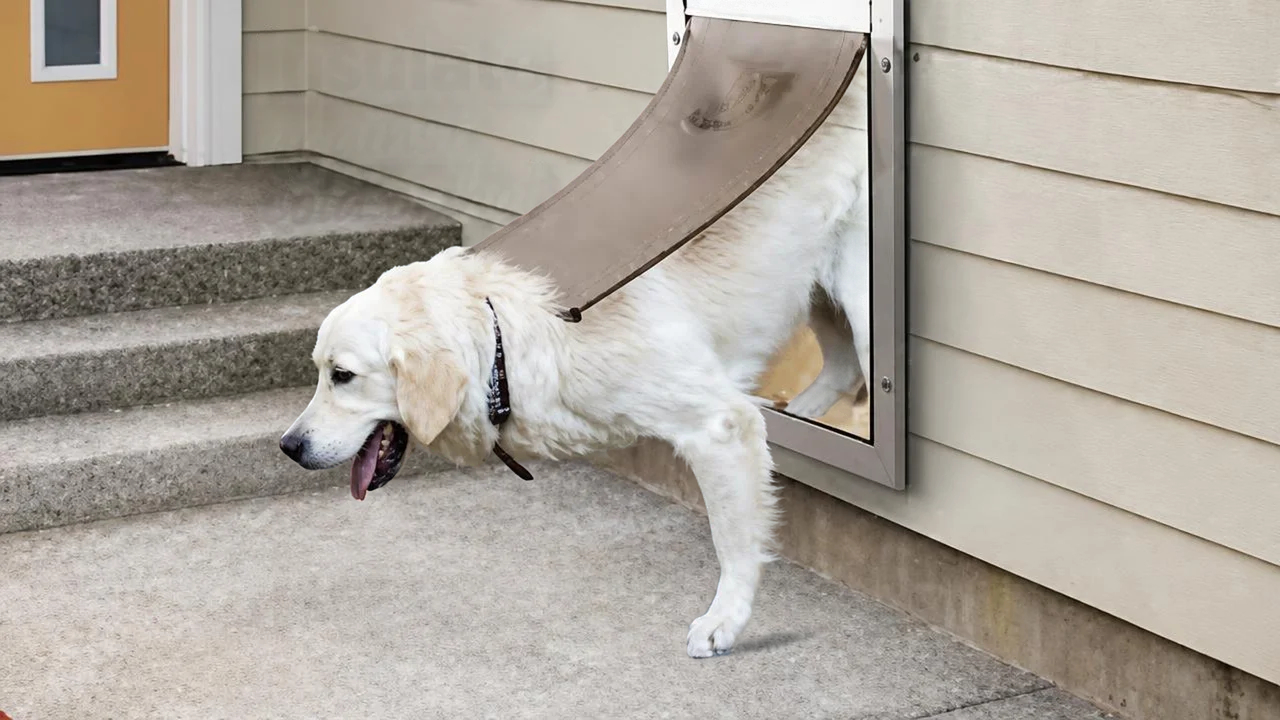
Big dogs have big feet, and a tall sill becomes a toe-stubber when they hit the door at speed. Look for a door with a low step-over height but still enough of a lip to keep rain from blowing in. It’s a small detail until you’re mopping a puddle in the entryway.
Older dogs appreciate this too. If your dog is starting to slow down, a low threshold can be the difference between them using the door or refusing it and having accidents inside.
9. Replaceable Flaps And Hinges
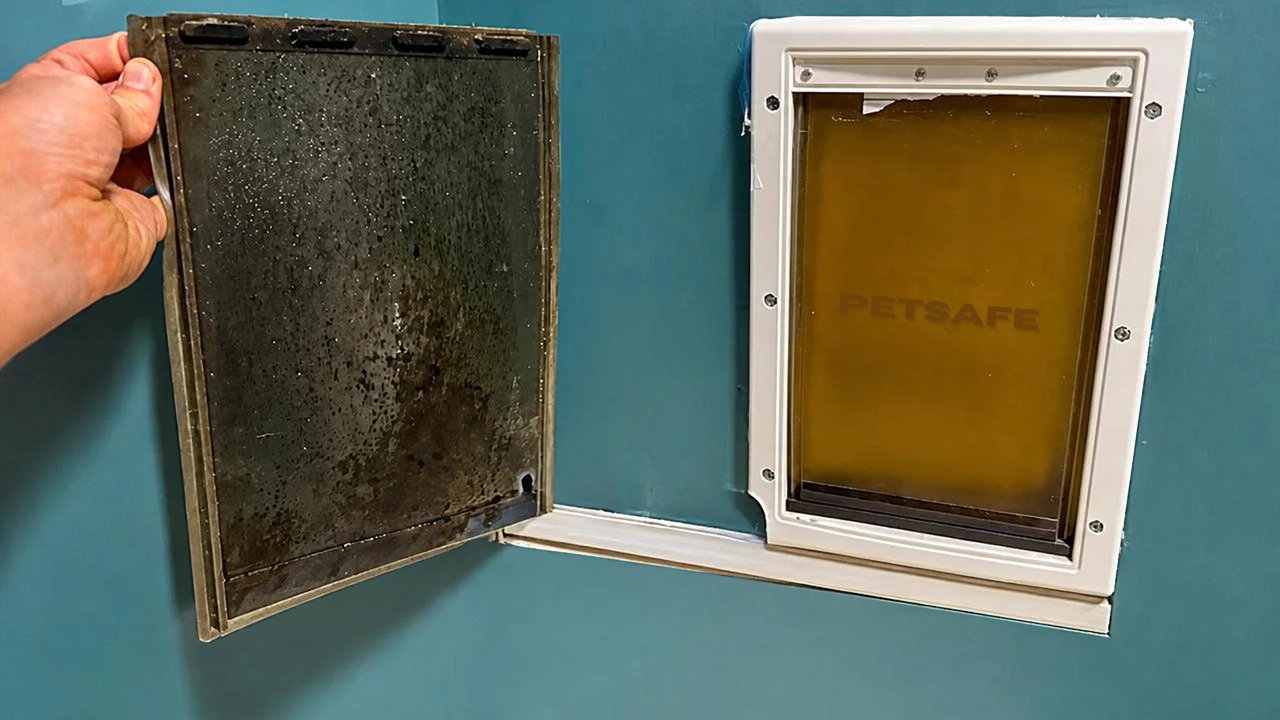
Flaps wear out. Sun makes vinyl stiff and cloudy, and big dogs crease the same spots thousands of times. If the brand sells replacement flaps, hinge pins, and magnet strips, you can keep the frame in place and freshen the moving parts in ten minutes.
This matters most for doors mounted in a wall or a custom door slab, where swapping the whole unit is a pain. Before you buy, check that parts are actually available and not “special order” that takes forever. Keep your old flap as a spare if it’s still mostly flat and not torn.
10. Extra-Tall Openings For Broad Shoulders
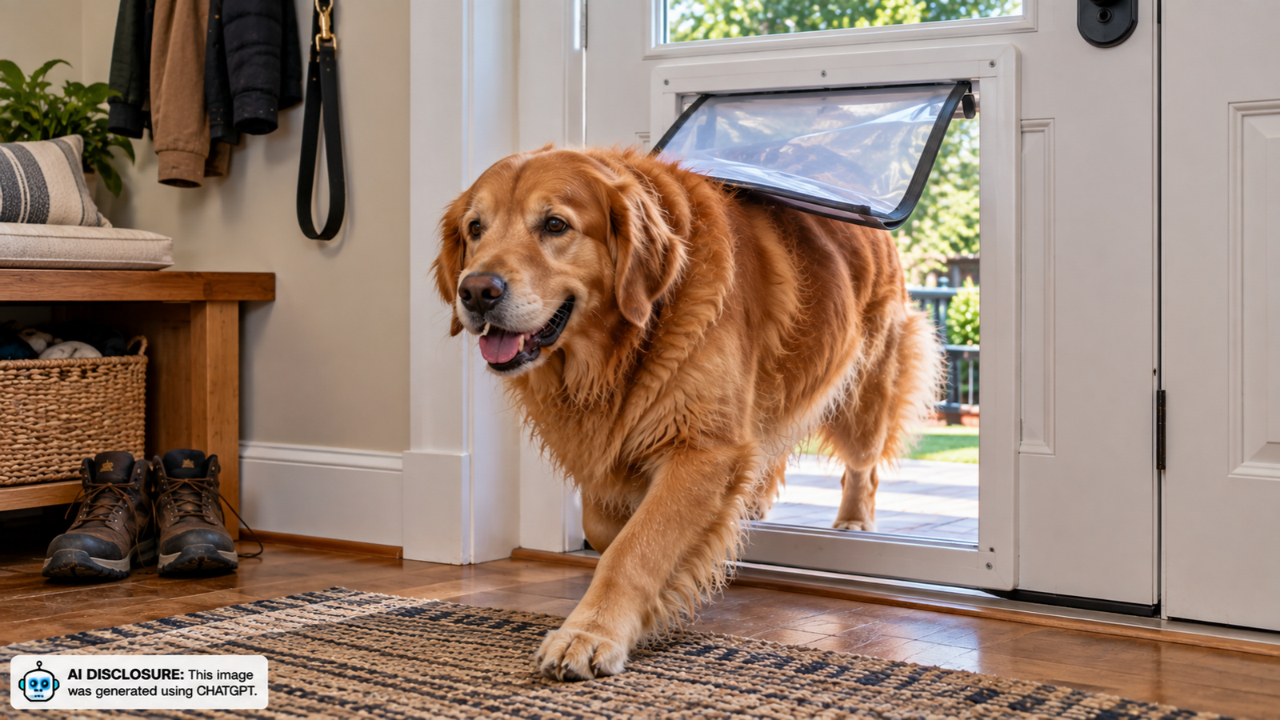
People measure height and forget width. A big dog that has to squeeze will start clipping the frame with their hips and shoulders, then you’ll see cracked trim and scraped fur on the flap. Go taller and wider than you think, especially for thick-chested breeds and fluffy coats that add bulk when wet.
Watch your dog walk through a hallway. That’s the width they want. If the opening forces them to crouch every time, they’ll hesitate, and you’ll end up propping the flap open, which defeats the whole point.
11. Weatherflashing And Exterior Hood Covers
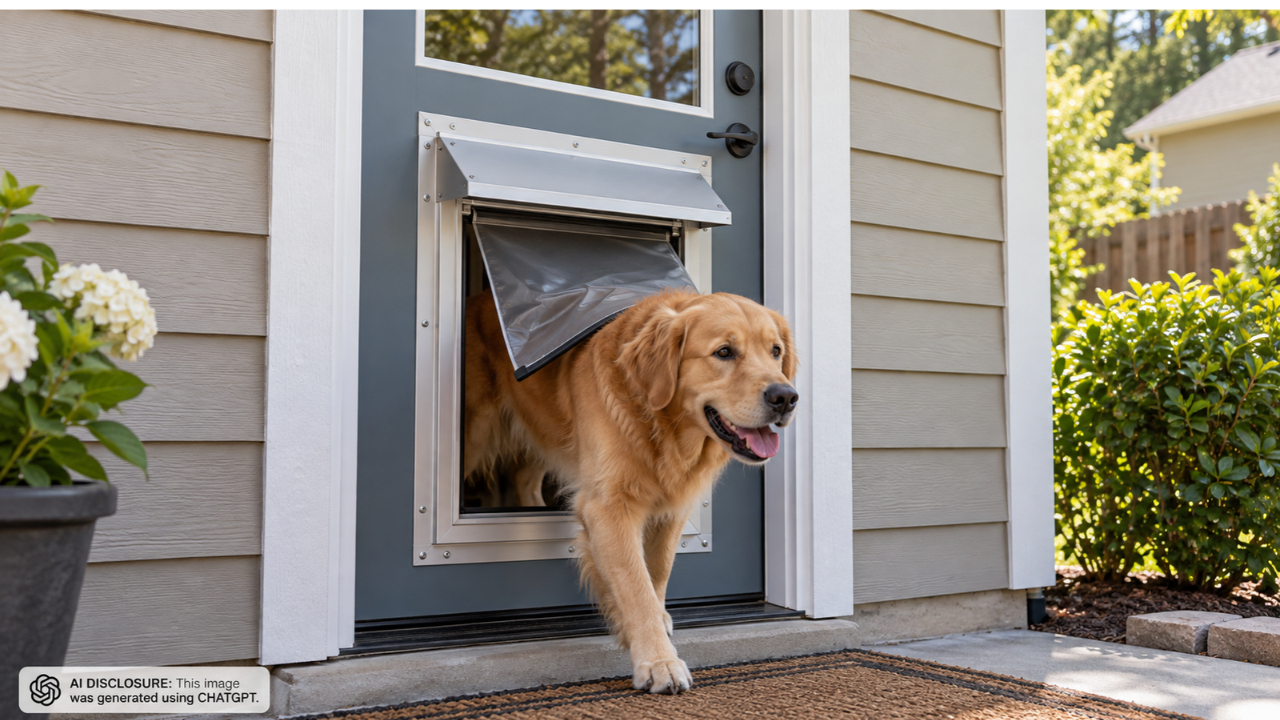
Rain finds the weak spot around any exterior cutout. Without proper exterior flashing, water sneaks behind the frame, swells the door core, and starts peeling paint. A simple hood cover or rain cap helps on windy sides of the house, and good caulk work keeps the sheathing dry.
Use exterior-rated sealant, not interior latex caulk that washes out in a season. If you’re installing through siding, take the time to do it like a small window: shingle-style flashing, not a bead of hope. When in doubt, a siding contractor can knock this out fast and keep you from buying a new door next year.
After you install any dog door for a big dog, spend a week listening and watching. If you hear rattling, feel a draft, or see the frame shifting, fix it right then while the screw holes are still tight and the trim is easy to pop off.
Like Fix It Homestead’s content? Be sure to follow us.