6 Things Worth Running on a Generator and 4 That Are Not
Photo credit: Fix It Homestead
When the power goes out, the generator feels like a magic wand until the fuel runs low or the breaker trips. The trick is picking loads that protect food, water, and your house, and skipping the ones that just burn gas. A little planning keeps the noise down, the cords cooler, and the run time longer.
1. Refrigerator And Freezer Only

Food spoils fast when you keep opening the doors to check it. A fridge and chest freezer are usually the best use of generator watts because you get a lot back for the fuel you burn. Cycle them, too, run an hour or so, then let them coast with the doors shut.
Plug them in with a heavy outdoor-rated cord, not a skinny orange household cord that gets hot. If the compressor struggles to start or the lights dim hard, you are near the limit. Unplug other loads, then let the fridge start clean.
2. Well Pump Or Booster Pump
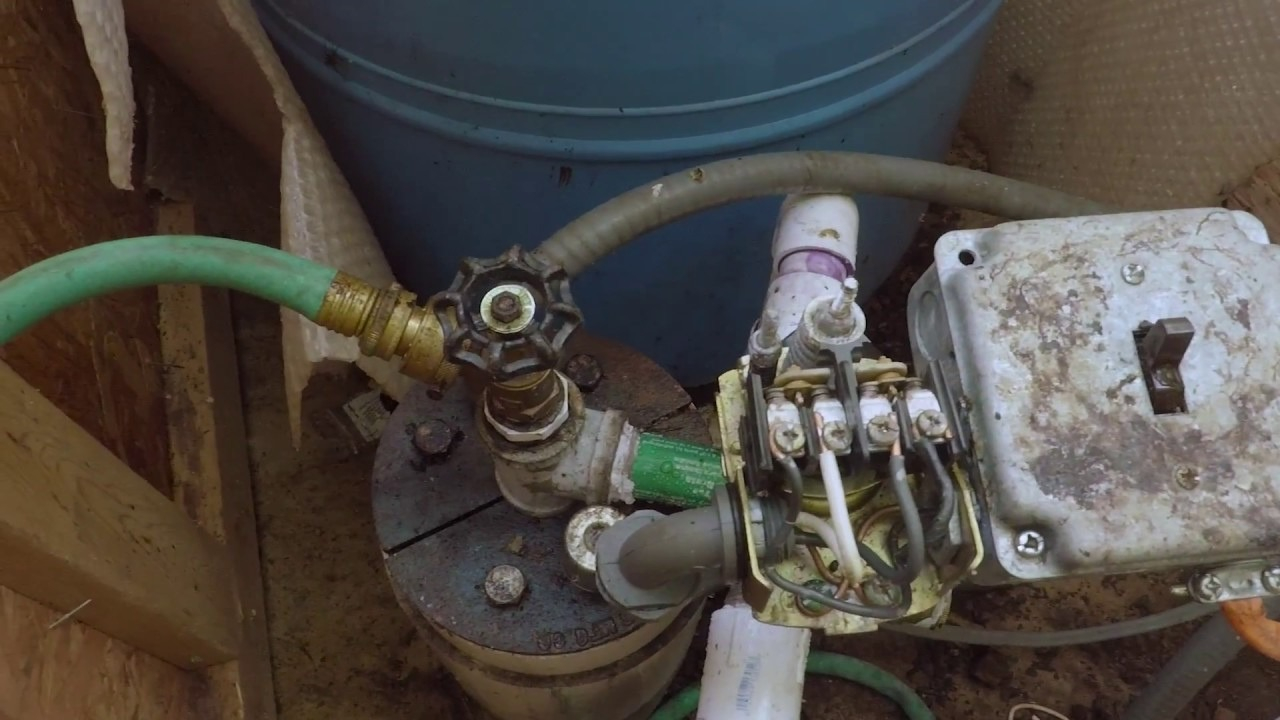
No water turns a mild outage into a mess fast. If you’re on a well, powering the pump gives you toilets, handwashing, livestock water, and the ability to fill buckets and jugs. This is also where a lot of generators get humbled because pumps have a big startup surge.
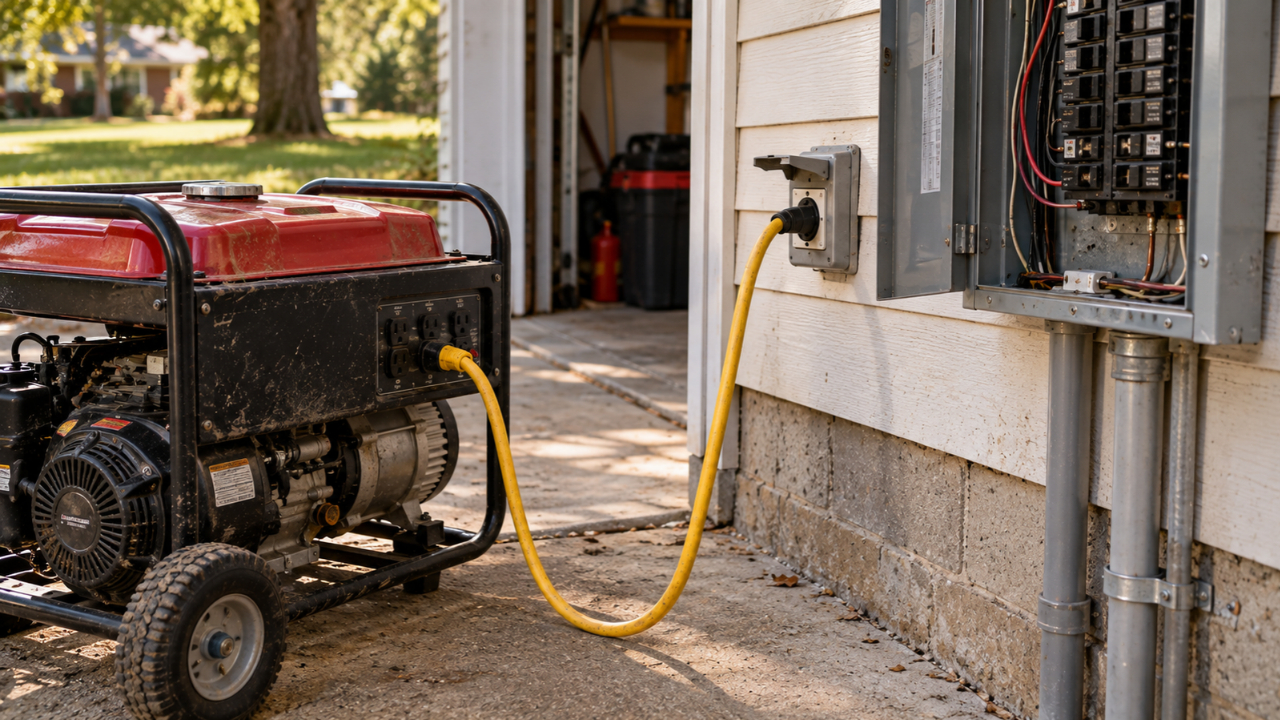
If you don’t already have a transfer switch or interlock at the panel, this is a job for a licensed electrician and often a permit. Running a well off a generator by backfeeding is dangerous and illegal. Once it’s set up right, fill a few containers while it’s running so you can shut the generator down longer.
3. Furnace Blower Or Boiler Controls
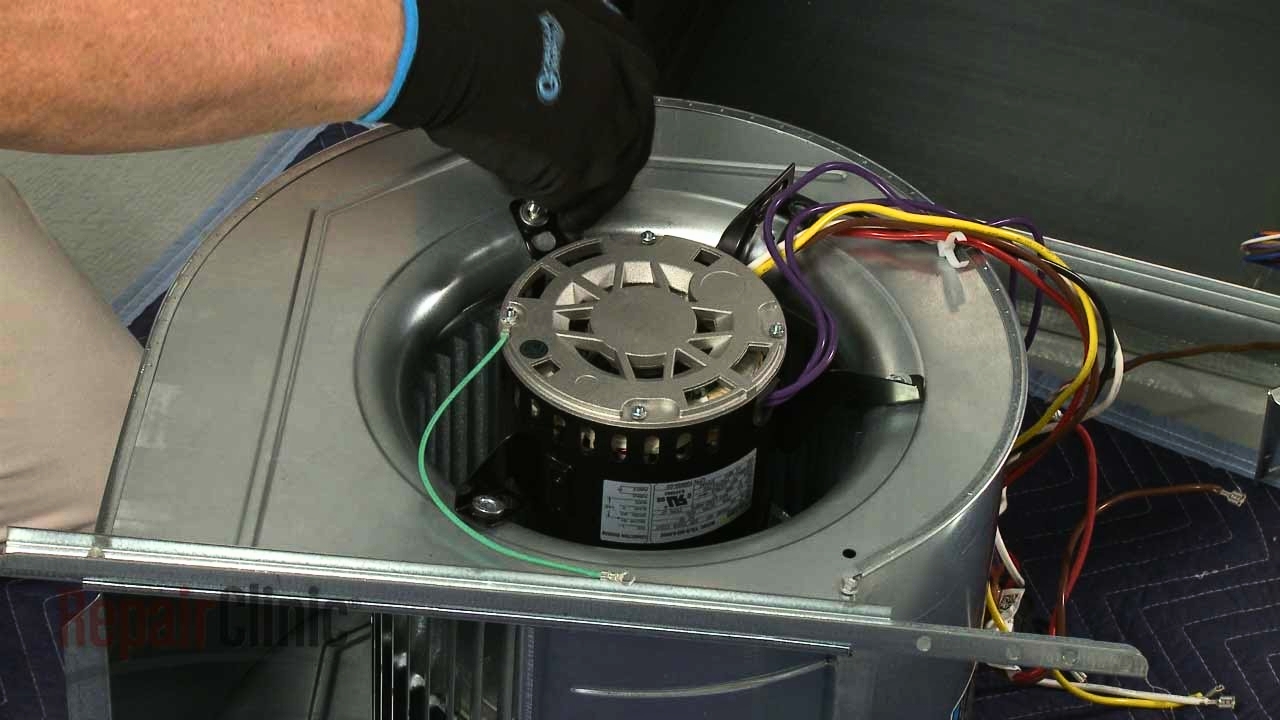
In a winter outage, staying warm is about moving heat, not making it. A gas or oil furnace often only needs electricity for the blower and controls, and that load is usually reasonable. The same goes for many boilers that just need the circulator pump and ignition control.
What you don’t want is a mess of extension cords snaked into a utility room with a hot appliance. If you plan to run heat this way, have a pro add a proper inlet and transfer setup before the next storm. Also swap the furnace filter on schedule, a dirty filter makes the blower work harder and can trip the generator breaker.
4. Sump Pump During Heavy Rain
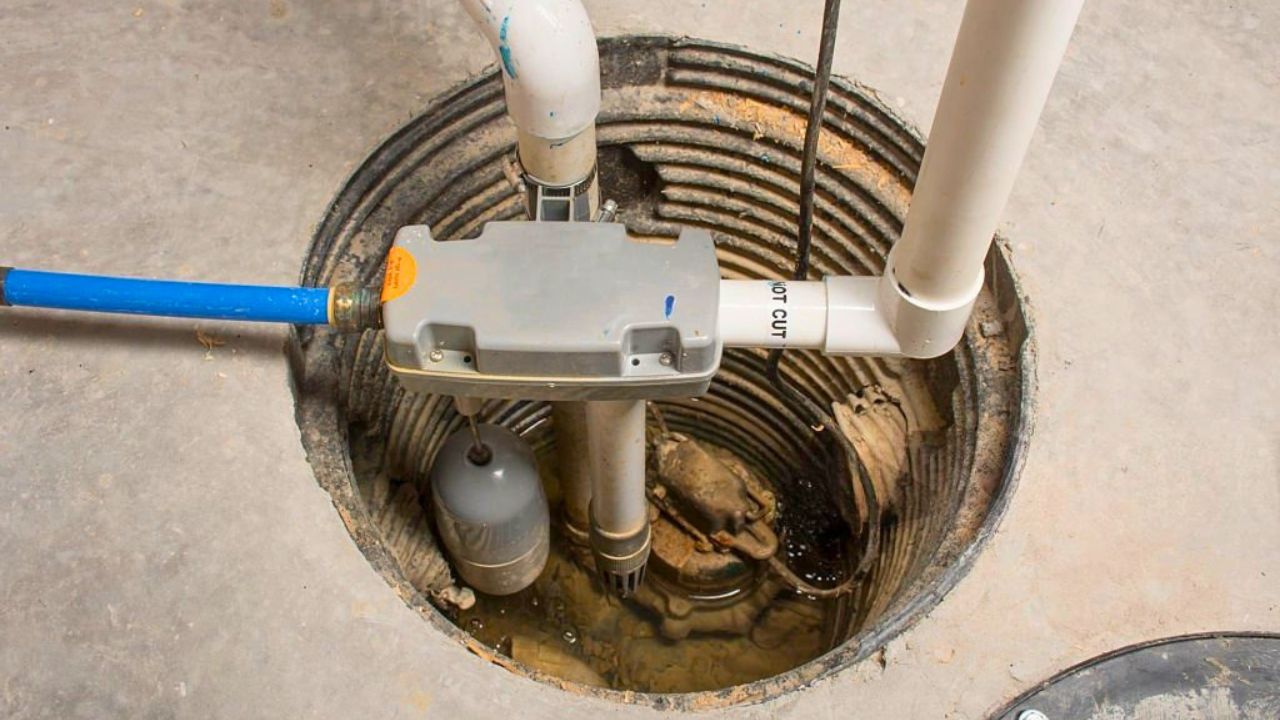
The outage that happens during a downpour is the one that ruins basements. If you have a sump, keeping it alive for a few hours can save flooring, stored tools, and that bottom row of drywall. This is a timing problem, you need it right when the grid fails.
Test your setup before you need it. Pour water in the pit, confirm the pump kicks on, then see how your generator handles the start. If your sump is hardwired, don’t get creative with wiring, have an electrician install a proper switch or dedicated circuit connection.
5. Router, Modem, And Phone Chargers
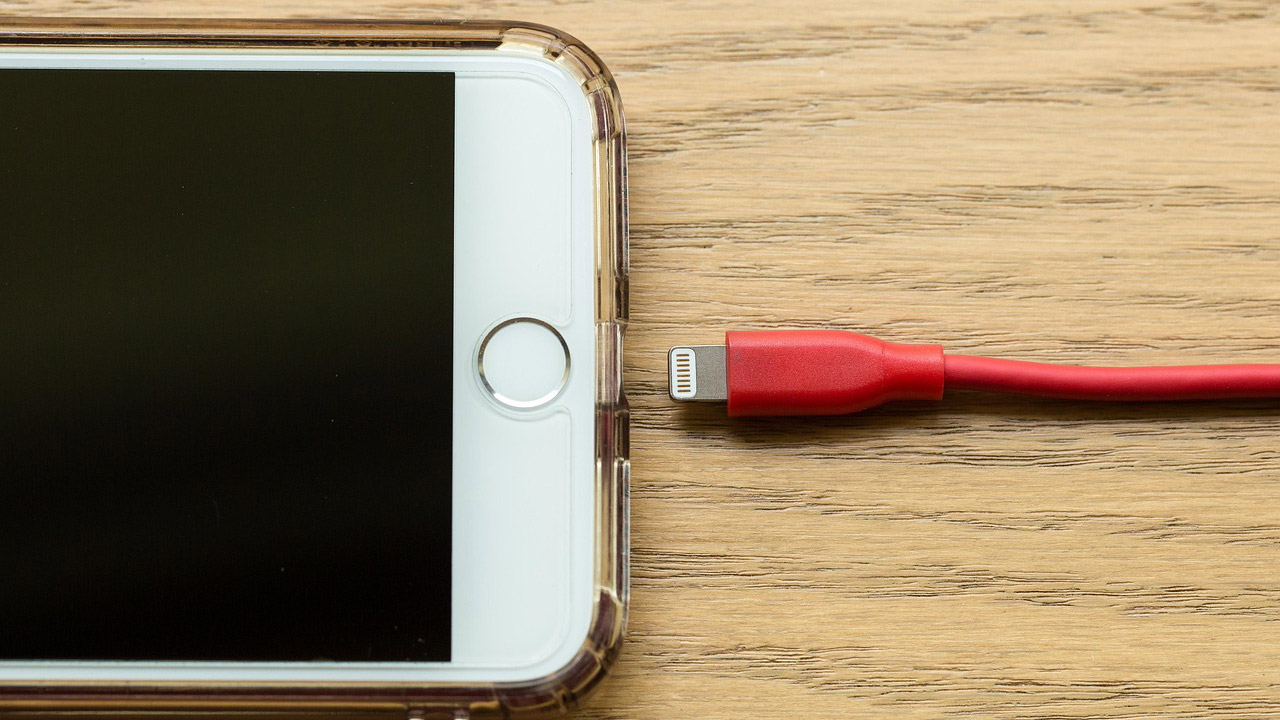
People waste a lot of generator time trying to power the whole living room when all they really need is communication. A modem, router, and phone chargers sip power, and they make it easier to get outage updates, call family, or work if you have to.
Better yet, put these on a small UPS battery so brief flickers don’t reset everything. Then you can run the generator less often and still keep a signal when the neighborhood is dark.
6. A Few LED Lights, Not The House

It’s tempting to light every room, but that’s how you burn through fuel and still end up stumbling around outside in the dark. Pick a couple LED lamps or shop lights for the kitchen, the bathroom, and wherever you’re doing actual work. LEDs give a lot of light for very little load.
Skip halogen work lights and old-school incandescent strings, they turn generator watts into heat. If you need outdoor light for chores, aim a single LED flood toward the path and call it done.
7. Don’t Run: Electric Water Heater And Heat Tape

Running an electric water heater on a portable generator is usually a bad deal. The element pulls a huge steady load, and you’ll watch your fuel can empty while the water slowly warms. The same goes for long runs of heat tape, it adds up fast.
If hot water matters, heat it on a propane camp stove outside, or use your grill’s side burner if you can do it safely and keep flames away from anything overhead. There is one exception, a short length of heat tape on a small vulnerable spot can be worth it if freezing will burst a pipe and you have no other way to protect it. Put it on a timer or run it only while you’re awake and monitoring the load.
8. Don’t Run: Central AC And Electric Clothes Dryer
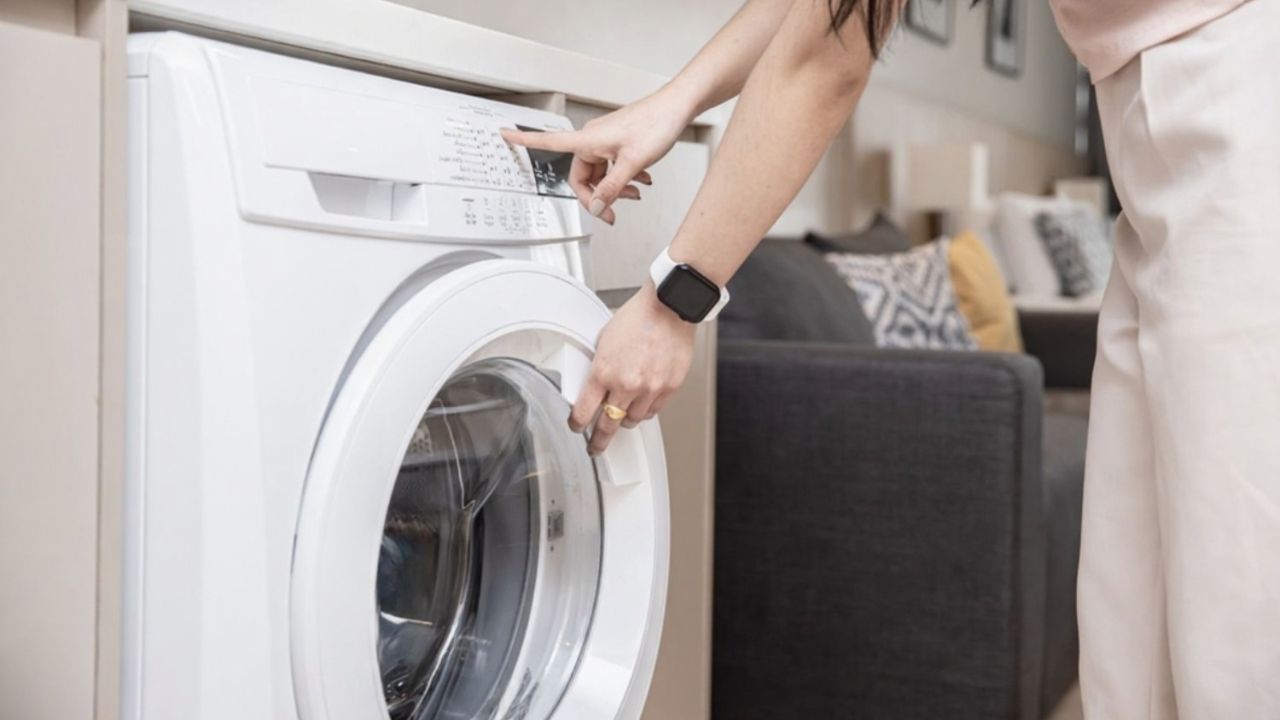
Central air is one of the fastest ways to overload a generator. The compressor surge is rough, and even if it starts, it will hog most of your capacity. An electric dryer is the same story, big heat element, long run time, lots of fuel for very little payoff.
Do something simpler. Use fans, close blinds, and cool one room. Hang laundry on a rack, a clothesline, or even over shower rods, and save the generator for food and water.
9. Don’t Run: Electric Oven, Range, And Dishwasher
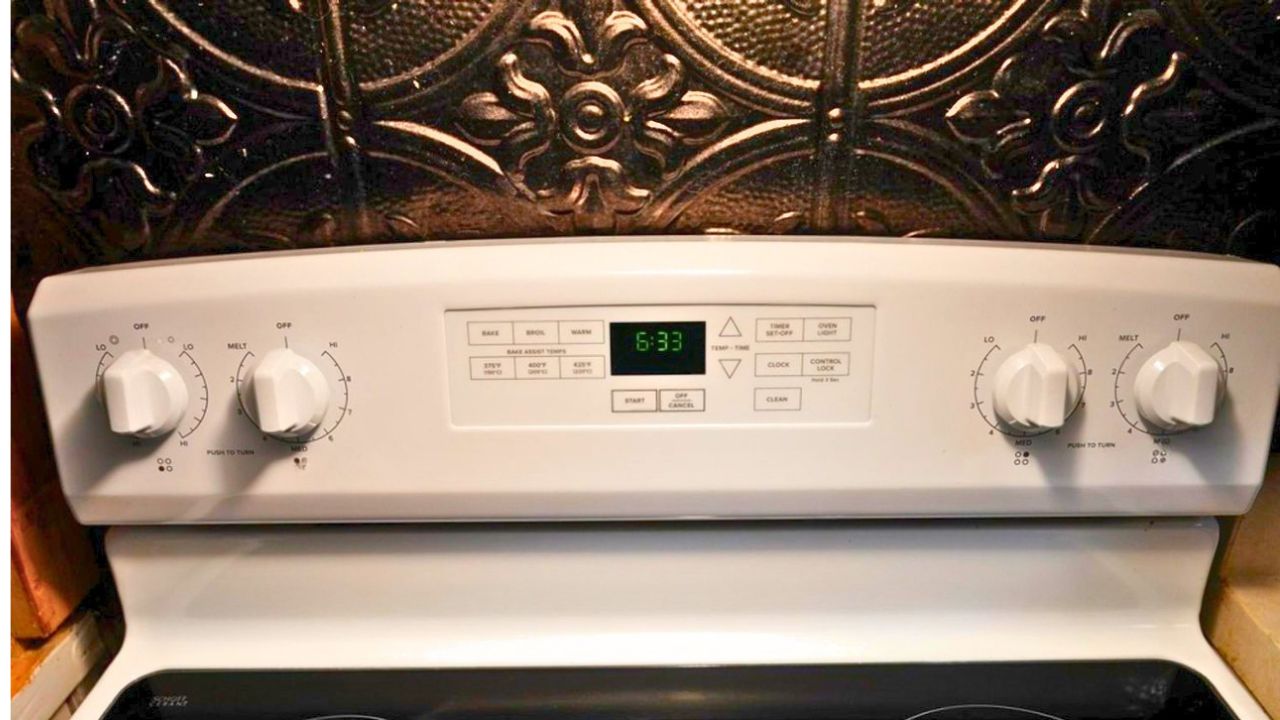
Cooking on an electric range off a generator is a fuel bonfire. The oven and burners draw hard, and the dishwasher adds heating plus a motor, all for something you can do another way for a few days. During an outage, hot meals matter, but electric kitchen appliances are rarely the best path.
Use a propane grill, a camp stove outside, or a wood cookstove if you have one and it’s installed correctly. Wash dishes in a basin with heated water. Your generator will run quieter, and you won’t be choosing between dinner and keeping the freezer cold.
10. Don’t Run: Whole-House Backfeed With A Cord
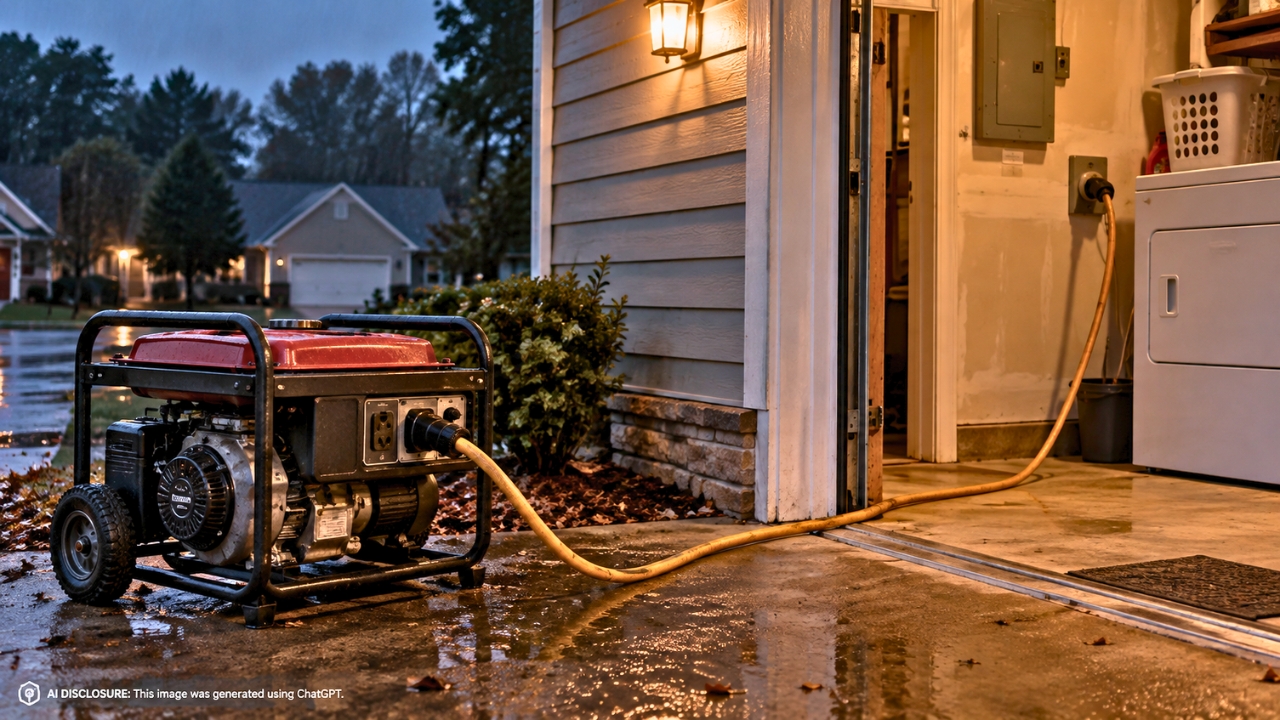
The worst thing to run on a generator is your panel the wrong way. Backfeeding through a dryer outlet or a homemade cord can energize utility lines and hurt a line worker, or fry your generator when the power comes back. It also turns your house into a guessing game where you don’t know what loads are live.
If you want panel power, do it right with a transfer switch or an interlock kit that matches your panel, installed to local code. That setup also protects your equipment and makes it easy to choose only the circuits you meant to run. Until then, stick to extension cords to specific appliances and keep it simple.
A generator is at its best when it’s boring, steady loads, fewer cords, and longer gaps between refuels. Keep fresh fuel stored safely, run the unit under load once in a while, and write down which plugs and breakers you actually need before the next outage shows up at midnight.
Like Fix It Homestead’s content? Be sure to follow us.