10 Things That Freeze First When the Power Goes Out
Photo credit: Kulkova Daria/Shutterstock.com
Power goes out, and the house starts changing right away. Some things freeze because they’re sitting still, some because they’re exposed, and some because you accidentally set them up to fail. If you plan for what freezes first, you can keep damage small and get back to normal faster.
1. Water In Exposed Supply Lines
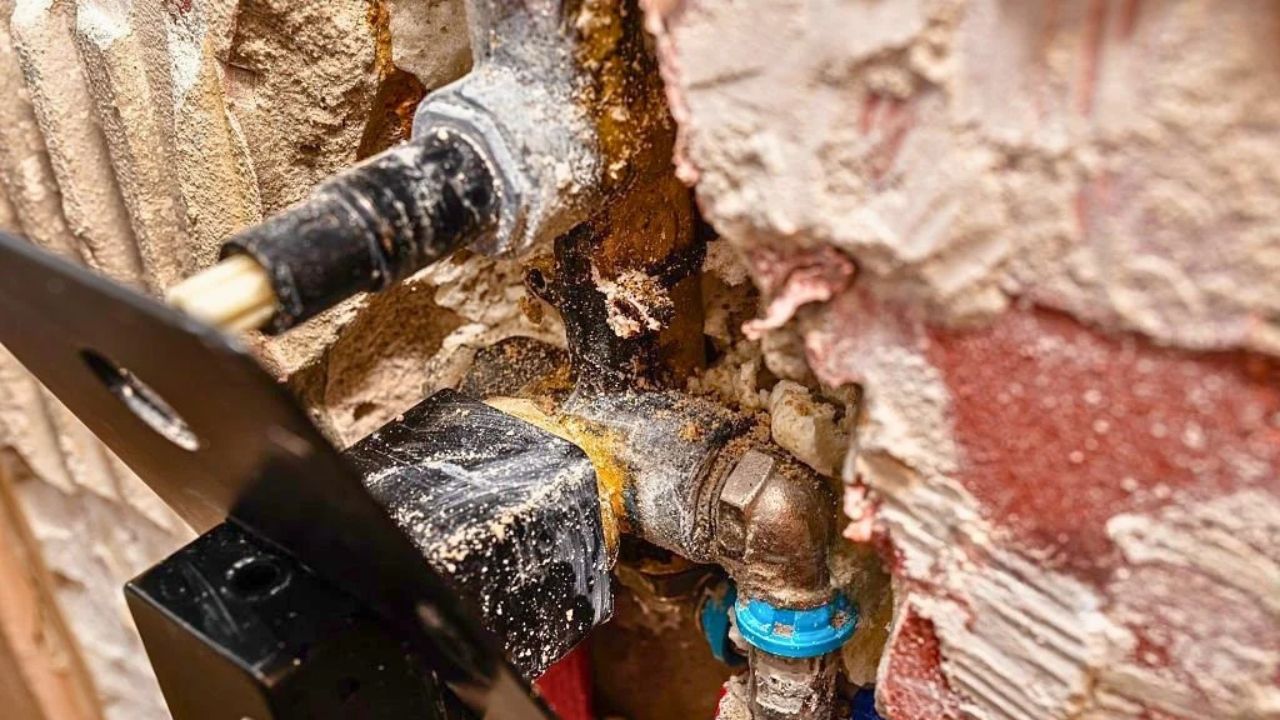
Pipes in outside walls, crawlspaces, and unheated basements go first. You’ll often hear a sharp tick or creak in the first hour or two as cold starts biting, then nothing, then trouble later when things thaw and split lines start leaking.
If it’s already below freezing, shut off the main water valve and open the lowest faucet in the house to drain pressure. Crack a few other faucets so air can get in. If you’ve got a well, also cut power to the pump so it doesn’t try to run against a frozen line and cook itself.
2. The Well Pressure Tank And Switch
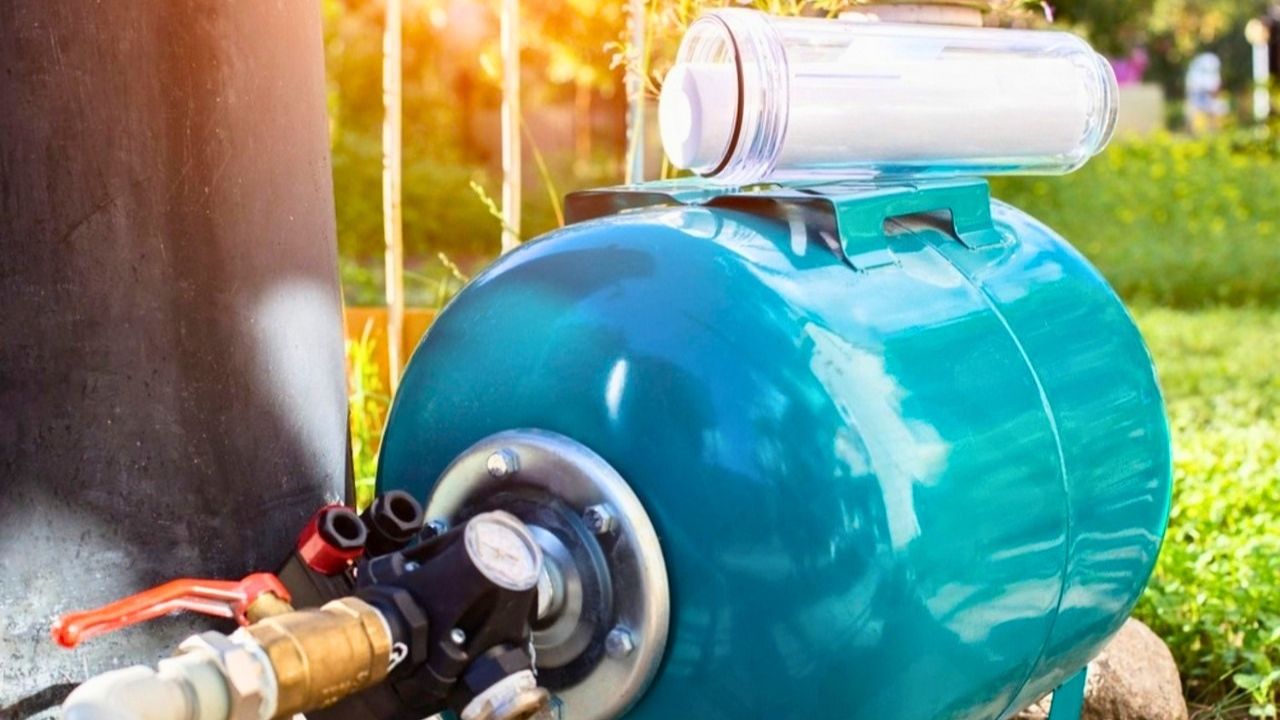
A well system is a perfect storm when the heat is off. The pressure tank holds water in a usually chilly basement corner, and the small line to the pressure switch freezes fast. Then you get no water even after power comes back, or you get a leak you don’t notice until the floor is wet.
Wrap the tank and nearby piping with old blankets or pipe insulation you already have, then keep that area as warm as you can. If you can’t keep it warm, drain it down. Any work on wiring or the pressure switch itself is a job for someone who knows well systems, because a wrong move there can burn a pump or shock you.
3. Toilet Tanks And Bowl Traps
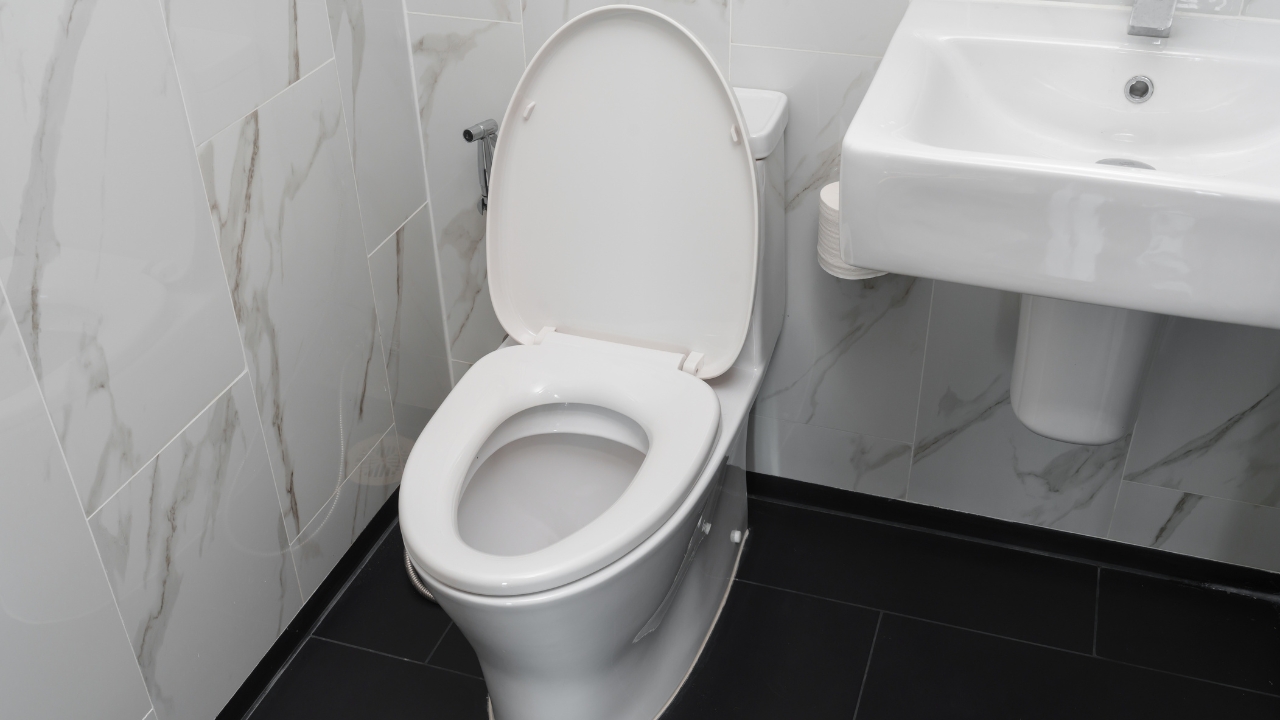
People forget toilets because they’re inside, but they’re full of standing water and usually parked against an outside wall. The tank freezes, the porcelain can crack, and the trap can freeze solid. Then you’ve got a toilet you can’t use and sometimes a mess when it thaws.
If you know you’ll be without heat overnight in real cold, flush once and sponge the remaining tank water into a bucket. Pour a cup or two of RV antifreeze into the bowl and the tank, not automotive antifreeze. If you’ve got a newer toilet sandwiched between two warm rooms, you can often leave it alone, but any toilet in a half-bath over a garage is a gamble.
4. Dishwasher, Washer, And Ice Maker Hoses
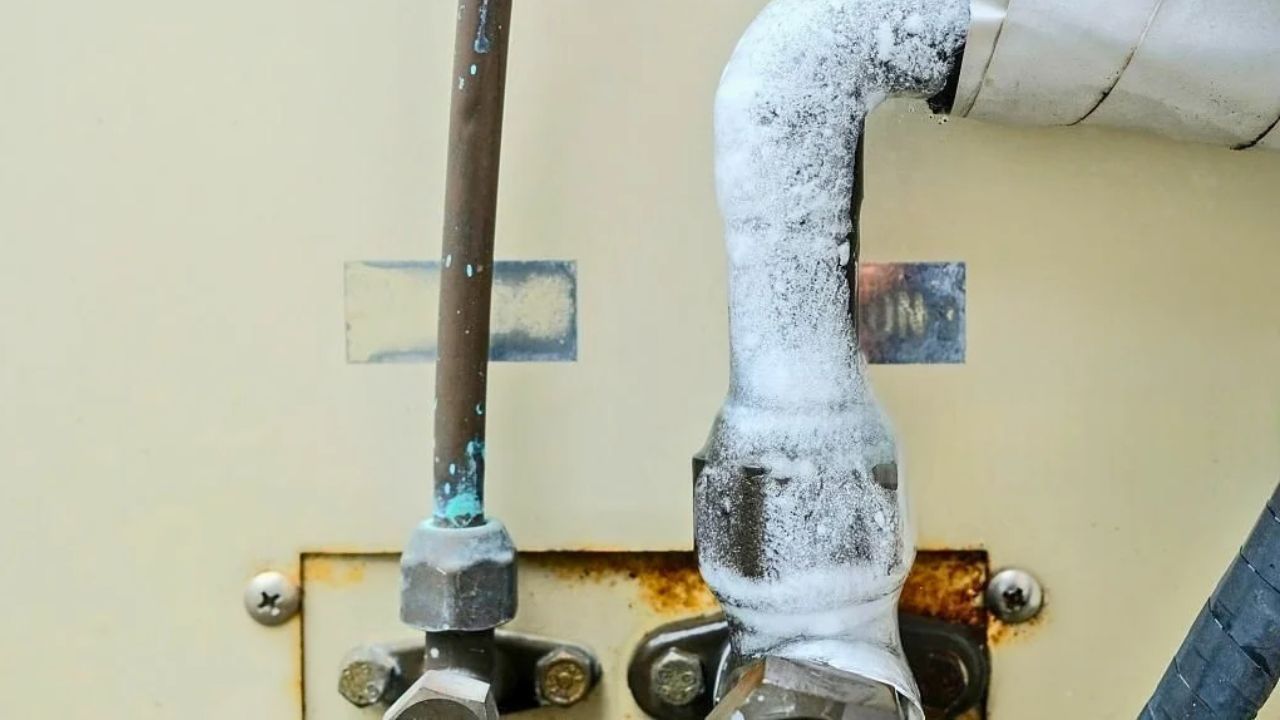
Those little water lines are thin, and thin freezes first. A dishwasher supply line under a sink on an exterior wall can ice up even while the kitchen feels fine. When it thaws, it’s the kind of leak that soaks a cabinet base before you notice.
Shut off the valve to the dishwasher and the washing machine if you can reach them, then relieve pressure by cracking the hot and cold faucets. For fridges, turn off the small valve feeding the ice maker if you have one. If your shutoffs are old and crusty, don’t force them, a broken valve can be worse than a frozen hose.
5. Your Battery Bank In The Cold

Batteries feel like they “freeze” because they lose punch fast in low temps. A flashlight that was fine last week suddenly looks dim, and a cheap power bank drops from full to dead in a hurry. The cold also slows charging, so your generator run time buys less.
Keep the batteries you rely on inside the warmest room, even if everything else is chilly. Rechargeables do better if they start warm and stay warm. This is one place where the cheap option can be fine, plain alkaline AAs stored indoors beat fancy gear stored in an unheated shed.
6. Outdoor Spigots And Hose Bibs
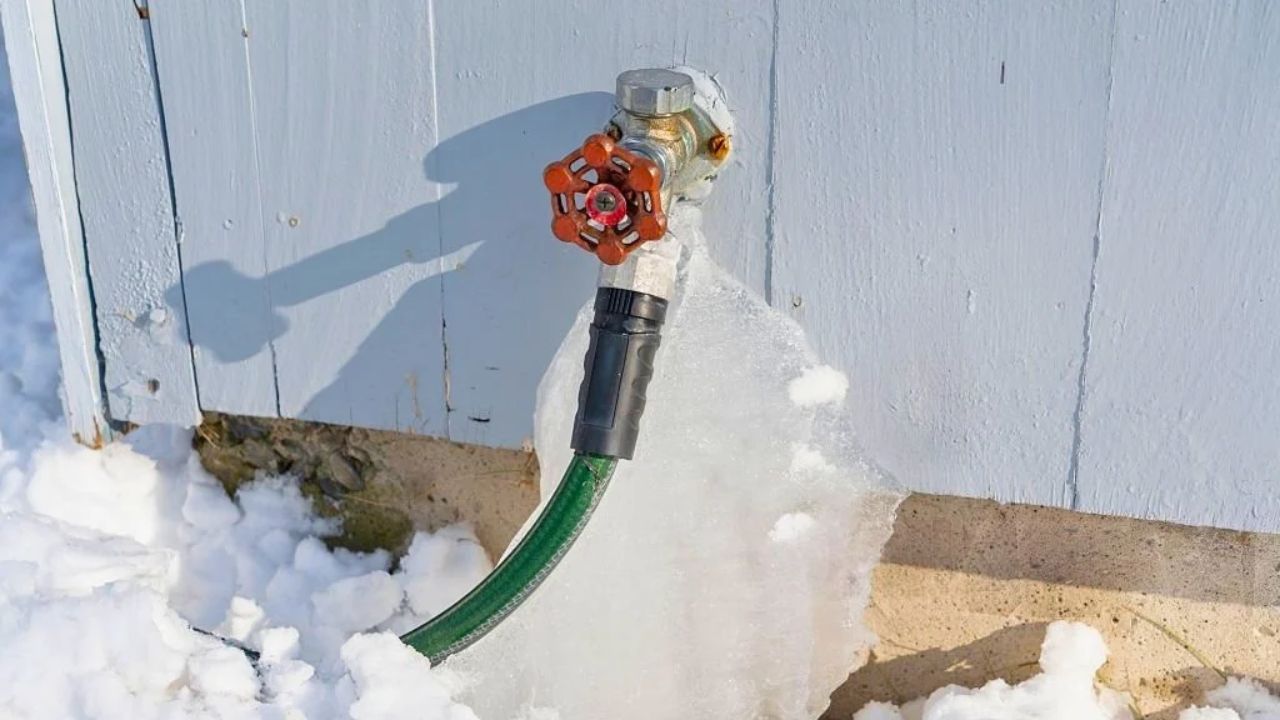
That short piece of pipe between your heated space and the outdoor faucet freezes early. Frost-free hose bibs help, but only if the hose is disconnected. Leave a hose on, and the faucet can’t drain, so it freezes like an old-style spigot.
As soon as you know heat might not hold, go out and pull hoses off, even if it’s dark and annoying. If the spigot is already frozen, don’t hit it with a torch or a heat gun until you’ve checked for nearby insulation and wood framing. A hair dryer on low and patience is safer.
7. Livestock Waterers And Hydrant Risers
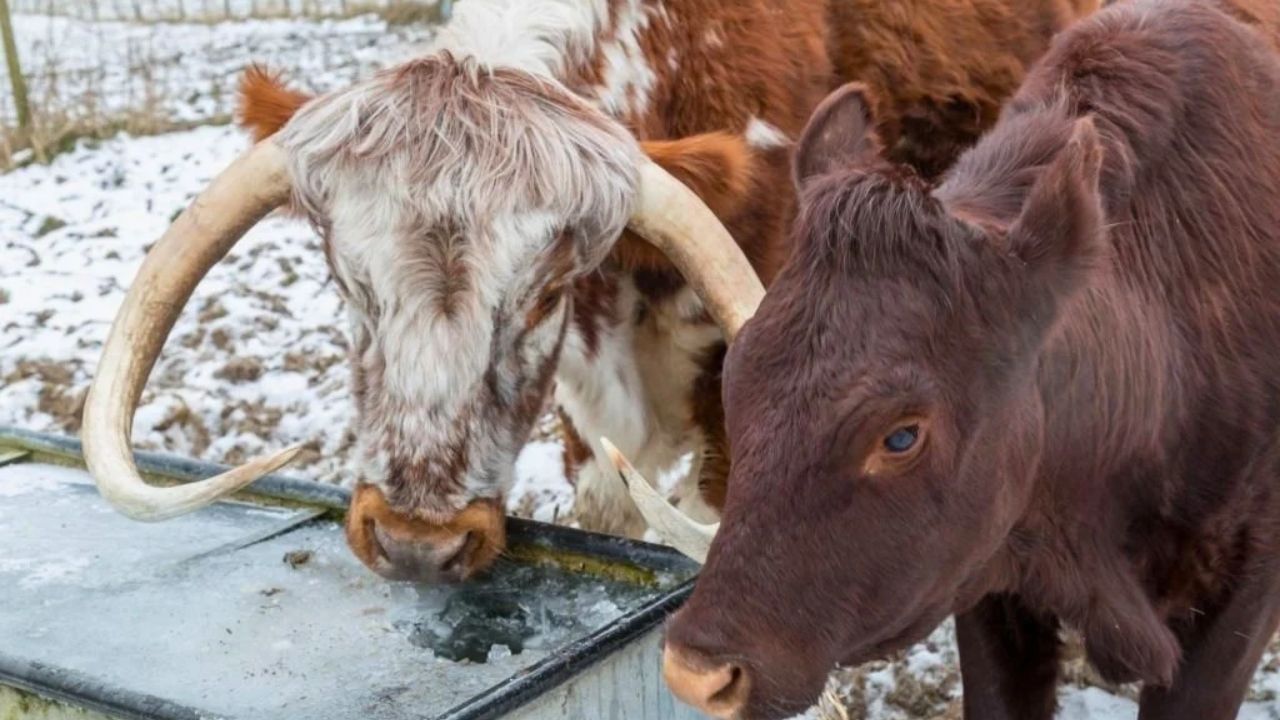
On acreage, animal water becomes the first real emergency. A heated trough does nothing without power, and a yard hydrant riser can ice up in a windbreak-free yard. Then you’re hauling buckets on slick ground, and that’s how ankles get wrecked.
Break ice and swap water often, because moving water freezes slower than a half-full tub left all night. If you’ve got a hydrant that won’t run, don’t reef on the handle, you can snap parts inside. Long-term, add a drain-back gravel pocket under hydrants and keep them out of low spots, but digging means calling 811 for utility locates first.
8. Sump Pump Discharge And Check Valve
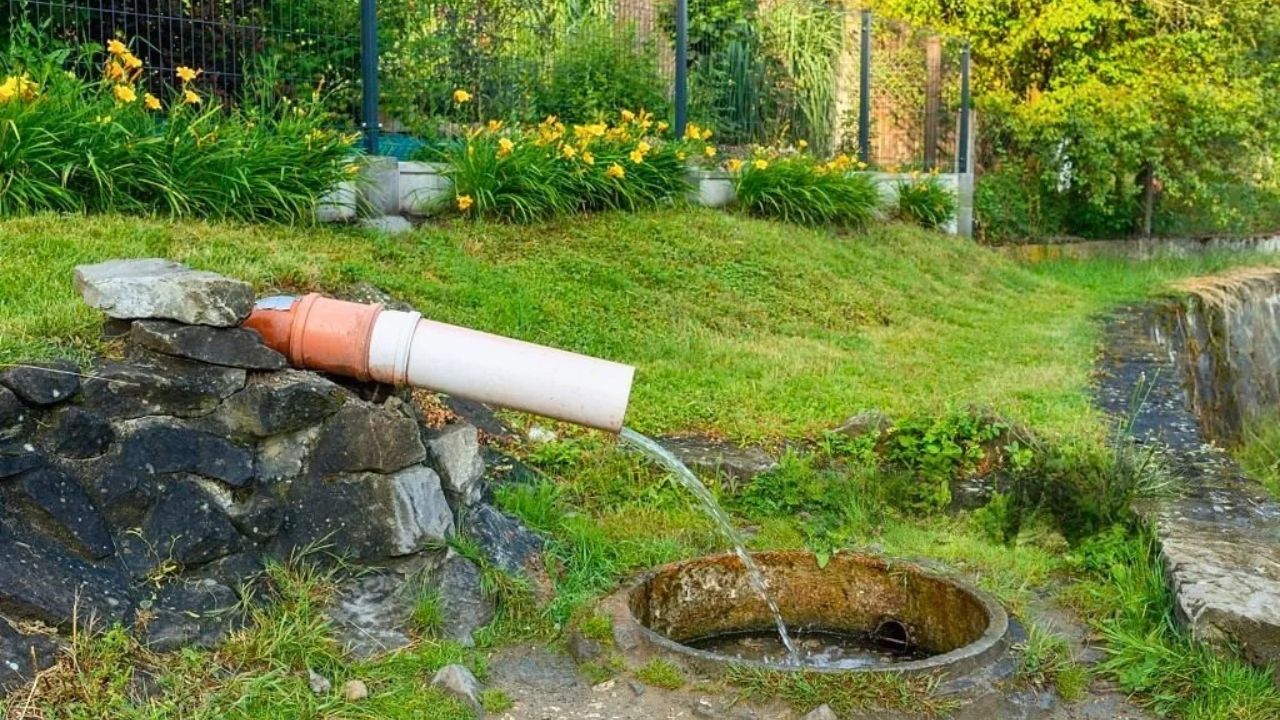
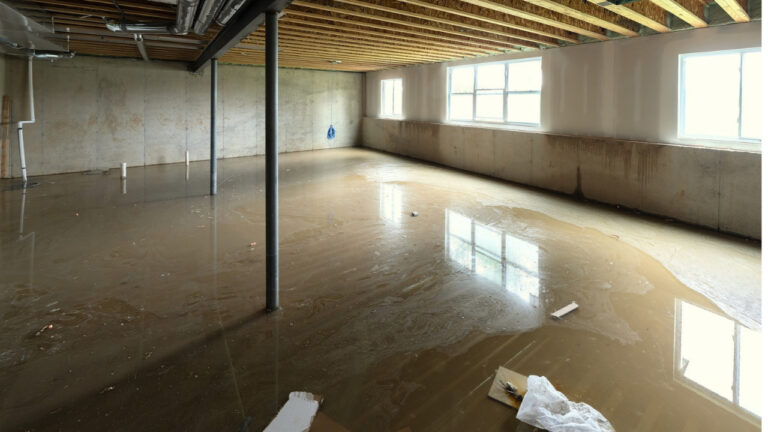
The pump stops when the power does, but the discharge line can freeze even after the outage is over. A frozen line makes the pump short-cycle, hum, or stall, and you end up with a wet basement right when you’re already dealing with a blackout.
If you have time before a storm, route the discharge so it has a steady slope and drains out, no dips that hold water. In winter, keep the end clear of snowbanks and ice dams. A battery backup sump is worth looking at if you flood often, but if your pit rarely fills, a good alarm and a plan to bail can be enough.
9. The House Itself When Heat Drops
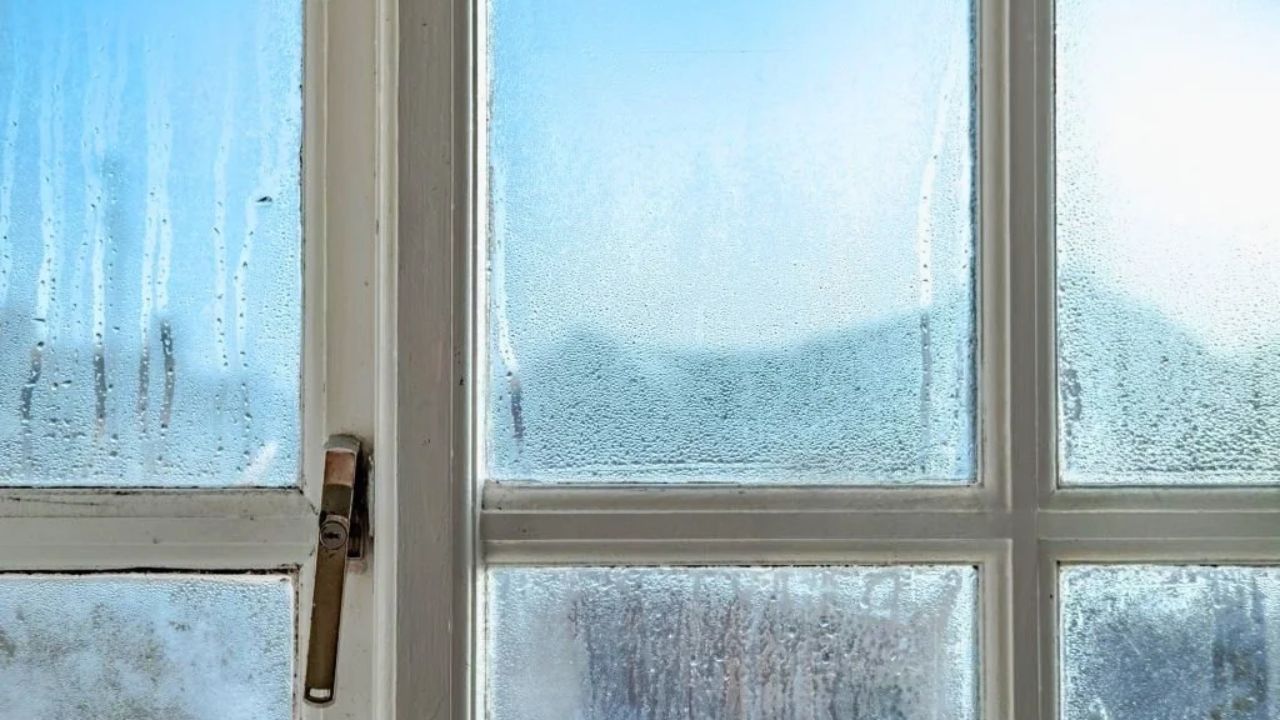
Rooms over garages, north-facing corners, and any spot with a lot of glass cool down first. You’ll feel it as a draft that suddenly turns sharp. That’s when pipes inside those walls start flirting with freezing, even if the rest of the house seems okay.
Close off unused rooms, roll towels at the base of exterior doors, and hang blankets over leaky windows. Open cabinet doors under sinks on exterior walls so warmer air can reach plumbing. If you’re using a safe indoor heater, keep clear space around it and follow the manual, especially with kids and pets in the house.
10. Food In A Packed Freezer
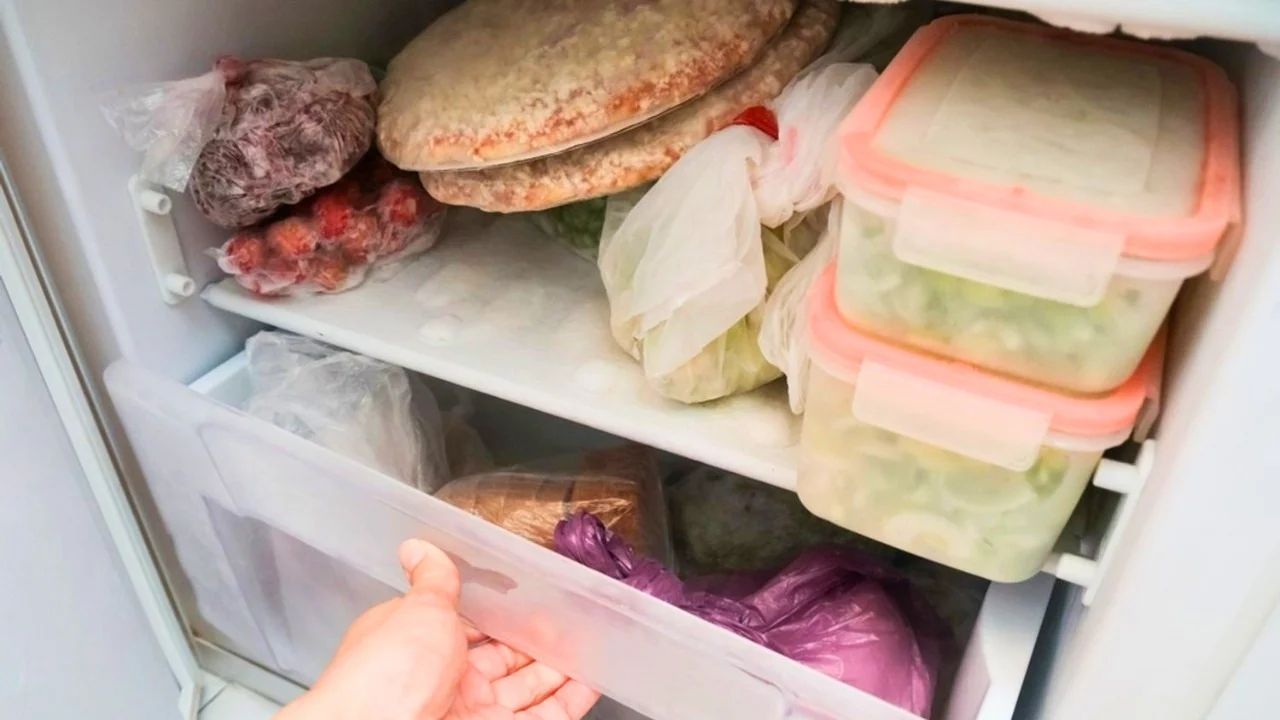
People panic about the fridge, but a full freezer actually buys you time. The stuff that “freezes first” here is the money you spent, because thawed meat and freezer-burned meals add up fast if you keep opening the door to check. The freezer stays cold longer when you leave it alone.
Keep the door shut and group food tight so it holds cold like one big block. If you know the outage will be long, move the most valuable items together so you can cover them with a sleeping bag or blanket on top of the freezer contents once, then stop fussing with it. If it’s winter and safe to do so, a sealed cooler on a shaded porch can act like a second freezer without turning your kitchen into a revolving door.
Power always comes back at the worst time, usually when you’ve finally gotten comfortable. When it does, walk the house slow, listen for running water, and check for wet spots under sinks and around appliances before you get distracted. Fixing one small leak early beats drying out a wall for a month.
Like Fix It Homestead’s content? Be sure to follow us.