10 Roof Problems That Only Show Up Under Snow
Photo credit: Bilanol/istock.com
The roof can look fine all fall, then winter rolls in and the problems get loud, wet, and expensive. Snow loads, freeze and thaw, and ice backing up under shingles will find every weak spot. If you only climb up there in summer, you can miss the stuff that only shows itself when everything is sealed up in white.
1. Ice Dams Backing Water Under Shingles
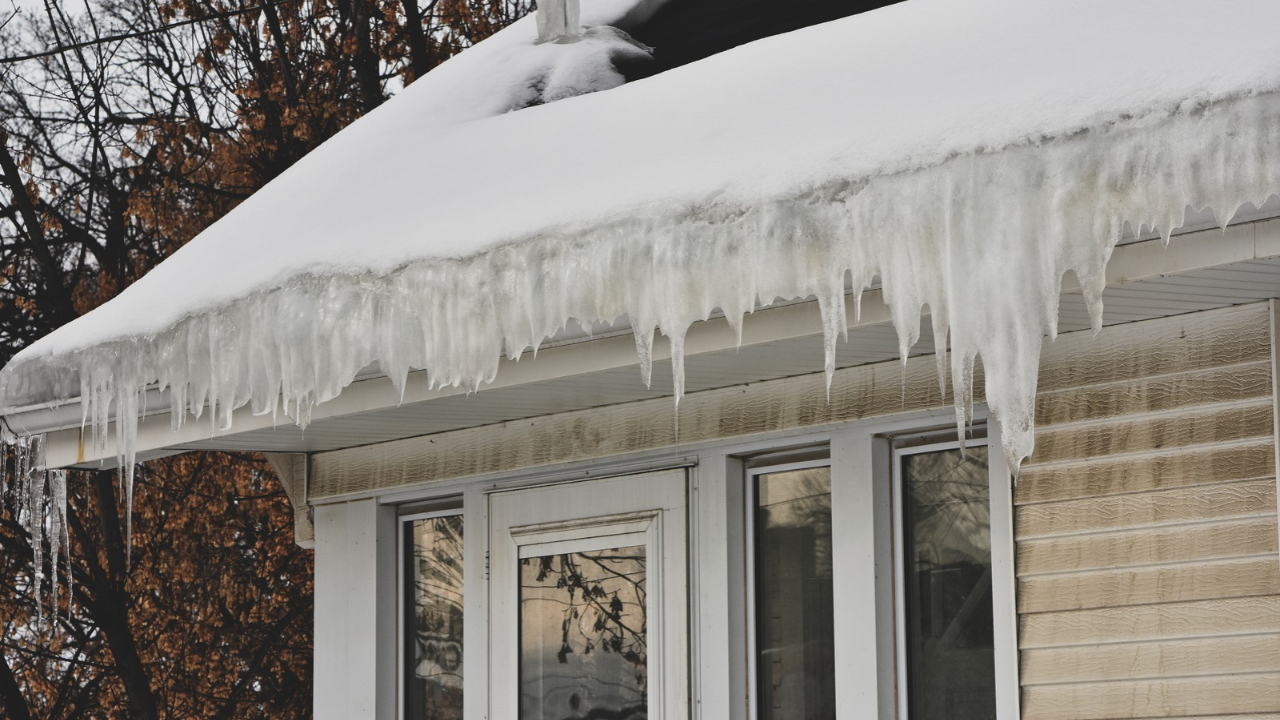
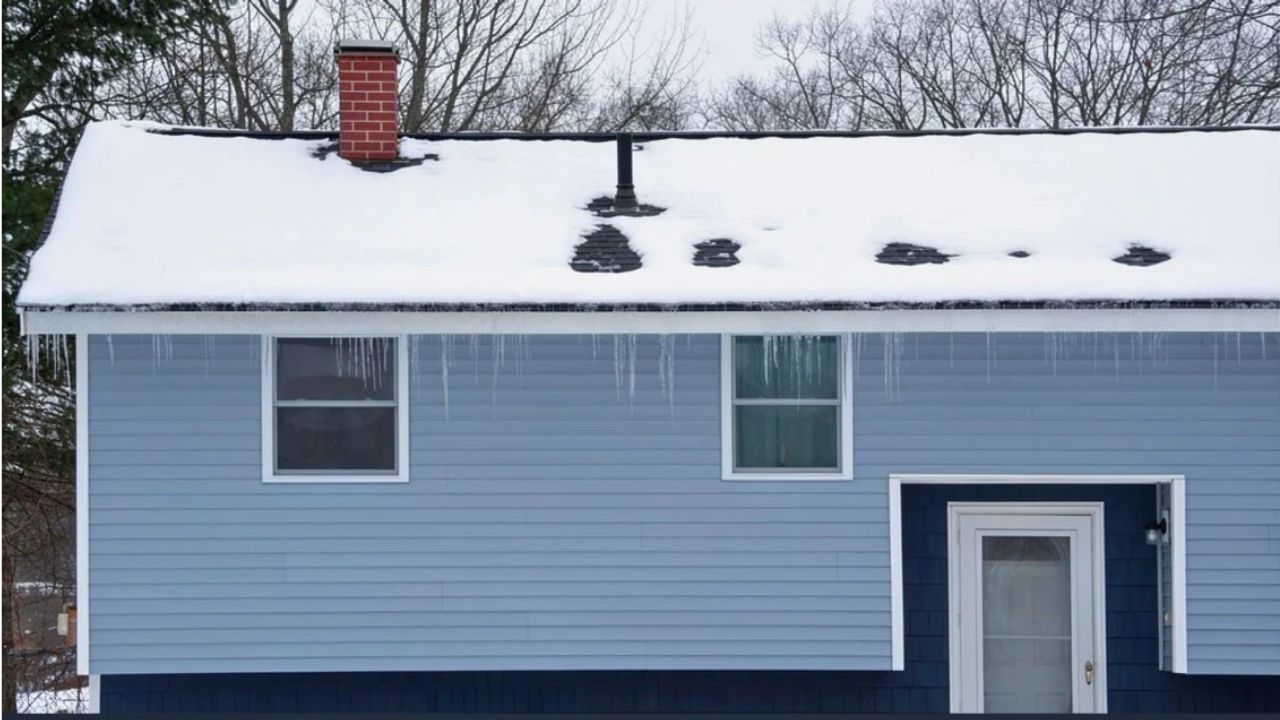
This is the classic winter leak that shows up over an exterior wall or along the ceiling edge. Heat from the house melts the snow higher up, the water runs down, then refreezes at the cold eaves. Once the ice ridge builds, meltwater has nowhere to go but up and under shingles.
Raking snow off the first few feet of roof after big storms helps, and it’s safer than chopping at ice. Long term, stop the melt. Seal air leaks into the attic (around can lights, plumbing stacks, attic hatches) and bring attic insulation up to spec. Adding proper soffit and ridge ventilation can help too, but air sealing usually does more than a fancy vent.
2. Packed Snow Blocking Roof And Ridge Vents
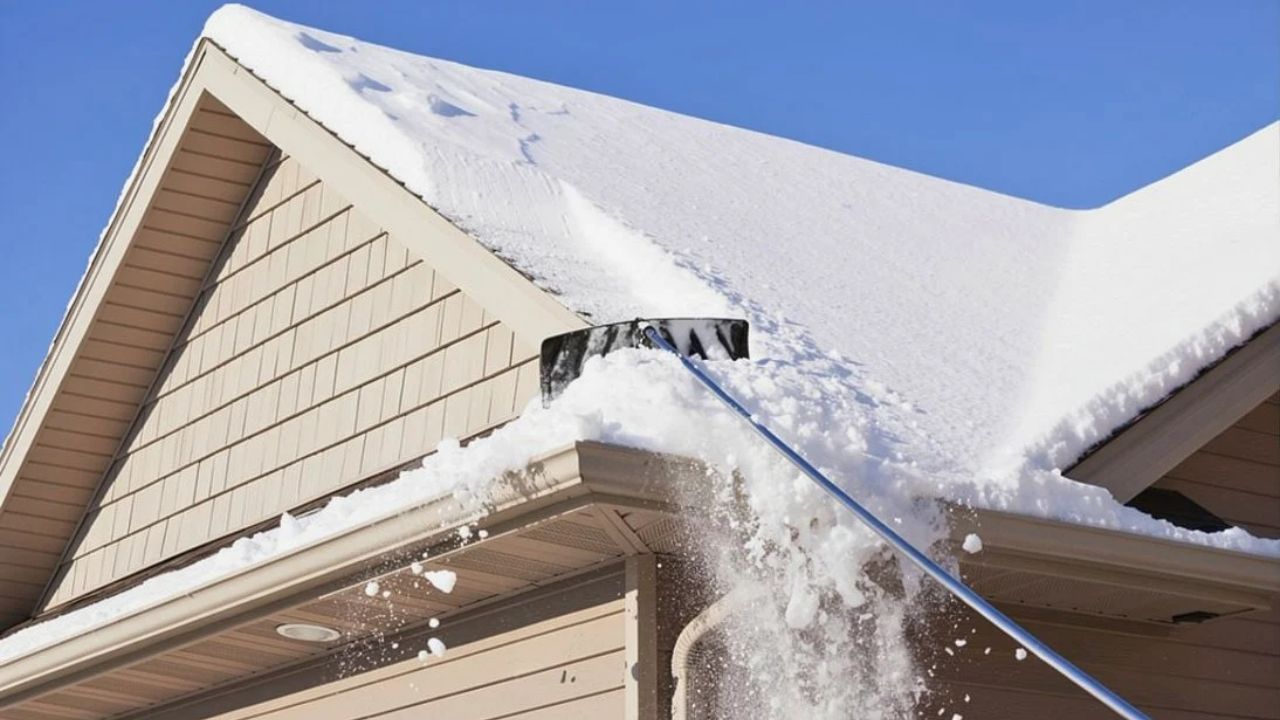
Some roofs breathe great in October and choke in January. Wind can pack snow into soffit vents, or drift over ridge vents, and suddenly warm, moist air has nowhere to go. That moisture condenses on cold roof sheathing, then you find frost, damp insulation, or rusty nail tips.
After storms, look at the eaves and ridge from the ground with binoculars. If vents are buried for days at a time, you may need vent baffles at the eaves, better soffit intake, or a ridge vent setup that resists snow infiltration. If you see active attic frost or dripping, bring in a pro to check ventilation layout and bathroom fan ducting, because guessing wrong just creates more mold and rot.
3. Bathroom Fan Ducts Freezing And Dumping Moisture
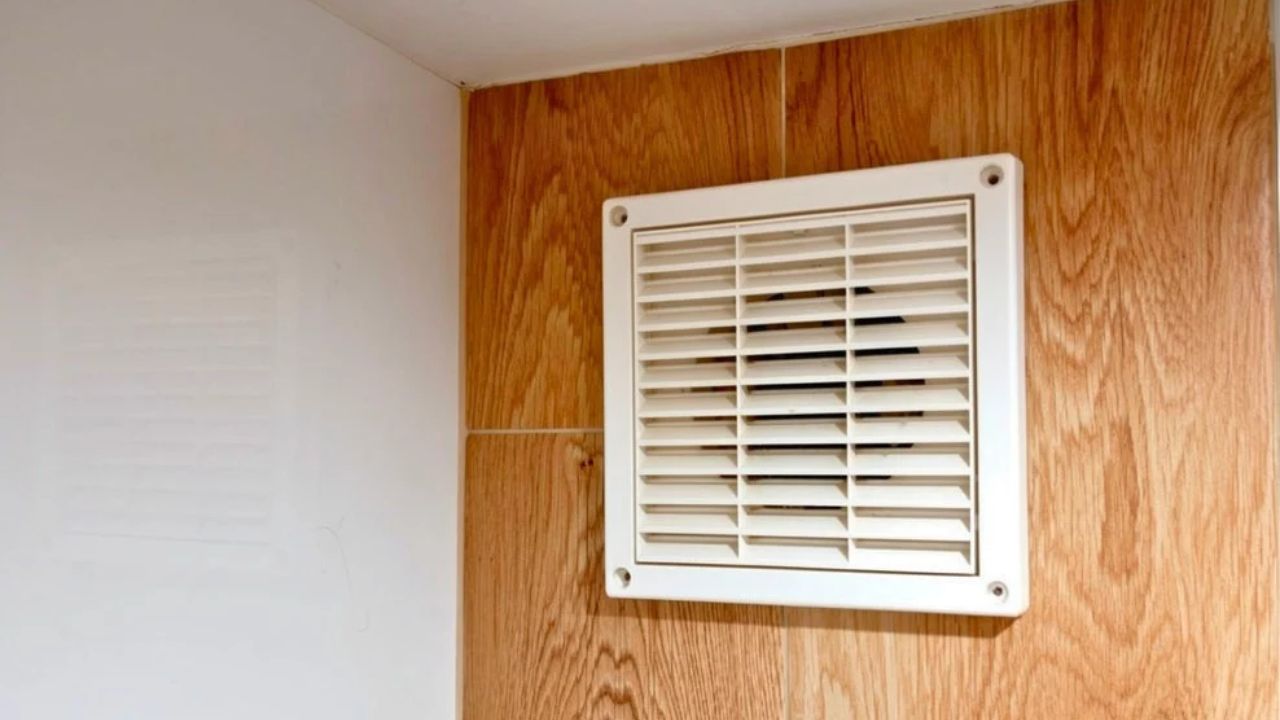
This one fools a lot of people because the roof isn’t the real problem. A bath fan that terminates in the attic, or a duct that’s crushed, uninsulated, or poorly sloped, will push warm wet air into a freezing space. Under snow conditions, the roof deck stays cold longer, so that moisture sticks around and turns into frost.
You’ll notice a musty smell, damp insulation, or water stains that seem to come and go with cold snaps. Fixing it means venting each fan outdoors with a proper roof or wall cap, sealing the joints with foil tape, and insulating the duct so it doesn’t become a condensation pipe. If the duct run is long or complicated, it’s worth paying a contractor who actually understands airflow and backdraft dampers.
4. Flashing Leaks That Only Happen Under Ice
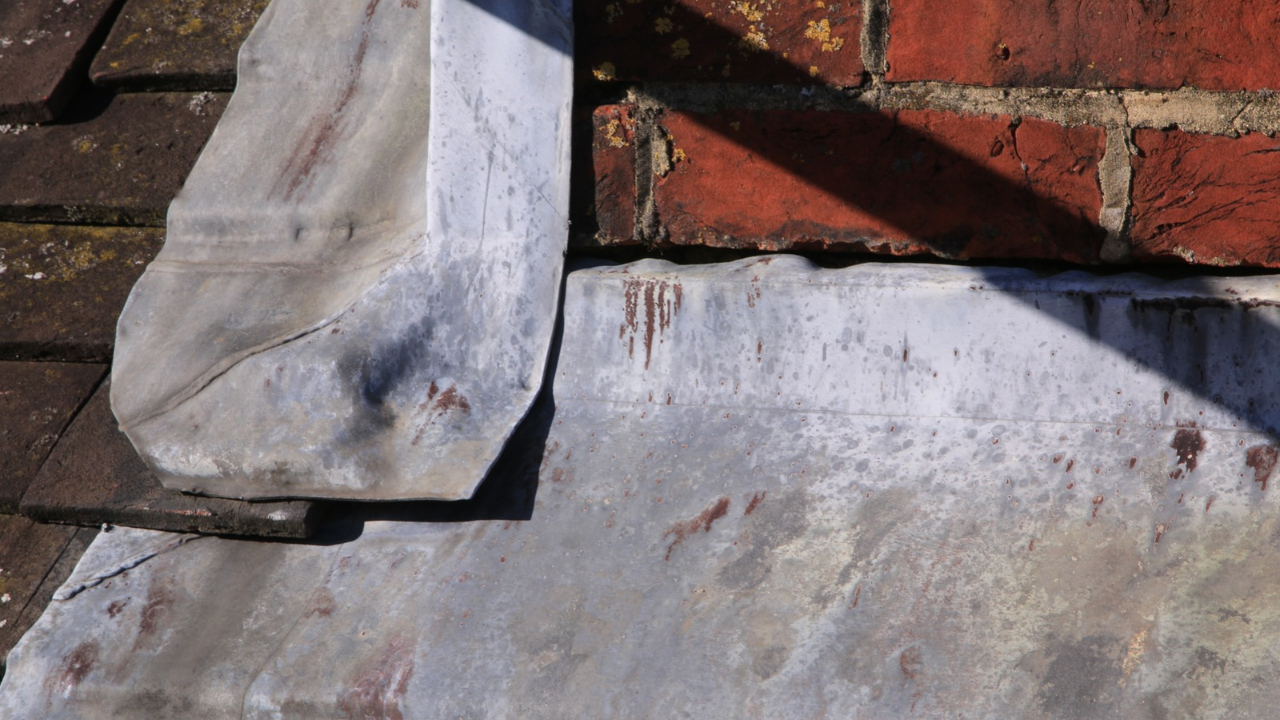
A chimney, skylight, or sidewall flashing can pass every rainstorm and still leak in winter. Ice sits against seams for days, and meltwater works like a slow drip test under pressure. You might only see the stain when the sun hits the roof and things start to thaw.
Don’t smear roof cement over it and call it done. The real fix is usually reworking step flashing, counterflashing, or a cricket behind the chimney so water has a path around the obstacle. Any time you’re dealing with chimneys and steep slopes, this is a good place to hire a roofer, because a bad flashing job can wreck sheathing and framing before you notice.
5. Shingles Lifting From Freeze Thaw Cycles
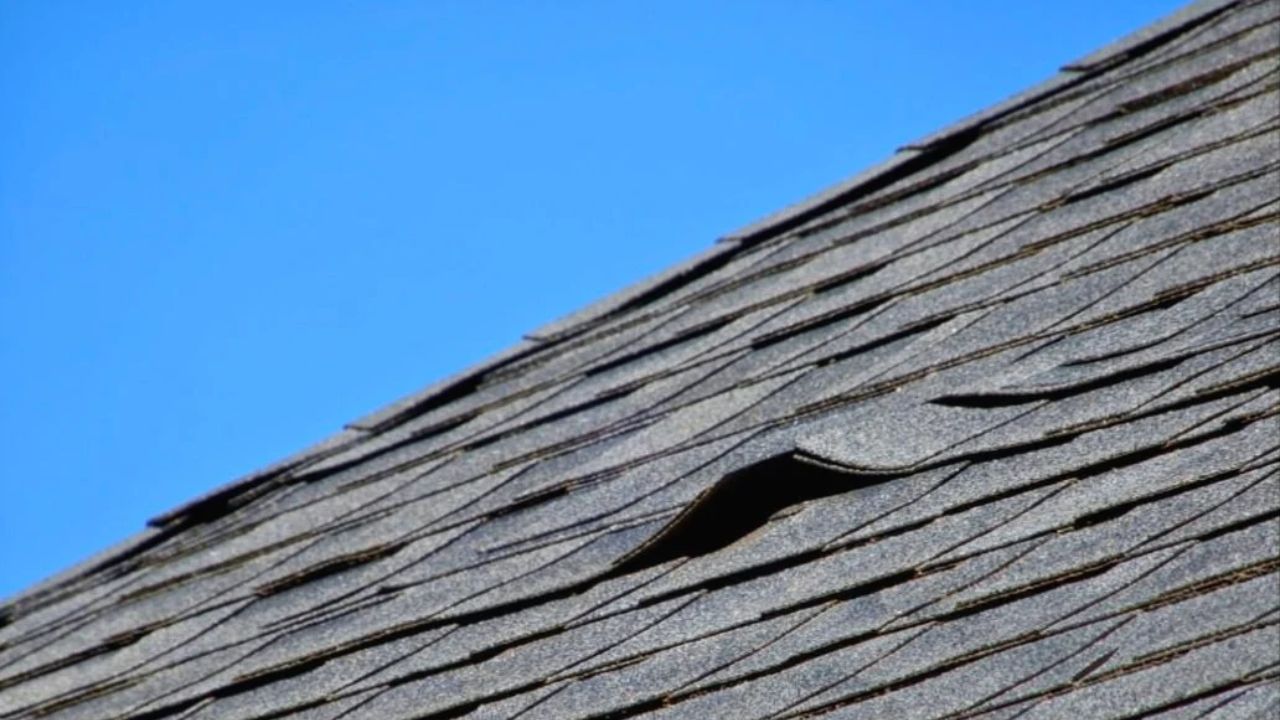
Snow hides small blow-offs, lifted tabs, and broken adhesive seals. Then wind gets under the edge and you hear that papery flapping on a cold night. The damage can be minor at first, but once water gets under a lifted shingle and refreezes, it pries things up more.
Wait for a safe, mild day to inspect. In freezing weather, shingles get brittle and walking on them does more harm than good. A few loose tabs can be hand-sealed with the right roofing sealant when temperatures allow, but widespread lifting often means the roof is aging out or the original installation missed the nailing line.
6. Gutters Ripping Loose Under Snow Slides
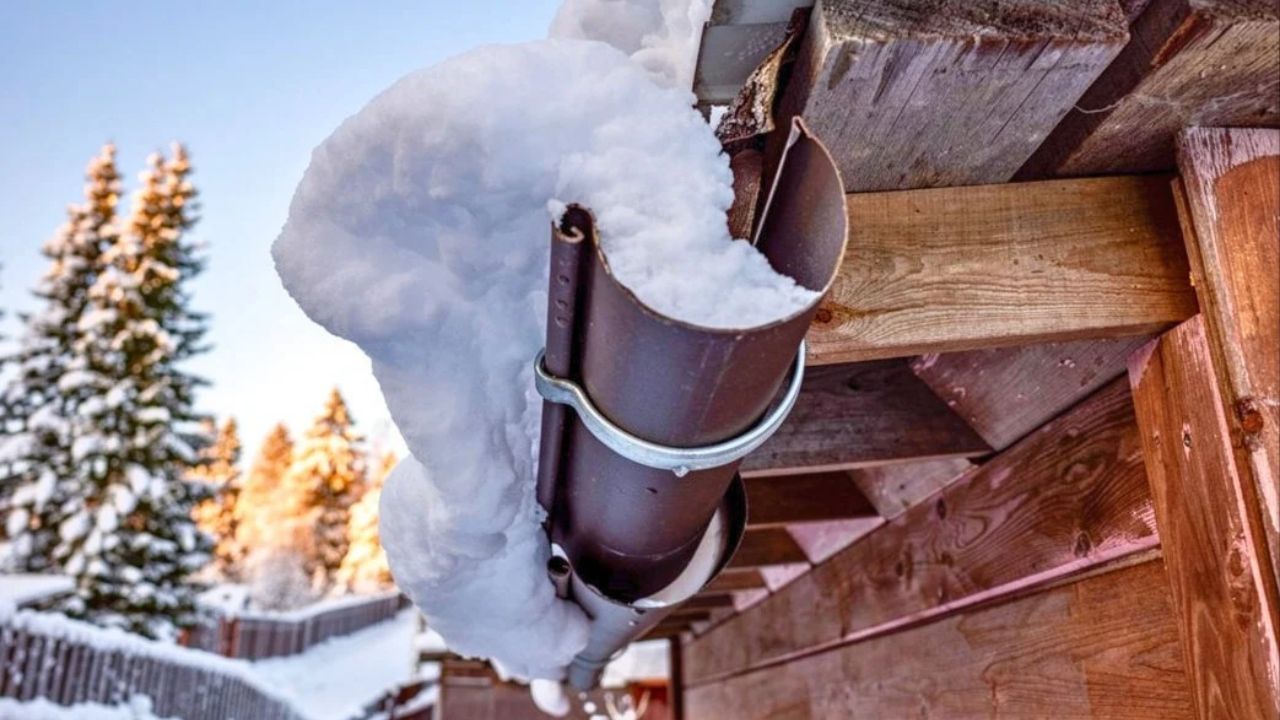
Snow can act like a roof-wide bulldozer. When it slides, it grabs gutters and rips hangers right out of the fascia. You’ll spot a bent section, nails backed out, or a gutter that suddenly has a low spot where ice sits and grows.
Refasten with proper hidden hangers into solid wood, not just into old fascia that’s already soft. If your roof dumps heavy slides every year, consider snow guards or a different gutter placement, but don’t add gadgets until you’ve fixed the basic attachment and any rotted fascia behind it.
7. Roof Valleys Getting Dammed By Slush
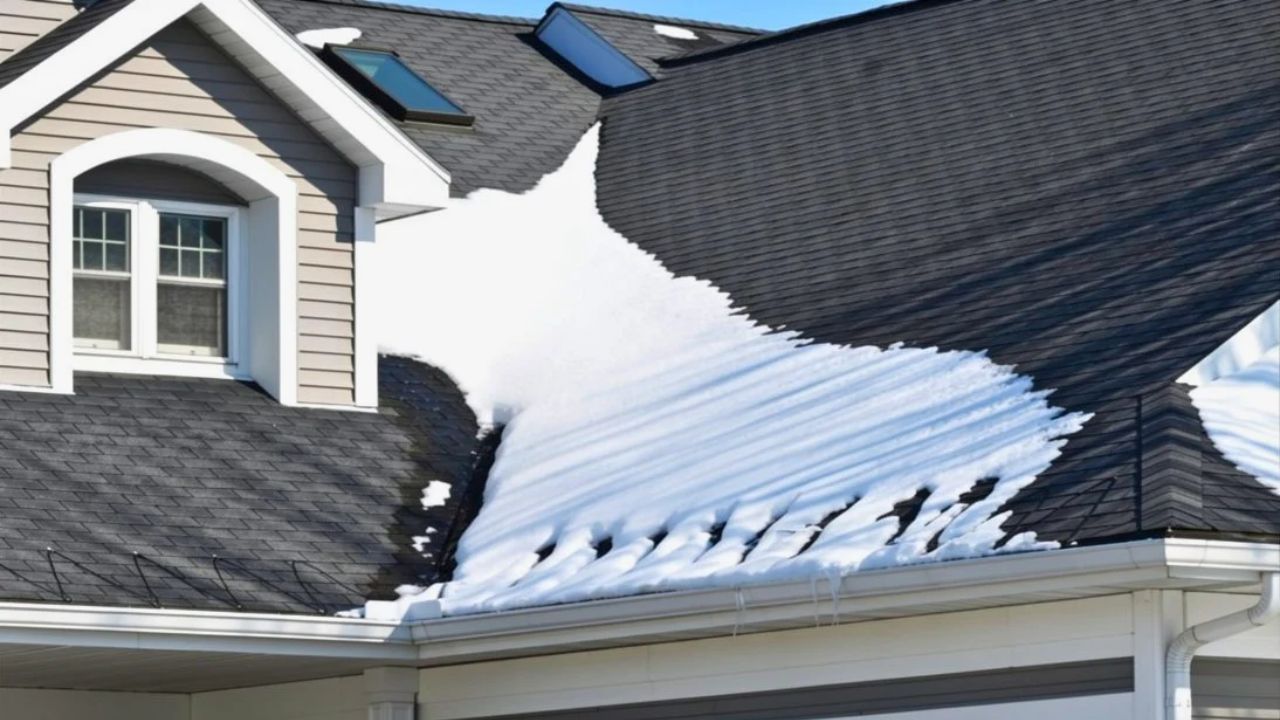
Valleys are where two roof planes funnel everything, and under snow they become a clogged trench. Wet snow compacts, then a thaw sends slush down fast. If the valley is shallow, full of debris, or poorly flashed, water backs up and sneaks under shingles.
Keep valleys clean before winter. That means blowing off leaves after fall drop and trimming overhanging branches that shade and slow melting. If you’ve had repeat valley leaks, a roofer can reline the valley with proper underlayment and metal, which usually costs less than repairing ceiling drywall every spring.
8. Nail Pops And Fastener Back Out
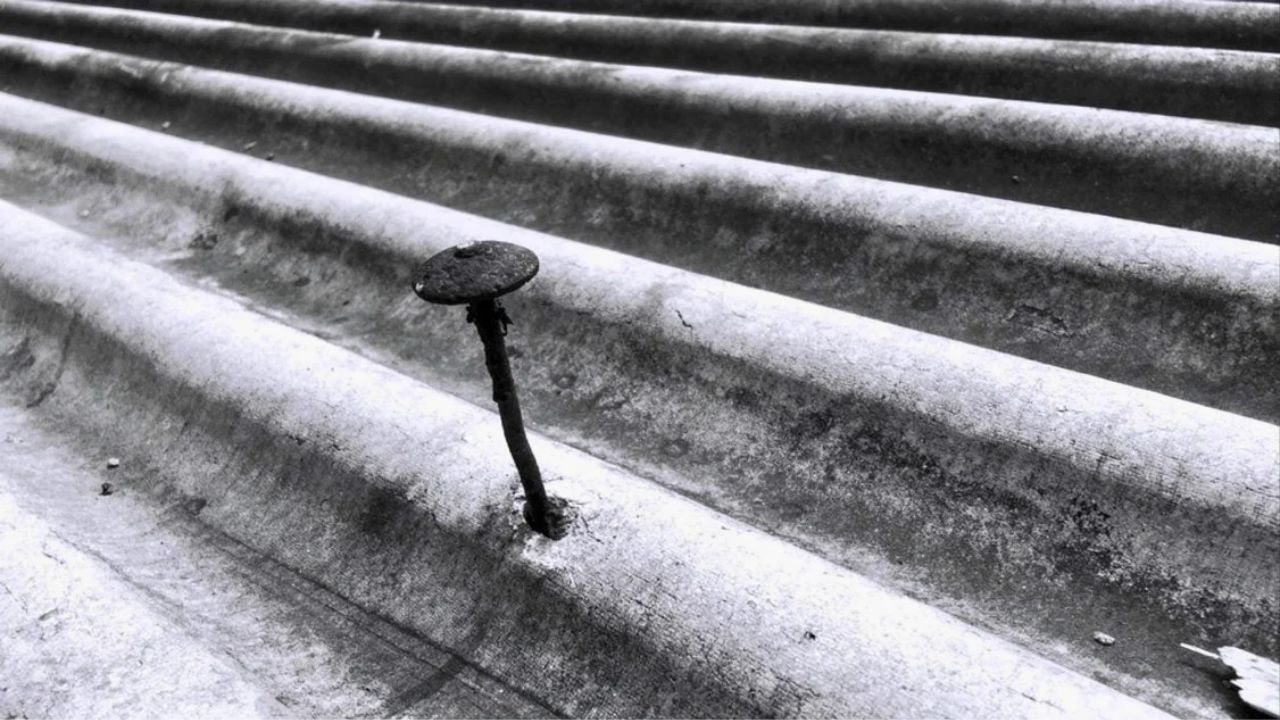
Cold framing moves. When the roof deck and rafters cycle through deep cold and brief warmups, nails can slowly work upward. Under snow, those tiny bumps become snag points that hold ice, and the raised nail head becomes a direct leak path once water sits there.
From the attic, you might see daylight pinholes or dark rings around fasteners. The right fix is pulling the popped nail, renailing in solid wood, and sealing the shingle properly from above when the weather warms. If you have dozens of nail pops, it points to decking issues or poor installation, and it’s time for a real roof evaluation.
9. Ice In Downspouts Causing Hidden Overflow
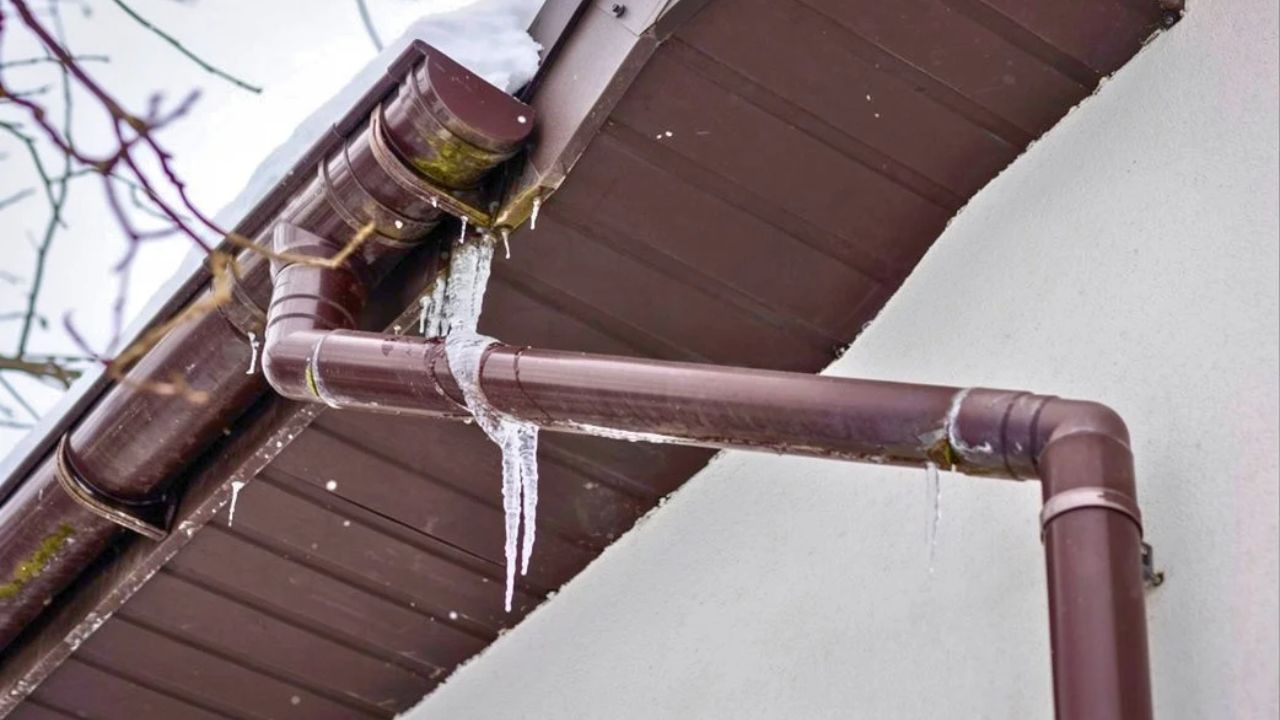
If you’ve ever seen icicles hanging off the middle of a gutter run, the downspout is probably frozen. Snowmelt fills the gutter, hits the ice plug, then spills over the back edge. That water soaks fascia boards, stains siding, and can freeze into an ice sheet on the walkway below.
Clear leaves and grit before winter, and make sure downspouts drain away from the foundation. Heat cables can help in problem spots, but the cheap option is sometimes fine: add a longer downspout extension and fix the gutter pitch so water doesn’t linger long enough to freeze solid.
10. Structural Sag Showing Under Heavy Loads
Most roofs carry normal snow without drama, but a weak spot shows up fast when the load gets heavy and stays. You notice a new dip along the ridge, doors sticking inside the house, or creaks and pops during a wet storm. This is not the moment for guesswork.
Don’t climb up and start shoveling if the structure is already suspect. Call a qualified contractor or structural engineer to assess the framing, especially on older homes, low-slope roofs, or any roof that’s been modified. If snow removal is needed, hire insured pros with the right roof rakes and fall protection, because one bad step can turn a roof problem into a hospital bill.
Winter roof problems love to hide until you’re busy, cold, and dealing with ice. A quick attic check after a storm, a look at the eaves from the ground, and fixing small ventilation and drainage issues before deep winter will save you a lot of ceiling patching later.
Like Fix It Homestead’s content? Be sure to follow us.