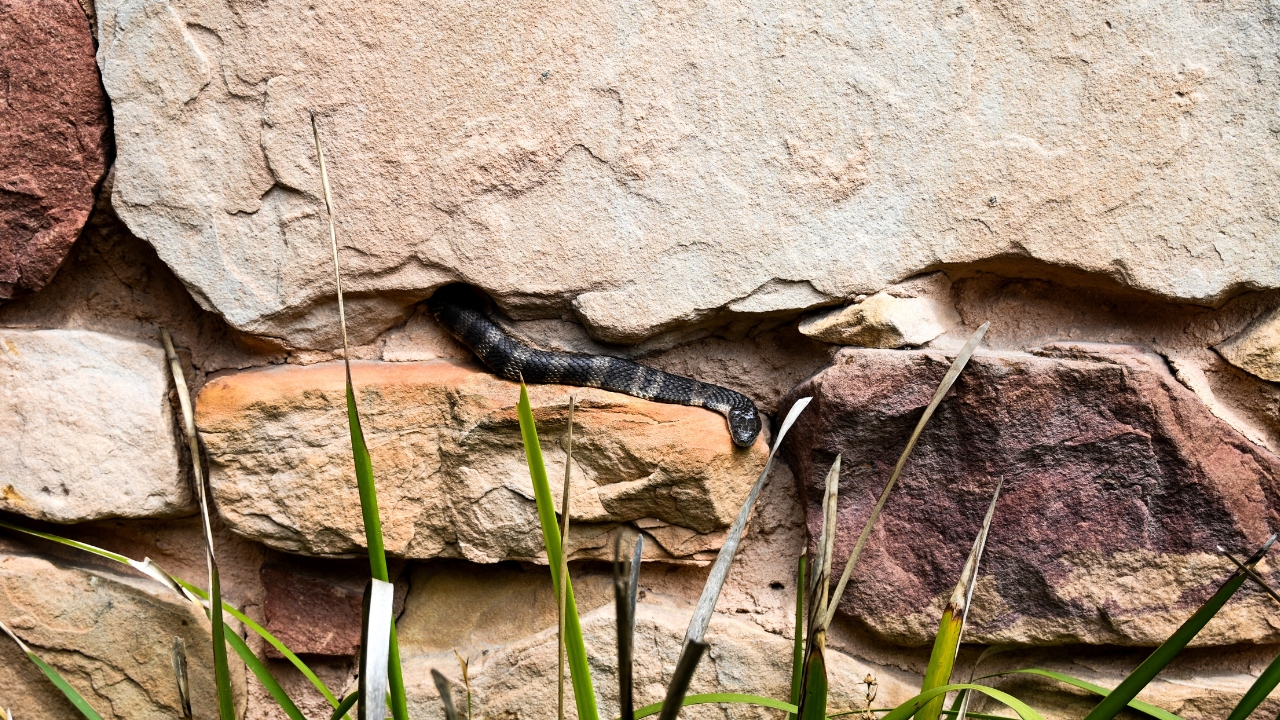
10 Places Snakes Go When the Nights Get Cold
Photo credit: Lee Marie Lumayag/Shutterstock.com
Cold nights flip a switch for snakes. They stop roaming and start hunting for steady temps, tight cover, and a meal that won’t fight too hard. If your place offers even one warm crack and one hiding spot, they’ll test it.
1. Cracks Under Doors And Thresholds
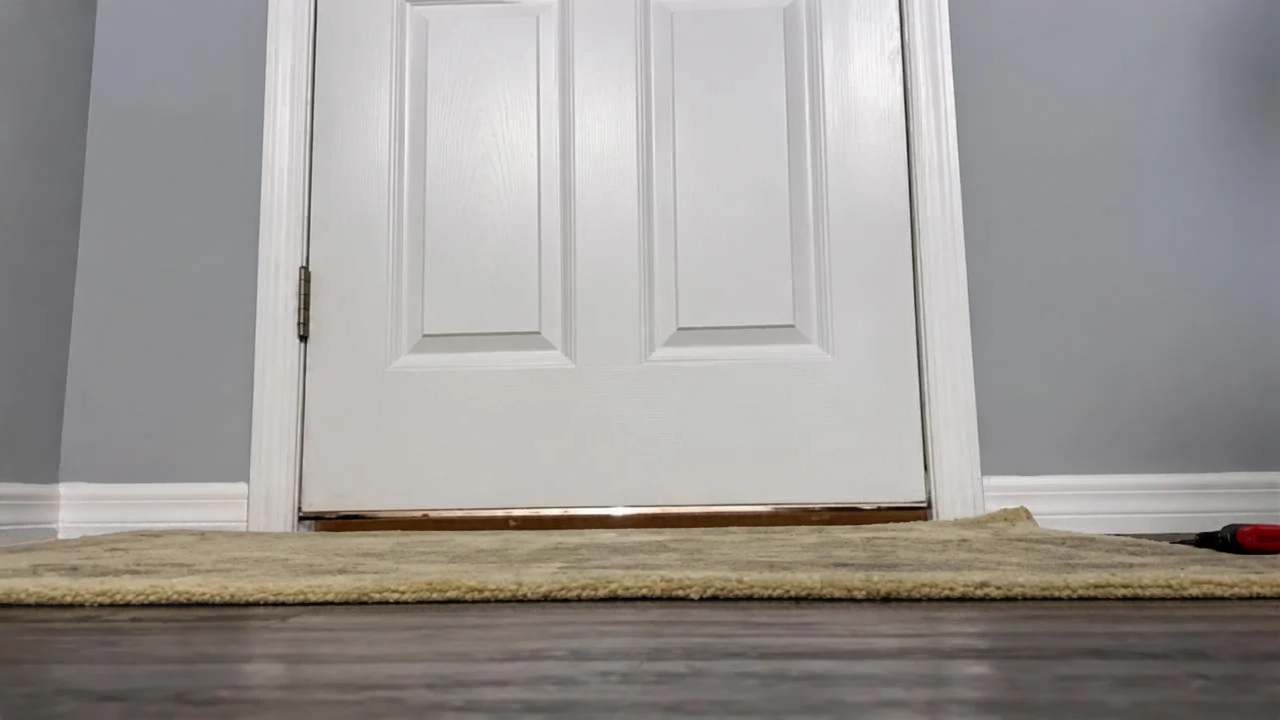
You can have a tidy house and still have a snake problem if the door sweep is worn out. A gap the thickness of a pencil is an invitation, especially on basement doors, mudroom entries, and older sliders that don’t seal tight anymore. When the temperature drops fast, snakes follow heat lines and airflow, and that draft under the door is a billboard.
Replace the door sweep and adjust the threshold so it actually touches. Check weatherstripping on the jambs, too, not just the bottom. If you’ve got a door that’s out of square, fix the latch side alignment before you buy a pile of foam that won’t stick for long.
2. Foundation Gaps Around Pipes And Wires
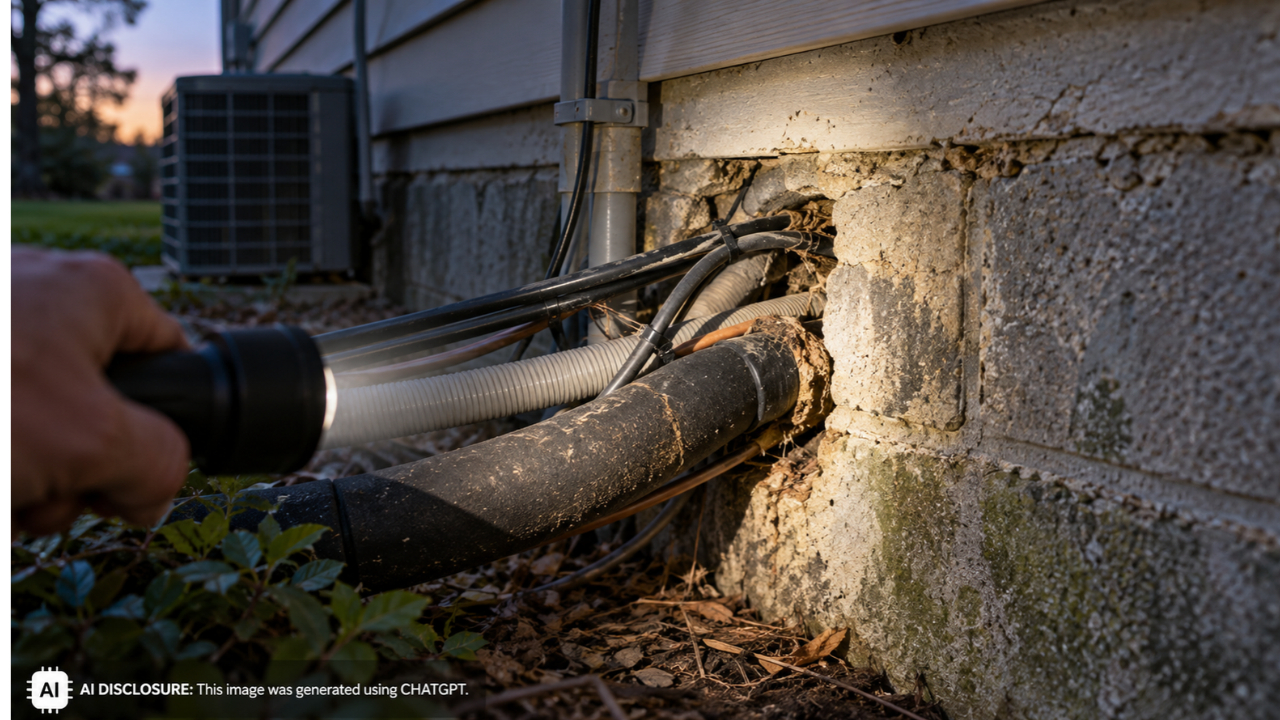
That messy bundle of coax, AC lines, and wiring that disappears into the wall is one of the most common entry points. The hole was drilled for the installer, not for pest control. Once nights get cold, snakes work edges like a crowbar, pushing into voids where mice are already coming and going.
Do a slow walk around the foundation with a flashlight at dusk and look for light leaks, rub marks, and open mortar joints. Seal gaps with mortar patch, hardware cloth, or a proper exterior-grade sealant depending on the size and location. Skip expanding foam by itself for big holes, it doesn’t hold up where critters chew and weather beats on it.
3. Crawlspaces With Loose Vent Screens
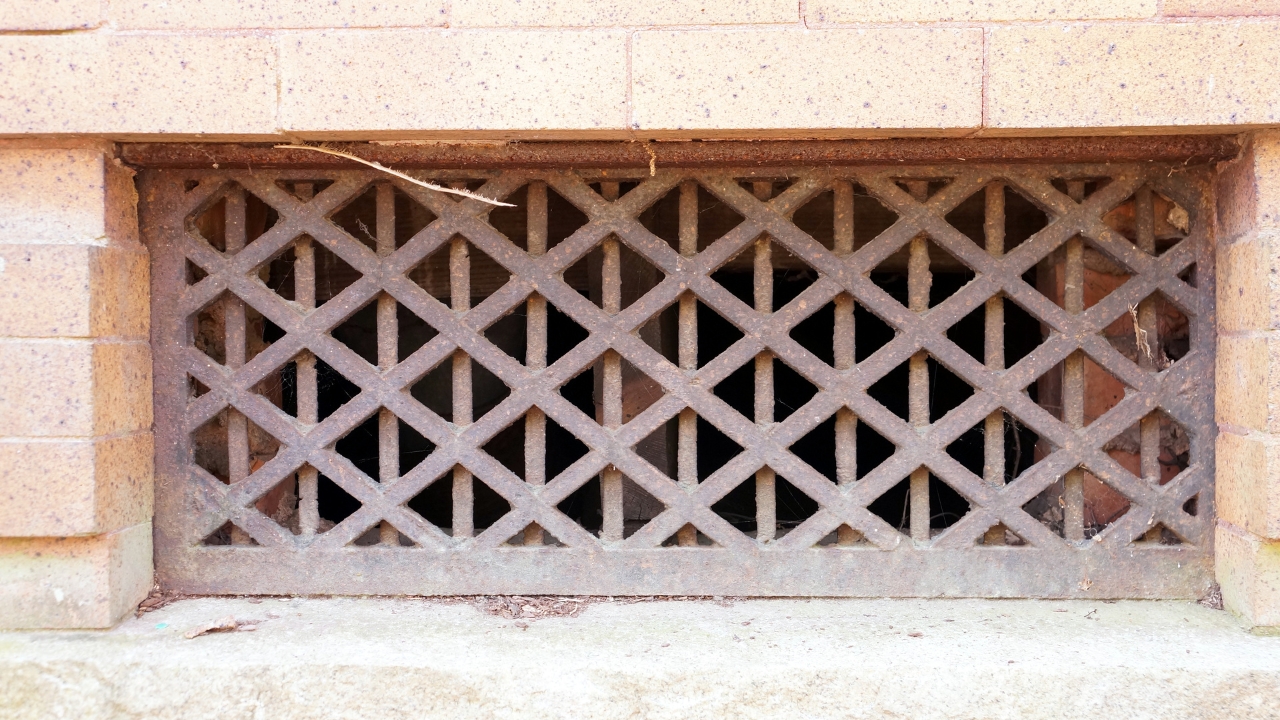
Crawlspace vents look protected until you grab the screen and it wiggles. A loose screen, cracked frame, or vent left open without mesh turns that whole under-house area into a winter hotel. Once inside, snakes can sit under your floor where temps stay stable, and you’ll never see them until you open the access door.
Tighten or replace vent covers and use 1/4-inch hardware cloth if you need to retrofit something sturdier. Make sure the crawlspace access door closes flat and latches, those panels warp. If your crawlspace has chronic moisture, handle that too, wet crawlspaces attract the rodents that attract snakes.
4. Woodpiles Stacked Right Beside The House
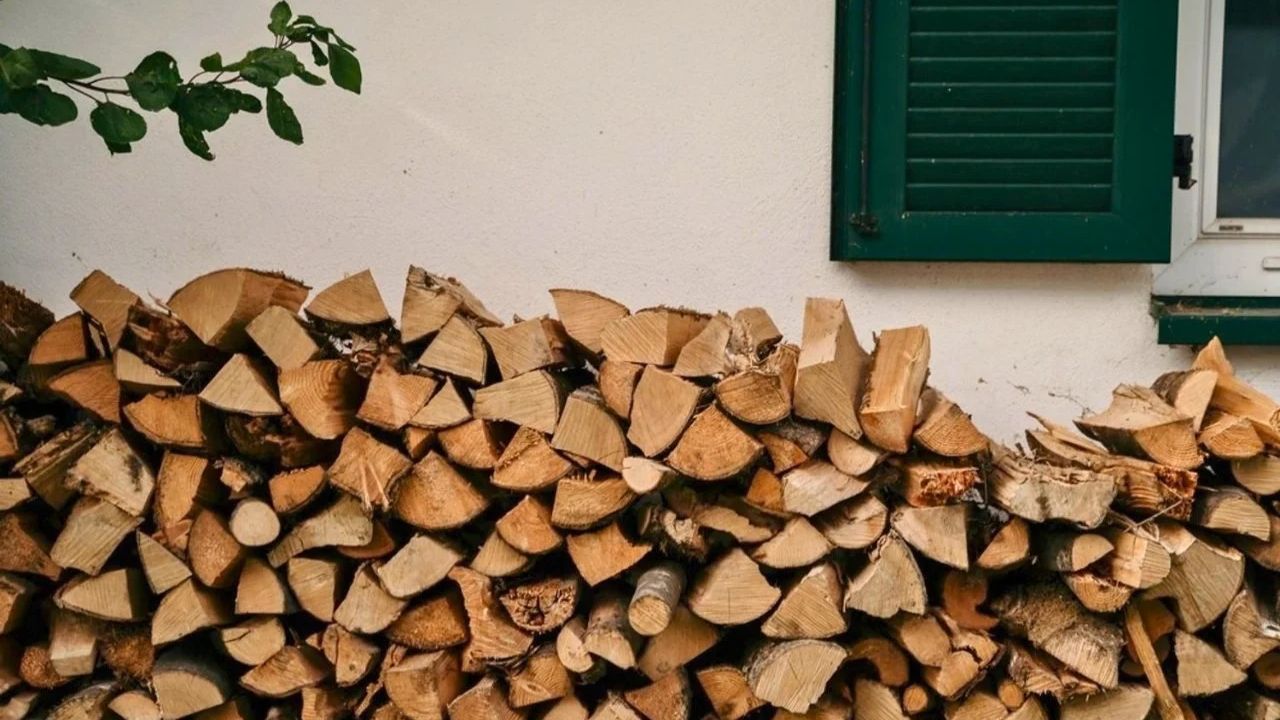
Firewood belongs close enough to carry, but not close enough to share your foundation. A tight stack holds heat, blocks wind, and becomes a rodent condo by October. Snakes don’t need much, they want cover and a reason to stay.
Move the main pile 20 to 30 feet from the house if you’ve got the space, and keep it off the ground on pallets or rails. Bring in only what you’ll burn in a few days and store that on a rack on the porch, not directly against siding. If you have to keep a small stack near the door, keep it neat, elevated, and easy to inspect.
5. Tall Grass And Weeds Along Fences
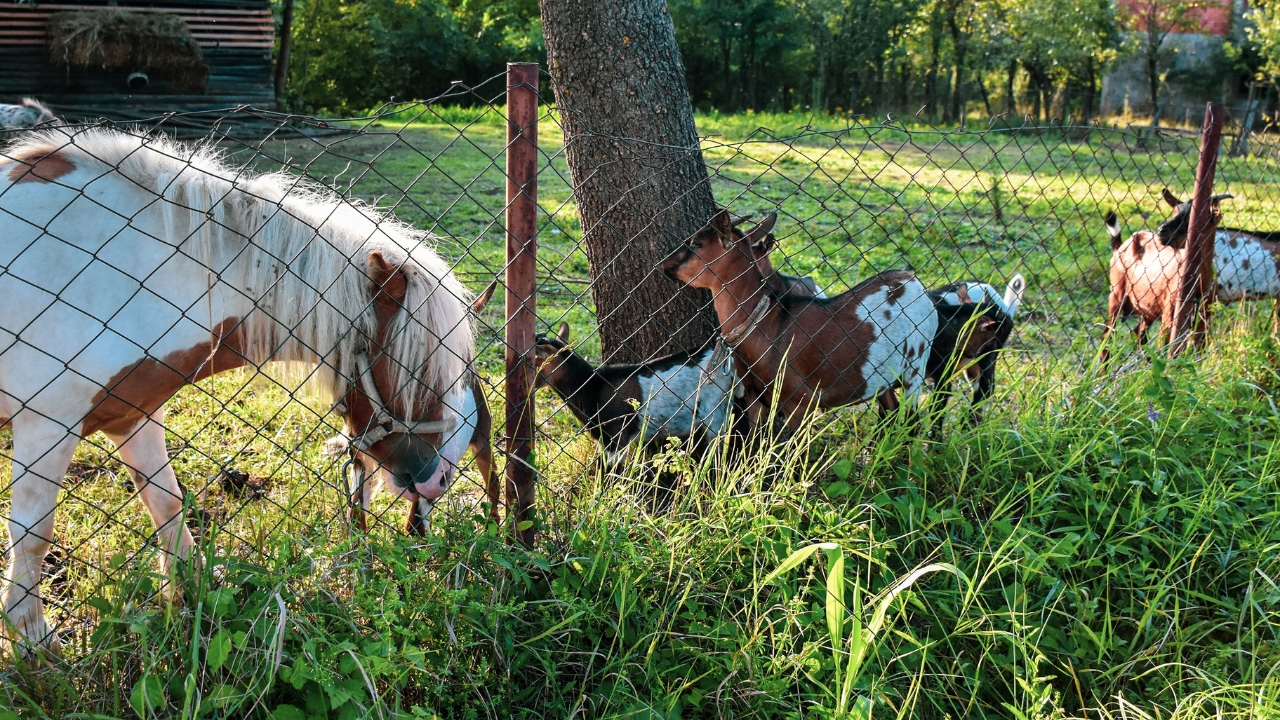
When the last warm days fade, snakes stop crossing open ground as much. They run edges. A weedy fence line, brushy ditch, or unmowed strip along a shed makes a protected travel lane right to your back steps.
Knock it down before the first hard frost. A string trimmer and a rake do more than most sprays, and you’ll see what’s going on instead of guessing. Keep grass short in a 3 to 6 foot band around buildings, and don’t let vines take over the bottom of the fence where you can’t see.
6. Rock Walls And Landscape Boulders
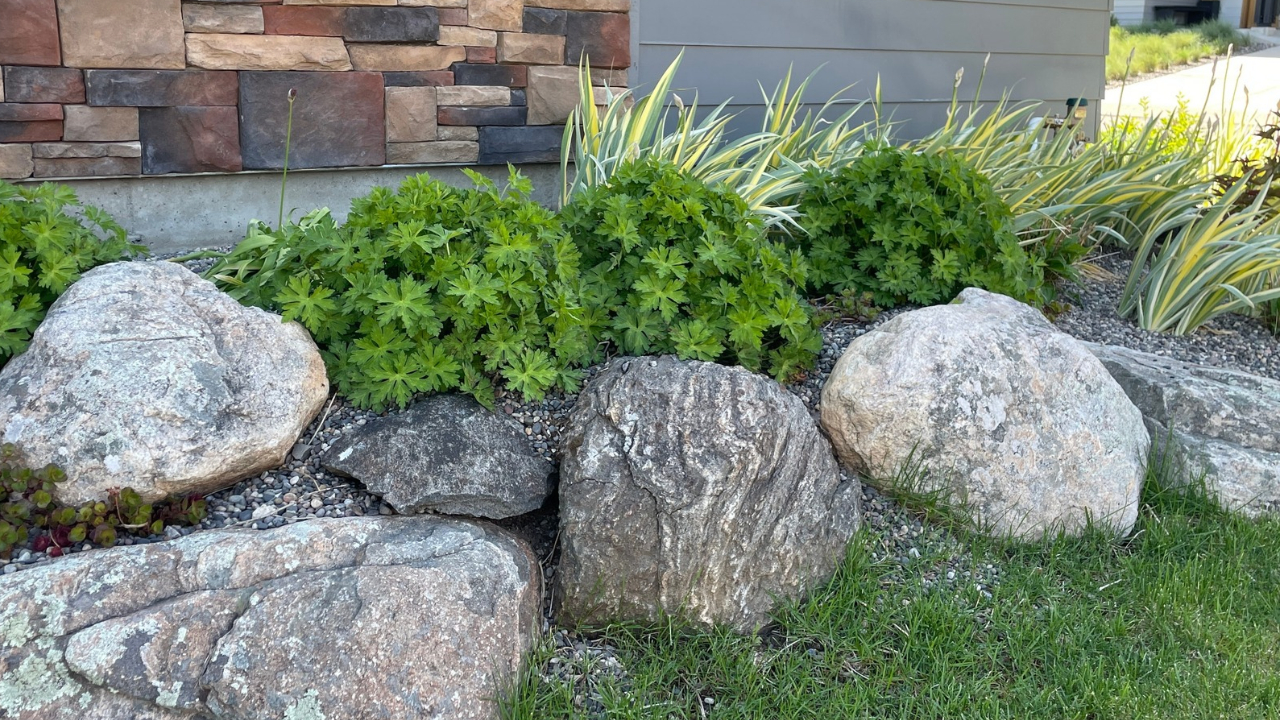
Stone holds warmth long after sundown, and the gaps stay dry. That looks great in a yard and it’s also perfect cover for snakes and the small animals they hunt. The trouble shows up when boulders are set right against a stoop, a garage wall, or the lip of a basement window well.
If you’re planning new landscaping, keep decorative rock and stacked stone a few feet off the house and avoid creating tight cavities you can’t access. For existing stone you want to keep, pull back mulch, clear leaf litter, and fill obvious voids near entries with packed soil and stone that locks together. Don’t smear mortar everywhere unless you know what you’re doing, bad mortar jobs fail and look worse than the original gaps.
7. Warm Compost Piles Near The Porch
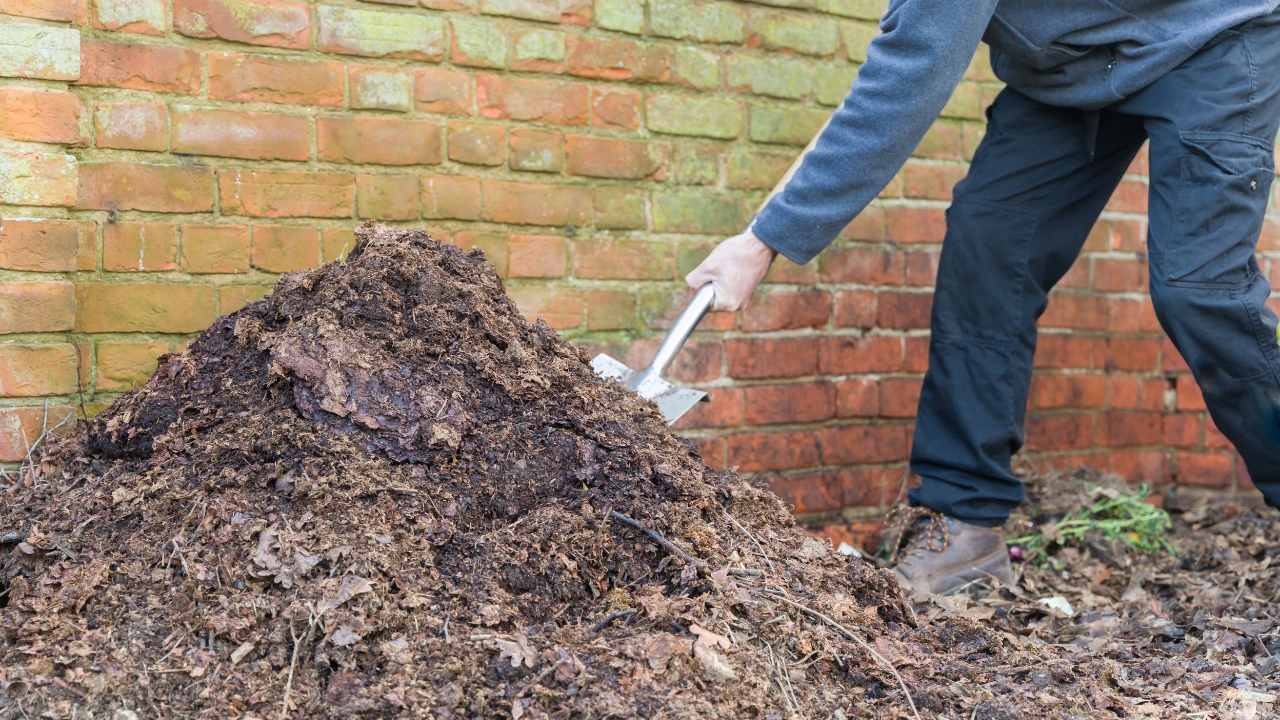
Compost is supposed to cook. In fall, that slow heat and steady moisture can stay attractive long after the garden is done, especially if you’re adding kitchen scraps and chicken bedding. Put the pile near the back door for convenience and you’ve built a winter hangout for rodents, then snakes follow.
Site compost downhill and away from the house if you can, and keep the edges tidy so you can see around it. Use a lidded bin for food scraps if wildlife pressure is high. Turning the pile more often in late fall also disrupts nesting, though it won’t fix a pile that’s basically a buffet.
8. Barn Corners With Feed Spills
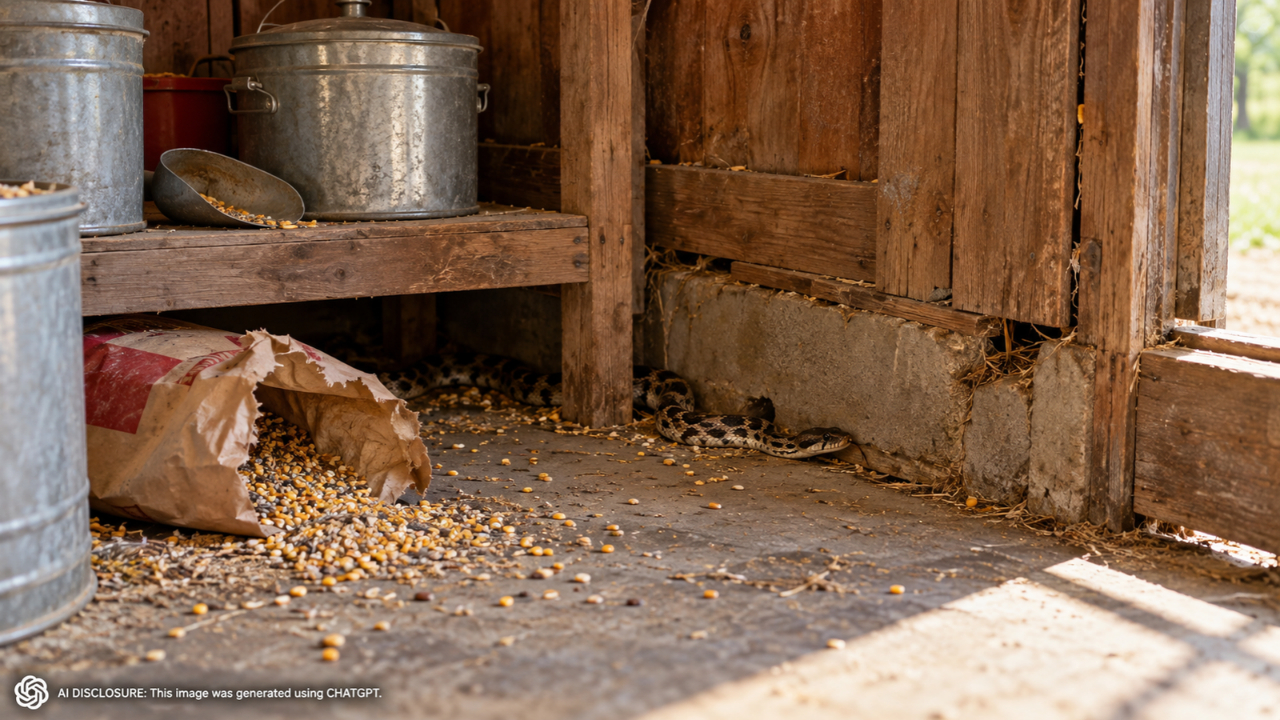
A barn doesn’t have to be filthy to draw snakes. A little grain under the feed room shelf, a torn bag in the corner, or scratch feed scattered for chickens brings mice in fast once nights get sharp. Snakes go where the calories are, and barns stay warmer than the open field.
Sweep up spills the same day, and store feed in metal cans with tight lids. Patch obvious holes at the sill plate and the bottom corners where siding meets the slab. Sticky traps and poisons create their own problems, including dead rodents in walls, so focus on denying food and blocking entry first.
9. Dryer Vents And Other Warm Exhausts
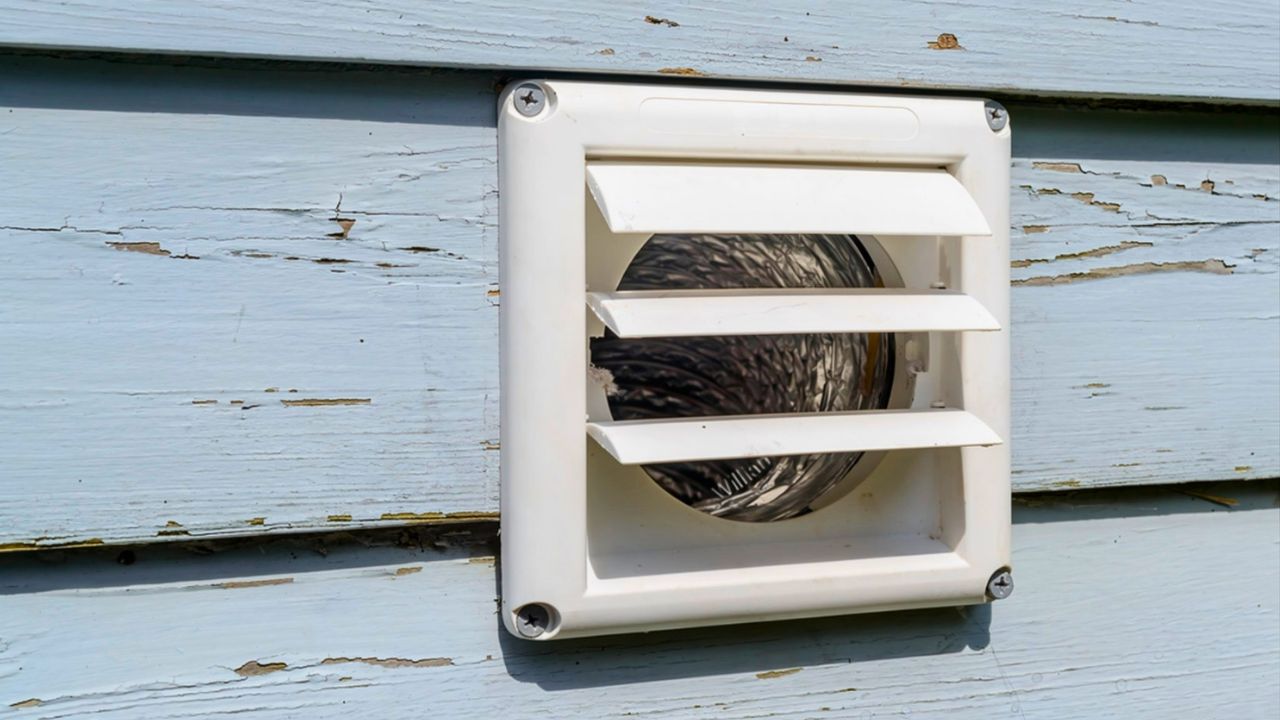
Isn’t the dryer vent too windy and loud for a snake? Not always. Around the hood and the warm wall cavity behind it, you can get pockets of heat, lint buildup, and a gap that also serves as a rodent runway.
Check that the exterior hood closes fully and isn’t stuck open by lint. Replace broken flaps and add a proper pest-rated cover if yours is missing parts, but don’t install fine screen that will clog with lint and create a dryer fire risk. While you’re there, look at bath fan vents and high-efficiency furnace exhaust clearances, then fix any loose trim rings and gaps in the siding.
10. Basement Window Wells Full Of Leaves
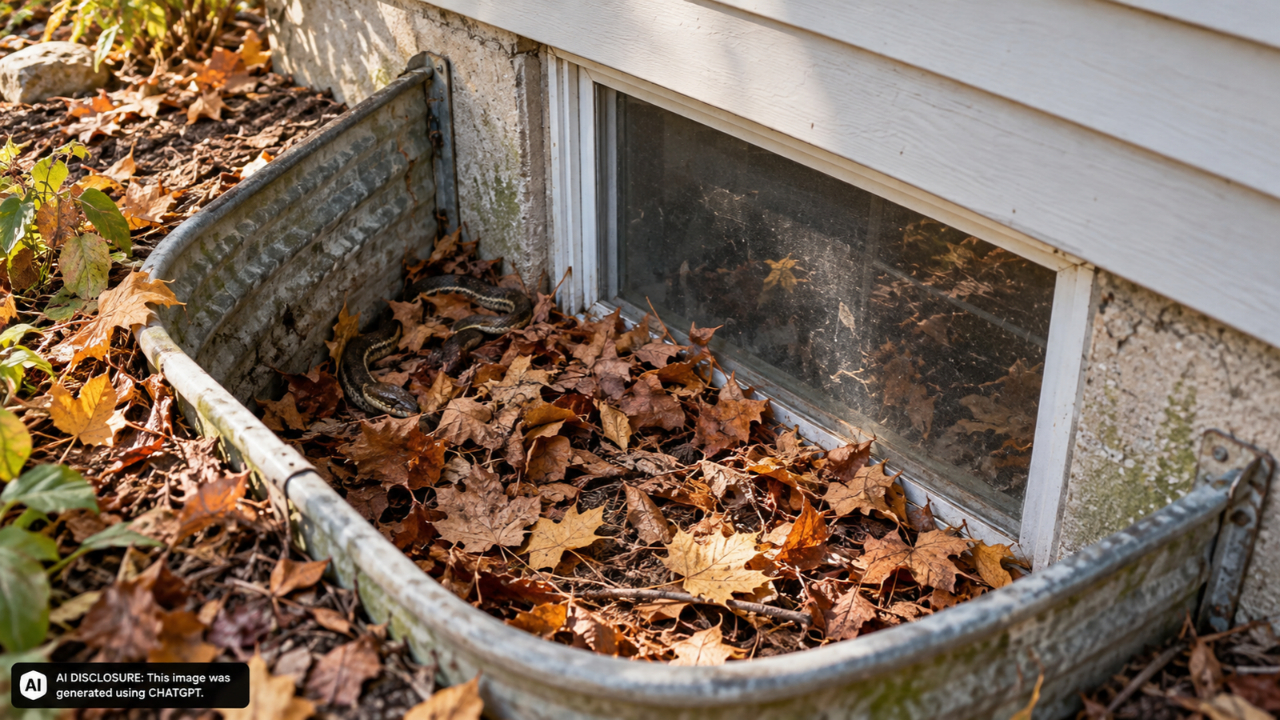
Window wells turn into a leaf bucket every fall, and leaf piles are insulation. A snake can drop in, find cover, and then follow the edge to a loose window frame or a cracked well drain. You notice the problem when you go down for holiday storage and catch movement in the corner of your eye.
Clean wells out before leaf season peaks, and keep the drain clear so water doesn’t sit. Add a well cover if you don’t have one, and make sure it fits tight to the foundation. If the window itself is rotten or won’t lock, that’s the real fix, a cover won’t save a bad frame.
If you do spot a snake inside, don’t try to be a hero with a shovel in a tight space. Keep kids and pets back, give it room, and call local animal control or a reputable wildlife remover if you aren’t sure what you’re dealing with. The best long-term control is boring work, seal gaps, cut cover, and stop feeding the rodents that make snakes stick around.
Like Fix It Homestead’s content? Be sure to follow us.