10 Things That Go Wrong in a House That Sits Empty All Winter
Photo credit: vietanh85/Shutterstock.com
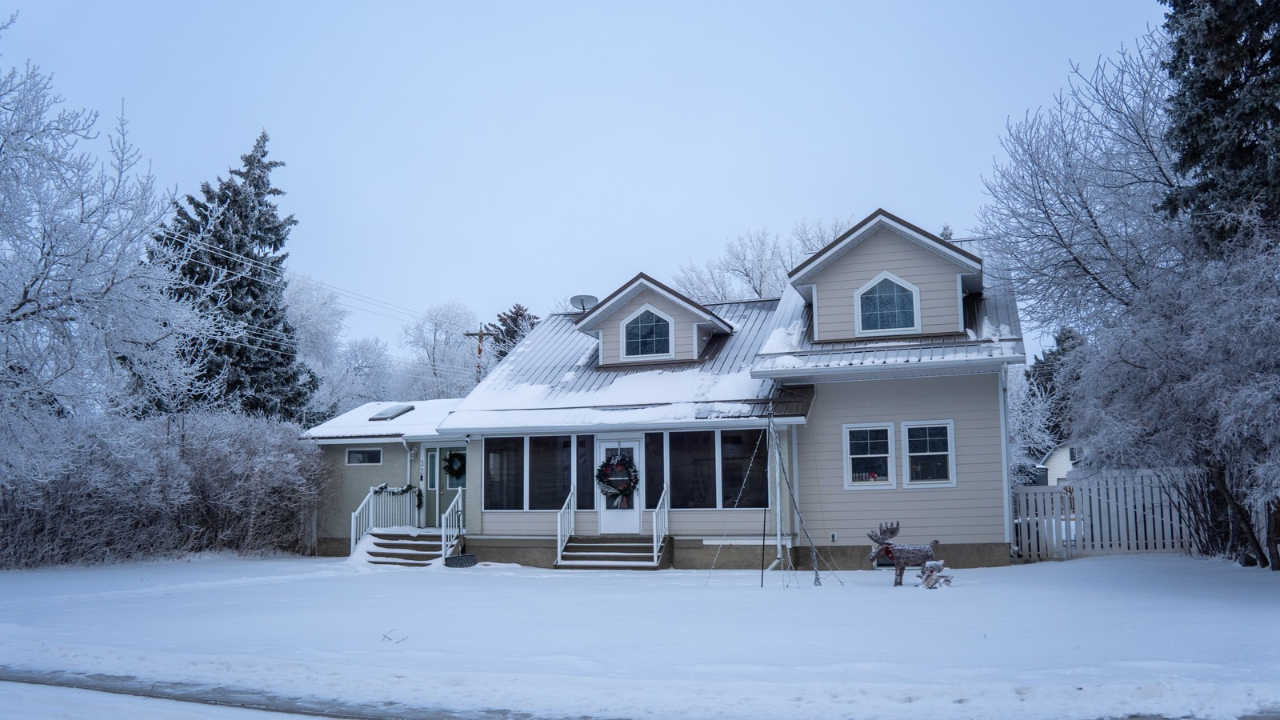
A place can look fine when you lock the door in November, then feel like a different building by spring. Cold, darkness, and still air let small problems grow legs. If you leave a house empty all winter, a little prep beats a big repair bill.
1. Frozen Pipes And Split Fittings
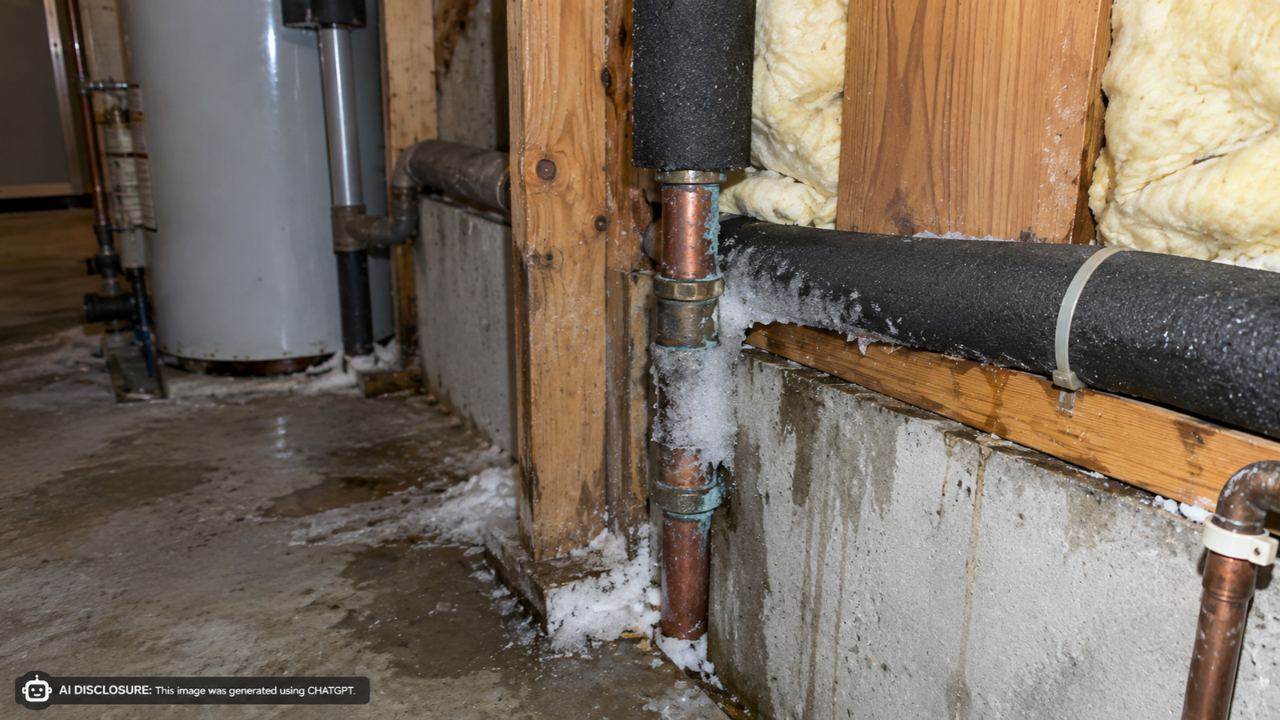
This one hits fast during the first hard cold snap. A small section of pipe in an outside wall or crawlspace freezes, expands, and cracks, then waits quietly until things thaw. When water finally runs again, you get a leak inside a wall, under a cabinet, or onto a ceiling.
If the place won’t be heated, draining the plumbing is the real fix: shut off the main, open the lowest drain, open faucets, flush toilets, and drain the water heater. Pour a little RV antifreeze into traps and toilet bowls so they don’t freeze and crack. If you’re not sure you can fully winterize, pay a plumber once rather than paying for a flood and mold cleanup later.
2. One Small Roof Leak Turns Ugly
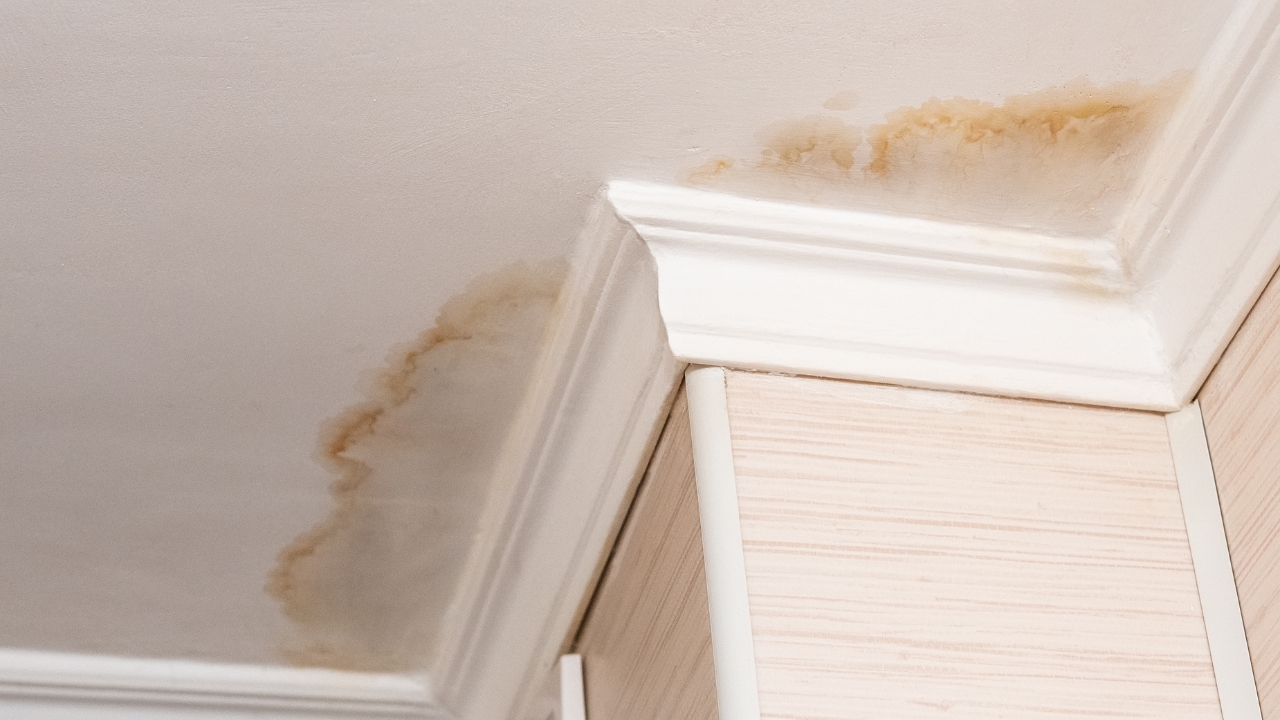
Snow load, wind-driven rain, and ice dams find weak spots you never noticed in October. A pinhole leak around a boot, chimney flashing, or a popped shingle can soak roof decking and insulation for months with no one there to see the stain.
Before you leave, get eyes on the roof. From the ground with binoculars is fine, you’re looking for missing shingles, lifted edges, and rusty flashing. Clean the gutters and downspouts so meltwater has a path, and keep attic insulation from blocking soffit vents. If the roof is steep or you’re not steady on a ladder, hire it out. Falls cost more than shingles.
3. Sump Pumps Fail In Silence
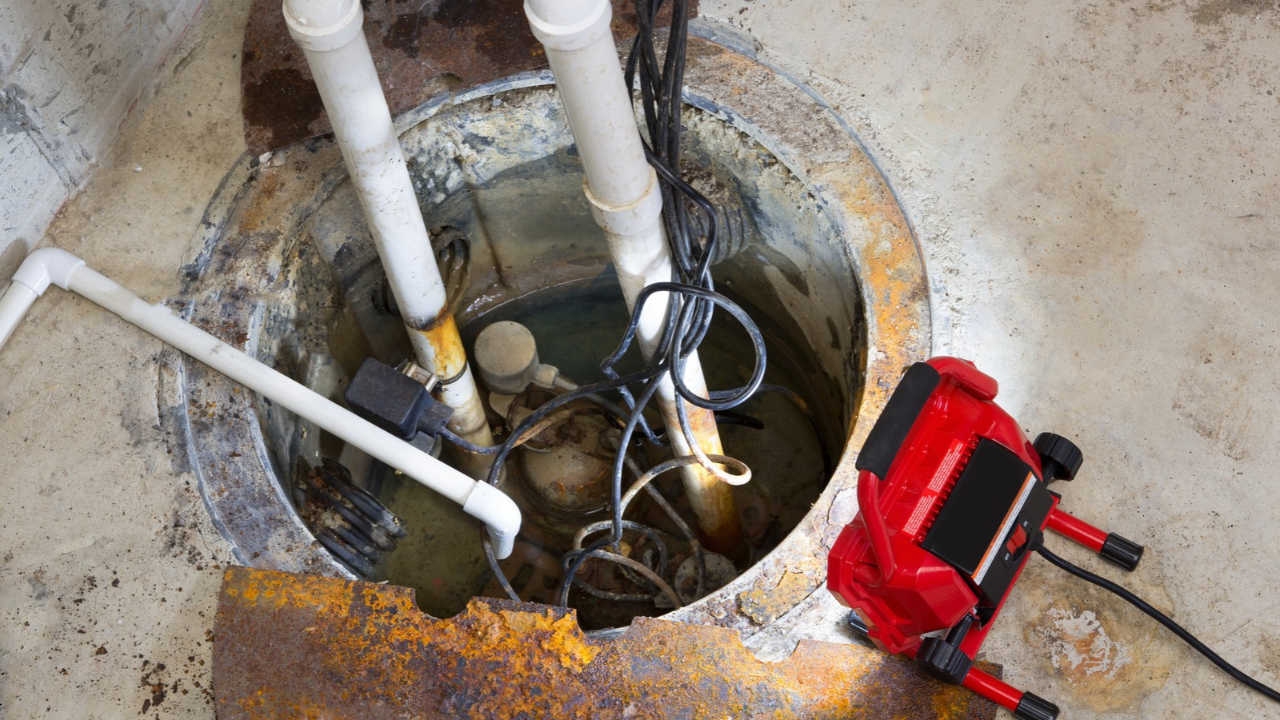
Basements love to flood when nobody is around. A stuck float, a burned-out pump, or a frozen discharge line can turn one wet week into standing water that wrecks flooring, drywall, and anything stored on the slab.
Test the pump before winter by pouring a bucket of water into the pit and watching it cycle. Make sure the discharge line slopes away and won’t freeze shut near the foundation, and keep the outlet protected from snow piles. If the home relies on a sump, a battery backup can be worth it, but only if you maintain the battery and check it twice a year.
4. Furnace Lockouts And Fuel Issues
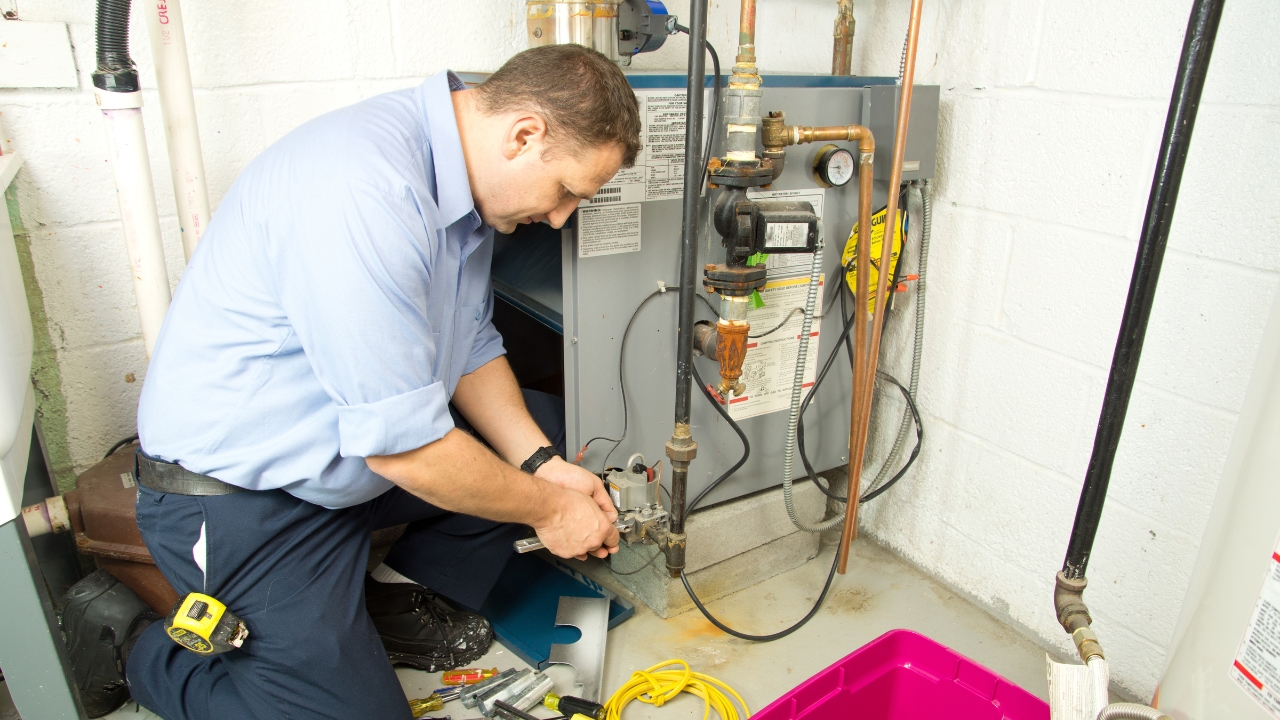
Sometimes you leave the heat set low and think you’re done. Then the furnace trips a safety, the oil filter clogs, the propane runs low, or a dirty flame sensor causes short cycling. The house cools off, pipes freeze, and you find out months later.
Have the system serviced before winter if it’s been a while, especially with oil burners and older gas furnaces. Change the filter, clear the area around the unit, and make sure the thermostat batteries are fresh. If you’re leaving a place empty, arrange for someone to check indoor temp, fuel level, and that the unit is still running. A basic remote temperature sensor can help, but it doesn’t fix anything by itself.
5. Stale Air Feeds Mold And Musty Odors
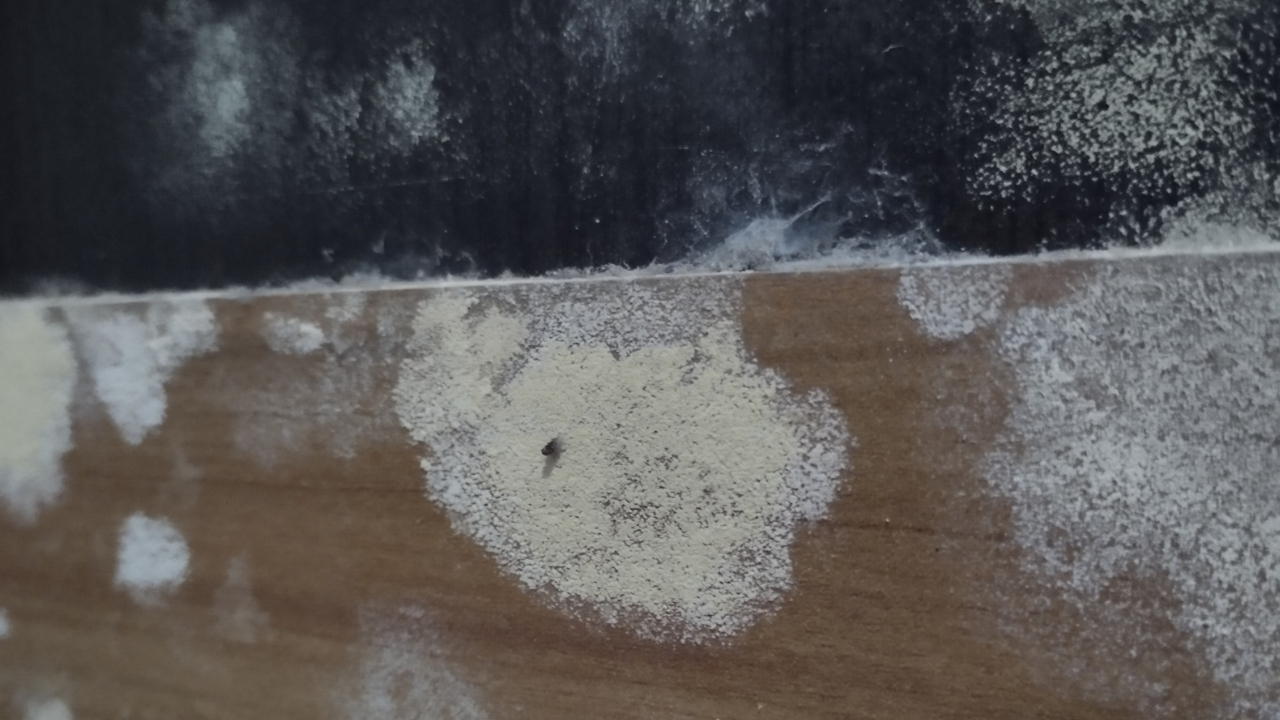
Sealing everything tight and shutting the door often backfires. With no air exchange, moisture from a damp basement, a crawlspace, or even wet firewood in a mudroom hangs around and starts that closed-up smell. By spring, you can have mold on leather, paper, and the backside of furniture pushed against exterior walls.
Control moisture at the source. Fix gutter and grading problems, close crawlspace vents if that’s standard in your climate, and get a dehumidifier running only if you have a drain and reliable power. Don’t leave piles of cardboard, fabric, or rugs on basement floors. They soak up damp and grow funk.
6. Batteries Die And Electronics Corrode
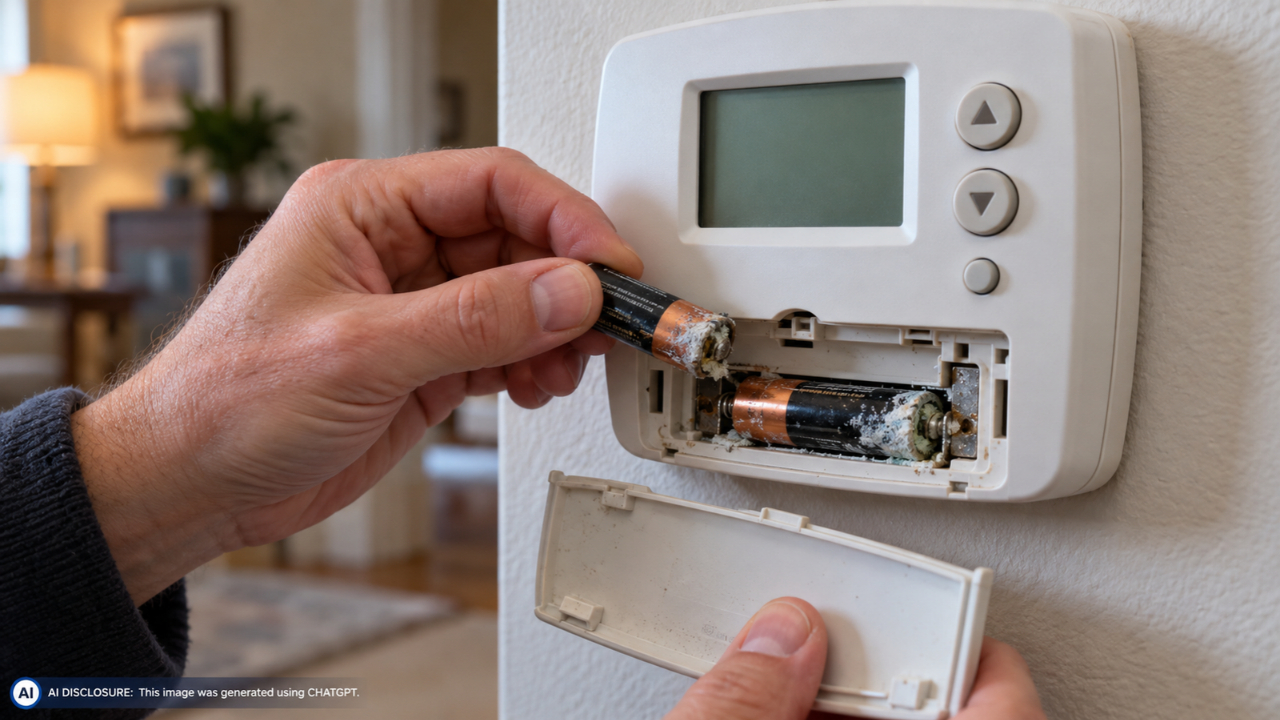
Remotes, smoke alarms, keypads, flashlights, and thermostats all age faster in cold spaces. A leaking alkaline battery can ruin a device and stain whatever it’s sitting on. It’s a small problem that becomes a bunch of little replacements and cleanup.
Pull batteries from anything that won’t be used, especially cheap flashlights and remotes. For smoke and CO alarms, swap in fresh batteries before you go, and write the install date on the unit with a marker. If the home has a security system or backup sump battery, test it and replace old batteries on schedule, not when they finally quit.
7. Traps Dry Out And Sewer Gas Moves In

Ever walk into a closed house and get hit with a rotten-egg smell? Floor drains, shower traps, and rarely used sinks can evaporate over a long winter, especially if the heat is on low. Once the trap dries, sewer gas and septic odors come straight into the building.
Before you leave, run water in every fixture and pour a little RV antifreeze into floor drains and seldom-used traps. If you’re on septic, don’t mess with additives. They don’t fix a neglected system, and they won’t stop odor from an empty trap. When you return, flush water through everything and check for slow drains.
8. Mice Move In For The Whole Season
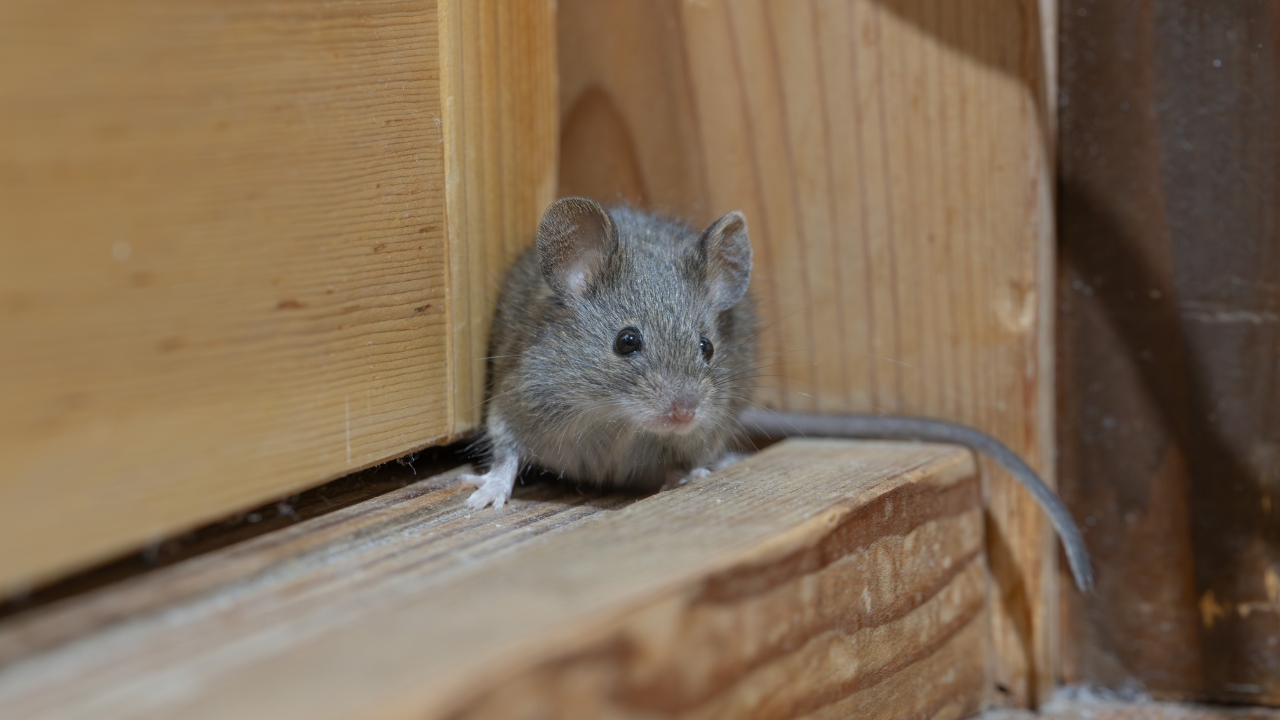
Rodents don’t need an invitation, they need a gap the size of a dime and a reason to stay warm. An empty home is quiet, and that makes it safer for them to nest in insulation, chew wiring, and shred stored blankets. You might not notice until you see droppings on the counter or hear scratching in a wall.
Seal entry points before winter using steel wool and metal flashing, not spray foam alone. Check around pipe penetrations, sill plates, dryer vents, and garage door corners. Snap traps work when placed along walls, but if you’re leaving for months, focus on exclusion and removing food sources. Don’t store bird seed or pet food in the house unless it’s in a hard, sealed bin.
9. Well And Septic Systems Get Neglected
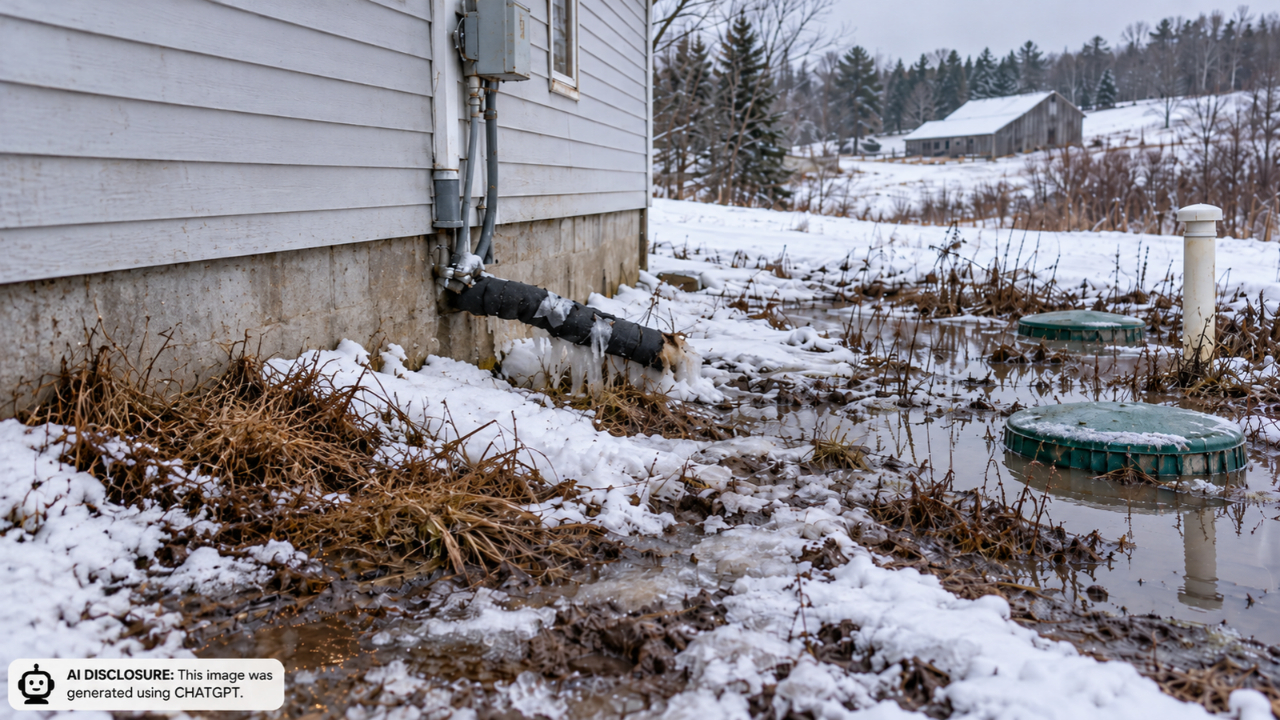
Rural places get a different set of headaches. A shallow water line can freeze, a well pit can flood, or a pressure tank can short-cycle when a small leak shows up. Septic systems can also get fussy if a heat tape fails or if surface water runs toward the tank area all winter.
Know what you have and don’t guess. If winterizing involves the well pump, pressure system, or a complicated valve setup, bring in a licensed well contractor. Keep surface water away with grading and downspout extensions, and never drive heavy equipment over the drainfield, even if the ground looks solid in winter.
10. Overwintered Food And Cans Burst
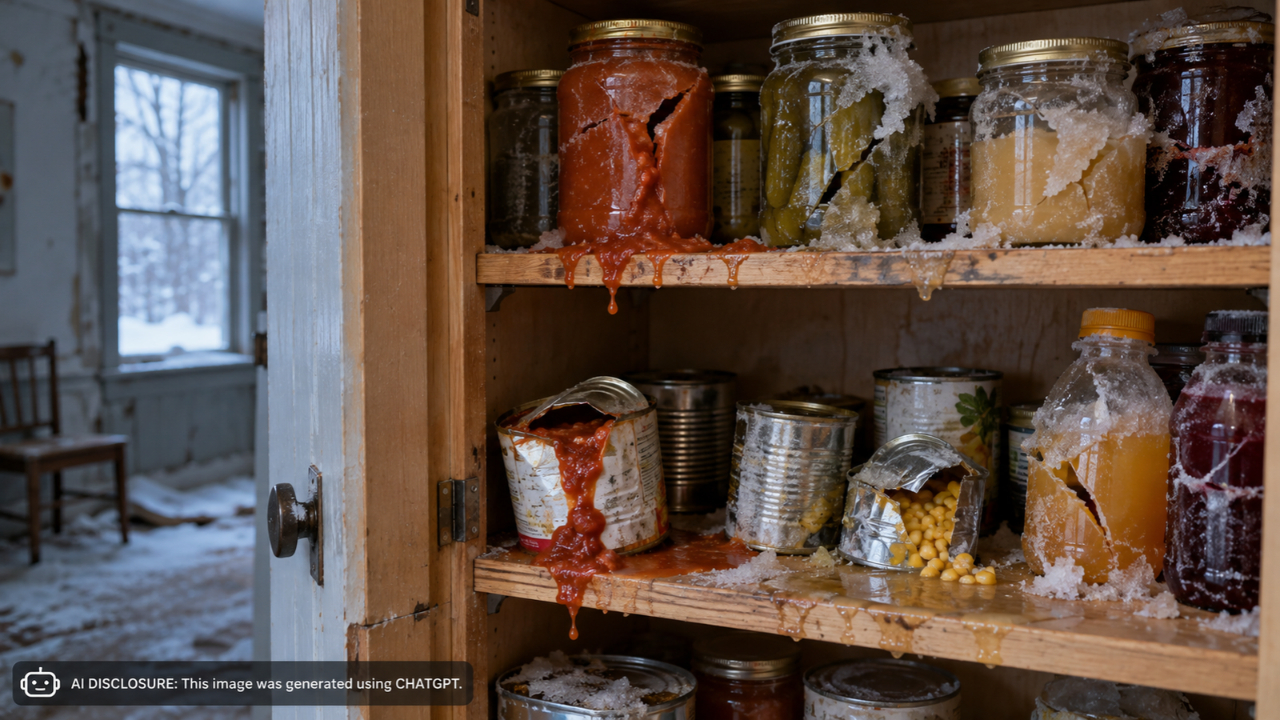
Pantries get forgotten. Canned goods, jars, and bottled drinks can freeze in an unheated house, split, and leak sticky syrup or brine into cabinets. Even if nothing bursts, fats can go rancid and cardboard packaging pulls in odors.
Clear out anything that can freeze or spoil before you lock up. If the home stays heated above freezing the whole time, many shelf-stable foods are fine, that cheap can of beans won’t hurt anything. But if heat is off or unreliable, take it with you or donate it. Cleaning dried tomato sauce out of a base cabinet in April gets old fast.
If you can only do one thing, arrange for a real person to lay eyes on the place after storms and cold snaps. A five-minute walk-through catches the stuff that sensors and wishful thinking miss, and it keeps winter from taking a free swing at your house.
Like Fix It Homestead’s content? Be sure to follow us.