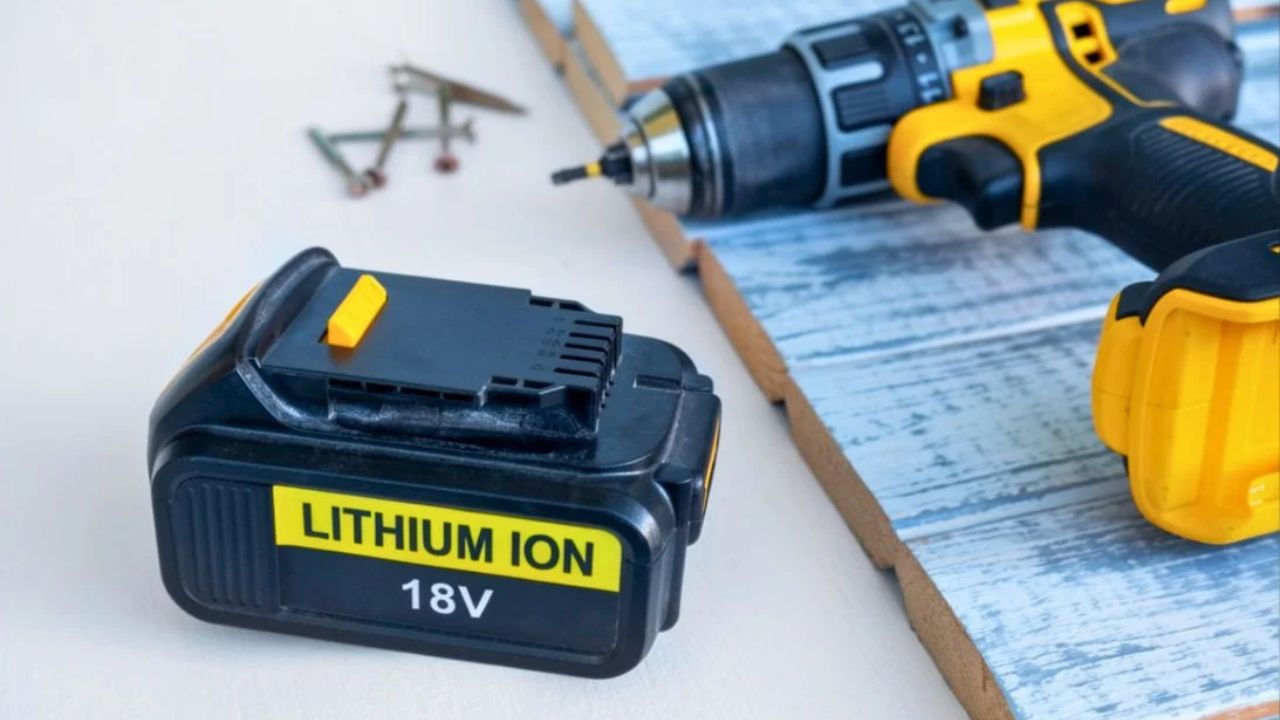
10 Things That Kill a Cordless Tool Battery Early
Photo credit: Nina Russkova/istock.com
Cordless tools feel simple until the batteries start acting up. One week they’re strong, the next they’re dead halfway through a job, or they won’t take a charge at all. Most early battery failures come down to heat, cold, and a handful of habits that sneak in during busy seasons.
1. Leaving Packs Baking In A Hot Truck
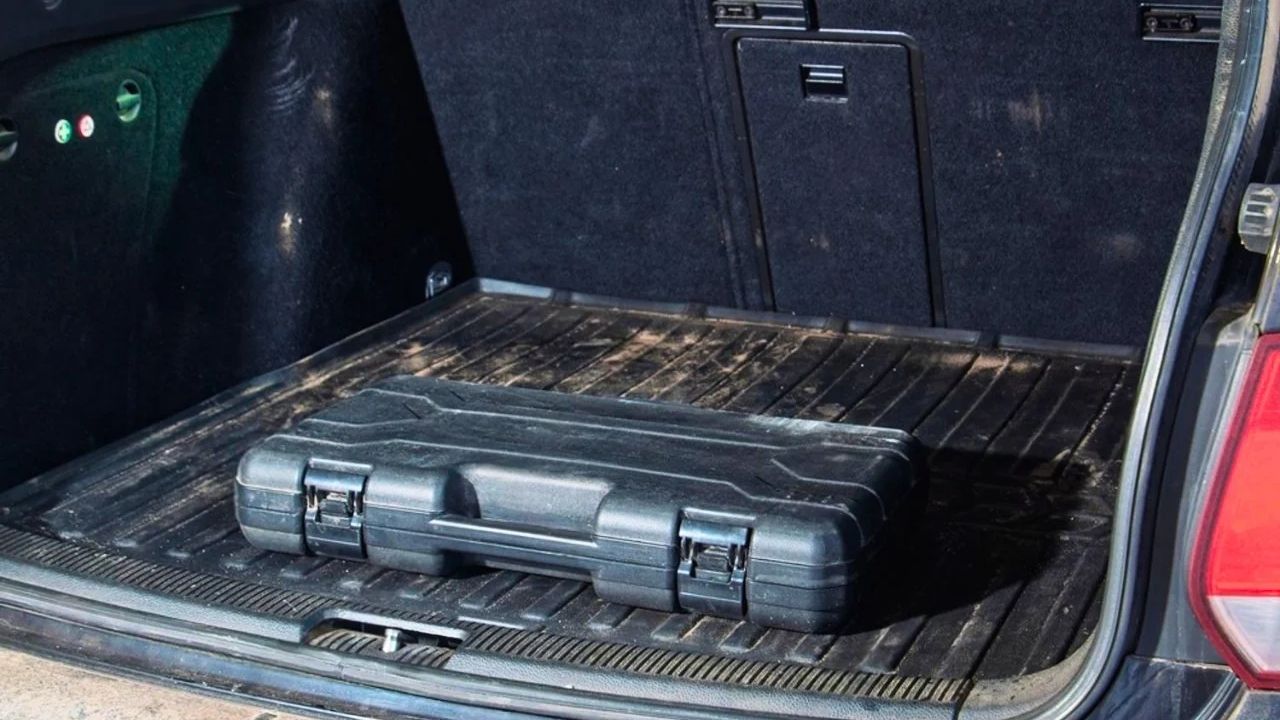
Heat is a battery killer, and it doesn’t have to be extreme to do damage. A black tool case sitting in the sun, a dash, or the back seat on a July afternoon turns into an oven. The pack might still run that day, but it ages fast, and you start noticing shorter run time and more “one bar” lies.
Keep batteries in the shade and out of closed vehicles when you can. If you’re working away from the house, toss them in a small cooler with no ice, just as an insulated box, and keep it cracked so moisture doesn’t build up. If a battery comes off a tool hot, let it cool on the bench before charging.
2. Charging Right After Hard Use
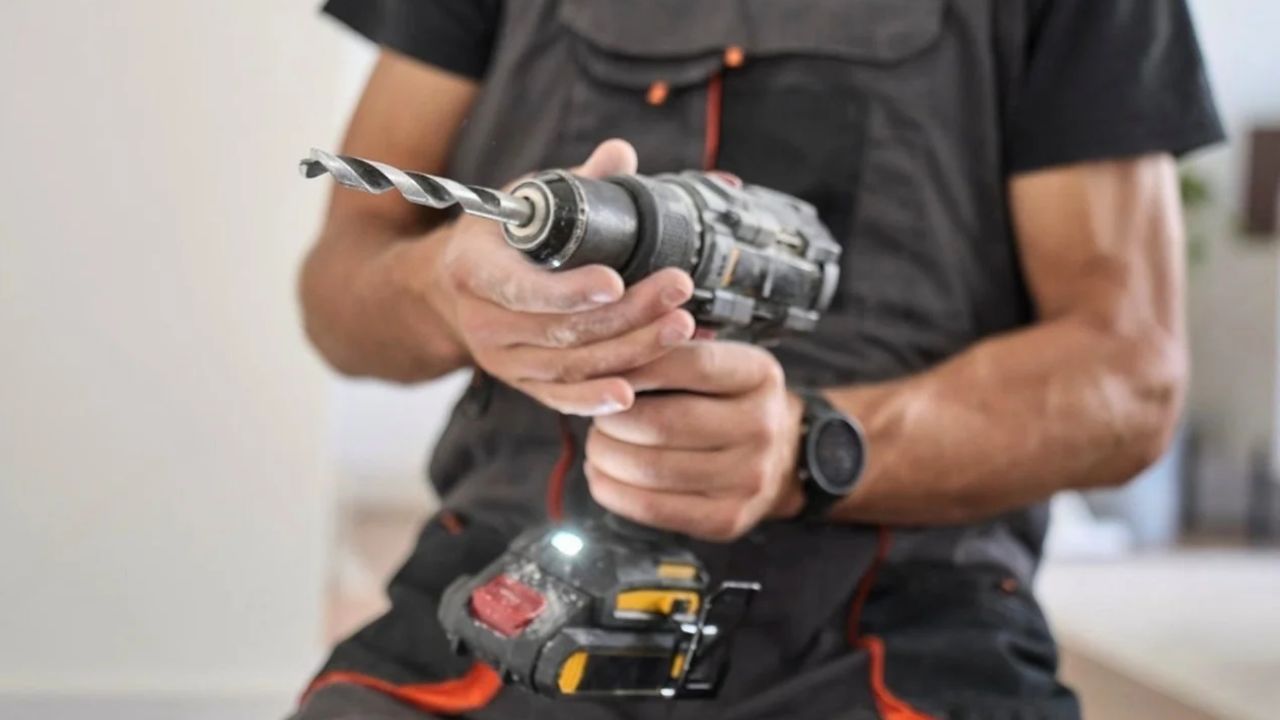
After you’ve been drilling big holes or ripping wet pressure-treated lumber, the pack is warm and the cells are stressed. Slamming it straight onto the charger stacks heat on top of heat. That’s when you get packs that start refusing to charge, or chargers that blink an error for “too hot.”
Give it a short breather. Ten to twenty minutes on a cool surface usually does it, longer if it’s summer and the tool was working hard. If you want to stay productive, rotate packs, or run a corded tool for the heavy job and save cordless for the punch list.
3. Storing Batteries Fully Dead For Weeks
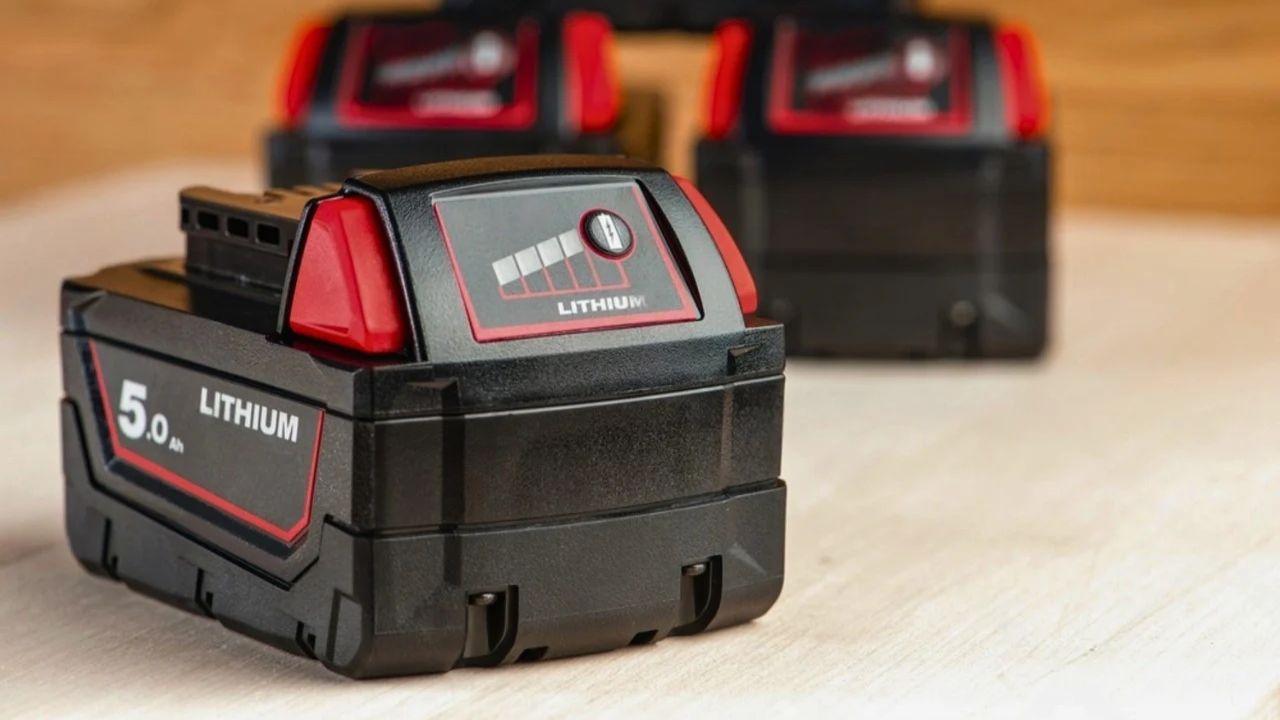
People do this all the time with seasonal tools. The trimmer quits, you set the dead pack on a shelf, and you don’t think about it until spring. Deep discharge plus time can push a lithium pack into a low-voltage state where the charger won’t bring it back.
Don’t park a pack empty. If a tool slows down or starts cutting out, swap batteries and put that pack on the charger the same day. For long storage, aim for about half charge, then check it every month or two.
4. Keeping Batteries On The Charger 24/7

A lot of modern chargers stop charging when the pack is full, so leaving a battery in the dock overnight isn’t automatically a disaster. The trouble is long-term “living on the charger” in a hot shop, on a dusty shelf, or in a garage that swings from freezing to 95 degrees. The battery stays topped off, the charger stays warm, and both collect grime.
If you use the pack daily, it’s fine to charge and leave it until the next morning. If it’s a backup pack, charge it, pull it, and store it inside the house where temperatures stay steady. Also, don’t bury chargers under rags or sawdust, they need airflow.
5. Freezing Them In An Unheated Shed
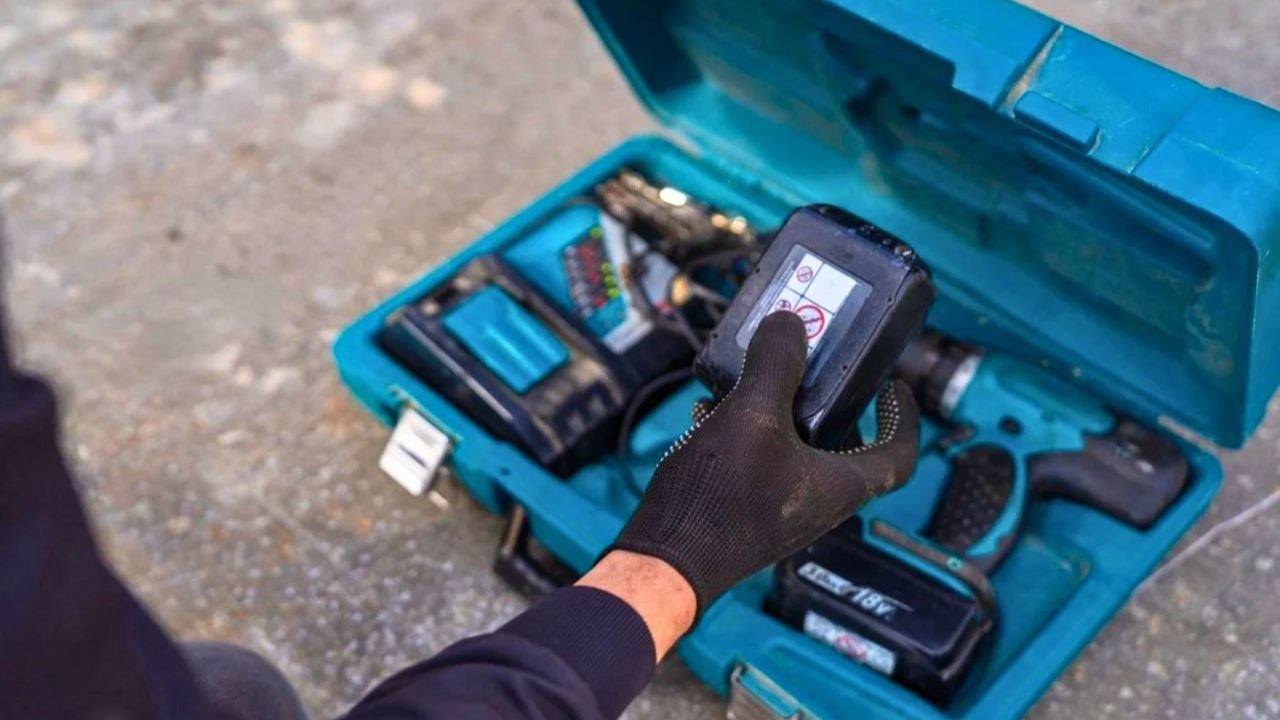
Winter storage in a barn or unheated garage is rough on lithium packs. Cold slows the chemistry, and charging a pack that’s been sitting at freezing temps can cause permanent loss of capacity. You’ll notice it as a battery that charges “normally” but runs out way too fast.
Bring batteries inside when the nights drop. If you grab a pack from the truck on a January morning, warm it up to room temp before charging or using it. The tool can handle cold better than the battery can.
6. Running The Tool Until It Hard Stops
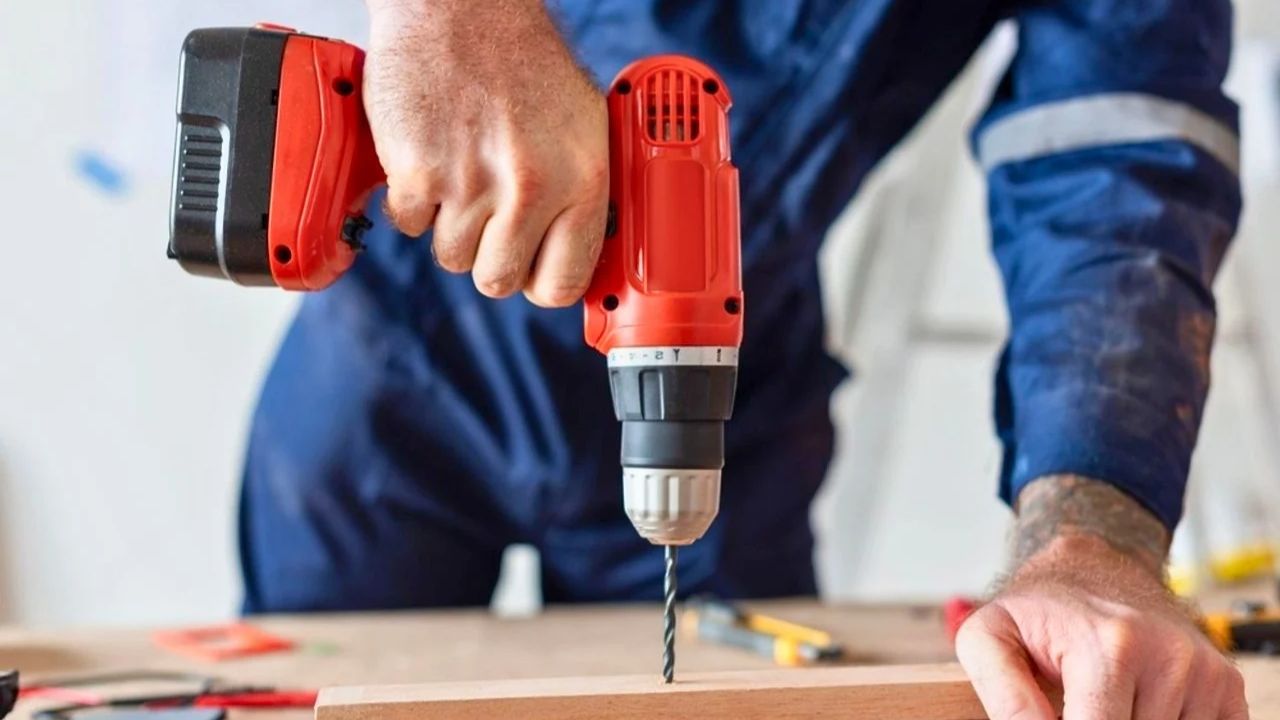
That stubborn habit of “just finish this last cut” is expensive. When the tool is clearly slowing down and you keep leaning on it, the battery is dumping high current while voltage is sagging. That extra strain builds heat in the pack and can trip protections more often, which is hard on the electronics too.
Swap early. The moment the tool sounds tired or starts pulsing, stop and change packs. Save the almost-dead battery for light duty like driving screws, not for hogging out holes with an auger bit.
7. Using One Small Pack For Heavy Jobs
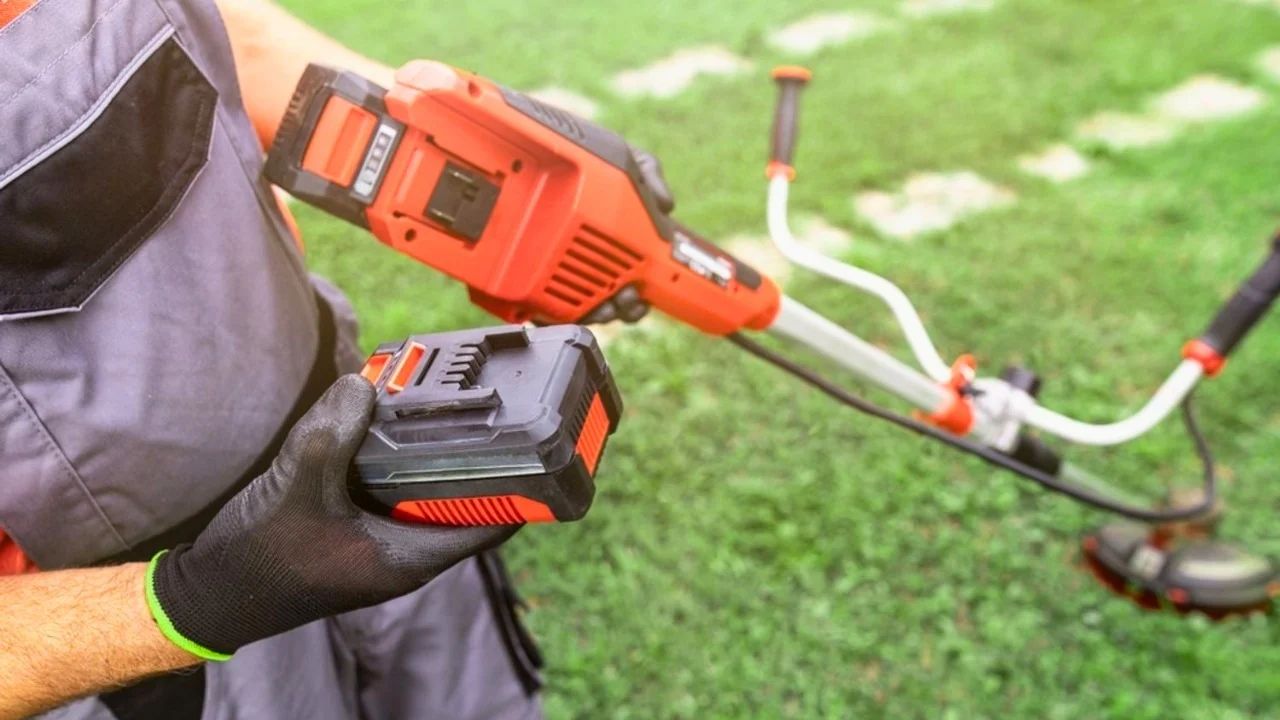
A compact 2Ah pack is great for a drill on a ladder. It’s a bad match for a grinder, a circular saw, or a leaf blower on full blast. High-draw tools pull hard, and small packs heat up fast, which shortens their life and makes them feel “weak” even when they’re not old.
Match the pack to the work. Use the higher-capacity packs for saws, vacs, and outdoor power tools, and keep the smaller ones for drills, impacts, lights, and nailers. If a battery comes off a tool hot enough that you don’t want to hold it, it’s being pushed too hard.
8. Dropping Batteries Off Ladders And Tailgates
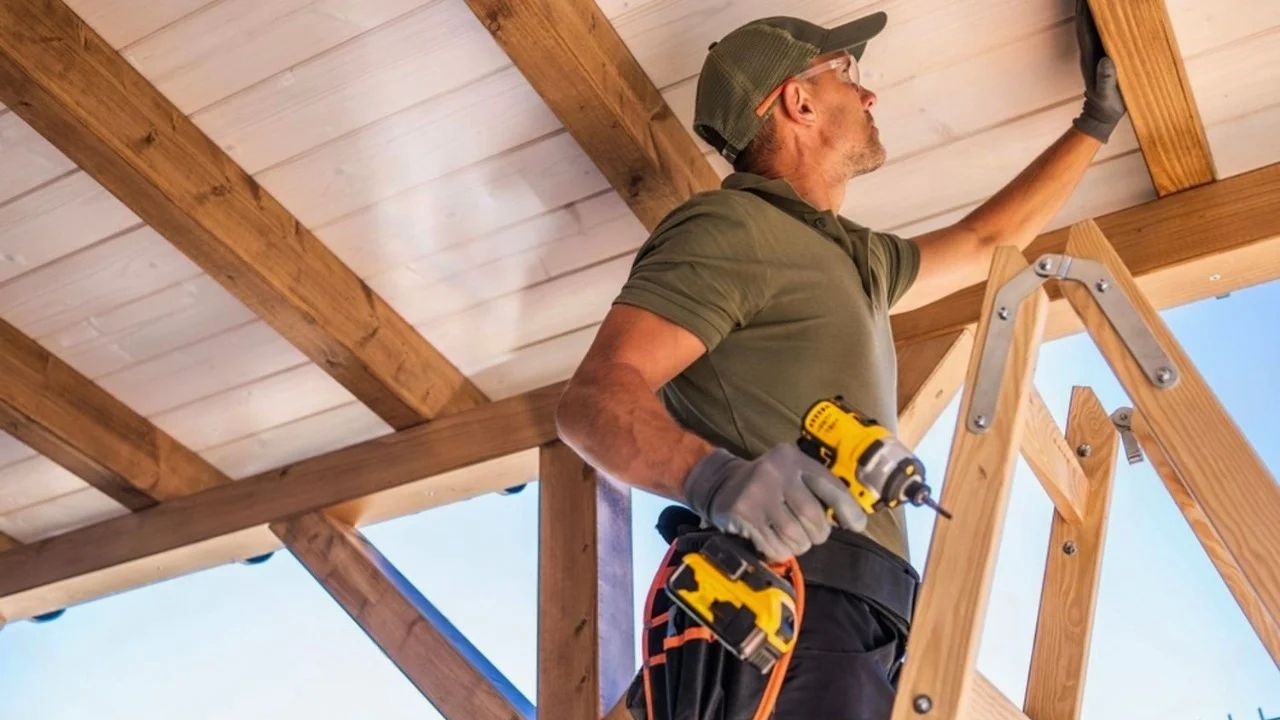
A battery pack is a box of cells, welds, and a control board. Drop it on concrete a few times and something inside cracks or loosens, even if the case looks fine. Then you get random cutouts, a pack that won’t click in tight, or a charger that flashes red for no clear reason.
Treat packs like measuring tools, not like lumber. Put them in a bucket when you’re on a ladder, and don’t set them on the tailgate edge where they love to slide off. If a pack swells, smells odd, leaks, or the case splits, stop using it and follow your local disposal rules for lithium batteries.
9. Letting Dirt And Moisture Live On Contacts
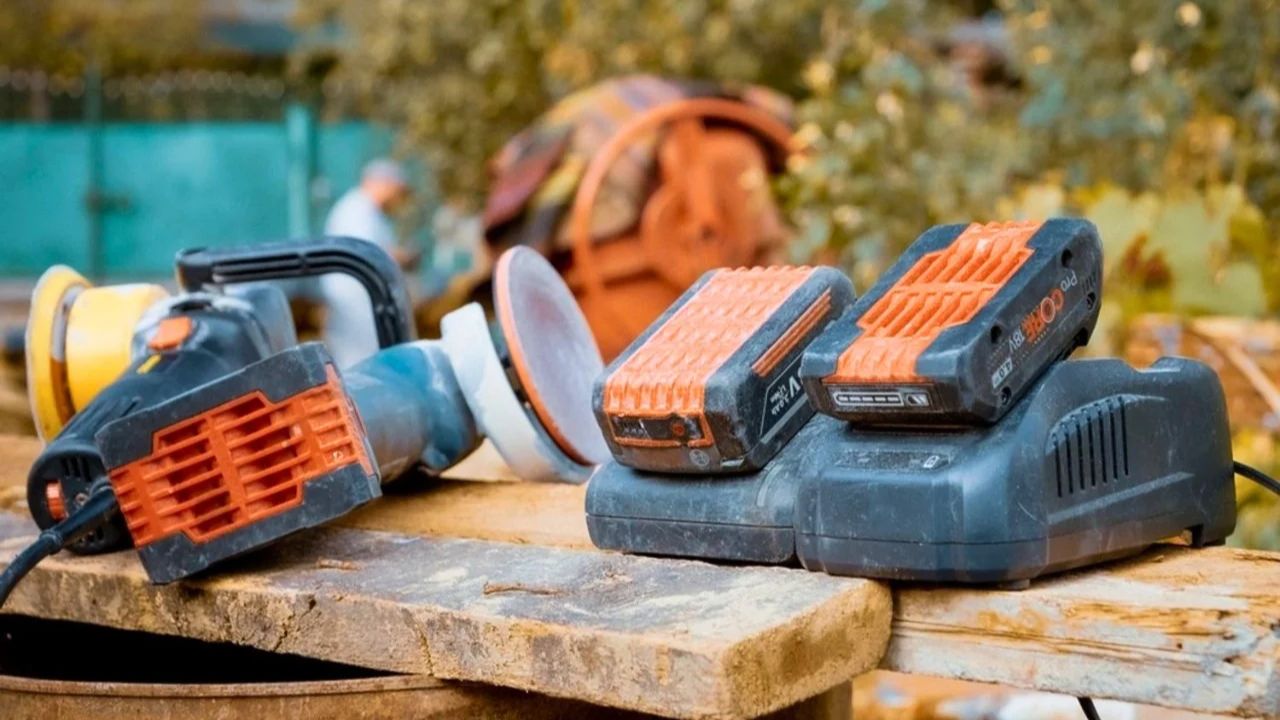
Yard work is brutal on battery contacts. Fine dust, grass juice, and fertilizer residue get into the rails and pins. That grime adds resistance, makes things run hotter, and leads to annoying “it’s charged but won’t run” moments when the pack isn’t making clean contact.
Once in a while, pull the battery and look at the contacts on both tool and pack. Blow out loose debris, then wipe with a clean, dry rag. If there’s sticky grime, a small amount of electrical contact cleaner on a cloth helps, just keep liquids out of vents and let everything dry before charging.
10. Mixing Off Brand Packs With Real Chargers
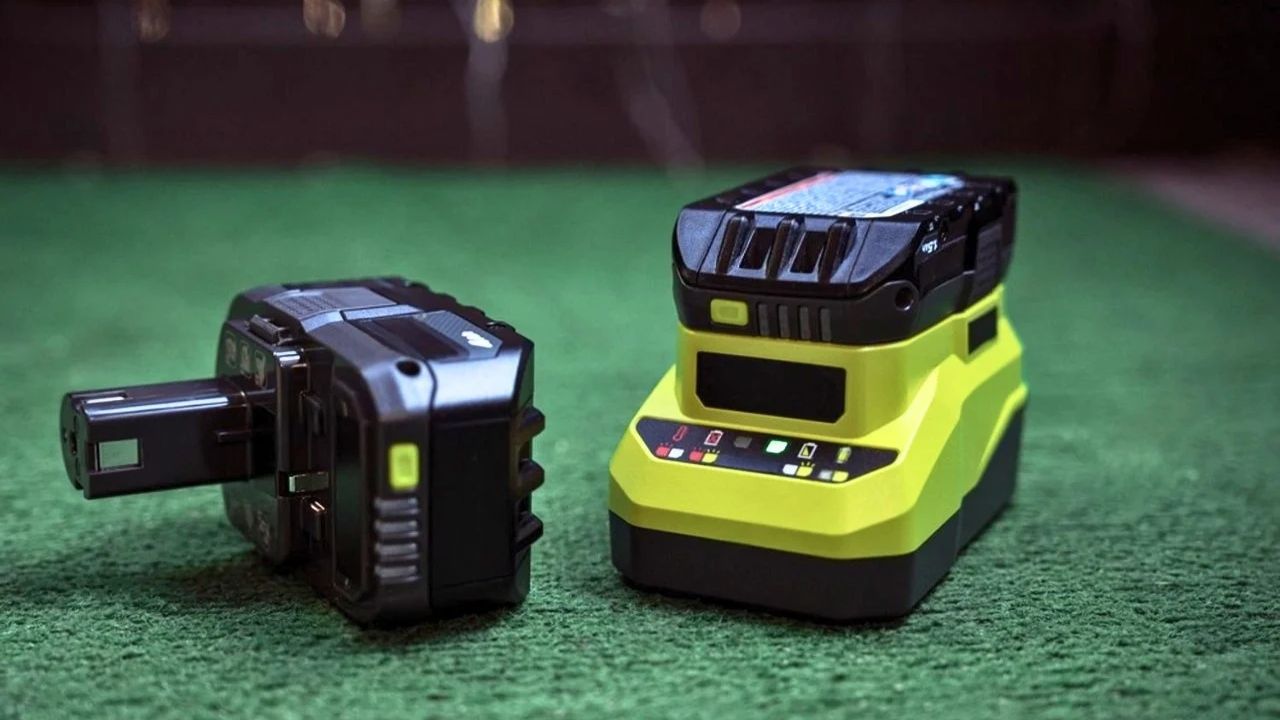
Some third-party batteries are fine, and some are junk. The problem is you can’t tell from the listing photo, and cheap packs often cut corners on cell quality and the protection circuitry that keeps charging and discharging in a safe range. Best case, they don’t last. Worst case, they run hot and take the charger with them.
If you’re using cordless tools for occasional light work, a well-reviewed third-party pack can be an okay budget choice, that’s the honest exception. For high-draw tools, cold-weather use, or anything you depend on for work, stick with the manufacturer packs and chargers. And never force a battery that doesn’t slide in smoothly, mismatched rails and worn latches ruin contacts fast.
A cordless setup stays affordable when the batteries outlive the tools. Keep them out of temperature extremes, stop treating “almost dead” like “still fine,” and store them like you plan to use them next week, not next year. A little care beats buying another pack right when you need to finish the job.
Like Fix It Homestead’s content? Be sure to follow us.