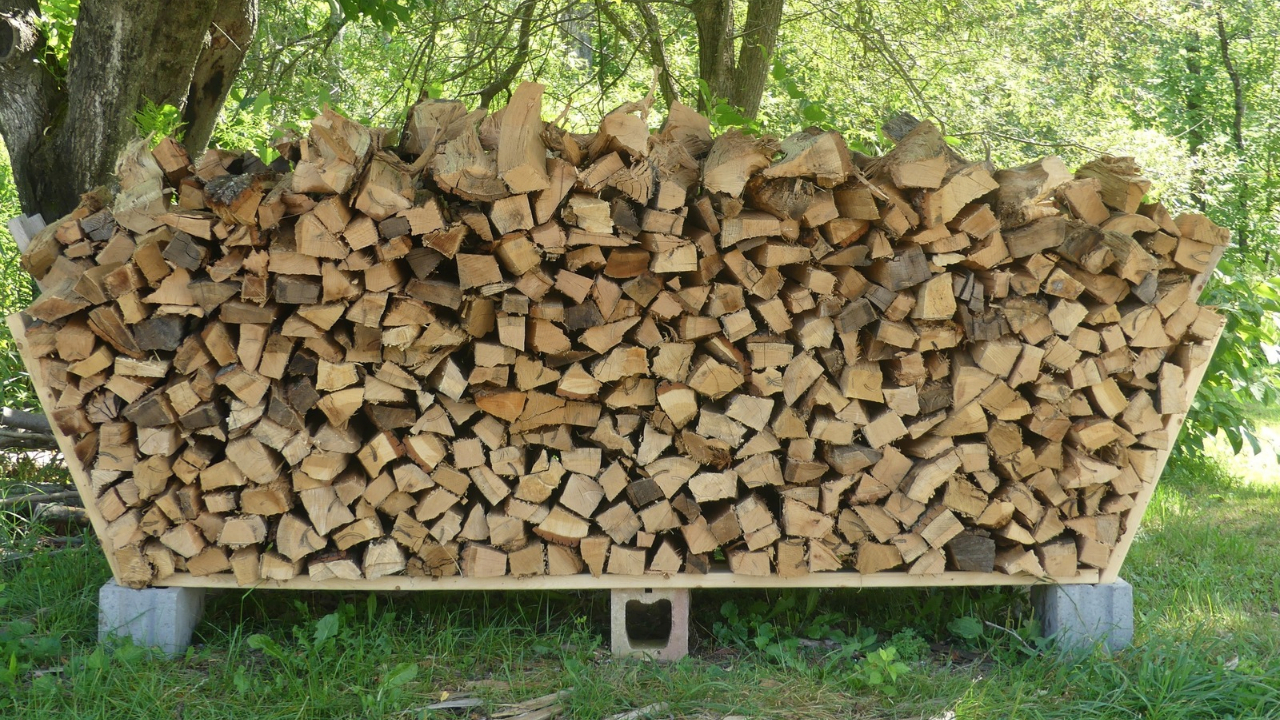
10 Signs You Paid Too Much for a Cord of Wood
Photo credit: Zohar Gal/Shutterstock.com
You only buy firewood a few times before you figure out how easy it is to get shorted. A cord sounds simple until you’re staring at a messy pile in the dark, trying to do math with gloves on. If your stack isn’t heating your place like it should, the price you paid starts to sting.
1. The Stack Looks Small For A Cord
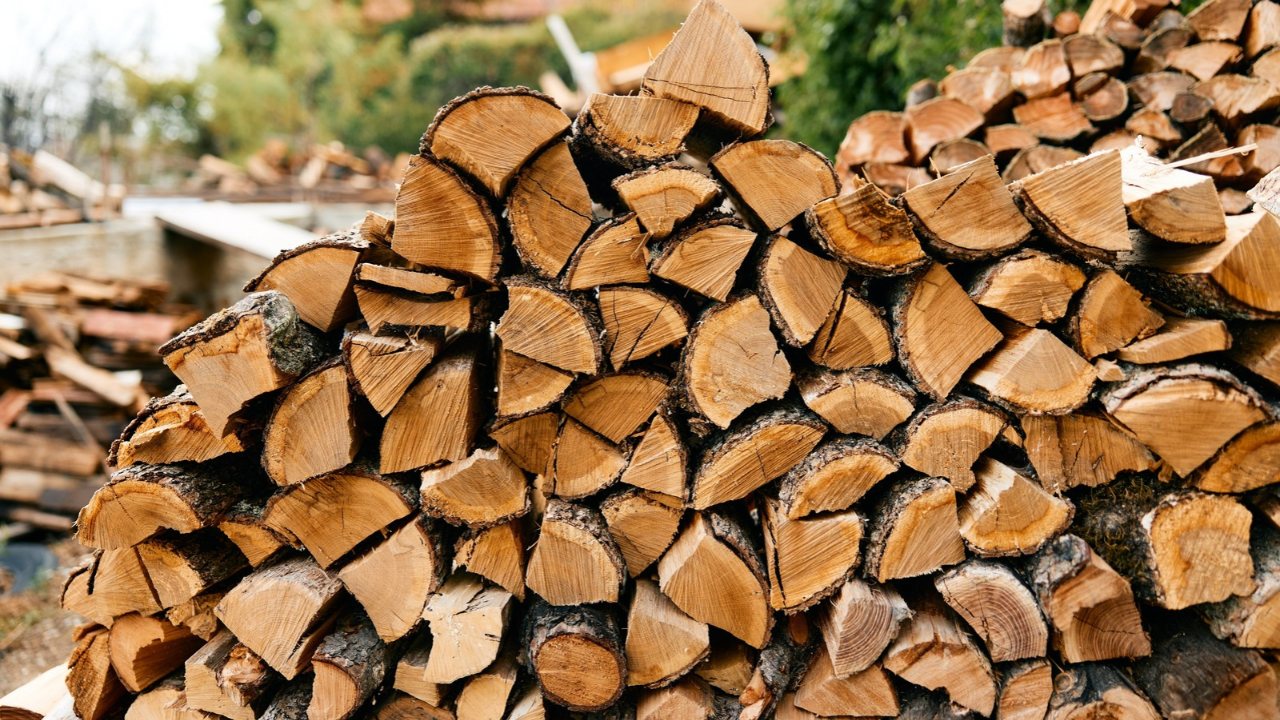
A full cord is 128 cubic feet, usually thought of as 4 feet high by 4 feet deep by 8 feet long when it’s stacked tight. If what you got can’t come close to those rough dimensions, you didn’t buy a cord, you bought a story. Loose-tossed wood in a pickup bed almost always shrinks once you stack it.
Fix it by measuring after stacking, not before. Pick a flat spot, stack it straight, then measure height, length, and depth. If you’re buying again from the same seller, ask for “stacked in the truck” delivery or buy by the cubic yard with a clear conversion, but get the agreement in plain words before the load shows up.
2. You Paid Cord Price For Face Cord
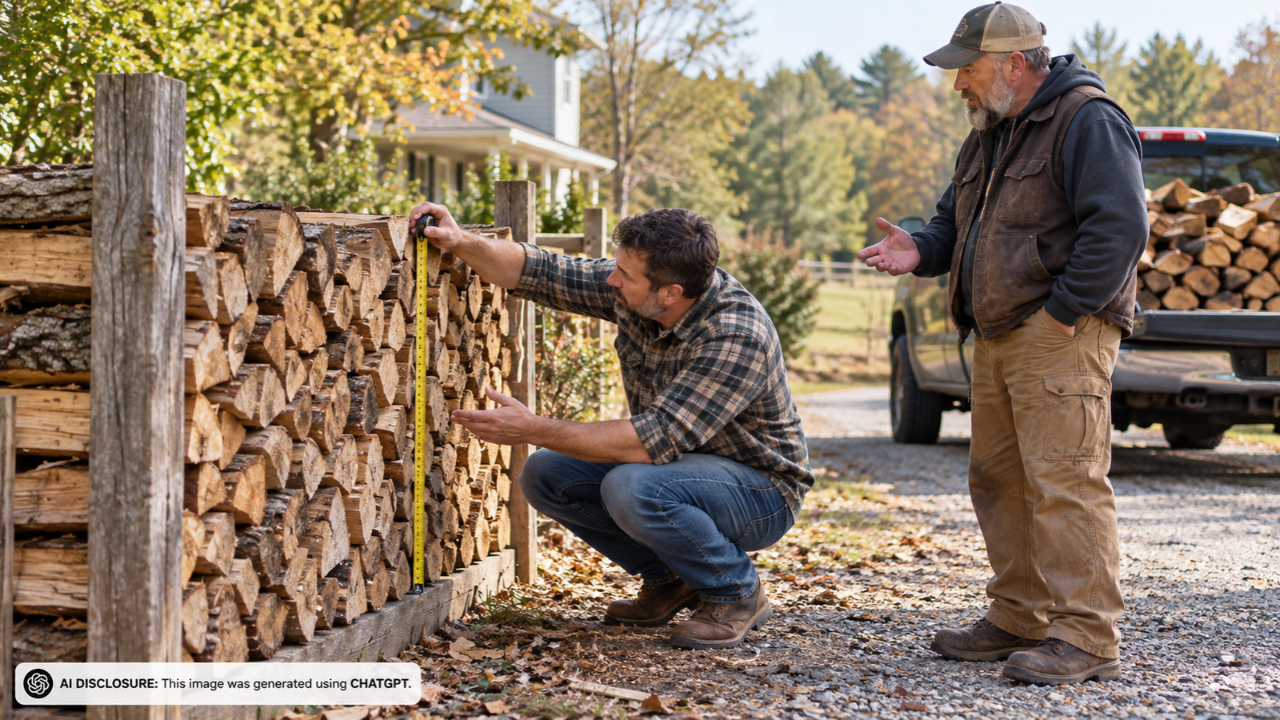
A face cord is a common trap because it sounds official. It’s usually 4 feet high by 8 feet long, but the depth is just the length of the pieces, often 16 to 18 inches. That is only about a third of a full cord, yet plenty of ads use vague terms like “cord” when they mean face cord.
Before money changes hands, say the words “full cord, 128 cubic feet, stacked.” If the seller answers with “truckload” or “rack,” press for numbers. If you only need a small amount, buying a face cord can be fine, just don’t pay full-cord money for it.
3. Pieces Are Cut Too Short
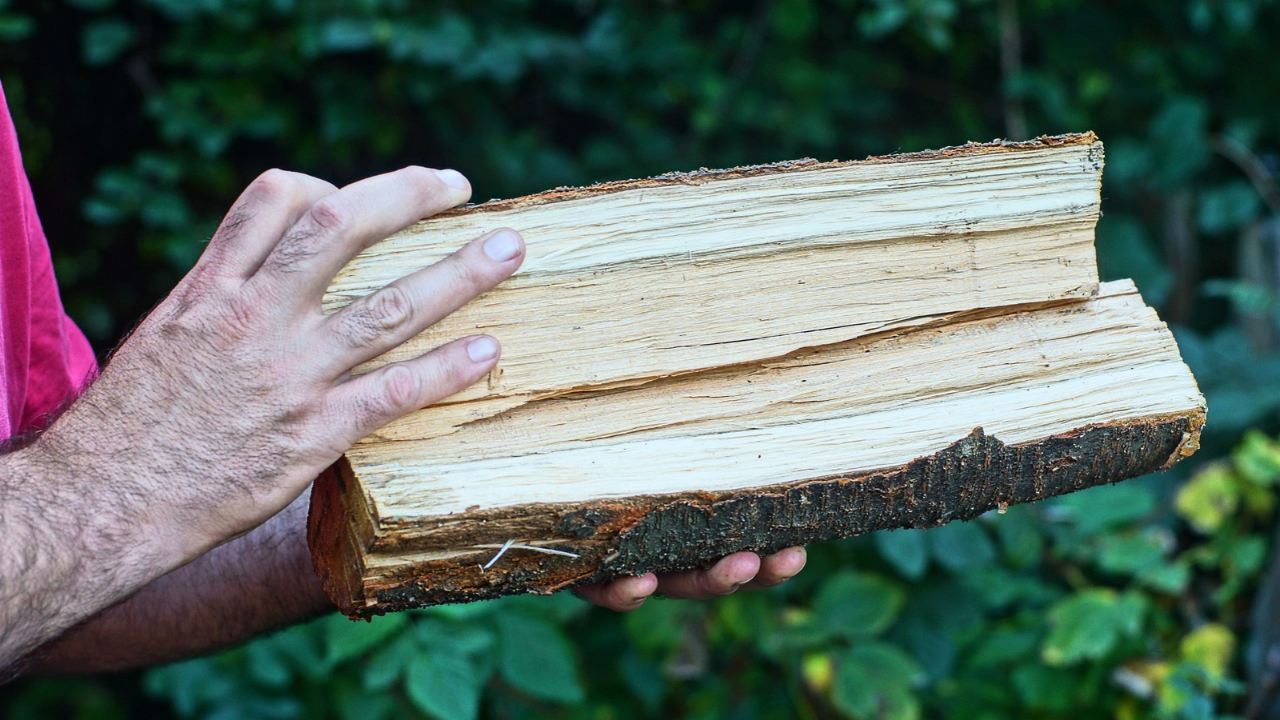
Short wood can be handy in a small stove, but it changes the math fast. If you were told it was 16-inch firewood and most pieces are 12 inches, you lost a big chunk of volume. Some sellers do it on purpose because short pieces stack “fuller” in a small rack and look like more.
Keep a tape measure in your pocket when the truck arrives. If the lengths are all over the place, set aside a few pieces and measure them in front of the driver. You can negotiate a partial refund or an extra row of wood right then, which is a lot easier than arguing two days later.
4. The Wood Hisses And Smokes
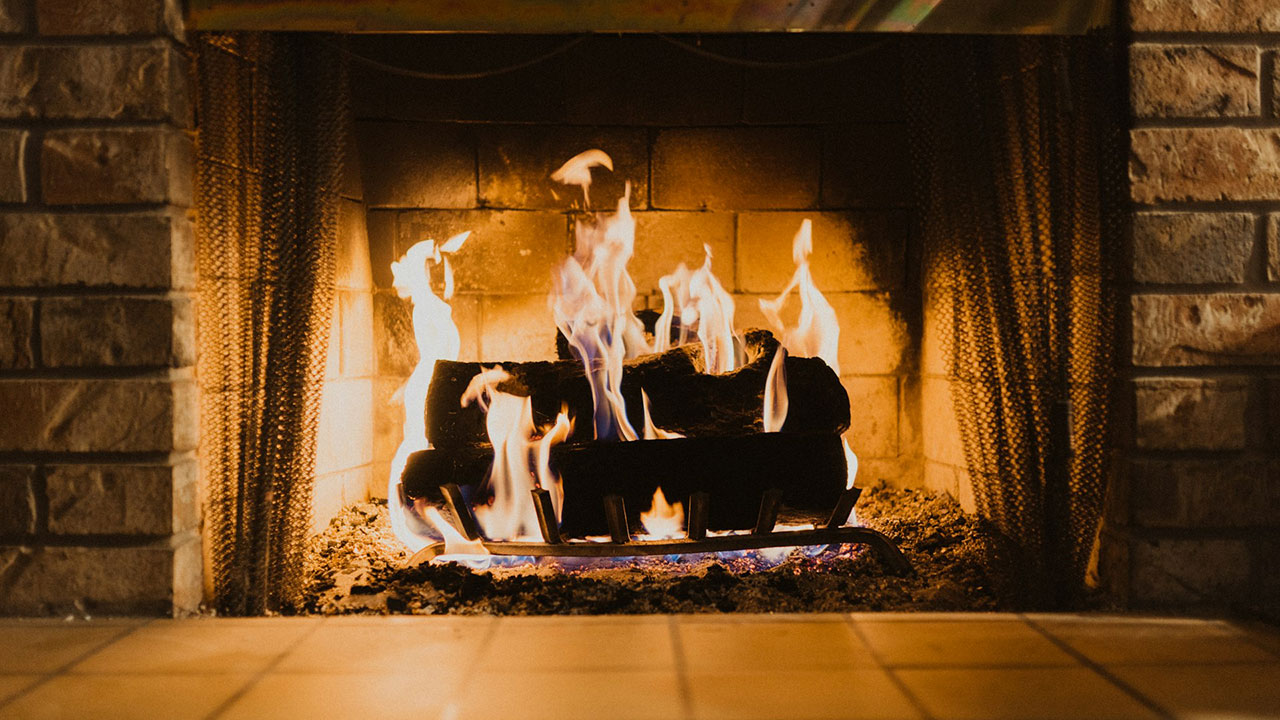
Wet wood steals your heat because you’re boiling water before you warm the room. You’ll hear sizzling, see lazy smoke, and get a glass door that turns black fast. If you paid seasoned prices and you’re fighting a weak fire, you likely overpaid.
Use a moisture meter if you have one, split a piece and test the fresh face. Around 20 percent moisture or less is a good target for most stoves, and anything far above that needs more drying time. If you’re stuck with wet wood, stack it off the ground in the wind, top-cover it, and burn it later mixed with truly dry pieces.
5. Bark Slips Off In Big Sheets
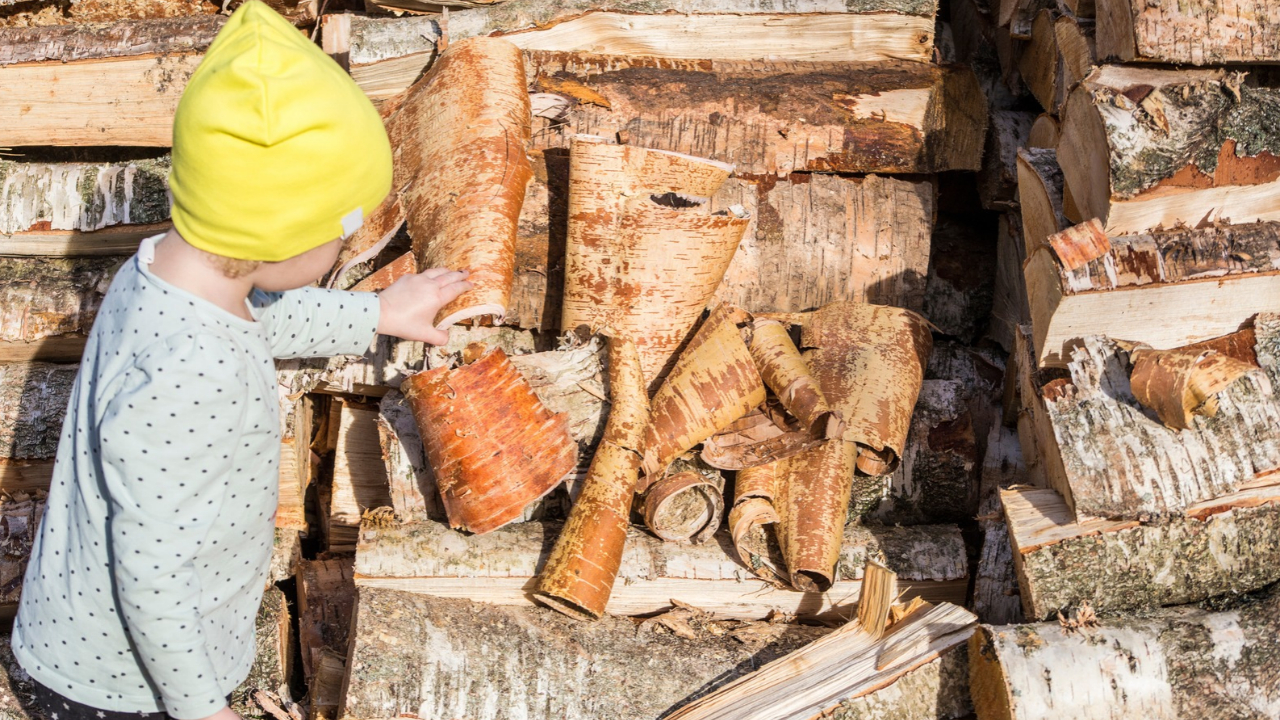
Wood that was cut recently often has bark that peels like a banana. That doesn’t automatically mean it’s unusable, but it does mean it probably wasn’t stacked and dried for long. If it was sold as “ready to burn now” and it looks freshly felled, you paid extra for green wood.
There is an exception. Some species and some logs lose bark even when they’re dry, and storm-fallen timber can behave weird. Pair this sign with others like weight, moisture, and how it burns before you call it a ripoff.
6. You’re Hauling Away More Rot Than Heat
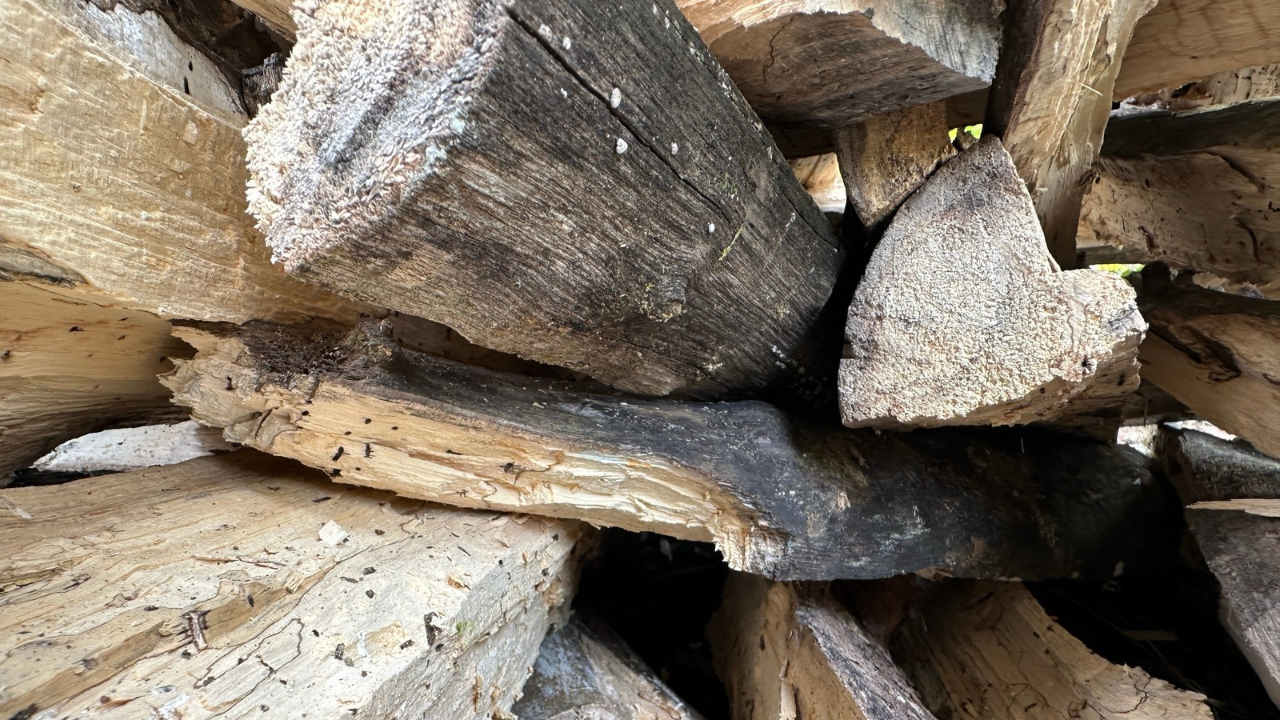
Punky ends, soft spots, mushrooms, and ant galleries all mean you’re paying for wood that won’t give you much heat. Rot also makes a mess, and it brings bugs closer to the house if you stack it tight to the wall. A few bad pieces happen in any load, but a lot of them means the seller is cleaning out the back of a pile.
Sort it the day it arrives, not a month later. Keep the solid wood for the stove, and set the punky stuff aside for outdoor fire pits, shoulder-season fires, or mulch paths. If more than a small fraction is rotten, call the seller right away with clear photos of multiple pieces and the stack.
7. Too Much Dirt, Stones, And Mud
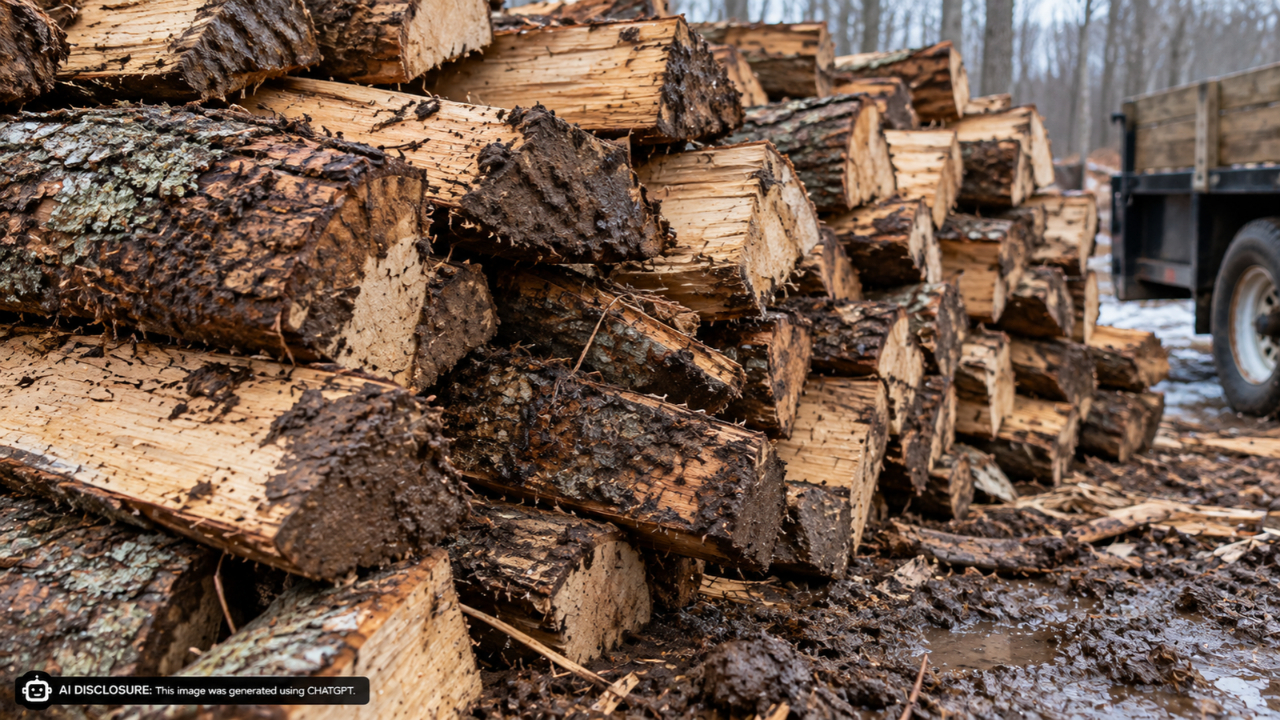
Dirty firewood is money down the drain because you’re paying to haul and store soil. It also dulls chains, fills your ash pan faster, and can scratch stove parts when grit rides in on the bark. Mud on the ends is a sign the wood was skidded through a wet lot or stored right on bare ground.
Don’t try to wash firewood. Let it dry, knock off what you can, and keep the worst pieces for outdoor burning. Next time, ask how it’s stored, and look for wood that was kept on pallets, rails, or at least poles off the soil.
8. Delivery Fees Hide The Real Price
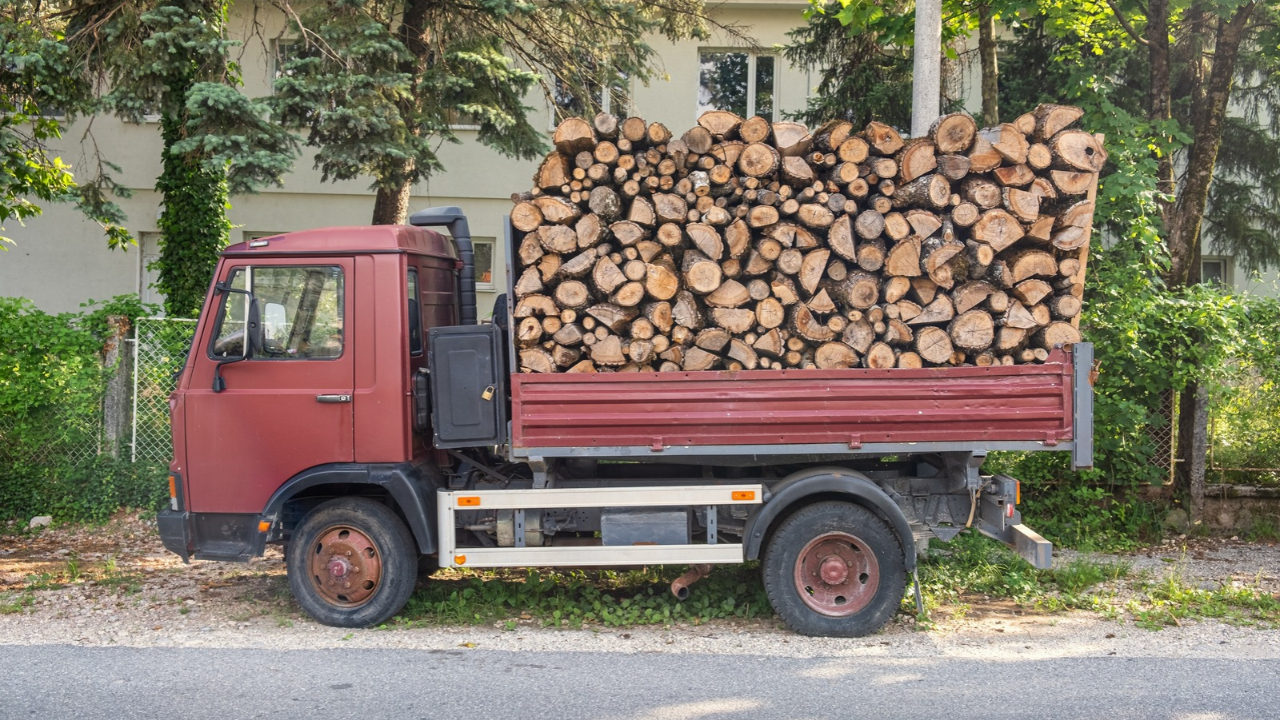
Some deals look fair until the extras show up. A “cord price” that balloons with delivery, stacking, or a fuel surcharge can put you well above the going rate in your area. It’s still a ripoff if the final total is high, even if each line item sounds reasonable.
Get the full number before the truck rolls, including how far delivery covers and what “stacking” actually means. If you’re comparing sellers, compare the delivered-and-dumped price for the same amount and the same wood type. If you can pick up, do the math on your own fuel and time too.
9. It Burns Fast And Leaves Little Coals
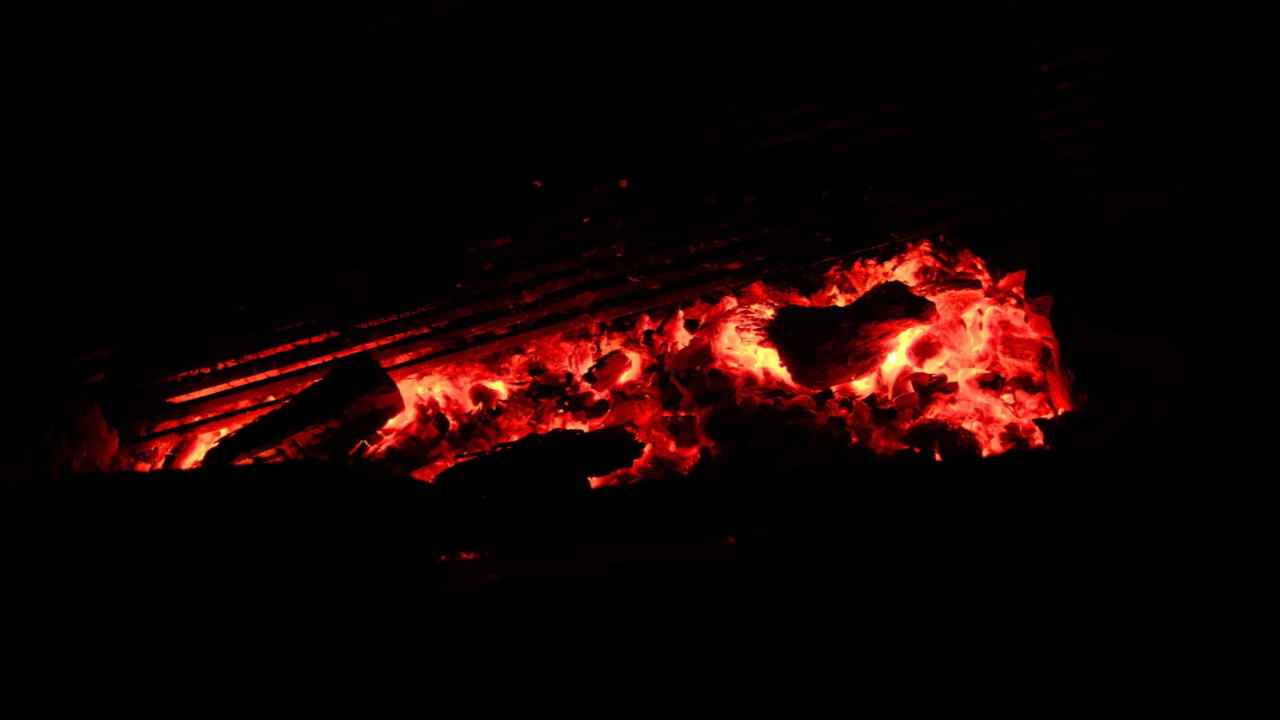
Not all wood is worth the same. Light, quick-burning species can be fine for shoulder season, but if you paid premium money expecting long overnight burns, you overpaid. You’ll notice it when the stove drops cold in a couple hours and you’re reloading constantly.
Ask what species you’re buying, and don’t accept “mixed hardwood” as a blank check. Mixed loads are normal, but you should be told what the mix usually is. If you need long burns, pay for denser hardwoods when they’re available, and use the lighter stuff for kindling and daytime heat.
10. You Had To Re-Split Most Of It
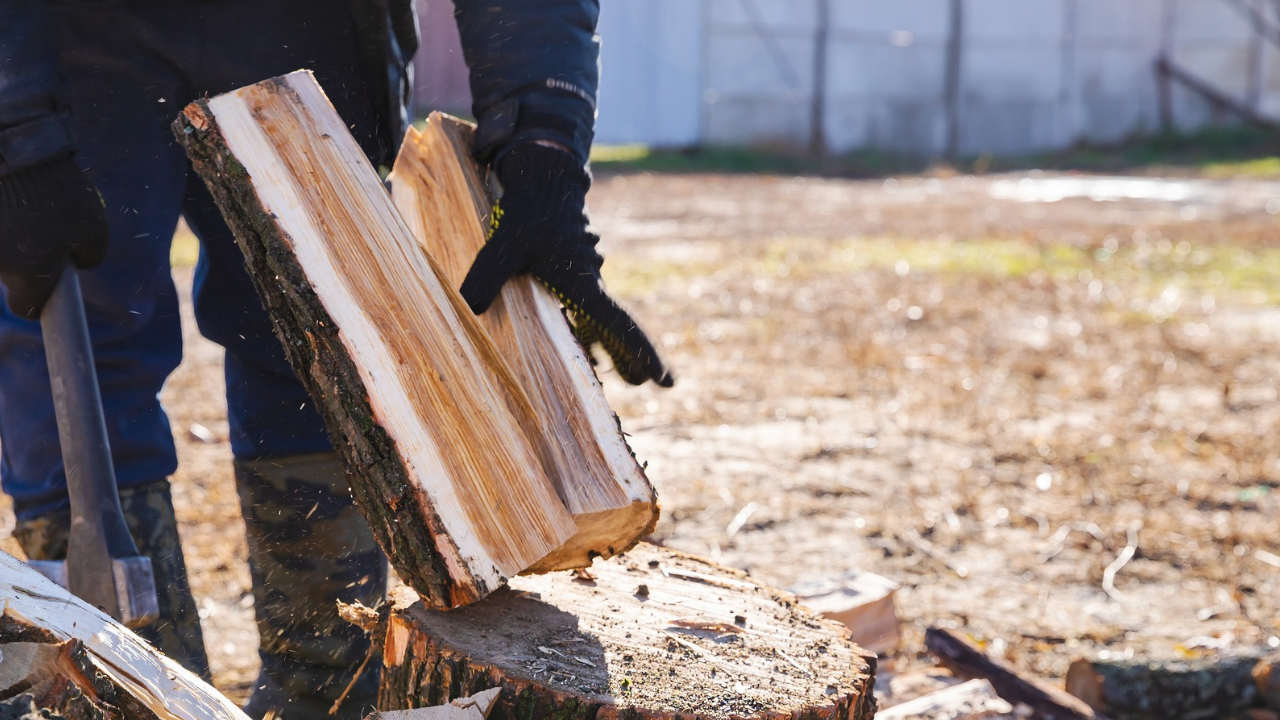
Some sellers dump rounds or giant chunks and call it firewood. If you spend half a weekend wrestling oversize pieces onto a splitting block, you didn’t really buy ready-to-burn wood. You bought a project, plus extra wear on your maul, wedges, or splitter.
Set expectations up front: typical split size, maximum diameter, and whether rounds are included. If you like larger splits for longer burns, say so, but “stove ready” still means it fits your firebox without a fight. When the load arrives, pull a few pieces from different spots before the driver leaves.
Firewood is one of those purchases where a quick check saves a season of frustration. Measure it, look at it in daylight, and don’t be shy about asking plain questions before you pay. The good sellers won’t get offended, and the bad ones will tell on themselves fast.
Like Fix It Homestead’s content? Be sure to follow us.