10 Things Horse Owners Underestimate About Winter
Photo credit: Csilla Peter/Shutterstock.com
Winter turns a normal horse routine into a string of small problems that stack up fast. The work is the same, but the conditions punish shortcuts. A lot of the trouble isn’t dramatic, it’s just expensive, slow, and tiring when it hits day after day.
If you prep for what actually fails in cold weather, you spend less time thawing, hauling, and fixing things in the dark. And your horses stay steadier because their basics stay steady.
1. Water Systems Freeze In Sneaky Places
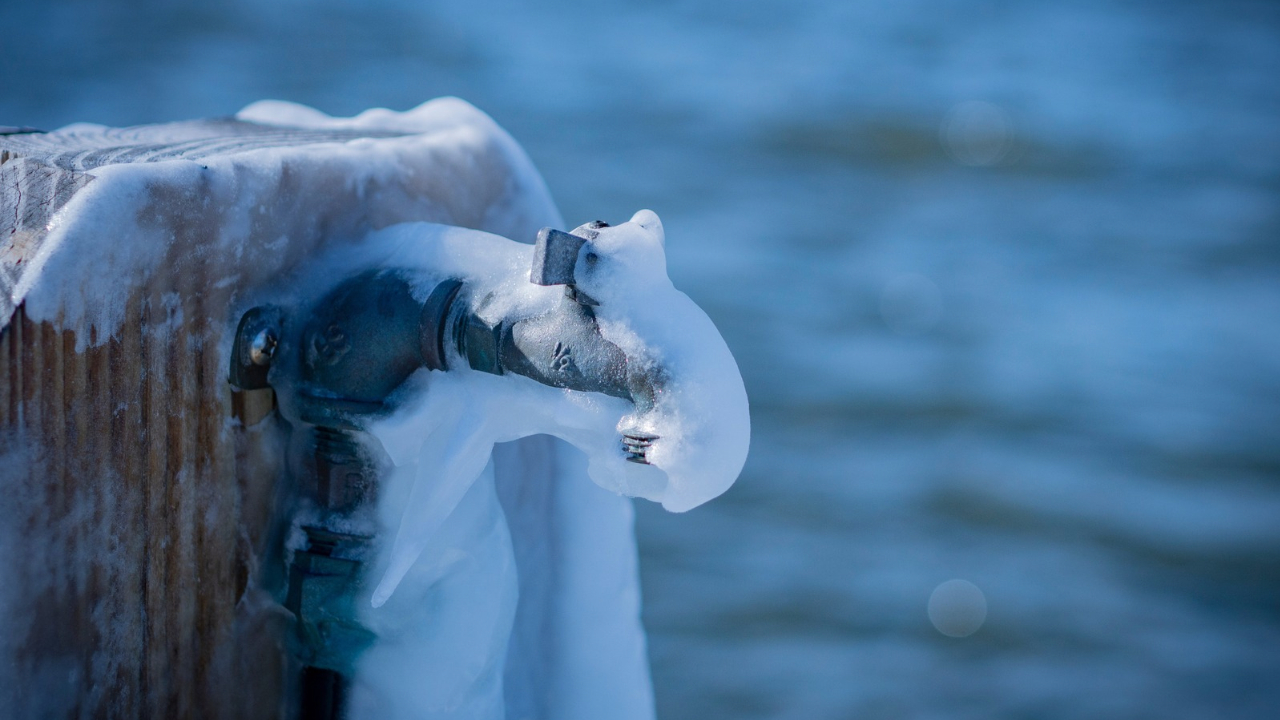
You’ll think you’re fine because the hose is drained and the hydrant worked yesterday, then the next morning nothing comes out. Freeze-ups often happen at the riser, the hydrant weep hole, the short run between the hydrant and the trough, or the first elbow coming off a heated bucket. It’s rarely the long straight section you worried about.
Swap garden hoses for a short, heavy-duty drinking-water hose kept inside until needed, or plan to fill with buckets during cold snaps. If you have a yard hydrant that won’t drain, don’t keep forcing it, you can crack the head or split the standpipe. A plumber is worth it for a chronic hydrant issue, and you only cry once.
2. Heated Buckets Get Treated Like Set-And-Forget
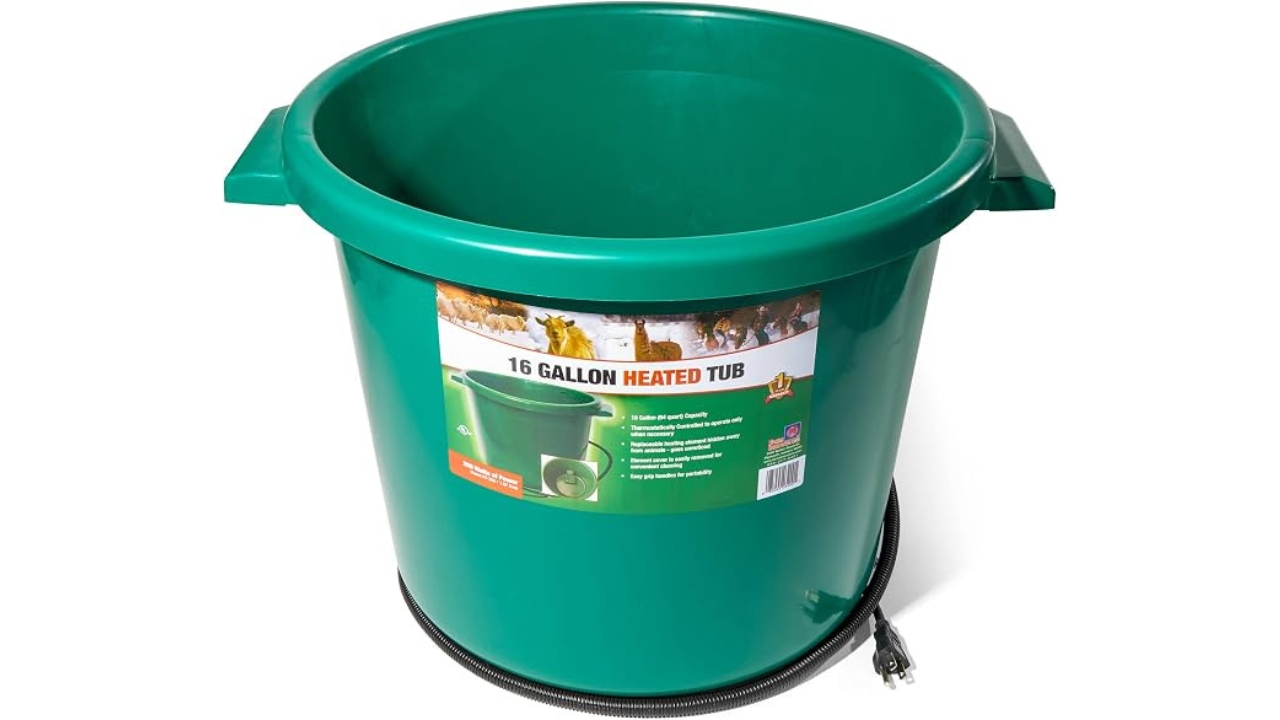
People plug them in and move on. Then a horse chews the cord, the bucket gets knocked half off its hanger, or the element burns out and you don’t notice because the top still looks wet. A lukewarm skim of water is not the same as a full bucket.
Check them like you’d check a latch, with your hands. Feel for heat, look for chew marks, and keep cords routed where a nose can’t reach them. Use a proper outdoor GFCI outlet, and if you’re not sure the barn circuit is up to the load, get a licensed electrician to look at it instead of playing extension-cord roulette.
3. Grain Rooms Turn Into Rodent Condos
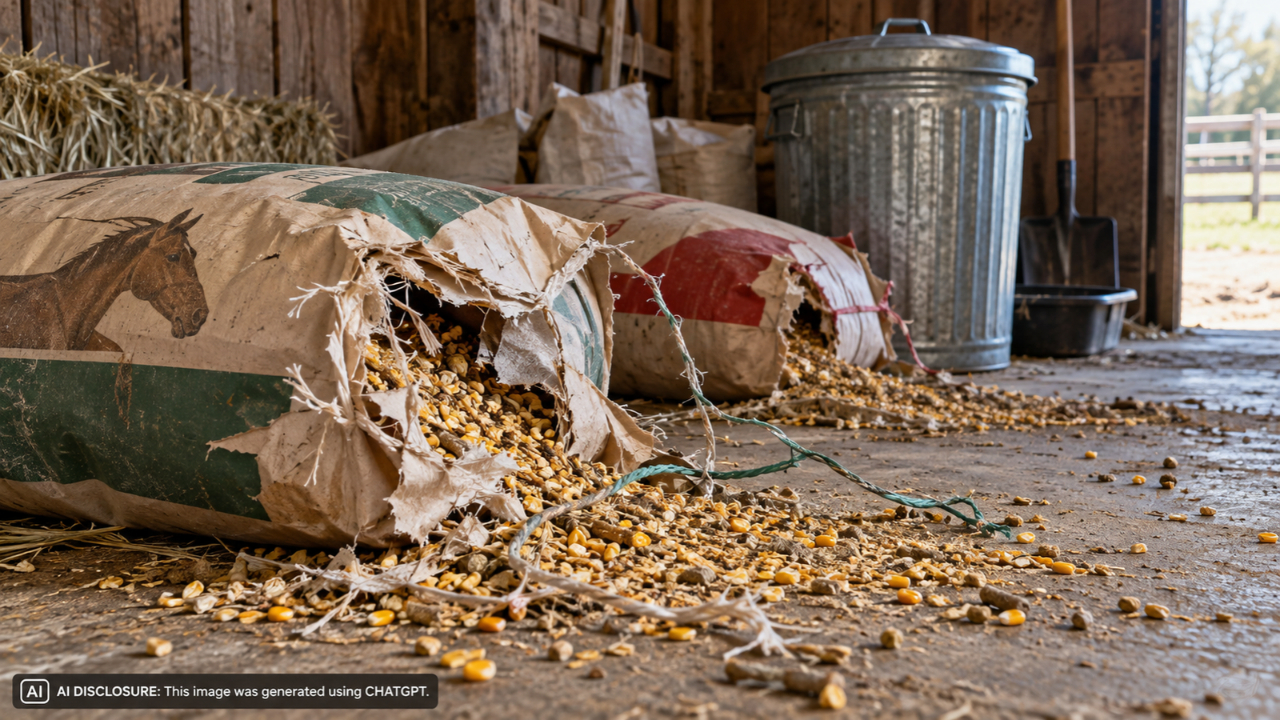
Cold drives mice and rats to the warmest, driest place with free meals, which is usually your feed. You’ll see it first as shredded bag corners, then as chewed plastic bin lids, then as a horse that suddenly “doesn’t like” a feeder because it smells off. Contaminated feed wastes money and can make a mess of your whole routine.
Store grain and supplements in tight, hard containers with lids that actually latch, not just sit on top. Patch gaps with hardware cloth and solid wood, not foam alone, and keep spilled feed swept up the same day. Traps work better when you place them along walls where rodents run, not out in the open like bait on a plate.
4. Manure Piles Become Ice Rinks
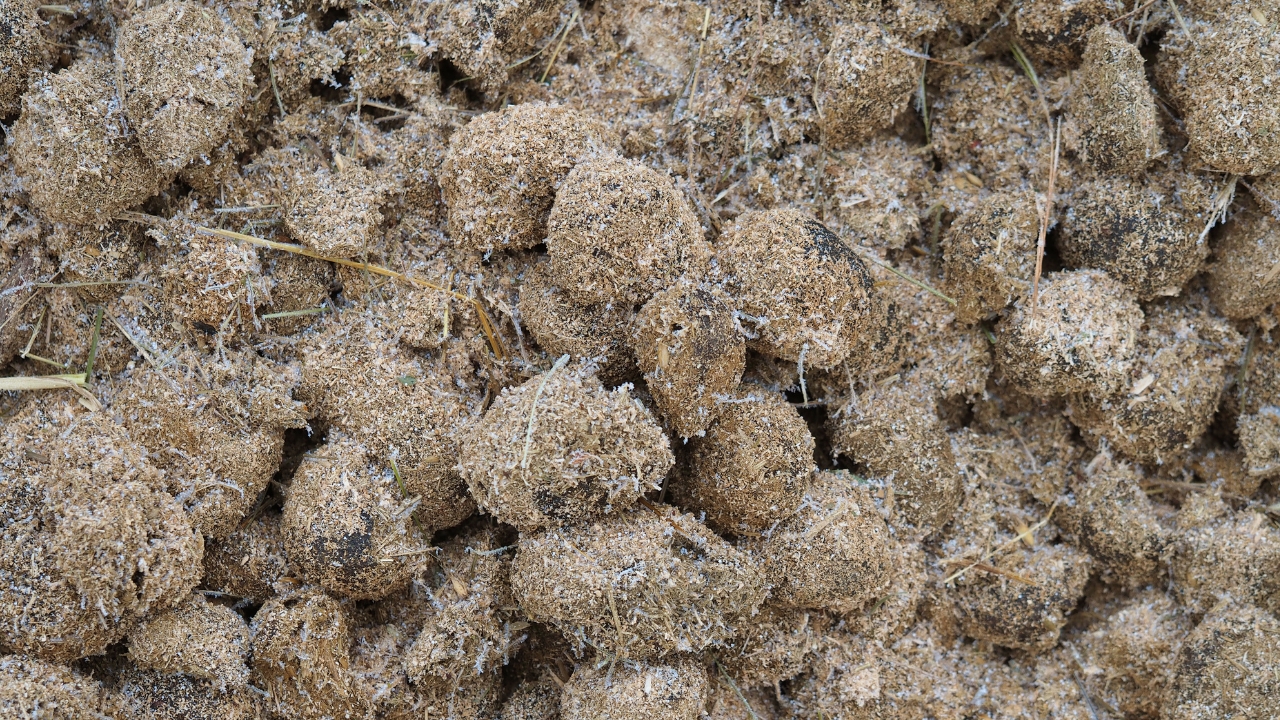
That handy toss-it-here pile by the gate seems fine until thaw and refreeze turns it into a slick hump that funnels traffic. Wheels spin, boots slide, and barrows tip. It’s also a smell bomb waiting for the first warm spell.
Pick a spot that stays accessible when snow banks rise, and push the pile back as it grows so it doesn’t creep into your paths. If you can, lay down a sacrificial pad of old gravel or screenings where you dump, it keeps the base from turning into a frozen mess. If you’re having a hauler come, schedule before roads get sloppy and heavy trucks start refusing driveway calls.
5. Mud Control Gets Put Off Too Long
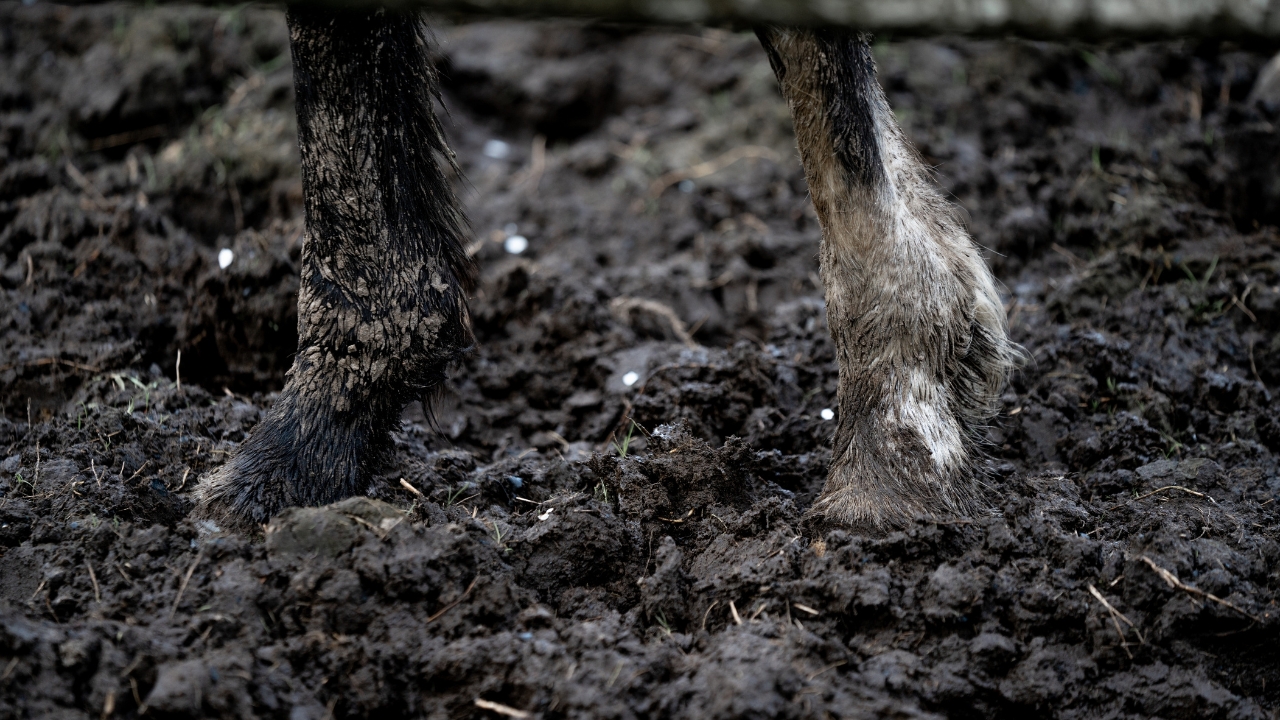
Winter mud isn’t the same as spring mud. Once the ground freezes with hoof prints and ruts, you get months of ankle-twisting hard lumps, then sudden soup when it warms for a day. A single high-traffic spot, like a gate or water station, can wreck the whole paddock flow.
Fix the worst areas before deep freeze with stone and a top layer of screenings, or use heavy mats over a solid base so they don’t pump mud up through seams. If you’re adding drainage or digging, call for utility locates first, even on rural property. A little prep in fall beats hauling wheelbarrow loads of rock in January when everything fights you.
6. Fence Chargers Lose Punch In The Cold
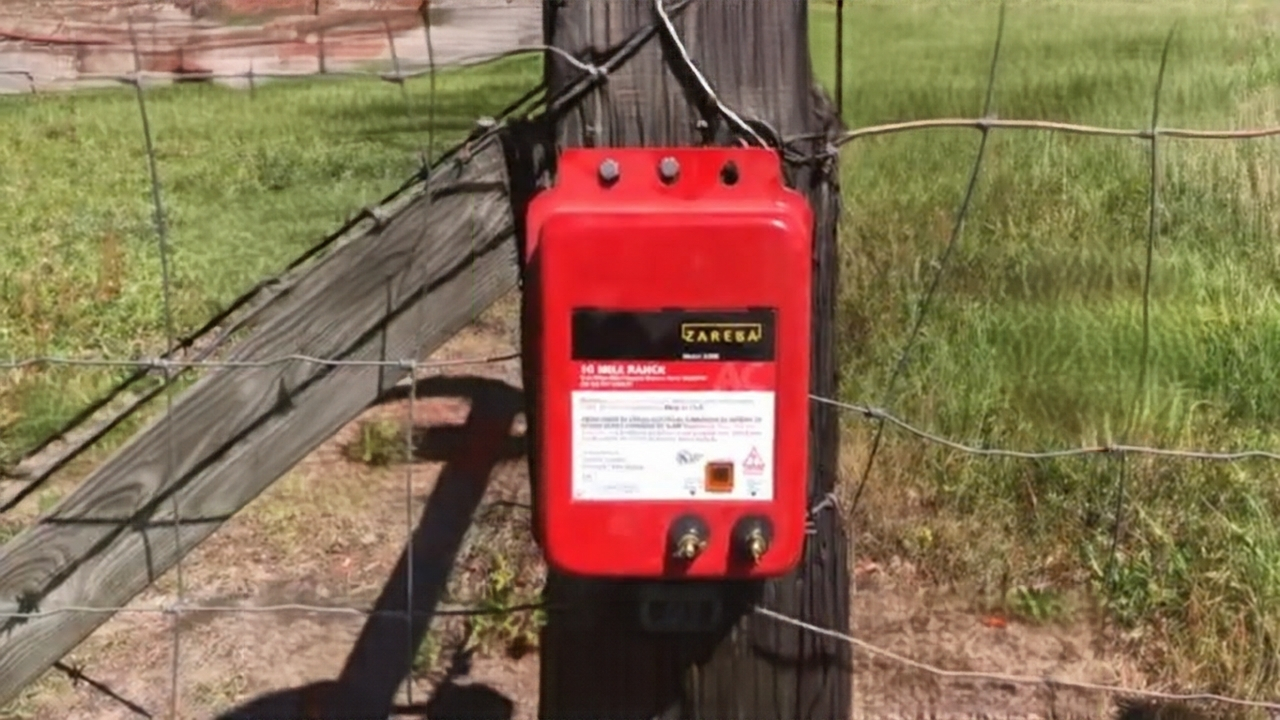
Fences that were “hot enough” in October start getting tested when snow piles up and horses get bored. Cold batteries sag, ground rods perform differently in frozen soil, and vegetation you didn’t notice can create constant draw. The first sign is often a horse leaning like it’s no big deal.
Check voltage with a real fence tester, not your hand. Clean up shorts, tighten loose connections, and make sure your ground system is sized for your charger. In very dry or frozen conditions, adding ground rods or switching to a different grounding setup can help, but if you’re unsure, ask the fence manufacturer or a local installer so you don’t waste time chasing ghost problems.
7. Salt Gets Used Where Sand Works Better
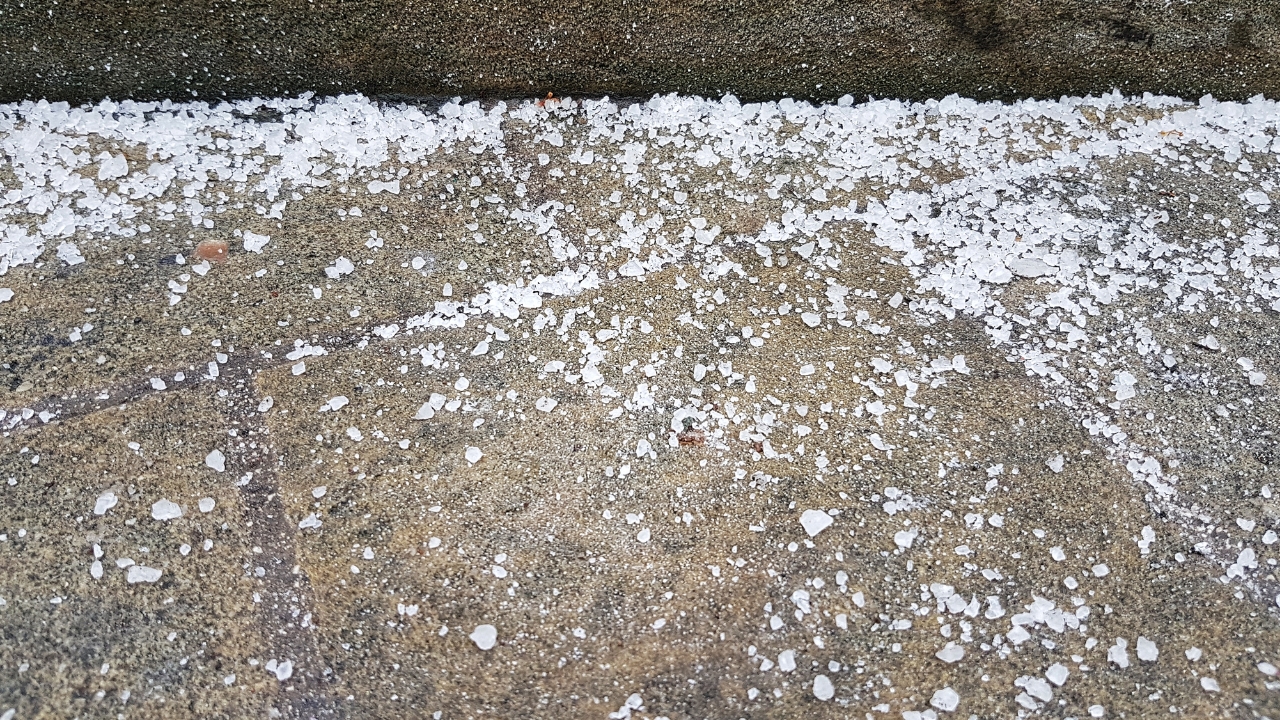
Rock salt feels like the obvious answer because it’s cheap and everywhere. Around barns, it can rot some concrete, track into stalls, and burn skin if it gets concentrated in wet spots. It also turns a packed snow surface into slush, then that slush refreezes into glare ice when the temperature drops again.
For traction on walkways and at gates, plain sand or fine gravel often does a better job without the melt-refreeze cycle. Save salt for the places you truly need melting, like a short section of steps, and use it sparingly. If you’ve got rubber mats, sand on top usually beats salt that slides underneath and makes the edges heave.
8. Blankets Fail At The Straps First
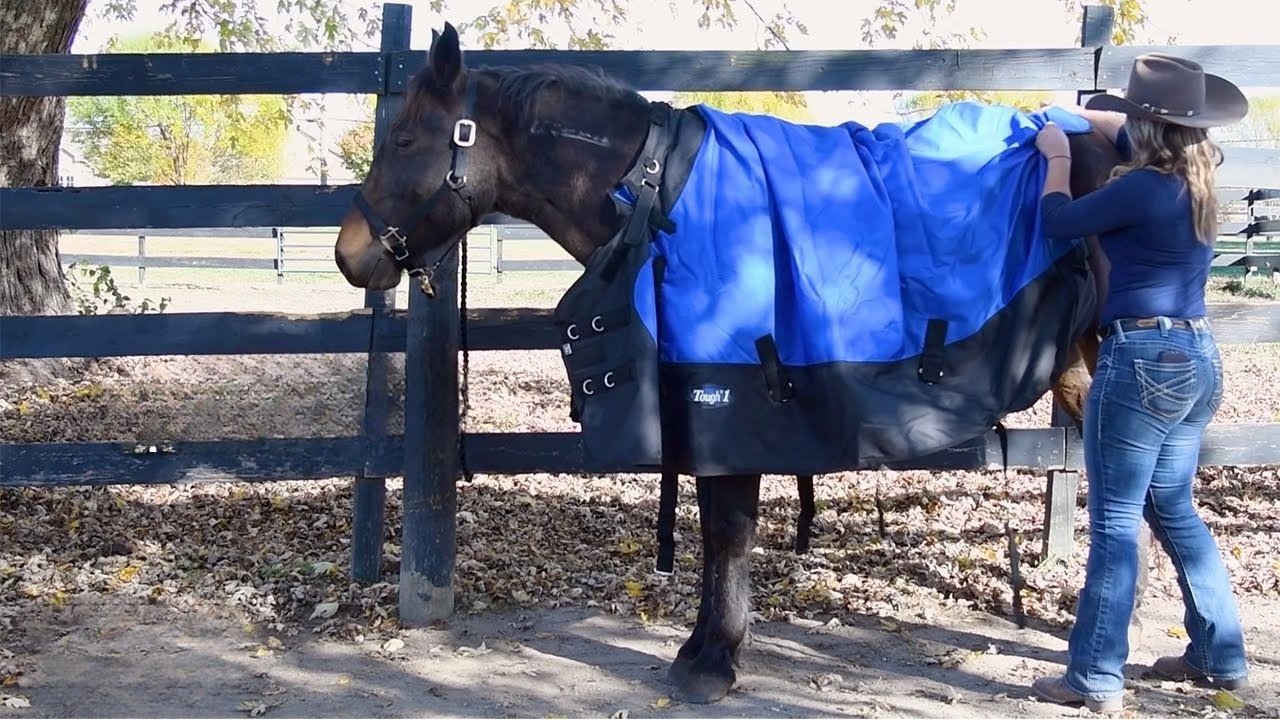
The blanket itself can look fine while the hardware is one hard roll away from snapping. Frozen mud on leg straps turns into sandpaper, elastic gets stiff, and buckles pack with ice. Then you get a torn liner or a blanket twisted halfway off at 6 a.m.
Do quick strap checks when you feed, and keep a small tote of replacement straps, snaps, and a leather punch where you can grab it fast. Wash and dry blankets only when you can fully dry them, a damp blanket in cold weather is misery. The cheap fix is often a strap, not a whole new blanket.
9. You Run Out Of Light When You Need It
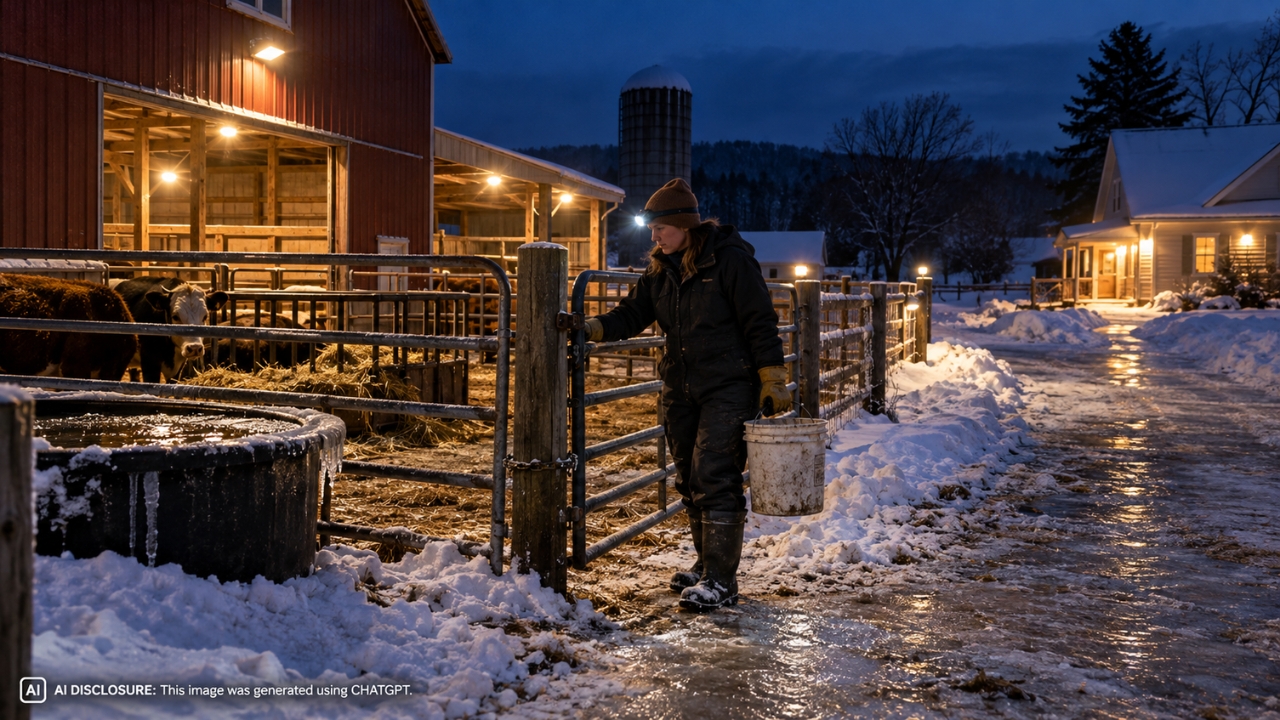
Winter chores expand into the dark, and “I’ll just use my phone flashlight” gets old on day three. Poor light makes simple jobs harder, like spotting a loose shoe, seeing ice in a bucket, or noticing that a gate chain is half-latched. It also leads to falls in spots you thought were safe.
Put real lighting where you work, not where it looks nice, over gates, water, feed, and the path between barn and house. A headlamp is the best low-cost upgrade because it leaves your hands free. If you’re adding new circuits or fixtures in a barn, hire a licensed electrician and follow local code, barns are dusty and hard on wiring.
10. Fuel And Equipment Get Parked “For Later”
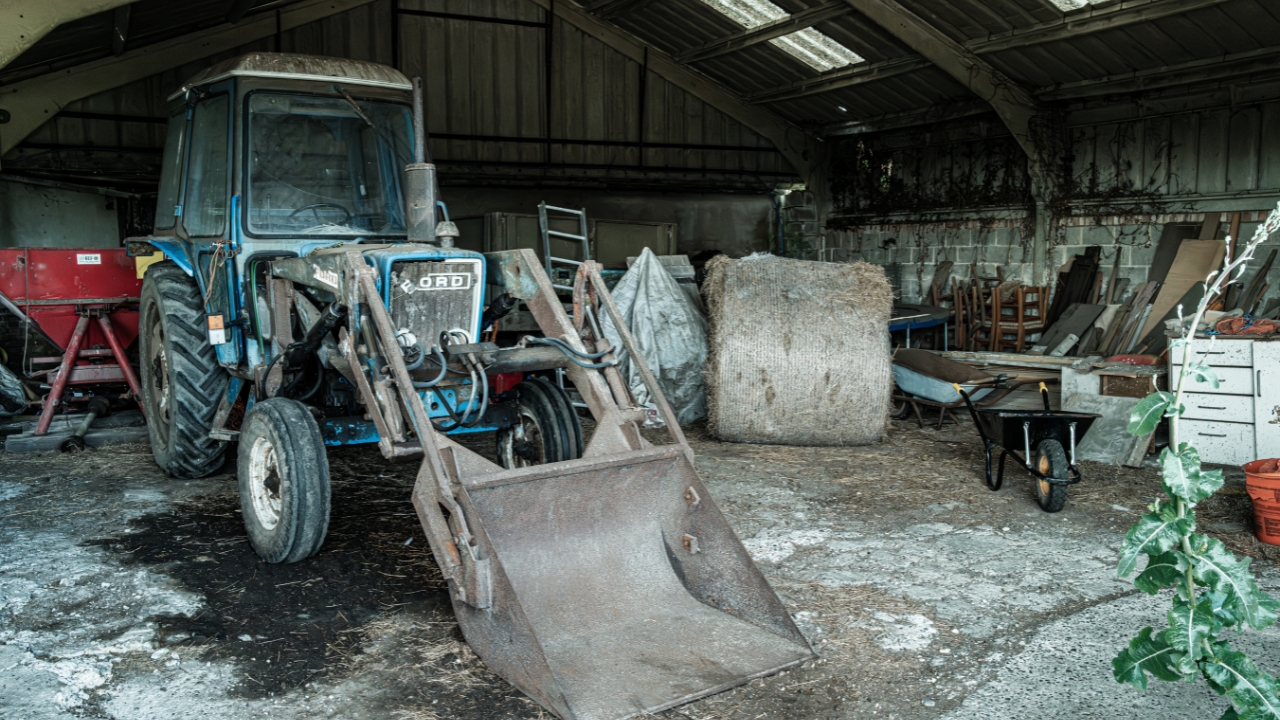
That’s how you end up with a dead ATV, gelled diesel in a compact tractor, or a frozen pressure washer you forgot still had water in it. Winter exposes every lazy storage habit. When you finally need the machine to move hay or plow a lane, it won’t start, or it starts and dies at the far end of the property.
Keep fuel treated if your climate calls for it, keep batteries charged, and store equipment where you can plug in a maintainer without running cords through snow. Drain and winterize anything that holds water, including sprayers and hoses on reels. An honest exception, small gas tools that get used weekly often do fine without elaborate prep, as long as you keep fresh fuel and don’t leave them sitting half a season.
Winter gets a lot easier when you stop betting on “it’ll probably be fine” and set up a system that still works when everything is stiff, wet, and cold. A few targeted fixes in the right places saves hours of hauling, thawing, and redoing jobs you already did once.
Like Fix It Homestead’s content? Be sure to follow us.