10 Signs a Fireplace Loses More Heat Than It Makes
Photo credit: karegg/Shutterstock.com
A fireplace feels like comfort, but the math can go bad fast. If the fire is pulling more warm room air up the chimney than the flames replace, you pay for it all night long. Some signs show up while you’re burning, and others only show up the next morning when the house won’t hold heat.
1. Smoke Smells Linger In Nearby Rooms

If you keep catching that stale smoke smell in the hallway or bedroom, your fireplace is likely drafting poorly and spilling air into the house. That usually means the chimney isn’t pulling a clean, steady column of air, so the fire steals heated room air and still doesn’t vent well. You end up losing heat and comfort at the same time.
Start with the basics: open the damper fully and confirm it actually moves freely. If it’s sticky, rusted, or warped, fix that first. Then schedule a chimney inspection and cleaning if it’s been more than a season or two, creosote buildup and a clogged cap both wreck draft and can turn into a fire hazard.
2. You Feel Cold Air Pouring From The Firebox

When the fireplace is cold, it shouldn’t feel like an open window. If you can feel a steady stream of cold air rolling onto the floor, the chimney is acting like a big straw into the outdoors. That’s heat you already paid for getting swapped out for outdoor air.
Close the damper, then check it with a flashlight from inside the firebox. Many dampers don’t seal well even when “closed,” especially older throat dampers. A top-sealing damper or tight-fitting fireplace door can cut that cold-air wash, and you can install them without rebuilding the whole unit.
3. The Damper Won’t Close All The Way
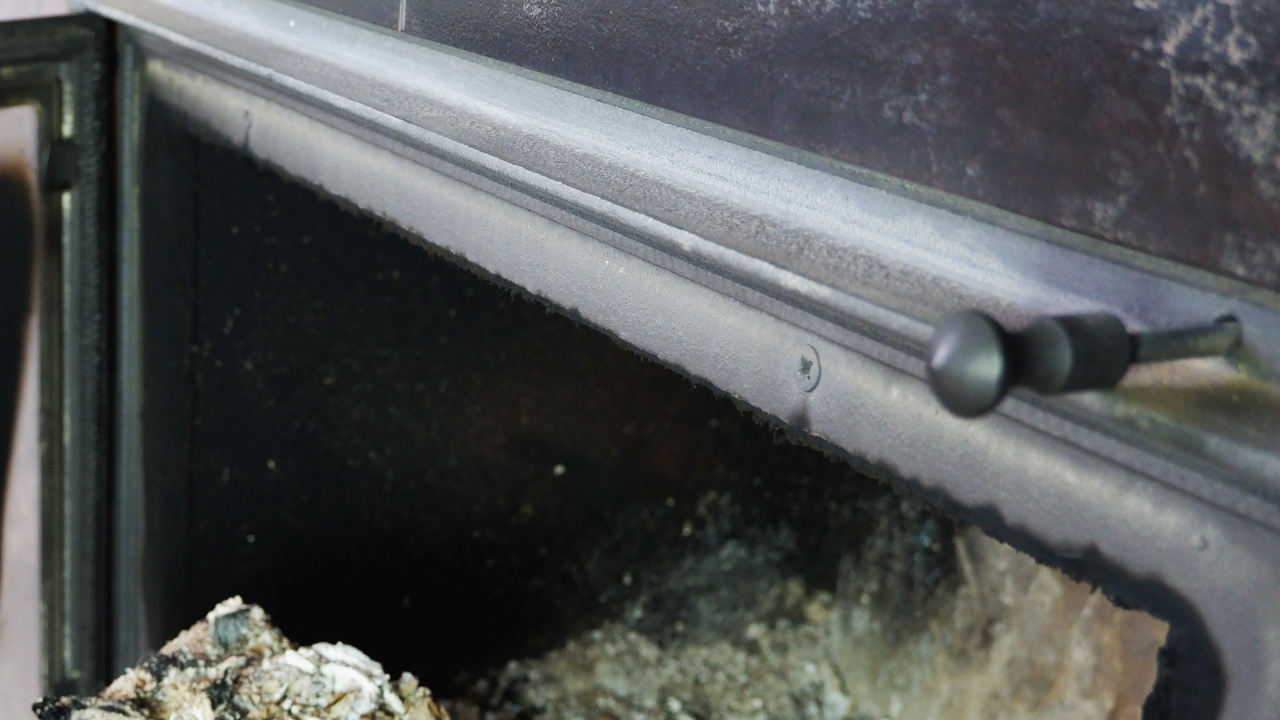
A damper that hangs open a half inch might not look like much, but it turns your chimney into a nonstop exhaust fan. You’ll notice the room never quite warms up, and the furnace seems to run more even on days you don’t light a fire.
Fixes range from simple to annoying. Sometimes it’s just ash and rust keeping the plate from seating, and a wire brush and vacuum take care of it. If the damper is warped or the linkage is bent, replacement parts or a new damper is money better spent than feeding extra firewood all winter.
4. The Flames Look Lazy And Orange
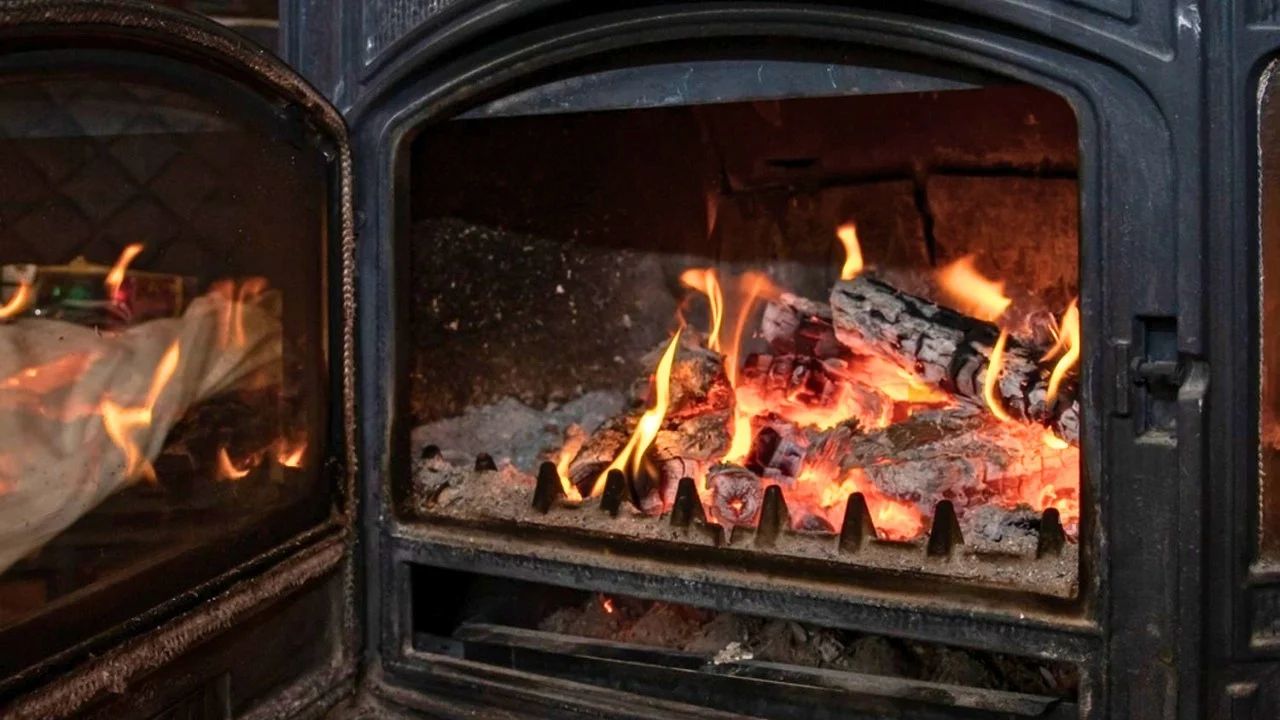
A good burn has active flames and a steady sound, not a dull, sluggish flicker. Lazy orange flames often mean poor airflow, wet wood, or a smoldering fire that’s making more smoke than heat. Smoldering also loads your flue with creosote, and that’s not a “someday” problem.
Try one change at a time. Burn fully seasoned wood, split small for starts, and give the fire enough air to burn clean. If you’re using a stove, check the air controls and the door gasket. If it’s an open fireplace, the real fix may be accepting that it’s a looks-and-mood appliance, not a heater.
5. You Burn Wood Fast With Little Warmth

If a full load seems to vanish and your living room still feels chilly, you’re watching heat head up the flue. Open fireplaces are famous for this, but even inserts and stoves can waste wood if they’re run with the door cracked or the air set wrong. Wood is work, and wasting it stings.
Stop chasing a “big flame” look. Build a hot, clean fire, then let it cruise with the right air setting for your appliance. If you have an open masonry fireplace and you want real heat, a properly sized insert is often the only upgrade that changes the equation.
6. The Room Is Hot But The House Gets Colder
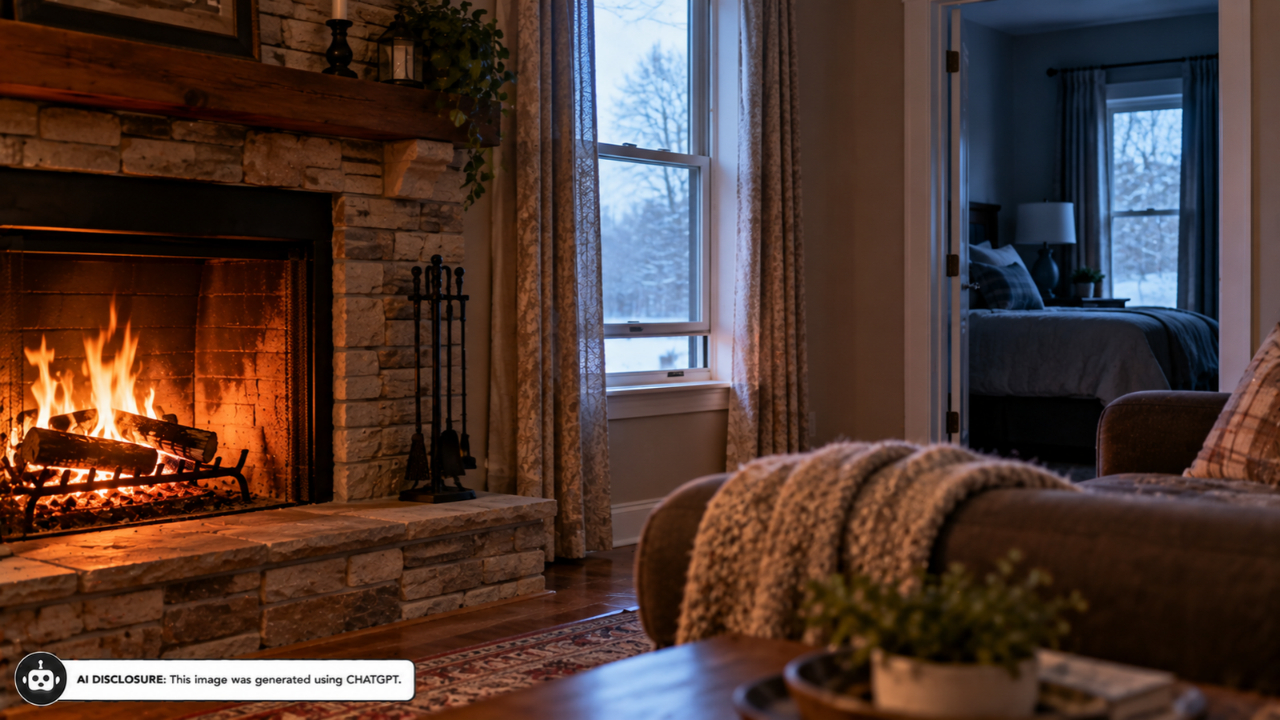
This is the classic trap. You feel great sitting near the hearth, but the back bedrooms get draftier and the thermostat seems to fight you. That’s the fireplace pulling heated air from the rest of the house to feed the fire and send it outside.
Before you blame insulation, try controlling the air balance. Crack a window in the same room as the fireplace an inch or two while burning, especially in a tight house. It sounds wrong, but it can reduce the amount of warm indoor air the chimney steals from the rest of the rooms, and it can help with smoke spill too. If that makes a noticeable difference, talk to a chimney pro about make-up air options.
7. Soot Stains Show Up Above The Opening
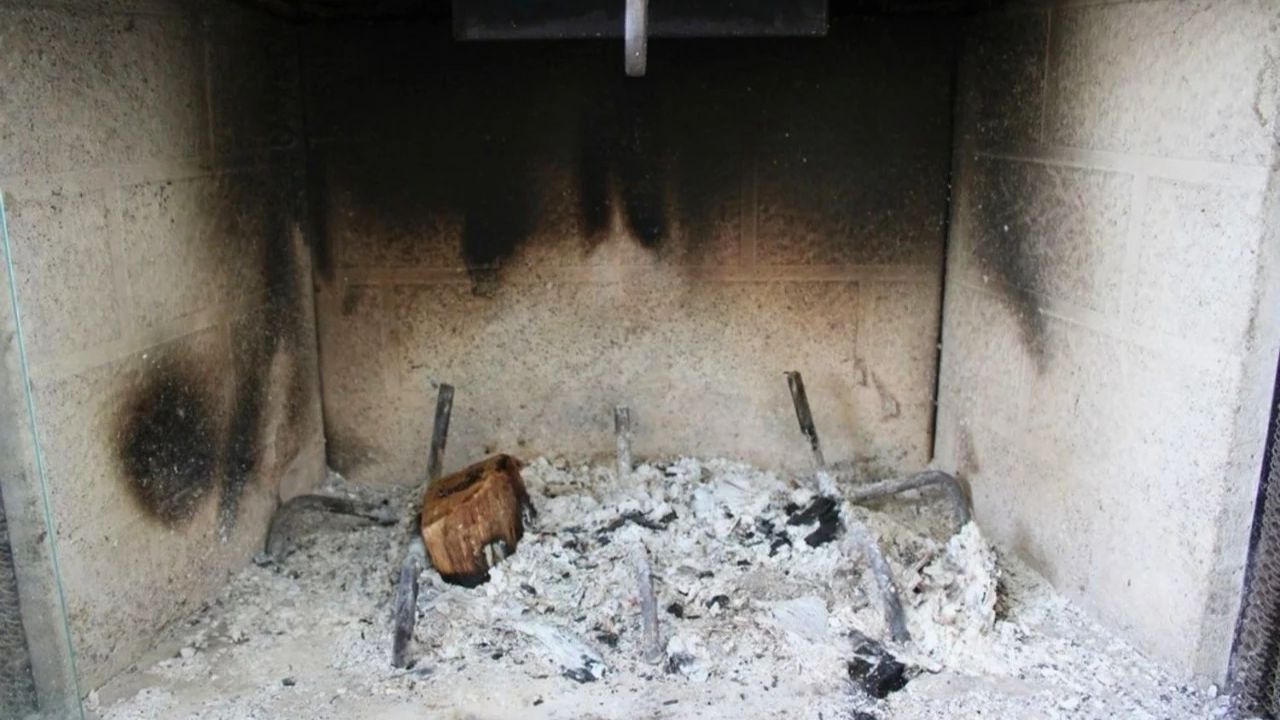
Dark staining on the face brick or above the mantel isn’t just ugly, it’s a clue the smoke path is messy. Smoke spilling out means poor draft, negative pressure in the house, or a blockage. Any of those can go along with a fireplace that’s acting like a heat vacuum.
Clean the stains so you can tell if they’re getting worse, then check for the usual suspects: closed or partially closed damper, cold flue, clogged cap, or a nest. If the stain appeared suddenly after a remodel, a new kitchen range hood or bathroom fan could be depressurizing the house and reversing draft at the fireplace.
8. The Glass Doors Are Left Shut
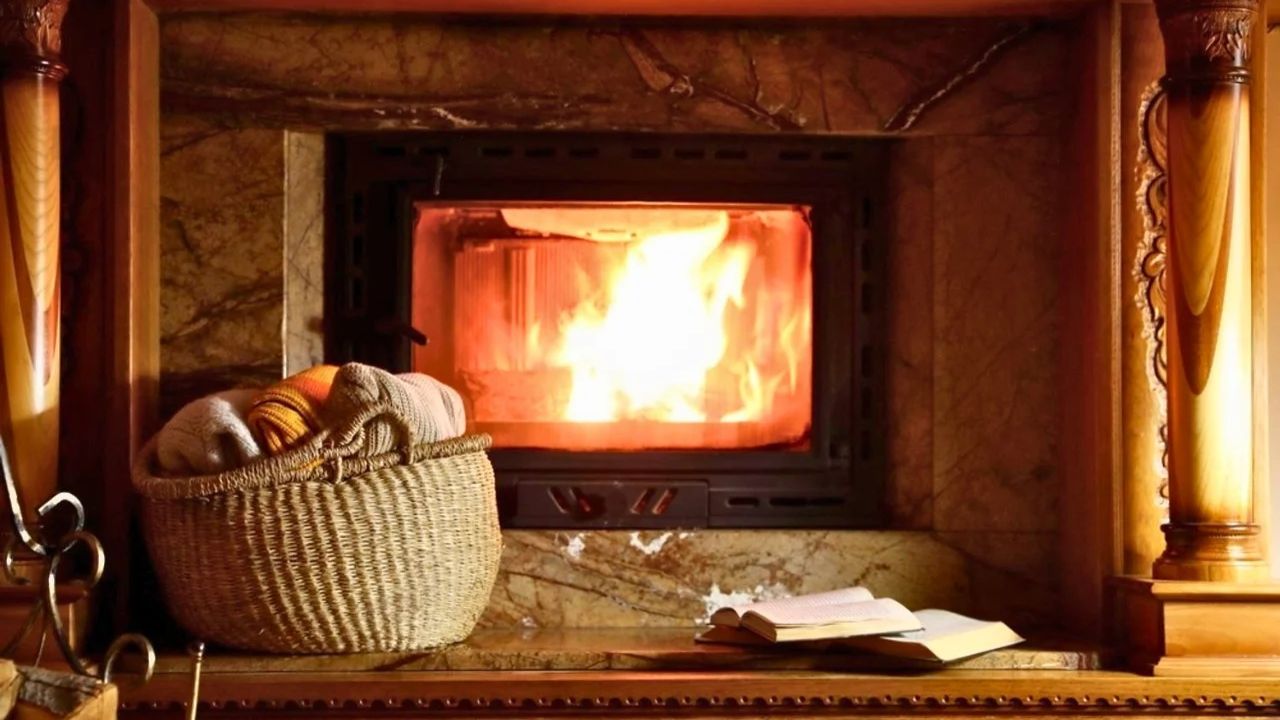
Shut glass doors look neat, but they can choke an open fireplace and make it burn dirty. That means less heat and more smoke. People do it to “hold heat in,” but with many setups it does the opposite while the fire is active.
Check what type of doors you have and how the fireplace was designed to run. Some doors are meant to stay open during burning and closed only after the fire is out and the embers are cold. The cheap option is fine here: using a simple mesh screen with the doors open often gives a cleaner burn than sealed doors that starve the fire.
9. The Chimney Exterior Feels Warm Outdoors
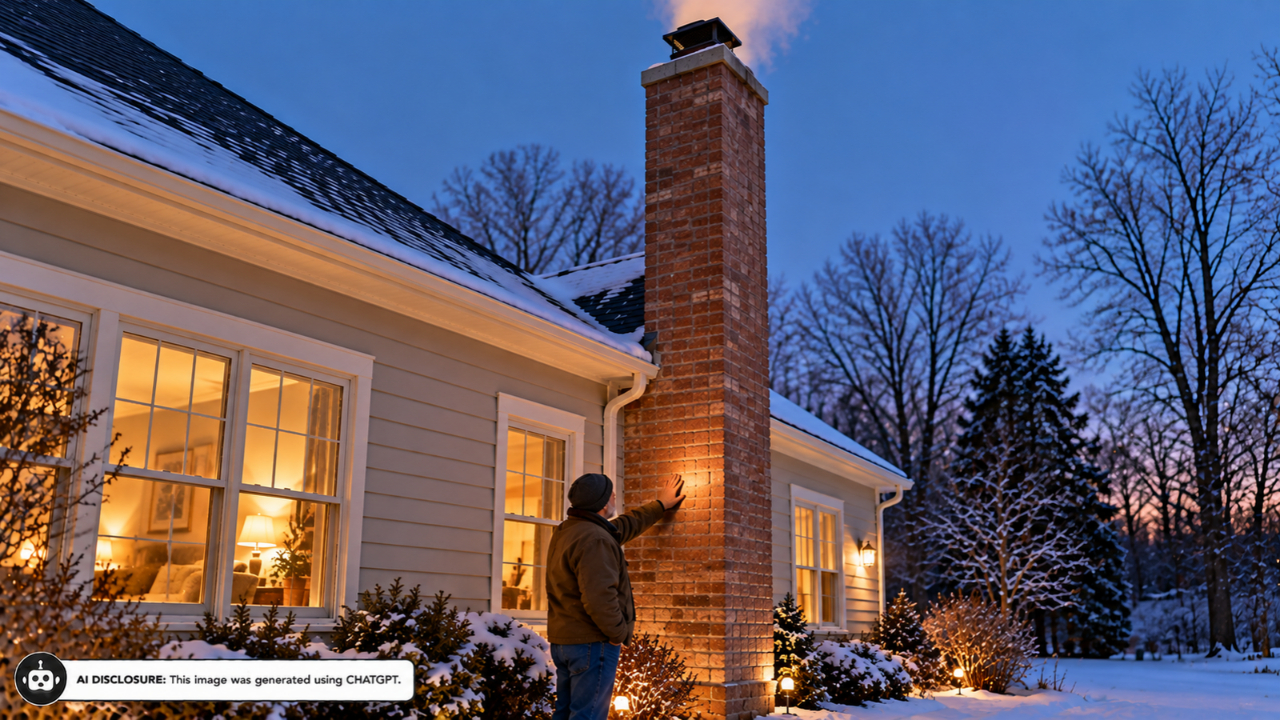
Walk outside on a cold night and put a hand near the chimney, without climbing anything or touching hot metal. If the chase or masonry is throwing a lot of warmth into the yard, you’re heating the outdoors. Some warmth is normal, but a surprisingly warm chimney can point to missing insulation around a metal liner, gaps, or a poorly sized flue.
This is not a guess-and-hope repair. Anything involving liners, clearances, or rebuilding needs to meet code, and it’s a job for a qualified chimney pro. The payoff is real though, because a correctly lined and insulated flue drafts better and wastes less heat.
10. The Furnace Runs More After A Fire
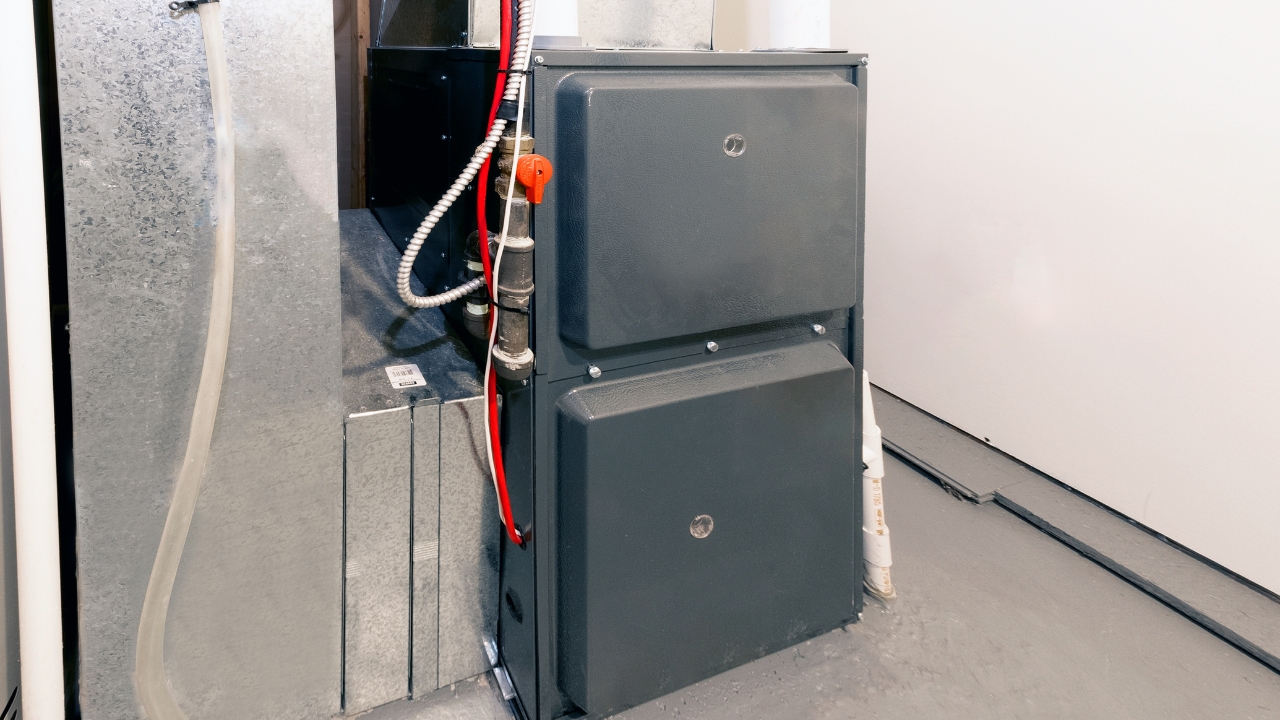
If the heat kicks on hard after the fire dies, your house may have been depressurized or cooled down while the fire was burning. A big column of hot exhaust going up the chimney can keep pulling indoor air even as the coals fade. By the time you go to bed, the living room heat is gone and the rest of the house is behind.
Try a routine change first. Let the fire burn down earlier, close the damper only after everything is completely out, and use tight-fitting doors or a top-sealing damper to stop the overnight air leak. If you have an insert or stove, replace worn door gaskets and check for ash buildup that keeps the door from sealing.
A fireplace can still be worth having, even if it’s mostly for atmosphere. The fix-it goal is to stop it from acting like a hole in your house. Tackle the air leaks, get the draft right, and don’t be shy about hiring a chimney pro when the job touches liners, clearances, or anything inside the flue.
Like Fix It Homestead’s content? Be sure to follow us.