
10 Ways People Wear Out a UTV Years Early
Photo credit: nuwatphoto/Shutterstock.com
A UTV will take a beating, but it shouldn’t feel worn out after just a couple seasons. Most early failures come from small habits that grind parts down a little at a time. Fix the habits, and you get fewer broken weekends, fewer surprise bills, and a machine that starts when you need it.
1. Skipping Air Filter Checks In Dust
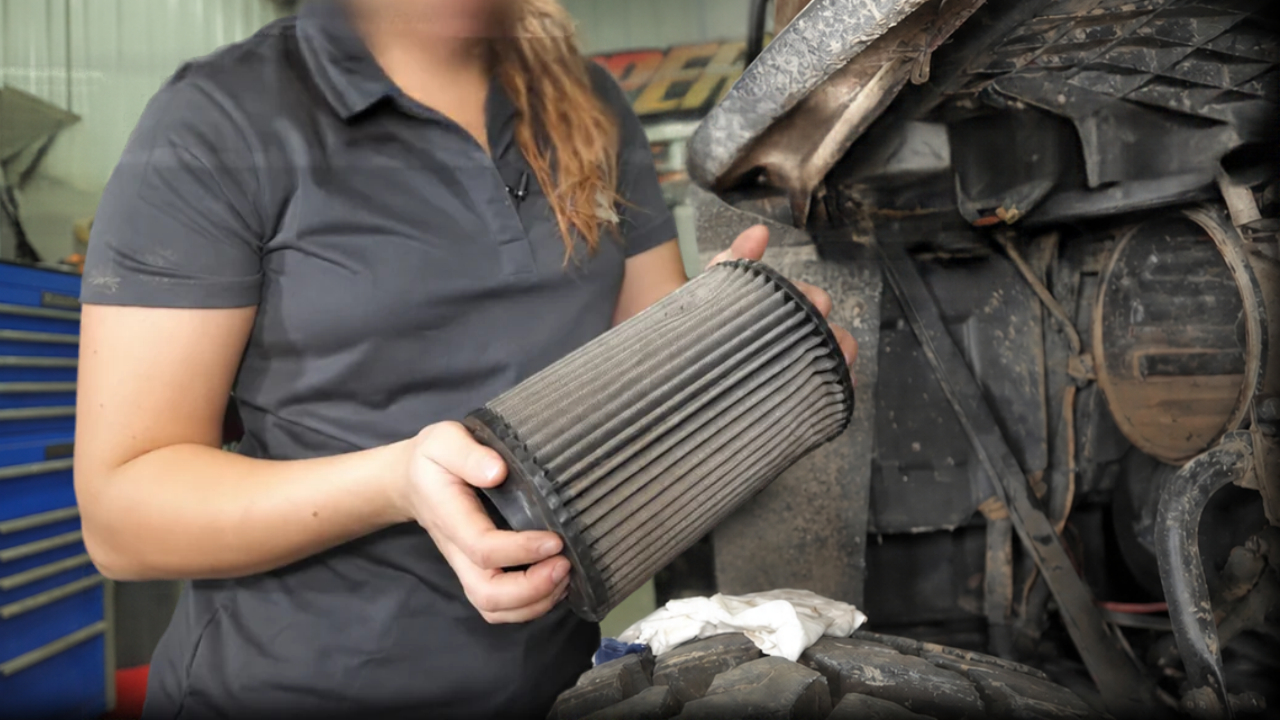
Dust is engine sandpaper. One dry weekend on gravel roads or a day behind a mower can load your filter so hard the engine starts running rich, losing power, and drinking fuel. Keep pushing it and you’ll hear a dull intake roar and see blackened filter media, then the real wear shows up in the top end.
Pop the cover and look at it, not once a season, but anytime you’ve been in powdery dust. Tap-out cleaning only helps a little, and blasting it with shop air from the dirty side can drive grit deeper. If you run in farm dust a lot, keep a spare filter on the shelf so you can swap fast and clean the dirty one at home.
2. Running CVT Belts Like On Offroad Toys
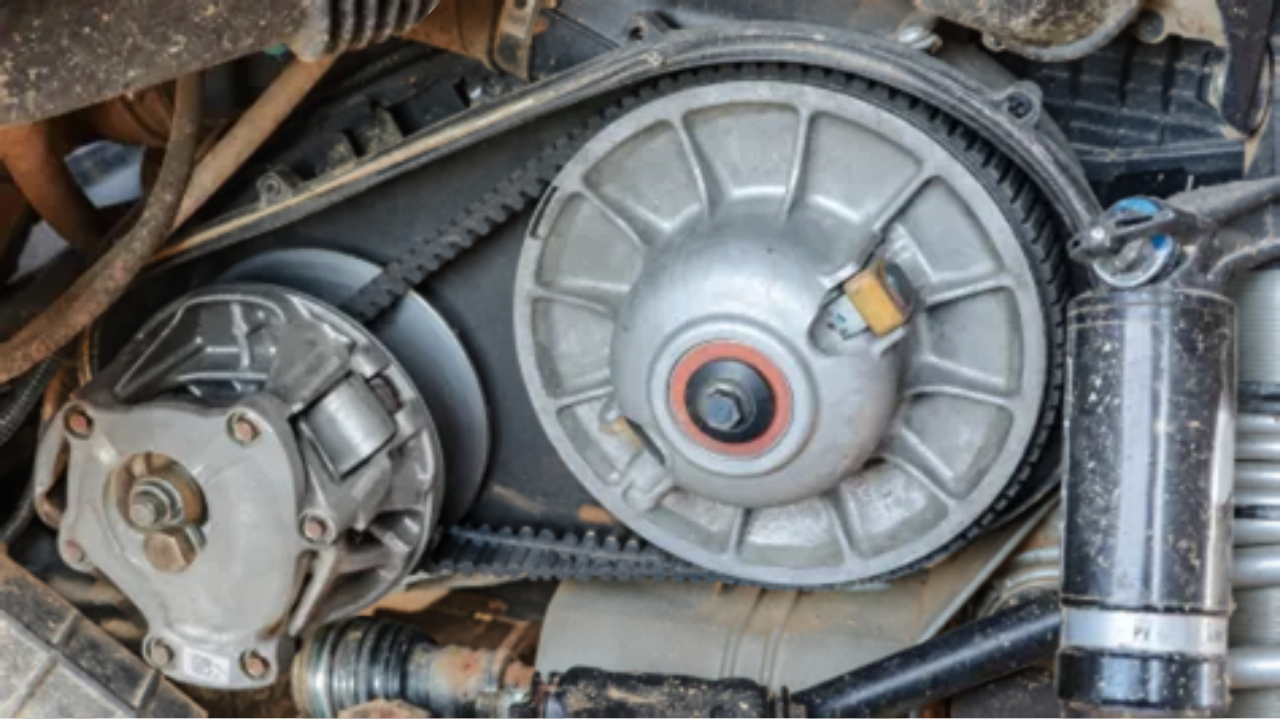
That rubber smell after a mud hole is your belt cooking. People treat the CVT like a clutch you can abuse, pin it at low speed, creep under heavy load, then wonder why the belt starts glazing and the machine feels lazy. Once it’s glazed, it slips more, heats more, and the cycle keeps going.
Use low range when you’re pulling, crawling, plowing, or working in deep snow or mud. Let the belt cool if it’s been stinking hot, and clean the clutch housing vents so it can breathe. If you’re not comfortable opening the CVT cover to inspect rollers and sheaves, pay the shop once in a while. It’s cheaper than a smoked clutch.
3. Ignoring Grease Points Until They Squeak
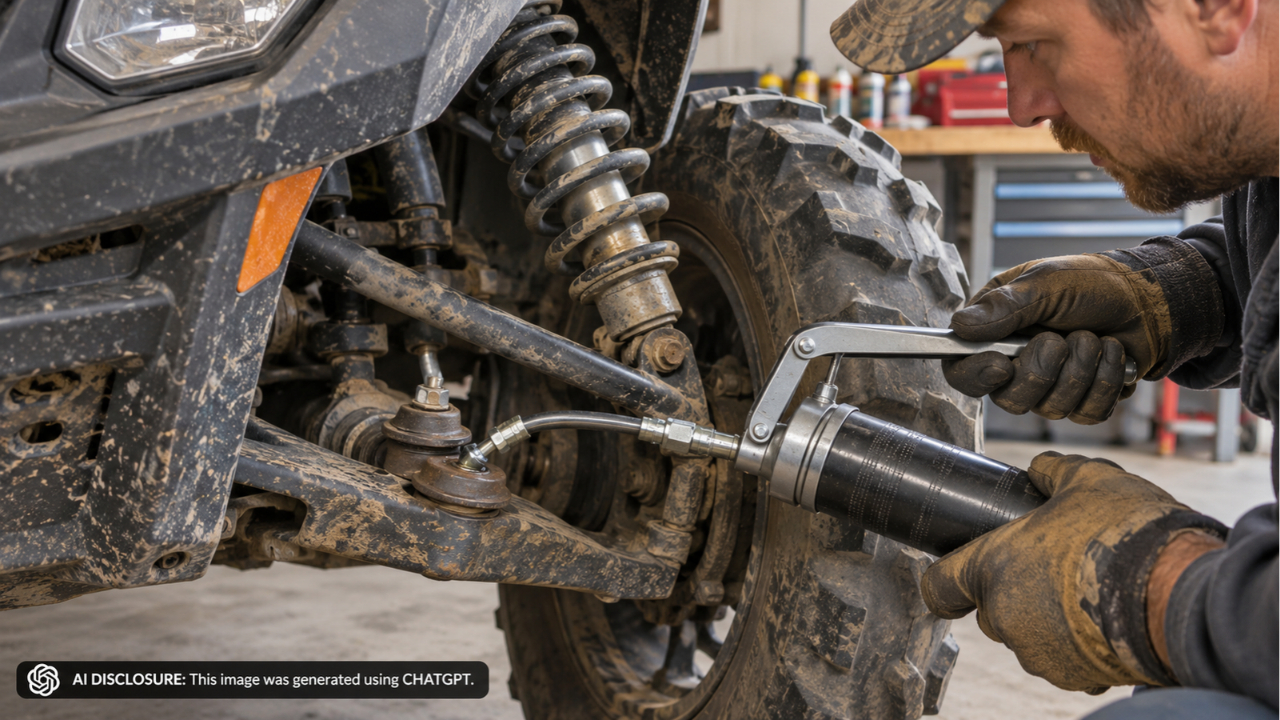
Squeaks are late. By the time you hear suspension noise, the joint has already run dry and started to chew itself. That turns into sloppy steering, uneven tire wear, and that loose feel on washboard that makes you back off the throttle.
Hit grease zerks on a schedule, and grease after deep water crossings. Use a grease gun you can control with one hand and wipe the zerk clean first so you’re not pumping grit inside. If a joint won’t take grease, don’t just lean harder. The fitting may be plugged or the joint may be failing.
4. Hauling Heavy Loads With Soft Tires
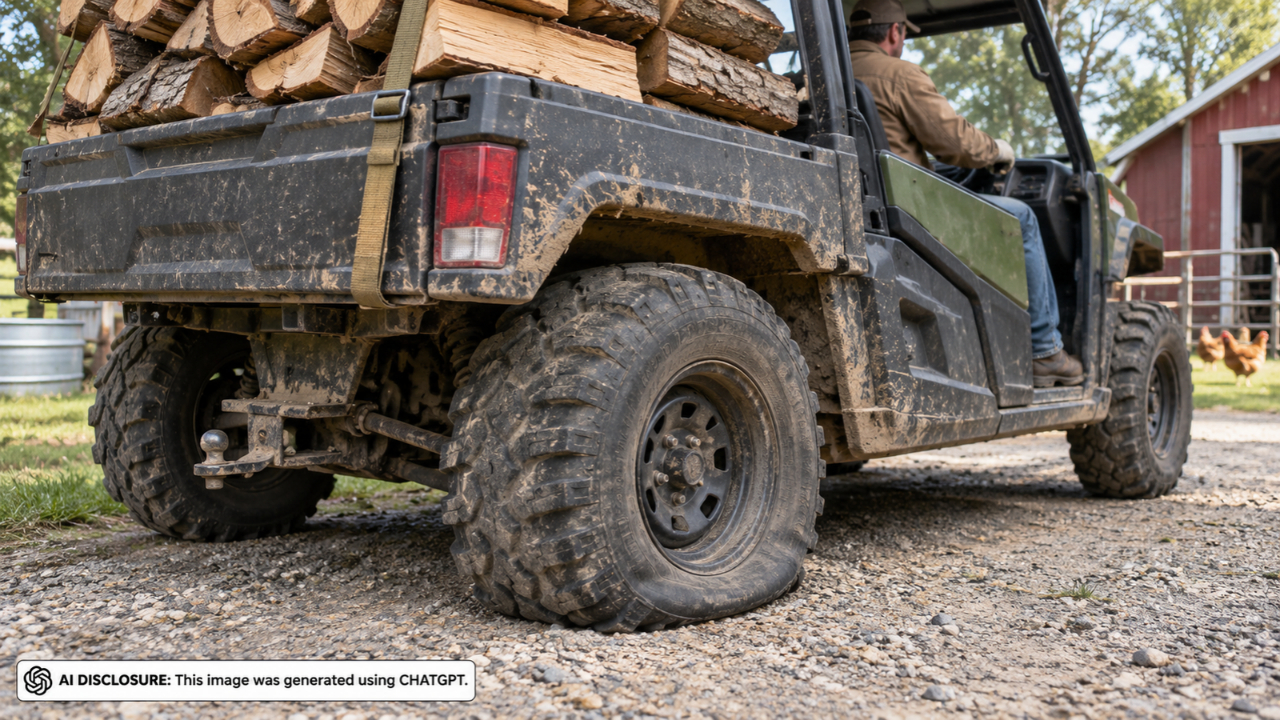
Underinflated tires feel comfy until you’re carrying firewood or feed. Then the sidewalls flex hot, the bead can burp air, and the tire starts cupping. It also pounds wheel bearings because the tire is squirming instead of holding shape.
Check pressure cold, and use the sticker in the cab or the manual as a starting point, not the number molded on the tire. If you switch between trail days and chore days, a small 12-volt compressor lives under the seat and earns its keep fast. Don’t guess by kicking the tire.
5. Washing Like A Car, Right Into Bearings
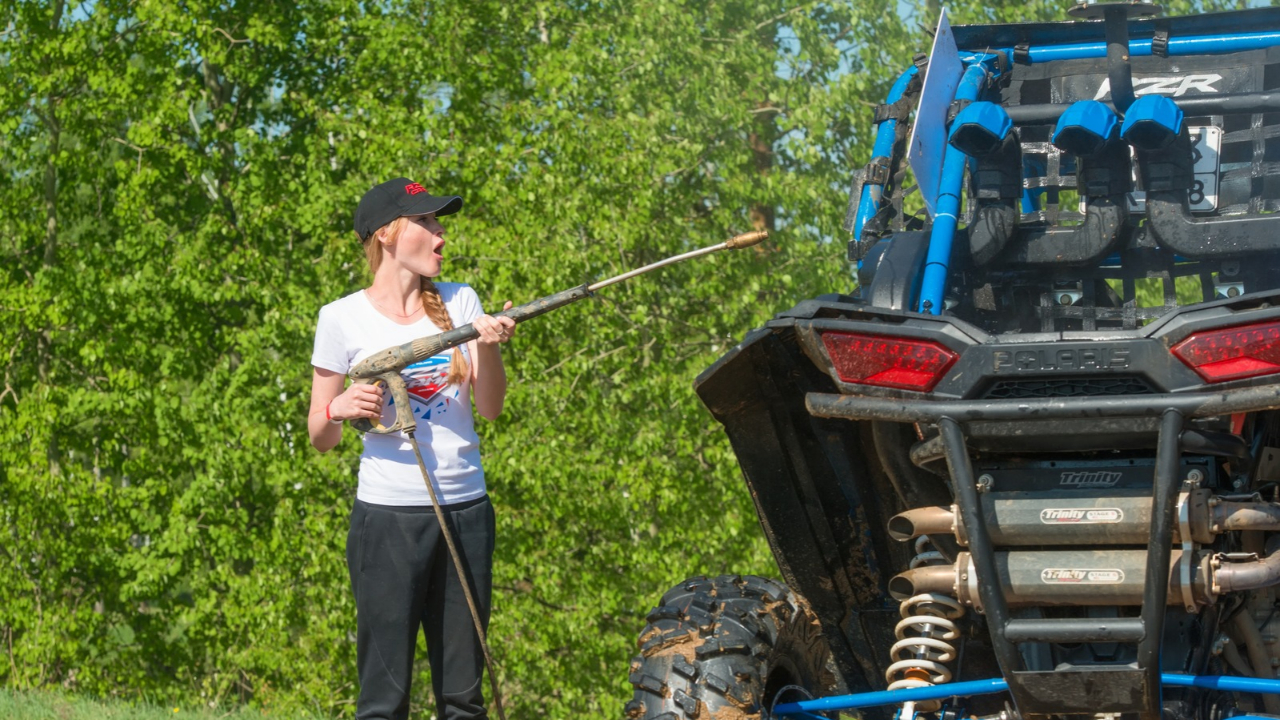
A pressure washer feels satisfying, and it’s rough on a UTV. The spray drives water past seals into wheel bearings, U-joints, and electrical connectors. A week later you get a growl at speed, or a weird dash light that comes and goes after rain.
Rinse with a hose and a sprayer, and keep high pressure well back from hubs, suspension pivots, and radiator fins. If you do use pressure, use a wide fan tip and stay off seals and boots. After a wet wash, go for a short drive to warm things up and chase moisture out.
6. Storing It With Old Ethanol Fuel
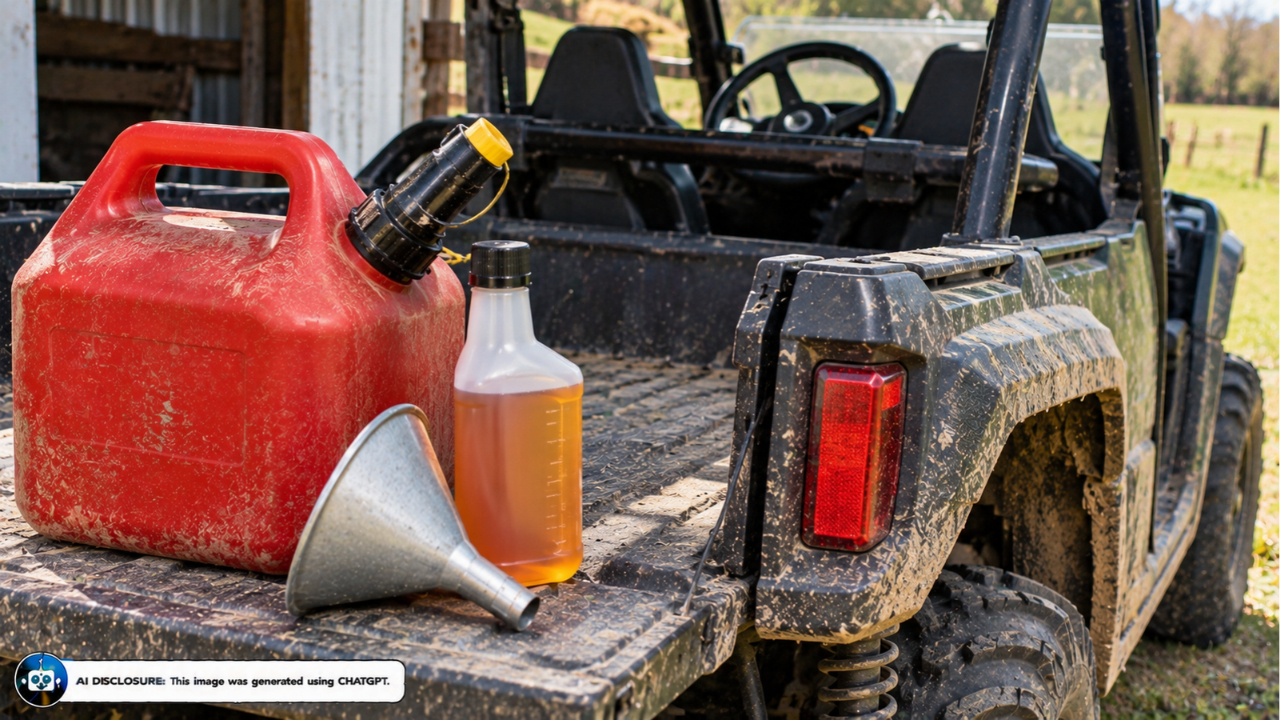
The first cold snap is when this shows up. It cranks, it almost catches, then it won’t stay running unless you feather the throttle. Ethanol fuel pulls in moisture, can gum up injectors or carb jets, and leaves varnish that makes spring startups a project.
If it’s going to sit more than a few weeks, top off with fresh fuel and add a stabilizer made for ethanol blends. Run it long enough to get treated fuel through the system. For carbureted machines, some owners prefer draining the bowl for long storage, but follow the manual and don’t dump fuel on the ground. If you can’t get it sorted, a small engine shop can clean a carb fast, and it beats fighting it all weekend.
7. Letting The Radiator Pack With Chaff
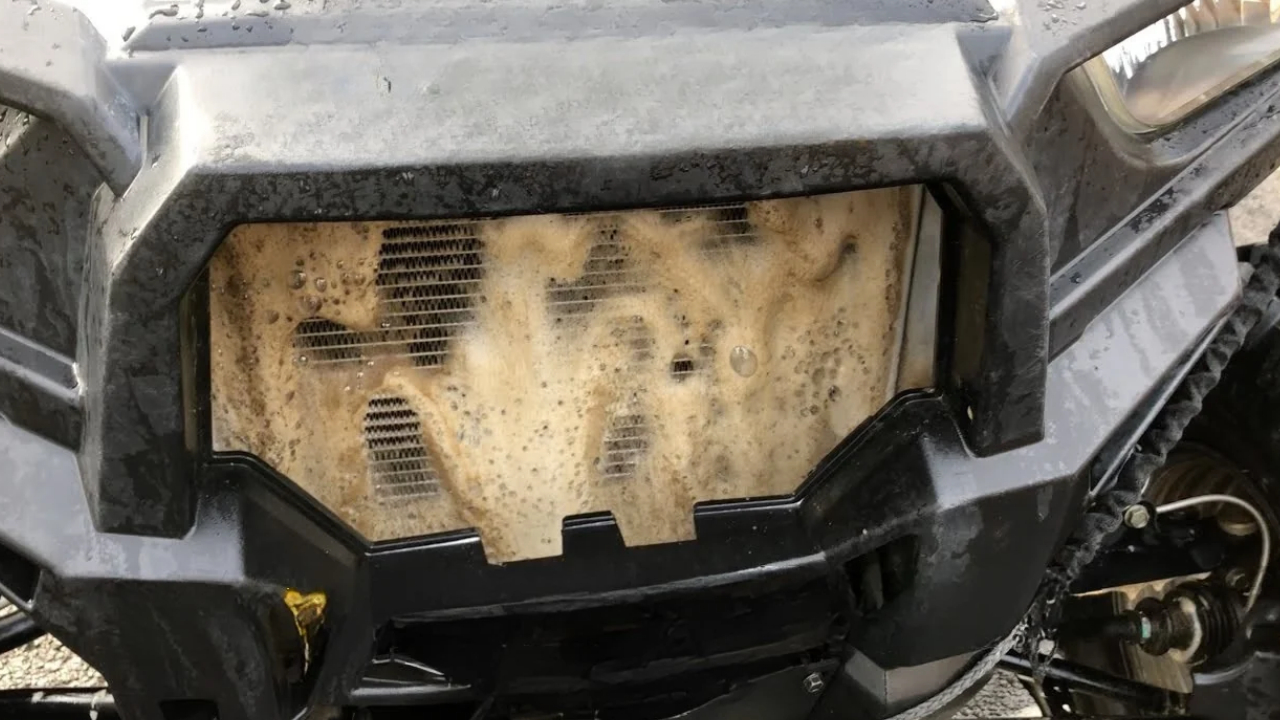
Summer mowing and fall leaf work load radiators with fuzz you can’t see from the front. Temp creeps up on slow trails, the fan runs nonstop, and hoses start feeling too hot to touch. Overheat a few times and you’re looking at warped parts and blown seals.
Blow the radiator out from the back side with gentle compressed air or a soft stream of water, and clean the screen if your model has one. Don’t bend fins with a hard nozzle. If you run in seed fluff or hay, check it every day you work. It takes five minutes.
8. Driving In 4WD On Dry Ground
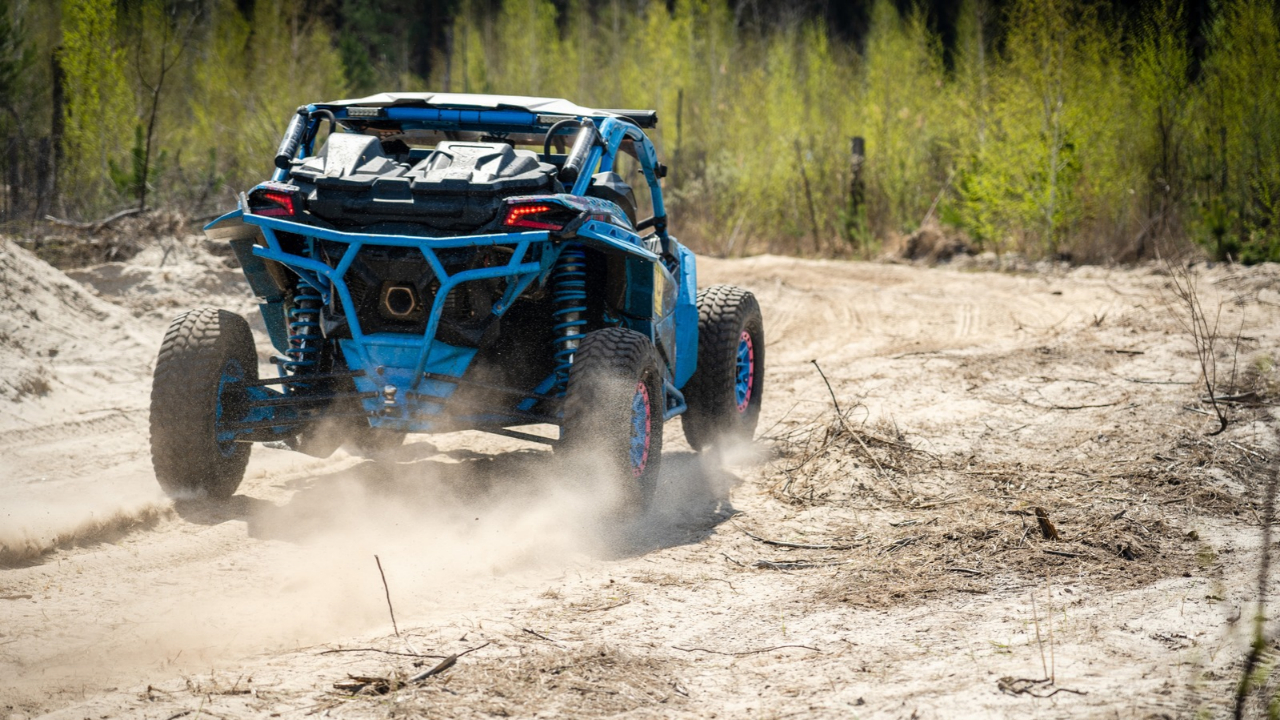
4WD feels planted, so people leave it on. On hard pack or pavement, the drivetrain binds because the front and rear want different speeds in turns. That loads axles, CV joints, and the front diff for no good reason, and it can make steering heavy and jerky.
Use 2WD when traction is decent and save 4WD for mud, snow, steep climbs, and loose soil. There’s an honest exception, some machines and setups do fine in 4WD on firm ground at low speed for short stretches, like lining up a trailer on gravel. Just don’t make it the default mode for every errand.
9. Ratcheting Straps Crushing Suspension On Trailers
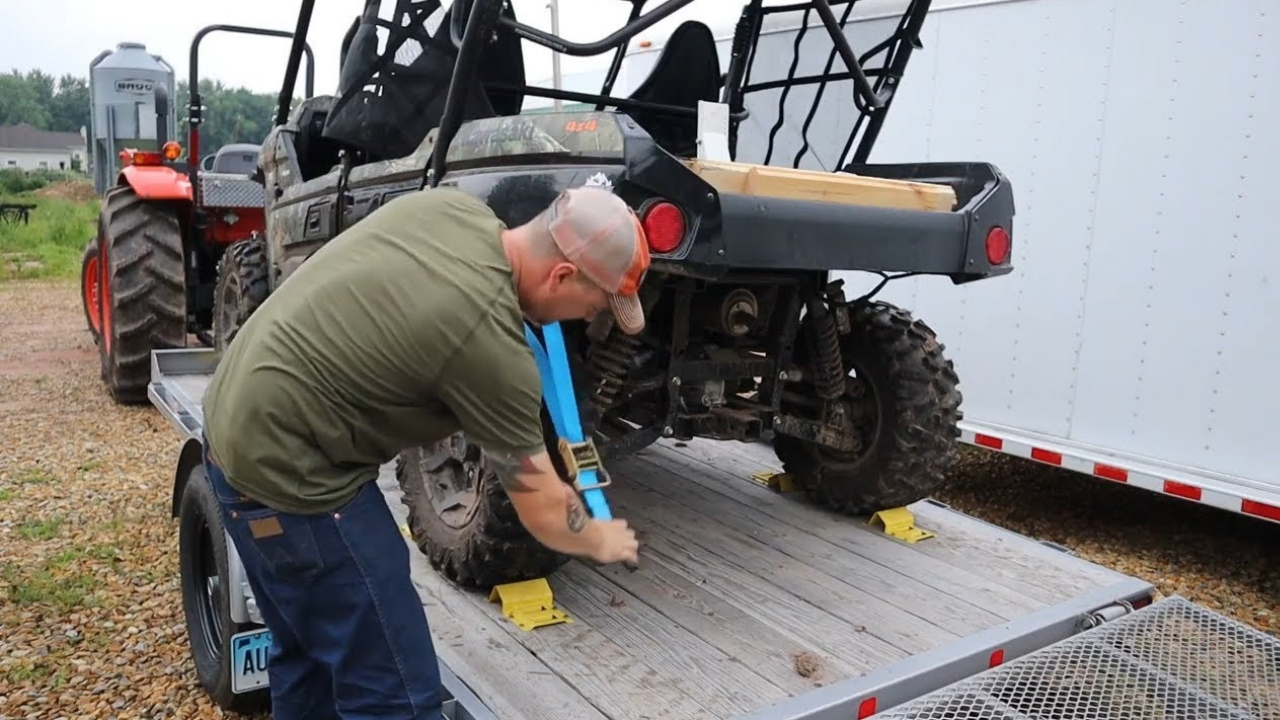
This one sneaks up on people. You cinch the UTV down by the A-arms and crank the straps until the suspension is bottomed out, then haul it for hours. That constant compression can stress bushings and shocks, and the machine unloads weird when you finally release it.
Follow your manual’s tie-down points, and strap to the frame where the manufacturer calls for it. Tight is good, but you don’t need to smash it flat. If you haul a lot, spend money on quality straps and check them at the first stop. Sun-rotted straps break at the worst time.
10. Treating Small Noises Like They’ll Go Away
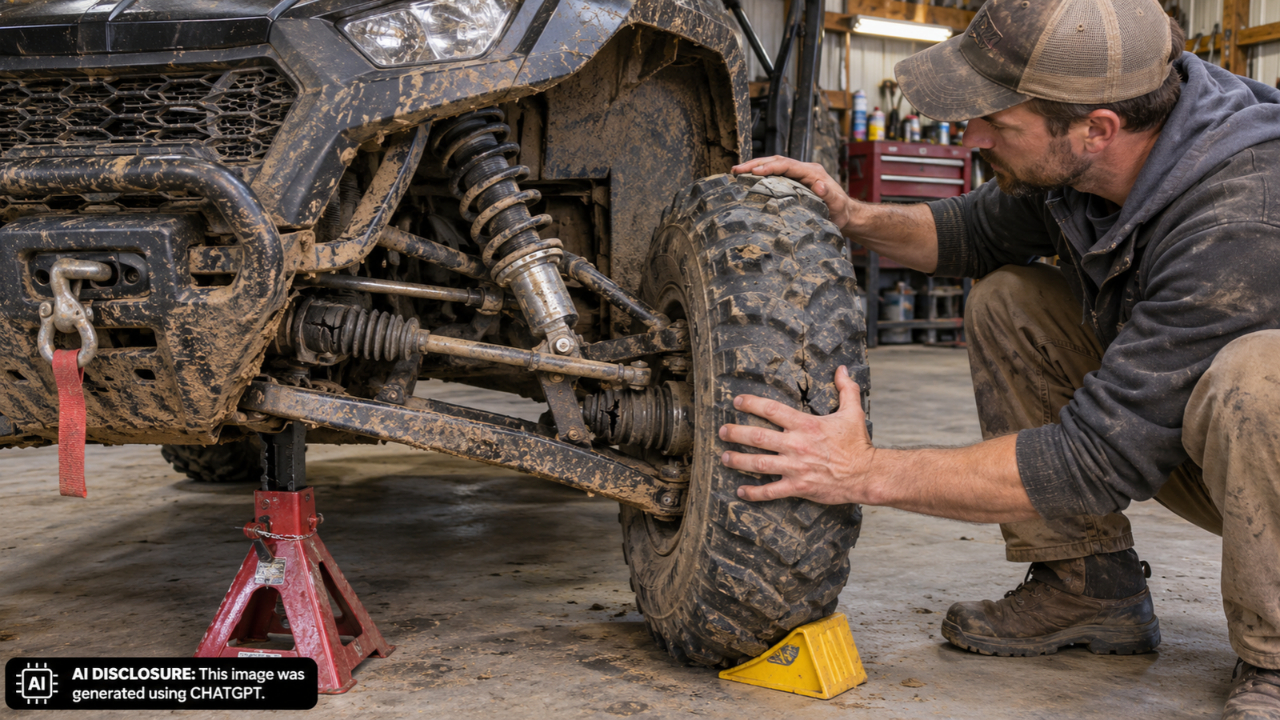
A click on decel, a clunk when you shift, a metallic tick over bumps, these are early warnings. Ignore them and a $20 bushing turns into a wallowed-out mount or a broken axle on a Sunday afternoon. Then you’re limping home in low range, hoping it holds together.
Track the sound down while it’s still repeatable. Jack it safely on level ground, use wheel chocks, and grab the tire at 12 and 6 to feel for bearing play, then 3 and 9 for tie rods. If you find cracked boots, leaking shocks, or loose ball joints and you’re not confident, this is a solid time to pay a shop. Steering and suspension failures get ugly fast.
You don’t need to baby a UTV, but you do need to treat it like a working machine. A few checks after dusty days, a smarter wash, and the right settings for the job keep parts from grinding themselves into scrap. That leaves you with a rig that’s ready when the fence is down, the driveway’s buried, or the woods are calling.
Like Fix It Homestead’s content? Be sure to follow us.