10 Reasons a Surge Protector Will Not Save Your Electronics
Photo credit: karen roach/Shutterstock.com
You plug your expensive stuff into a surge strip, feel responsible, and move on. Then a storm rolls through, the lights flicker, and something still dies. A surge protector has a job, but it’s a smaller job than most people think.
1. Direct Lightning Does Not Play Fair
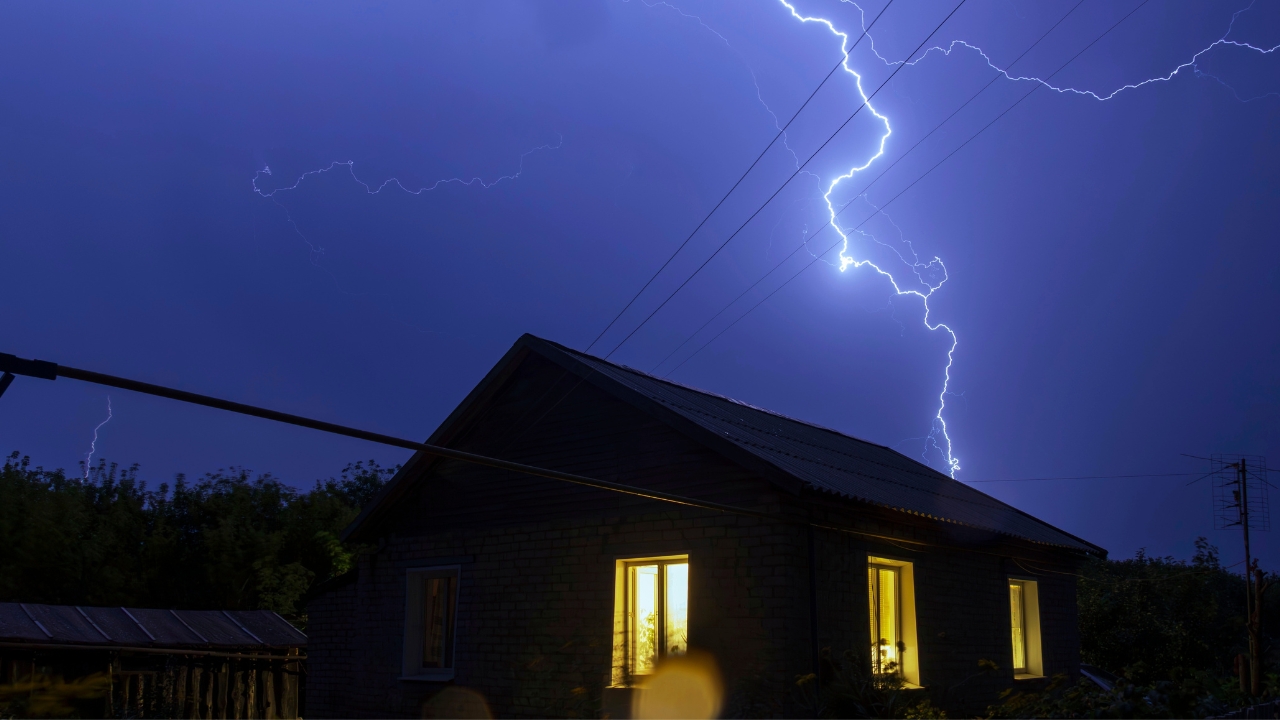
A close lightning strike can dump an ugly amount of energy into power lines, phone lines, coax, and even the ground itself. A little plastic strip with MOVs inside can’t soak that up. Sometimes you’ll hear a sharp crack outside, then inside you get a loud pop from the protector, and the room smells like hot electronics.
If lightning is common where you live, the real defense is a whole-house surge protector at the main panel plus good grounding and bonding. That’s work for a licensed electrician in most places, and often needs a permit. Even then, unplugging sensitive gear during big storms is still the cheapest protection.
2. Your Cable And Ethernet Bring Surges
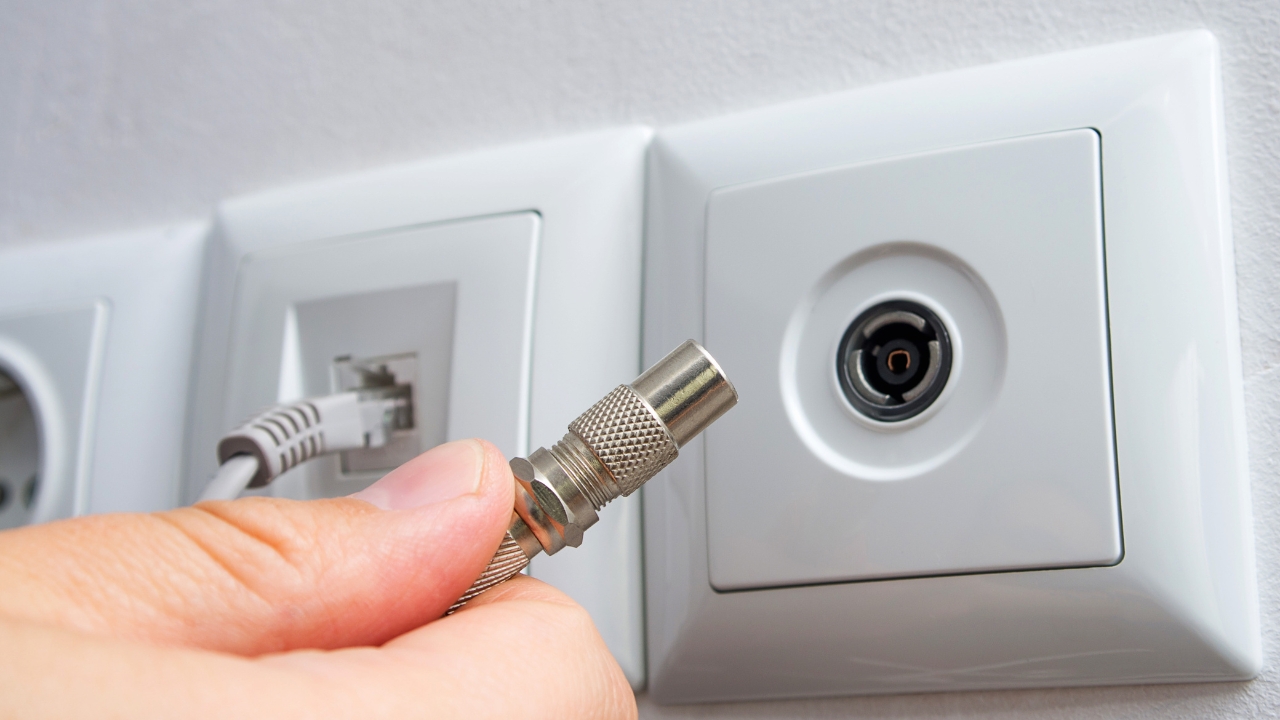
You can protect the power cord and still lose the TV, modem, router, or game console. That’s because the surge came in on coax from the dish or cable line, or rode in on Ethernet between buildings. The surge strip never even saw it.
Use proper surge protection on coax and data lines, and make sure those services are bonded to the house grounding system the way local code requires. If you’ve got a detached shop with its own power and a data cable run between buildings, consider fiber instead of copper. Fiber doesn’t carry a surge.
3. Cheap Strips Are Barely Protectors
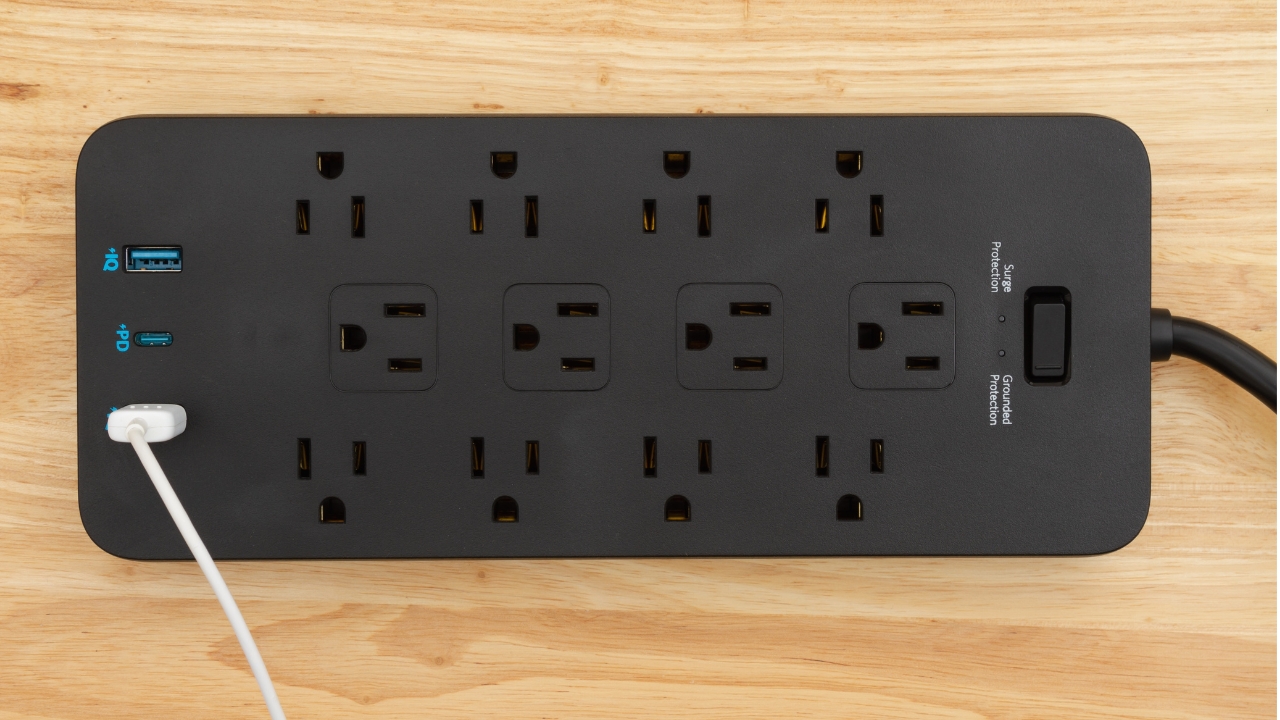
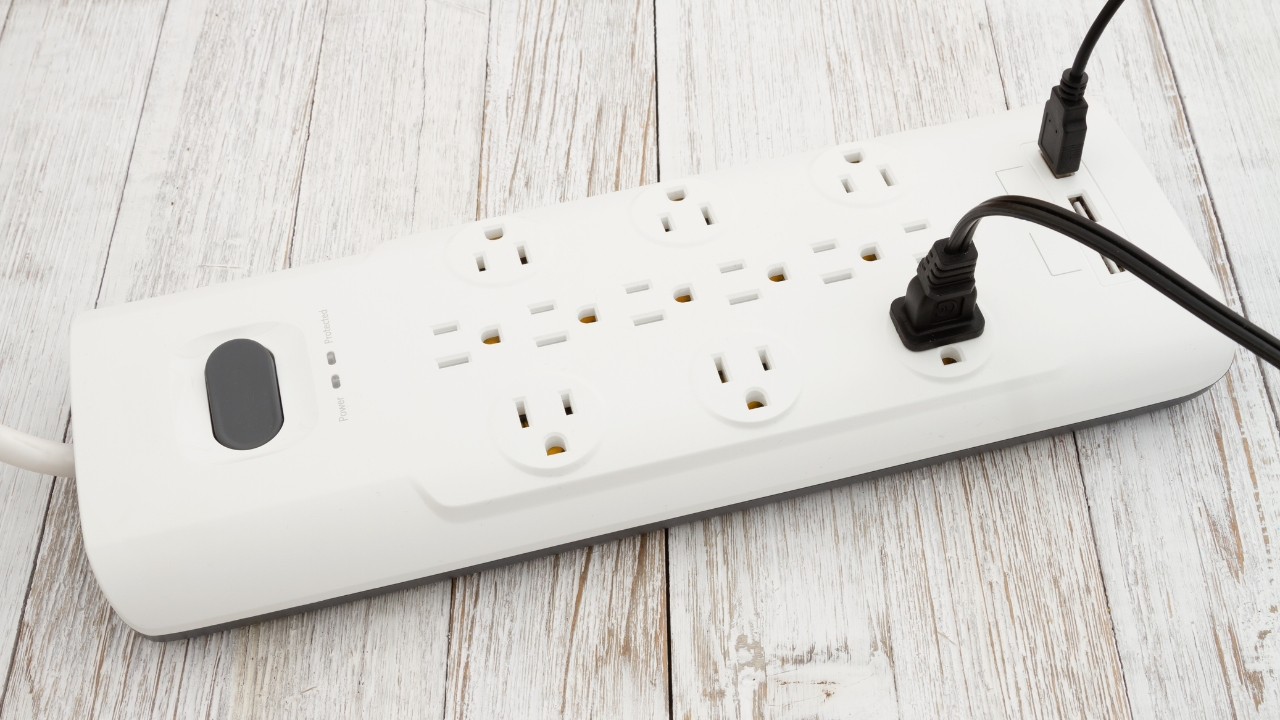
A lot of “surge protectors” are just power strips with a light. They might have low joule ratings, weak clamping, or no meaningful protection at all once you read the fine print. The first real hit can use them up, and you never notice because everything still turns on.
Look for a reputable unit with a clear joule rating and a protection status light that actually indicates protection is still active. If the only selling point is a long cord and six outlets, treat it like a basic power strip. Put truly valuable electronics on a better protector or, better yet, a UPS where it makes sense.
4. Protectors Wear Out Quietly

Surge protectors don’t last forever. Every little spike from a motor starting, a utility switch, or a nearby strike takes a bite out of the MOVs inside. Eventually the protector turns into a plain extension strip, and you won’t know unless it has a real “protection present” indicator.
Replace protectors on a schedule if they’ve lived through storm seasons, nuisance outages, or generator use. If the unit ever gets warm, discolors, buzzes, or smells, unplug it and toss it. No electronics are worth a melted strip on a wood desk.
5. High Draw Loads Overheat The Strip
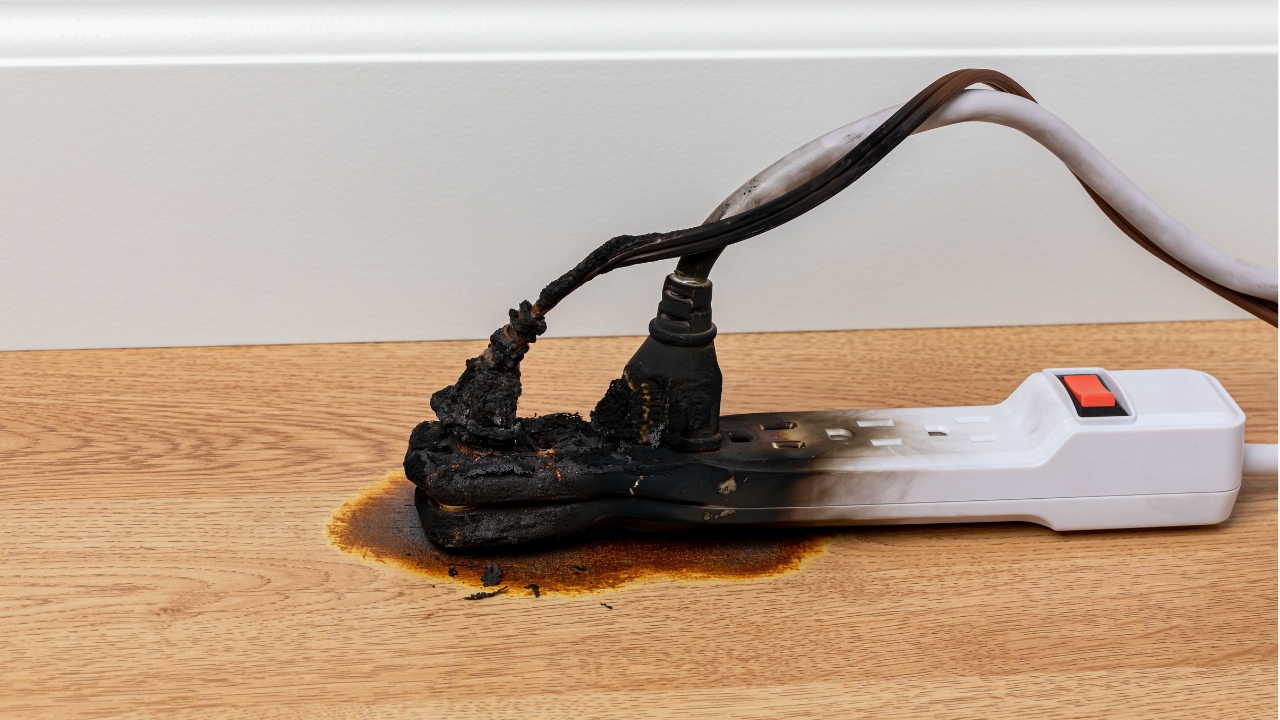
Space heaters, window AC units, shop vacs, compressors, and some laser printers don’t belong on most surge strips. Even if the strip doesn’t fail right away, the heat at the plug and the strip’s internal bus can cook things over time. You’ll see browned plastic on the plug blades, or you’ll feel the cord get warm.
Plug high draw appliances straight into a properly rated wall outlet, and fix the real problem if you don’t have enough circuits. If you need more outlets in a room that runs heavy loads, that’s a job for an electrician. A surge protector is not a wiring upgrade.
6. Brownouts Kill More Than Spikes
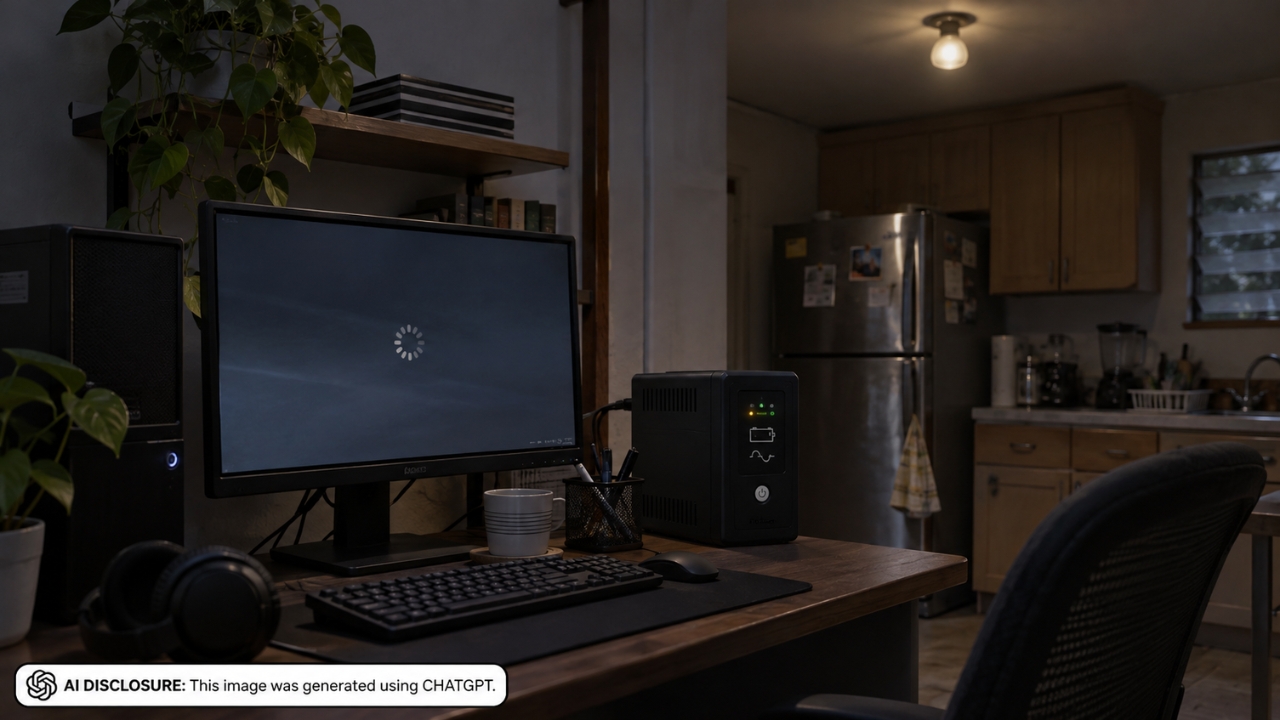
Not every power problem is a surge. Long low-voltage events, called brownouts, are rough on motors and power supplies. Your fridge, well pump controller, furnace board, and computer power supply can overheat while the voltage sags, and a basic surge strip does nothing about it.
If your lights dim when the neighbor’s shop kicks on, call the utility first and describe it. For electronics you care about, a UPS with voltage regulation can keep a computer from crashing and can smooth out dips. For whole-house low voltage issues, a licensed electrician can check service connections and load balance.
7. Grounding Problems Limit Protection
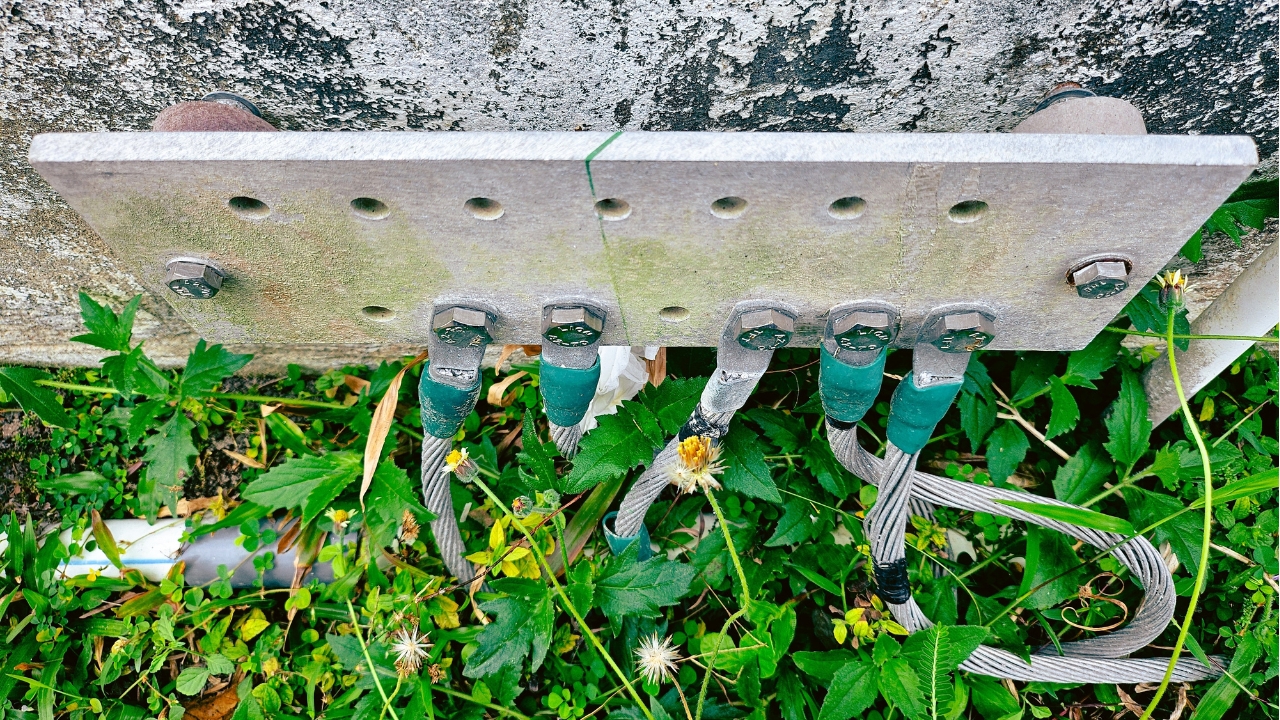
Surge protectors shunt excess voltage to ground. If the grounding system is loose, corroded, undersized, or wrongly bonded, the protector has nowhere good to send that energy. You end up with weird behavior, like a protector that trips constantly, electronics that buzz, or devices that die even though the “protected” light is on.
Grounding and bonding is not guesswork, and it’s tied to code. If you’ve got an older home, a farm service, or a mix of outbuildings, pay for an electrician to inspect the grounding electrode system and bonding to water lines, rods, and service equipment. It’s one of the few electrical jobs where getting it right pays you back in safety.
8. A Bad Outlet Makes It Worse

Loose receptacles, backstabbed connections, and worn outlets create arcing and heat. That can fry power supplies and damage plugs, and a surge strip can’t fix it. Sometimes the first sign is a crackle when you wiggle a plug, or a wall plate that feels warm.
Shut off the breaker and replace worn outlets with quality ones if you know what you’re doing and local rules allow it. If you find scorched wires, aluminum wiring, or you’re not confident, call a pro. A $15 outlet can protect a lot more gear than a $30 surge strip, when the outlet is the real problem.
9. Misplaced Faith Beats Good Habits
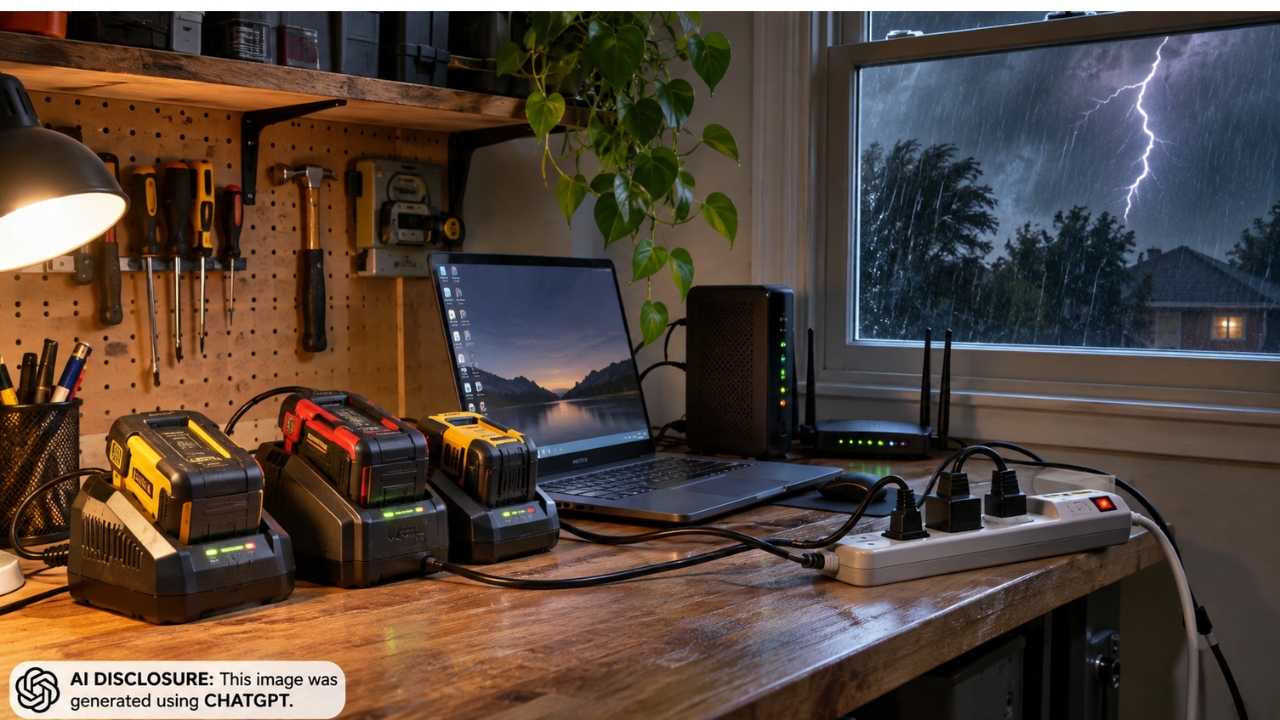
The biggest failure is human. You leave expensive tools on charge during a thunderstorm, keep the modem powered through every outage, and never shut anything down because “it’s on a surge protector.” The protector becomes permission to ignore obvious risk.
When storms roll in or you leave for a week, unplug what you can. Shut down computers cleanly during repeated flickers, and don’t leave battery chargers cooking on a bench all night if power quality is sketchy. Habit is free.
10. Sometimes The Cheap Option Is Fine

A surge strip isn’t worthless. For a lamp, a phone charger, a fan, or a basic TV in a guest room, a decent protector is often enough for the small everyday spikes that happen on a grid. It can also give you a convenient switch and spacing between plugs.
Just don’t expect it to protect mission-critical gear, expensive home office setups, or anything tied into multiple cables. If losing it would ruin your week or cost real money, step up to a whole-house protector, a UPS, and good bonding, and still unplug when the sky goes green.
Electronics survive best when you stack defenses instead of betting on one strip. Fix the wiring, respect storms, protect every path into the device, and spend the real money where failure hurts the most. The rest can live on a basic protector without drama.
Like Fix It Homestead’s content? Be sure to follow us.