10 Things Plumbers Say Not to Pour Down a Farmhouse Drain
Photo credit: Tanya Consaul Photography/Shutterstock.com
Farmhouse plumbing takes a beating. Long drain runs, old cast iron, and a septic tank out back mean the stuff that “worked fine at the apartment” can turn into a slow sink, a stinky kitchen, or a backup you’ll never forget. Most clogs are self-inflicted, and they always show up on a weekend.
1. Hot Frying Grease And Bacon Fat
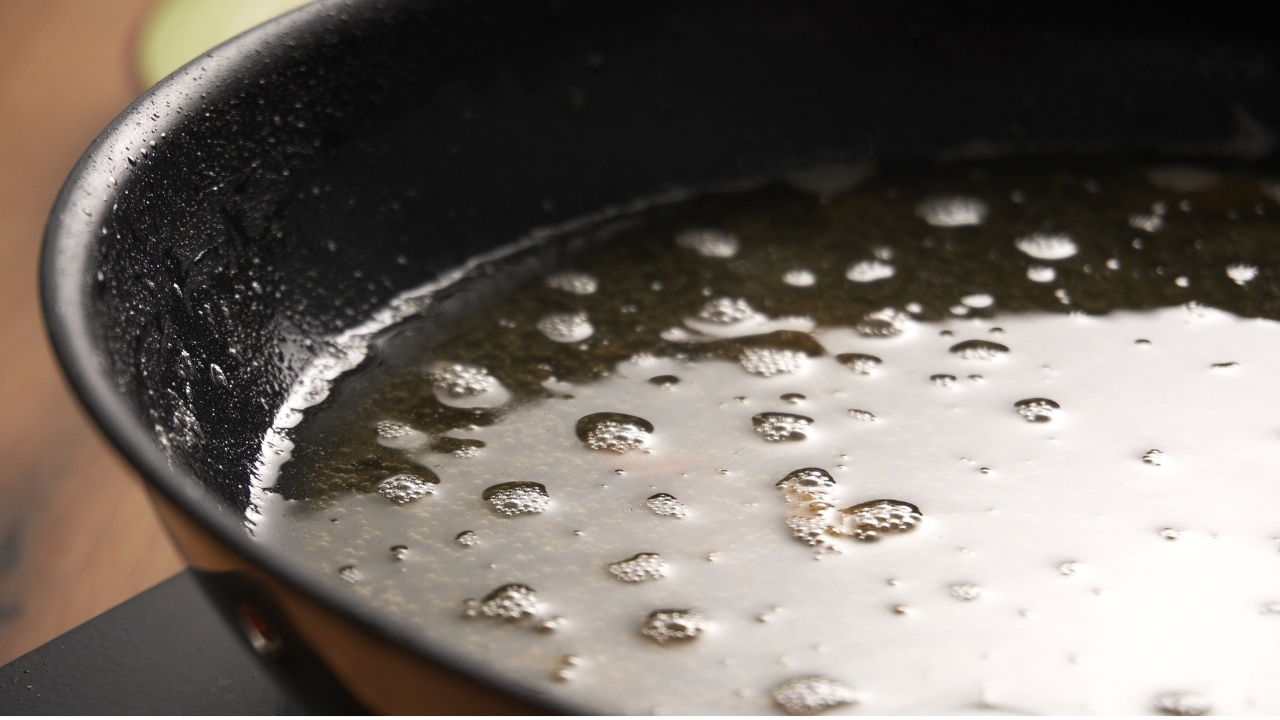
It looks harmless when it’s warm, then it cools inside the pipe and turns into a waxy ring that grabs every crumb that comes after it. In winter, when your crawlspace and basement lines are colder, that grease sets up faster and you’ll hear the sink start to glug and drain in slow motion.
Pour grease into a coffee can or a glass jar, let it cool, then toss it in the trash. If you already sent some down the drain, don’t chase it with boiling water and hope. Run hot tap water with a good squirt of dish soap for a minute while you wipe pans out with a paper towel first, then wash.
2. Coffee Grounds From The Filter
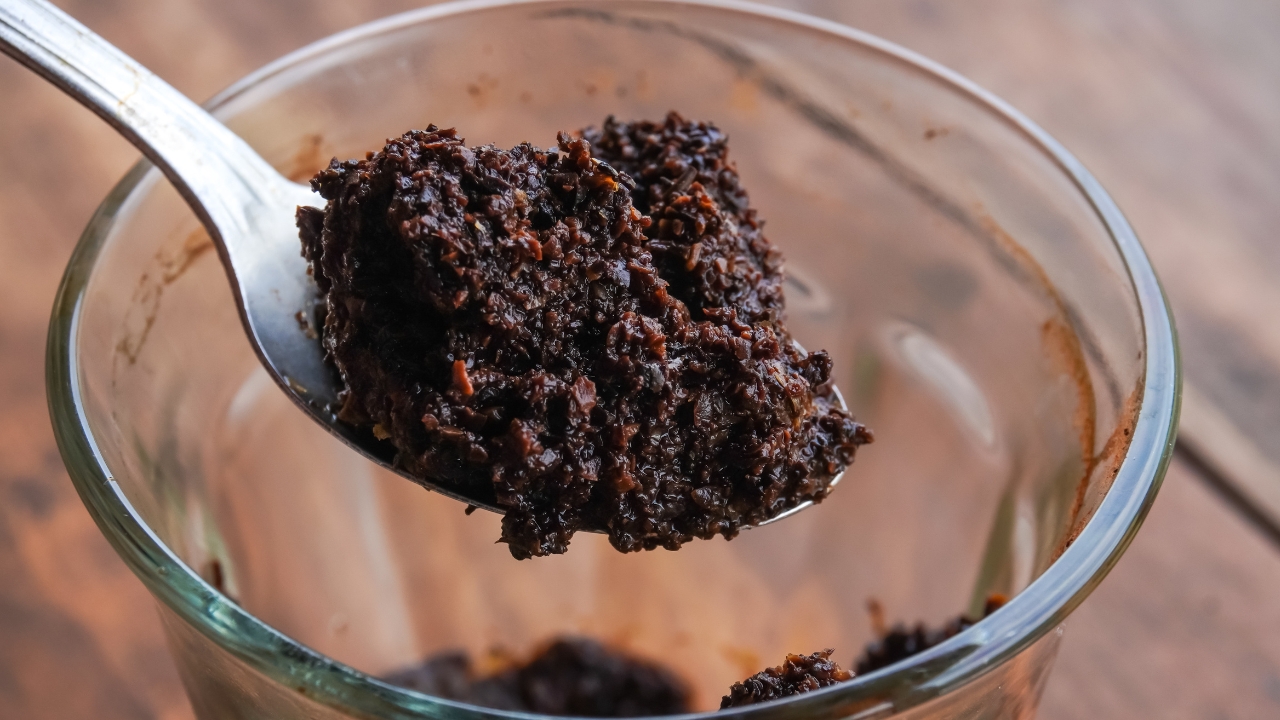
Grounds don’t dissolve. They settle in the trap and low spots, pack together like wet sand, and they love to hide under that little bit of grease you didn’t know was there. If you’ve got older galvanized or cast iron, the rough interior gives grounds a place to hang on and build a clog layer by layer.
Knock grounds into the compost or trash, then rinse the filter basket. If you’ve got a septic system, this is an easy win since grounds add needless solids to the tank. A sink strainer costs a few bucks and saves you from pulling the trap on a Tuesday night.
3. Eggshells And Starchy Peels
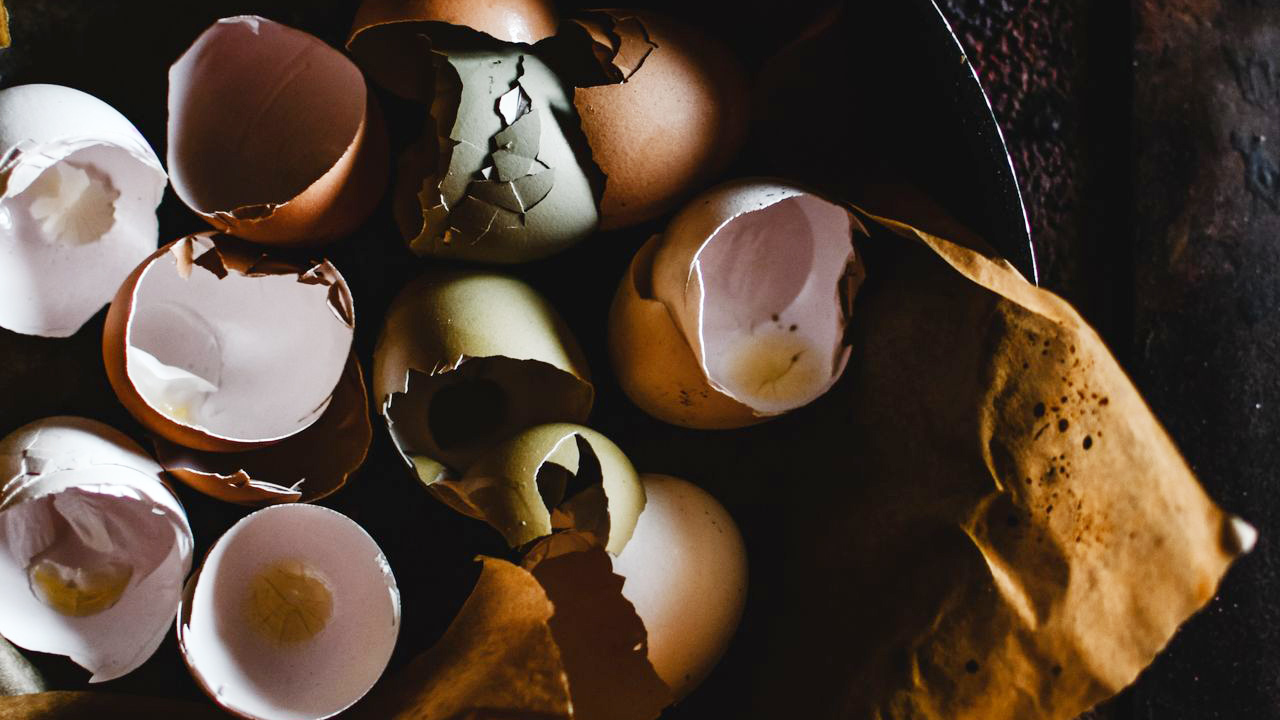
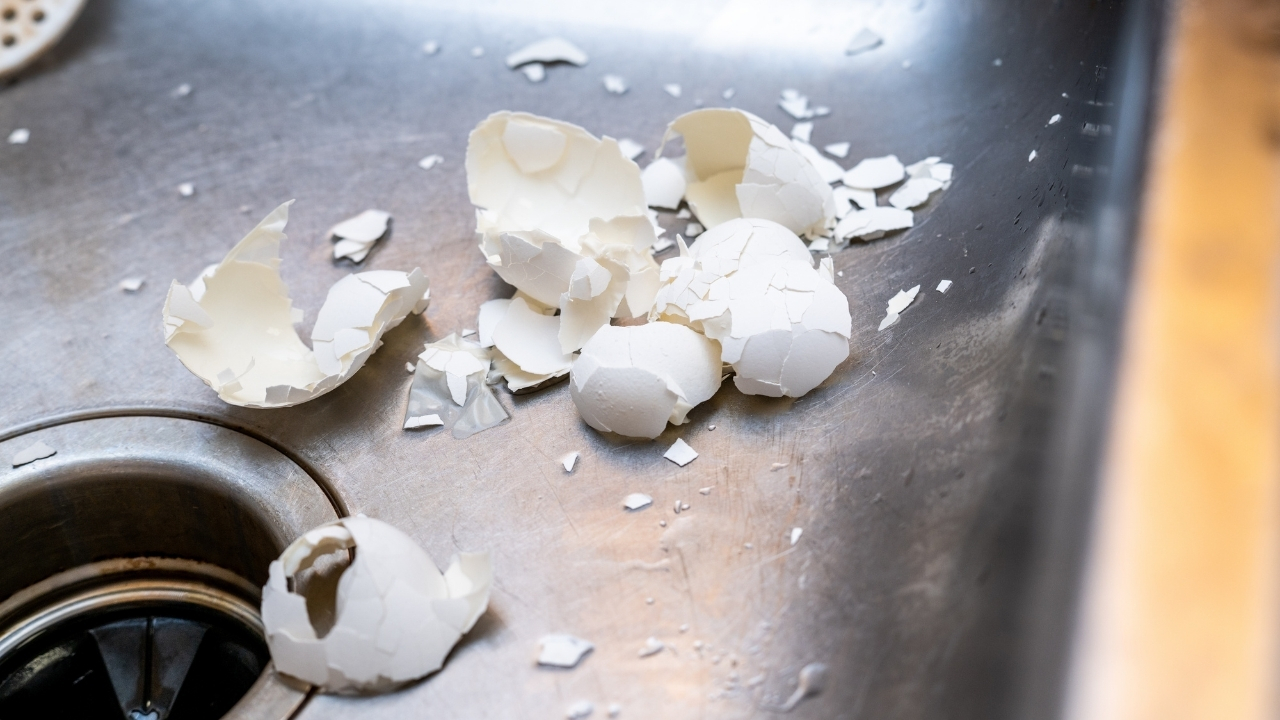
A lot of people think eggshells “sharpen” disposal blades. Disposals don’t have blades, they have impellers, and eggshell membrane can wrap around them like string. Potato peels and other starchy scraps turn into paste and smear along the pipe walls.
Scrape these into the compost pile or garbage. If you insist on using the disposal for small scraps, keep the water running steady and feed tiny amounts, but skip shells and peels entirely. When the disposal starts to hum but not move water, stop and deal with it before you burn it up.
4. “Flushable” Wipes And Shop Towels
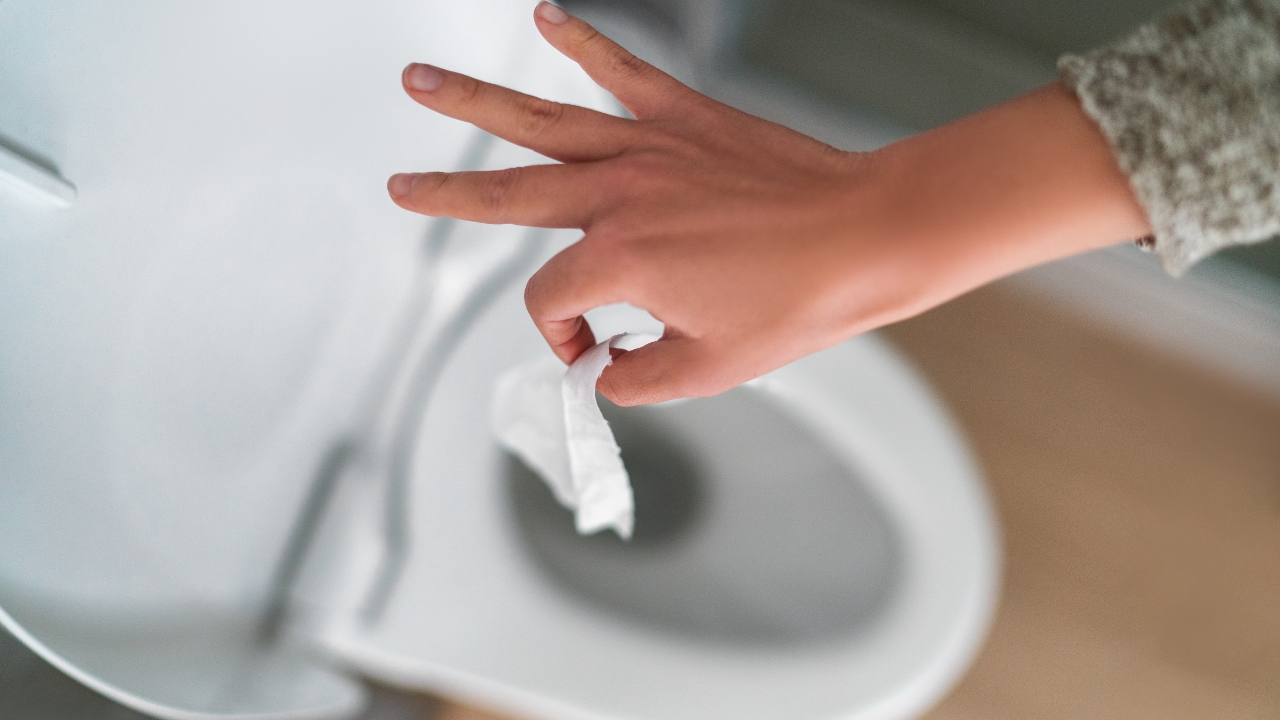
Those wipes are famous for making plumbers rich. They don’t break down like toilet paper, and in a farmhouse with a long main line, they snag at joints and roots and start a rope that catches everything else. You might not notice for weeks, then the lowest drain in the house gurgles and the toilet starts acting shy.
Put wipes, paper towels, and blue shop towels in the trash. If someone already flushed them and you’ve got slow drains all over, that’s often a main line problem, not a single sink trap. A drain snake can help, but if you hit heavy resistance or you’re on septic and things back up, call a licensed plumber before you make a mess bigger.
5. Paint, Stain, And Dirty Brush Water
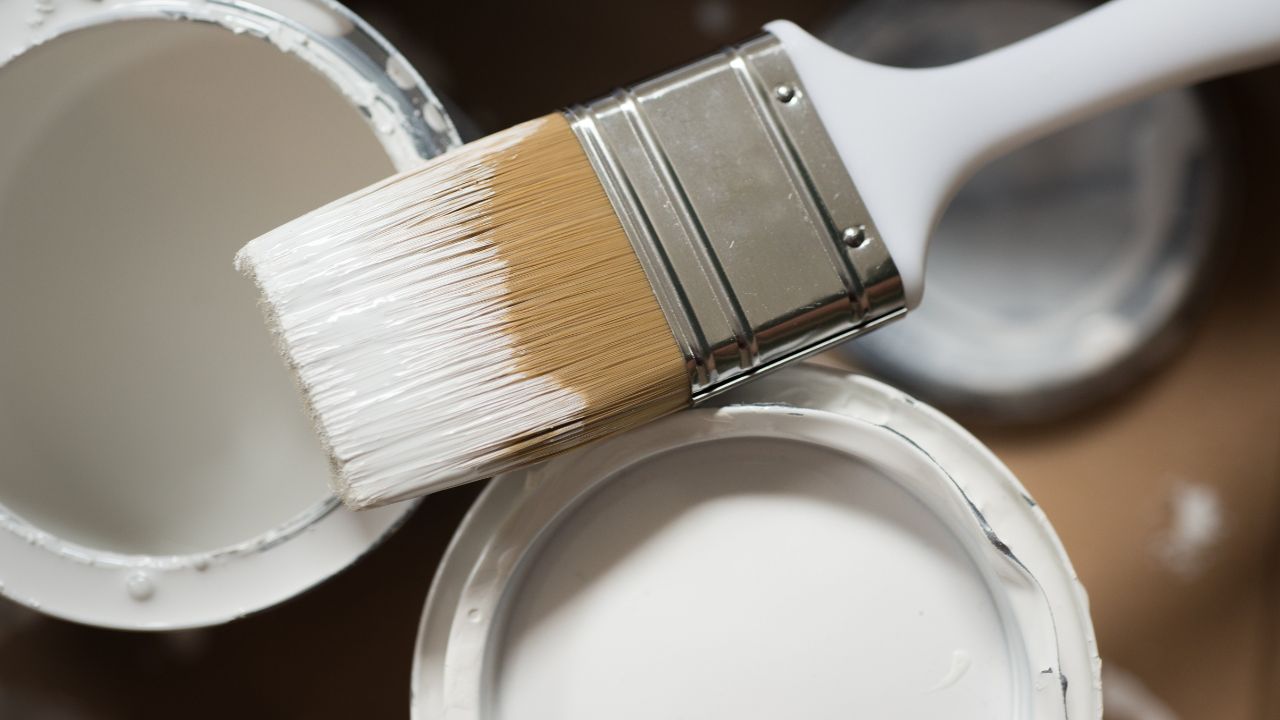
Late fall is when this one shows up, right after the last project before the holidays. Latex paint seems like it’s “just water,” but it leaves solids behind as it dries in the trap and branch lines. Oil-based paint, stains, and solvents are worse, and they can damage septic biology and some pipe materials.
Let leftover paint dry in the can or on cardboard and dispose of it the way your county wants. Rinse brushes into a bucket, let the solids settle, then strain and dispose of sludge properly. If you’re on septic, this is one of those rules that pays you back over time, because pumping a tank early gets old fast.
6. Harsh Drain Openers Used As Routine
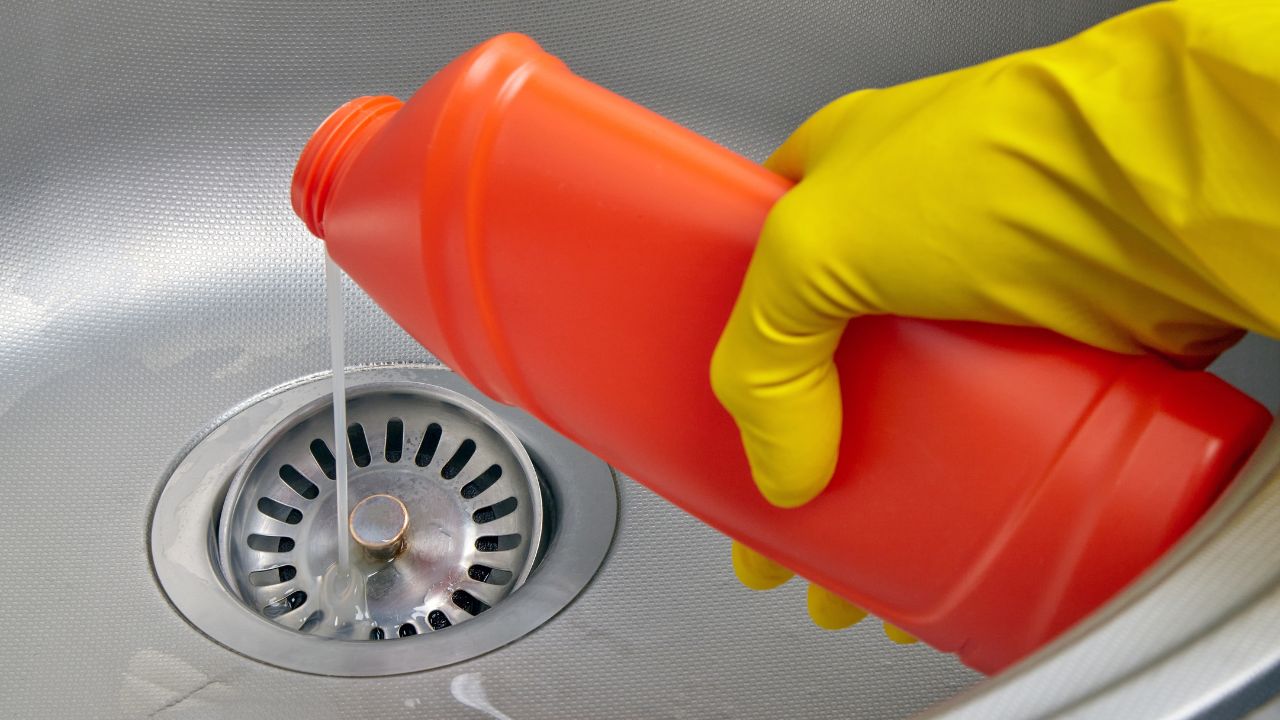
Pour-in chemical openers are tempting when the sink is full and dinner’s waiting. The trouble is they don’t just “eat the clog,” they can sit in a blocked line and attack old metal, soften some plastics, and make the air in the cabinet burn your nose. They also turn a simple snaking job into a safety issue for the next person who opens the pipe.
Start with a plunger made for sinks, not the toilet plunger with the flange. If that fails, pull the trap with a bucket and gloves, or use a hand snake. An honest exception: enzyme or bacterial drain treatments can be fine for odor control and light buildup, especially on septic, but they won’t fix a real clog and they’re not a substitute for cleaning the trap.
7. Flour, Dough, And Thick Gravy

Dumping batter or gravy down the drain feels cleaner than scraping it into the trash. Then it hits cool water and turns into glue. This stuff coats the pipe, traps hair and crumbs, and makes a clog that doesn’t respond well to “a little more hot water.”
Wipe bowls and pans with a spatula, then a paper towel, and put the towel in the trash. For gravy and soups, pour leftovers into a container and chill, then scrape the thickened stuff out before washing. If you run a homestead kitchen hard during canning season, this habit matters.
8. Kitty Litter And Ash From The Stove
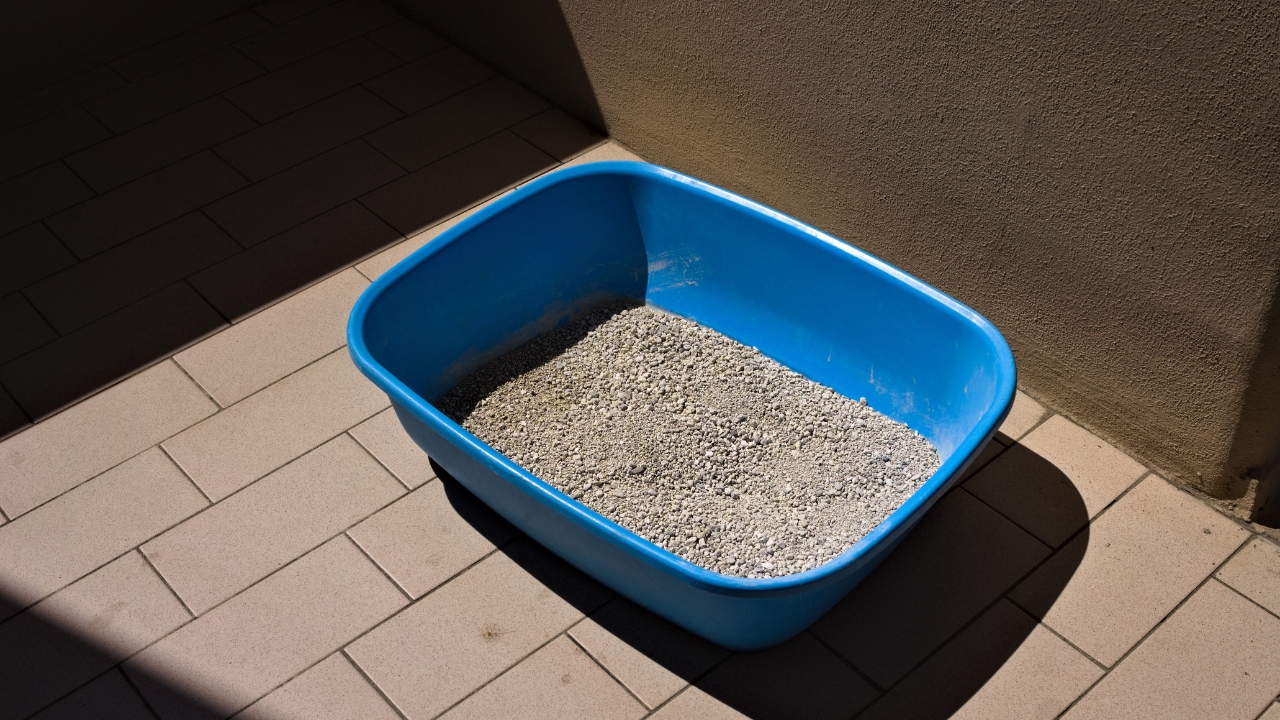
Clay litter swells and clumps on purpose, which is exactly what you don’t want in a pipe. Wood ash looks like powder, but it turns into a heavy sludge that settles in traps and makes a concrete-like layer when it mixes with grease. If you’ve got an old utility sink in the mudroom, it’s usually tied into the same system as the rest of the house.
Bag litter and put it in the trash, even the “flushable” kinds. Ash belongs in a metal bucket with a lid until it’s cold, then dispose of it or use it the way you normally do outdoors. If that utility sink already drains slow, clean the trap first before you assume the whole line is failing.
9. Chicken Fat, Bone Broth Skim, And Lard
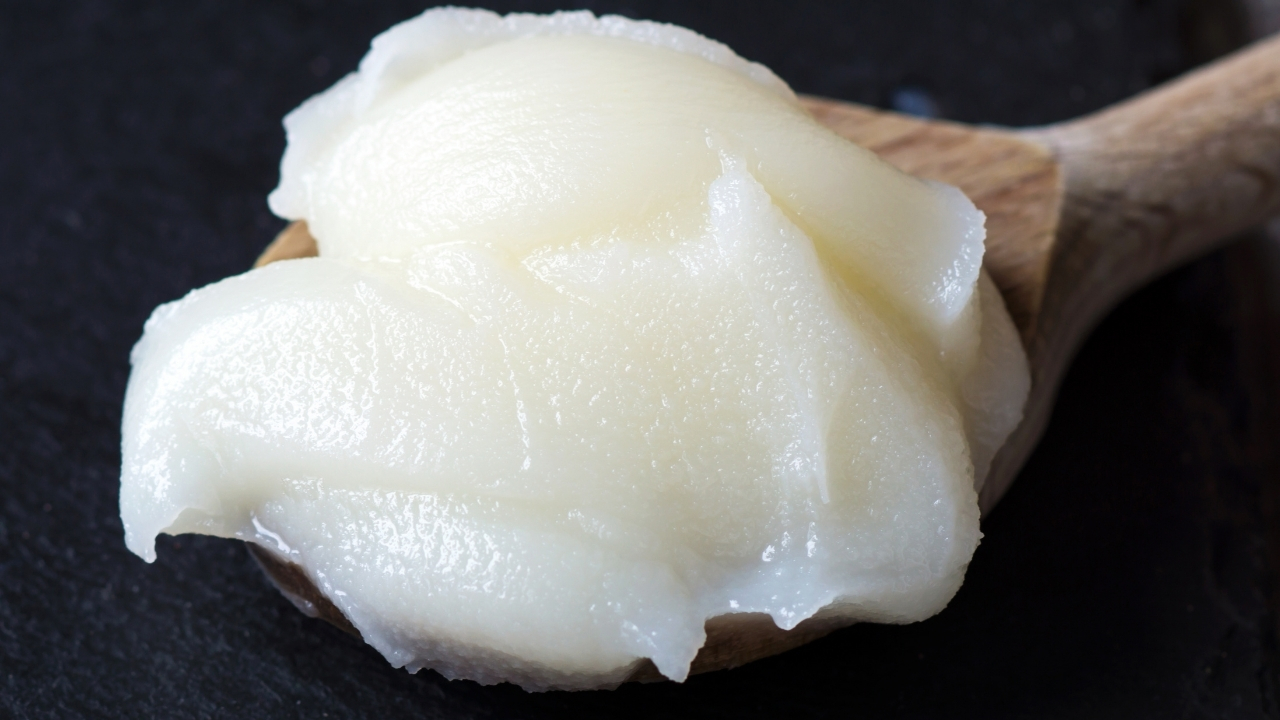
Rendered fat feels old-school and natural, so it gets a pass it doesn’t deserve. Animal fats harden even firmer than many cooking oils, and they can cool into thick discs in the trap. Once that happens, the sink may still drain, just slowly enough to trick you into ignoring it.
Save the good stuff in a jar for cooking, and trash what you don’t want. If you already poured it out, run hot water and dish soap right away, then stop feeding that drain scraps for a few days. If the smell turns sour and won’t rinse away, pull and clean the trap instead of perfuming the problem.
10. Sand, Grit, And Garden Soil
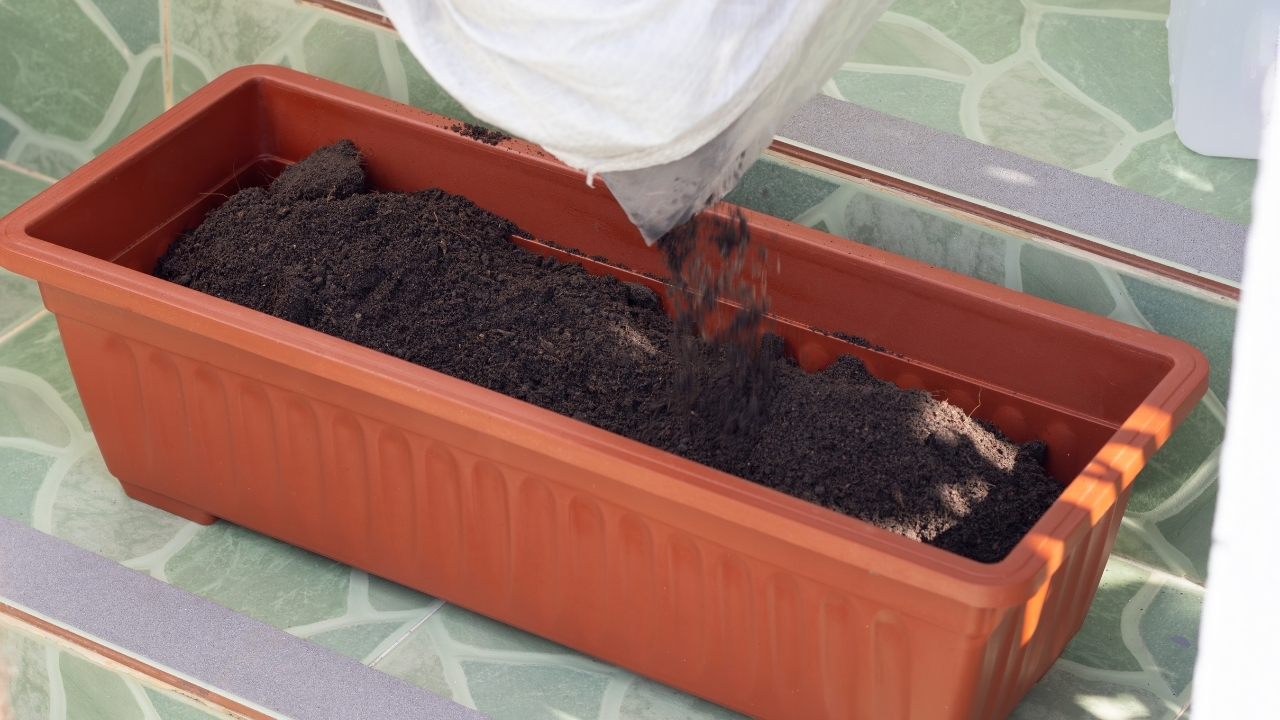
It usually starts at the porch sink or a basement utility tub after you rinse boots, harvest bins, or root vegetables. Grit doesn’t float away. It settles in the bottom of the trap and acts like a sediment bowl, narrowing the passage until every rinse turns into a standing puddle.
Knock off dirt outside first, and use a hose where you can. Inside, rinse into a bucket or use a strainer that actually catches grit, then dump the bucket outdoors away from the foundation. If you keep washing heavy soil down the drain, plan on taking the trap apart more than once a year, or install a simple sediment trap setup and clean it on schedule.
If your farmhouse drains are already slow, skip the wishful thinking and start with the simple stuff: clean the strainers, pull and rinse the trap, then snake from the cleanout if you have one. When multiple fixtures act up at once, or anything backs up into a tub or floor drain, get a licensed plumber involved before it turns into a cleanup job.
Like Fix It Homestead’s content? Be sure to follow us.